
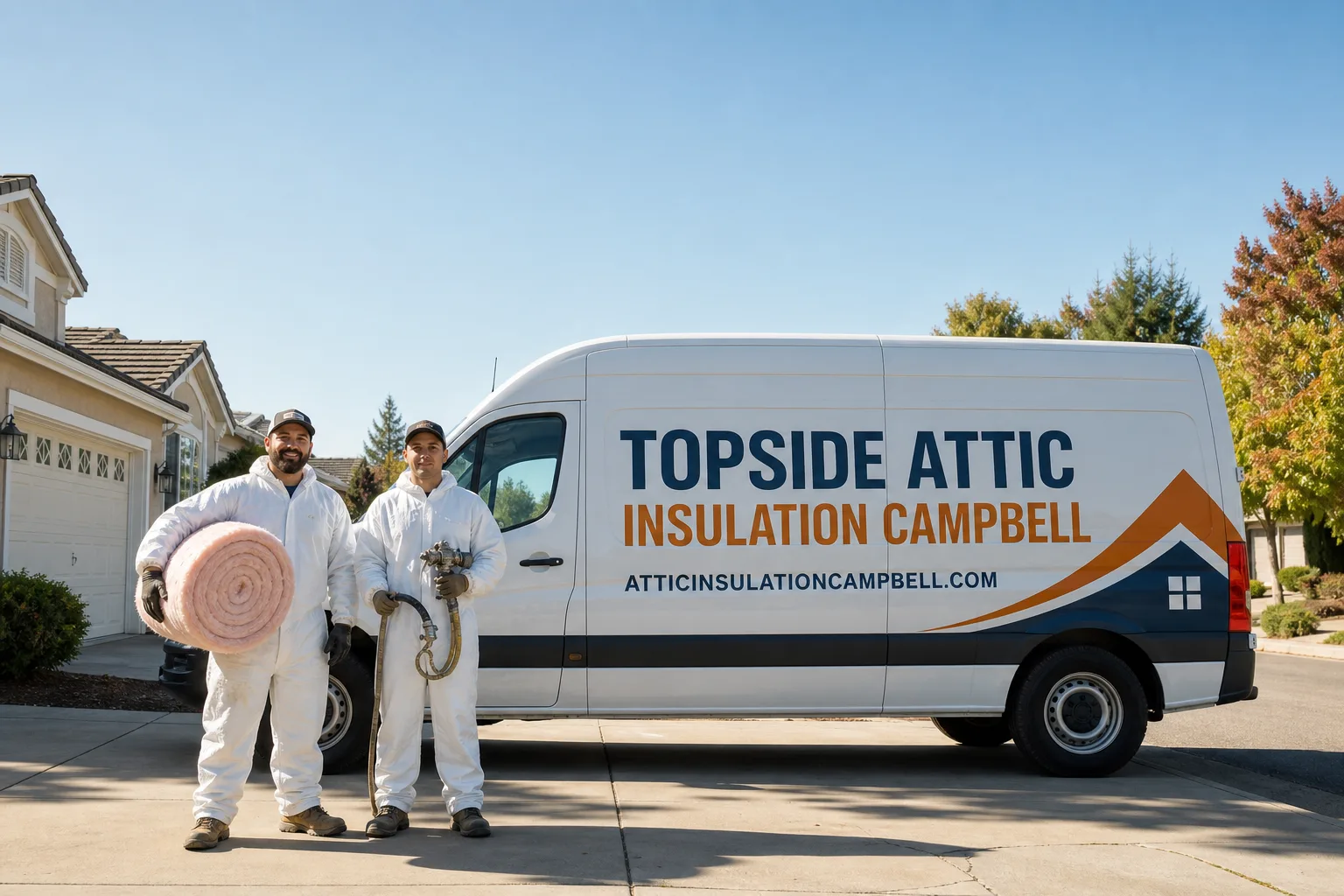
Fast, Reliable Attic Insulation Across Mountain View
Most attic insulation jobs in Mountain View run $2,800-$6,500 for a full replacement on a typical 1,200-1,800 square foot ranch, and our crews usually complete the work in one day. We dispatch to Mountain View from our San Francisco Bay Area office, and we know the specific failure patterns in the 1950s-70s tracts that dominate this city. Call (831) 534-3206 for a written price before any work starts - that’s Haven Standard Clause 1, no exceptions.
Mountain View’s bay-driven marine layer makes attic performance a year-round comfort issue, not just a winter one. Overnight temperatures here run 8-12°F cooler than inland San Jose, and PG&E’s tiered rates mean every therm of wasted heat costs more than it does almost anywhere else in the country. We’ve sealed and insulated over 9,000 homes since 2016, and the Monta Loma, Whisman Park, and Slater neighborhoods keep our blower-door busy.
Why Topside Attic Insulation Campbell Is Mountain View’s Preferred Attic Insulation Company
We don’t guess at what’s in your Mountain View attic. We test it. Every job that involves air sealing gets a blower-door test - a pressurization reading that shows, in one number, how much conditioned air your building envelope is losing - and we publish the before-and-after figures in the documented record you receive when we leave. Homeowners in Mountain View’s tech sector specifically request this data, and we deliver it.
Our response time to Mountain View is same-day or next-day for standard calls, and our 24/7 live-answer line means you’re talking to a person, not a voicemail loop, when you call (831) 534-3206. We’ve worked enough Monta Loma ranches to know which ones have the original whole-house-fan cutouts, which ones have settled rockwool from the 1962 build, and which soffit designs actually ventilate versus the ones that just look like they do.
Under our 365-Day Done Right Promise, if it’s not done right, we make it right. That applies to every completed job in Mountain View, backed by a written scope and written warranty delivered before anyone lifts a tool. We also offer a Free Second Opinion on any written estimate - bring us a competing quote and we’ll read it with you.
Our Attic Insulation Services in Mountain View
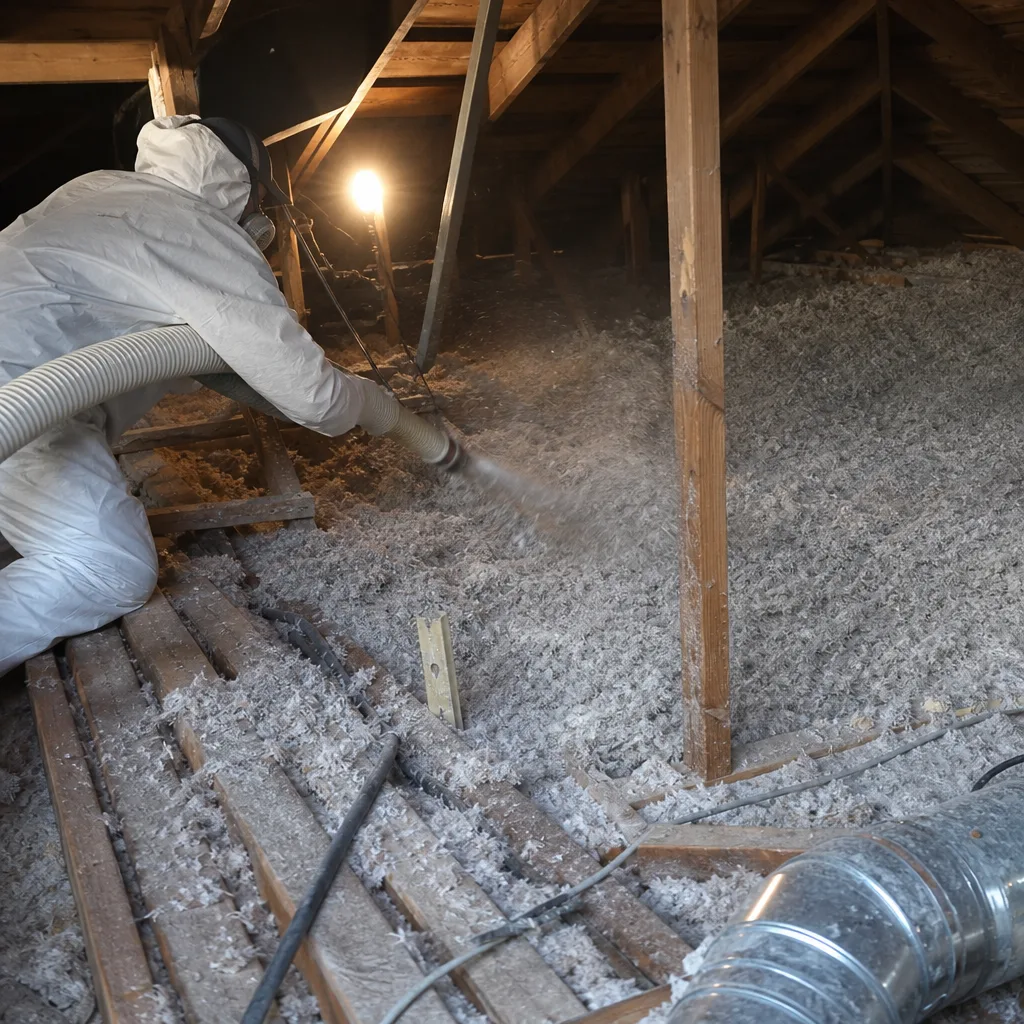
Blown-In Attic Insulation
Blown-in fiberglass or cellulose is our most common recommendation for Mountain View’s low-pitch ranch attics. The material fills irregular cavities around mid-century penetrations and fills to consistent depth across the long, flat ceiling planes typical of Monta Loma and Whisman Park builds. We source blown-in products from Owens Corning, Johns Manville, and GreenFiber - no proprietary lock-in, so we match the material to your assembly rather than forcing a one-product fit. Every blown-in job in Mountain View includes baffle prep at the soffits to keep the new material from choking ventilation in fog-season conditions.
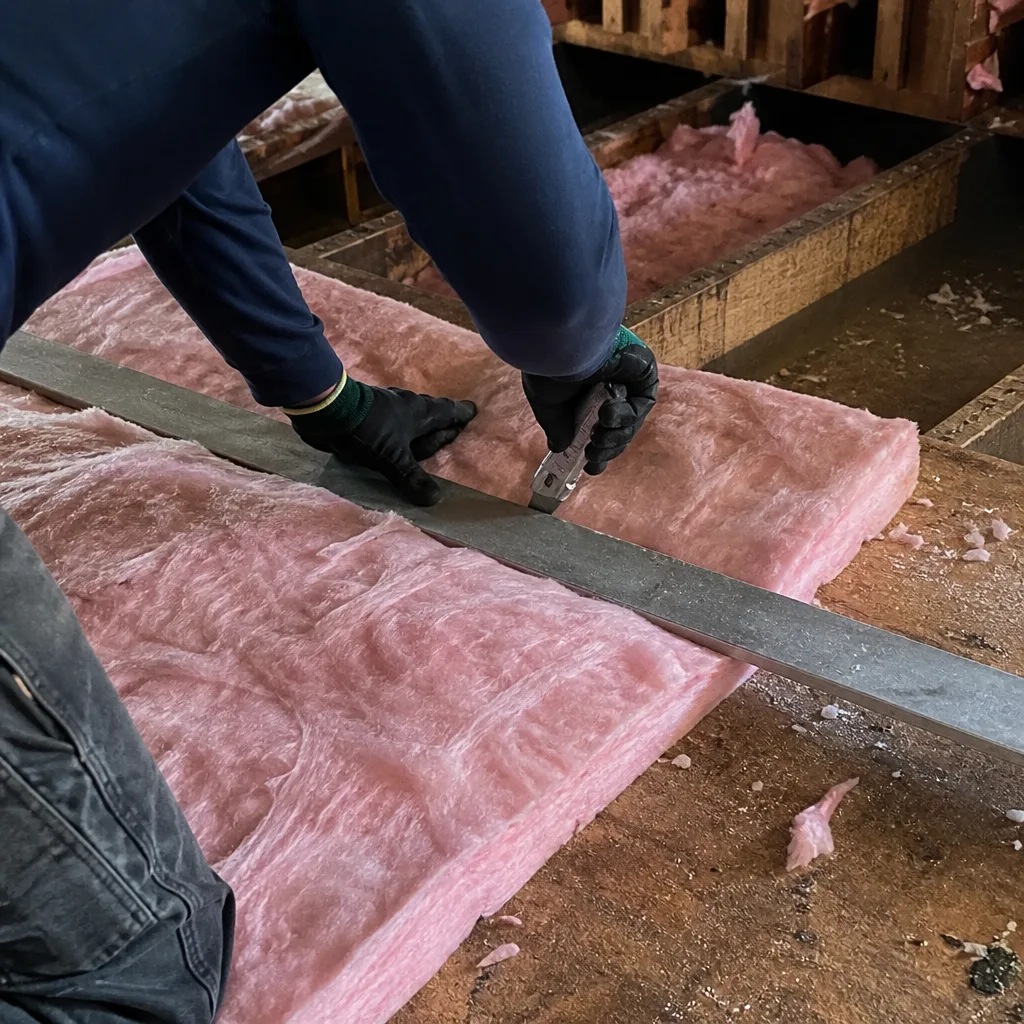
Attic Batt Insulation
Batt insulation still has a place in Mountain View, particularly in the 1980s-2000s condos and apartment complexes near the Caltrain corridor and Castro Street where shared-wall thermal bridging requires dense-pack or injection solutions rather than loose fill. For attics with regular joist spacing and minimal penetrations, we install CertainTeed or Knauf batts to precise compression specs - too tight and you lose R-value, too loose and you get convection gaps. Our crews measure every cavity, cut around obstructions, and document the install with photos you’ll receive in your record.
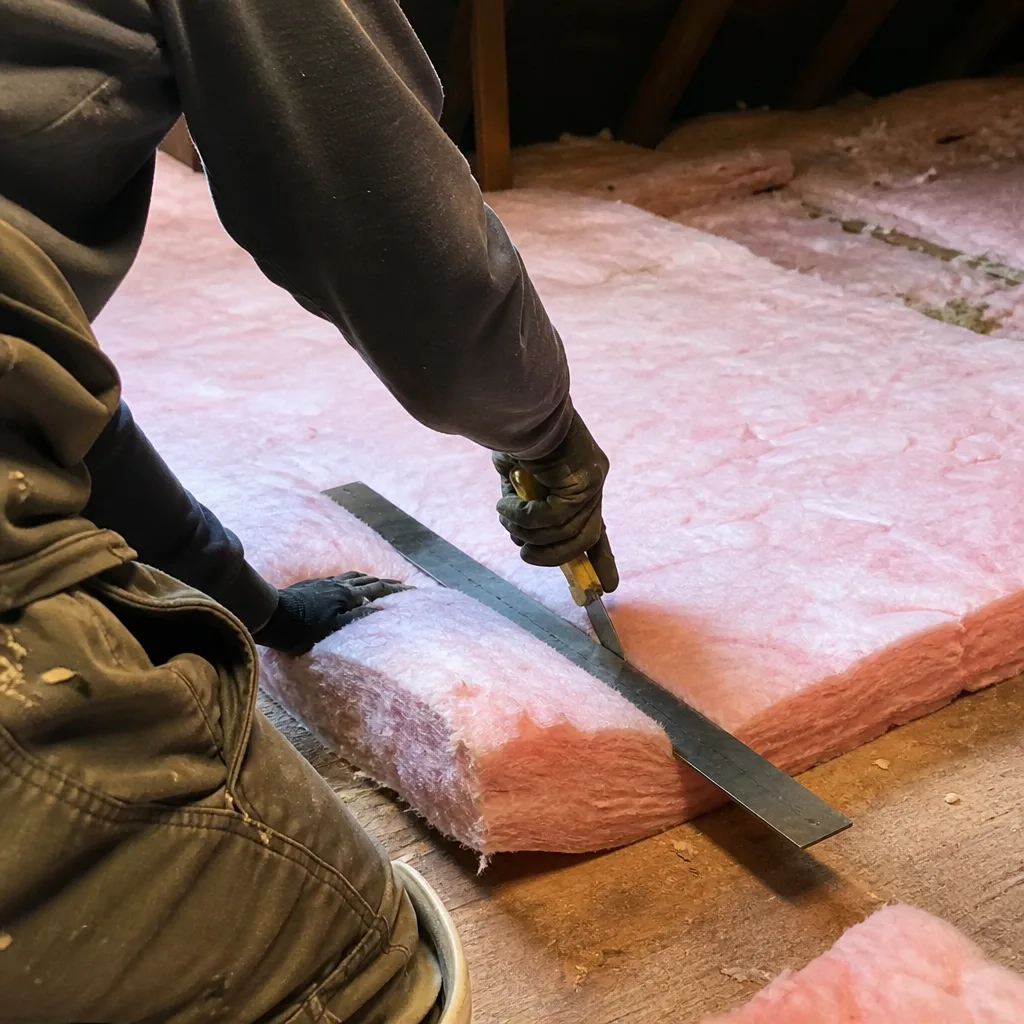
Attic Insulation Top-Up
This is the service we perform most often in Mountain View’s older neighborhoods. The attic looks insulated - there’s material visible across the joists - but original blown rockwool or early fiberglass batts have settled to near-zero effective R-value over sixty years. We don’t blow new insulation over the old without testing what’s there. First, we inspect for moisture damage, rodent activity, and combustion safety. Then we air-seal top plates, can lights, and penetrations before adding new blown-in material to bring the assembly to current Title 24 standards. The result is documented with pre/post blower-door readings so you can verify the performance change.
Attic Insulation Replacement
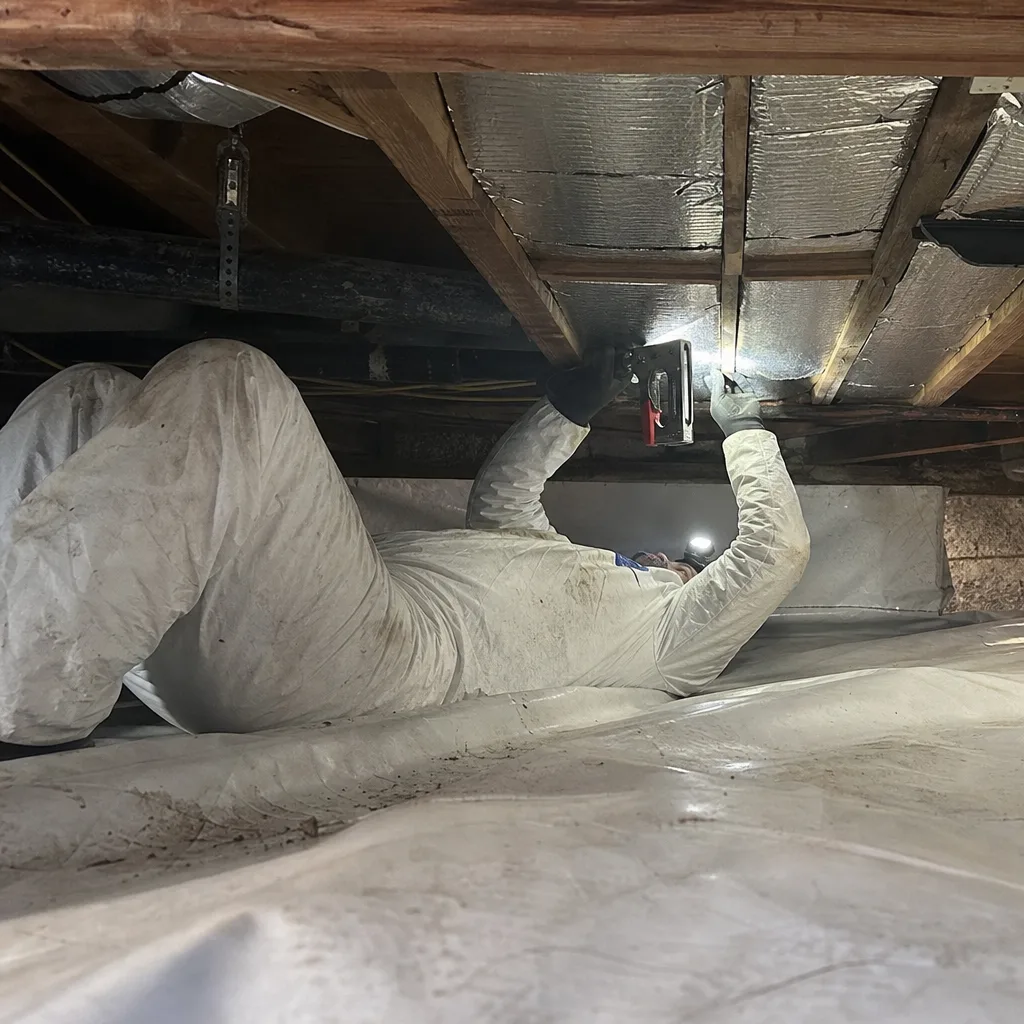
When the existing material is contaminated, compressed beyond recovery, or installed over unsealed air leaks, we remove it completely. This is common in Mountain View ranches where multiple DIY attempts have layered incompatible materials, or where rodent activity has compromised the cavity. Removal includes HEPA-contained extraction, sanitization of the deck, and repair of any degraded decking or venting. Then we air-seal from the thermal boundary and reinstall to spec. Full replacement in Mountain View typically runs $4,200-$6,500 for a standard ranch, with the written price delivered before work starts.
Attic Baffles & Ventilation Prep
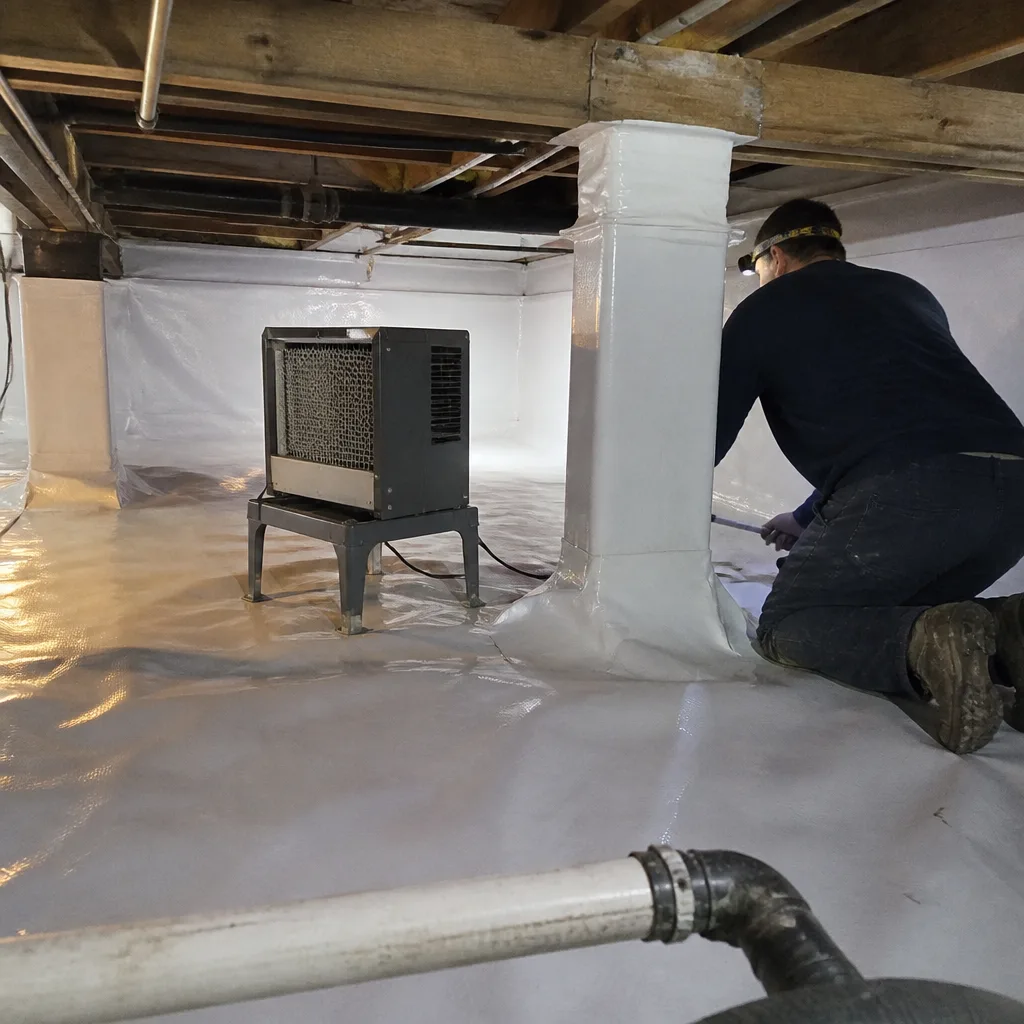
Mountain View’s summer fog and high relative humidity make ventilation management critical. Without proper baffles at the soffit, new insulation blocks airflow and creates condensation risk in the assembly. We install vent chutes at every rafter bay, verify exhaust vent clearance, and confirm that the attic’s ventilation strategy matches the insulation type we’re adding. This step is never skipped - it’s part of our sealed-first-then-insulated protocol, not an upsell.
What happens when you call
- 1
A real person answersNo phone trees - you reach a local pro.
- 2
You get an upfront price rangeHonest numbers before anyone is dispatched.
- 3
A background-checked tech heads outLicensed & insured, dispatched right away.
- 4
You approve before work beginsNothing starts until you say go.
 Before
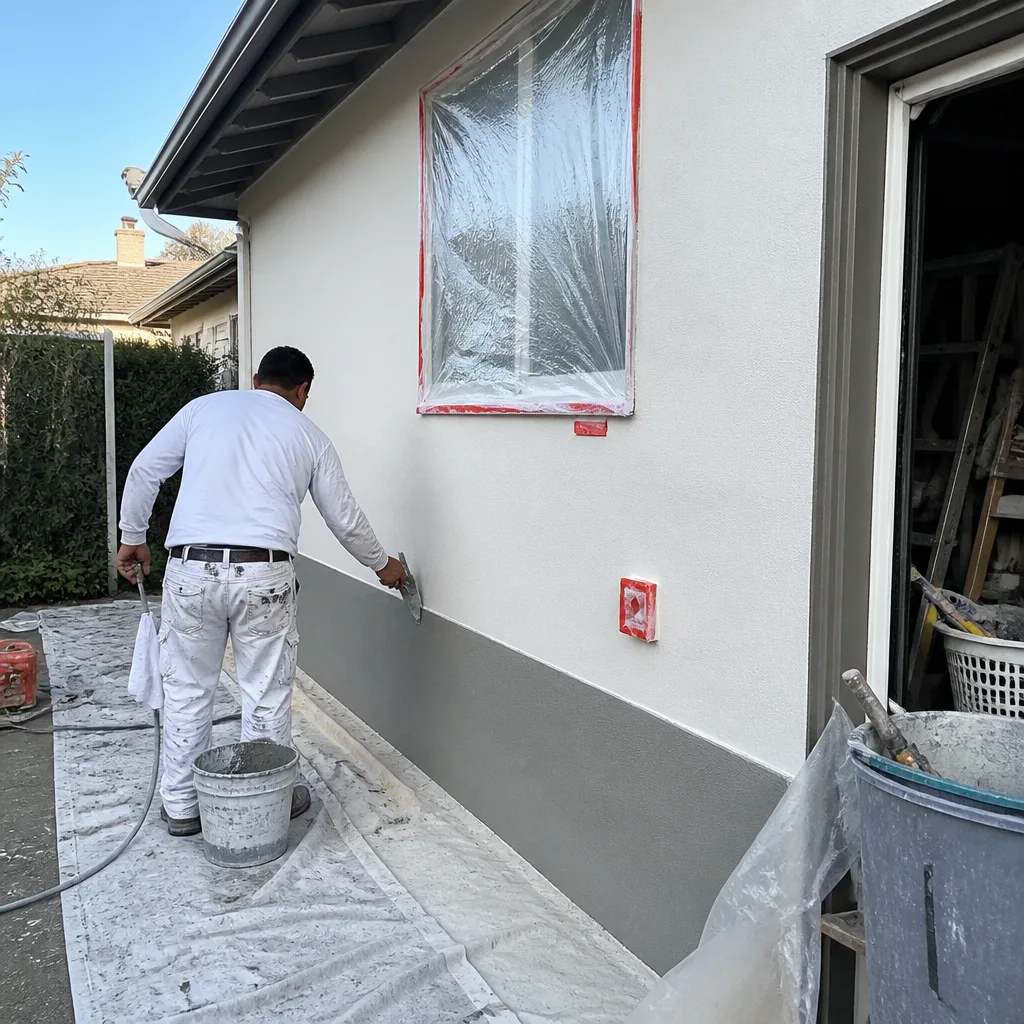 After
AfterTrusted Brands We Service in Mountain View
We stock and install materials from Owens Corning, Johns Manville, Knauf, CertainTeed, Icynene, Demilec, and GreenFiber - sourcing based on what your specific Mountain View assembly needs, not on distributor incentives. For the marine-layer moisture conditions common in Slater and Whisman Park attics, we often specify CertainTeed fiberglass or Icynene open-cell spray foam where vapor management is critical. No proprietary product lock-in means we can match competing specifications line-item for line-item, and our Free Second Opinion service lets you verify that your current quote used the right material for your conditions.
Common Attic Insulation Problems We See in Mountain View Homes
- Settled original rockwool with zero effective R-value. In Monta Loma ranches built 1955-1968, we regularly open attics to find blown rockwool that has compacted to less than two inches over the original ceiling. The coverage looks present, but a thermal camera shows the ceiling as a single cold plane. These homes flunk blower-door tests before we touch anything.
- Unsealed whole-house-fan openings feeding marine-layer drafts. The mid-century whole-house fan was a standard feature in Mountain View tract builds, and most were never properly boxed or sealed when HVAC replaced them. A 30-by-30-inch open penetration in a 1,200-square-foot attic negates any insulation value around it. We find these on roughly half the Monta Loma and Whisman Park ranches we inspect.
- Insulation choking soffit ventilation in low-pitch ranch attics. Mountain View’s ranch roofs run shallow - often 3:12 or 4:12 pitch - which means the soffit-to-deck clearance is minimal. Previous installers, DIY or otherwise, have packed material tight against the roof deck, blocking airflow and trapping moisture from summer fog. We see mold on the deck sheathing in these cases, and we fix the ventilation before adding any new material.
- Shared-wall thermal bridging in Caltrain-corridor multifamily. The condos and apartments near Castro Street and along the Caltrain line often have party walls with no thermal break. Standard attic insulation doesn’t address the heat transfer path through these walls, which requires dense-pack cellulose or injection foam treatment rather than batt or blown-in solutions.
Pricing for Attic Insulation in Mountain View, CA
Here’s what attic insulation costs in Mountain View’s current market:
| Service | Typical Range |
|---|---|
| Attic Insulation Top-Up (air seal + blown-in over existing) | $2,800-$4,200 |
| Attic Insulation Replacement (remove + reinstall) | $4,200-$6,500 |
| Attic Baffles & Ventilation Prep (standalone) | $800-$1,400 |
| Full Air Seal + Blown-In + Blower-Door Documentation | $3,600-$5,800 |
These ranges assume a typical Mountain View ranch of 1,200-1,800 square feet with standard attic access. Factors that move the price: active rodent contamination requiring removal, degraded decking needing replacement, combustion appliance venting that requires safety testing before air sealing, and accessibility constraints like tight scuttle openings or low-clearance trusses. We deliver a written price before any work starts - no exceptions, no “call for pricing” - and our estimates are free. Call (831) 534-3206 to schedule.
PG&E’s tiered rates make the payback math unusually favorable in Mountain View compared to national averages. A ranch that tests at 4,000+ CFM50 before sealing and drops to 2,000 CFM50 after our work will see measurable bill reduction in the first full billing cycle, with the retrofit typically recovering cost in 4-7 years depending on current usage tier.
We Also Serve Cities Near Mountain View
Our crews work throughout the mid-Peninsula and South Bay. If you’re in Mountain View or nearby Los Altos, Sunnyvale, Cupertino, or Palo Alto, we carry the same documentation standards, the same material inventory, and the same written-price guarantee. Dispatch and scheduling are coordinated from our San Francisco Bay Area office, with local crews serving each city.
Serving Mountain View, CA - Our Local Coverage Area
We’re based in the Mountain View area and know this community well. Use the map below to see our service coverage - if you’re nearby, we can almost certainly help.
FAQs - Attic Insulation in Mountain View
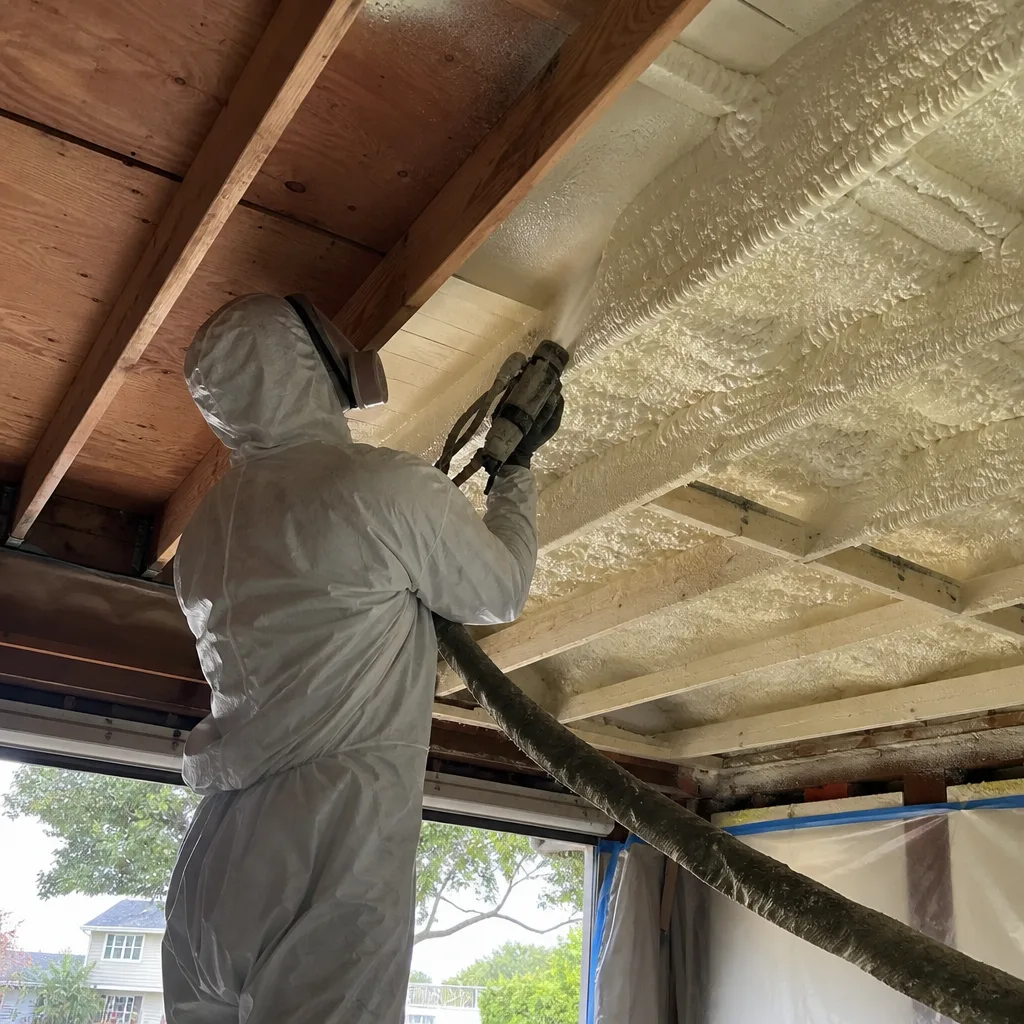
Because visible coverage is not effective R-value, and because those neighborhoods have two specific failure modes that standard visual inspection misses. The original blown rockwool or fiberglass batts have settled to near-zero thickness over sixty years, and the whole-house-fan openings common to 1950s-70s tract builds were never sealed. A blower-door test - a pressurization reading that shows, in one number, how much air your building envelope is losing - will typically read 3,500-5,000 CFM50 on these homes before we start work. Call (831) 534-3206 and we’ll test yours for free.
Yes. The marine layer that rolls through Mountain View each evening raises relative humidity and creates condensation risk in attic assemblies that aren’t properly ventilated. We install baffles at every soffit bay to maintain airflow, verify that exhaust vents are clear and properly sized, and select vapor-permeable materials where the assembly needs to dry to the exterior. Inland San Jose’s drier, hotter climate doesn’t present the same condensation risk, so the ventilation prep is less intensive there.
Sometimes, but only after we verify what’s actually there. If the existing material is dry, uncontaminated, and not compressed to the point of creating a vapor barrier, we’ll air-seal the deck and penetrations first, then blow new fiberglass or cellulose over the old to reach target depth. If we find rodent activity, moisture damage, or incompatible material layers, removal is the only defensible approach. We document the condition with photos before recommending either path, and you’ll see those photos in your record.
We box and air-seal it as part of our standard prep, never as an add-on. The typical opening is 24-36 inches square, cut through the ceiling drywall into the attic with no framing or sealing around the perimeter. We build a rigid box from fire-rated material, seal all joints with acoustical sealant, and insulate over the assembly. Leaving it open would make any new insulation performance largely theoretical. On a recent job off Monta Loma’s mid-century grid, our tech opened the attic to find original blown rockwool settled to near-zero effective R-value and a wide-open whole-house-fan cutout feeding the marine-layer draft. We air-sealed and boxed the fan penetration, prepped baffles at the soffits, and topped the cavity with blown-in Owens Corning fiberglass - then logged pre/post depressurization readings for the owner before we signed off.
PG&E’s tiered rates are among the highest in the nation, which means every unit of conditioned air you lose costs more here than in almost any other U.S. market. A typical Monta Loma ranch that we bring from 4,200 CFM50 to 2,100 CFM50 will drop one to two usage tiers in summer cooling and winter heating months, with annual savings of $600-$1,200 depending on household size and thermostat settings. The retrofit pays for itself faster in Mountain View than it would in a market with flat, cheap electricity. Call (831) 534-3206 for a free estimate and we’ll run the numbers with your actual bills.
Written by Wes Okafor, Owner at Topside Attic Insulation Campbell, serving Mountain View and the Bay Area since 2016.