
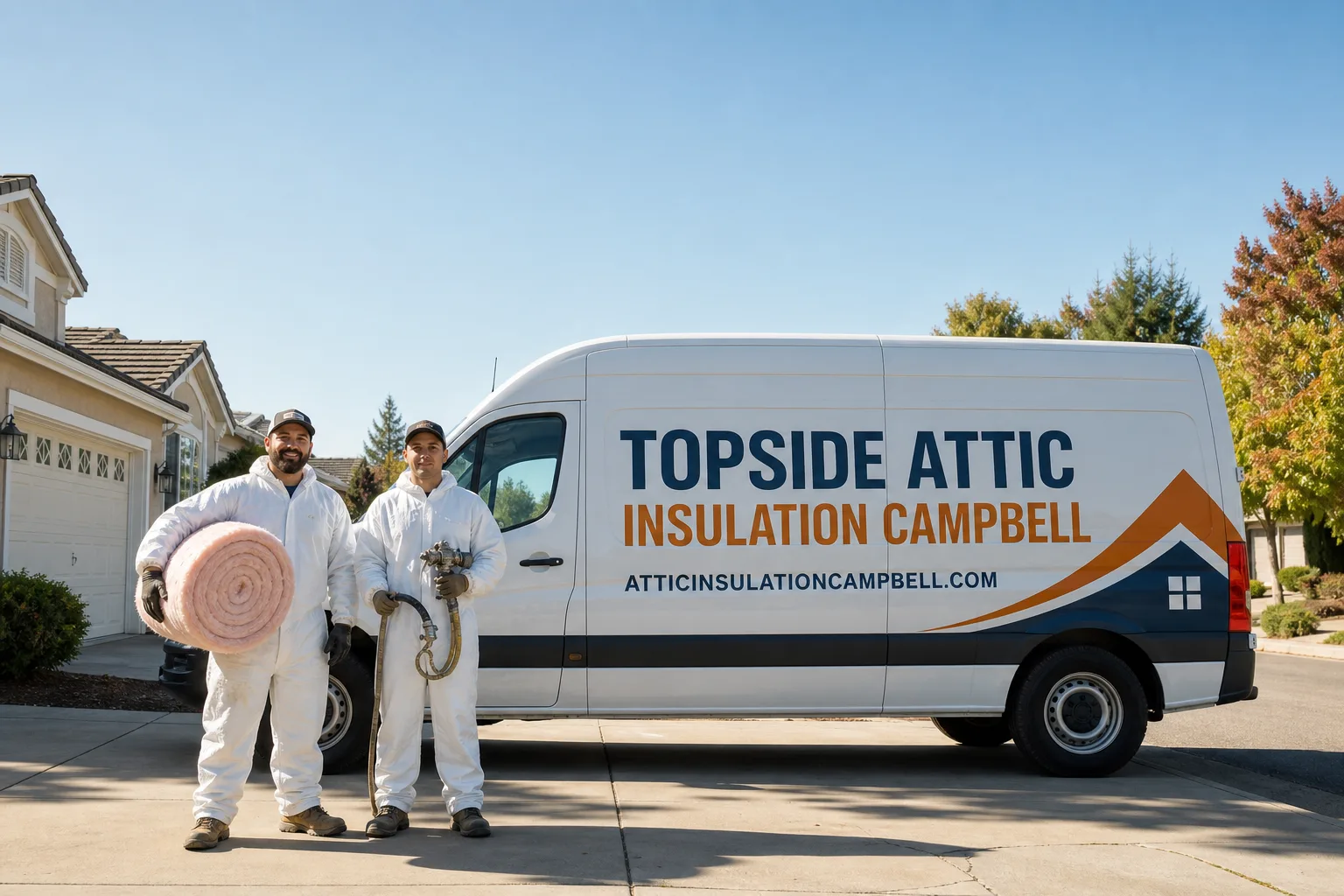
Fast, Reliable Blown-In Insulation Across Fremont
Most blown-in insulation jobs in Fremont run $2,200-$4,800 for a typical attic, and our crews can usually inspect and start work within 48 hours of your call. We dispatch from our San Francisco Bay Area office, so Fremont homeowners aren’t waiting on crews driving up from the South Bay or across the bridge. Call (831) 534-3206 for a written price before any work starts - that’s Haven Standard Clause 1, no exceptions.
We’ve worked in enough Fremont homes to know the city isn’t one market. A 1968 split-level in Warm Springs needs a different scope than the same floor plan in Ardenwood, and the Niles Craftsman bungalows are a completely different envelope problem. Our Blown-In Insulation team treats those differences as material facts, not marketing flavor.
Why Topside Attic Insulation Campbell Is Fremont’s Preferred Blown-In Insulation Company
We’ve sealed and insulated over 9,000 homes since 2016, and a significant share of those have been in Fremont’s 1960s and ’70s tracts - the original R-11 batt era, before California’s Title 24 energy code meant anything. Fremont customers find us because we publish before-and-after blower-door numbers on every applicable job, not because we outspent anyone on ads. They stay because we show them the pressurization reading - the single number that proves how much conditioned air their home was losing before and after.
Our response time to Fremont neighborhoods averages same-day or next-day for inspections, and we don’t use callback windows measured in business days. A live person answers calls 24/7. Background-checked, uniformed technicians arrive with a written scope, a written price, and a written warranty already prepared - Haven Standard: Have it in writing.
We also offer a Free Second Opinion on any written estimate. Bring us a competing quote and we’ll read it with you, line by line, against what we would specify for your specific Fremont home.
Our Blown-In Insulation Services in Fremont
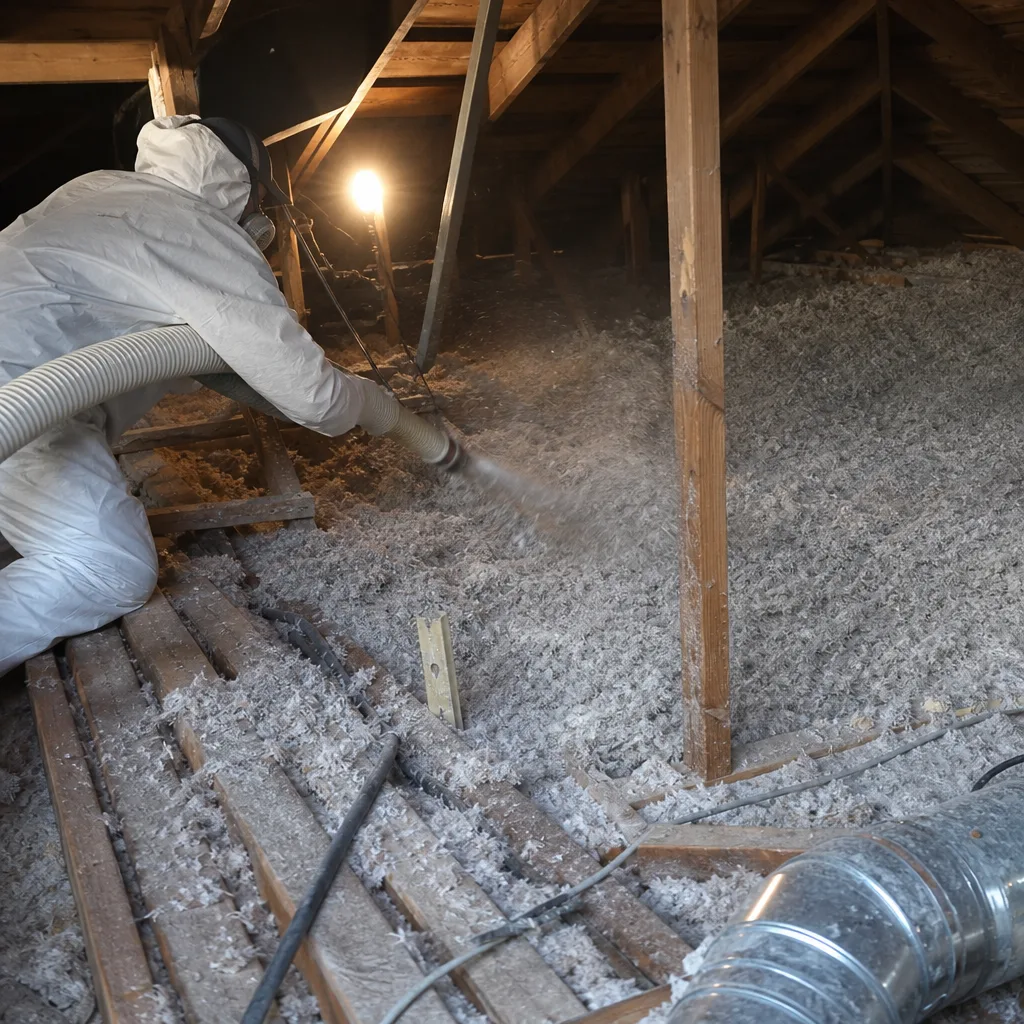
Blown-In Cellulose
Blown-in cellulose - ground paper fiber treated with borate fire retardant - performs well in Fremont’s inland thermal basin, where Warm Springs and Mission San Jose see genuine summer heat load. We source cellulose from GreenFiber and treat it as a system component, not a standalone fix. In Fremont, that means air-sealing top plates, can lights, and penetrations before the blower truck arrives. We’ve seen too many Warm Springs attics where new cellulose was blown over unsealed gaps; the heated air channels straight through, and the homeowner gets no measurable improvement on their cooling bill.
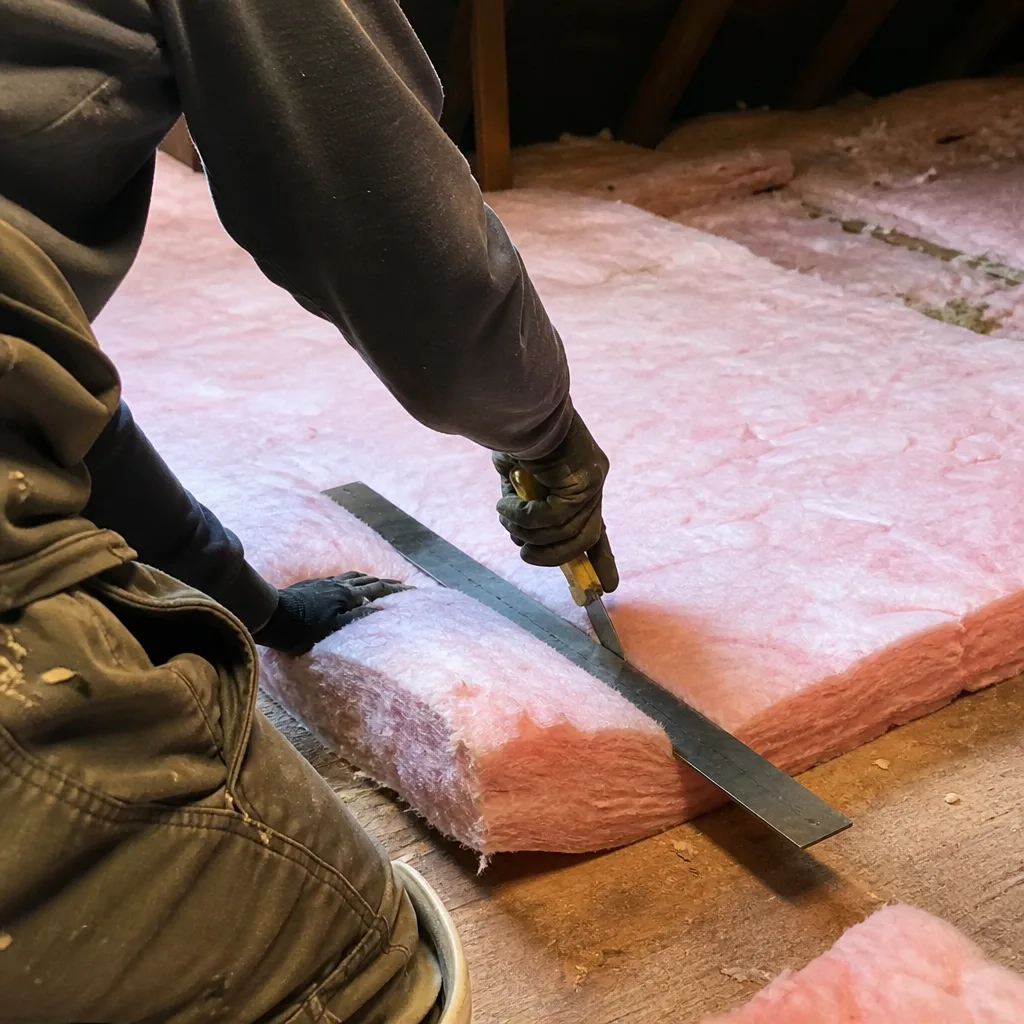
Blown-In Fiberglass
We blow Owens Corning fiberglass to R-49 in Fremont attics where the existing insulation is thin or compressed, particularly in the 1960s tracts around Irvington and Glenmoor. Fiberglass doesn’t absorb moisture the way cellulose can, which matters in bay-edge neighborhoods like Ardenwood where the marine layer pushes humidity against the roof deck. But it also doesn’t air-seal on its own. We pair it with targeted attic air sealing every time.
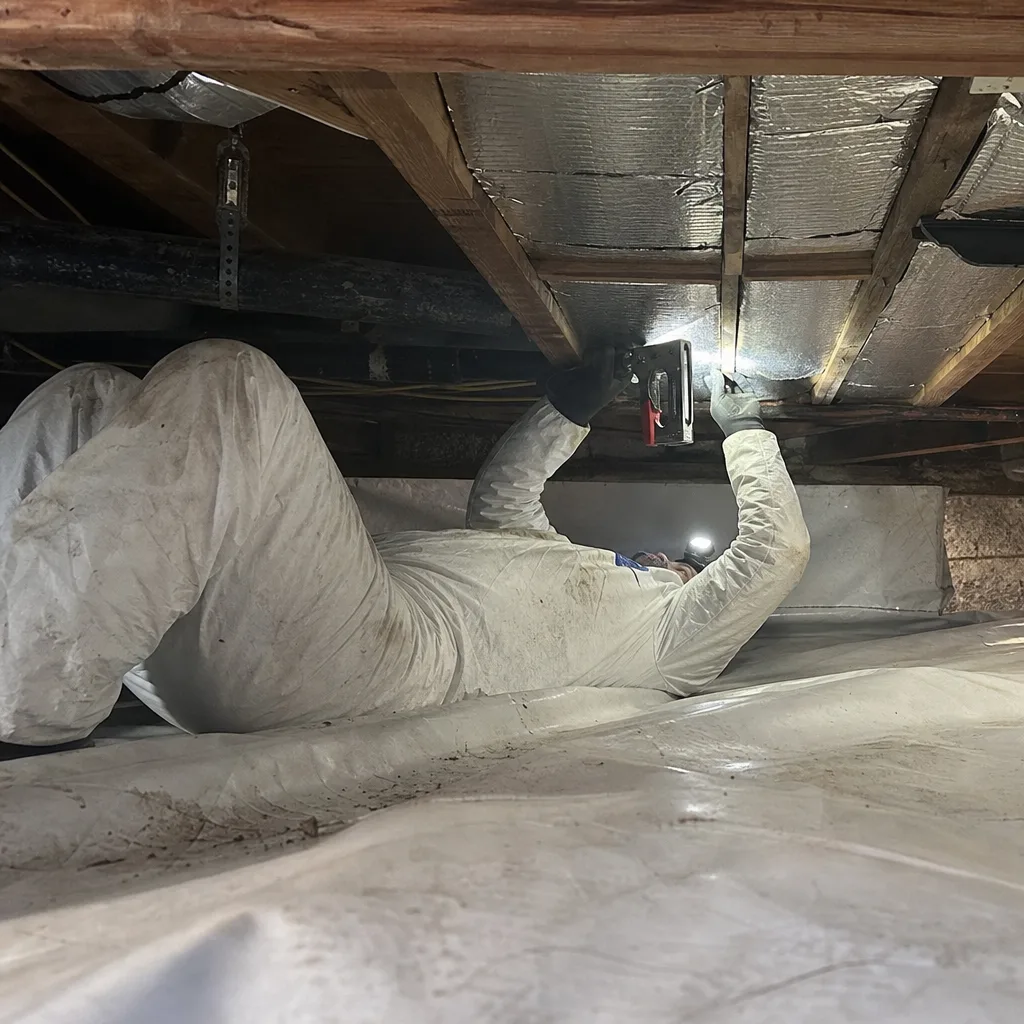
Dense-Pack Wall Insulation
Dense-pack is the method for wall cavities that weren’t insulated at construction - common in Fremont’s historic Niles district, where early 1900s Craftsman bungalows often have no wall insulation at all. The material, typically cellulose or fiberglass, is blown at 3.5 pounds per cubic foot at sufficient pressure to fill irregular cavities and resist settling. In Fremont, dense-pack has a second application: the Hayward Fault corridor through Mission Hills and the Niles-Mission San Jose corridor means many homes are mid-seismic retrofit with cripple walls already opened. That’s the natural window. We dense-pack before the structural crew closes the walls back up.
Blown-In Top-Up
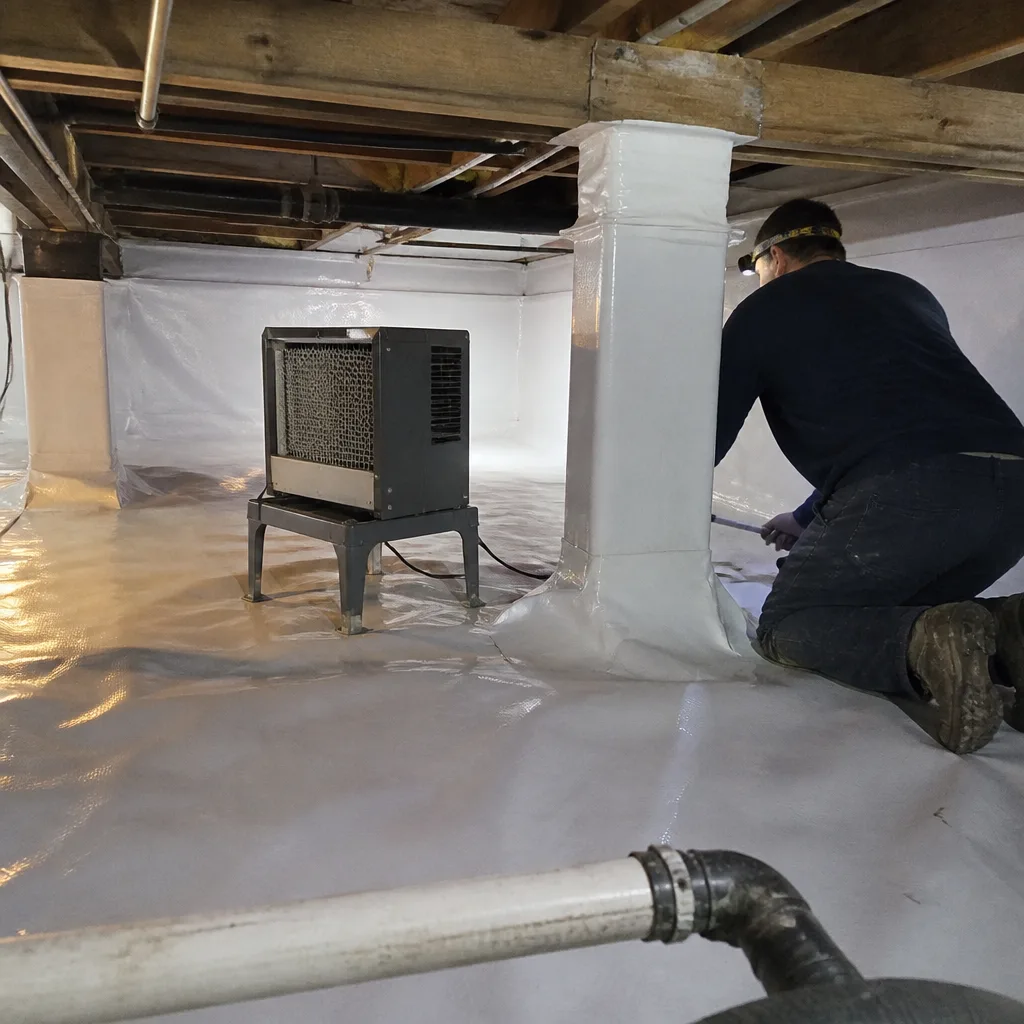
Not every Fremont attic needs a full removal and replacement. In tracts where the original batts are still in place but compressed or thin, a blown-in top-up - typically fiberglass or cellulose added to reach current R-49 code - can be the right scope. We don’t do this blind. We inspect for moisture staining, rodent activity, and unsealed penetrations first. In Ardenwood and Centerville, where marine-layer humidity is a real factor, we’ll recommend against a top-up if the existing layer shows vapor-trapping damage.
What happens when you call
- 1
A real person answersNo phone trees - you reach a local pro.
- 2
You get an upfront price rangeHonest numbers before anyone is dispatched.
- 3
A background-checked tech heads outLicensed & insured, dispatched right away.
- 4
You approve before work beginsNothing starts until you say go.
 Before
 After
AfterTrusted Brands We Service in Fremont
We stock and install materials from Knauf, Rockwool, CertainTeed, and Icynene, among others - no proprietary lock-in, so we specify what fits your Fremont home’s specific condition rather than what moves our inventory. Knauf fiberglass and Rockwool mineral wool are our standard blown-in products for most Fremont attic jobs; CertainTeed’s line comes in when we’re matching existing material or working with a builder’s spec. We keep common densities and R-values on hand, so most Fremont jobs don’t wait on special orders.
Common Blown-In Insulation Problems We See in Fremont Homes
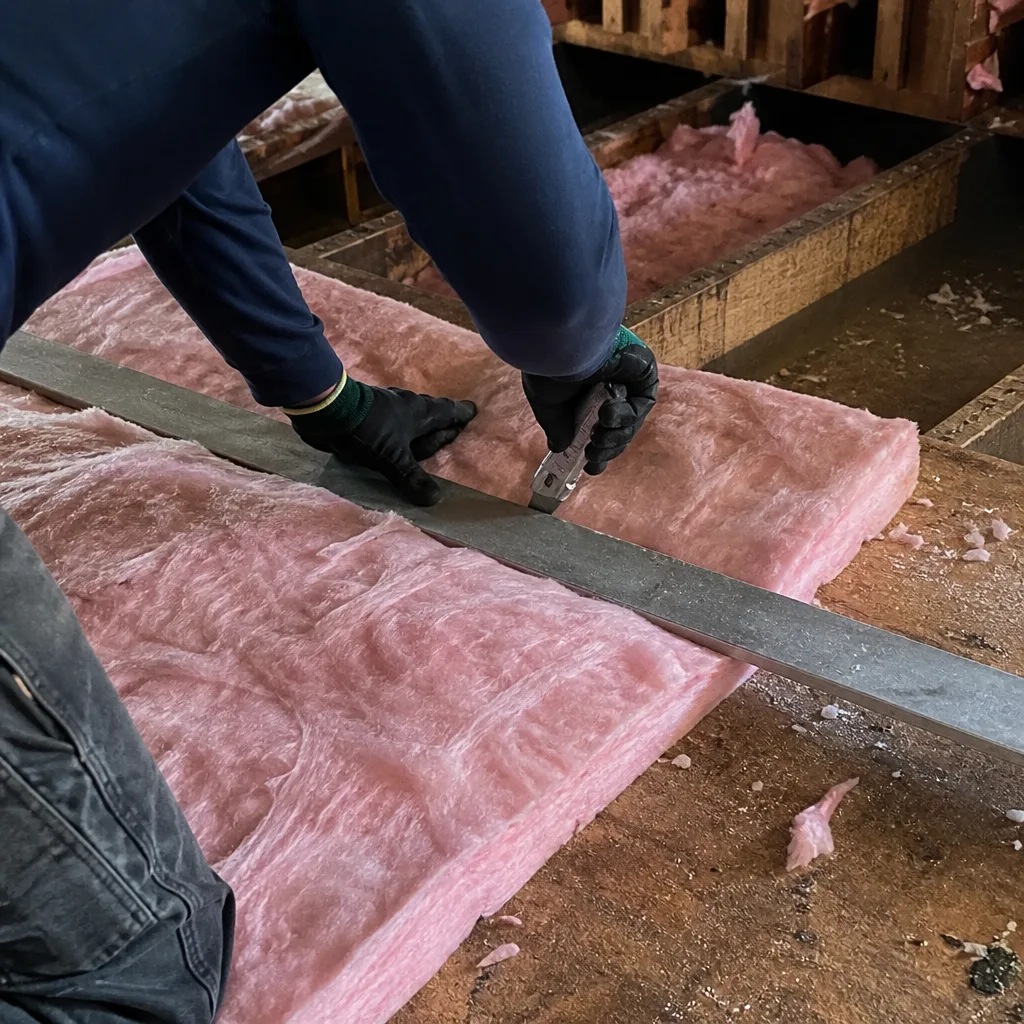
- Cellulose blown over unsealed attic floors in Warm Springs and Mission San Jose. The inland thermal basin generates real heat load, but heated air finds every top-plate gap and can-light penetration. New depth reads as no improvement on the blower door. We always seal first, then insulate - in that order.
- Vapor-closed strategies in bay-edge Ardenwood or Centerville. The persistent marine layer pushes humidity into walls and attics. A vapor-closed insulation system traps that moisture against sheathing and rafters. We specify vapor-open assemblies in these neighborhoods, with proper attic ventilation, not just more R-value.
- Dense-packing Niles Craftsman bungalows at the wrong density or through undersized cavities. Early 1900s wall framing is irregular, often true 2×4 or even 2×3. Blow at standard density and you get voids, settling, and a wall that performs like it was never insulated. We adjust pressure and density to the cavity size we find.
- Ignoring the seismic retrofit window in Mission Hills. Cripple walls open for bolting and sheathing are a one-time opportunity for dense-pack wall insulation. We’ve seen homeowners close them back up without insulation, then call us two years later wanting the walls opened again. We coordinate with structural crews to get in while the walls are exposed.
Pricing for Blown-In Insulation in Fremont, CA
A typical blown-in attic top-up in Fremont runs $2,200-$3,400 for a 1,200-1,800 square foot home. Full attic removal, air sealing, and re-insulation to R-49 generally falls between $3,800-$4,800. Dense-pack wall insulation, where accessible, adds $1,800-$3,200 depending on linear footage and cavity condition.
What moves the number: attic square footage, existing insulation condition (removal adds labor), accessibility (tight Fremont townhome hatches versus walk-up attic stairs), and the extent of air sealing required. Homes in the Warm Springs thermal basin often need more extensive top-plate sealing than bay-edge equivalents. The Hayward Fault retrofit jobs in Mission Hills can reduce wall insulation labor if we’re coordinating with open cripple walls.
Every job starts with a written price - flat, itemized, delivered before anyone lifts a tool. Estimates are free. Call (831) 534-3206 to schedule.
We Also Serve Cities Near Fremont
Our crews work throughout the South Bay and Peninsula, including Fremont, Milpitas, Palo Alto, Sunnyvale, and Mountain View. Dispatch and scheduling are coordinated from our San Francisco Bay Area office, with local crews serving each market.
Serving Fremont, CA - Our Local Coverage Area
We’re based in the Fremont area and know this community well. Use the map below to see our service coverage - if you’re nearby, we can almost certainly help.
FAQs - Blown-In Insulation in Fremont
Because Fremont has one of the Bay Area’s most dramatic within-city microclimate splits. Warm Springs and Irvington can run 10-15°F hotter than bay-adjacent Niles or Ardenwood on the same summer day, so identical floor plans built by the same developers need opposite prescriptions: high-R air-sealed attics inland, vapor-open moisture-managed assemblies on the bay edge. We scope against the specific district’s thermal reality, not the tract name.
Yes, if the cripple walls are still open. The Hayward Fault corridor through Mission Hills means many homes are being bolted and sheathed right now, with wall cavities exposed. Dense-packing while the structural crew is on site avoids reopening walls later. We coordinate timing with your seismic contractor, dense-pack the cavities, then step back for them to close up. Call (831) 534-3206 to discuss coordination - estimates are free.
Completely different. Niles bungalows typically have no wall insulation at all, irregular true-dimension framing, and balloon or modified-balloon construction that connects attic to basement. We use lower-density dense-pack to fill irregular cavities without overpressuring, and we always air-seal the attic floor before adding blown insulation to stop the stack effect. The 1960s tracts have standard platform framing and original thin batts - a more straightforward scope, but still requiring air sealing first.
Yes, but the payback driver is different. In Warm Springs, it’s summer cooling load reduction. In Ardenwood and Centerville, the marine layer moderates temperatures but elevates humidity, so the payback comes from reduced winter heating and from preventing moisture-driven envelope damage. We document the before-and-after blower-door number so you can verify the air-sealing result, and we specify vapor-open strategies that won’t trap the humidity your neighborhood generates.
Our blower trucks carry 150-foot hoses, so we can park on the street and run through side gates or rear alleys without blocking your garage or your neighbor’s. For interior access, we use drop cloths, corner guards, and negative-air containment to keep dust out of living space. We photograph the access path before and after - part of the Documented Photo Record included on every job. Tight properties are standard in our Fremont work; we don’t treat them as exceptions.
Written by Wes Okafor, Owner at Envelope Insulation Co., serving Fremont since 2016 under The Haven Standard.