
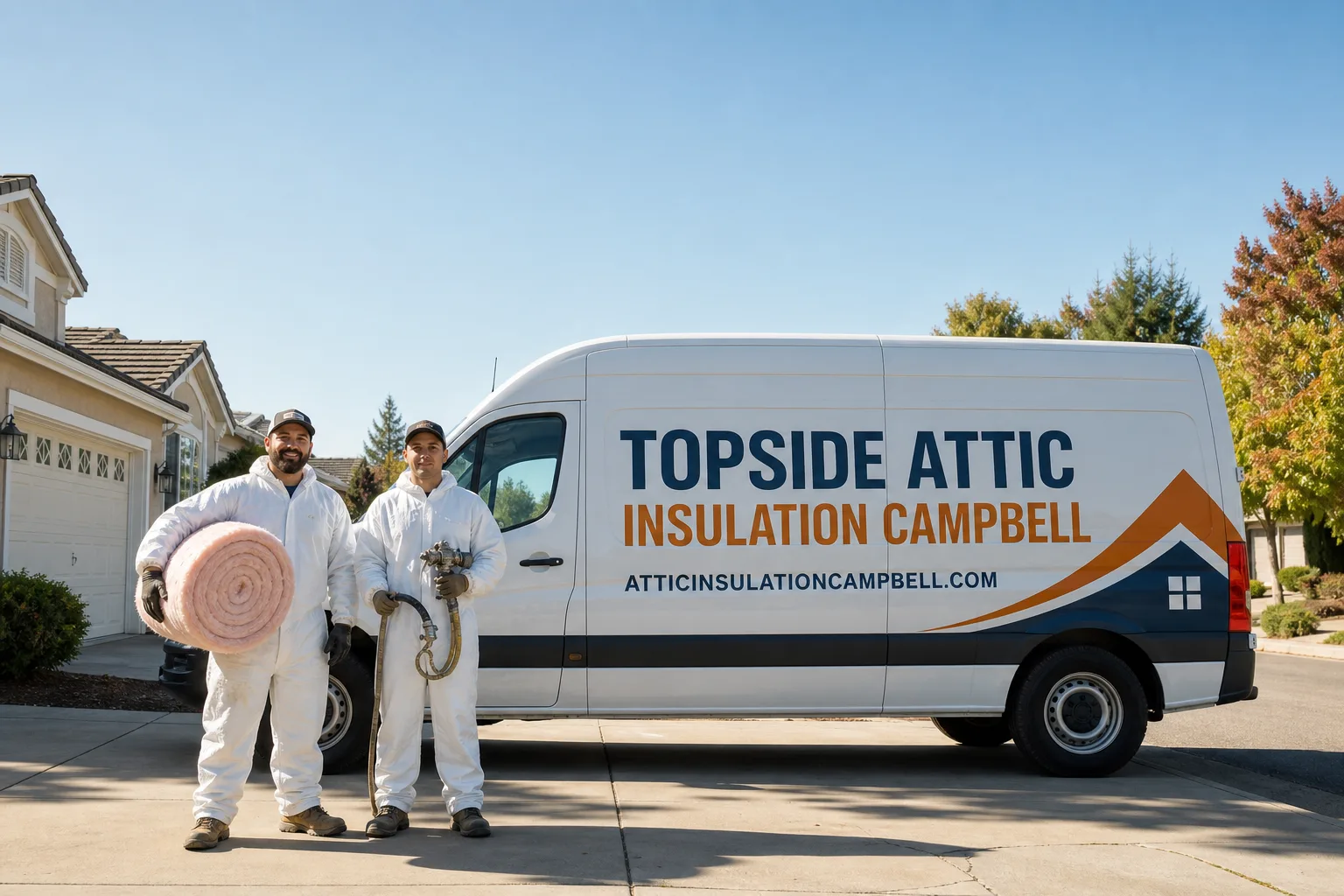
How Much Does Attic Cleaning & Rodent Proofing Cost in Campbell?
Attic Cleaning & Rodent Proofing in Campbell, CA typically runs between $1,200 and $4,800 for a standard single-family home, with most jobs landing around $2,000 to $3,200 once you factor in contaminated insulation removal, sanitation, and exclusion work. The spread is wide because a 1,200-square-foot attic with a single entry point and light droppings is a fundamentally different job than a 2,400-square-foot attic in Rincon or the Budd Avenue corridor that has hosted a rat colony through multiple wet winters. Get a written price before any work starts – that number should be flat, scoped, and on paper before a technician lifts a single piece of insulation.
Attic Cleaning & Rodent Proofing Cost Breakdown (2026)
The table below reflects what homeowners in Campbell are actually paying in 2026, based on the work we scope and price here in the South Bay. These are not national averages pulled from a survey. They reflect local labor rates, the Bay Area disposal fees for contaminated insulation, and the permit environment in Santa Clara County.
| Service Component | Typical Cost Range (Campbell, CA) | Notes |
|---|---|---|
| Attic inspection and assessment | $0 (included in free estimate) | Written price delivered before any work starts – no charge for the scope |
| Contaminated insulation removal (light) | $800 – $1,400 | 1,000-1,500 sq ft attic, light soiling, standard blown-in or batt |
| Contaminated insulation removal (heavy) | $1,400 – $2,600 | Heavy rodent activity, compacted material, multiple years of nesting |
| Attic sanitation and deodorizing | $300 – $700 | Enzyme-based treatment of decking and framing after removal |
| Rodent exclusion (basic – 1-2 entry points) | $350 – $650 | Sealing of eave gaps, ridge cap penetrations, plumbing chases |
| Rodent exclusion (full perimeter) | $700 – $1,600 | Homes with multiple breach points, older construction pre-1980 |
| Insulation replacement after cleaning | $1,200 – $3,200 | Blown-in fiberglass or cellulose to current Title 24 R-38 minimum |
| Air sealing (top plates, penetrations, can lights) | $400 – $900 | Completed before new insulation is added – not optional under our scope |
| Disposal fees (Bay Area regulated waste) | $150 – $400 | Santa Clara County disposal rates for contaminated material |
| Full-service job (clean + exclusion + replace) | $2,400 – $5,500 | Most complete scope for a mid-size Campbell home |
A few things drive that range in one direction or the other. Attic square footage is the biggest single variable – a compact ranch-style home near Campbell Park might clock in at 900 square feet of attic floor space, while a two-story on the west side of the Pruneyard area can push 2,800 square feet. Every extra square foot means more material to bag, more decking to sanitize, and more lineal footage of framing to inspect for exclusion points.
The severity of rodent activity matters almost as much as the square footage. Norway rats and roof rats – both common in Campbell’s older stock between Winchester Boulevard and the Union Avenue corridor – behave differently. Roof rats nest high, in the insulation itself. Norway rats tend to burrow along the perimeter and up through wall cavities. A job where the technician finds intact insulation with isolated droppings is handled in a single day. A job where the insulation has been compressed by years of nesting, soaked with urine, and contains active harborage material can take two or three days and requires bagging procedures that protect the crew and the home’s living space below.
Disposal is a cost that some contractors skip mentioning until the invoice arrives. In Santa Clara County, contaminated insulation cannot go into standard dumpsters. It requires documented disposal at a licensed facility. Our written scope includes that line item from the start – it’s not a surprise on the back end.
What Affects Attic Cleaning & Rodent Proofing Pricing in Campbell
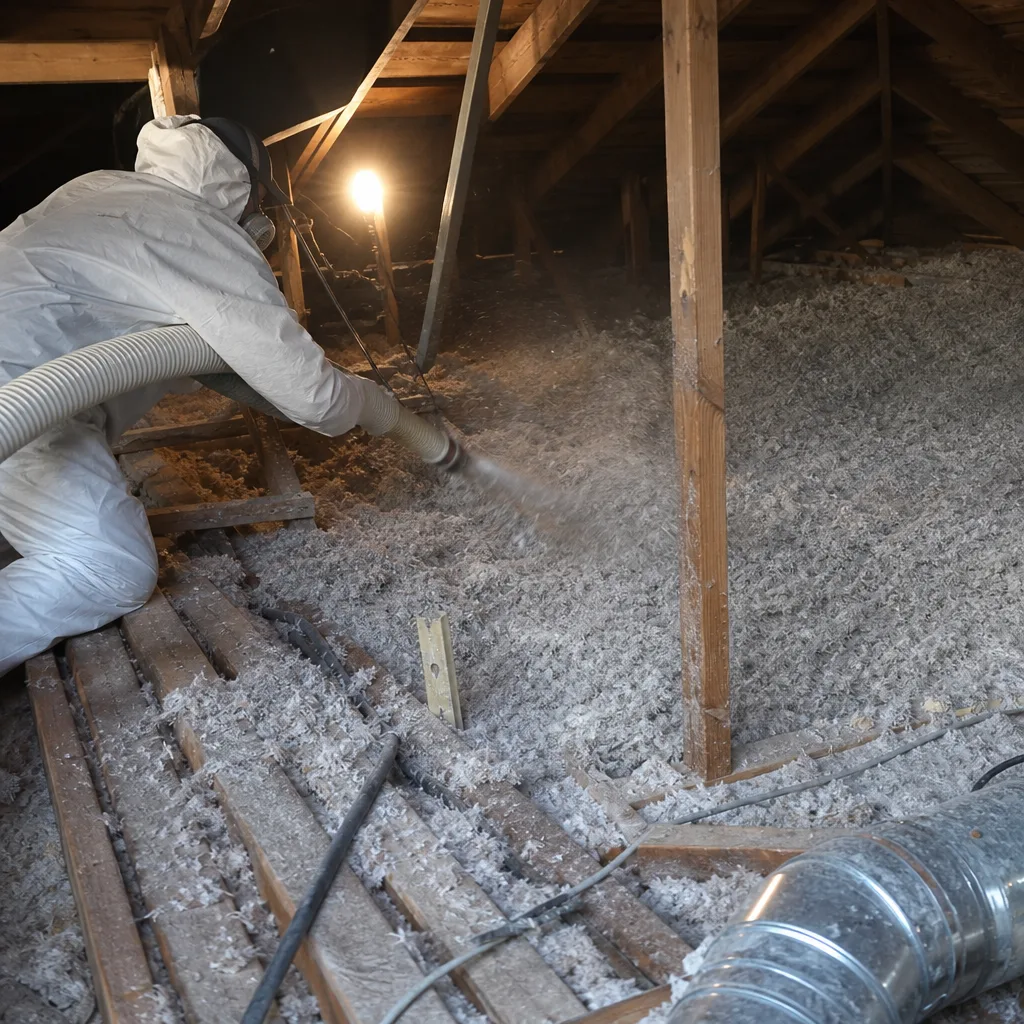
- Attic square footage and accessibility: Homes in the Orchard City Park neighborhood and along Hacienda Avenue tend to be single-story with straightforward hatch access. Two-story homes with limited headroom or attics bisected by HVAC equipment take longer to clean and longer to treat – that time shows up in the price.
- Type and depth of existing insulation: Blown-in cellulose from a 1980s retrofit compacts when soaked and is heavier per bag than modern blown fiberglass. Batt insulation soaked with rodent urine often has to be double-bagged on removal. Both scenarios add labor time compared to a clean, dry attic job.
- Extent of rodent entry points: Older Campbell construction – particularly homes built between 1955 and 1978 in the Dry Creek area and older streets near Camden Avenue – frequently has more breach points than the homeowner expects. A wall-to-wall exclusion on a home with deteriorated fascia boards, open soffit vents, and cracked mortar at the roofline is a longer job than sealing one gable vent on a newer build.
- Presence of HVAC ducts or equipment in the attic: Rodents nest in and on flex ductwork. If the crew finds compromised duct runs, those have to be documented and addressed before new insulation goes in. We don’t bury damaged ducts under new material – that creates a different problem in 18 months.
- Whether air sealing is included: This is the variable most homeowners don’t think to ask about. If a contractor quotes you attic cleaning and new insulation without mentioning air sealing, ask them directly whether they’ll seal the top plates, plumbing penetrations, and recessed can lights before blowing in new material. Blowing insulation over an unsealed attic floor is the single most common reason attic work underperforms. Our scope completes air sealing first, always – it’s not an add-on, it’s a prerequisite.
- Campbell’s wet-season timing: The South Bay’s rainy season runs October through March, and it matters here. Attics that have experienced roof leaks alongside rodent activity often have insulation that has partially composted – it’s heavier, more compacted, and more difficult to bag cleanly. Homes in lower-lying parts of Campbell near Los Gatos Creek see this more often than hillside properties. If you’ve had any roof intrusion in the past two winters, mention it during your inspection – it changes the scope estimate.
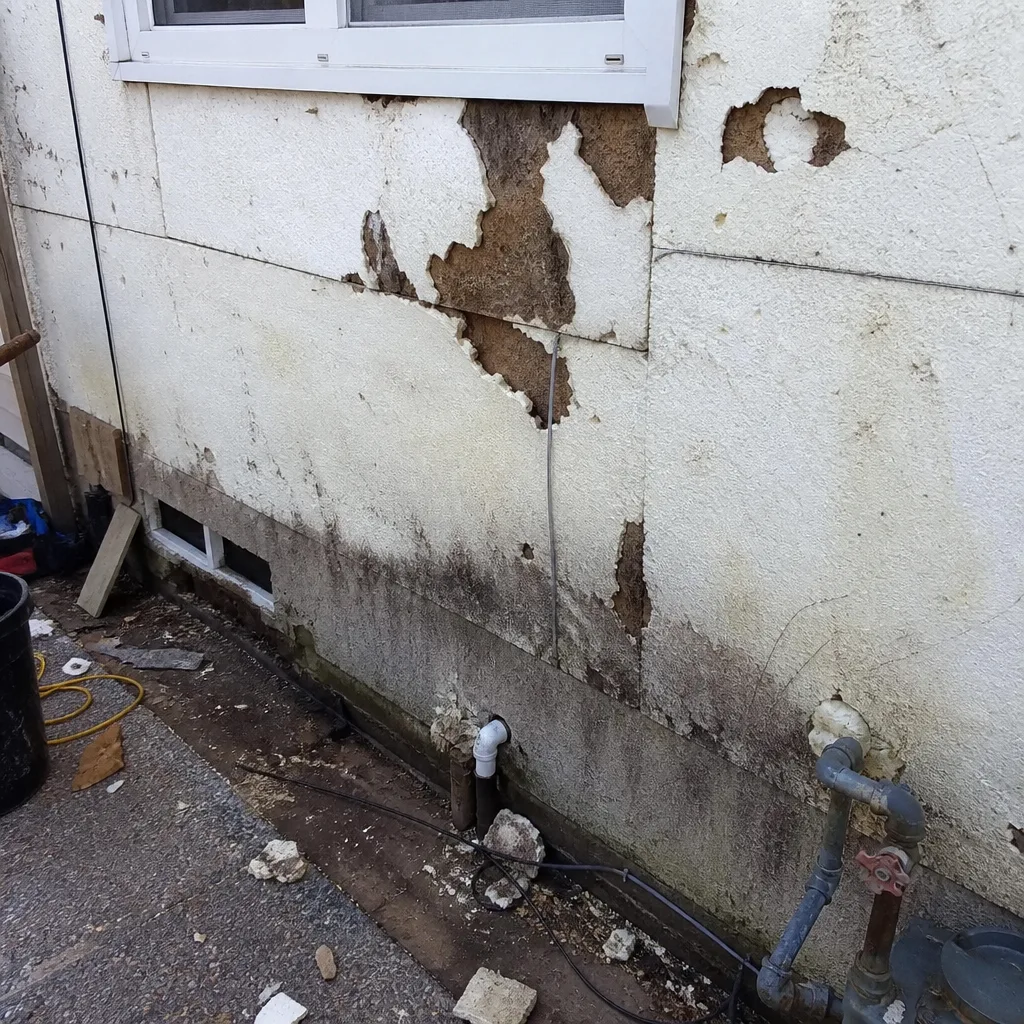 Before
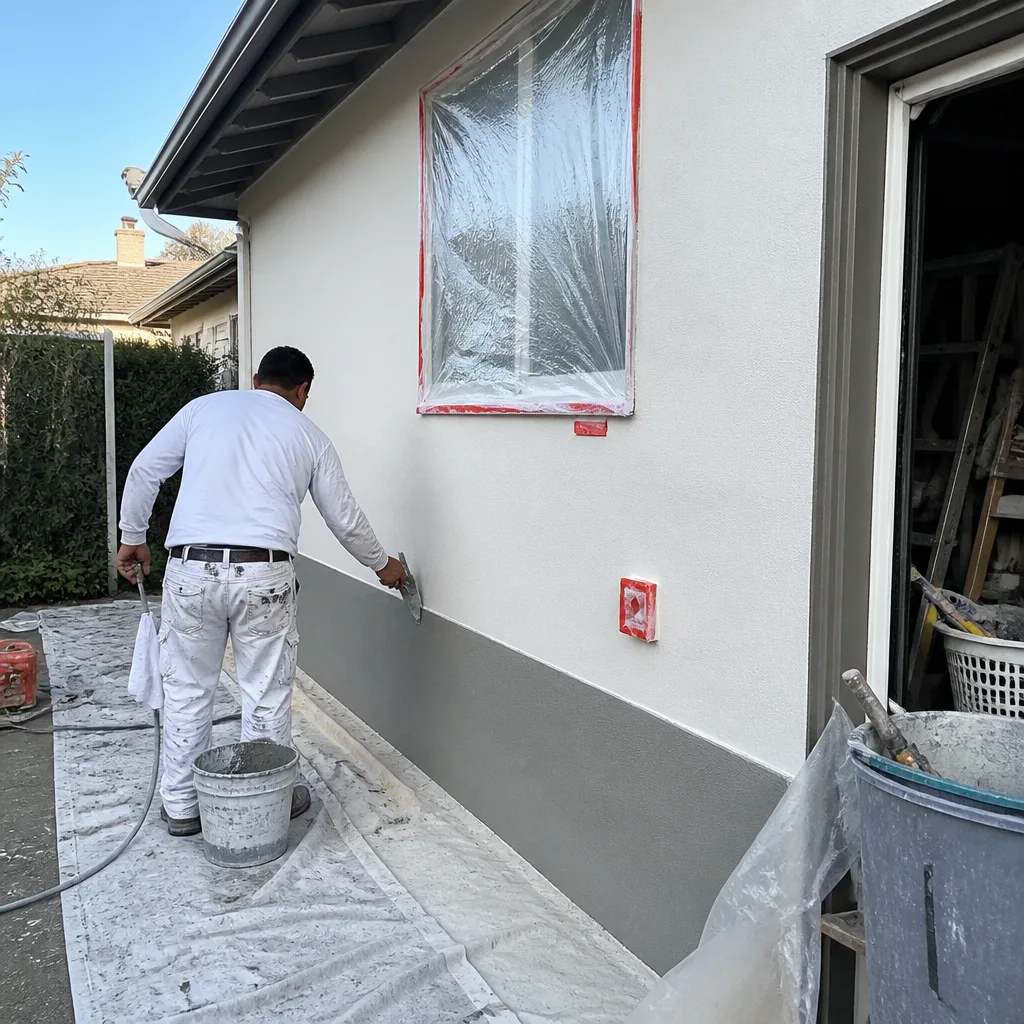 After
AfterHow to Save on Attic Cleaning & Rodent Proofing in Campbell
The most practical way to reduce your total cost is to get the job scoped and done before the problem compounds. Rodent activity in an attic doesn’t plateau – it grows. A single mating pair of roof rats can produce up to 40 offspring in a year under good conditions, and an attic with abundant insulation and no active exclusion is very good conditions. A job that costs $1,800 today can easily cost $3,500 eighteen months from now if the colony expands and the insulation reaches full replacement territory.
A few specific things worth knowing before you sign anything:
- Get the full scope in writing before you agree to anything. Under Haven Standard Clause 1, a written price with a flat scope and written warranty is delivered before any work starts. If a contractor wants to start before you have that document, that’s the most important signal you can receive. Walk away.
- Ask whether air sealing is included or quoted separately. Some contractors quote a low number for insulation removal and replacement, then add air sealing as a separate line when the crew is already on-site. Know what’s in the number before you compare quotes.
- Combine attic cleaning with insulation replacement in a single mobilization. Bringing one crew out for two separate jobs – removal first, replacement later – doubles mobilization costs. Most homeowners in Campbell save between $300 and $600 by scheduling the full scope as one visit.
- Bring us a competing written estimate for a free second opinion. We’ll read it with you line by line. If the other scope is complete and the number is genuinely better, we’ll tell you that plainly. If there are line items missing – disposal fees, air sealing, exclusion work – we’ll show you where the gap is.
- Check whether your homeowner’s insurance covers contamination. Some policies in California include coverage for rodent damage to insulation as part of a broader dwelling protection clause. It varies by carrier and by how the damage is characterized. Worth a call to your agent before you pay out of pocket.
- Ask about California utility rebates. If your attic cleaning job includes insulation replacement to or above the current Title 24 R-38 standard, PG&E and the Bay Area Regional Energy Network both run rebate programs for qualifying upgrades. Eligibility depends on the scope and your existing R-value – we can document what you had before and what you have after, which is the record the rebate application requires.
For a straight written price on your Campbell home, call (831) 534-3206. The estimate is free, the price is flat, and it’s on paper before anyone shows up with equipment.
What the Job Actually Looks Like – Start to Finish
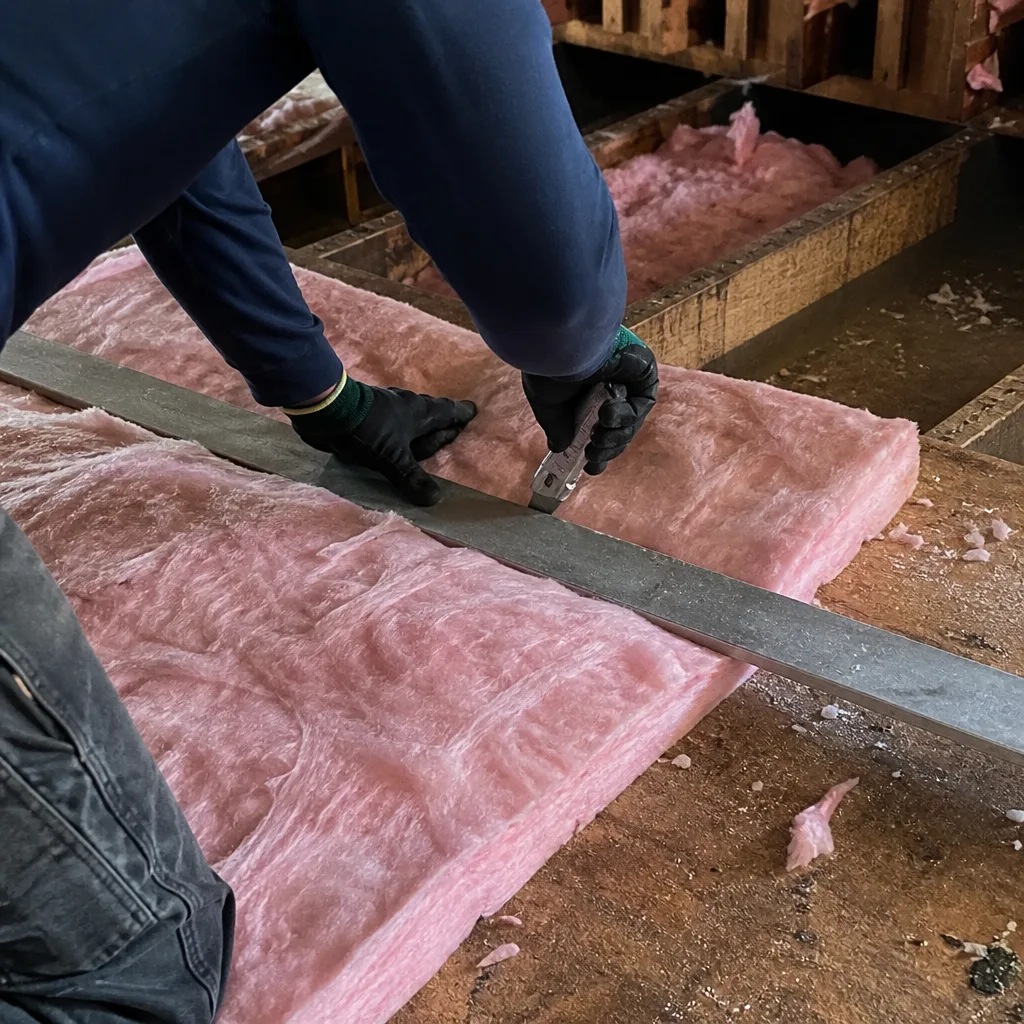
Homeowners in Campbell sometimes call us after getting a vague quote from another contractor and not being sure what they actually agreed to. Here’s what a properly scoped attic cleaning and rodent proofing job looks like, so you know what you’re buying regardless of who does the work.
Step 1: Attic Inspection and Written Scope
The technician enters the attic, documents what’s there with photos, and delivers a written price covering every line item before leaving your property. Under the Haven Standard, no work starts without that document in your hands. The inspection covers: existing insulation type, depth, and condition; visible rodent activity and estimated severity; identifiable entry points at the roofline, eaves, and wall penetrations; HVAC equipment and duct condition; and any signs of moisture intrusion that would affect the removal scope.
You receive a Documented Photo Record of the pre-work attic condition. That record is yours – it documents the baseline before any crew touches the space.
Step 2: Contaminated Material Removal
Crew arrives in protective equipment. All contaminated insulation is vacuumed or hand-removed and bagged in sealed disposal bags. Nothing goes through the living space – material exits through the attic hatch or a window opening directly to the exterior. Bagged material is weighed and documented for disposal at a licensed facility. In Campbell, that means compliant disposal under Santa Clara County waste management rules – the disposal fee is in your written scope, not added later.
Step 3: Sanitation Treatment
Once the attic is cleared, the decking and framing are treated with an enzyme-based sanitation product that breaks down the pheromone trails rodents use to locate re-entry points and nesting areas. This step matters as much as the exclusion work. Skipping it and just replacing the insulation leaves chemical signals in the wood that attract new activity within months. We document this step with photos as well.
Step 4: Air Sealing – Before Insulation Goes In
This is where our scope diverges from most of what we see quoted in the Campbell market. Before any new insulation is installed, the attic floor is air sealed: top plates between the attic and the conditioned space below, recessed can lights (a major air leakage point in homes built before 2005), plumbing and electrical penetrations, and any HVAC chases. This work is done with appropriate sealants and fire-rated caulk where building code requires it.
On applicable jobs, we run a blower-door test before and after air sealing. The blower-door is a pressurization device that reads, in one number (CFM50 – cubic feet per minute of air leakage at 50 pascals of pressure), how much conditioned air the building envelope was losing. We publish both numbers in the job record. A home in the Gilman neighborhood that read 3,800 CFM50 before sealing and 1,950 after sealing has a documented 49% reduction in air leakage – that’s the kind of figure that shows up in an energy bill within one season.
Blowing insulation over an unsealed attic floor is the most common technical error we see in remediated attics across Campbell and the broader South Bay. The insulation slows conductive heat transfer but does almost nothing to stop the air movement that drives most energy loss in California homes. Sealing first, then insulating – in that order – is not optional in our scope.
Step 5: Rodent Exclusion
Entry points identified in the initial inspection are sealed with appropriate materials: hardware cloth, galvanized sheet metal, or foam-and-sealant combinations depending on the location and gap size. Eave gaps, ridge cap penetrations, gable vents, and plumbing pipe entries through the roofline are the most common breach points on Campbell’s mid-century housing stock. Each sealed point is photographed and documented in the job record you receive at close.
Step 6: Insulation Replacement
New insulation is installed to the depth required to meet current Title 24 requirements for Campbell’s climate zone (Zone 4) – a minimum R-38 for most attic floors. We source material from Owens Corning, Johns Manville, Knauf, and GreenFiber among others. There’s no proprietary product lock-in – we use what performs correctly for the attic geometry and the homeowner’s budget.
Step 7: Documented Photo Record and Close
Before the crew leaves, a complete Documented Photo Record of the finished attic is compiled. You receive before-and-after photos, the written scope, the written warranty, and – on air-sealing-applicable jobs – the blower-door readings. The 365-Day Done Right Promise applies from the date the job closes: if something isn’t right within a year of completion, we make it right. That’s in writing before anyone starts.
Campbell-Specific Factors Worth Knowing
Campbell sits in a part of Santa Clara County where the housing stock spans about 70 years of construction – from post-war ranch homes near the Campbell Community Center to 1990s and 2000s builds in planned developments off Hamilton Avenue. That range matters for attic work because construction era drives the exclusion scope significantly.
Homes built before 1975 in Campbell frequently have open soffit systems with no mesh backing, wood fascia that has dried and cracked over decades, and original gable vents with deteriorated screens. These homes tend to have more entry points and require more exclusion labor per square foot than newer construction. If you’re in a home built before 1980, budget toward the higher end of the exclusion range in the table above.
Campbell’s climate also means attics here run hot in summer – July and August regularly push 100-plus degrees in enclosed attic spaces. Rodents are less active during peak heat but seek attic entry in fall as outdoor temperatures drop, which is why the October-November window sees the highest call volume for attic cleaning and rodent proofing across the South Bay. Getting an inspection done in late summer, before you’re competing with every other homeowner who noticed signs in October, is the practical move.
The Los Gatos Creek corridor and the lower-elevation streets between Apricot Avenue and Camden Avenue see higher moisture levels than hilltop areas in Campbell. If your home is in that band, ask the technician to look at the decking and lower roof framing specifically – wet decking that has also had rodent activity can show early signs of wood damage that needs to be documented before it reaches repair territory.
For more detail on how the full attic cleaning and rodent proofing service works in Campbell, the Attic Cleaning & Rodent Proofing in Campbell service page covers the complete scope. And if you want to understand how this work fits into the broader picture of your home’s building envelope, the home page outlines the full service line we offer across the South Bay.
FAQs – Attic Cleaning & Rodent Proofing Cost in Campbell
How much does attic cleaning cost in Campbell, CA?
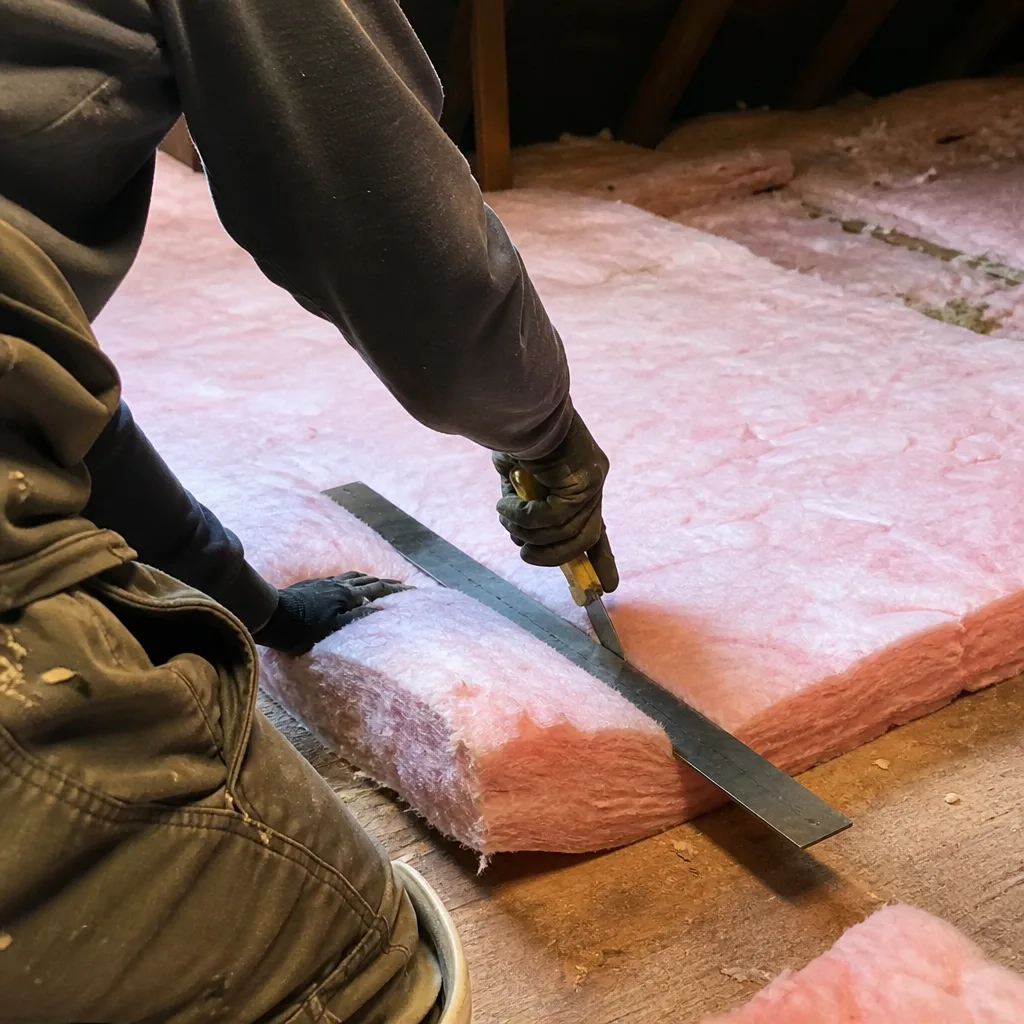
Attic cleaning in Campbell runs $800 to $2,600 for the removal and sanitation portion alone, depending on attic size and how severe the contamination is. A 1,200-square-foot attic with light rodent activity typically lands between $1,000 and $1,600. A larger attic with heavy nesting and compressed insulation can reach $2,600 or more before you add exclusion and replacement work. The free estimate gives you a flat written number for your specific attic – call (831) 534-3206 and we’ll schedule an inspection.
What does rodent proofing cost separately from the cleaning?
Rodent exclusion work on its own – sealing the active entry points without full attic cleaning – runs $350 to $1,600 in the Campbell market. Basic exclusion of one or two identified breach points sits at the low end. A full perimeter exclusion on an older home with multiple entry points along the roofline, eave soffits, and wall penetrations reaches the higher end. That said, exclusion without cleaning rarely solves the problem for long – the sanitation step removes the pheromone trails that attract new rodent activity, and skipping it means the exclusion work is working against a chemical invitation that’s still in the wood. Call (831) 534-3206 for a written price on the scope that actually addresses the problem.
Is it cheaper to clean the attic myself?
The equipment cost alone – commercial HEPA vacuum, full PPE including respirator and coveralls, licensed disposal – runs $400 to $800 for a single-use rental and supply run, and that assumes you can access and move through the attic safely. The sanitation chemistry and exclusion materials add more. Most homeowners find the DIY route costs 60-75% of a professional quote and leaves them with unresolved exclusion points, improperly disposed material, and no documentation of what was removed or treated. For a job that affects air quality in the living space below, it’s the kind of work where the documentation matters – both for rebate applications and for resale disclosure.
Does homeowner’s insurance cover attic rodent damage in California?
Some California policies do cover attic insulation damage caused by rodents under a dwelling or other-structures clause, but most standard HO-3 policies exclude rodent damage explicitly. Coverage depends on how the damage is characterized, whether the intrusion was sudden or gradual (gradual intrusion is frequently excluded), and your specific carrier and policy language. The honest answer is: call your agent before assuming it’s covered or that it isn’t. If coverage applies, our Documented Photo Record and written scope become the paperwork your adjuster needs – that’s included on every job at no additional charge.
How long does attic cleaning and rodent proofing take in Campbell?
A standard-scope job on a mid-size Campbell home – removal, sanitation, exclusion, air sealing, and insulation replacement – typically takes one to two full days. Light-contamination jobs on smaller attics can close in a single day. Heavily impacted attics above 2,000 square feet with multiple exclusion points and full insulation replacement sometimes run into a second or partial third day. Your written scope will include a realistic timeline based on what the inspection finds, not an optimistic estimate designed to win the job and disappoint on execution.
What’s the difference between attic cleaning and attic remediation?
Attic cleaning typically refers to removal of contaminated insulation and basic sanitation. Attic remediation is a broader term that usually includes cleaning plus biohazard treatment, exclusion work, air sealing, and insulation replacement – the full restore-to-standard scope. In Campbell, most homeowners who need one actually need both, and pricing should reflect the complete scope. If a contractor quotes you “attic cleaning” at a number that seems low, ask specifically whether sanitation treatment, exclusion sealing, and insulation replacement are included – or whether you’re getting a partial scope at a partial price.
Key Takeaways
- Attic cleaning and rodent proofing in Campbell, CA costs $1,200 to $4,800 for most single-family homes in 2026, with full-service jobs (clean, sanitation, exclusion, air sealing, and insulation replacement) running $2,400 to $5,500.
- Attic square footage, severity of rodent activity, number of exclusion points, and whether air sealing is included are the primary cost drivers.
- Older Campbell homes – particularly those built before 1978 – typically need more exclusion work and should budget toward the higher end of the range.
- Air sealing before insulation replacement is a prerequisite, not an upsell. Insulation installed over an unsealed attic floor underperforms from day one.
- Santa Clara County requires licensed disposal of contaminated insulation – confirm that disposal fees are in your written quote, not added afterward.
- The free estimate produces a flat, written price before any work starts. That’s the document you should have in hand before agreeing to anything.
- The 365-Day Done Right Promise covers all completed work – if something isn’t right within a year of job close, we make it right.
Get a Written Price for Your Campbell Attic
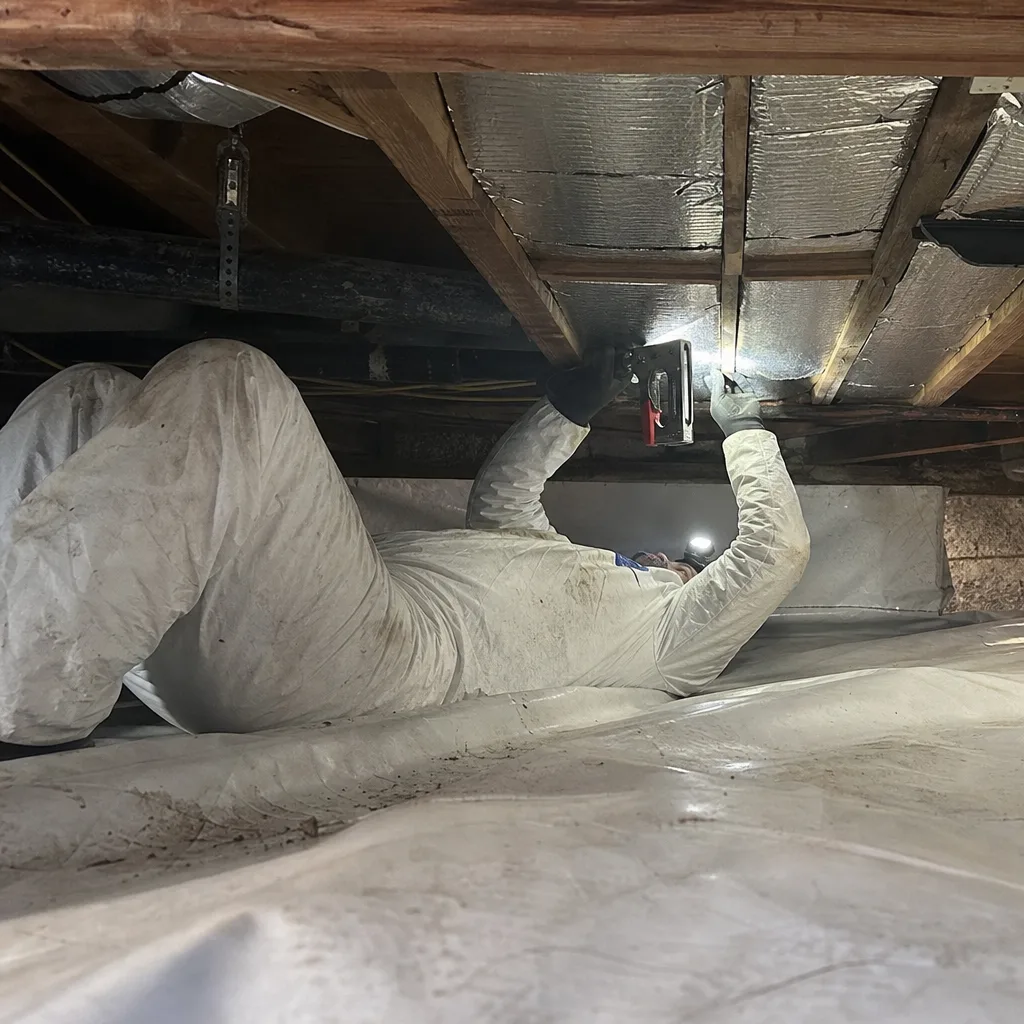
If you’ve found signs of rodent activity in your attic – droppings, nesting material, compressed or soiled insulation, or unexplained sounds in the ceiling – the next step is a documented inspection and a flat written price. No estimate ranges, no “we’ll know more once we’re up there” pricing, no work that starts before you have a number on paper.
Wes Okafor and the team at Topside Attic Insulation Campbell have completed attic cleaning and rodent proofing scopes across Campbell, Los Gatos, San Jose, and the broader South Bay since 2016 – every one with a written price before the first tool came out of the truck and a Documented Photo Record when the crew left. The 365-Day Done Right Promise applies to every completed job.
Call (831) 534-3206 to schedule your free inspection and written estimate. A live person answers – no voicemail loops, no callback windows. If you have a written quote from another contractor, bring it: we’ll read it with you line by line as part of a free second opinion, at no charge and with no obligation.
Pricing reflects the Campbell market as of 2026. Topside Attic Insulation Campbell offers free estimates – call (831) 534-3206.
Written by Wes Okafor, Owner at Topside Attic Insulation Campbell, serving Campbell, CA since 2016.
What Our Customers Say
"They air-sealed the attic floor before insulating and showed me the blower-door number before and after. The upstairs is finally the same temperature as downstairs."
- Marisol D."Fixed price, clean work, and they hauled the old material away as agreed."
- Todd M."The winter gas bill dropped by about a third. They had estimated a quarter, so they under-promised."
- Genevieve R.