
How Much Does Home Energy Audit Cost in Campbell?
A home energy audit in Campbell, CA typically costs between $250 and $650 for a standard blower-door assessment with a written report, and between $400 and $950 for a full diagnostic that includes thermal imaging, duct leakage testing, and combustion safety checks. Most Campbell homeowners with a single-family home in the 1,400-to-2,400 square-foot range that dominates neighborhoods like San Tomas, Orchard City, and Dry Creek pay around $350 to $500 for an audit that produces actionable numbers rather than a general checklist.
Home Energy Audit Cost Breakdown (2026)
A home energy audit in Campbell is not a single product with a single price. What you pay depends almost entirely on which diagnostic tools the auditor brings through the door and what they actually measure. Here is how the line items stack up in the Campbell market for 2026:
| Audit Type / Service Component | Typical Cost Range (Campbell, CA) | What You Get |
|---|---|---|
| Walk-through energy assessment (no equipment) | $0 – $150 | Visual inspection only, general recommendations, no performance measurements |
| Blower-door test only | $200 – $350 | One CFM50 number showing total envelope air leakage - before and after sealing if booked with work |
| Standard residential energy audit (blower-door + written report) | $250 – $650 | Blower-door test, prioritized leakage locations, written findings, upgrade recommendations |
| Comprehensive diagnostic audit (blower-door + thermal imaging + duct leakage) | $400 – $950 | Full blower-door, infrared camera scan, duct pressurization test, combustion safety check, detailed written report |
| Duct leakage test (duct blaster) only | $150 – $300 | CFM25 or CFM50 duct leakage reading - useful before HVAC replacement or after duct sealing |
| Infrared / thermal imaging add-on | $100 – $200 added to base audit | Camera scan of walls, attic hatch, and electrical penetrations to locate hidden air and moisture intrusion |
| HERS (Home Energy Rating System) rating | $300 – $600 | Formal HERS index score required for certain permits and new-construction compliance in Santa Clara County |
| Utility rebate-qualifying audit (PG&E program-eligible) | $0 – $150 out-of-pocket after rebate | Same diagnostic scope as a standard audit; cost offset by PG&E or BayREN program incentives for income-qualified or program-enrolled homes |
The single biggest driver of where your quote lands in that range is whether the auditor uses a blower door – a calibrated fan that pressurizes the home to a standard 50 pascals and measures air flow in CFM50 (cubic feet per minute at 50 pascals). That number is the only objective way to know how leaky your building envelope actually is. A walk-through without one is an opinion; a blower-door test is a measurement. At Envelope Insulation Co., before-and-after blower-door readings are provided on every applicable job so you can see the actual change in a single number, not an estimate of how much you might save “someday.”
Campbell’s older housing stock is also worth factoring in here. A significant portion of homes in the Hacienda, Orchard City, and Campbell Park neighborhoods were built between 1955 and 1985, before California’s Title 24 energy code existed. Those homes tend to have unsealed top plates, disconnected bath fans exhausting directly into attic cavities, and recessed can lights punched through the thermal envelope without any air barrier. An auditor who knows what to look for in this construction vintage will spend more time in the attic and under the crawl space than one doing a quick walk-through – which is part of why a thorough audit costs more and is worth every dollar of it.
What Affects Home Energy Audit Pricing in Campbell
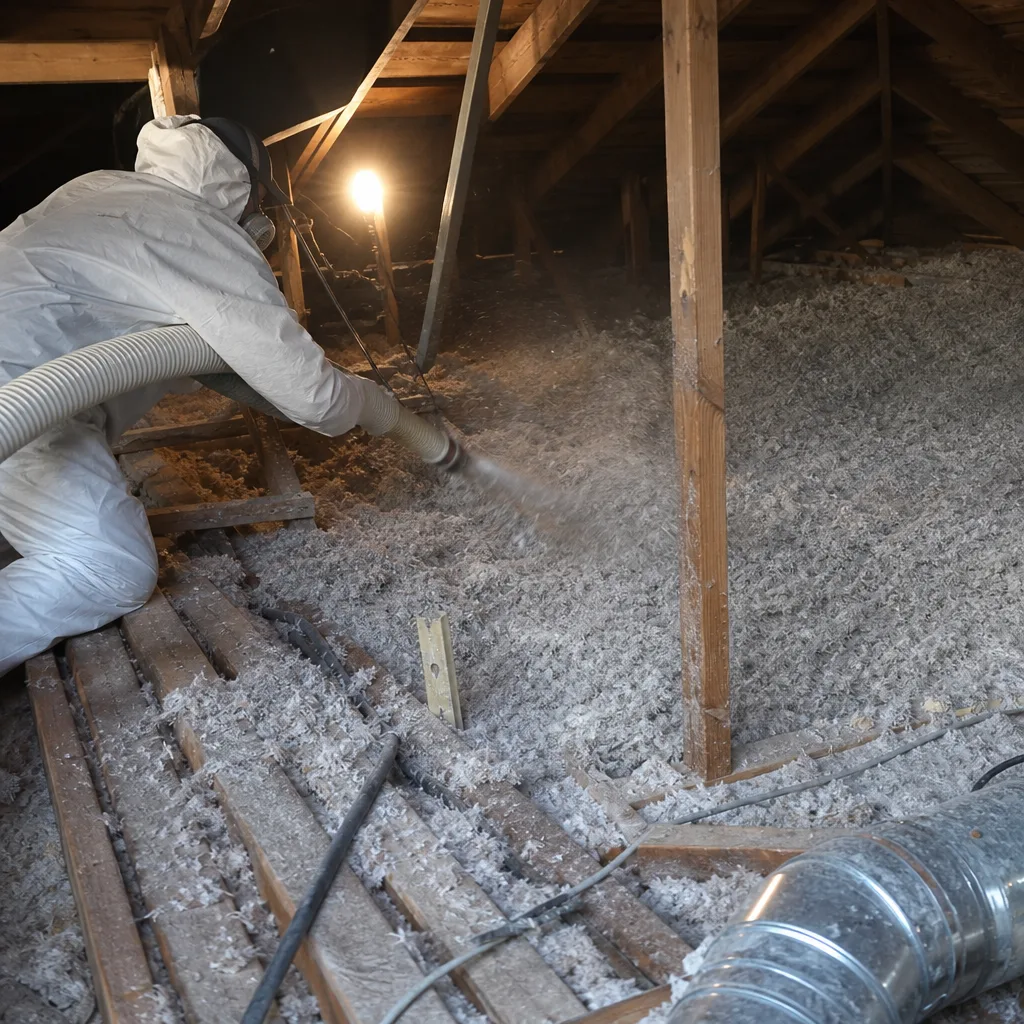
- Home size: Auditors in the Campbell market generally use a square-footage baseline. A 1,200 sq ft condo near the Pruneyard will price lower than a 2,800 sq ft two-story in the Dry Creek neighborhood because larger homes require more time under the blower-door pressurization and a larger infrared scan area.
- Number of stories: Two-story homes take longer to seal and scan than single-story ranches. Attic access points, stairwell bypasses, and knee walls all add diagnostic time. Many Campbell split-levels built in the 1960s and 1970s have multiple attic cavities that each need separate inspection.
- Age and construction type: Pre-1980 homes in Campbell almost always show more complex air leakage patterns – disconnected attic bypasses, knob-and-tube wiring zones that can’t be buried in insulation without electrical work, and original single-pane windows that shift the priority list. An auditor will spend more time documenting these conditions, which is reflected in the final price.
- Duct system access and condition: Campbell homes with ductwork running through unconditioned attic space (common in the 1970s tract housing east of San Tomas Expressway) often need a separate duct leakage test. If your ducts are behind drywall in conditioned space, that test may be skipped – lowering the audit cost but also limiting what the auditor can find.
- Utility rebate eligibility: PG&E’s Energy Upgrade California program and BayREN’s Home+ rebate for Santa Clara County residents can offset audit costs substantially – sometimes to near zero for income-qualified households. The audit must be performed by a BayREN or PG&E-approved contractor and follow their documentation requirements to qualify, which adds administrative time that may be priced into the quote.
- Scope of the written report: A report that lists “add attic insulation” is not the same as one that reads “blower-door baseline: 3,800 CFM50; estimated leakage contribution from attic top plates: 30-40%; recommended air sealing scope before insulation: penetrations at 14 can lights, two bath fan boots, and the main plumbing chase.” The second report takes longer to produce and should cost more. It also tells the next contractor – or us, if you ask for a second opinion – exactly what was found and where.
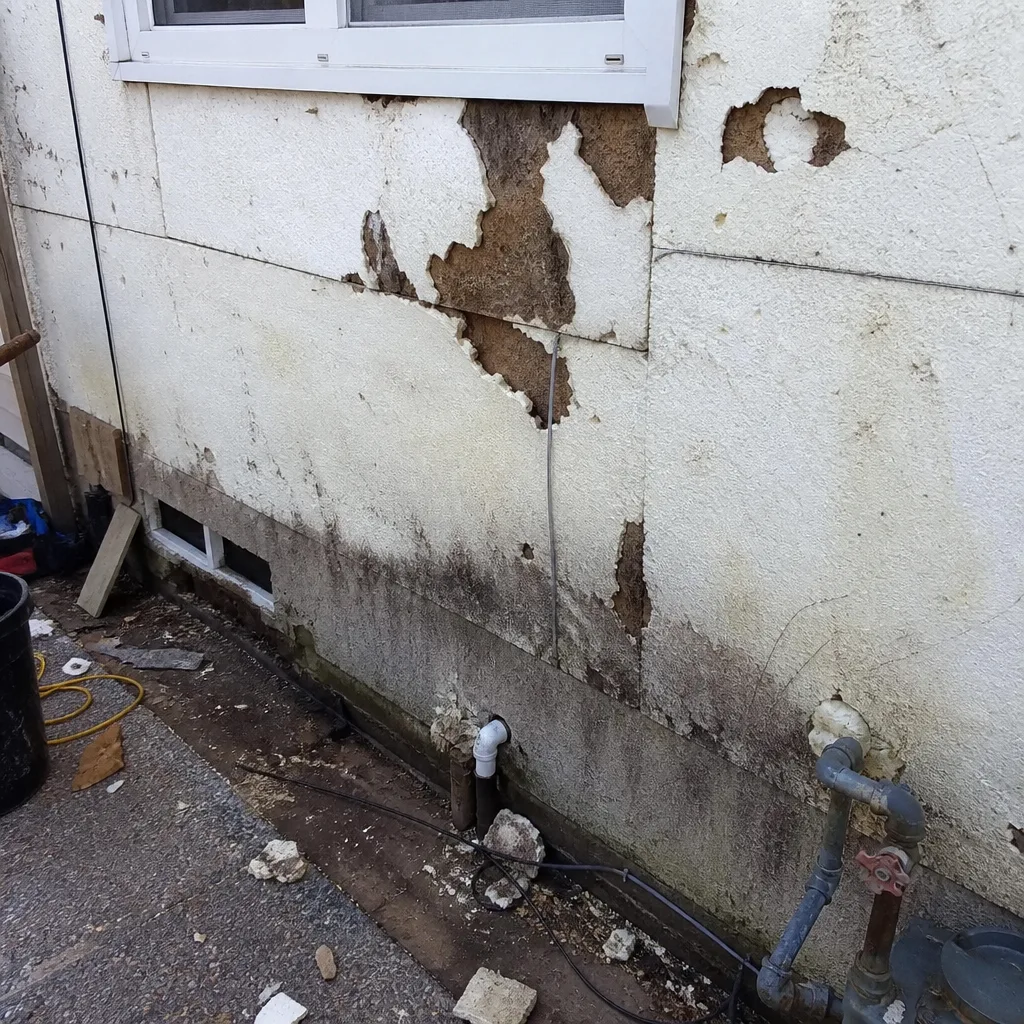 Before
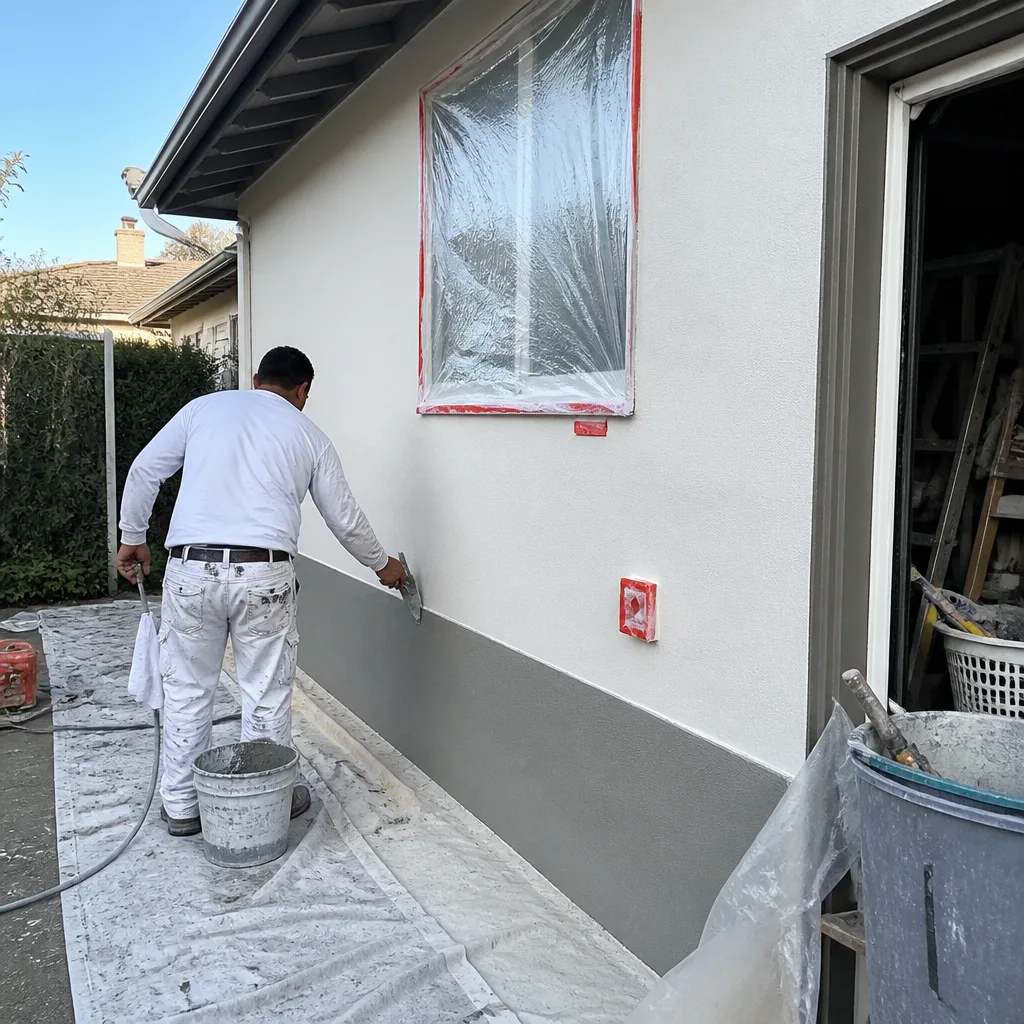 After
AfterWhat the Audit Findings Actually Drive
The audit is not the goal. It is the tool that tells you where your money will do the most work. In Campbell’s climate – mild coastal-influenced winters, summers that push into the 90s during heat events, and persistent delta breezes that pressurize homes from the west in the afternoon – air sealing delivers a measurable return more reliably than almost any other upgrade because the pressure differentials that drive air infiltration are present most of the year.
In homes we have worked on in Campbell and the surrounding San Jose neighborhoods, a pre-sealing blower-door reading of 3,500 to 5,000 CFM50 is common in 1970s tract construction. After sealing top plates, can lights, and attic penetrations, post-sealing readings typically drop to 1,800 to 2,800 CFM50 – a 35 to 50 percent reduction in measured air leakage. That change shows up on your utility bill, but more importantly it shows up in whether the upstairs rooms stop feeling like a different climate zone than the downstairs. At Envelope Insulation Co., we publish those before-and-after numbers on every applicable job. Not because it’s good marketing. Because it’s the only way to verify that the work actually performed.
What an audit should not do is become justification for adding insulation over unsealed air leaks. Blown insulation does not stop air movement – it slows it. If the attic floor is not air-sealed first, adding R-38 or R-49 of blown cellulose over open top plates and can lights mostly gives the air a fluffier path to keep moving. Under The Haven Standard at Envelope Insulation Co., air sealing of top plates, can lights, and penetrations is completed before any insulation is added – in writing, before a single bag of material is opened. That is not an upsell. It is the sequence that makes insulation work.
How to Save on a Home Energy Audit in Campbell
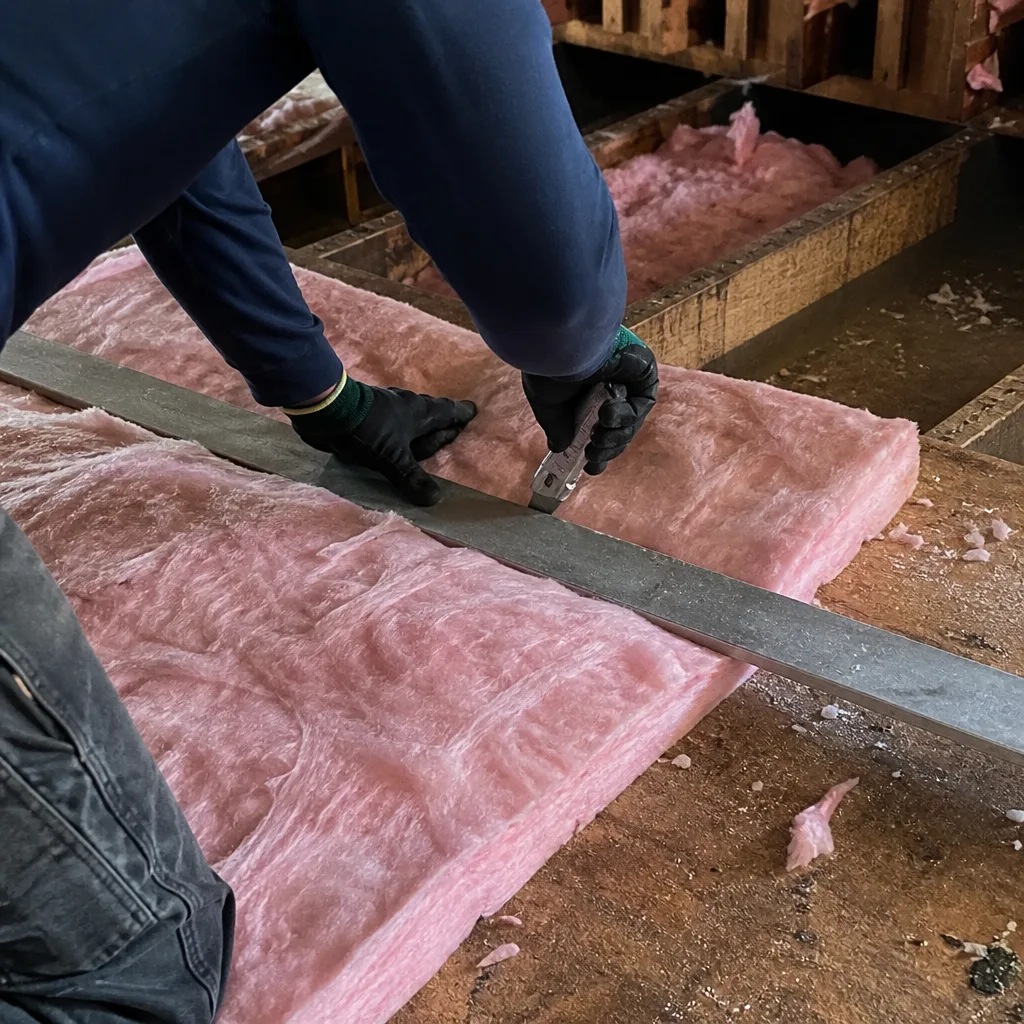
There are a few practical ways to reduce out-of-pocket cost without sacrificing the diagnostic quality that makes the audit worth doing.
Check PG&E and BayREN program availability before booking. Santa Clara County participates in the BayREN Home+ program, which has offered rebates on qualifying energy assessments for owner-occupied single-family homes. Eligibility and rebate amounts change year to year, so confirm current availability directly with BayREN or your PG&E account representative before scheduling. Income-qualifying households may access deeper incentives through the TECH Clean California program, which covers heat pump and envelope work and may bundle the audit cost into the project.
Bundle the audit with planned work. If you already know your attic has thin or no insulation – visible rafters, a hot second floor in July, a $300-plus monthly summer PG&E bill – you may not need a stand-alone audit before getting an insulation quote. A contractor who does both the diagnostic and the installation work can often fold the blower-door test into the project scope, particularly when the scope includes air sealing. Ask specifically whether the pre- and post-blower-door readings are included in the project price, and get that in writing before anyone starts.
Ask for a free second opinion on any written estimate you already have. Envelope Insulation Co. will read a competing written estimate with you at no charge. If the estimate recommends insulation without air sealing, that conversation is worth having before you spend the money. If the quote is competitive and the scope is correct, we will tell you that too.
Get a written scope before agreeing to anything. An auditor who cannot tell you in writing what they will measure, how long it will take, what report format you will receive, and what the flat price is before they arrive is operating without a discipline that protects you. Haven Standard Clause 1 is simple: written price before any work starts, no exceptions. Apply that same standard to any auditor you consider hiring.
To get a flat written estimate for a home energy audit or an air sealing and insulation project in Campbell, call (831) 534-3206. Estimates are free and your price is in writing before anyone arrives.
What You Should Walk Away With After an Audit
A home energy audit should produce a document, not a conversation you have to try to remember. Before you schedule any audit in Campbell, ask the auditor what you will have in your hands when they leave. The answer should include, at minimum:
- A blower-door test result in CFM50 and, if your auditor knows the building science, an air changes per hour at natural pressure (ACH-natural) estimate for your home size.
- A prioritized list of leakage locations – specific, named locations like “attic hatch, unweatherstripped” or “14 recessed can lights, unsealed” rather than “attic area.”
- A duct leakage result if your HVAC system uses ducts running through unconditioned space (common in Campbell attics).
- Thermal images if infrared was used, keyed to the locations found in the written report.
- A recommended upgrade sequence, ordered by return on investment, not by what the auditor’s company happens to sell.
- The auditor’s name, license or certification, and contact information on the written report.
At Envelope Insulation Co., a Documented Photo Record is included on every visit – not available on request, included as standard – and blower-door readings (before and after) are provided on every applicable job. When Wes Okafor’s crew closes out a job in Campbell, you know what the building read before they started and what it reads when they leave.
Campbell-Specific Energy Context Worth Knowing
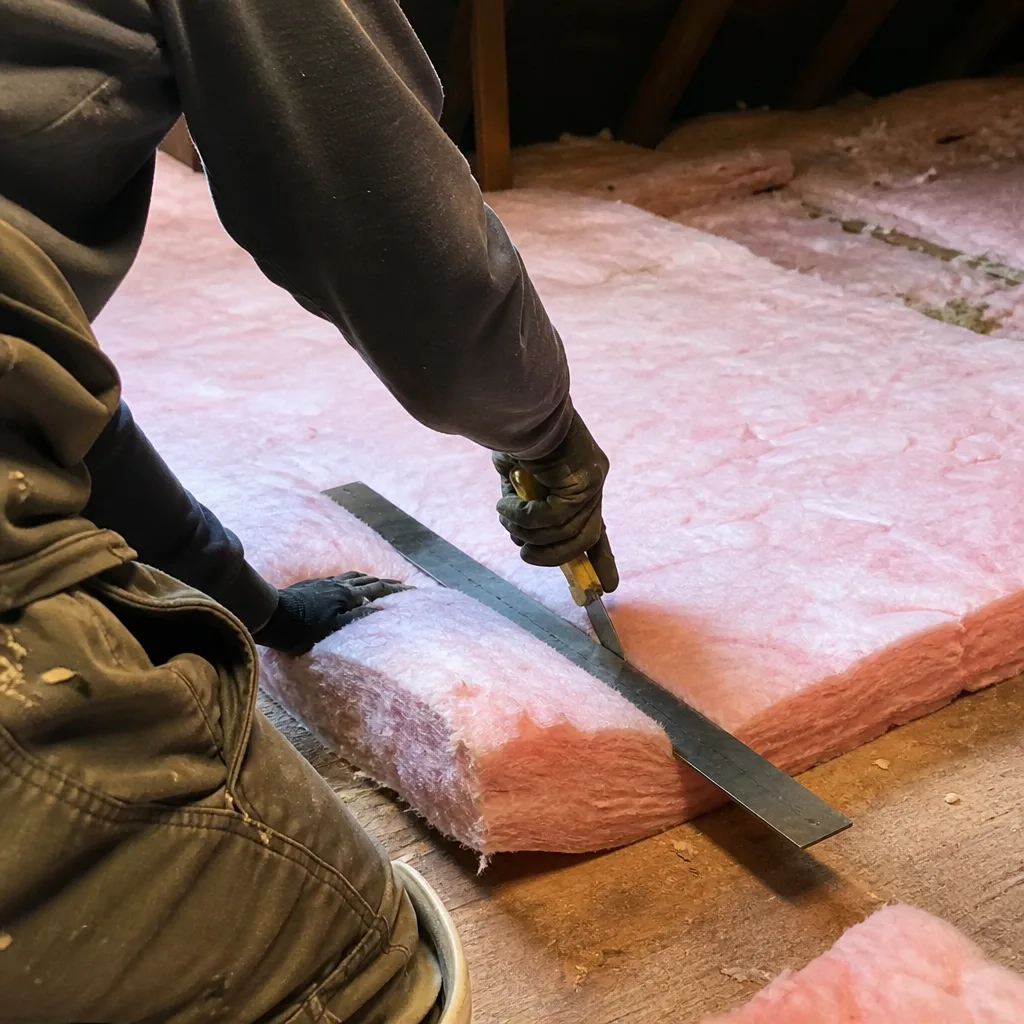
Campbell sits in a microclimate pocket between the Santa Cruz Mountains to the southwest and the broader Santa Clara Valley floor. Afternoon delta breezes push through the Los Gatos Creek corridor and along the Campbell Avenue corridor from roughly April through October, creating consistent west-to-east pressure differentials across building envelopes. For homes with leaky attics, those pressure differentials actively pump hot attic air into living spaces through top-plate gaps, recessed lights, and attic hatches. A blower-door test cannot replicate that dynamic pressure exactly – it tests under standardized conditions – but it will find the same penetrations the wind finds, and that is the point.
Summer cooling loads in Campbell can spike during the heat events that push east Bay temperatures past 100 degrees Fahrenheit, even when Campbell itself stays 10 to 15 degrees cooler. Homes with uninsulated or under-insulated attics in the Orchard City and San Tomas areas frequently run air conditioning for eight or more hours a day during those events, and the radiant gain through an attic with an R-11 fiberglass batt installed in 1978 is substantial. An audit that quantifies both the air leakage and the thermal performance gap is more useful than one that only addresses one of those factors.
Winter heating in Campbell is mild by most standards, but natural gas prices in PG&E’s territory have made even a modestly leaky envelope expensive to heat overnight. The same attic penetrations that let heat escape in winter are the ones letting cool conditioned air out in summer. Sealing them once solves both problems, which is why air sealing ROI in Campbell’s mixed climate outperforms most other envelope upgrades on a dollar-for-dollar basis.
For a broader overview of what a professional energy audit covers, see our Home Energy Audit in Campbell service page, which walks through the full diagnostic process from blower-door setup to final report.
Campbell Permit and Code Context for Energy Work
Campbell is subject to California’s Title 24, Part 6 energy code, enforced through the City of Campbell Building Division. Permit requirements for insulation and air sealing work in Campbell generally apply when the scope involves replacing more than a threshold amount of insulation in an existing home, adding mechanical ventilation, or altering the HVAC system. A home energy audit itself does not require a permit, but some of the work it recommends – particularly spray foam air sealing in attics that also serves as a vapor control layer, or work that intersects with electrical systems – may require a building permit and inspection through the City of Campbell.
HERS verification ratings are required for some permit-triggered energy improvements in Santa Clara County. If your audit leads to work that requires a permit, ask your contractor explicitly whether a HERS rater is required as part of the final inspection and whether that cost is included in the project price. Under Haven Standard Clause 1, you should have a flat written price that covers every required step before work starts – including any permit fees and third-party verification costs.
FAQs – Home Energy Audit Cost in Campbell
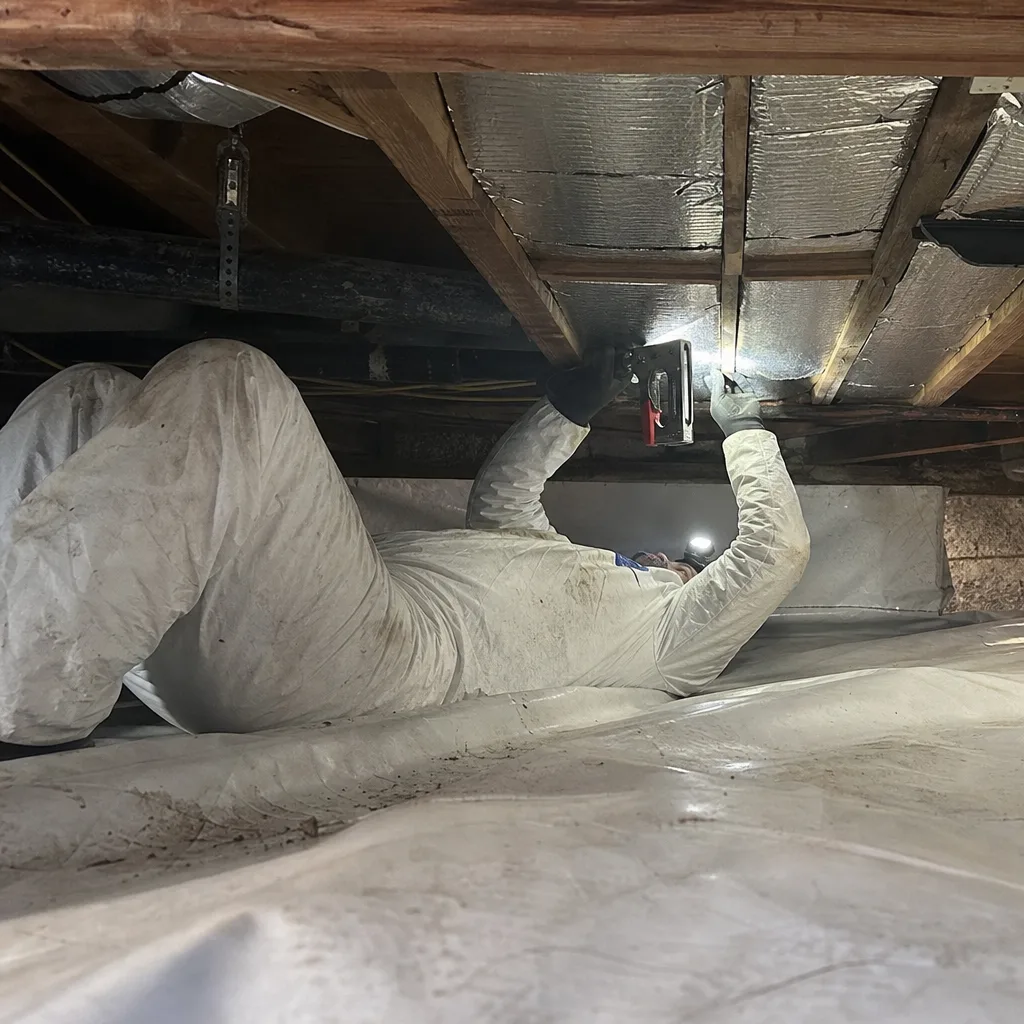
How much does a home energy audit cost in Campbell, CA in 2026?
A standard home energy audit in Campbell costs between $250 and $650. Comprehensive audits that include thermal imaging, duct leakage testing, and combustion safety checks run $400 to $950. Most single-family homes in Campbell’s 1,400-to-2,400 sq ft range land between $350 and $500 for a full blower-door assessment with a written report. PG&E and BayREN program rebates can reduce that cost to $0 to $150 out-of-pocket for qualifying homes. For a written estimate specific to your home, call (831) 534-3206 – the estimate is free and the price is in writing before anyone arrives.
Is a home energy audit worth it in Campbell?
For most Campbell homes built before 1990, yes – and the math is specific. A typical 1970s ranch-style home in Campbell with a pre-sealing blower-door reading of 4,000 CFM50 and minimal attic insulation is losing conditioned air at a rate that adds $40 to $100 per month to heating and cooling costs depending on HVAC efficiency and usage patterns. An audit that identifies the leakage locations and a sealing scope that brings the reading to 2,000 CFM50 can cut that loss in half. The audit cost ($350 to $500) is recovered in one to two utility seasons if the recommended air sealing work is completed correctly. The audit without the follow-through work is a document; the audit plus the work is a measurable performance change. Call (831) 534-3206 to discuss what a blower-door test typically shows in homes similar to yours in Campbell.
What is included in a home energy audit?
A properly scoped home energy audit includes: a blower-door test producing a CFM50 reading that quantifies total envelope air leakage; identification of specific leakage locations (attic penetrations, can lights, duct boots, attic hatches, wall outlets); a duct leakage test if ductwork runs through unconditioned space; thermal imaging if infrared equipment is used; a combustion safety check if the home has gas appliances; and a written report with prioritized recommendations. Walk-through assessments that skip the blower-door produce opinions, not measurements. Insist on a CFM50 number in the deliverable, or the audit cannot tell you how much improvement any recommended work actually produced.
Can I get a free home energy audit in Campbell through PG&E or another program?
Possibly. PG&E offers or has offered subsidized energy assessments through the Energy Upgrade California program, and BayREN’s Home+ program covers Santa Clara County, which includes Campbell. Income-qualified households may access audits at reduced or zero cost through programs tied to the TECH Clean California initiative. Availability and program terms change; the most accurate current information is at the BayREN website or through your PG&E account representative. If you book an audit through a program, confirm in writing that the auditor will provide a blower-door CFM50 reading and a written report – some lower-tier program assessments produce only a checklist. For a straight market-rate audit with documented blower-door results, call (831) 534-3206.
Do I need a home energy audit before getting insulation or air sealing work done?
Not always, but the sequencing matters more than the audit itself. A formal stand-alone audit makes sense when you want to understand the full picture before committing to any single upgrade – especially in older Campbell homes where multiple systems may be underperforming. If you already know the attic needs work and your goal is to get the air sealing and insulation done correctly, a contractor who begins with a blower-door test as part of the project scope can skip the separate audit fee while still providing documented before-and-after performance numbers. What you should never do is add insulation before air sealing is complete – insulation does not stop air, it only slows conductive heat transfer. The air sealing has to come first. At Envelope Insulation Co., that sequence is non-negotiable and written into every project scope. Call (831) 534-3206 or visit our home page to see the full service line.
Key Takeaways
- Home energy audits in Campbell typically cost $250 to $650 for a standard blower-door assessment with a written report, or $400 to $950 for a full diagnostic including thermal imaging and duct testing.
- The blower-door test – which produces a CFM50 air leakage number – is the only objective way to measure how leaky your home’s envelope actually is. Assessments without one produce opinions, not measurements.
- Campbell’s pre-1980 housing stock (common in Orchard City, San Tomas, and Hacienda neighborhoods) shows consistently high baseline leakage due to unsealed top plates, open can lights, and original single-pane construction.
- PG&E and BayREN programs can reduce audit costs to near zero for qualifying Campbell homeowners. Confirm current availability before booking.
- An audit is only useful if the recommended work is done in the right sequence: air sealing first, insulation second. Adding insulation over unsealed penetrations wastes the insulation budget.
- Before any audit or related work, get a written price, a written scope, and a written warranty. Haven Standard Clause 1 at Envelope Insulation Co. requires it on every job, without exception.
- Envelope Insulation Co. publishes before-and-after blower-door numbers on every applicable job and provides a Documented Photo Record on every visit – so you can verify the performance change you paid for, not estimate it.
Get a Written Estimate for Your Campbell Home
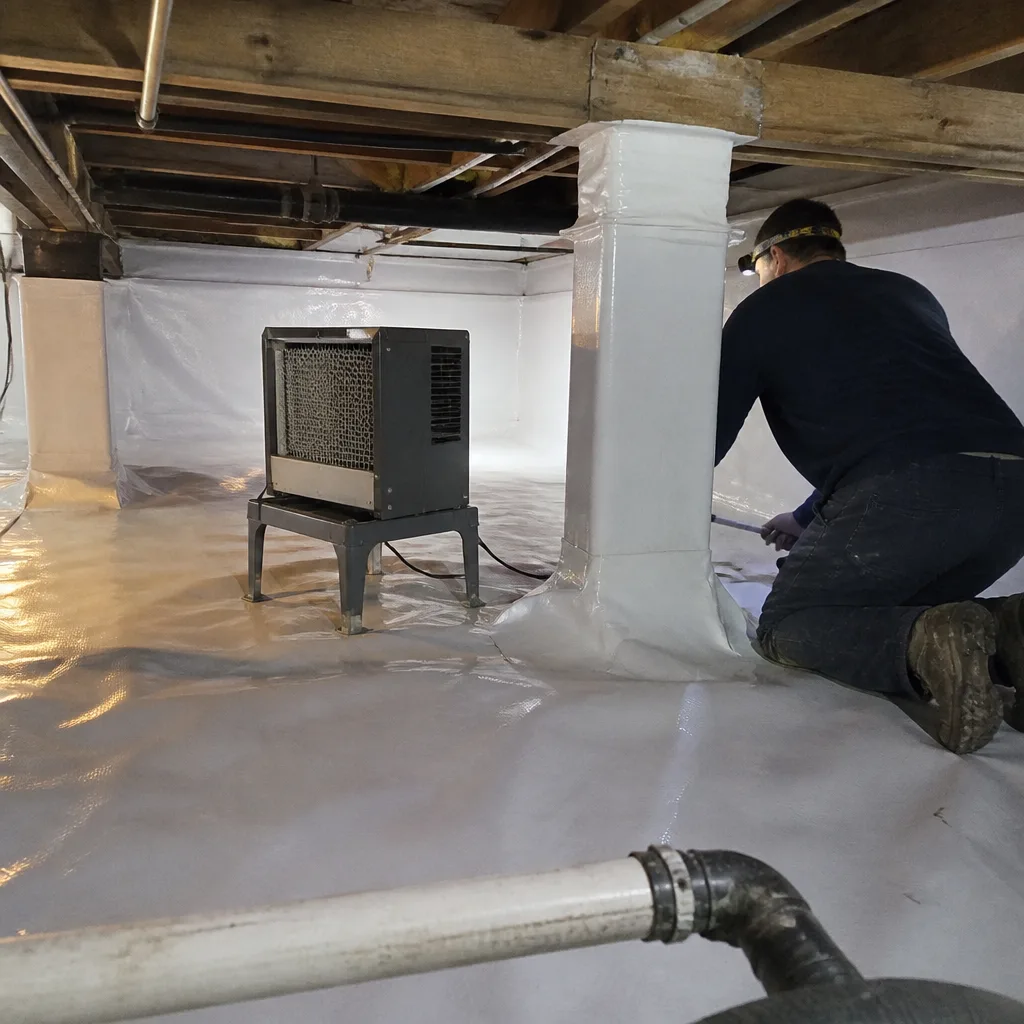
Wes Okafor and the team at Envelope Insulation Co. have been documenting building envelope performance across Campbell and the surrounding Santa Clara Valley since 2016 – over 9,000 homes sealed and insulated, every one with a written price before work started and a documented record when the crew left. If you want to know what a home energy audit in Campbell will specifically cost for your home, or if you already have a written estimate from another contractor and want a free second opinion, call (831) 534-3206. The estimate is free. The price will be in writing before anyone arrives. That is the only way we operate.
Written by Wes Okafor, Owner at Envelope Insulation Co. / Topside Attic Insulation Campbell, serving Campbell, CA since 2016.
Pricing reflects the Campbell market as of 2026. Topside Attic Insulation Campbell offers free estimates – call (831) 534-3206.
What Our Customers Say
"Fixed price, clean work, and they hauled the old material away as agreed."
- Todd M."The winter gas bill dropped by about a third. They had estimated a quarter, so they under-promised."
- Genevieve R."They photographed rodent damage in the old insulation that we had no idea about, and priced the exclusion work separately so we could decide."
- Harriet N.