
Owens Corning Vapor Barrier Installation: The Campbell Owner’s Guide
Most Owens Corning vapor barrier installations in Campbell run between $1,800 and $3,400 for a standard crawl space or attic application, and we can usually schedule within 48 hours. The Owens Corning Foamular NGX series and their WeatherLock Flex membrane systems are what we see most often in homes built between 1985 and 2010 across the Campbell area. Homeowners typically discover a problem when they notice musty odors returning after a dry winter, or when a home inspector flags polyethylene sheeting that has pulled away from sill plates near the Pruneyard Plaza corridor’s older slab-on-grade construction.
Which Owens Corning Models This Applies To
Owens Corning produces vapor barrier materials across several product lines, and matching the right membrane to your existing assembly matters more than most homeowners realize. We regularly work with three primary categories in Campbell homes.
The Foamular NGX rigid foam boards (typically 1-inch to 2-inch thickness, pink color-coded) are often installed as a thermal barrier combined with a separate polyethylene vapor retarder. The WeatherLock Flex flexible membrane system serves as a standalone vapor barrier in crawl spaces, and the CertaWrap housewrap series includes vapor-permeable and vapor-impermeable variants that get misapplied with some frequency.
Identification starts with what’s visible. Foamular NGX carries an embossed Owens Corning logo and R-value stamp; WeatherLock Flex has a woven white or silver facing with a printed grid pattern. The critical compatibility gotcha: early WeatherLock Flex (pre-2019 formulation) does not bond properly to the current NGX adhesive system. We’ve found this mismatch in three Campbell homes near Westmont Avenue where a previous contractor layered new material over old without checking the adhesive compatibility chart.
OEM Owens Corning vapor barrier material runs roughly 15-20% above quality aftermarket equivalents from Johns Manville or CertainTeed. For most Campbell homeowners, we recommend staying with Owens Corning if the existing assembly is less than ten years old, since mixing vapor permeance rates across brands can create condensation planes at the interface. On full replacements, aftermarket equivalents perform identically at a lower material cost, and we document the permeance rating on your written scope so you have a record.
Signs Your Owens Corning Vapor Barrier Installation Is Failing
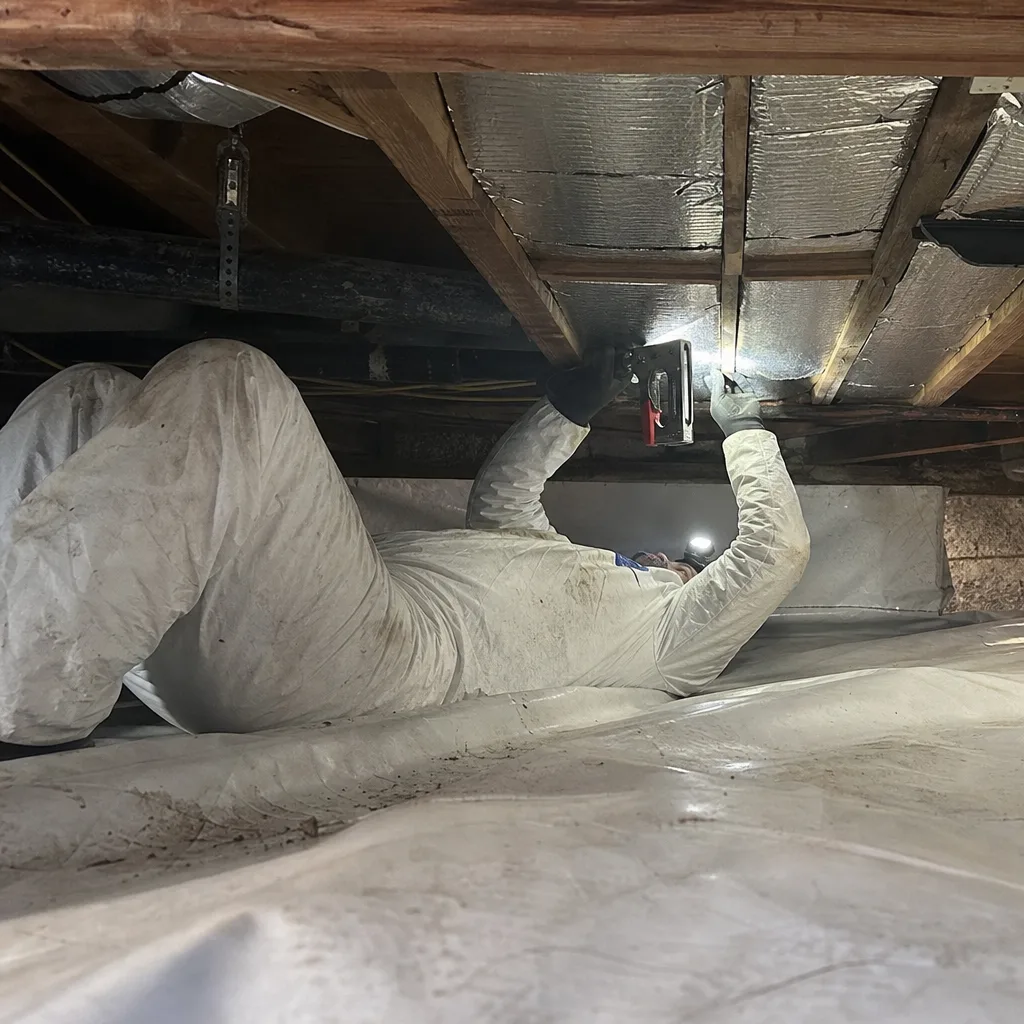
- Condensation pooling on the barrier surface. This means the vapor retarder has lost its seal at the perimeter, or the permeance rating was wrong for Campbell’s mild, humid winter pattern. Warm interior air hits the cool crawl space or attic surface, and water beads on top of the membrane instead of being blocked or allowed to pass through as designed.
- Musty odor returning after rain, even in summer. The barrier has likely torn at a seam or penetration point. Owens Corning WeatherLock Flex relies on taped seams; if the acrylic tape has degraded (common after 8-12 years in Campbell’s clay-heavy soil conditions that shift slightly seasonally), soil gas and moisture enter at the breach.
- Visible mold on wooden joists or sill plates. This indicates the barrier is trapping moisture rather than blocking it, usually because someone installed a Class I impermeable barrier where a Class II semi-permeable was specified. We’ve seen this error in Campbell’s 1960s ranch homes near San Tomas Aquino Creek, where original construction used no barrier and a later owner added the wrong type.
- Barrier pulling away from walls or piers. Mechanical fasteners have failed, or the adhesive was applied to a damp concrete surface. Owens Corning specifies a maximum 15% surface moisture content for adhesive application; in Campbell’s older neighborhoods with unvented crawl spaces, that threshold gets ignored.
- Increased energy bills with no other explanation. A compromised vapor barrier allows moisture into insulation layers, dropping the effective R-value of adjacent Owens Corning fiberglass or Foamular products by 30-40%. The HVAC system works harder to maintain temperature, and the homeowner pays for the degradation.
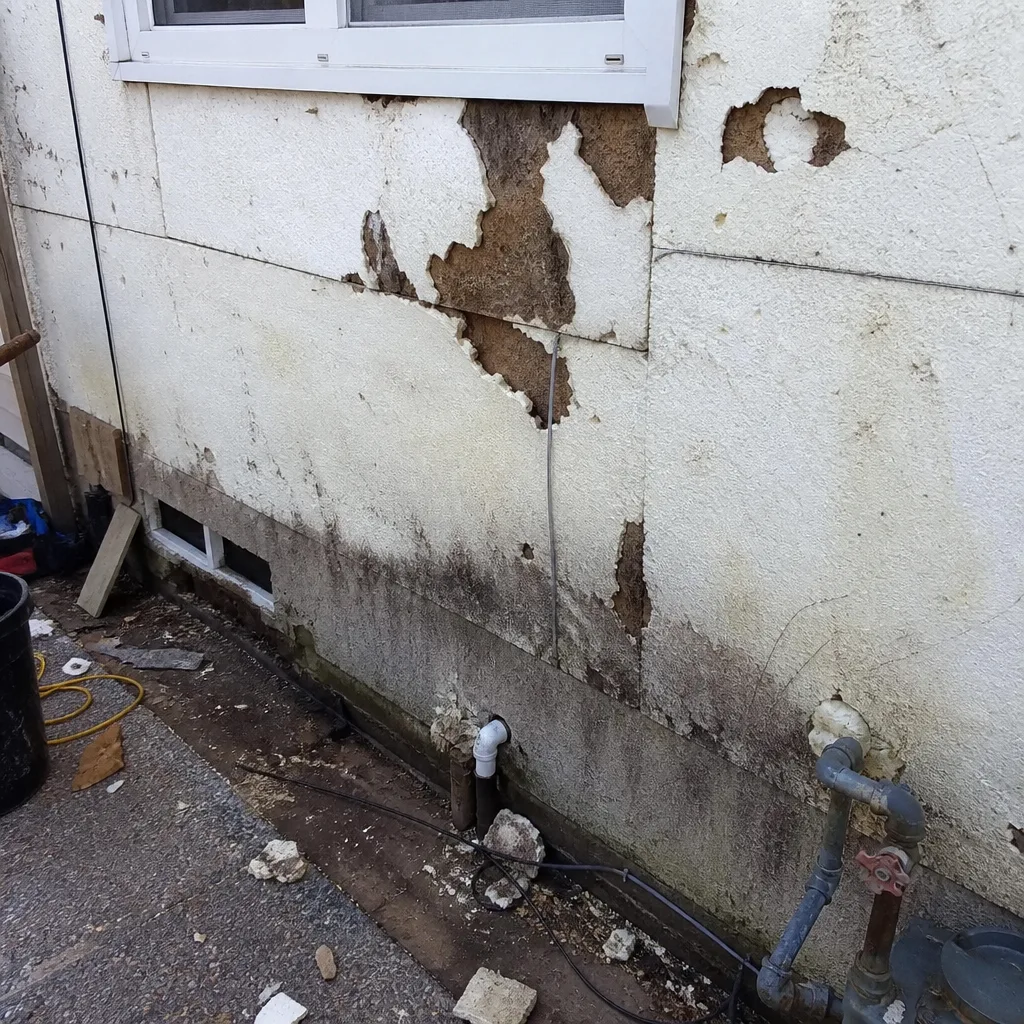 Before
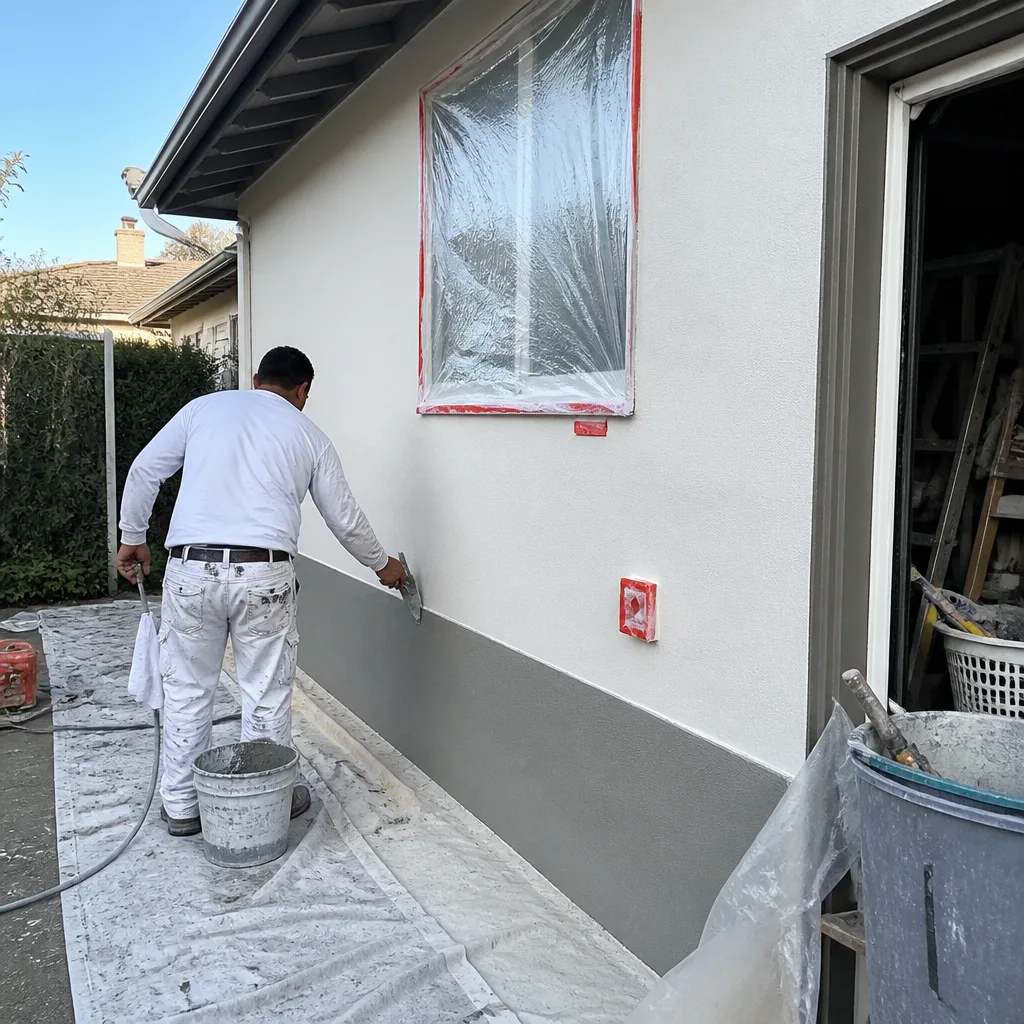 After
AfterReplacement Cost & What’s Included
Here’s what we charge for Owens Corning vapor barrier installation in Campbell, with parts and labor separated on every written scope under Haven Standard Clause 1.
| Scope | Typical Range |
|---|---|
| Standard crawl space (1,000-1,500 sq ft), WeatherLock Flex replacement | $1,800 – $2,600 |
| Crawl space with Foamular NGX thermal barrier + new vapor retarder | $2,400 – $3,400 |
| Attic vapor retarder (kraft-faced or membrane, per code) | $1,400 – $2,200 |
| Remediation: mold-affected joists, barrier removal, treatment, replacement | $3,200 – $4,800 |
What drives the range: accessibility (crawl height and debris), whether existing barrier removal is required, and whether the substrate needs drying time before new adhesive application. Every job includes the Documented Photo Record, and on full envelope jobs we run a blower-door test before and after so you see the CFM50 change. The 365-Day Done Right Promise covers all workmanship; Owens Corning material warranties run 10 years on WeatherLock Flex and 20 years on Foamular NGX when installed to their published spec.
DIY or Call Us?
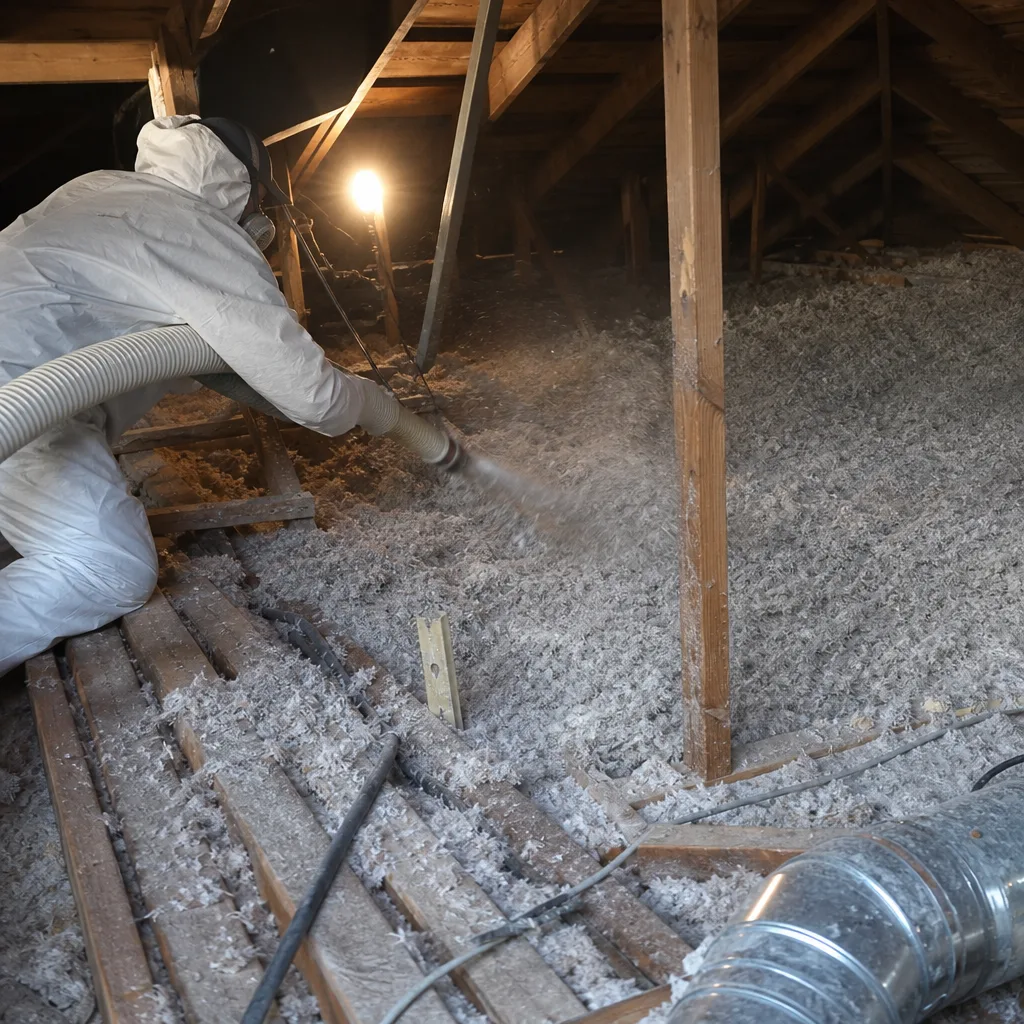
There’s a short list of what a Campbell homeowner can safely check without tools: look for visible tears, pull gently at seam tape to test adhesion, and note any new odors after rain. Beyond that, vapor barrier work involves confined-space entry, sharp fasteners in tight quarters, and decisions about permeance ratings that affect your home’s moisture profile for decades.
The honest failure point we see: homeowners buy a roll of 6-mil polyethylene at a hardware store, lay it down, and call it done. That material has no specified permeance rating, no seam integrity, and no integration with thermal barriers. In Campbell’s climate, it traps moisture against sill plates and accelerates the rot it was meant to prevent. Seal the leaks first. The insulation has nowhere useful to go until you do.
If your crawl space is less than 24 inches clear, if you see mold, or if the existing barrier is bonded to Foamular NGX, call (831) 534-3206. We’ll read your situation with you, and if you have a competing written estimate, we provide a Free Second Opinion.
FAQs
WeatherLock Flex typically lasts 12-18 years in Campbell’s climate before seam tape degradation becomes likely; Foamular NGX rigid foam can exceed 25 years if the facing remains intact. Campbell’s mild temperatures reduce thermal cycling stress compared to inland California, but the clay soils near San Tomas Aquino Creek shift slightly seasonally and can stress perimeter seals. Call (831) 534-3206 for an exact assessment of your installation’s condition - estimates are free.
Small punctures (under 2 inches) can be patched with Owens Corning-approved acrylic tape if the surrounding material is still supple and the substrate is dry. We do not recommend patching if the tear is at a seam, if the membrane has become brittle, or if mold is present - in those cases, partial or full replacement is the only fix that lasts. Call (831) 534-3206 and we’ll photograph the damage during our visit so you can see what we’re seeing.
A standard crawl space replacement takes one day for a two-person crew; jobs requiring Foamular NGX installation or mold remediation typically need two days. We arrive with the material on the truck for Owens Corning, Johns Manville, Knauf, and other major brands, so there’s no supplier delay. Your written scope includes the day-by-day schedule before anyone lifts a tool.
Yes. We carry WeatherLock Flex rolls, Foamular NGX boards in 1-inch and 2-inch thicknesses, and compatible acrylic seam tape on every service vehicle serving Campbell. We also stock Reflectix radiant barrier products for homeowners combining vapor control with thermal management. If your existing assembly uses a discontinued Owens Corning formulation, we cross-reference permeance ratings and document the substitution on your written scope.
Topside Attic Insulation Campbell is an independent service provider and is not affiliated with Owens Corning. We source materials from Owens Corning, Johns Manville, Knauf, Rockwool, CertainTeed, Icynene, Demilec, and GreenFiber with no proprietary lock-in.
Ready to get a written price before any work starts? Call (831) 534-3206 or text us. We answer live, 24/7. Bring us any competing written estimate for a Free Second Opinion. Every job closes with a Documented Photo Record, and on applicable work you’ll receive before-and-after blower-door numbers showing exactly what changed.
Written by Wes Okafor, Owner & Lead Insulation Technician, Topside Attic Insulation Campbell at Topside Attic Insulation Campbell, serving Campbell and nearby areas.