
Johns Manville Insulation Removal & Replacement in Campbell: What to Know First
We provide independent Johns Manville insulation removal and replacement in Campbell, with most residential jobs completed in one to two days and a written price delivered before any work starts. A typical attic removal and replacement for a Campbell home built between 1960 and 1990 runs $3,200 to $5,800 depending on square footage, contamination level, and whether vermiculite is present. This page is for homeowners who have identified Johns Manville insulation in their attic or walls and need it removed safely and replaced with a documented performance outcome. Call (831) 534-3206 for a free estimate with a written scope.
How Johns Manville Products Fail - and How We Fix Them
- JM Formaldehyde-free fiberglass batts (pre-2012 formulations) sag and gap in Campbell’s cooling-heavy climate. The binder degrades faster in attics that see repeated 140°F summer peaks, creating channels where conditioned air escapes. We remove the degraded batts entirely, seal top plates and can-light penetrations with acrylic latex or fire-rated foam, then install new blown-in fiberglass or mineral wool that fills irregular joist bays without the same binder vulnerability.
- JM Spider blown-in fiberglass compacts in homes near the Los Gatos Creek corridor where roof leaks went undetected. Spider’s interlocking fiber design traps moisture; once wet, it mats into dense clumps that lose R-value and support mold. We remove the compacted material with HEPA-contained vacuums, treat sheathing with an EPA-registered fungistat if needed, and replace only after verifying the leak source with a moisture meter and infrared camera.
- JM Climate Pro blown-in fiberglass settles below labeled thickness in homes with significant stack effect. The product is rated at R-2.5 per inch settled, but in Campbell’s older ranch-style homes with unsealed bypasses, air movement accelerates settlement by 15 to 20 percent. We always run a blower-door test - a pressurization reading that shows, in one number, how much air the building envelope is losing - before removal, seal the bypasses, then install to a calculated depth that accounts for actual settled performance.
- JM Polyiso rigid foam boards delaminate in crawl spaces with seasonal groundwater intrusion. The foil facing separates from the core when relative humidity stays above 80 percent for extended periods, common in Campbell homes near the Saratoga Creek watershed. We remove the delaminated boards, install a proper vapor barrier if none exists, and replace with either new polyiso on sleeper blocks or switch to closed-cell spray foam depending on clearance and budget.
- JM mineral wool batts (Sound & Fire Block series) retain rodent contamination because the dense fiber structure doesn’t release debris like fiberglass. Once mice or roof rats nest in mineral wool, the material holds droppings and pheromones that attract re-infestation. We remove the contaminated batts with full PPE and HEPA containment, sanitize framing with enzyme treatment, rodent-proof entry points with galvanized steel mesh, then replace - often switching to blown-in fiberglass in attic applications specifically to break the re-infestation cycle.
Our Johns Manville Insulation Removal & Replacement Process
- 1
Call and scope. A live person answers, 24/7. We schedule a site visit, and Wes Okafor or a lead technician arrives with a moisture meter, infrared camera, and blower-door rig.
- 2
Diagnostics and documentation. We identify the Johns Manville product line, photograph the condition, run the blower-door test, and deliver a written price with scope and warranty before any work starts - Haven Standard Clause 1.
- 3
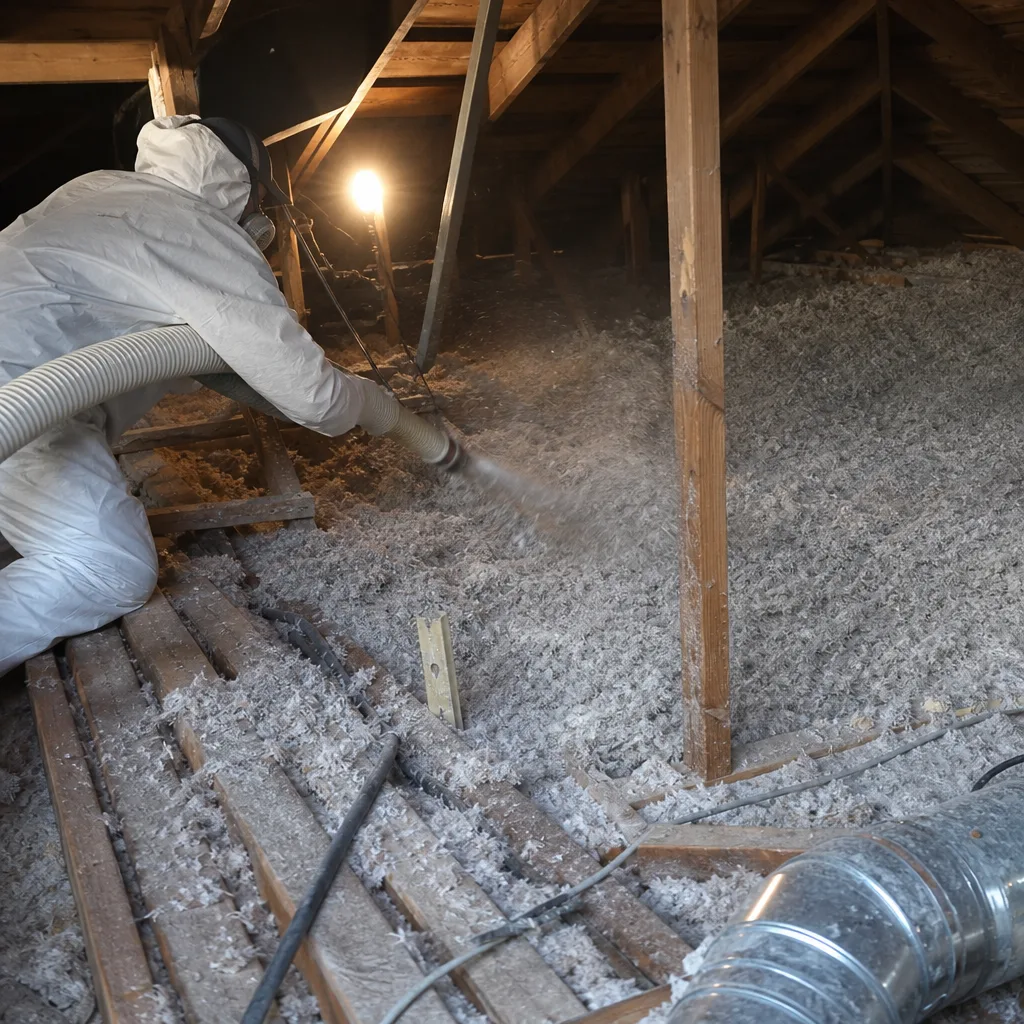
Containment and removal. We isolate the work zone with poly sheeting and negative air if needed, then remove the Johns Manville material with HEPA vacuums or bagged extraction depending on contamination level.
- 4
Air sealing before replacement. Seal the leaks first. The insulation has nowhere useful to go until you do. We seal top plates, wire and pipe penetrations, can lights, and attic hatches with appropriate materials.
- 5
Replacement and verification. We install the replacement insulation to calculated depth or R-value, run the post-work blower-door test, and provide the printed report with before-and-after CFM50 numbers plus a Documented Photo Record.
- 6
Cleanup and closeout. The crew vacuums the work path, disposes of all material per Santa Clara County waste regulations, and leaves the written warranty and 365-Day Done Right Promise documentation.
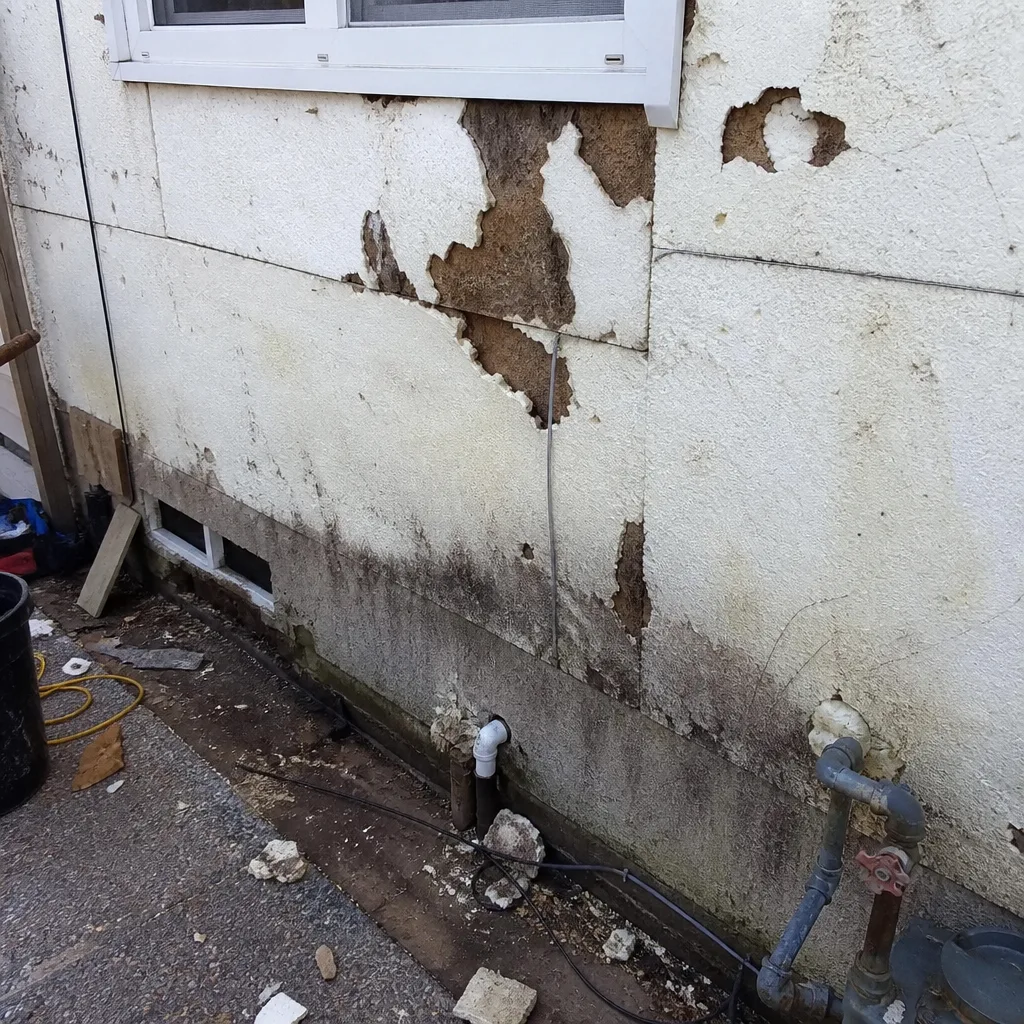 Before
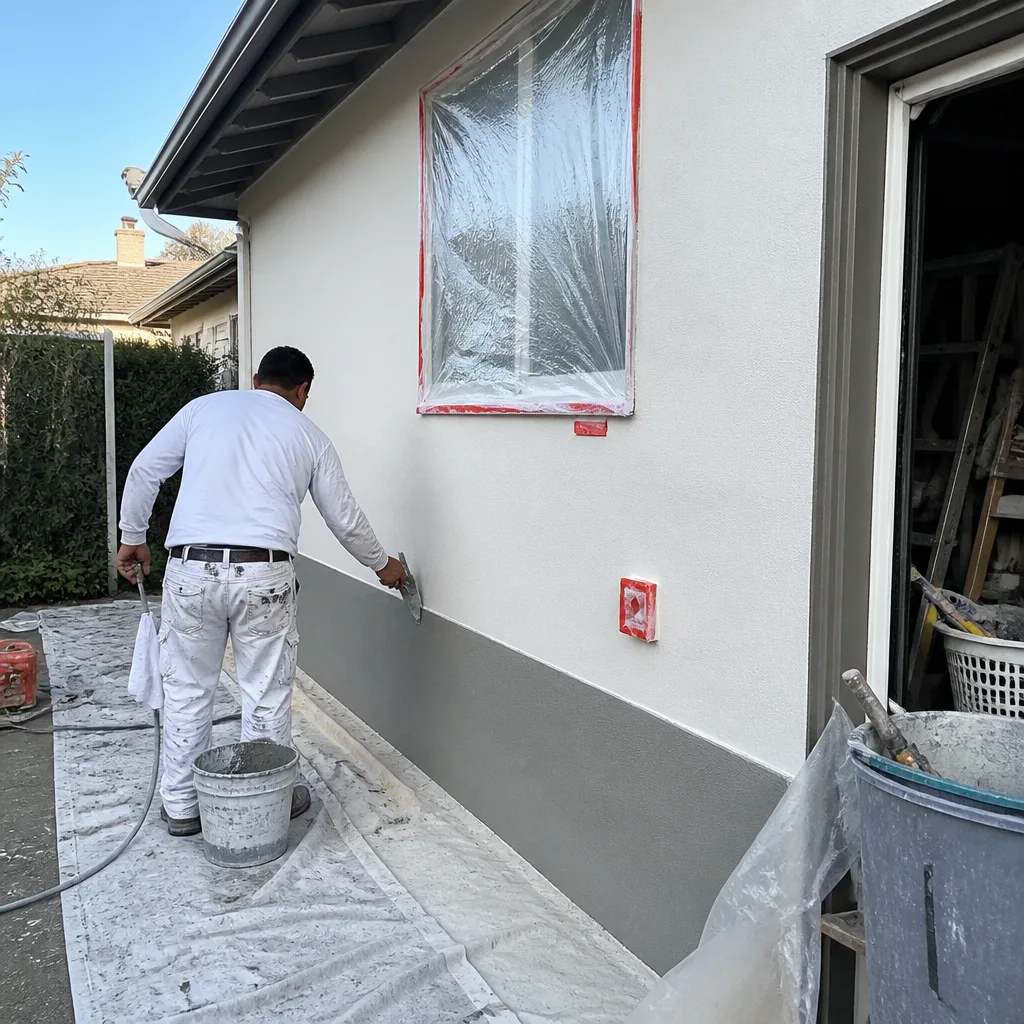 After
AfterWhat Johns Manville Insulation Removal & Replacement Costs in Campbell
| Scenario | Typical Range | What Moves the Price |
|---|---|---|
| Standard attic fiberglass batt removal, no contamination | $3,200 - $4,500 | Attic square footage, joist accessibility, whether decking must be removed |
| Spider or Climate Pro blown-in removal with air sealing | $4,200 - $6,400 | Depth of existing material, extent of bypass sealing needed, replacement product selected |
| Contaminated removal (rodent, mold, or water) | $5,500 - $8,200 | Level of PPE and containment required, sheathing treatment, rodent-proofing scope |
| Vermiculite removal (pre-1990 homes) | $8,500 - $14,000 | Lab testing for asbestos content, required abatement protocol, disposal at certified facility |
| Crawl space polyiso or mineral wool replacement | $3,800 - $6,800 | Crawl clearance, groundwater management needs, vapor barrier condition |
These ranges reflect actual Campbell jobs we’ve completed in the last 24 months, including homes near the Pruneyard Plaza corridor and in the neighborhoods east of Winchester Boulevard. Every estimate is free, written, and binding - no work starts without a signed scope. Call (831) 534-3206 to schedule.
Why Campbell Homeowners Call Topside Attic Insulation Campbell for Johns Manville Work
We are an independent Johns Manville service provider - not affiliated with or authorized by the manufacturer - which means we source replacement materials from Johns Manville, Owens Corning, Knauf, Rockwool, or other lines based on what fits the assembly and the homeowner’s performance goal, not a single-brand quota. Wes Okafor and his crew have worked Campbell attics for several years; jobs near the Pruneyard taught us early that homes this age carry top-plate gaps and unsealed chimney chases that show up on the blower-door test long before you touch a bag of blown-in. We also service Reflectix radiant barrier products where they’re part of the existing assembly. Every job closes with a Documented Photo Record, and applicable jobs include before-and-after blower-door numbers printed and signed. The 365-Day Done Right Promise applies to all completed work. Calls are answered by a live person, 24/7.
FAQs
Johns Manville product warranties cover manufacturing defects, not installation or removal performed by others. As an independent service provider, our removal and replacement work does not activate any original warranty claim, but it also does not void coverage for a verified product defect if you retain documentation of the original purchase. We provide our own 365-Day Done Right Promise on all workmanship. Call (831) 534-3206 if you have specific warranty paperwork you’d like us to review with you.
Yes, and we typically exceed it because we seal first. A Johns Manville R-38 batt in an unsealed attic performs closer to R-28 due to air movement; our replacement assemblies target the labeled R-value in real conditions by eliminating the leaks that degrade performance. We document the target and achieved R-value in your written scope.
Johns Manville did not manufacture vermiculite, but their products were sometimes installed in attics that also contain Zonolite or other vermiculite loose-fill, especially in Campbell homes built before 1990. We test a sample with a certified lab if we suspect vermiculite is mixed in the assembly; removal cannot proceed until asbestos content is ruled out. This adds 3 to 5 business days and is non-negotiable for crew safety.
Rarely, and only if the existing material is dry, uncompressed, uncontaminated, and the attic was already properly air sealed - a combination we find in fewer than 15 percent of Campbell homes we assess. In most cases, the old material is performing below label, hiding leaks, or carrying contamination that will compromise the new layer. We quote both approaches when possible, but we won’t install over material that violates our scope standards. The written price includes our honest recommendation, not the cheapest option.
Standard removals typically schedule within 5 to 7 business days; contaminated or vermiculite jobs require additional prep and may take 10 to 14 days to mobilize. Emergency situations - active roof leaks saturting insulation, for example - we prioritize same-week. Call (831) 534-3206 to check current availability; estimates are free and include a written scope with timeline.
Written by Wes Okafor, Owner & Lead Insulation Technician, Topside Attic Insulation Campbell at Topside Attic Insulation Campbell, serving Campbell and nearby areas.