
Johns Manville Attic Air Sealing: The Campbell Owner’s Guide
We stock and install Johns Manville-compatible attic air sealing components in Campbell, with most residential jobs running between $340 and $780 installed depending on attic square footage and penetration count. Same-day service is available when you call before noon, and we carry JM-certified caulk, foam, and gasket stock on every truck. Most Campbell homeowners discover their attic air sealing has failed when they notice hot second-floor rooms in July despite new insulation, or when their PG&E bill climbs 20-30% year-over-year with no rate change to blame.
Which Johns Manville Models This Applies To
Johns Manville does not sell a single “attic air sealing kit.” Their building envelope line includes AP Foil-Faced foam board, R-Guard spray sealants, and the polyiso insulation boards used in conditioned attic assemblies throughout Santa Clara County. We match sealing strategy to whatever JM product is already in your attic.
Check your attic for these identifiers: AP Foil-Faced boards have a silver radiant barrier on one side with a Johns Manville stamp and R-value printed in black ink every 24 inches. R-Guard products carry a lot number and application temperature range on the cartridge label. If your home was built between 1965 and 1995 in the Campbell area and received a JM retrofit in the last decade, you likely have a hybrid system - polyiso board over original fiberglass, with spray foam at the perimeter - and the failure point is almost always the perimeter seal, not the board itself.
OEM Johns Manville sealant runs $18-$28 per 29-ounce cartridge and is formulated for their specific foam-to-wood interface. Quality aftermarket equivalents from Dow or Henkel perform identically at $12-$16 per cartridge, but the color match differs and some HOAs in the Pruneyard area require original-spec materials for visible applications. We stock both and will show you the label before we open anything.
Topside Attic Insulation Campbell is an independent service provider with no affiliation to Johns Manville Corporation. We source JM materials through authorized distributors in San Jose.
Signs Your Johns Manville Attic Air Sealing Is Failing
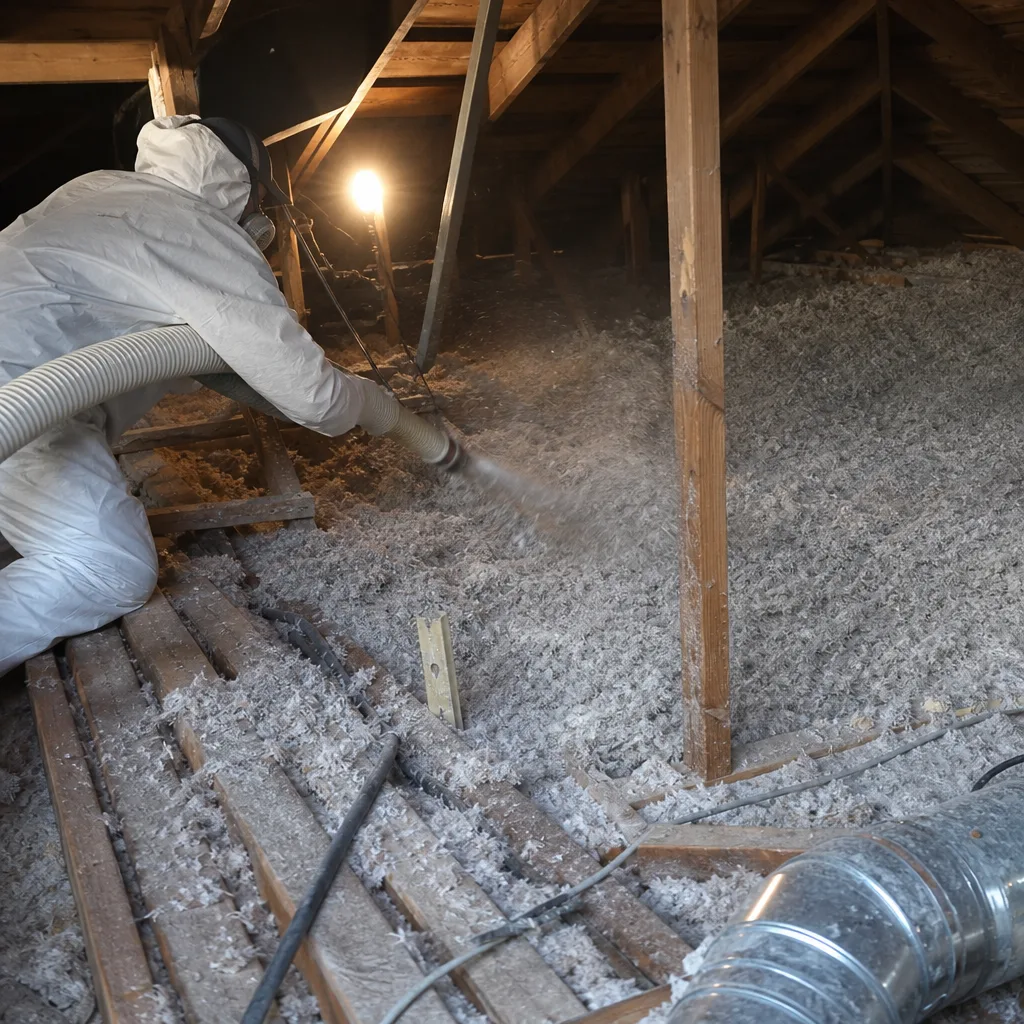
- Uneven room temperatures upstairs. When the seal around your top plates or can light housings cracks, conditioned air escapes into the attic before it reaches the vent. The room directly below the leak runs 4-8 degrees warmer in summer. We see this pattern constantly in Campbell’s 95008 ranch-style homes with original recessed lighting.
- Dust streaks around ceiling registers or can lights. Those dark lines are attic air being pulled through gaps by negative pressure from your HVAC return. The JM foam gasket that should block this path has shrunk, cracked, or never been installed at the original build.
- Insulation that looks settled or disturbed directly above a room. Air moving through a failed seal carries moisture and carries fiberglass with it. If your blown-in JM fiberglass looks thin or patchy in one zone, there is almost certainly a leak below it pulling material upward.
- Ice damming or moisture staining on the roof deck in winter. Warm, humid attic air hits cold sheathing and condenses. In Campbell’s mild climate this shows up as dark water stains rather than literal ice, usually on north-facing pitches between December and February.
- Blower-door numbers that haven’t improved after insulation was added. We get these calls monthly: a homeowner paid for more insulation, but the house still feels drafty. The problem is that insulation was blown over unsealed leaks. The R-value went up; the air changes per hour did not.
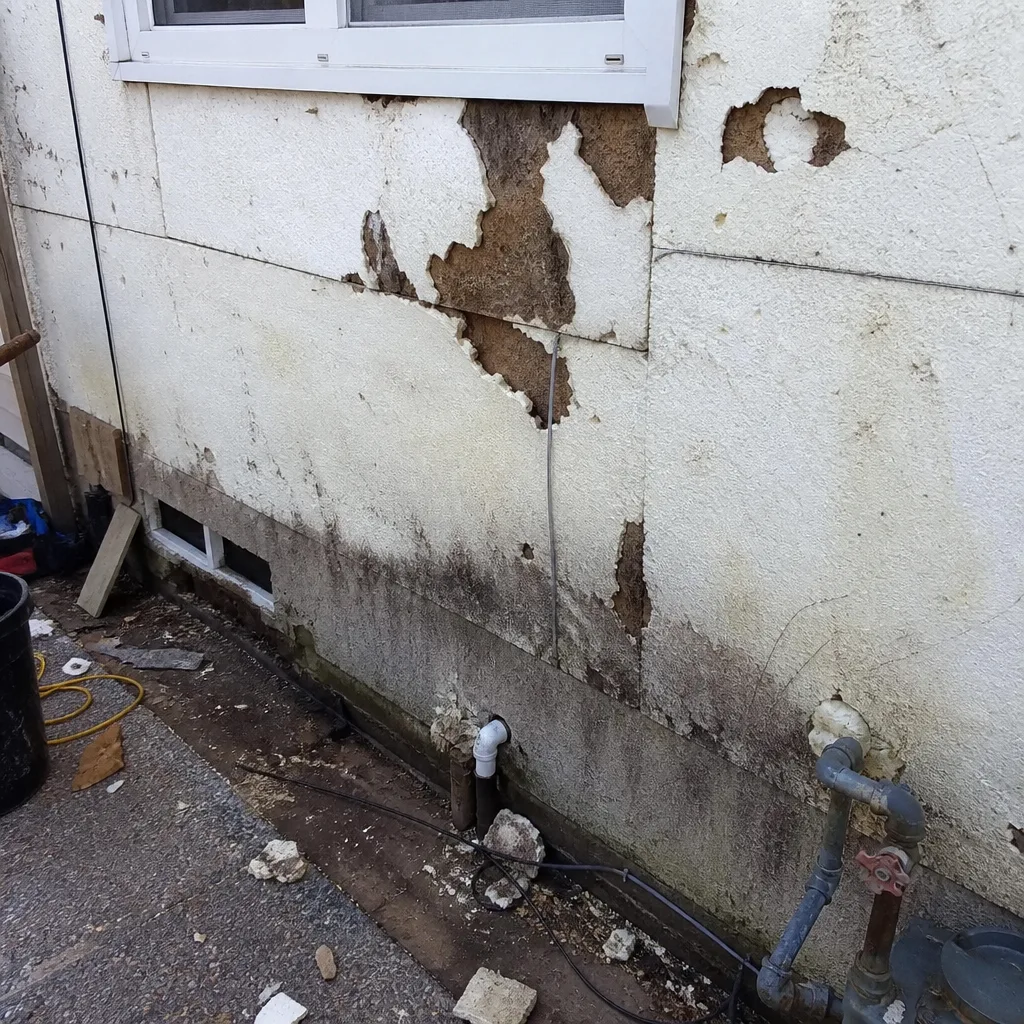 Before
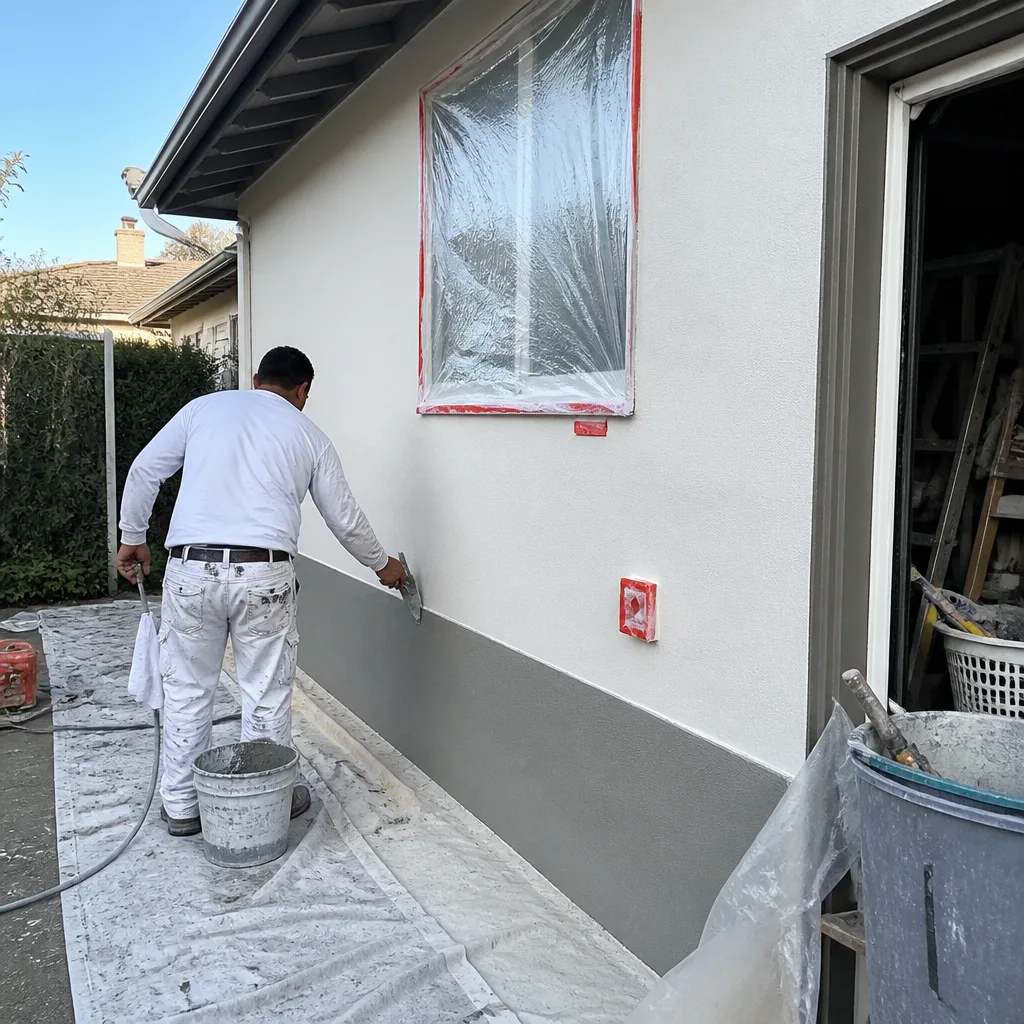 After
AfterReplacement Cost & What’s Included
In Campbell, most Johns Manville attic air sealing jobs fall between $340 and $780 installed. The low end covers a focused repair: sealing top plates and electrical penetrations in a 1,200-square-foot attic with good access. The high end addresses a full perimeter seal, can light enclosures, duct boot sealing, and a chimney chase detail in a larger or cut-up attic.
What drives the range: attic square footage, number of penetrations to seal, accessibility (cathedral ceilings or truss bays packed with existing insulation add labor), and whether we need to remove and replace insulation to reach the leaks. Every quote we write itemizes materials and labor separately. You see the cartridge count, the foam board lineal feet, and the technician hours before we start.
Under our Haven Standard, you get a Written Price Before Any Work Starts - flat, not time-and-materials - plus a 365-Day Done Right Promise on the seal performance. On applicable jobs we run a blower-door test before and after, and you walk away with both CFM50 readings printed on the invoice.
DIY or Call Us?
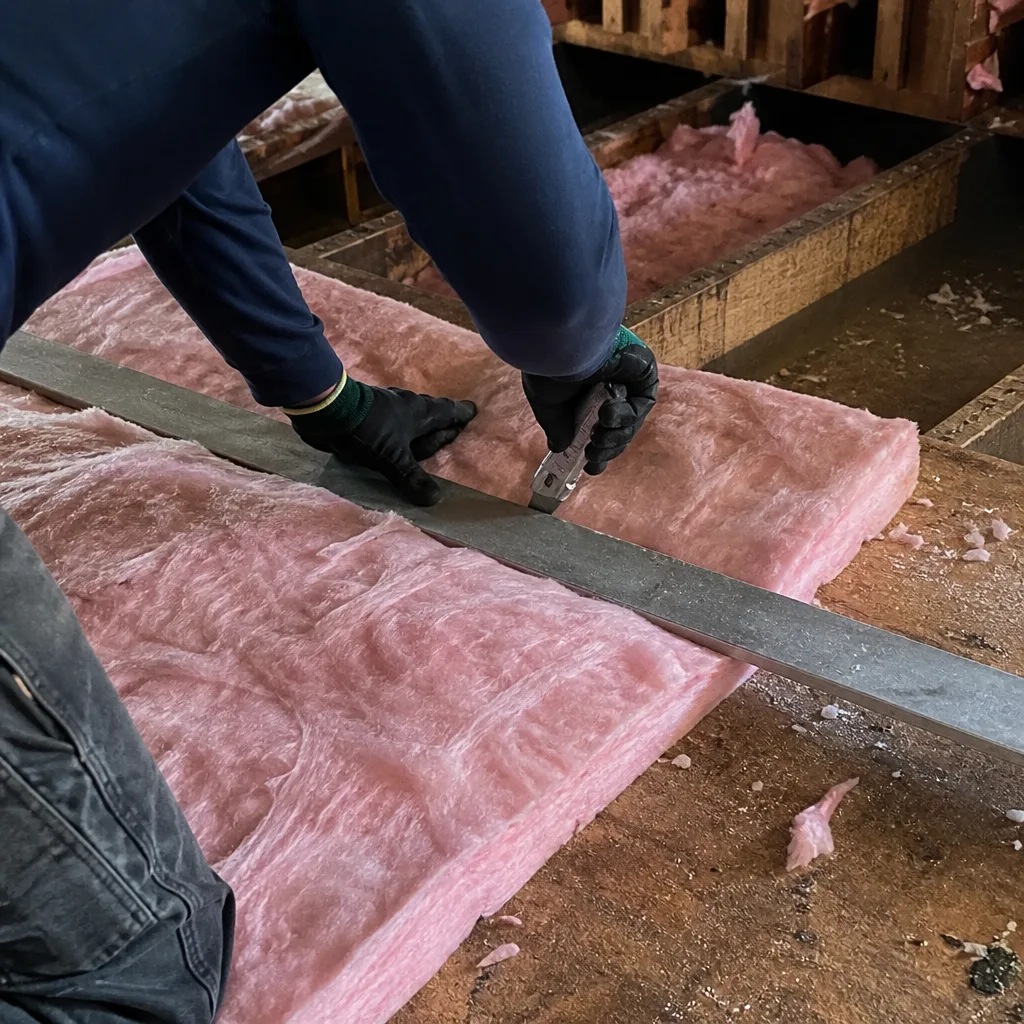
There is safe reconnaissance and there is work that belongs to someone with a respirator and a harness.
What you can check yourself: on a cool morning, turn off your HVAC and hold a lit incense stick near ceiling penetrations. A steady pull toward the attic indicates a pressure leak. Photograph any JM labels you find for our reference. Do not, however, attempt to seal around recessed can lights unless you have verified they are IC-rated (insulation contact) - many pre-2010 fixtures in Campbell are not, and burying them with foam or caulk creates a fire hazard.
Where DIY goes wrong: homeowners often seal the obvious gaps and miss the top plates where interior walls meet the attic floor. These joints run continuous and leak continuously, but they are buried under insulation. Another common mistake is using the wrong foam - open-cell where closed-cell is required, or non-fire-rated product within three inches of a flue. We have re-done enough of these to know the pattern. If your attic has active knob-and-tube wiring, do not enter it at all; call us.
Seal the leaks first. The insulation has nowhere useful to go until you do.
FAQs
Properly installed JM-compatible sealants and gaskets last 15-25 years in Campbell’s climate, though the foam components degrade faster if attic temperatures exceed 140°F regularly. Dark roofs and poor ventilation shorten this. We warranty our workmanship for 365 days and will note expected component lifespan on your written scope.
Spot repair is viable when less than 20% of the seal has failed and the original material is still pliable. Once JM foam gaskets harden or polyiso tape lifts across multiple joints, partial replacement creates more problems than it solves - the new seal and old seal expand at different rates. We assess this during our free estimate and will show you exactly what we found. Call (831) 534-3206 to schedule.
Most residential attic air sealing jobs in Campbell take 4-6 hours for a two-person crew. A full perimeter seal on a larger home may extend to a full day. We run the post-work blower-door test before we pack up, so you know the result before we leave. Estimates are free and include a written arrival window.
Yes. We carry JM-certified caulk, foam, gasket tape, and can light enclosures on every Campbell-area truck, plus compatible aftermarket equivalents from Owens Corning and Dow. For specialty JM components not in daily stock, our San Jose distributor delivers next-morning. We do not start a job with a parts run - everything needed for standard residential sealing is on-site when we arrive.
Written by Wes Okafor, Owner & Lead Insulation Technician, Topside Attic Insulation Campbell at Topside Attic Insulation Campbell, serving Campbell and nearby areas.