
Rockwool Attic Insulation: The Campbell Owner’s Guide
Rockwool attic insulation installation in Campbell typically runs $2.80 to $4.20 per square foot for batts and $3.50 to $5.50 for loose-fill blown applications, with most single-story homes in the 1,200 to 2,200 square foot range falling between $3,400 and $7,200 total. We stock both Rockwool Comfortbatt and Comfortboard lines on our trucks, and we can usually inspect and quote same-day if you call before noon. Most Campbell homeowners discover their Rockwool insulation is failing when upstairs rooms won’t hold temperature despite the HVAC running constantly, or when they find compressed, water-stained batts during a storage trip to the attic.
Which Rockwool Models This Applies To
Rockwool’s residential attic line breaks into two families: Comfortbatt, the semi-rigid batt designed for standard joist cavities, and Comfortboard, the dense board used for thermal breaks and cathedral ceiling applications. Comfortbatt comes in R15, R23, and R30 thicknesses, with the R30 (7.25 inches) being what we most commonly pull out of Campbell attics built between 1965 and 1995. The batts are stamped with a black ink code on the foil facing edge; if that stamp has worn off, measure the uncompressed thickness and note the density, Rockwool runs noticeably heavier than fiberglass at 1.6 to 2.0 pounds per cubic foot.
Comfortboard 80 and 110 are the rigid boards we see in Campbell’s newer infill construction near the San Tomas Aquino corridor, particularly where architects spec’d continuous exterior insulation. These are not interchangeable with Comfortbatt; the board needs mechanical fastening and proper gap-sealing at seams, which is where we find the most failed previous installations in this market. OEM Rockwool carries the original density and fire rating certification. We also install Johns Manville and Knauf mineral wool equivalents where the spec allows, but we do not substitute without writing it into the scope first. Haven Standard Clause 1: you see the material list before we carry anything up the ladder.
Signs Your Rockwool Attic Insulation Is Failing
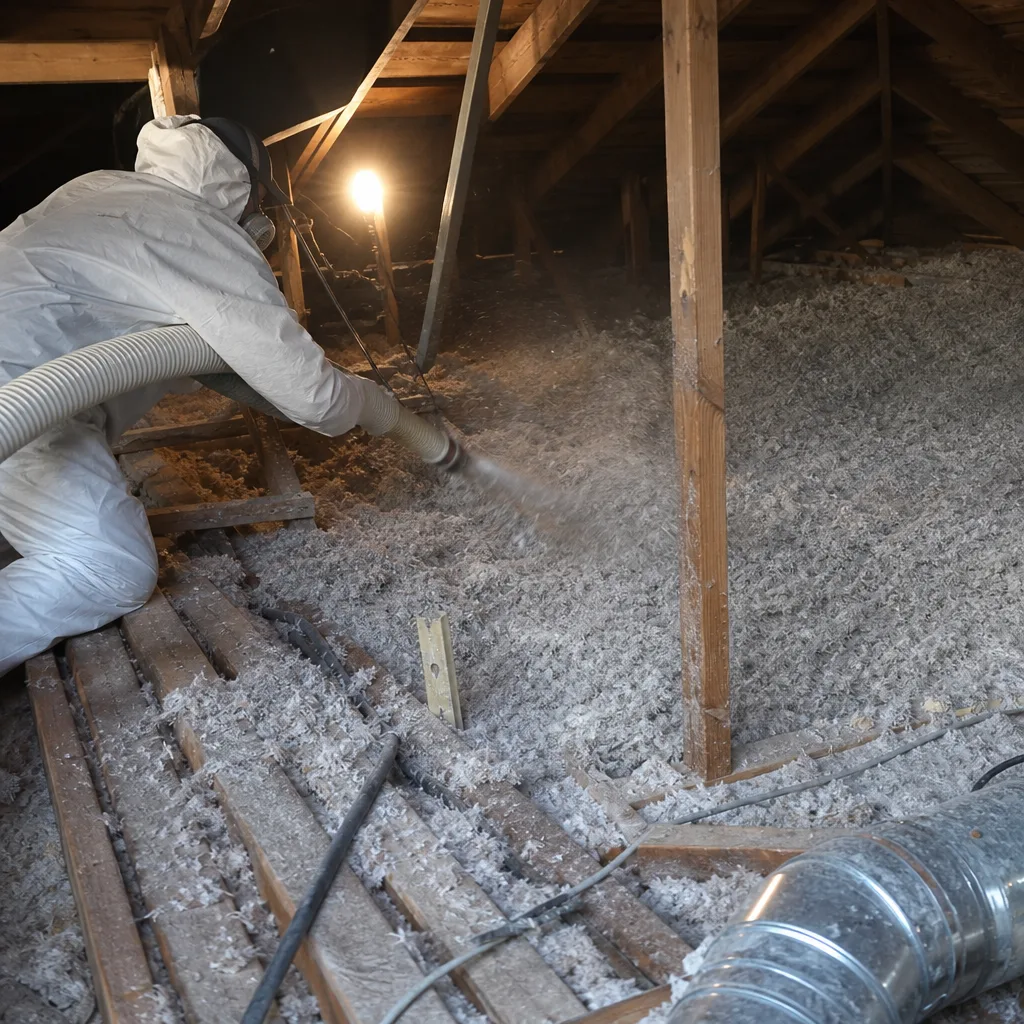
- Uneven temperatures room-to-room. Rockwool batts that have shifted out of plane or settled below the top of the joist create thermal bypass channels. In Campbell’s older ranch homes near Campbell Park, we regularly find R30 batts compressed to R15 effective because someone walked them flat during a duct repair twenty years ago.
- Water staining or mineral deposits on batt faces. Rockwool is hydrophobic and won’t rot, but it will wick and hold condensation from roof leaks or bathroom fan discharge into the attic. The salts leave a white crust. The insulation itself may still test near spec, but the air leakage path that carried the moisture has already undercut your envelope performance.
- Visible gaps at top plates and penetrations. Rockwool batts cut too narrow or stuffed around wiring without proper air sealing leave daylight. We see this constantly in Campbell’s Eichler-influenced homes with their complex rooflines; the batt was wedged in, not sealed in, and conditioned air has been escaping for years.
- HVAC runtime increasing year over year. When your summer cooling hours creep up but the unit itself tests fine, the insulation layer has likely degraded through compression, moisture loading, or rodent disturbance. Rockwool resists pests better than cellulose, but mice will still tunnel through it if they find a food source below.
- Ice dam formation or sheathing mold in winter. Even in mild Campbell winters, poor attic insulation lets heat melt roof snow that refreezes at the eaves. Rockwool’s high R-value per inch doesn’t help if it isn’t continuous; thermal bridging through skipped areas creates exactly the melt pattern that leads to water intrusion.
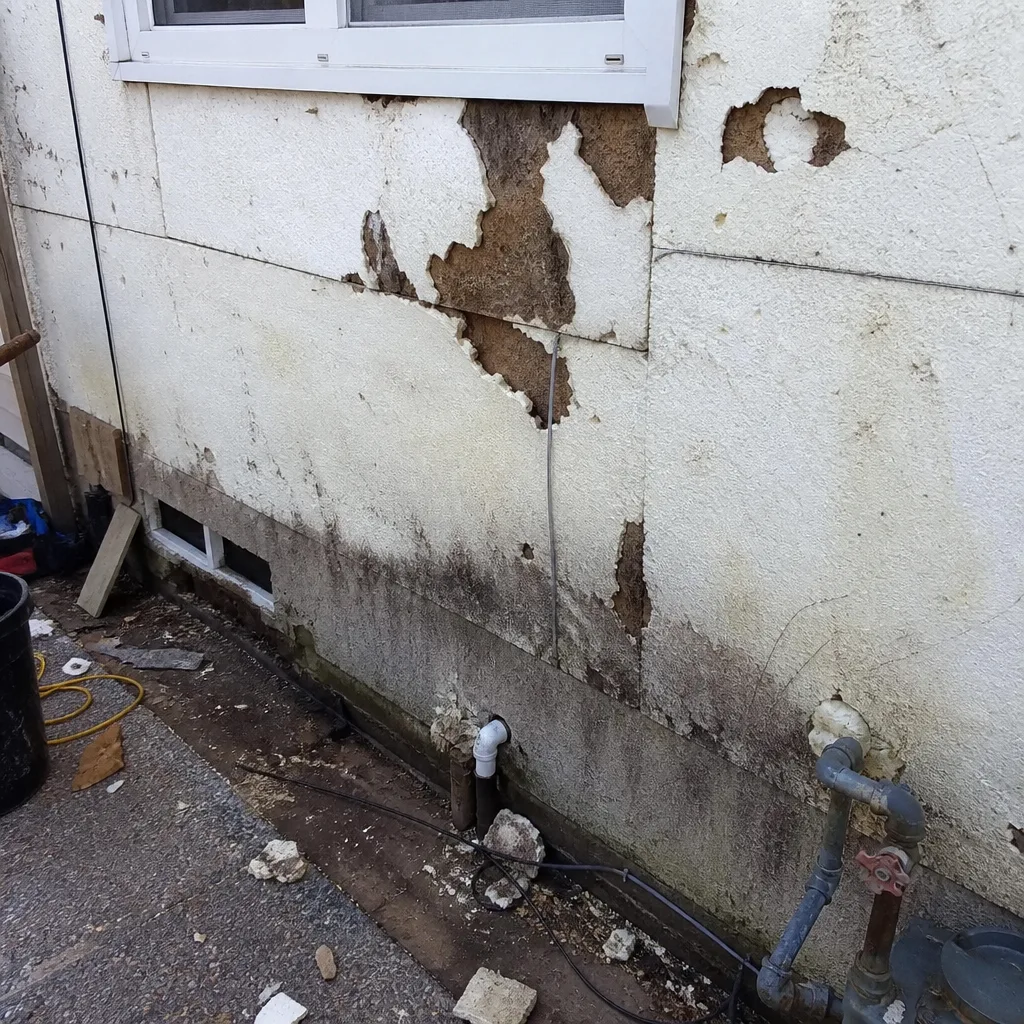 Before
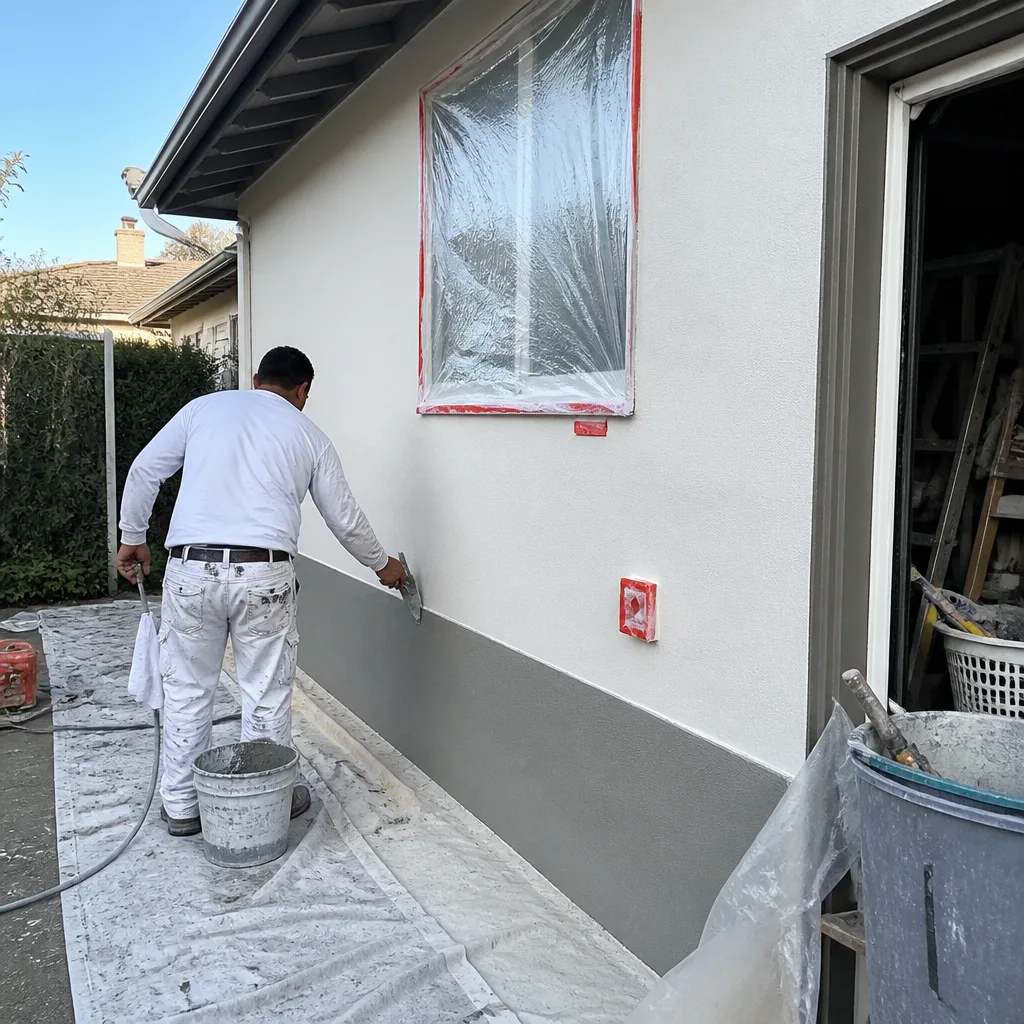 After
AfterReplacement Cost & What’s Included
Most full Rockwool attic replacements in Campbell fall between $3,400 and $7,200, with the spread driven by three factors: attic square footage, whether we’re removing old material or adding over top, and how much air sealing the floor needs before new insulation goes in. A typical job at 1,800 square feet with removal, full top-plate and penetration sealing, and new R38 Rockwool Comfortbatt runs about $5,800 to $6,400. We add $800 to $1,200 if the home has recessed can lights that need proper enclosure and sealing first.
Every quote is a written price before any work starts, with line-item breakdown: removal and disposal, air sealing labor and materials (caulk, foam, rigid baffles), insulation product and installation, and blower-door testing. The final invoice matches the written scope. Under our 365-Day Done Right Promise, if the after blower-door number doesn’t match what we promised in writing, we return and fix it at no charge. You leave with a printed report showing CFM50 before and after, a photo record of every sealed penetration, and the written warranty.
DIY or Call Us?
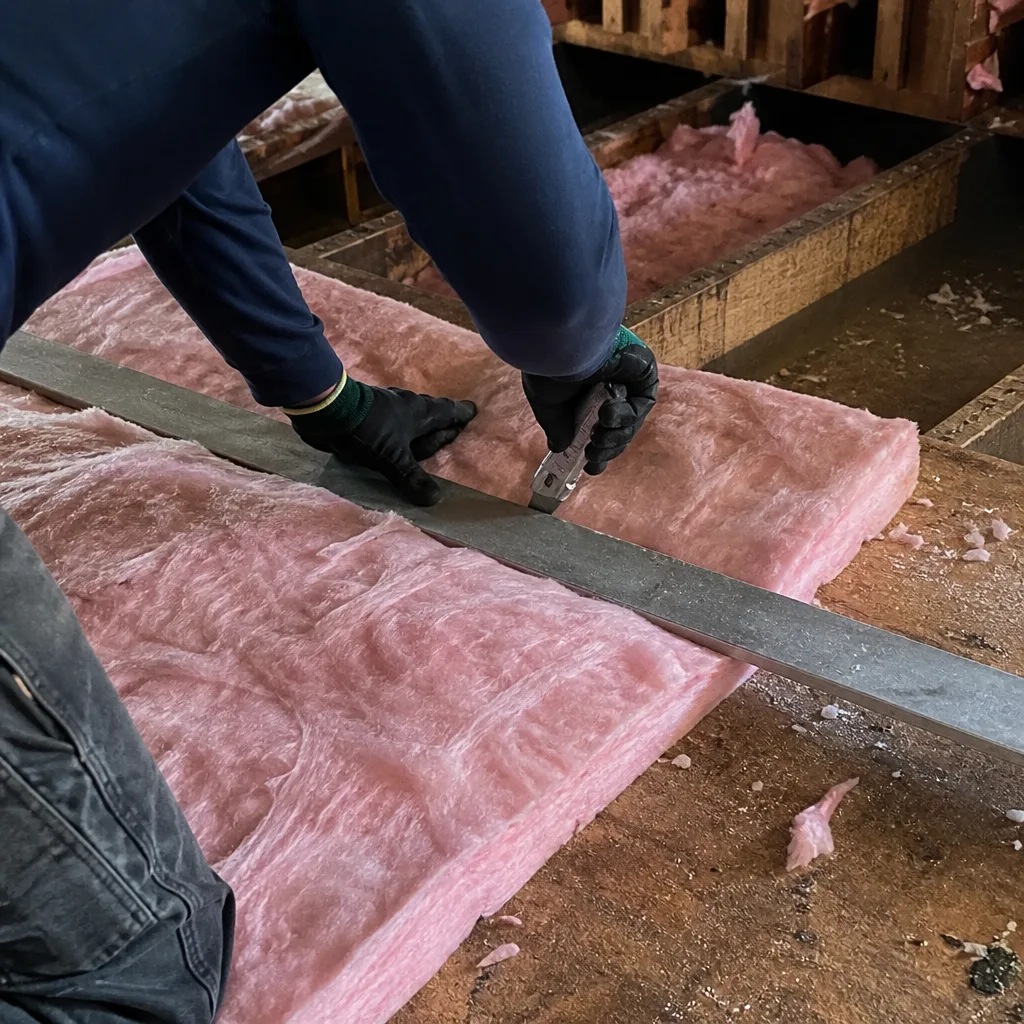
There’s a short list of things a Campbell homeowner can safely check without tools: confirm the attic access hatch has weatherstripping, look for obvious water stains or disturbed batts, and verify bathroom fans actually vent outside, not into the attic space. What you cannot safely or accurately do is assess whether your Rockwool is performing to its labeled R-value, identify thermal bypass paths at interior top plates, or run a blower-door test to quantify the actual leakage.
We have found DIY Rockwool installs in Campbell where the homeowner laid batts across the joists instead of between them, creating a compression gap that halved the effective insulation. We’ve also seen loose-fill blown over unsealed can lights, which is a fire code violation in Santa Clara County. Seal the leaks first. The insulation has nowhere useful to go until you do. If you want to know what you’re actually dealing with, call (831) 534-3206 and we’ll run the test, show you the number, and give you a written price to fix it.
FAQs
Rockwool itself does not degrade chemically and can last 50 to 100 years if left undisturbed, but in practice we find Campbell attics need reassessment every 15 to 25 years due to compression, moisture events, or remodeling disturbance. The material doesn’t settle like cellulose, but walking on it, storing boxes on it, or running new ductwork through it crushes the fiber structure and reduces R-value. Call (831) 534-3206 for a free inspection if your home is past the twenty-year mark.
Localized damage from a single roof leak or rodent nest can sometimes be cut out and patched with new matching batts, but this only works if the surrounding insulation is still at full thickness and the air leakage path that caused the problem has been sealed. In most Campbell homes we assess, the failure is systemic: compression across the whole field, inadequate original depth, or missing air sealing that has allowed chronic heat loss. Patch jobs in those conditions waste money. We offer free second opinions on any written estimate that recommends partial repair; bring us the scope and we’ll tell you if it holds up.
A standard 1,500 to 2,000 square foot attic with removal, air sealing, and new Rockwool Comfortbatt installation takes our crew one to two days. Day one is removal, cleaning, and air sealing; day two is insulation placement, quality checks, and the final blower-door test. Larger homes or those with complex rooflines near the Los Gatos border may run into a third day. We schedule start dates with a specific crew, not a window, and text you when they’re en route.
We keep Comfortbatt R23 and R30, Comfortboard 80, and the full range of air-sealing accessories (fire-rated foam, can light enclosures, baffles, and weatherstripping) on our Campbell-based trucks. For larger loose-fill jobs or specific Comfortboard 110 orders, we pull directly from our supplier and typically have material on-site within 24 hours. Topside Attic Insulation Campbell is an independent service provider and is not affiliated with Rockwool; we source from multiple manufacturers including Rockwool, Owens Corning, Johns Manville, and Knauf based on what the job spec requires.
Written by Wes Okafor, Owner & Lead Insulation Technician, Topside Attic Insulation Campbell at Topside Attic Insulation Campbell, serving Campbell and nearby areas.