
Rockwool Spray Foam Insulation in Campbell: What to Know First
We provide independent Rockwool spray foam insulation in Campbell, typically with same-day or next-day scheduling once you’ve got your written price in hand. Most jobs run two to four hours from setup to cleanup, and you’ll receive a Documented Photo Record plus before-and-after blower-door numbers on every applicable project. We’re not a Rockwool-authorized dealer, and we don’t need to be - we source Rockwool Comfortbatt, Comfortboard, and AFB (Acoustical Fire Batt) through standard distribution channels and install them alongside open-cell and closed-cell spray foam systems from Icynene, Demilec, and other manufacturers we specify based on your assembly. Call (831) 534-3206 for a free estimate with a written price before any work starts.
This page is for Campbell homeowners who already have Rockwool in their walls, floors, or roof deck and need spray foam added to complete the thermal envelope - or who’ve learned that Rockwool alone won’t solve the air leaks that dominate energy loss in homes near the Pruneyard Plaza corridor.
How Rockwool Products Fail - and How We Fix Them
- Comfortbatt compressed behind poly in older Campbell crawl spaces. We see this in 1960s and 1970s ranch homes off Bascom Avenue where a previous contractor stuffed R-23 Comfortbatt into a 2×6 floor joist bay and pulled polyethylene tight over it. The batt loses 30 to 40 percent of its labeled R-value when compressed, and the poly traps soil moisture against the wood. We remove the compressed batts, air-seal the rim joist with closed-cell spray foam, then reinstall Rockwool at proper thickness or spec open-cell foam on the roof deck if the crawl is being conditioned.
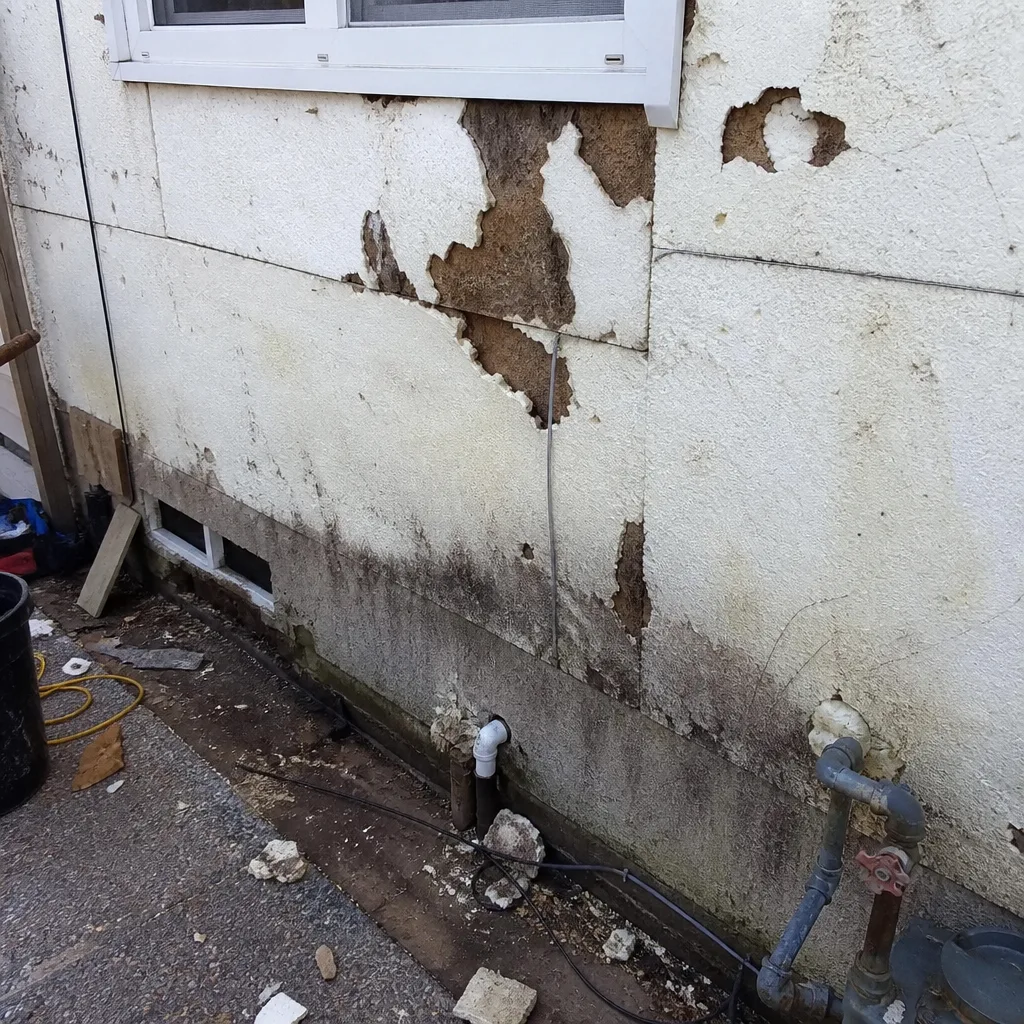
- Comfortboard 80 on exterior walls without a rainscreen gap. Campbell’s winter wet spells and summer dry cycles stress exterior sheathing. When Comfortboard 80 is strapped directly to stucco or siding with no ventilation gap, moisture drives inward and hits the rigid mineral wool. It doesn’t rot, but it wicks water to the sheathing edge. We find this on Campbell Avenue bungalows with recent “energy retrofits.” Our fix: strip the assembly, install a proper rainscreen, and use closed-cell spray foam as the primary air barrier behind the Rockwool thermal layer.
- AFB in party walls with incomplete cavity fill. Acoustical Fire Batt is common in Campbell townhomes near the Winchester corridor, but it’s often cut short at electrical boxes or plumbing chases. The acoustic rating drops, and more critically, fire-stopping is compromised. We pull the incomplete batts, use spray foam to seal the penetrations and fill the chases, then reinstall AFB to full contact. The foam handles the air sealing and small-gap fill that AFB, by design, cannot.
- Comfortbatt in vented attics with unsealed top plates. This is the one that costs homeowners the most money for the least result. Rockwool in an attic floor does almost nothing if conditioned air is pumping through the top plate gaps at 4,000 CFM50. We’ve tested Campbell homes with full Comfortbatt coverage that still leaked like sieves. We never install or leave Rockwool in an attic until we’ve sealed the top plates, wire penetrations, and can lights with foam. Seal the leaks first. The insulation has nowhere useful to go until you do.
- Rockwool cavity fill bypassed by balloon framing in pre-1940 Campbell homes. Near downtown Campbell, balloon-framed walls create continuous cavities from foundation to attic. Rockwool batts in the stud bays don’t stop stack effect - warm air rises through the wall itself. We dense-pack the cavities with cellulose or use closed-cell spray foam to create a continuous air barrier, then layer Rockwool where it can work as intended: as a non-combustible thermal layer in a properly sealed assembly.
Our Rockwool Spray Foam Insulation Process
- 1
Call and schedule. A live person answers 24/7. We book a site visit, not a sales pitch.
- 2
Diagnostic visit with blower-door test. We pressurize your home and measure CFM50 - the single number that tells us how leaky your envelope is. Wes Okafor, our owner, grew up working attic assemblies across the South Bay and learned early that homes near the Pruneyard Plaza corridor show predictable air-sealing failures long before insulation ever fails.
- 3
Written price and scope. Under Haven Standard Clause 1, you get a flat price, written scope, and written warranty before anyone lifts a tool. No exceptions.
- 4
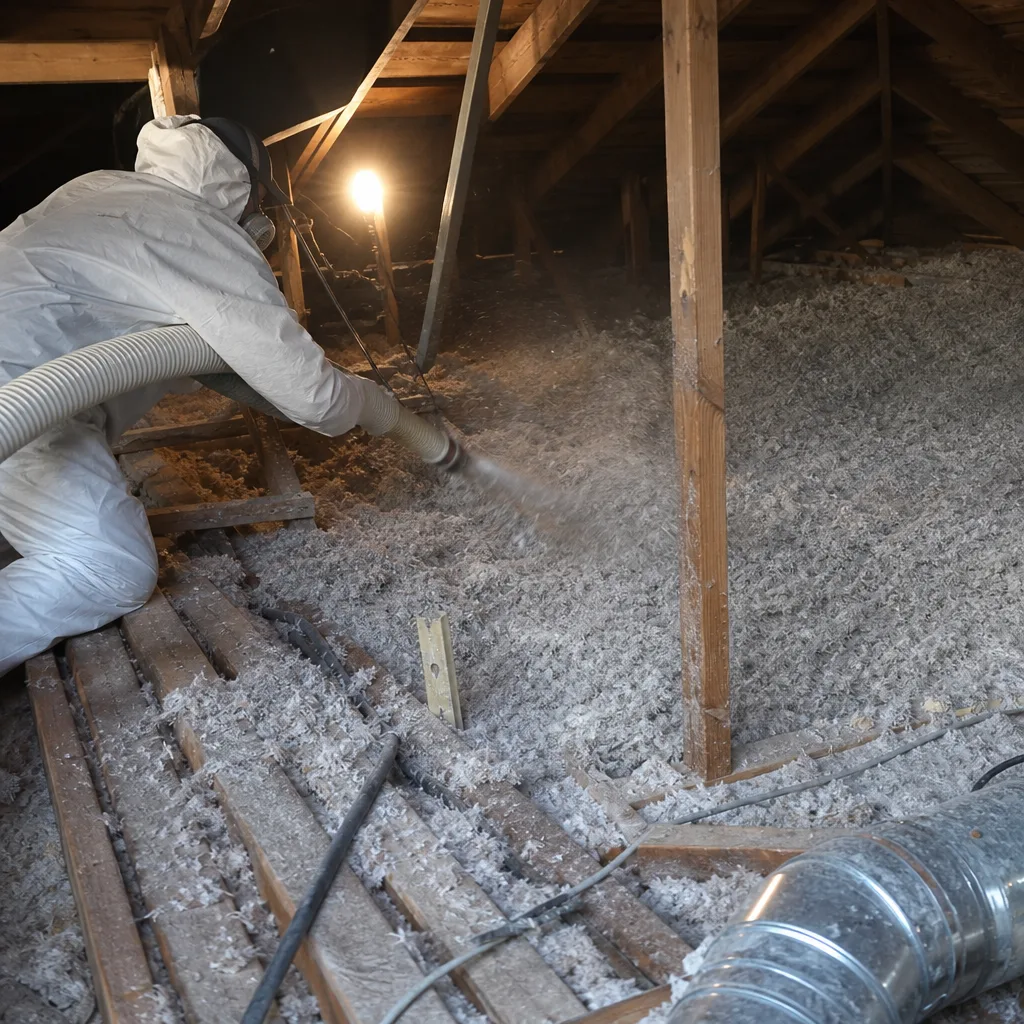
Air sealing first, then insulation. We seal top plates, rim joists, penetrations, and sheathing gaps with specified spray foam - open-cell for most attic and wall applications, closed-cell for crawl spaces, rim joists, and anywhere moisture or structure demands it. Rockwool goes in after the envelope is tight.
- 5
Post-work blower-door test and documentation. We run the pressurization test again and hand you a printed report with both numbers. You also get a Documented Photo Record of the completed work.
- 6
365-Day Done Right Promise. If it’s not done right, we make it right. Backed by the written scope you already have.
 Before
 After
AfterWhat Rockwool Spray Foam Insulation Costs in Campbell
| Job Type | Typical Range | What Moves the Price |
|---|---|---|
| Rim joist spray foam (Rockwool removal + closed-cell replacement) | $1,800 - $3,400 | Linear feet of rim, existing moisture damage, basement vs. crawl access |
| Attic air seal + Rockwool top-up with open-cell spray on roof deck | $3,200 - $5,800 | Attic square footage, can-light count, need for baffles |
| Exterior wall retrofit: Comfortboard + closed-cell flash coat | $4,500 - $8,200 | Wall area, siding removal required, rainscreen detail |
| Crawl space: Rockwool out, closed-cell on walls + vapor barrier | $2,400 - $4,600 | Crawl height, existing rodent damage, conditioning strategy |
These are real ranges for Campbell homes we’ve worked on - not teaser rates. The final price depends on what we find when we test your envelope, not on what we hope you’ll pay. Bring us any competing written estimate; we offer a Free Second Opinion and will read it with you line by line. Call (831) 534-3206 for your written price.
Why Campbell Homeowners Call Topside Attic Insulation Campbell for Rockwool Work
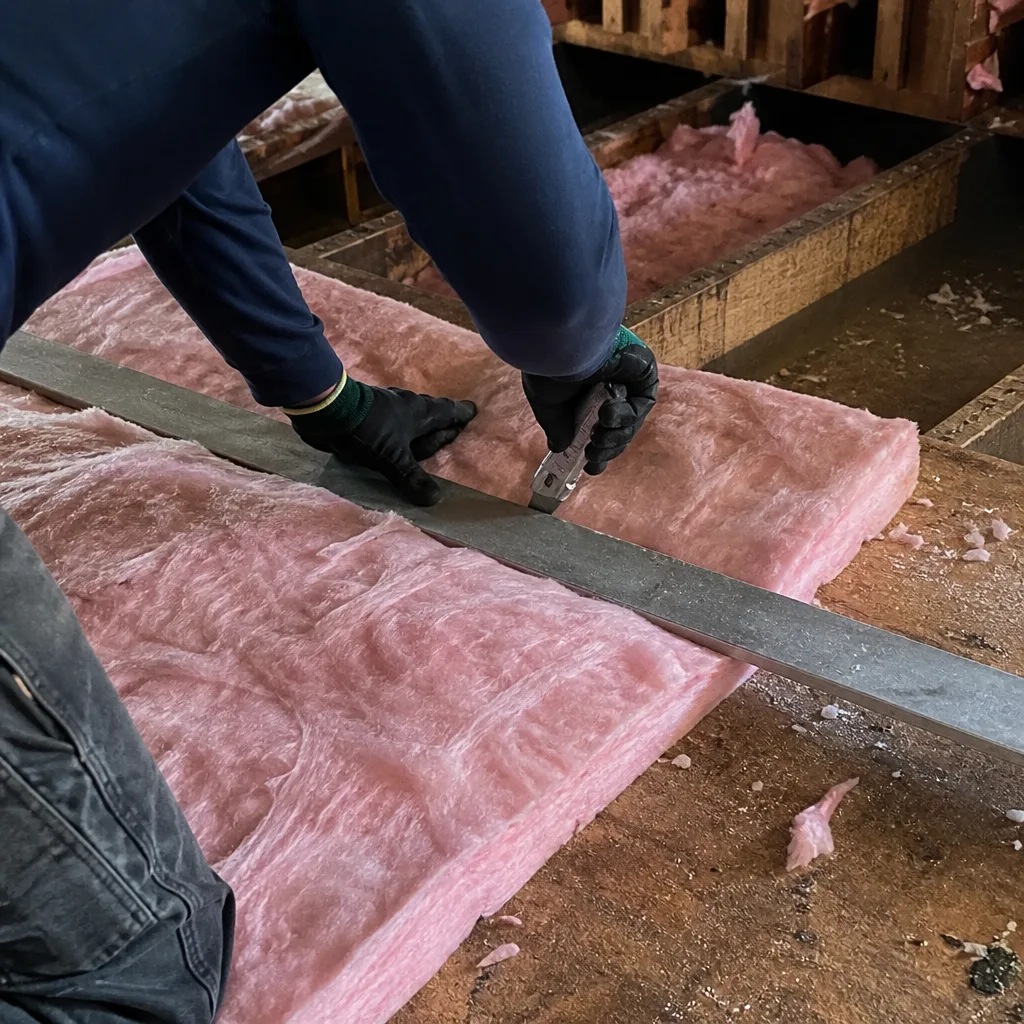
We’ve sealed and insulated over 9,000 homes since 2016, every one with a written price first and a documented record at the end. Our technicians are background-checked and uniformed; you get a named technician and a text when they’re on the way. We don’t push one brand - we source Rockwool, Owens Corning, Johns Manville, Knauf, CertainTeed, Icynene, Demilec, GreenFiber, and Reflectix, and we spec what your assembly actually needs. If your Rockwool job turns out to need a hybrid approach, we don’t subcontract to a separate foam crew. We do both in-house, which matters when the warranty question comes up later.
Our 365-Day Done Right Promise applies to all completed work. No voicemail loops. No callback windows measured in business days.
FAQs
Rockwool’s product warranty covers manufacturing defects in the mineral wool itself, not installation method or adjacent materials. Adding spray foam to a Rockwool assembly doesn’t void the batt warranty, but it does shift responsibility for system performance to the installer. We document every layer and every seal so there’s no dispute about what we touched and what we didn’t. Call (831) 534-3206 if you want us to review your existing installation before adding foam.
Rockwool batts and boards are commodity insulation products available through multiple distribution channels - we don’t need a special dealer relationship to source Comfortbatt, Comfortboard 80, or AFB. For proprietary accessories like Rockwool-certified fasteners or clips, we match with compatible third-party hardware or fabricate on-site. If your original installer used a custom detail, we’ll photograph it, spec the replacement, and show you both options in writing before ordering.
For attic floors and vented assemblies, keeping Rockwool and adding targeted spray foam for air sealing is usually the lower-cost path with equal or better performance. For crawl spaces, rim joists, and any assembly with moisture history, removing Rockwool and using closed-cell spray foam as the primary barrier is often cheaper long-term because you eliminate the labor of protecting a moisture-sensitive assembly. We quote both approaches when the job is ambiguous. Estimates are free.
Most Rockwool spray foam projects in Campbell schedule within 48 hours of your call, and emergency air-sealing work - think active water intrusion in a Comfortboard wall - can sometimes be same-day. We don’t overbook; we staff for the work we promise. Call (831) 534-3206 to check current availability.
Our Campbell work is residential and light commercial - up to four-unit buildings, accessory dwelling units, and mixed-use properties with residential occupancy. For larger commercial Rockwool assemblies with fire-rating requirements beyond AFB, we refer to specialists and will tell you so on the phone, not after we’ve wasted your time.
Written by Wes Okafor, Owner & Lead Insulation Technician, Topside Attic Insulation Campbell at Topside Attic Insulation Campbell, serving Campbell and nearby areas.