
Rockwool Blown-In Insulation in Campbell: What to Know First
We provide independent Rockwool blown-in insulation service in Campbell, typically completing attic top-ups and dense-pack wall jobs in one day with a two-person crew. Most residential jobs run between $2,800 and $5,400 depending on accessible square footage and whether the attic floor needs air sealing first. We publish a written price before any work starts and hand you before-and-after blower-door numbers on every job where the envelope is being tightened.
This page is for Campbell homeowners who already have Rockwool batts or loose-fill in their attic or walls and need more insulation added, existing material redistributed, or a failed installation corrected. If your home is near the Pruneyard Plaza corridor, the Cambrian area, or anywhere along Bascom Avenue, we’ve likely worked a house with the same floor plan. Call (831) 534-3206 for a free estimate with a written price delivered before we schedule.
How Rockwool Products Fail - and How We Fix Them
- ComfortBatt settled below top plates in wall cavities. The 3.5-inch and 5.5-inch batts are dense enough that gravity alone rarely causes settlement, but when installers skip adhesive dots or friction-fit them into oversized bays, the batt drops 2-3 inches over five to seven years. We find this constantly in Campbell’s 1960s-1980s tract homes where studs are actually 15 inches on center instead of 16. We remove the settled batt, dense-pack the cavity with Rockwool ComfortBatt or switch to blown-in Rockwool AFB (Acoustical Fire Batt) if the cavity is irregular, and verify fill with a borescope.
- Top-Sound insulation compressed by subsequent blown-in layers. Homeowners or prior contractors sometimes blow cellulose or fiberglass directly over Rockwool Top-Sound in attic floors, not realizing Top-Sound’s acoustic density - 8 pounds per cubic foot - is already near the compression limit. The result is an R-value drop and moisture trapping at the interface. We pull back the overlying material, check the Top-Sound for water staining (common near Campbell’s older tile roof penetrations), and reinstall with proper vent baffles before adding new blown-in Rockwool Granulate or a compatible loose-fill.
- Granulate bridging in vaulted ceilings with limited headroom. Rockwool Granulate - the loose-fill product most often used for blown-in top-ups - needs a minimum 18-inch hose reach to achieve consistent density. In Campbell’s mid-century ranch attics with 4:12 pitches and 3-foot peak clearances, we see installers stuff the hose tip into the eave and create a dense bridge 4 feet in, leaving the upper cavity empty. We use a rigid extension wand and work from the ridge down, or cut strategic access hatches in closet ceilings when the attic is non-traversable. Every cavity gets a touch test with a fiberglass rod.
- ComfortBatt installed without air sealing at electrical penetrations. Rockwool is hydrophobic and won’t mold, but it is not an air barrier. In Campbell’s climate - 90-degree dry summers and 45-degree wet winters - unsealed top plates and wire holes pump conditioned air into the attic year-round. We’ve measured 3,800 CFM50 on homes where the owner thought “good insulation” had solved the problem. We seal every penetration with fire-rated caulk and foam, then install the Rockwool. Seal the leaks first. The insulation has nowhere useful to go until you do.
- AFB evolutions in commercial retrofits specified at wrong density. Rockwool AFB for steel stud assemblies needs 4.0 pounds per cubic foot to achieve its rated STC and fire values. We’ve been called to correct Campbell office conversions where a general contractor blew it at cellulose density - roughly 1.5 pounds - to save material. The wall failed both the city fire inspection and the acoustic test. We strip the cavity, install metal mesh backing, and dense-pack to Rockwool’s published spec, then document the installed weight per bag count for the inspector.
Our Rockwool Blown-In Insulation Process
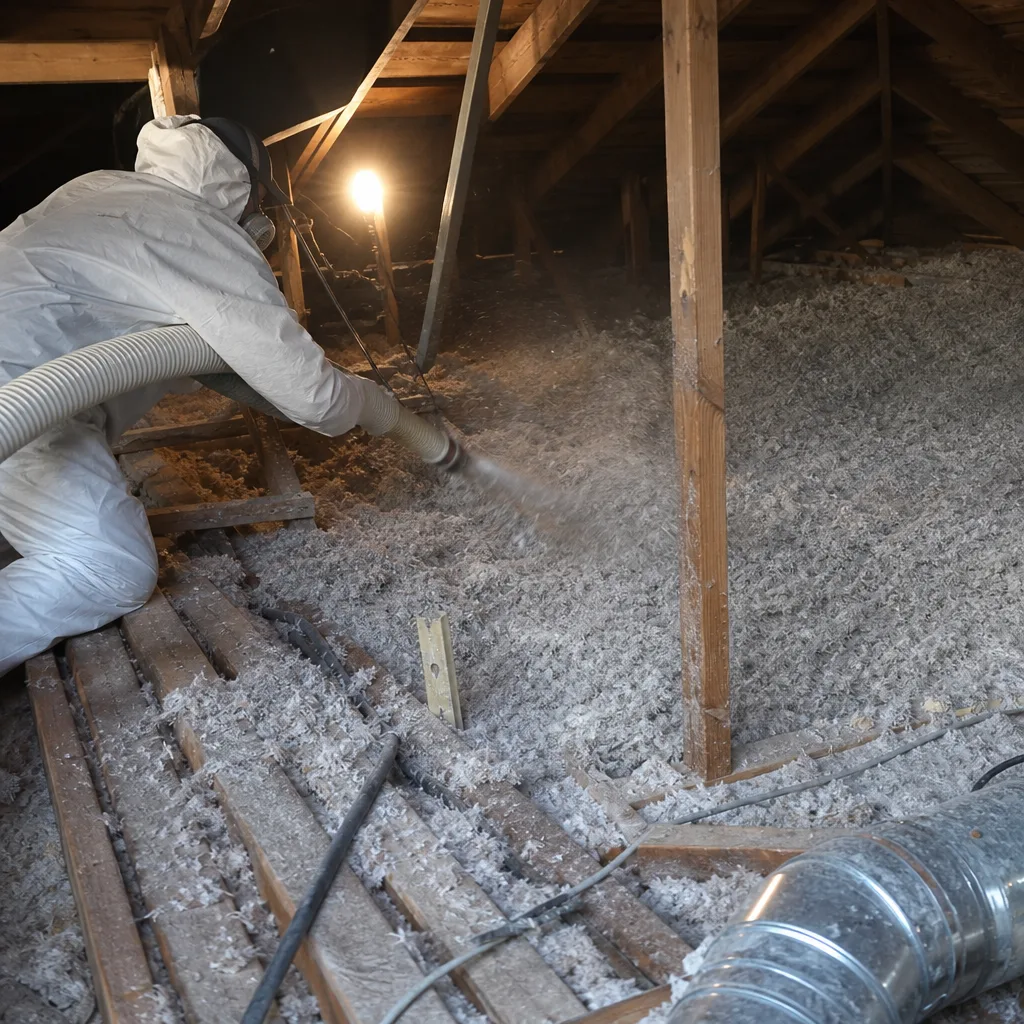
- 1
Site visit and blower-door test. We pressurize the house to 50 Pascals and record the CFM50 baseline. In Campbell’s older stock, we typically see 3,500-5,500 CFM50 before any work. You get this number in writing.
- 2
Attic or wall cavity inspection with photo documentation. We identify existing Rockwool product type, settlement patterns, moisture history, and whether prior work blocked soffit vents. Every finding is photographed and added to your job file.
- 3
Air sealing before insulation. Top plates, can lights, chimney chases, and plumbing stacks get sealed with appropriate materials - fire-rated foam, caulk, or metal flashing. No Rockwool goes in until this is complete and verified with a smoke pencil.
- 4
Material selection and written price. We specify Rockwool Granulate, ComfortBatt, AFB, or a hybrid with Reflectix radiant barrier if the roof deck sees significant summer heat. The price is flat, itemized, and signed before work begins.
- 5
Installation and density verification. Blown-in jobs are checked with cavity depth probes and weight-per-bag calculations. Dense-pack walls get borescope verification at two points per cavity.
- 6
Final blower-door test and documented handoff. We run the pressurization test again, calculate the percentage improvement, and print both readings on your completion report with the photo record. Under our 365-Day Done Right Promise, any callback for performance issues is handled without a new service fee.
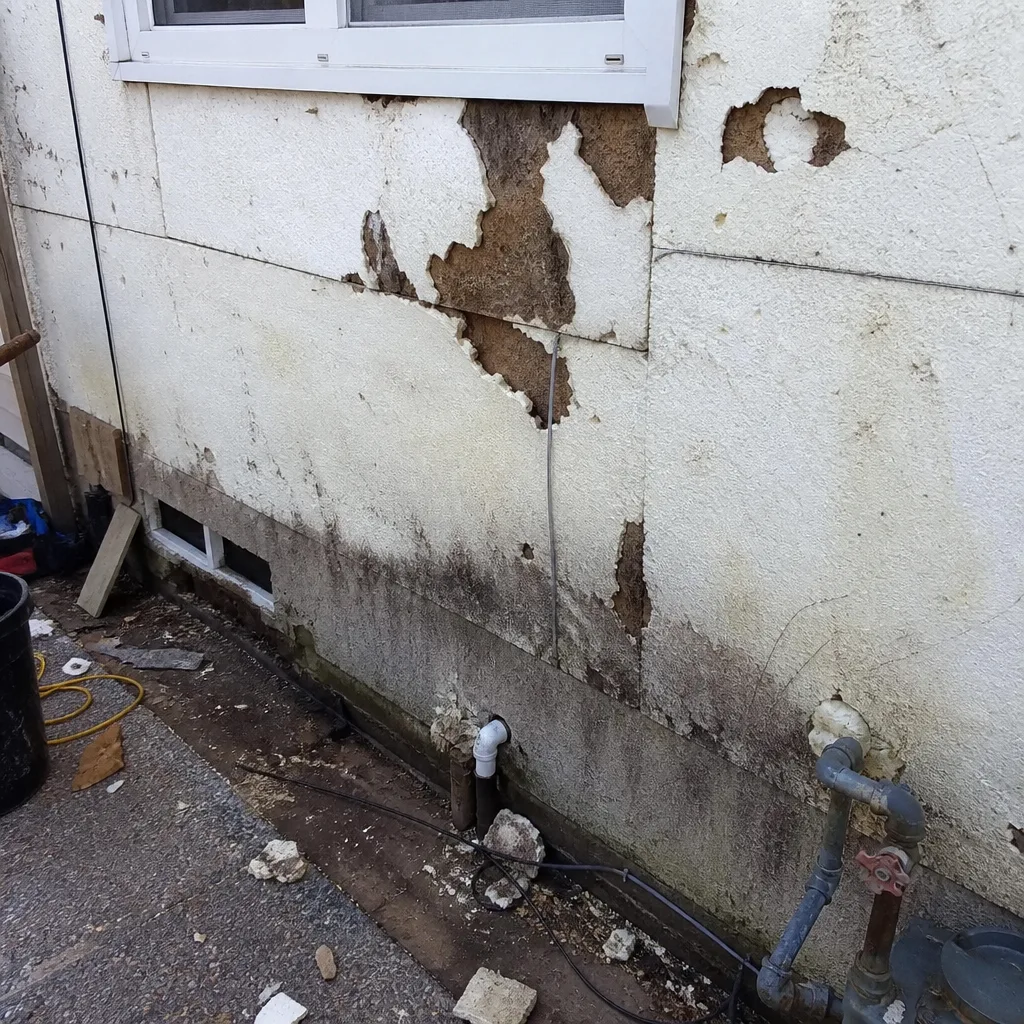 Before
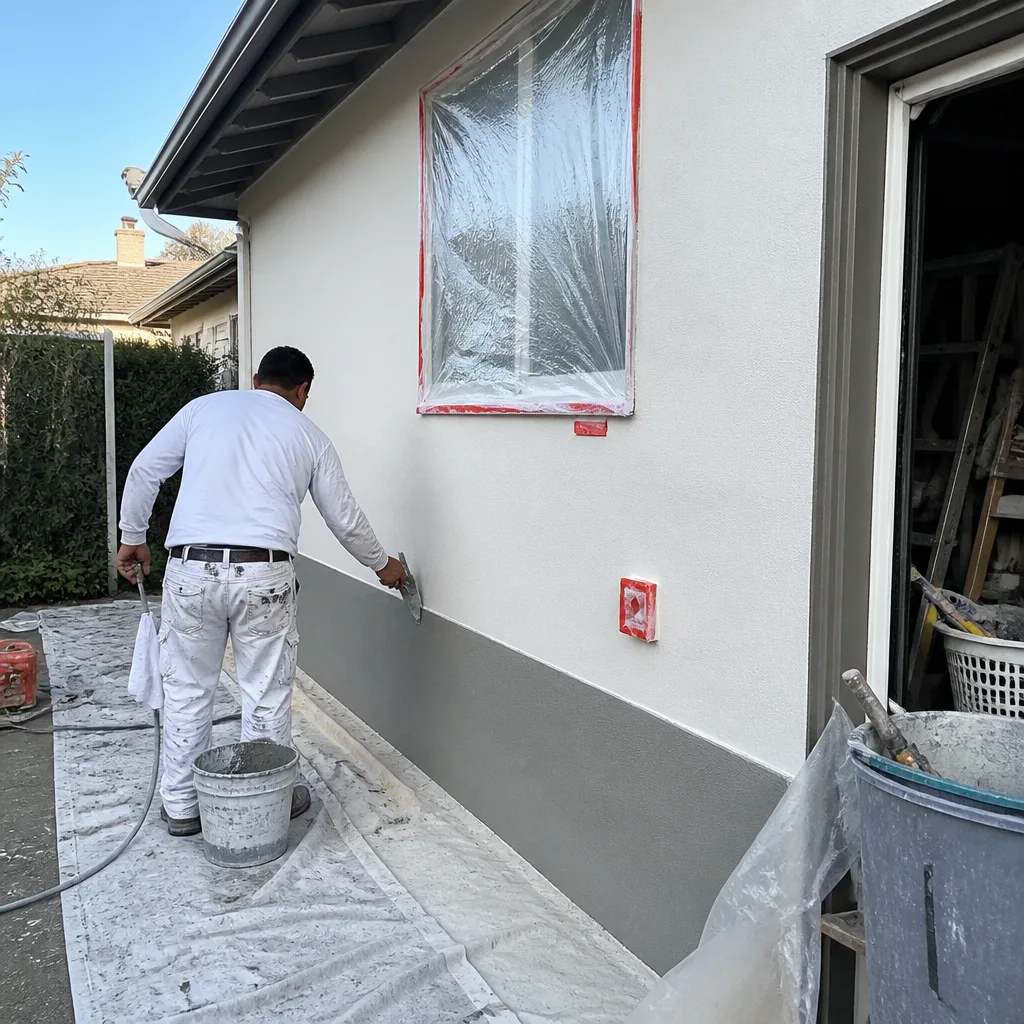 After
AfterWhat Rockwool Blown-In Insulation Costs in Campbell
| Job Type | Typical Range | What Moves the Price |
|---|---|---|
| Attic top-up with Rockwool Granulate (1,000-1,500 sq ft) | $2,800-$4,200 | Existing depth, attic accessibility, need for vent baffles |
| Attic top-up with air sealing package | $4,000-$5,800 | Number of can lights, chimney chase complexity, top plate linear footage |
| Dense-pack wall insulation with Rockwool AFB | $3,200-$5,400 | Wall square footage, interior vs. exterior access, repair work needed |
| Failed installation correction (settled or bridged material) | $2,200-$4,600 | Amount of material to remove, cavity accessibility, moisture damage extent |
These ranges reflect what we’ve actually written on Campbell proposals in the past 18 months. Every home is different - a 1950s ranch near Campbell Avenue with original knob-and-tube wiring takes longer to seal safely than a 1995 build near San Tomas Expressway. We provide a free estimate with a written, flat price before any work starts. Call (831) 534-3206 to schedule.
Why Campbell Homeowners Call Topside Attic Insulation Campbell for Rockwool Work
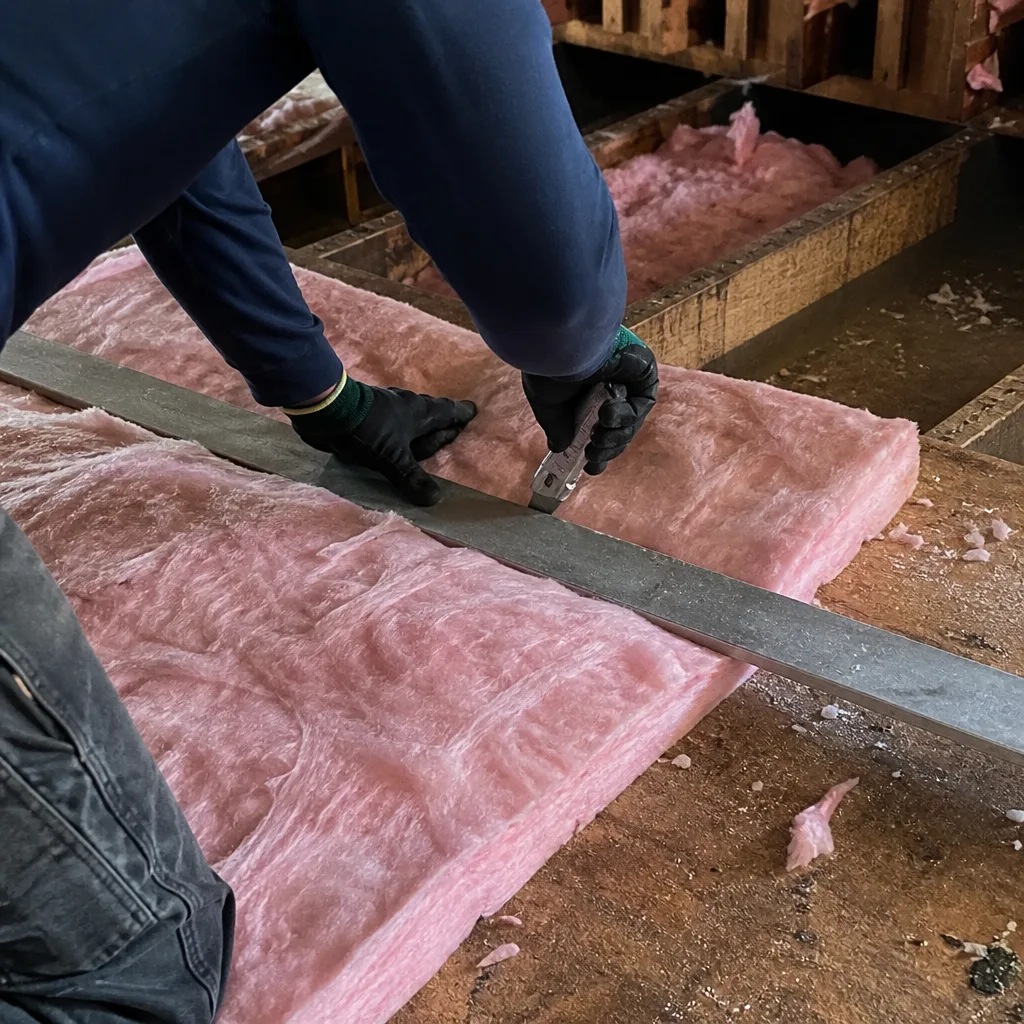
We’re an independent Rockwool service provider - not affiliated with or authorized by the manufacturer - which means we source Rockwool Granulate, ComfortBatt, and AFB through standard distribution and also carry Reflectix radiant barrier, Owens Corning fiberglass, and Johns Manville mineral wool when a hybrid system makes more sense for your roof assembly.
Wes Okafor, our owner and lead technician, grew up on Chicago’s South Side and learned the trade at Olive-Harvey College before spending nearly two decades in South Bay attics. The homes near Pruneyard Plaza taught him early that Campbell’s 1960s-1980s construction has specific air-sealing failure patterns - top plates that were never sealed, bathroom vents dumping into insulation, tile roof penetrations that leak slowly enough to stain but not enough to drip. He runs a blower-door test on every applicable job and hands customers a printed report with both numbers.
Our technicians are background-checked and uniformed. A live person answers calls 24/7 - no voicemail loops. Every job carries the 365-Day Done Right Promise, a written scope, and a Documented Photo Record. We also offer a Free Second Opinion on any written estimate from another contractor; bring us their paperwork and we’ll read it with you.
FAQs
Rockwool’s limited warranty covers manufacturing defects in the original product, not installation errors or subsequent modifications. Adding new Rockwool blown-in insulation over existing Rockwool batts does not void the original material warranty, though damage caused by improper installation of the new layer would not be covered. We document the existing product condition with photos before we begin, so there’s a clear baseline if any question arises. Call (831) 534-3206 if you’d like us to review your specific situation.
Most attic top-ups are completed in one day with a two-person crew. Dense-pack wall jobs usually take one to two days depending on interior access and whether we need to remove siding. We schedule arrival windows, not all-day waits, and text you when the technician is en route. Under Haven Standard: Arrive on schedule, you get a named technician and a text when they are on the way.
Rockwool mineral wool does not degrade chemically and is not food for rodents, so removal is only necessary if it has been compressed below its designed loft, contaminated by water or waste, or installed with voids that cannot be filled practically. In about 60 percent of the Campbell jobs we assess, we can correct the installation by adding blown-in Granulate to achieve target R-value and addressing the air leaks that caused the original problem. We give you both options in the written estimate with the price difference clearly stated.
Yes. Rockwool AFB requires 4.0 pounds per cubic foot for rated acoustical and fire performance. We calculate this from bag weight and cavity volume, then verify with cavity probes during installation. We’ve corrected three Campbell commercial retrofits in the past two years where prior contractors had under-densified the material. Our documentation includes bag count, installed volume, and calculated density for inspector reference if needed.
We maintain same-day availability for urgent situations - significant insulation settlement exposing ceiling drywall, water intrusion into attic insulation, or failed inspections with re-inspection deadlines. A live person answers our line 24/7. For non-urgent work, we typically schedule within three to five business days. Call (831) 534-3206 and we’ll tell you exactly where we have openings.
Ready to get a written price for your Rockwool blown-in insulation project? Call (831) 534-3206 today. We’ll schedule a free estimate, run the blower-door test, and deliver a flat price with a written scope before any work starts. Every job closes with documented photos and, where applicable, before-and-after pressurization numbers so you can verify what changed.
Written by Wes Okafor, Owner & Lead Insulation Technician, Topside Attic Insulation Campbell at Topside Attic Insulation Campbell, serving Campbell and nearby areas.