
CertainTeed Radiant Barrier Installation: The Campbell Owner’s Guide
CertainTeed radiant barrier installation in Campbell typically runs $2,800-$4,200 for a complete attic retrofit in a 1,500-2,500 square foot home, and we stock CertainTeed-compatible rolls and tape on every truck for same-day starts. Most Campbell homeowners discover the problem when their upstairs bedrooms won’t cool below 78°F even after sunset, or when their July PG&E bill jumps 30% year-over-year despite identical thermostat settings. The radiant barrier itself doesn’t “fail” like a mechanical part, but installation errors, dust accumulation, and degradation of the facing material can reduce its reflectivity from 95% to below 70% within 8-12 years in our dry, dusty climate.
Which CertainTeed Models This Applies To
CertainTeed manufactures radiant barrier products under two main lines: the CertainTeed MemBrain smart vapor retarder series (which includes reflective facing options) and the CertainTeed Solaris roofing products with integrated reflective surfaces. For attic retrofit work in Campbell, we most commonly encounter the CertainTeed RB-480 and RB-960 roll goods, identifiable by the black-on-silver labeling and the “ASTM C1313” marking printed every 24 inches along the roll edge.
Here’s the compatibility gotcha we see repeatedly: the RB-960 is 96 inches wide and designed for truss-bay installation with minimal seams. If your original installer used the narrower RB-480 and overlapped seams without CertainTeed’s proprietary foil tape, you’ve got a thermal bridge every 48 inches that undermines the whole assembly. We carry both OEM CertainTeed foil tape and a commercial-grade 3M 3340 equivalent that meets the same emissivity specs. The OEM tape runs about 40% higher in material cost, but in Campbell’s dust-prone environment, the acrylic adhesive holds better long-term than the butyl alternatives we’ve tested.
To identify what you have, check the attic for printed markings on the reflective surface itself, or photograph any labels on the cardboard cores if rolls were left behind. We don’t need you to crawl around up there; text us a photo and we’ll identify it before we arrive.
Signs Your CertainTeed Radiant Barrier Installation Is Failing
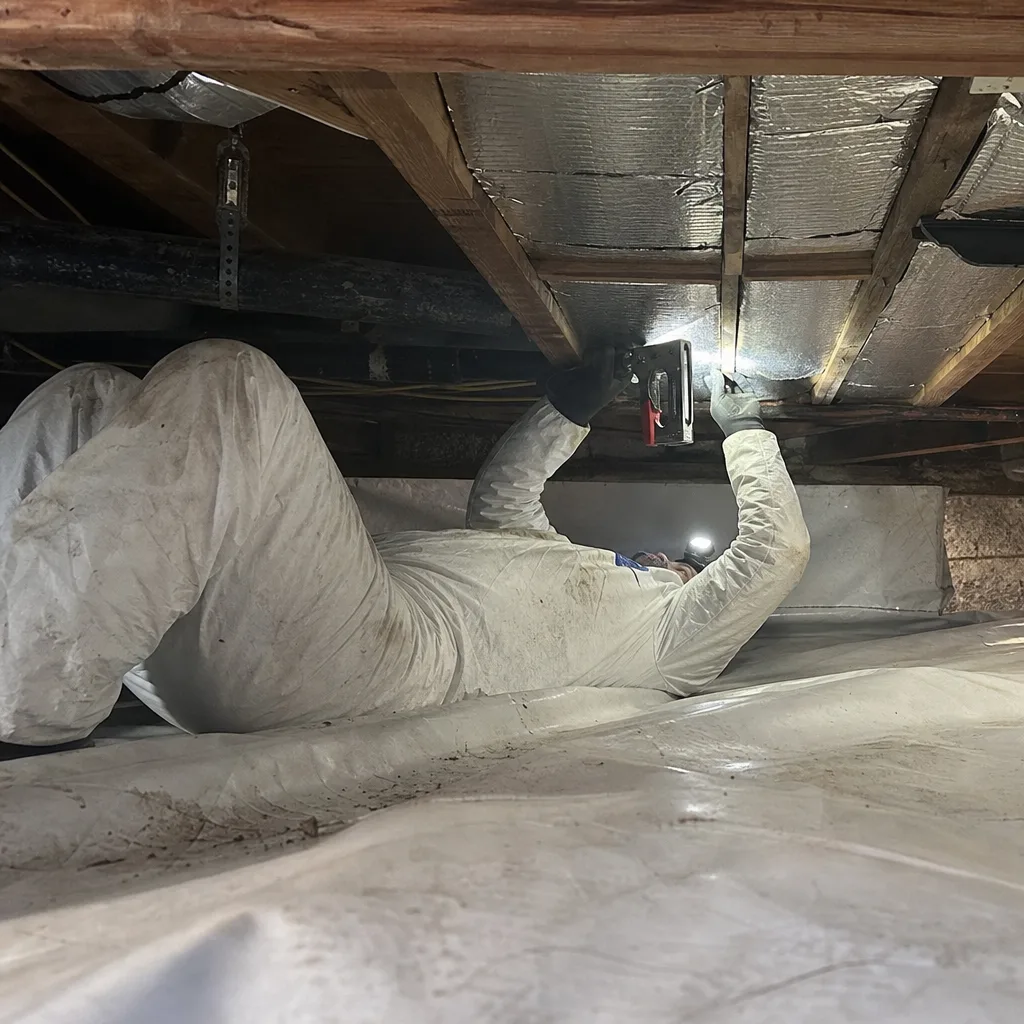
- Upstairs rooms heat up faster than downstairs by mid-morning, even with the AC running. This usually means the radiant barrier has lost reflectivity due to dust accumulation or oxidation of the aluminum facing. In Campbell, the dry summer dust from the nearby Santa Cruz Mountains foothills settles on horizontal installations and can reduce performance by 15-25% within five years if the attic isn’t properly sealed first.
- Visible tears, sagging, or sections that have fallen from rafter staples. The kraft-paper backing on older CertainTeed rolls degrades in attic heat cycles above 140°F. Once the backing fails, the reflective sheet sags and creates air gaps that defeat the radiant heat rejection. We’ve found entire sections draped over ductwork in Campbell attics near the Winchester Boulevard corridor, where 1960s roof pitches trap heat.
- Dark spots or water staining on the reflective surface. This indicates roof leaks or condensation from unsealed ductwork that have reached the barrier. The aluminum facing doesn’t absorb moisture, but the kraft backing does, and once mold takes hold, the material needs complete replacement, not cleaning.
- Your blower-door test (if you’ve had one) shows minimal improvement after “insulation” work by a previous contractor. We see this constantly: a crew blew fiberglass over an unsealed attic floor, then stapled radiant barrier to the rafters without addressing top-plate leaks. The barrier reflects heat, but convective air movement around it carries conditioned air out at nearly the same rate. Wes Okafor’s crews run a blower-door test before touching anything; if the CFM50 doesn’t drop meaningfully after air sealing, we don’t proceed to the radiant barrier stage.
- The barrier was installed directly against the roof deck with no air gap. CertainTeed’s installation specs require a minimum 3/4-inch air space between the reflective surface and the roof deck for radiant heat rejection to function. Direct contact turns the barrier into a conductive heat path, essentially baking it. In Campbell’s sun-exposed west-facing roofs, this mistake can accelerate material degradation by half.
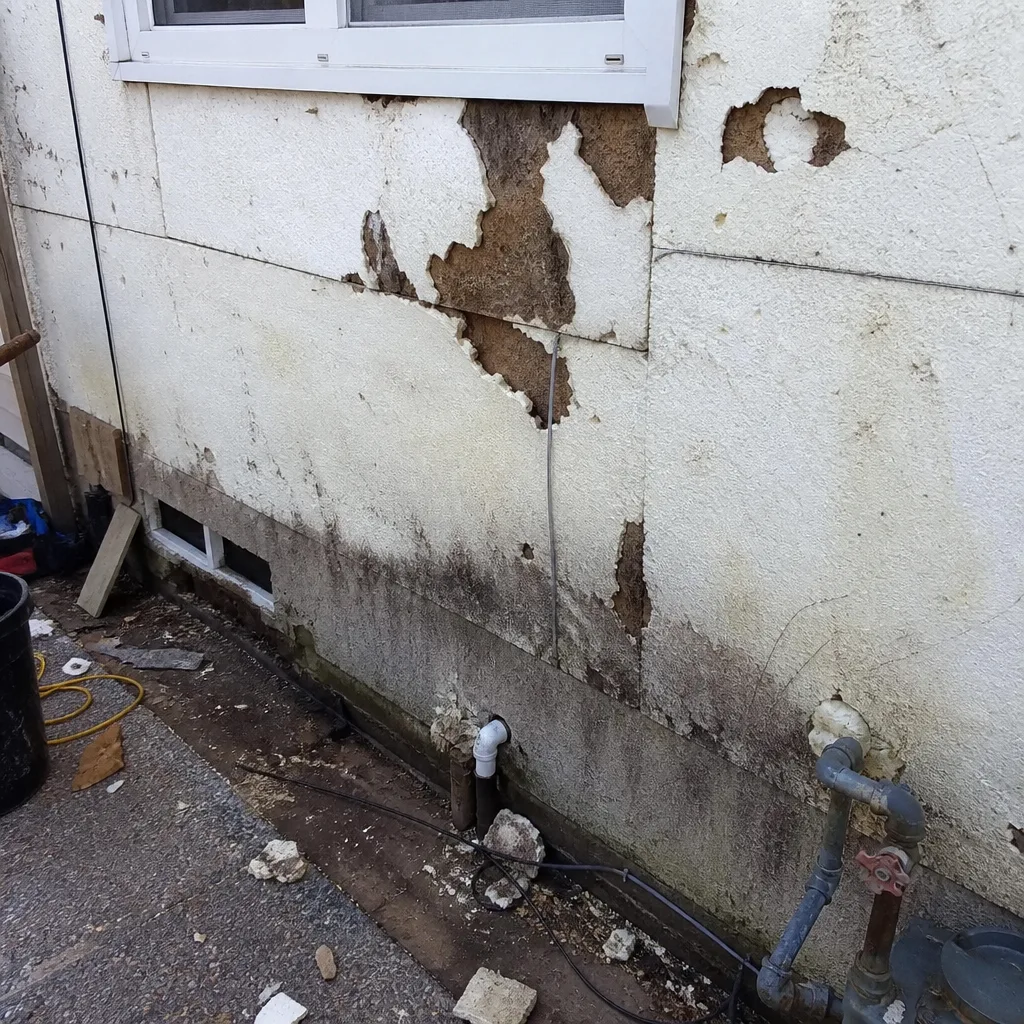 Before
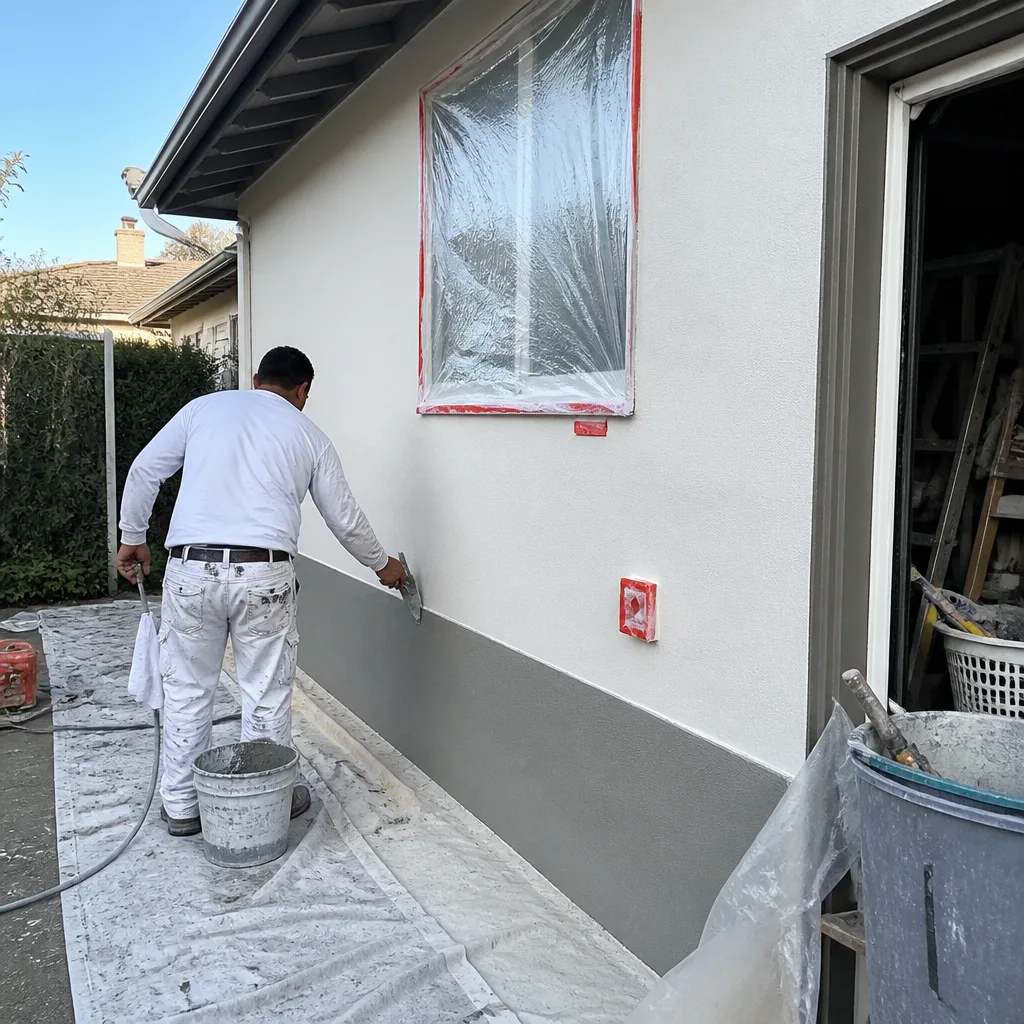 After
AfterReplacement Cost & What’s Included
| Component | Campbell Price Range |
|---|---|
| CertainTeed RB-480 roll goods (per 1,000 sq ft) | $680-$890 |
| CertainTeed RB-960 roll goods (per 1,000 sq ft) | $920-$1,150 |
| OEM foil tape and fasteners | $180-$260 |
| Air sealing (top plates, can lights, penetrations) | $890-$1,400 |
| Labor for complete removal and replacement | $1,050-$1,500 |
| Typical installed total, 1,500-2,500 sq ft home | $2,800-$4,200 |
The range depends on three factors: whether we can reuse your existing fastening strips or need to replace them; how much contaminated material requires removal versus overlay; and whether your attic needs preliminary air sealing before the new barrier goes in. We won’t quote the radiant barrier work without addressing air sealing if the blower-door test shows leakage above 3,000 CFM50 on a home your size. Under Haven Standard Clause 1, you get a flat written price before anyone lifts a tool, plus a written warranty and scope document. Every job includes a Documented Photo Record and, on applicable work, before-and-after blower-door readings printed on the spot.
DIY or Call Us?
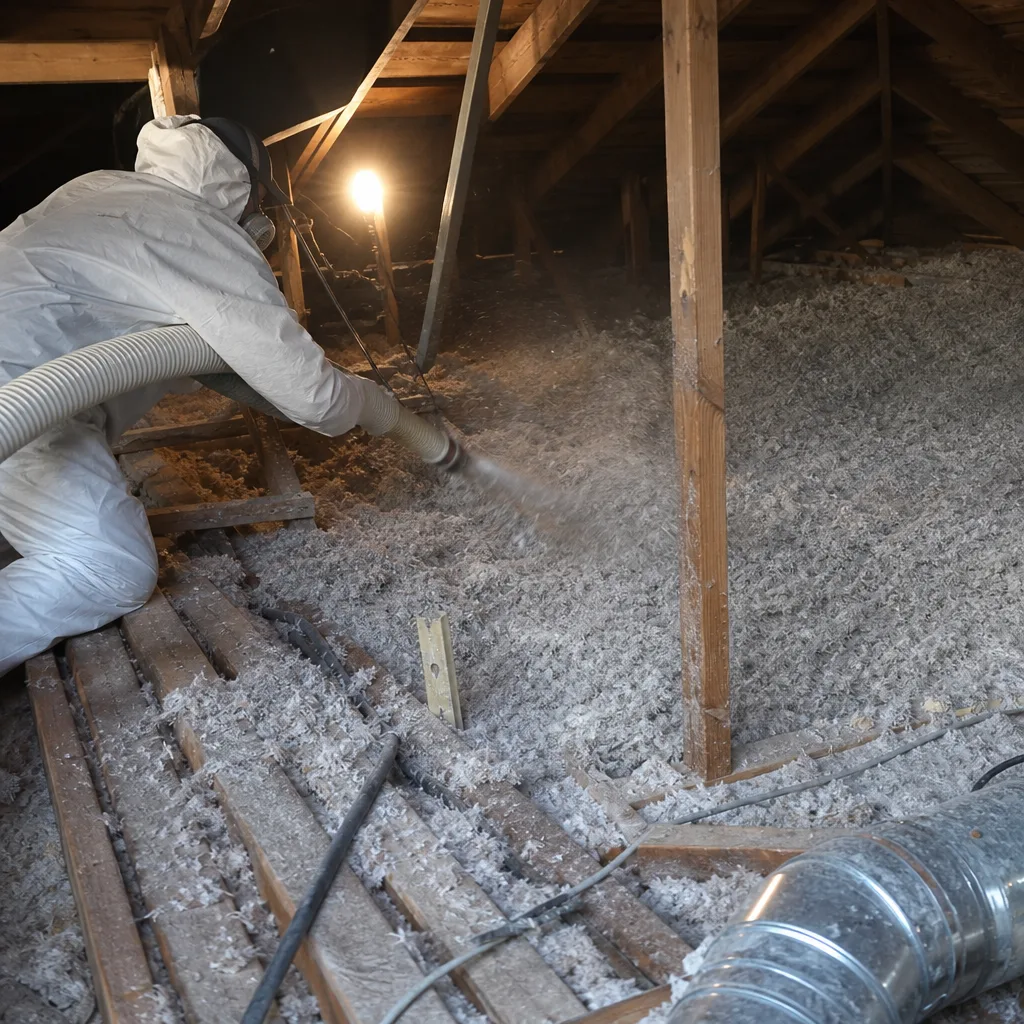
Here’s what you can safely check yourself: verify whether your attic has a radiant barrier at all (many Campbell homeowners discover there’s nothing up there but old fiberglass), look for obvious sagging or fallen sections from the attic hatch, and note any musty odors that suggest moisture problems behind the barrier.
Here’s where DIY goes wrong: radiant barrier installation requires working on rafters in confined, 140°F+ attic spaces with limited footing. The material itself is lightweight but unwieldy, and improper stapling pressure tears the facing. More critically, if you install new barrier over unsealed air leaks, you’ve spent money and effort for a 10-15% improvement instead of the 25-40% reduction in cooling load that a properly sealed assembly delivers. We carry the CertainTeed-compatible rolls, the right tape, and the blower-door equipment to prove the result. Call (831) 534-3206 for a written price before any work starts.
FAQs
In Campbell’s dry climate, a properly installed CertainTeed radiant barrier maintains effective reflectivity for 15-20 years if the attic is air-sealed first and the barrier isn’t subjected to roof leaks. Without air sealing, dust accumulation typically degrades performance noticeably within 8-12 years. Call (831) 534-3206 for a free assessment of your current installation’s condition.
Small tears in isolated sections can be patched with matching foil tape, but sagging, widespread degradation, or moisture damage always requires full replacement. We’ve never seen a partial repair deliver satisfactory performance; the thermal weak spots undermine the whole assembly. We stock CertainTeed-compatible materials and can start the same day we assess it.
Most complete removals and replacements in Campbell homes finish in one long day or two standard days, depending on attic accessibility and whether air sealing is required first. We don’t rush the sealing stage; the insulation has nowhere useful to go until you do. You’ll get a written timeline with your flat price before work begins.
We stock CertainTeed-compatible RB-480 and RB-960 rolls, OEM foil tape, and 3M 3340 equivalent on every truck serving Campbell. Topside Attic Insulation Campbell is an independent service provider, not affiliated with CertainTeed, but we source their materials through authorized distribution and maintain inventory for same-day starts. Call (831) 534-3206 to confirm current stock for your specific model.
Ready to stop losing conditioned air through your attic? Call (831) 534-3206 for a free estimate with a written price before any work starts. We serve Campbell and nearby areas, and a live person answers calls 24/7.
Written by Wes Okafor, Owner & Lead Insulation Technician, Topside Attic Insulation Campbell at Topside Attic Insulation Campbell, serving Campbell and nearby areas.