
Icynene Attic Insulation: The Campbell Owner’s Guide
We stock and install Icynene-compatible spray foam and hybrid attic insulation systems in Campbell, with most residential jobs running between $3,200 and $6,800 depending on attic square footage and whether the existing foam needs partial removal. Same-day assessment is available, and we carry Icynene LC-50 open-cell and MD-C-200 closed-cell formulations on our trucks for jobs we can start immediately. Most Campbell homeowners discover their Icynene insulation is failing when they notice hot second-floor bedrooms in summer despite the AC running constantly, or when a home energy audit reveals the attic foam has pulled away from roof decks near the Saratoga Avenue corridor where temperature swings are hardest on adhesion.
Which Icynene Models This Applies To
Icynene produces two primary product families for attic application, and identifying which one is in your Campbell home determines whether we can patch or need to remove and restart.
- Icynene Classic (LC-50, LC-75): Open-cell, water-blown foam. Common in Campbell homes insulated between 2010 and 2018. Look for a light yellow color and density around 0.5 pounds per cubic foot. The LC-50 is the workhorse for vented attics; LC-75 is the higher-density variant used where roof decks need more structural contact.
- Icynene ProSeal (MD-C-200, MD-R-200): Closed-cell, medium-density. Gray or tan in color, much harder surface. The MD-C-200 is the code-compliant choice for unvented conditioned attics in Campbell under Title 24. MD-R-200 adds a fire-retardant package required for some multi-family assemblies.
The compatibility gotcha: Icynene changed its blowing-agent formulation around 2017 to meet lower GWP requirements. New foam will not chemically bond to pre-2017 Icynene in the same lift. We have seen Campbell homeowners pay for “touch-up” work that delaminated within 18 months because a previous contractor skipped the mechanical scarification step between old and new foam. We do not patch across that date line without first grinding back to sound substrate.
Topside Attic Insulation Campbell is an independent service provider, not affiliated with Icynene. We source Icynene through authorized distribution, but we also stock Demilec Heatlok and CertainTeed CertaSpray equivalents when the job conditions favor a different closed-cell chemistry. No proprietary lock-in.
Signs Your Icynene Attic Insulation Is Failing
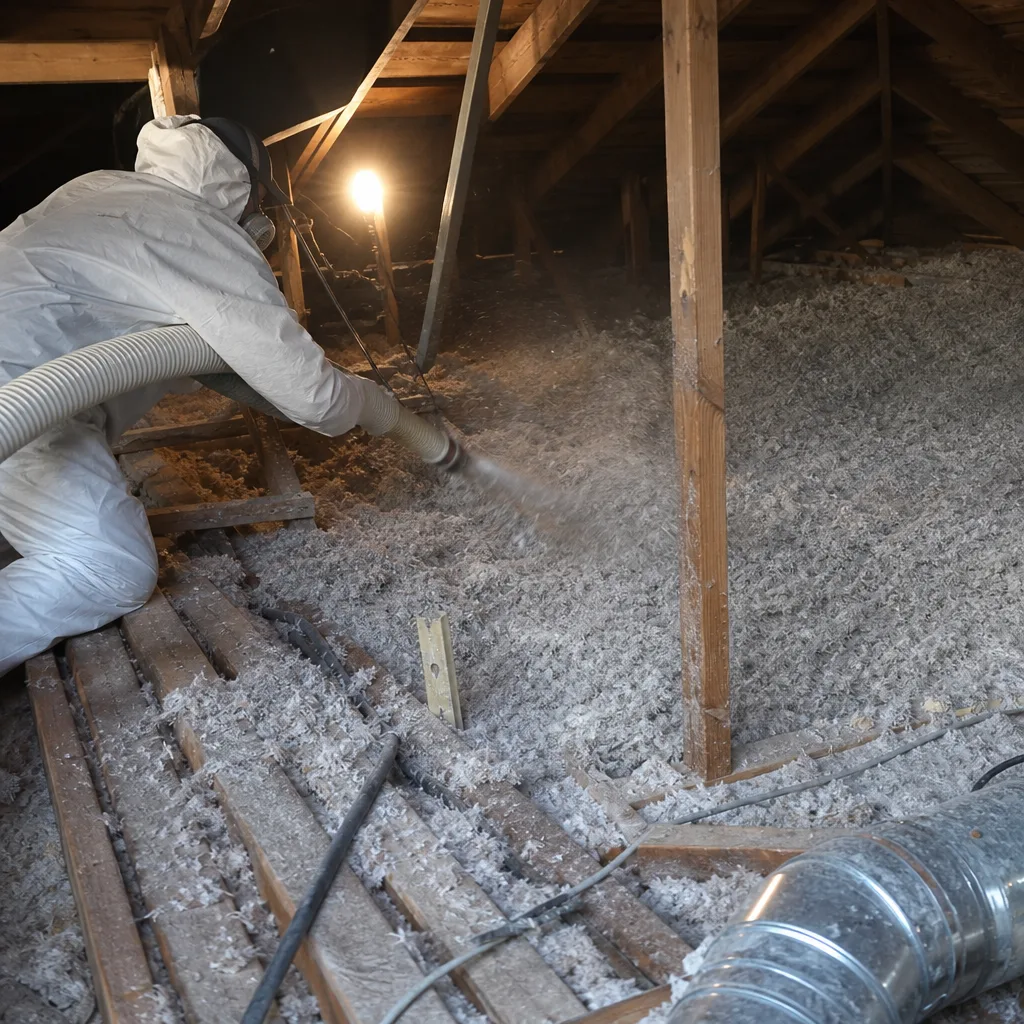
- Visible gaps between foam and roof deck: Icynene shrinks as it ages, especially the early LC-series formulations. In Campbell’s dry summers, we regularly see 1/4-inch to 1/2-inch separation along rafter bays in homes west of Highway 17 where afternoon attic temperatures exceed 140°F. The gap becomes a convection highway for conditioned air.
- Discoloration or powdery surface: UV degradation hits any foam left exposed. Icynene requires a thermal-ignition barrier or intumescent coating in habitable spaces. When that coating fails or was never applied, the foam oxidizes and loses its R-value. We find this most often above dropped ceilings in Campbell’s 1960s ranch remodels.
- Musty odor after rain: Open-cell Icynene is vapor-permeable by design, which is fine in a vented attic but catastrophic if the roof leaks. Water passes through, soaks the foam, and stays there. The smell means mold is eating the paper facing on your drywall. We pulled 4 inches of saturated LC-50 from a home near Campbell Park last spring where the homeowner had lived with the smell for two years.
- Ice damming or excessive snow melt on the roof: Rare in Campbell, but during the 2023 cold snap we saw it. Heat escaping through failed attic insulation melts roof snow; water refreezes at the eaves. If your Icynene was installed over unsealed can lights or top plates, the thermal bypass is usually the culprit, not the foam itself.
- Energy bills climbing year over year with no rate change: We compare Pacific Gas & Electric bills seasonally. A 20% jump in cooling kWh with the same thermostat setting means the envelope is leaking somewhere. The blower-door test - a pressurization measurement that shows, in one number, how much air your building envelope is losing - will tell us if the attic is the primary bypass or if the crawl space is the bigger problem.
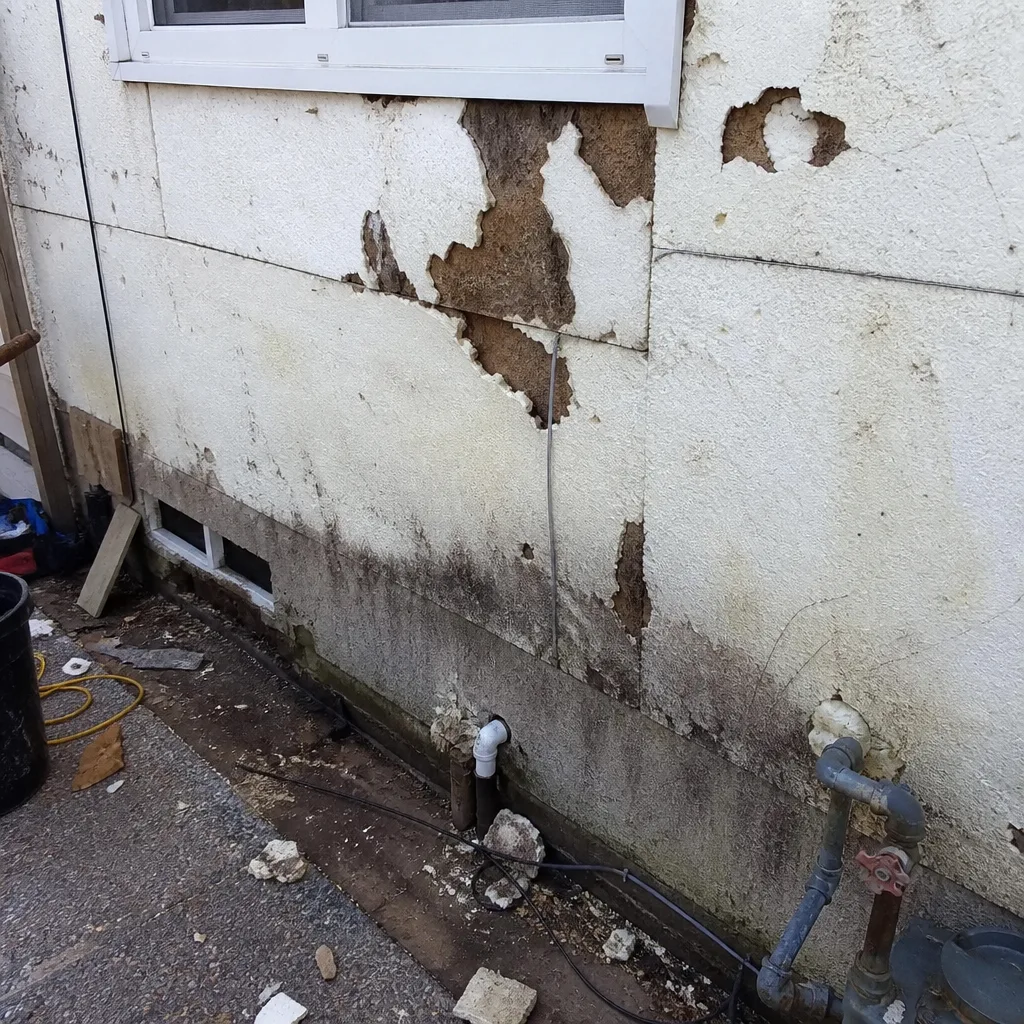 Before
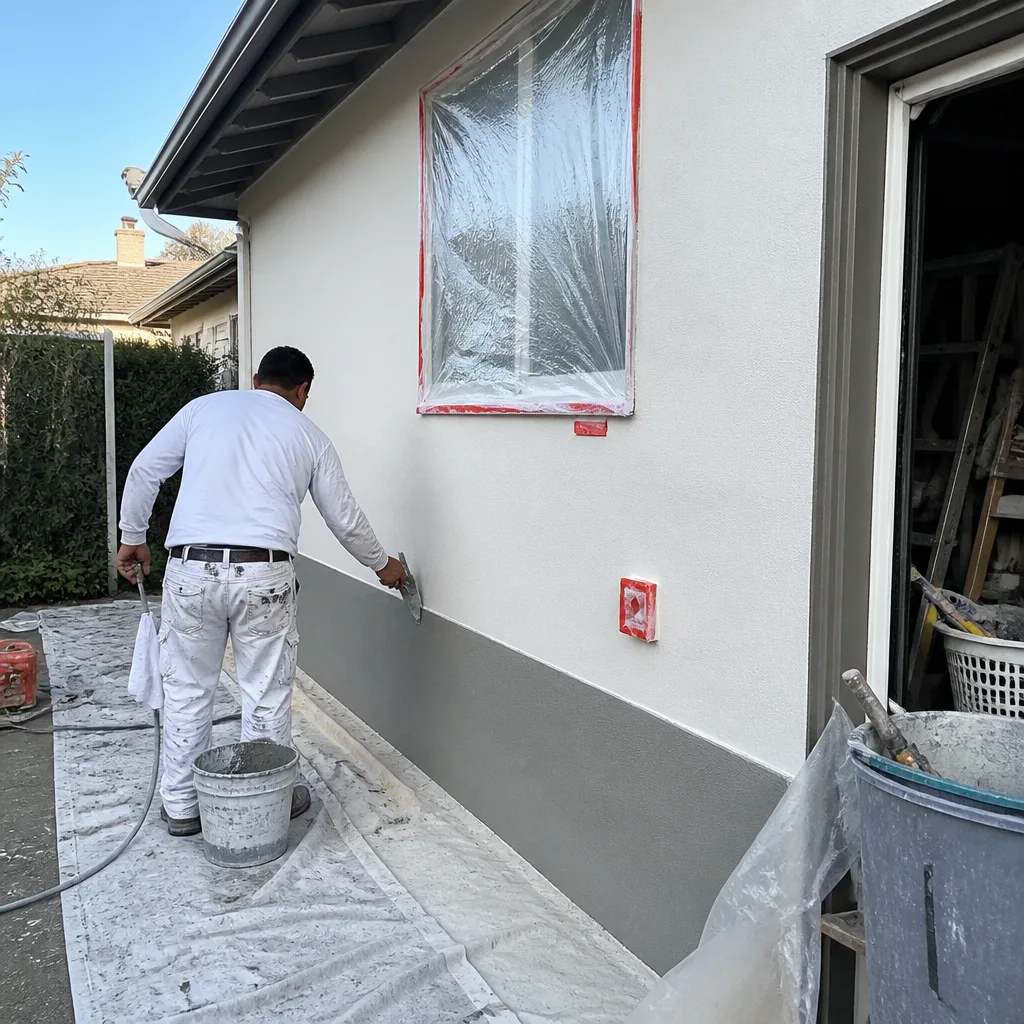 After
AfterReplacement Cost & What’s Included
| Scope | Campbell Price Range | What Drives It |
|---|---|---|
| Partial removal + patch (under 200 sq ft) | $1,800 - $3,400 | Access difficulty, whether foam is bonded to electrical |
| Full attic removal + re-insulate, open-cell | $4,200 - $6,200 | Attic square footage, pitch, need for new ignition barrier |
| Full attic removal + re-insulate, closed-cell | $5,800 - $8,400 | Material cost (roughly 2x open-cell), deck condition after removal |
| Air sealing package (standalone) | $1,400 - $2,600 | Number of can lights, top plates, chimney chase, duct boots |
Every full replacement includes mechanical removal of failed foam to substrate, HEPA-contained cleanup, blower-door-guided air sealing of top plates and penetrations, new foam installation, and a post-job blower-door test with printed before-and-after numbers. We deliver a written scope and written warranty before anyone lifts a tool - Haven Standard Clause 1. The 365-Day Done Right Promise applies: if the foam delaminates or the air leakage creeps back above the target we set, we return and fix it.
DIY or Call Us?
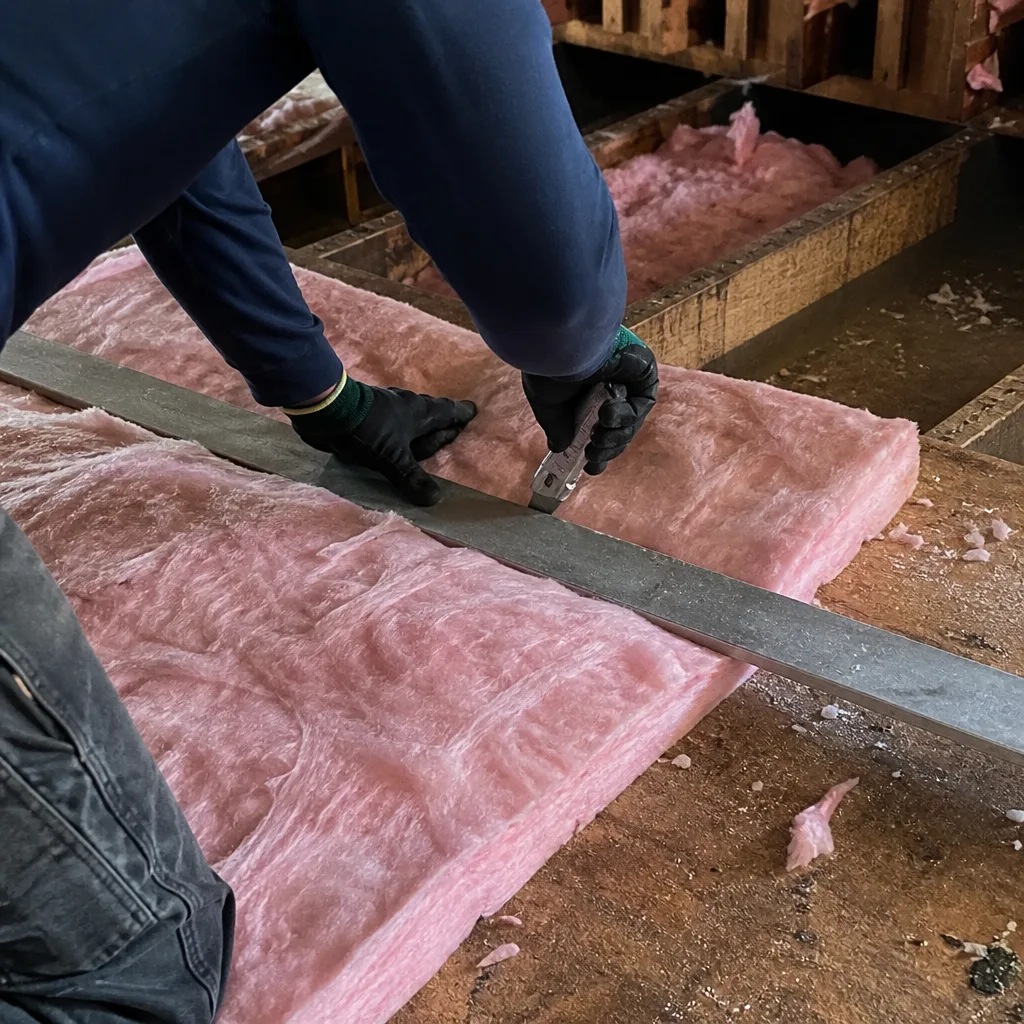
There is no safe DIY path for Icynene removal or reapplication. The chemistry requires professional-grade plural-component equipment, respiratory protection for isocyanate exposure, and controlled application temperatures. We have seen homeowners rent equipment and produce foam that off-gassed for months because the A and B components were off-ratio.
What you can safely check: shine a flashlight into your attic hatch and photograph any visible gaps, discoloration, or wet spots. Note the date. If you have a home energy audit report from SMUD or a prior contractor, find the CFM50 number and the year. That documentation helps us scope the job before we arrive.
What goes wrong when owners try it themselves: Icynene bonds aggressively to wood and electrical sheathing. Scraping it bare without damaging the roof deck or wiring takes experience. And without a blower-door to guide you, you will insulate over leaks you cannot see. Seal the leaks first. The insulation has nowhere useful to go until you do.
Call (831) 534-3206 for a free assessment. We will bring a blower door, a thermal camera, and a written price before any work starts.
FAQs
Properly installed Icynene should perform for 25 to 30 years, but we are seeing premature failure in Campbell when the foam was applied over unsealed attics or when early LC-series formulations faced sustained 140°F+ deck temperatures. The 2017-and-newer formulations with lower GWP blowing agents show better thermal stability so far. If your foam is 12 to 15 years old and your cooling bills are climbing, it is worth a blower-door test to check whether the effective R-value has degraded. Call (831) 534-3206 and we will test it - estimates are free.
Sometimes, if the failure is localized and the existing foam is the same generation as the repair material. We have successfully patched isolated shrinkage gaps in MD-C-200 where the substrate was sound and we scarified back 4 inches for a mechanical bond. We will not patch over pre-2017 foam with post-2017 product without full removal - the chemistry mismatch guarantees delamination. The only honest answer comes from a site inspection. Call (831) 534-3206 for a written scope.
Most residential attics in Campbell run two to three days: one day for mechanical removal and HEPA cleanup, one day for air sealing and foam application, and a partial third day for ignition-barrier coating if required by code. We do not rush the cure time. The crew lead runs a blower-door test on day three and hands you the printed report before packing up. Under Haven Standard: Arrive on schedule, you get a named technician and a text when they are on the way.
We carry LC-50 open-cell and MD-C-200 closed-cell in our Campbell warehouse, ready for same-day start on jobs we assess and approve. For specialized formulations - MD-R-200 with fire retardant, or the newer Icynene ProSeal LE with ultra-low GWP - we order to job specs with a 48-hour lead time. We also stock Demilec Heatlok and CertainTeed CertaSpray closed-cell equivalents, plus Reflectix radiant barrier, when the assembly calls for a hybrid approach rather than foam alone. No proprietary lock-in means we match material to condition, not inventory to quota.
Written by Wes Okafor, Owner & Lead Insulation Technician, Topside Attic Insulation Campbell at Topside Attic Insulation Campbell, serving Campbell and nearby areas.