
Icynene Blown-In Insulation in Campbell: What to Know First
We provide independent Icynene blown-in insulation service in Campbell, typically completing attic and wall jobs in one day with a written price delivered before any work starts. Most Icynene systems we encounter are original to 2005-2018 builds near the Pruneyard Plaza corridor and along Bascom Avenue, where the mild marine climate masks air-leakage problems that show up as uneven room temperatures and inflated PG&E bills. Call (831) 534-3206 for a free estimate with flat pricing and no voicemail loops.
This page is for Campbell homeowners who already have Icynene insulation in their attic or walls and need service, top-up, or replacement with blown-in material. We are not affiliated with or authorized by Icynene.
How Icynene Products Fail - and How We Fix Them
- Icynene Classic Max settling below top plate level. The open-cell spray foam in pre-2015 Campbell ranch homes shrinks from thermal cycling in attics that hit 140°F in September. We find 2-3 inch gaps above wall headers where the foam pulled away from sheathing. Our fix: remove the failed section, seal the gap with compatible closed-cell foam, then blow in cellulose to restore the R-value and prevent convection looping.
- Icynene MD-R-200 moisture saturation in crawl spaces. Campbell’s clay-heavy soils wick moisture through foundation vents, and MD-R-200’s open-cell structure acts like a sponge below grade. We’ve pulled saturated sections weighing three times their install weight in homes near the Los Gatos Creek trail. We remove the waterlogged foam, install a proper vapor barrier, then dense-pack the joist bays with treated cellulose that handles intermittent dampness.
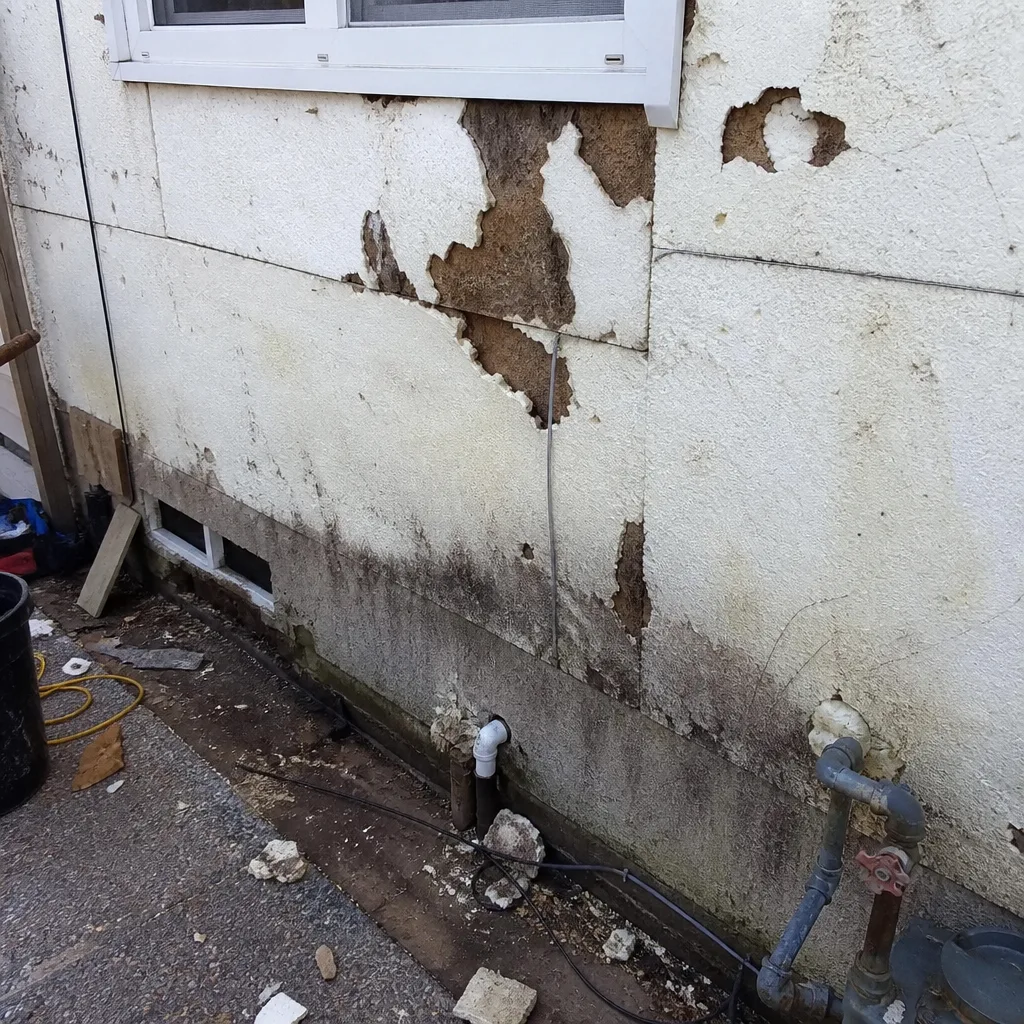
- Icynene LD-R-50 thermal drift from UV exposure. In Campbell’s older Eichler-influenced homes with exposed beam ceilings, LD-R-50 degrades where skylight seals failed and sunlight hit the foam directly. The surface powders and R-value drops 30-40%. We cut back to sound foam, seal the skylight penetration properly, then blow in fiberglass to match the original thermal profile without the UV vulnerability.
- Icynene H2Foam Lite shrinkage around can lights. The foam separates from non-IC-rated housings in homes near Campbell Avenue, creating direct paths for conditioned air loss. We see this in 2012-2016 builds where the original installer skipped top-plate sealing. We remove the compromised foam, install fire-rated covers, seal with intumescent caulk, then blow in cellulose to fill the cavity.
- Icynene Classic Max rodent damage in unsealed attics. Mice tunnel through open-cell foam when attic hatches lack weatherstripping, common in Campbell’s 1960s-1970s stock near San Tomas Aquino Creek. The foam becomes a nesting substrate. We remove contaminated sections, rodent-proof with steel mesh at all penetrations, seal the hatch with compression weatherstrip, then blow in fresh cellulose treated with borate.
Our Icynene Blown-In Insulation Process
- 1
Call and schedule. A live person answers 24/7. We book a diagnostic visit, usually within 48 hours for Campbell addresses.
- 2
Blower-door test and attic inspection. Wes Okafor or a crew lead runs a pressurization reading - a blower-door test that shows, in one number, how much air the building envelope is losing. We photograph every Icynene failure point and mark it on the attic floor plan.
- 3
Written price before any work starts. You get a flat price, written scope, and written warranty before anyone lifts a tool. Haven Standard Clause 1, no exceptions.
- 4
Air sealing first, then insulation. Seal the leaks first. The insulation has nowhere useful to go until you do. We seal top plates, can lights, penetrations, and the attic hatch with documented methods compatible with Icynene’s remaining foam.
- 5
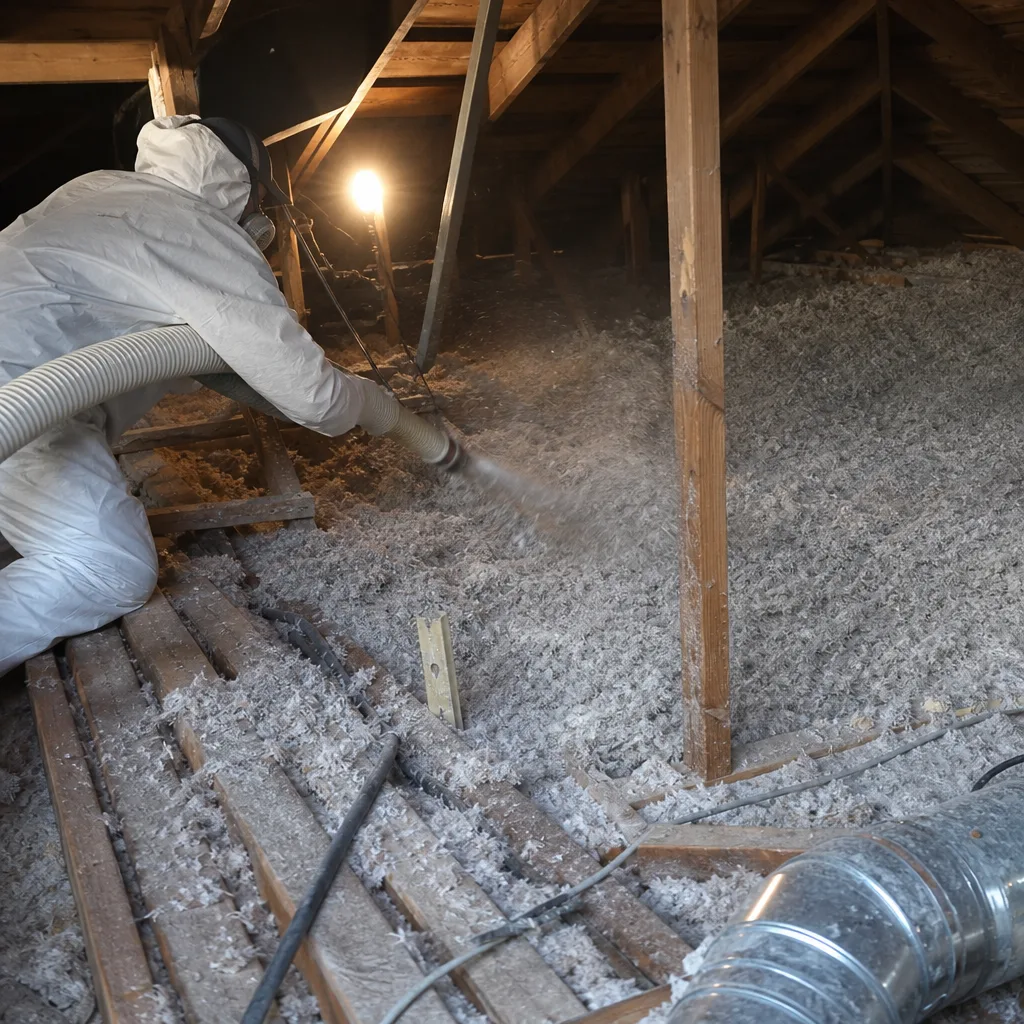
Blow-in installation and verification. We install blown-in cellulose or fiberglass to the specified depth, mark it with depth rulers for inspector visibility, and run a second blower-door test to verify the air-sealing result.
- 6
Documented Photo Record and printed report. You walk away with before-and-after CFM50 numbers, photos of every sealed point, and a written warranty under our 365-Day Done Right Promise.
 Before
 After
AfterWhat Icynene Blown-In Insulation Costs in Campbell
Most Icynene remediation and blown-in replacement jobs in Campbell run between $2,800 and $6,400 for a typical 1,400-2,200 square foot home. Here’s what moves the price:
| Scenario | Typical Range |
|---|---|
| Icynene top-up over sound existing foam, attic only | $2,800-$3,800 |
| Partial Icynene removal + air seal + blown-in cellulose, attic | $4,200-$5,600 |
| Full Icynene removal + dense-pack wall insulation | $5,200-$6,400+ |
| Crawl space Icynene removal + vapor barrier + joist blow-in | $4,800-$6,200 |
Factors that push toward the high end: multiple attic access points requiring hatch rebuilds, active rodent contamination requiring cleaning, or homes with original Icynene in both attic and walls. We also service Reflectix systems if your home has mixed insulation types. Call (831) 534-3206 for an exact quote - estimates are free, and we provide a Free Second Opinion on any written estimate you’ve already received.
Why Campbell Homeowners Call Topside Attic Insulation Campbell for Icynene Work
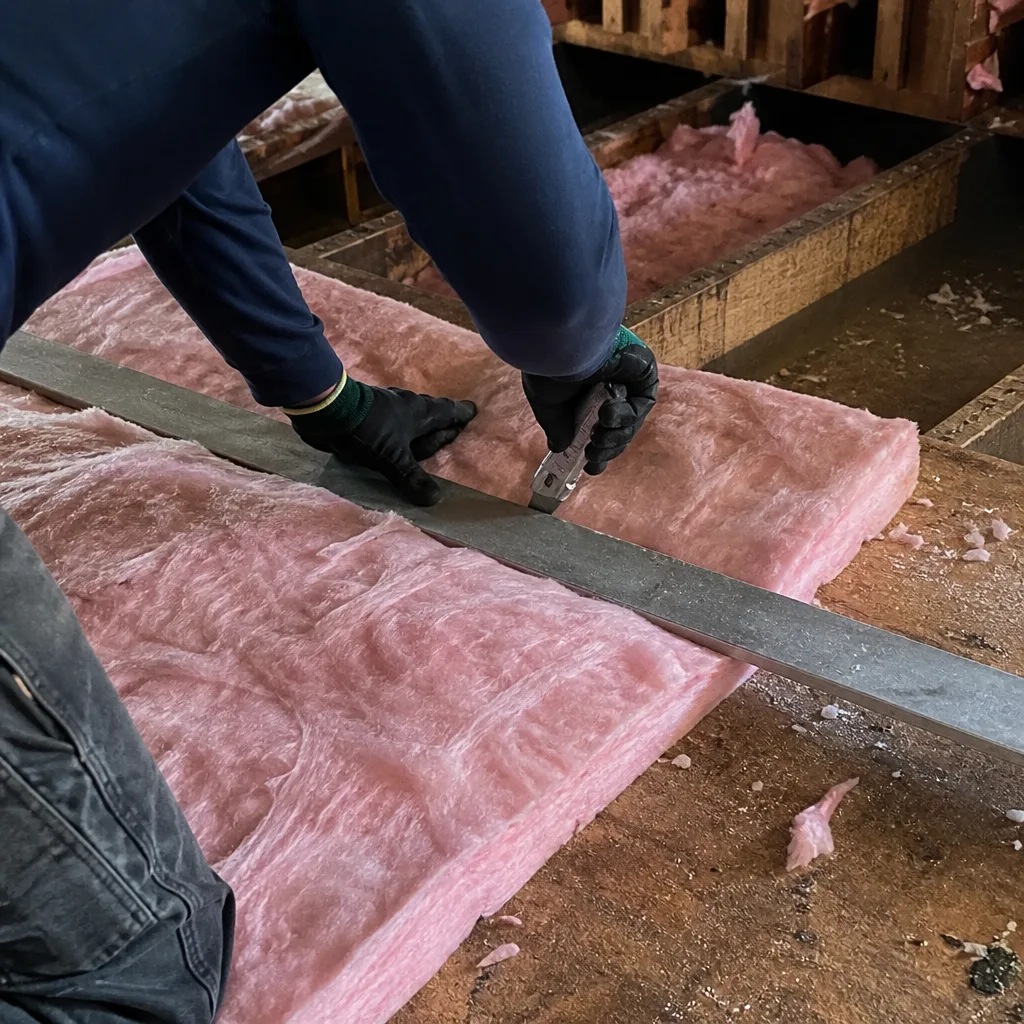
We’ve served Campbell long enough to know the specific air-sealing problems that repeat in homes near the Pruneyard Plaza corridor - top plates left open in 1970s ranches, can light batches that predate IC-rated housings, attic hatches that leak 200 CFM50 on their own. Our crew doesn’t blow insulation over any of it. Every job starts with a blower-door test, ends with a documented lower number, and includes a Documented Photo Record you keep. The 365-Day Done Right Promise means if the room that was cold before is still cold, we come back. Materials come from Owens Corning, Johns Manville, Knauf, Rockwool, CertainTeed, Icynene, Demilec, and GreenFiber - no proprietary lock-in, so we choose what fits your assembly. Calls are answered by a live person, 24/7.
FAQs
The original Icynene installation warranty, typically 10 years from the certified applicator, does not survive removal or modification by an independent service provider. We document the condition of existing foam before we touch it, photograph all findings, and provide our own written warranty on the replacement work so you’re not left uncovered. Call (831) 534-3206 to review what documentation you have.
Yes - blown-in cellulose at R-3.7 per inch and dense-pack fiberglass at R-4.2 per inch both match or exceed the effective R-value of settled Icynene Classic Max in most Campbell attic assemblies we encounter. The critical factor is air sealing; R-value without a sealed envelope is a theoretical number. We publish before-and-after blower-door results so you see the actual performance change.
Spot repair is cheaper only when the failure is isolated - a single settled bay, one wet crawl space section. We find that in Campbell’s 15-25 year old homes, Icynene failures are usually systemic: the same batch, same install date, same thermal or moisture stress. Partial repair often leaves adjacent sections failing within two years. We show you both options with flat prices for each. Call (831) 534-3206 and we’ll walk through what we found in your attic.
Most jobs are completed in one day. We stock blown-in cellulose and fiberglass in our Campbell-area warehouse, and our crew carries the air-sealing materials that Icynene jobs require. If your home needs full removal of waterlogged or contaminated foam, add one day for safe extraction and disposal. We answer calls 24/7 and typically schedule within 48 hours.
We are an independent Icynene service provider, not an authorized dealer, so we do not source OEM Icynene foam for patch repairs - the manufacturer’s certified applicator network controls that supply. For blown-in replacement work, we use quality third-party materials from the brands we stock: Owens Corning, Johns Manville, Knauf, Rockwool, CertainTeed, Demilec, and GreenFiber. For air-sealing prep, we use compatible closed-cell foams and sealants that perform with the remaining Icynene without chemical conflict. We disclose every material by brand in your written scope.
Written by Wes Okafor, Owner & Lead Insulation Technician, Topside Attic Insulation Campbell at Topside Attic Insulation Campbell, serving Campbell and nearby areas.