
Icynene Crawl Space Encapsulation: The Campbell Owner’s Guide
We stock and install Icynene-compatible crawl space encapsulation systems in Campbell, with most complete jobs running between $3,800 and $7,200 depending on square footage and existing moisture damage. Same-day assessment is available, and we carry Icynene vapor barrier materials and seam-sealing components on every truck. Most Campbell homeowners discover a problem when they notice musty odors rising through floor registers in winter, or when a routine home inspection reveals relative humidity above 70% in the crawl space - conditions that degrade floor joists and invite mold long before structural damage becomes visible.
Which Icynene Models This Applies To
Icynene does not manufacture a dedicated crawl space “system” in the way some brands do. Instead, we match Icynene’s open-cell and closed-cell spray foam products to the encapsulation assembly: typically Icynene Classic Max (open-cell, 3.5 lbs/ft³) for rim joist and band joist sealing, and Icynene MD-R-200 (closed-cell, 2.0 lbs/ft³) for foundation wall applications where a vapor barrier-class material is required by California Title 24.
To identify what’s currently in your Campbell crawl space, look for the Icynene batch label on any exposed foam surface - a white or yellow sticker with a 10-digit lot number and install date. The density rating printed there (look for “3.5” or “2.0”) tells us which Icynene generation was used and whether it’s compatible with modern vapor barrier overlays. Pre-2018 Icynene open-cell formulations in Campbell homes near the Los Gatos Creek corridor sometimes show degradation when paired with polyethylene sheeting that traps moisture against the foam face - a compatibility gotcha we check for during assessment.
OEM Icynene materials are available through certified distributors, but we also source equivalent-density, code-compliant closed-cell products from Demilec and Johns Manville when the original specification is discontinued. The decision hinges on whether your encapsulation was originally bid as a “system” with warranty transferability, or as a performance-spec assembly where material substitution is permitted under the original scope.
Signs Your Icynene Crawl Space Encapsulation Is Failing
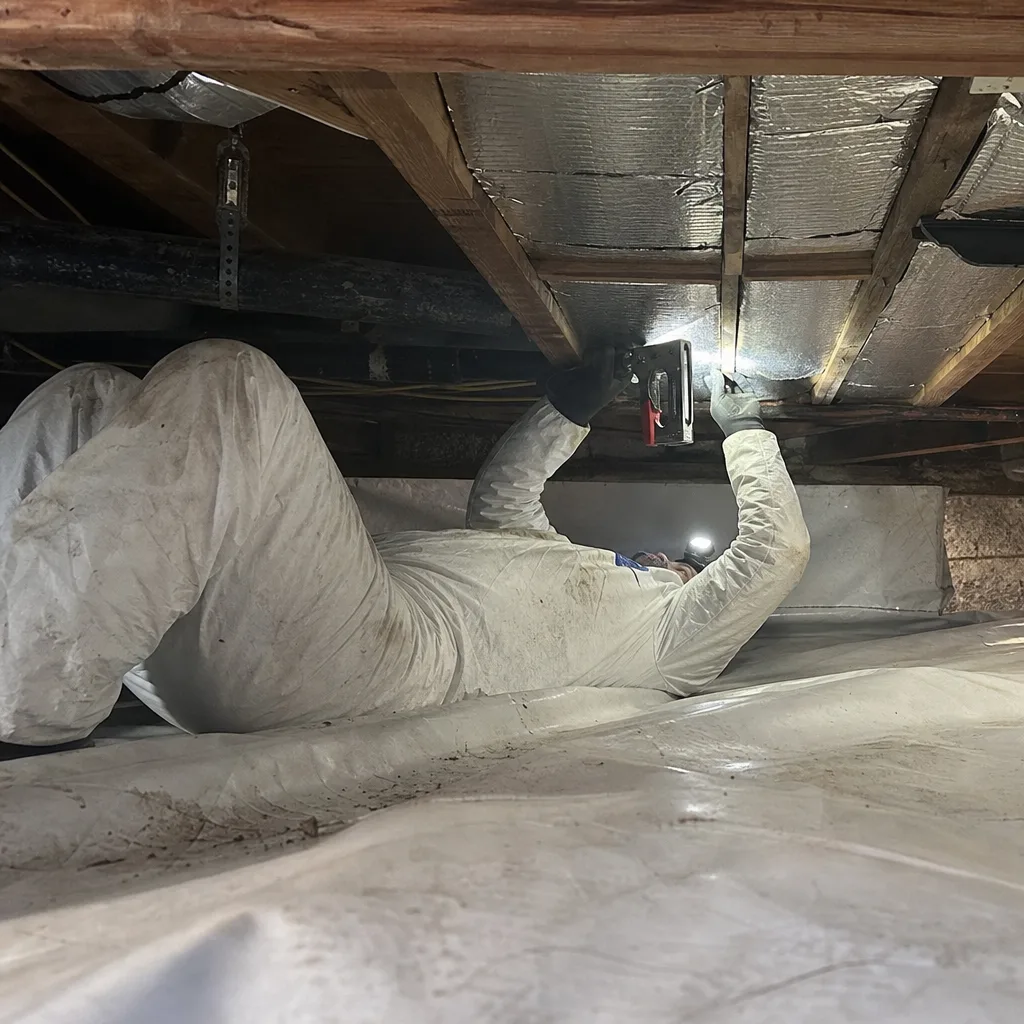
- Musty odors that intensify after rain. The vapor barrier seam tape or Icynene-to-wall interface has lost adhesion, letting groundwater vapor bypass the sealed envelope. Campbell’s clay-heavy soils near the Pruneyard Plaza area hold moisture longer than the sandy loam farther west, so this symptom often appears first in homes east of Highway 17.
- Soft or cupping hardwood floors above the crawl space. Moisture is migrating through gaps in the Icynene application, raising the wood equilibrium moisture content above 12%. The foam itself may be intact, but the perimeter seal - where Icynene meets the sill plate - has cracked due to seasonal foundation movement common in 1960s Campbell ranch homes.
- Visible condensation on ductwork or pipes. The encapsulation is no longer maintaining the crawl space at or below outside dew point. This usually means the closed-cell vapor barrier layer has been compromised, or the original Icynene application was too thin (less than 2 inches) for the R-value demand of Campbell’s heating-degree-day profile.
- Mold spotting on the Icynene surface itself. Open-cell Icynene is vapor-permeable by design; if it was used as the primary vapor barrier without a supplemental polyethylene or kraft-faced layer, bio-growth indicates bulk water intrusion, not just humidity. We see this most often where downspouts discharge too close to foundation walls.
- Increased heating bills with no attic changes. A failing encapsulation lets cold, damp air infiltrate through rim joists, forcing your furnace to condition air that never reaches the living space. Our blower-door test - a pressurization measurement that quantifies envelope leakage - typically shows 300-600 CFM50 increase attributable to crawl space bypasses alone.
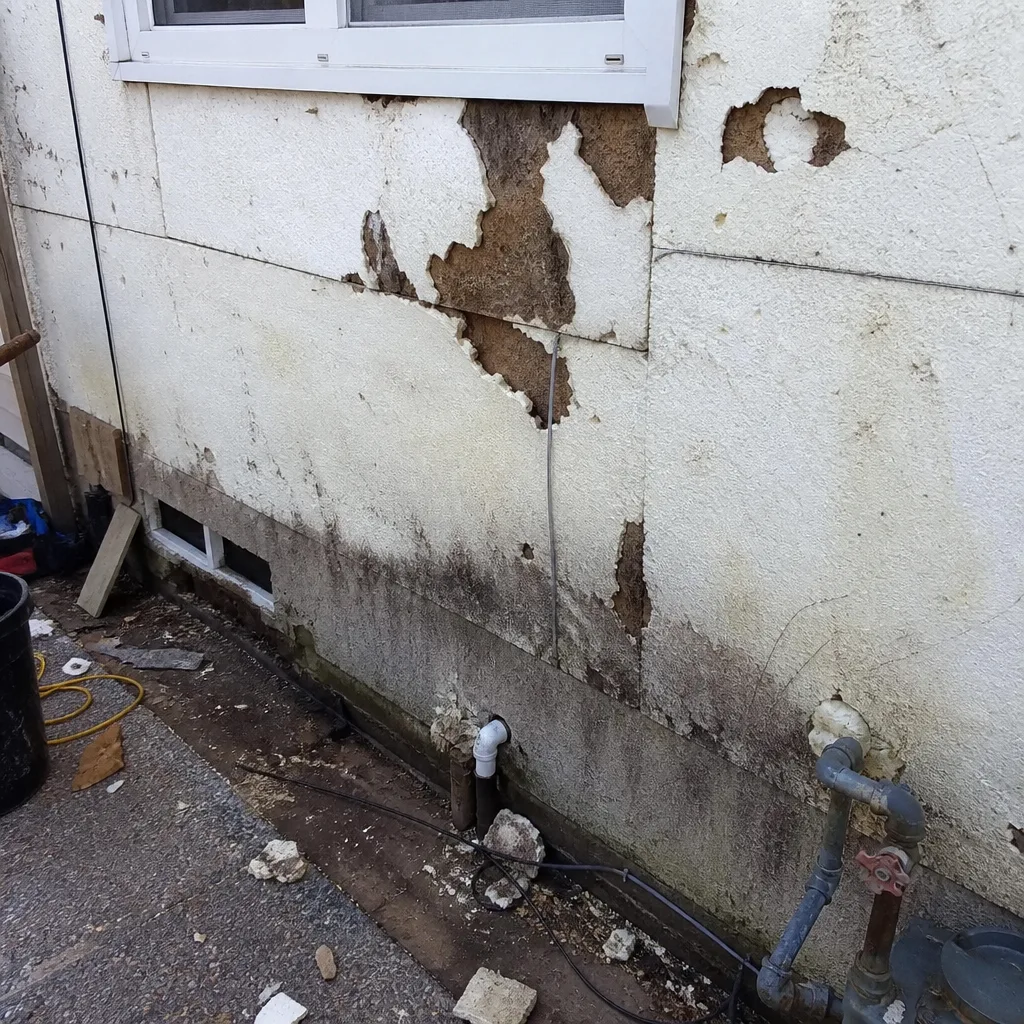 Before
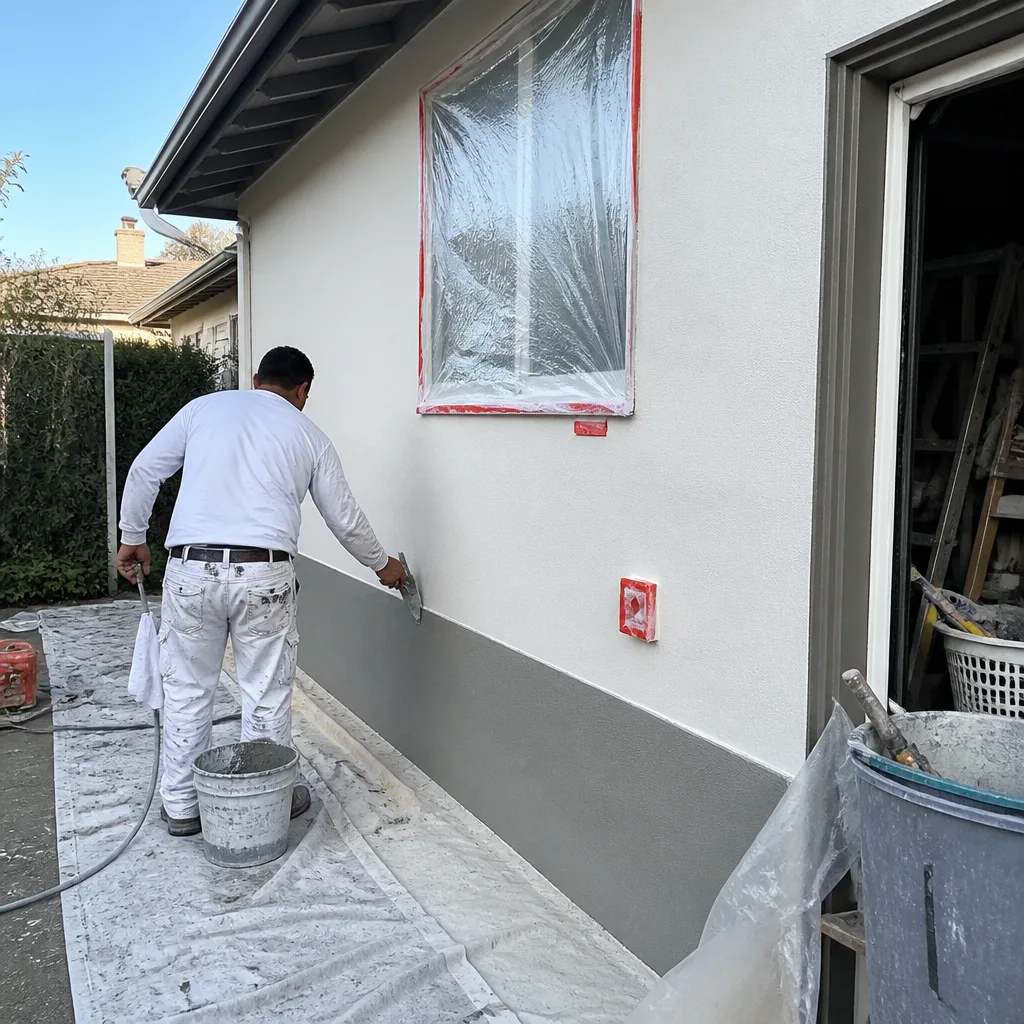 After
AfterReplacement Cost & What’s Included
For a typical 1,200-square-foot crawl space in Campbell, complete Icynene encapsulation replacement runs $4,200-$6,800. Smaller partial repairs - resealing rim joists with closed-cell Icynene MD-R-200, or replacing degraded vapor barrier sheeting - fall in the $1,800-$3,400 range. The spread depends on three factors: whether existing foam must be removed (add $800-$1,500 for mechanical scraping and HEPA containment), whether the foundation requires pretreatment for active mold (add $600-$1,200), and whether we need to install a mechanical dehumidifier to maintain the 50-55% relative humidity target that California energy code now recommends for encapsulated crawl spaces.
Every quote is a written price before any work starts - Haven Standard Clause 1. The scope specifies Icynene product by density and application thickness, vapor barrier mil rating, seam-tape specification, and dehumidifier capacity if required. Labor includes preparation, installation, and cleanup. Our 365-Day Done Right Promise covers all completed encapsulation work, and you receive a Documented Photo Record and before-and-after blower-door numbers so you can verify the air-sealing result yourself.
DIY or Call Us?
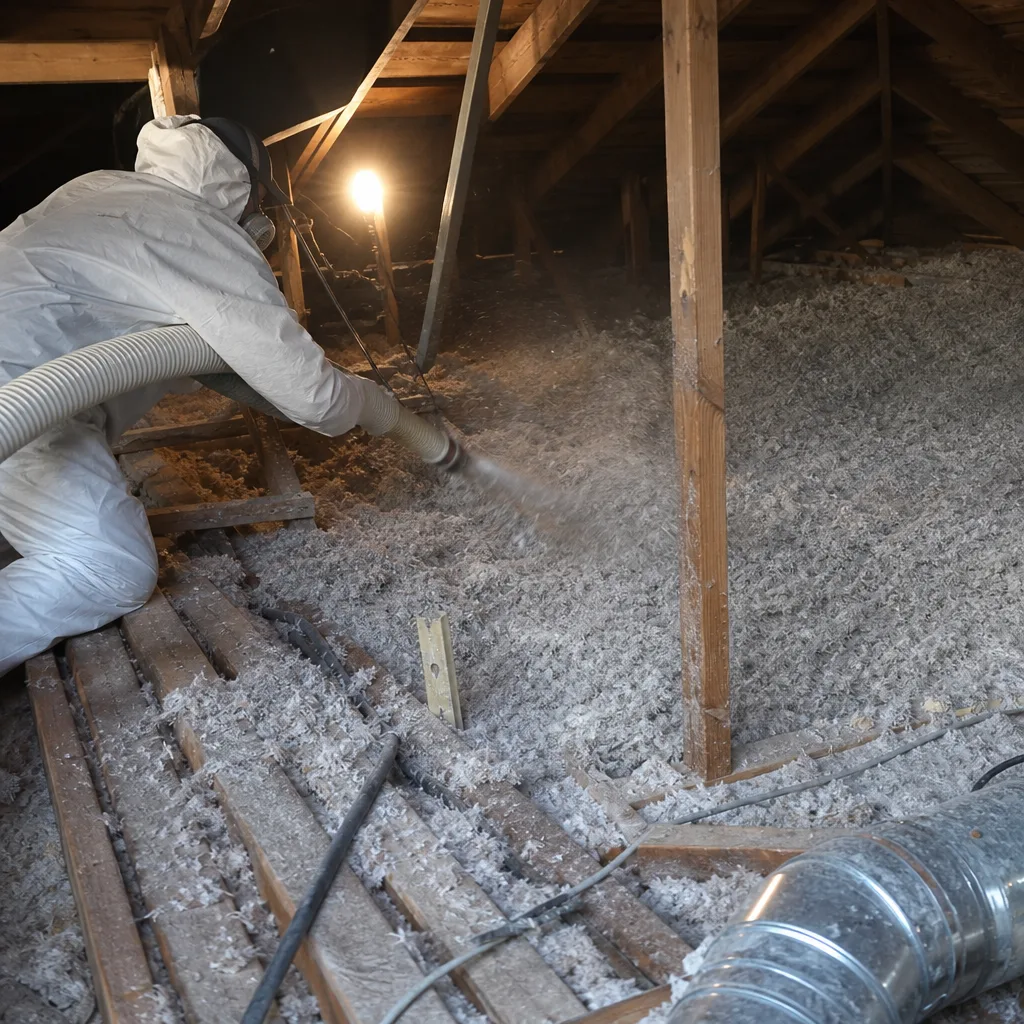
An owner can safely inspect their own crawl space with a flashlight and humidity meter - readings above 65% warrant professional assessment. You can also check downspout drainage and grade slope, which are the leading contributors to encapsulation failure in Campbell.
Where DIY goes wrong: Icynene spray foam requires specialized plural-component equipment and respiratory protection (supplied-air respirator, minimum) that homeowners do not own. More critically, mixing ratio errors or off-ratio foam creates a persistent odor hazard that requires complete removal. Vapor barrier installation looks simple but demands heat-welded seams and mechanical fastening at specified intervals to pass municipal inspection. Seal the leaks first. The insulation has nowhere useful to go until you do. For assessment and written pricing, call (831) 534-3206 - estimates are free, and we stock Icynene-compatible materials on every truck.
FAQs
Properly installed Icynene closed-cell foam in a dry crawl space lasts 25-30 years; open-cell formulations in the same conditions last 15-20 years before resiliency degradation. Campbell’s moderate climate helps, but homes with poor exterior drainage see lifespan reductions of 30-40% due to chronic moisture exposure. Call (831) 534-3206 for a condition assessment - estimates are free.
Localized delamination or thin spots can be repaired with targeted closed-cell injection, provided the original foam substrate is dry and structurally sound. If moisture has saturated the Icynene layer or mold has penetrated the foam matrix, full removal and replacement is the only code-compliant path. We determine which applies during our assessment, and we give you a written price for both scenarios before you decide.
Most Campbell crawl spaces in the 1,000-1,500 square foot range require two to three working days: one day for prep and existing material removal, one day for Icynene application and vapor barrier installation, and a partial third day for dehumidifier commissioning and final blower-door verification. Homes with limited access or active mold remediation needs may extend to four days. We schedule start dates only after the written scope is signed.
We carry Icynene MD-R-200 closed-cell and Classic Max open-cell on every truck, along with compatible vapor barrier sheeting, seam tape, and mechanical fasteners. For discontinued Icynene formulations, we maintain equivalent-density stock from Demilec and Johns Manville so there is no project delay. Same-day assessment and next-day installation is standard for Campbell addresses.
Topside Attic Insulation Campbell is an independent service provider, not affiliated with Icynene. We also stock parts for Reflectix and other major building envelope brands.
Written by Wes Okafor, Owner & Lead Insulation Technician, Topside Attic Insulation Campbell at Topside Attic Insulation Campbell, serving Campbell and nearby areas.