
Demilec Attic Insulation: The Campbell Owner’s Guide
Most Demilec attic insulation replacements in Campbell run between $2,800 and $5,400 installed, depending on attic square footage and whether the existing material can be topped or must be removed first. We stock Demilec-compatible open-cell and closed-cell spray foam systems on our trucks, and we typically schedule within 48 hours for Campbell addresses. Homeowners usually discover a problem when their PG&E bill spikes during a San Jose summer, or when they notice the second floor of their Campbell home won’t stay cool despite the AC running continuously - often because the Demilec foam has shrunk, pulled away from framing, or was applied over an unsealed attic floor in the first place.
Which Demilec Models This Applies To
Demilec operates under the Huntsman Building Solutions umbrella, and the products we encounter most in Campbell attics fall into three lines: Heatlok HFO Pro (closed-cell, 2.0 lb density), Heatlok XT (closed-cell, higher R-value per inch), and Sealection 500 (open-cell, 0.5 lb density, often used in vaulted ceilings where weight matters). The label you’re looking for is a paper tag stapled to a rafter or joist near the access hatch, dated and signed by the original installer - it’ll read “Demilec” or “Huntsman” with a lot number and applied thickness.
Here’s where compatibility gets specific: Heatlok HFO Pro and XT are not interchangeable. HFO Pro uses a hydrofluoroolefin blowing agent and achieves R-7 per inch at 2 inches; XT uses a different formulation and hits R-6.5 per inch but with better dimensional stability in our Santa Clara County temperature swings. If your original install was open-cell Sealection 500, you cannot patch with closed-cell without creating a vapor-profile mismatch - the permeance difference traps moisture against sheathing. We carry both formulations on the truck, and we match the existing chemistry unless the whole cavity is being stripped.
OEM Demilec foam is what we specify for full replacement. Aftermarket equivalents exist (some Icynene formulations are chemically similar), but the density, adhesion promoter, and fire-retardant package vary enough that mixing brands within a single cavity voids most manufacturer warranties. We don’t do it, and we don’t recommend it.
Signs Your Demilec Attic Insulation Is Failing
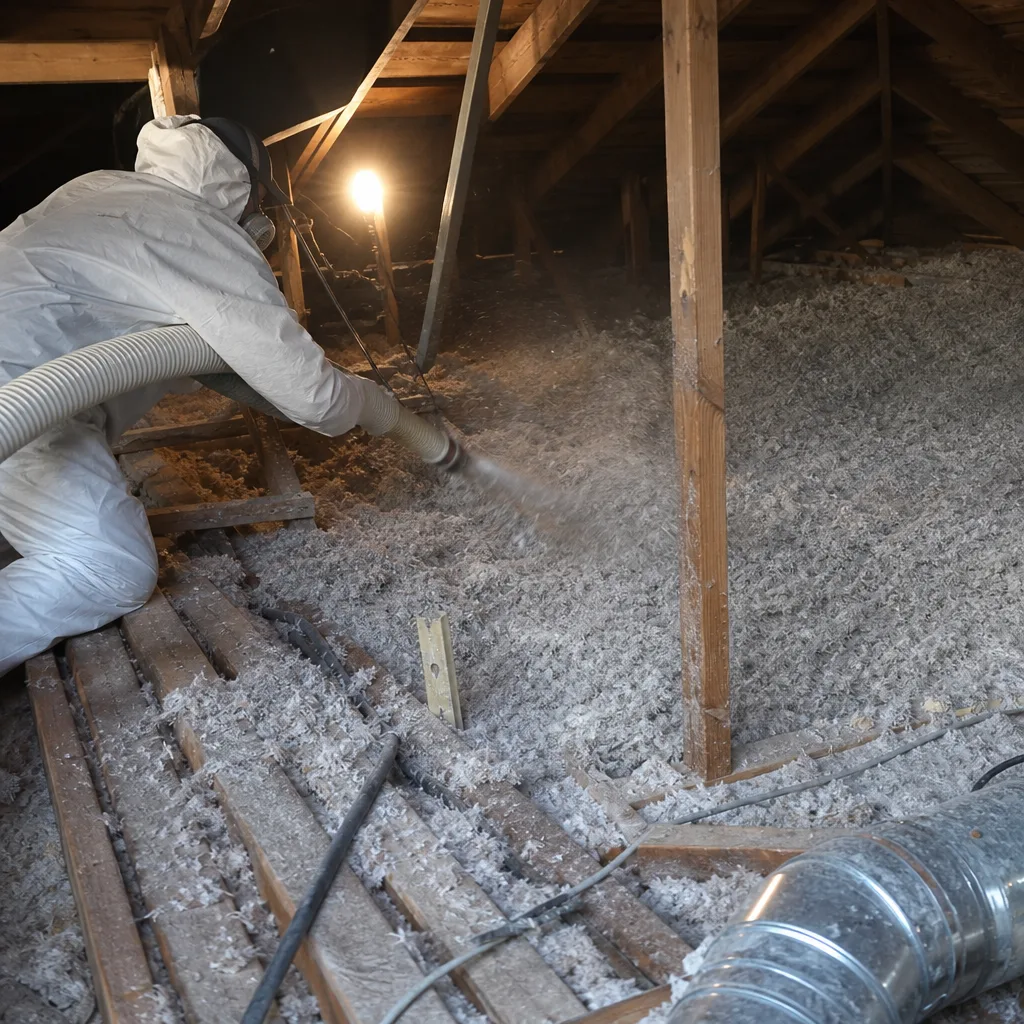
- Temperature stratification between floors. The upstairs runs 8-12 degrees warmer than downstairs because the Demilec foam has pulled away from roof deck joints, creating convection channels that bypass the insulation entirely. We see this most in Campbell homes built 1965-1985 near the Winchester corridor, where original skip sheathing doesn’t give foam enough surface to grip.
- Musty odor from attic hatches or recessed can lights. Open-cell Demilec is vapor-permeable by design, but if the attic floor wasn’t sealed first, humid Santa Clara Valley air migrates upward and condenses against cooler roof sheathing. The foam itself doesn’t mold, but the adjacent OSB or plywood does. The smell is your first warning.
- Visible shrinkage or yellowing at foam edges. Closed-cell Heatlok that was applied too thin (less than 1.5 inches per pass) or in cold weather can off-gas unevenly and pull back from studs by 1/4 to 1/2 inch. That gap is enough to drop the effective R-value by 30% in a Campbell attic that sees 140°F surface temps in August.
- Ice damming or persistent icicles in winter. Even in Campbell’s mild climate, a rare freeze with poor attic insulation creates melt-and-refreeze at the eaves. Demilec foam that has degraded or was never extended to the eaves properly leaves thermal bridges at the plate line.
- PG&E bill climbing year-over-year without rate changes. We pull utility history with homeowner permission, and when kWh per heating degree day rises 15% or more, the envelope has failed somewhere. In Demilec homes, it’s often degradation at the foam-to-substrate bond, not the foam itself.
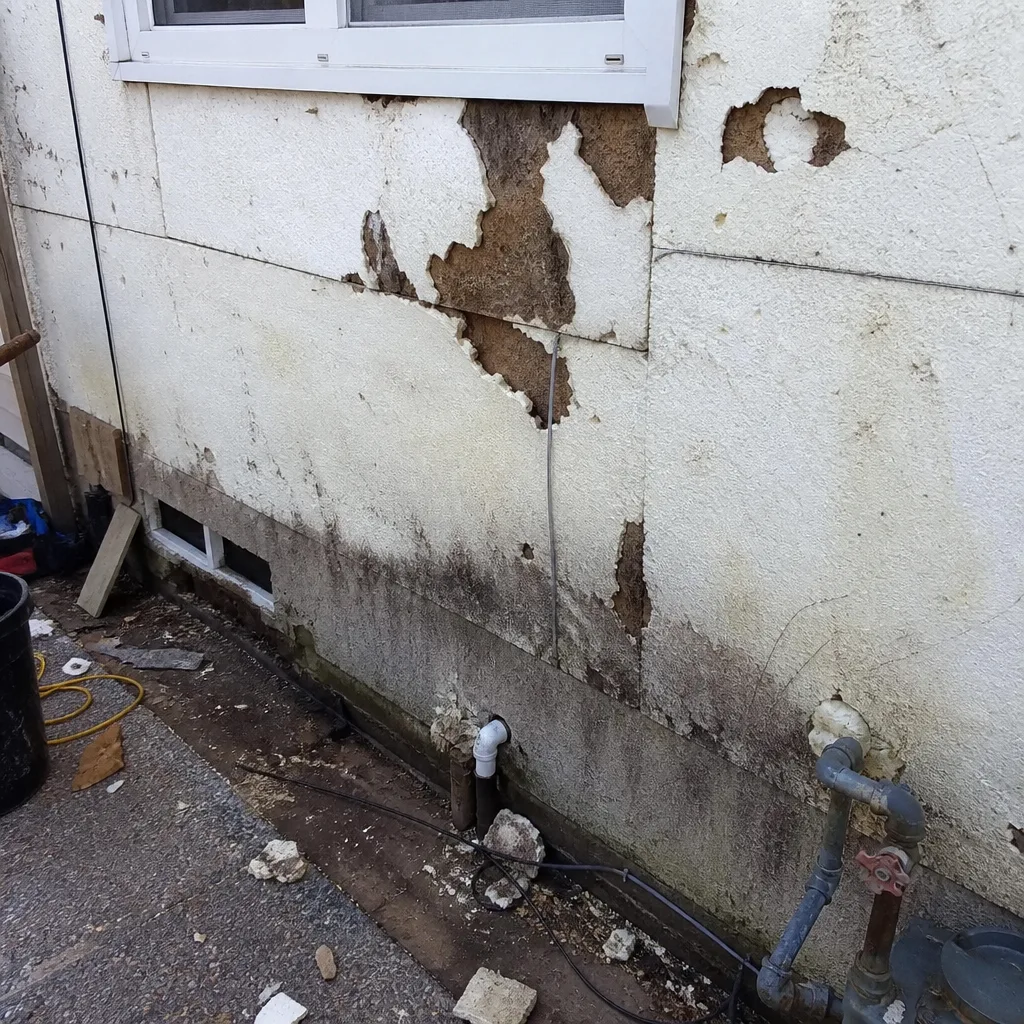 Before
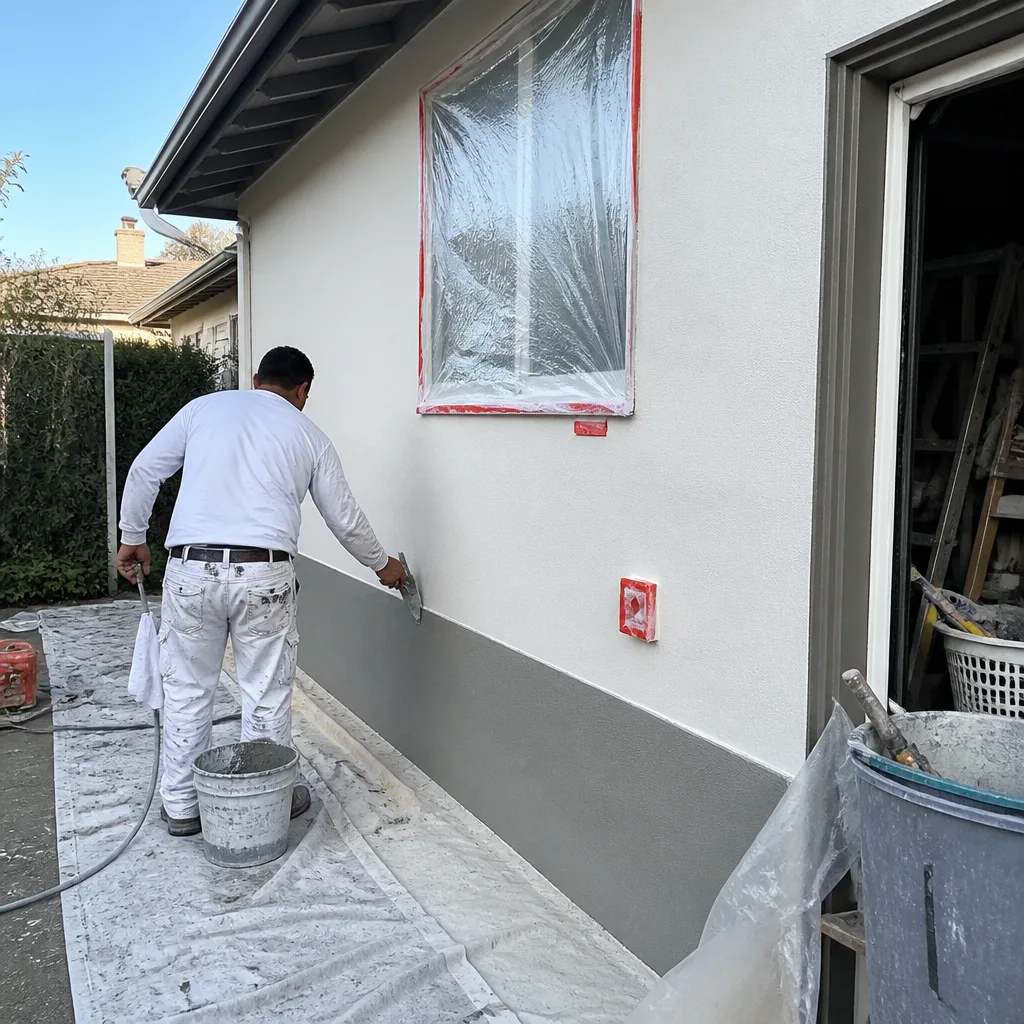 After
AfterReplacement Cost & What’s Included
| Scope | Campbell Price Range |
|---|---|
| Spot repair, 50-100 sq ft (compatible foam, air seal prep) | $2,800 - $3,600 |
| Partial re-foam, 300-500 sq ft (remove failed, reapply matched chemistry) | $4,200 - $5,400 |
| Full attic strip-and-replace with floor air sealing | $6,500 - $9,800 |
| Blower-door test (before/after, documented) | Included on all full and partial jobs |
What drives the range: attic accessibility (scuttle vs. pull-down stairs vs. cut new access), whether existing foam must be mechanically removed or can be scarified and re-coated, and the extent of air sealing required on the attic floor before any foam touches the roofline. We don’t quote over the phone for full replacements - we need to see the space, measure the failure pattern, and test with a smoke pencil at minimum. But we do provide a written price before any work starts, every time. That’s Haven Standard Clause 1.
The 365-Day Done Right Promise covers adhesion, coverage thickness verified by core sample, and the air-sealing result documented by blower-door test. Materials are sourced through our Demilec distributor; we don’t claim exclusive or preferred status with Huntsman, but we do spec the exact product line your original install used.
DIY or Call Us?
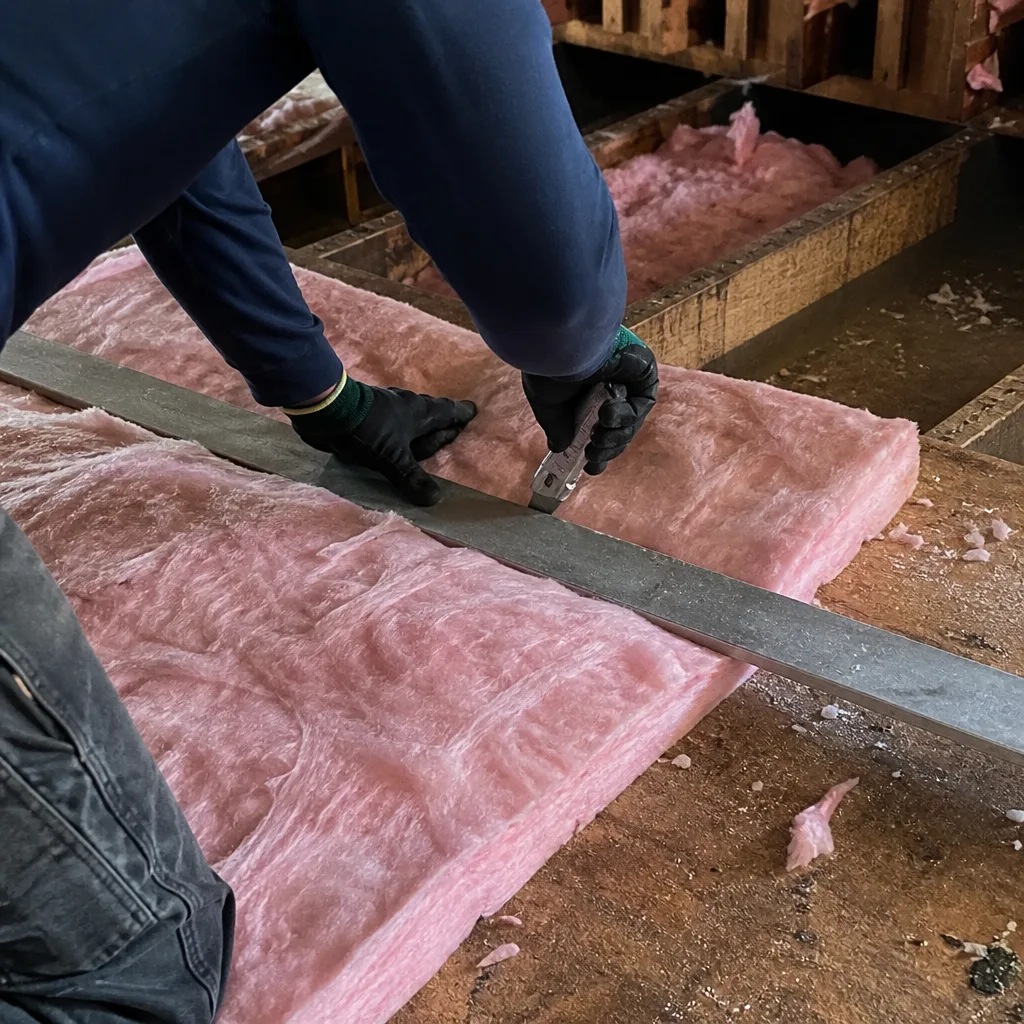
Here’s what you can safely check yourself: read the label on your existing foam, measure the square footage of affected area with a tape, and photograph any visible gaps or discoloration from the attic hatch with your phone flash. Do not, under any circumstance, attempt to apply or remove spray foam yourself. Two-component polyurethane requires respirator protection, forced ventilation, and precise substrate temperature control - in a Campbell attic in July, the deck surface can exceed 150°F, which causes the foam to skin over before it can adhere, trapping unreacted isocyanate.
We’ve been called to fix homeowner-applied foam twice in Campbell, both times involving chemical sensitization that made the house uninhabitable for weeks. The material itself is not forgiving. Seal the leaks first. The insulation has nowhere useful to go until you do.
For a written price and a documented photo record of what we find, call us at (831) 534-3206. Estimates are free, and we answer live 24/7.
FAQs
Properly applied Demilec closed-cell foam should perform for 25-30 years, but we’ve found failures at 8-12 years in Campbell when the original installer skipped attic floor air sealing or applied foam below manufacturer-specified substrate temperatures. Open-cell Sealection 500 degrades faster in our climate if the roof deck can’t dry to the interior - typically 15-20 years with correct installation, half that without. Call (831) 534-3206 and we’ll assess your specific install date and condition.
Spot repair is viable if the failure is localized shrinkage or adhesion loss under 10% of total attic area, and if the original chemistry can be matched. We scarify the failed surface, apply a compatible primer, and re-foam to the original thickness. If degradation is widespread, or if the original install mixed open-cell and closed-cell inappropriately, partial or full replacement is the only defensible fix. We don’t patch over systemic problems - the blower-door test would expose it anyway.
Spot repairs finish in a single day. Partial re-foam jobs in a typical 1,200-square-foot Campbell attic run two days: one for removal and floor sealing, one for foam application and cure. Full strip-and-replace with comprehensive air sealing takes three days, plus a return visit for the post-cure blower-door test once the foam has fully reacted. We schedule the test before we leave the job site so you have both numbers in hand.
We stock Heatlok HFO Pro, Heatlok XT, and Sealection 500 components on our Campbell service truck, including the A-side and B-side chemicals, gun assemblies, and replacement nozzles. For larger jobs requiring full drum sets, we pull from our San Jose distributor with 24-hour notice. We do not stock Reflectix or other radiant barrier products on the same vehicle - those ship separately when specified.
Written by Wes Okafor, Owner & Lead Insulation Technician, Topside Attic Insulation Campbell at Topside Attic Insulation Campbell, serving Campbell and nearby areas.