
Demilec Blown-In Insulation in Campbell: What to Know First
We provide independent Demilec blown-in insulation service in Campbell, typically scheduling within 48 hours and completing most attic jobs in a single day. Most homes in the Campbell area run between $2,800 and $5,400 for a full Demilec blown-in installation, depending on attic square footage and whether the existing insulation needs removal first. We seal the leaks first. The insulation has nowhere useful to go until you do. This page is for Campbell homeowners who already have Demilec products in their building envelope and need blown-in cellulose, fiberglass, dense-pack wall fill, or a top-up to an existing Demilec system. Call (831) 534-3206 for a written price before any work starts.
How Demilec Products Fail - and How We Fix Them
- Demilec Heatlok Soya HFO settling in Campbell’s temperature swings. The blown-in variant of this open-cell spray foam hybrid can shrink 15-20% in attics that see daily 30-degree shifts between summer days and Bay-cooled nights. We find the settled zones with thermal imaging, remove the compromised material, seal the top plates and can-light penetrations that the original installer missed, then reinstall to manufacturer depth with fresh Heatlok or transition to a more stable blown-in cellulose if the substrate is too far gone.
- Demilec Sealection 500 overspray bridging into blown-in retrofit jobs. When a previous contractor sprayed Sealection 500 too aggressively around truss chords, it creates a hard shell that prevents new blown-in material from filling the cavity evenly. We cut back the overspray with a specialized oscillating tool, install vent baffles to maintain soffit airflow, then blow new material to a consistent density of 1.5 lbs per cubic foot for cellulose or 0.5 lbs for fiberglass.
- Demilec Eco-Pur closed-cell off-gassing in tight Campbell attics. Older Eco-Pur batches in poorly ventilated 1960s Campbell ranch attics can emit trace odors that homeowners mistake for rodent activity. We test with a photoionization detector to confirm the source, then either encapsulate with a vapor-permeable barrier or remove and replace with Demilec’s newer HFO-blown formulation, depending on the homeowner’s sensitivity and the assembly’s moisture load.
- Demilec Agribalance degradation near the Los Gatos Creek corridor. The bio-based polyol in Agribalance absorbs atmospheric moisture more readily than petroleum-based foams, and homes within a half-mile of the creek or near Campbell Park show accelerated hydrolysis. We see this most in crawl spaces where grade-level moisture migrates upward. Our fix: full removal of degraded material, installation of a polyethylene vapor barrier at the ground, then re-insulation with a moisture-tolerant blown-in fiberglass or closed-cell replacement.
- Demilec Blown-In System 3000 density failures at kneewalls. The System 3000 cellulose blend requires precise 3.5 lbs per cubic foot density to achieve its stated R-38 in a 2×10 cavity. In Campbell’s older Eichler-influenced homes with irregular framing, under-blowing leaves thermal shorts that show up as cold stripes on winter ceiling scans. We pull a test core from every third bay, weigh it against the bag count and coverage chart, and add material until the density spec is met - no guesswork.
Our Demilec Blown-In Insulation Process
- 1
Call and schedule. A live person answers, 24/7. We ask for photos of your existing insulation and any Demilec labels you can find, then book a site visit within 48 hours.
- 2
On-site diagnosis with blower-door test. We run a pressurization reading - a blower-door test that shows, in one number, how much conditioned air your envelope is losing. Most Campbell homes built 1955-1985 read 3,500-6,000 CFM50 before we touch anything.
- 3
Written price before any work starts. Under Haven Standard Clause 1: flat price, written scope, written warranty before anyone lifts a tool. No exceptions.
- 4
Air sealing first, then insulation. Top plates, wire penetrations, can lights, chimney chases, and attic hatches get sealed with fire-rated caulk, rigid foam, or weatherstripping. We re-test the blower door to prove the seal held.
- 5
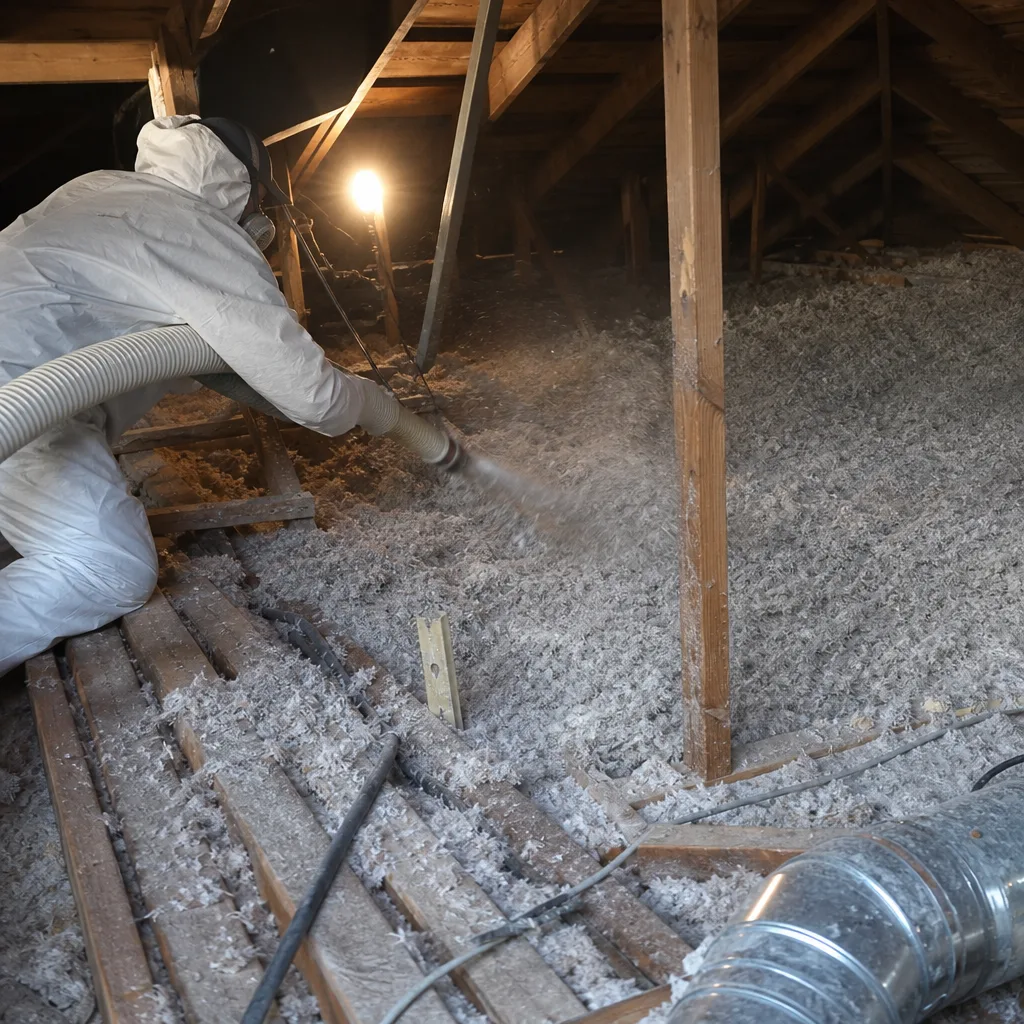
Blown-in installation to spec. We mark depth gauges on every truss, install rulers visible from the attic hatch, and photograph the completed cavity fill. For Demilec System 3000, we pull density cores; for fiberglass top-ups, we verify against the manufacturer’s coverage calculator.
- 6
Final blower-door test and documented handoff. You get a printed report with before-and-after CFM50, thermal images if applicable, and a photo record of the completed work. The 365-Day Done Right Promise begins now.
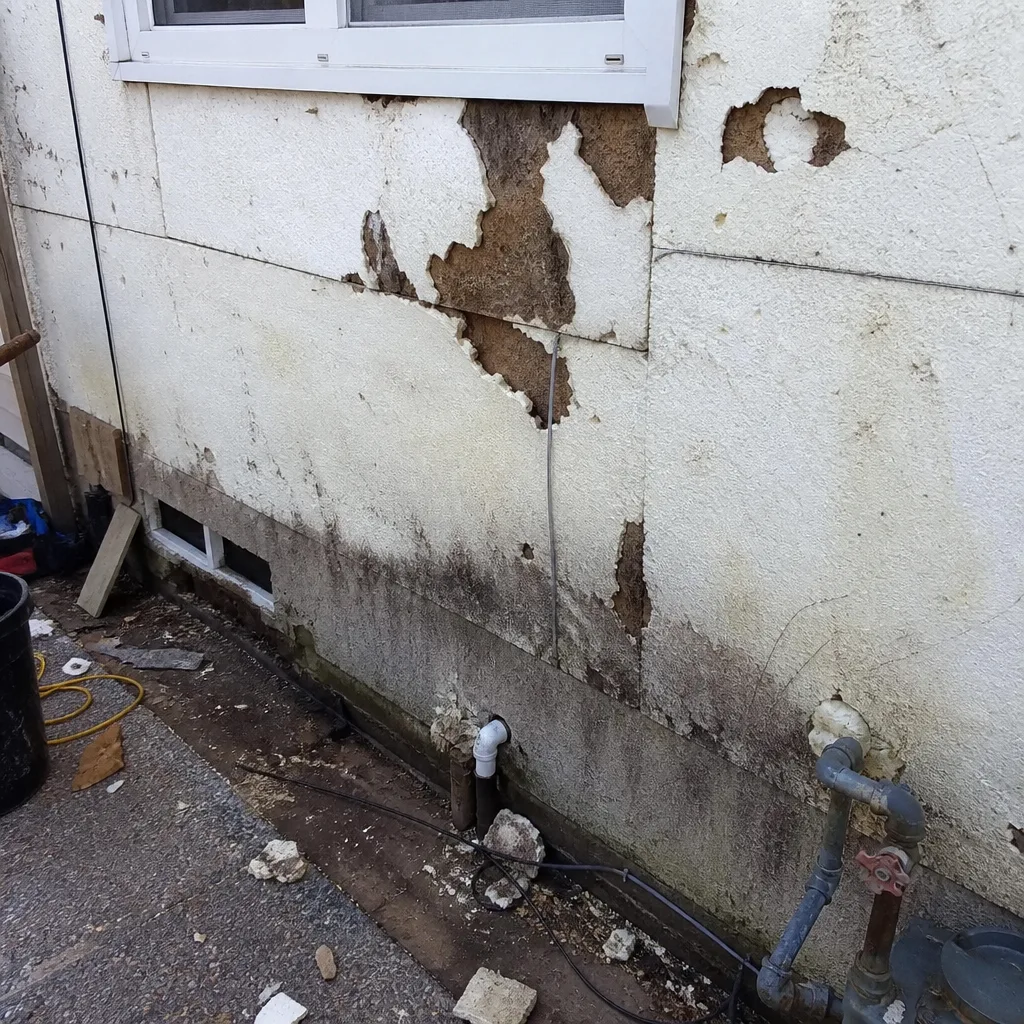 Before
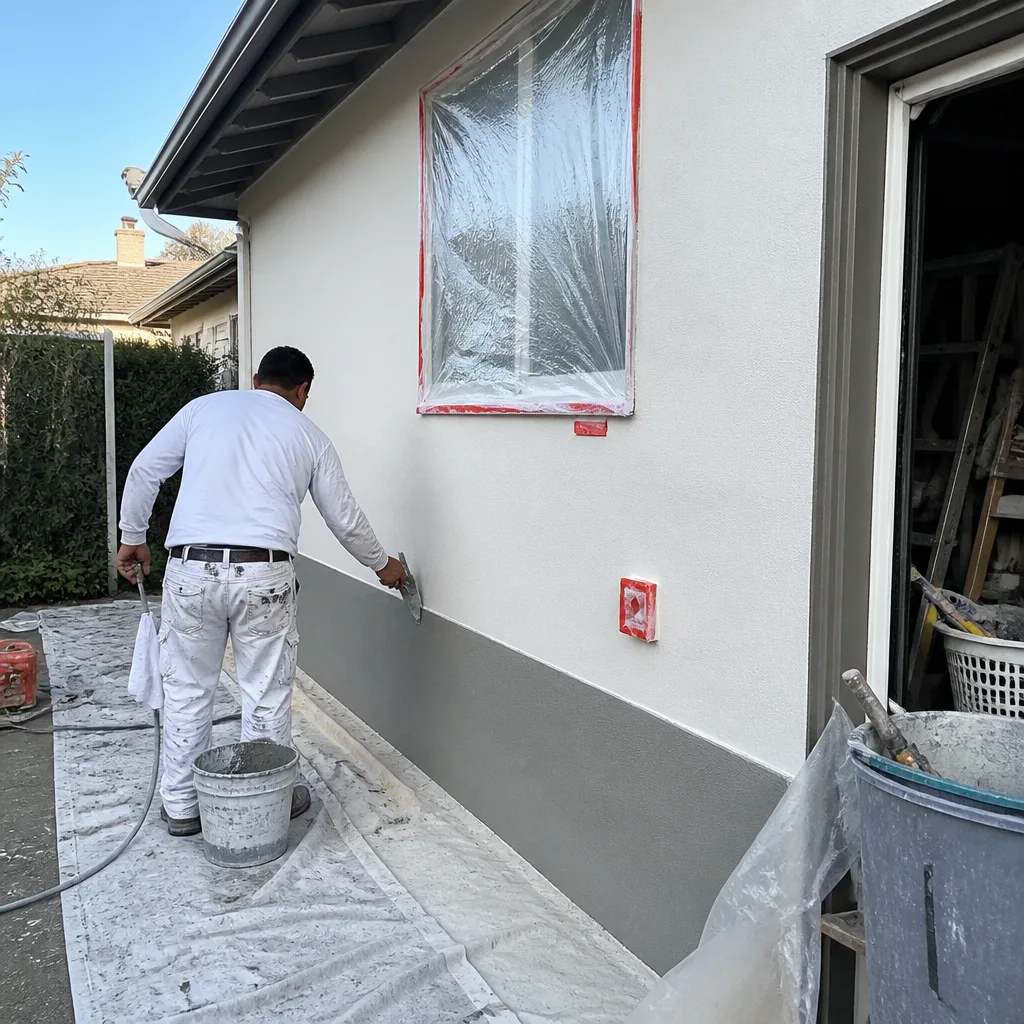 After
AfterWhat Demilec Blown-In Insulation Costs in Campbell
Most attic jobs in a Campbell home this size run between $2,800 and $5,400. A dense-pack wall retrofit in a 1,200-square-foot home typically falls between $3,200 and $4,800. A simple blown-in top-up over existing stable insulation runs $1,800 to $2,800.
What moves the price: removal of degraded existing material adds $800-$1,500; extensive air sealing of a 1960s ranch with original top plates and recessed lighting adds $600-$1,200; crawl space work adds 30-40% due to access labor; and homes near the Pruneyard Plaza corridor with modified framing from past renovations often need custom baffle work.
We also install Reflectix radiant barriers and other brands when a Demilec product isn’t the right fit for the assembly. Call (831) 534-3206 for an exact quote - estimates are free, and we offer a Free Second Opinion on any written estimate you’ve already received.
Why Campbell Homeowners Call Topside Attic Insulation Campbell for Demilec Work
We’ve served Campbell for several years now, and jobs near the Pruneyard Plaza corridor taught Wes Okafor early that homes this age carry a specific set of air-sealing problems that show up long before you ever touch a bag of blown-in cellulose. Our crew doesn’t blow insulation over an unsealed attic floor - period. Every applicable job gets before-and-after blower-door numbers in writing. The 365-Day Done Right Promise means if it’s not done right, we make it right, backed by a written scope and written warranty delivered before anyone starts. Background-checked, uniformed technicians arrive on schedule, and you get a text when they’re on the way. We source Demilec, Reflectix, Owens Corning, Johns Manville, Knauf, and others - no proprietary lock-in, just the right material for your specific assembly.
FAQs
No - Demilec’s product warranty covers material defects, not who installs or services it, provided the work follows published application specs. As an independent Demilec service provider, we document every installation parameter - depth, density, temperature at application, and substrate moisture - so any future claim has the paperwork it needs. Keep your written scope and photo record; they’re your proof. Call (831) 534-3206 if you have a specific warranty concern.
We typically schedule within 48 hours and complete most jobs in one day. Emergency situations - active water intrusion through a compromised Demilec assembly, or off-gassing severe enough to affect indoor air quality - get same-day assessment. A live person answers calls 24/7, so you’re not waiting through a callback window measured in business days.
Repair is cheaper when less than 30% of the material is compromised and the substrate framing is dry and structurally sound. Removal and replacement makes sense when there’s widespread settling, moisture damage, or incompatible product layers that prevent new material from performing. We give you both numbers in writing and explain which path gets you the better CFM50 reduction per dollar. Call (831) 534-3206 for a free assessment.
We stock Demilec Heatlok HFO, Sealection 500, and System 3000 cellulose from regional distributors in San Jose, with next-day access to Agribalance and Eco-Pur formulations. For discontinued lines, we source quality aftermarket equivalents with comparable R-values and vapor permeance, or transition the assembly to a current Demilec product or alternative brand like Reflectix if that’s the better engineering choice. You don’t order anything yourself.
You get a printed blower-door report with two numbers: CFM50 before our work and CFM50 after. In Campbell’s 1,400-square-foot ranch homes, we typically see reductions from 4,500 to 2,200 or better. The photo record shows depth gauges, material labels, and completed cavity fills. No ambiguity, no trust-me claims. If the numbers don’t improve, we don’t call the job done. Call (831) 534-3206 to schedule your test.
Written by Wes Okafor, Owner & Lead Insulation Technician, Topside Attic Insulation Campbell at Topside Attic Insulation Campbell, serving Campbell and nearby areas.