
Demilec Crawl Space Encapsulation: The Campbell Owner’s Guide
We stock and install Demilec-compatible crawl space encapsulation systems in Campbell, with most complete jobs running between $3,200 and $6,800 depending on square footage and whether the foundation needs active dehumidification tied in. Same-day assessments are available, and we carry Demilec vapor barrier materials and seam tapes on our trucks for jobs up to 1,500 square feet. Most Campbell homeowners discover their encapsulation is failing when they notice a sharp musty smell returning after months of absence, or when their dehumidifier runs continuously without pulling the relative humidity below 65% - both signs that the poly barrier has torn at the piers or the seam tape has delaminated, letting ground moisture back into the conditioned envelope.
Which Demilec Models This Applies To
Demilec’s crawl space line breaks into two families: the Heatlok HFO spray foam systems used for rim joist and band joist sealing, and the DemiFlex poly vapor barrier rolls (typically 10-mil or 16-mil) installed across dirt floors and up foundation walls. If your crawl space was encapsulated between 2015 and 2022, you likely have a DemiFlex 16-mil woven polyethylene with a white or silver facing - check the edge printing for “Demilec” and the mil rating. The 10-mil version was common in builder-grade Campbell jobs from that era, and it degrades faster in our clay-heavy soils near the Los Gatos Creek watershed.
We also see Demilec Heatlok XT applied to rim joists in Campbell homes near the Pruneyard Plaza corridor, where the 1950s and 1960s ranch foundations have irregular block walls that make sheet barrier installation difficult. For these, we stock both OEM Demilec replacement rolls and a compatible 16-mil woven poly from Johns Manville with similar permeance ratings (0.03 perms or lower). The aftermarket option saves roughly 15% on material cost and carries the same 25-year rated lifespan in our climate. We do not use 6-mil hardware-store poly - it tears at the pier wraps within two to three years in Campbell’s seasonal moisture cycle.
Topside Attic Insulation Campbell is an independent service provider, not affiliated with Demilec.
Signs Your Demilec Crawl Space Encapsulation Is Failing
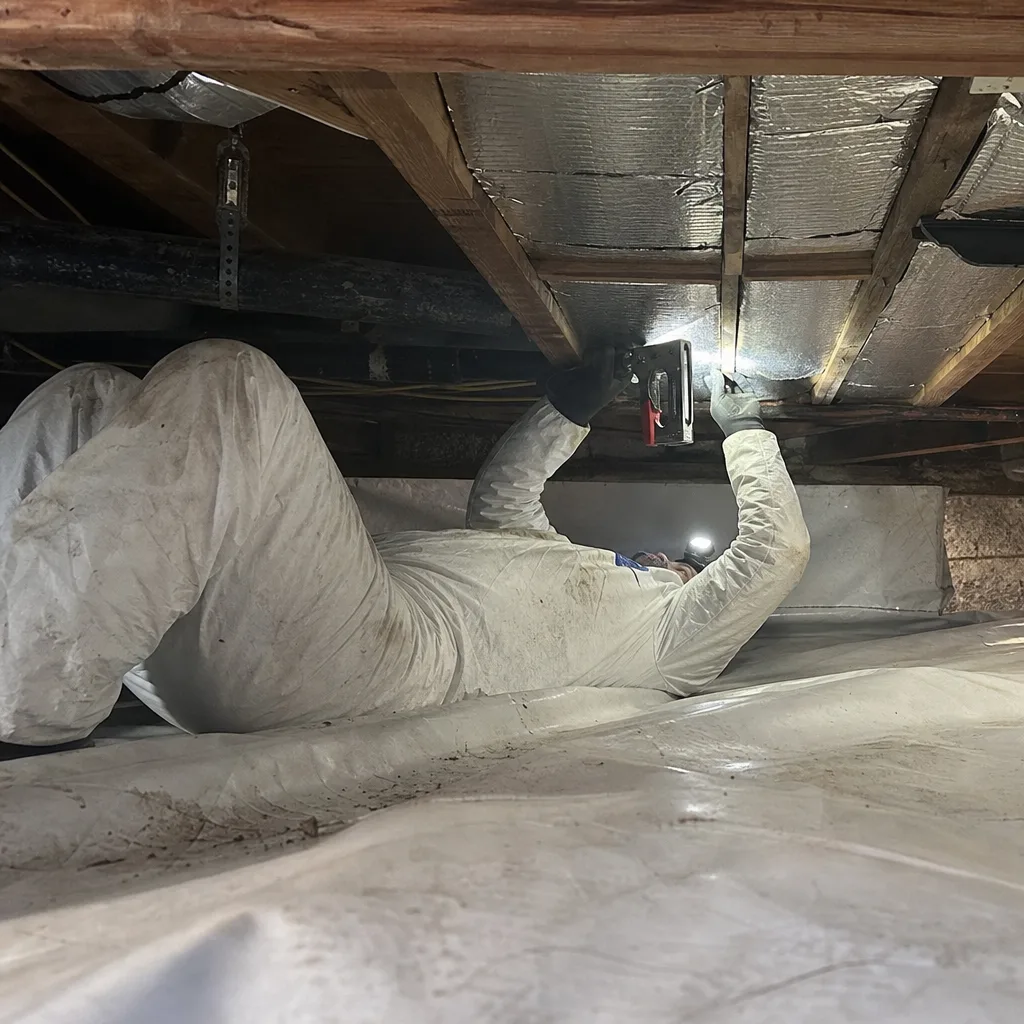
- Musty odor returning in the living space above. When the Demilec vapor barrier tears at seams or pier wraps, ground moisture evaporates directly into the crawl space air. That moisture migrates upward through floor penetrations - especially around plumbing stacks and electrical chases - and overwhelms the HVAC system’s ability to scrub it out.
- Dehumidifier running constantly without reaching setpoint. A properly sealed encapsulation should hold 50-55% relative humidity with a standard 70-pint dehumidifier cycling normally. If yours runs 18+ hours daily, the barrier has likely failed at the wall-to-floor transition or the access door seal.
- Condensation on ductwork or insulation batts. This shows the dew point in the crawl space has risen above the surface temperature of your ducts. In Campbell, we see this most often in homes west of Highway 17 where summer marine layer moisture gets trapped against cooler supply plenums.
- Visible sagging or pooling on the vapor barrier surface. DemiFlex 16-mil is rated for light foot traffic during service, but repeated HVAC technician visits without a proper crawl board will abrade the facing. Once the woven layer is exposed, groundwater wicks through and creates standing water beneath the poly.
- White chalky residue on the barrier surface or foundation walls. This is efflorescence - mineral salts left behind as moisture moves through concrete and evaporates. It means water is getting past the barrier or the barrier was never sealed to the wall properly at installation.
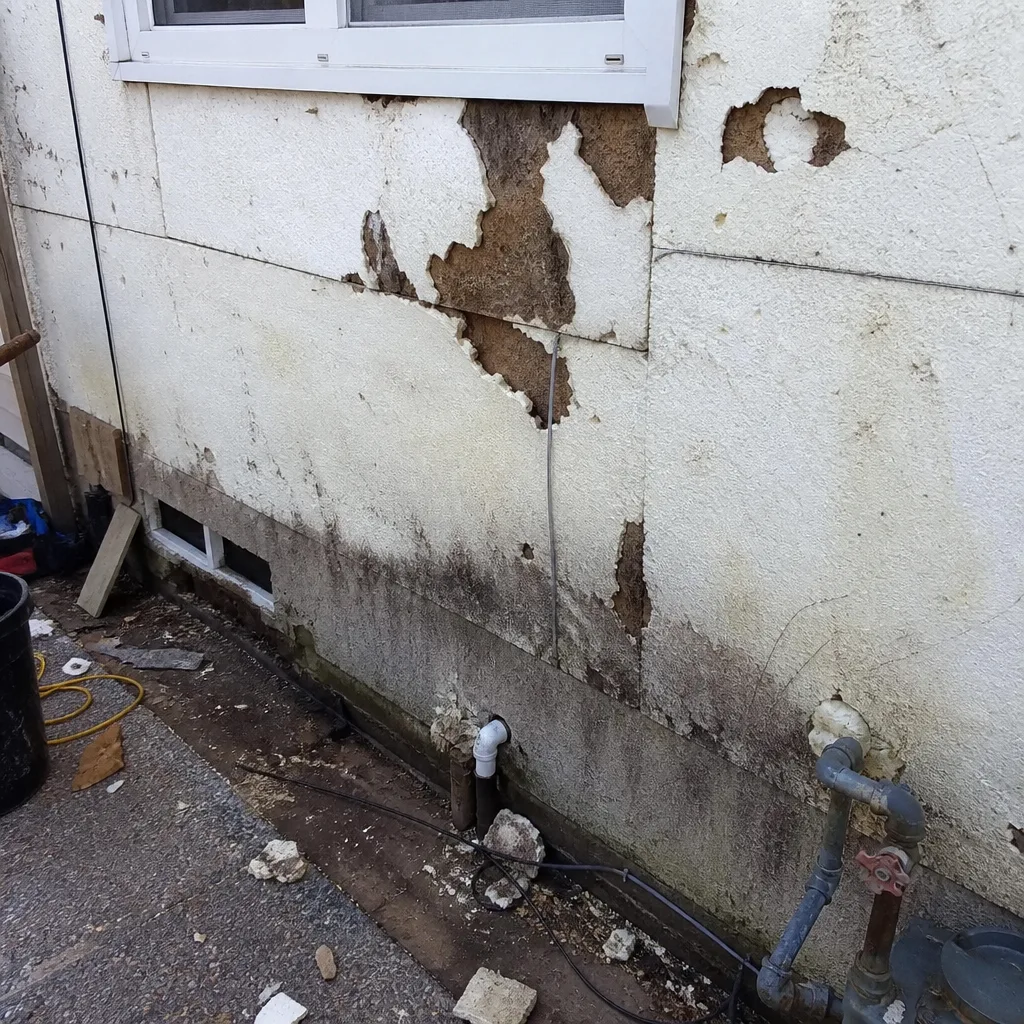 Before
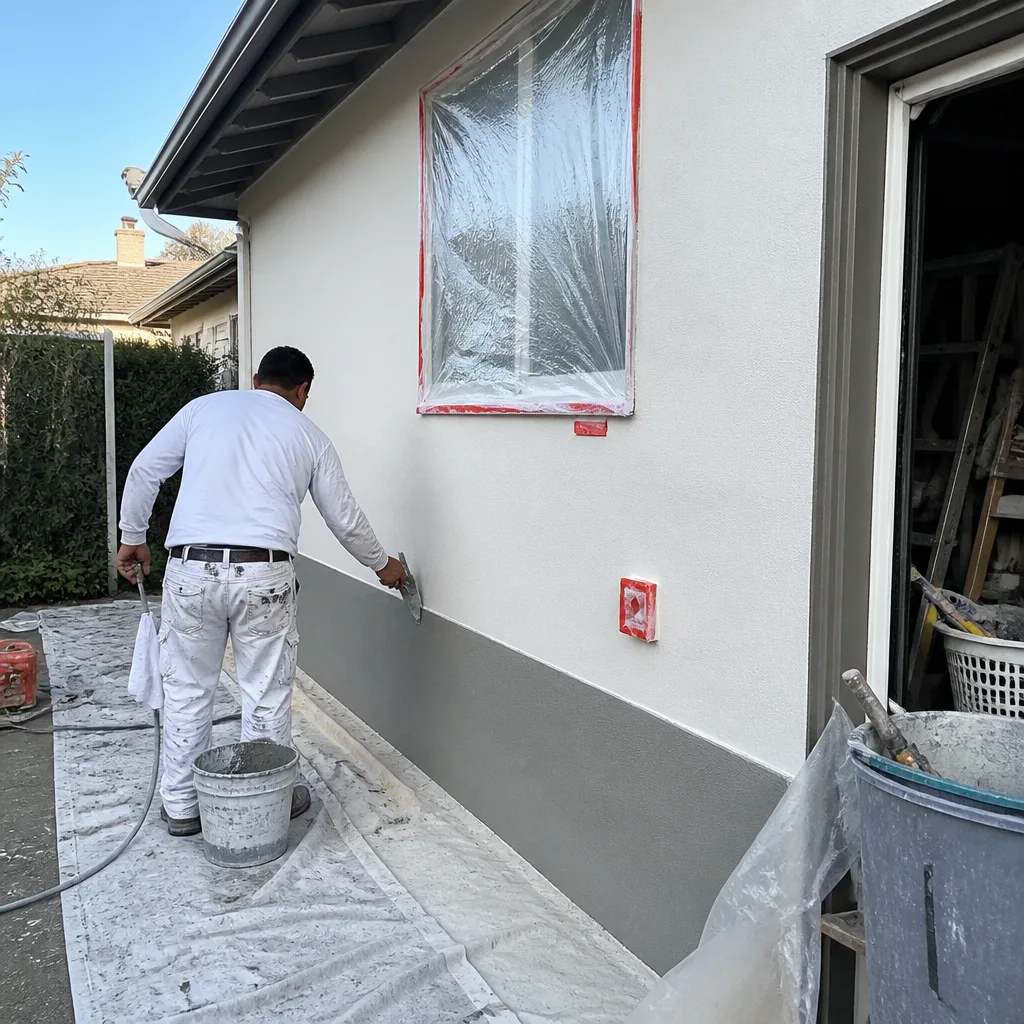 After
AfterReplacement Cost & What’s Included
Complete Demilec crawl space encapsulation replacement in Campbell typically runs $3,200 to $6,800 installed. The low end covers a 600-800 square foot crawl with straightforward access, new 16-mil woven poly, seam tape, mechanical fastening at the sill plate, and sealing around all piers and penetrations. The high end includes active dehumidification with a condensate pump, closed-cell spray foam at the rim joist (often Demilec Heatlok HFO or an equivalent), and remediation of existing mold-affected wood before encapsulation.
What drives the range: crawl height (less than 18 inches requires specialized equipment), number of piers to wrap, whether the existing barrier is glued or mechanically fastened (glue residue adds labor), and if the foundation walls need crack repair first. Every job gets a written price before any work starts - Haven Standard Clause 1 - and includes a Documented Photo Record of the completed encapsulation. We also run a blower-door test before and after when rim joist sealing is part of the scope, so you have a CFM50 number showing exactly how much air leakage we removed from the envelope.
Materials carry manufacturer warranties where applicable; our workmanship is covered by the 365-Day Done Right Promise.
DIY or Call Us?
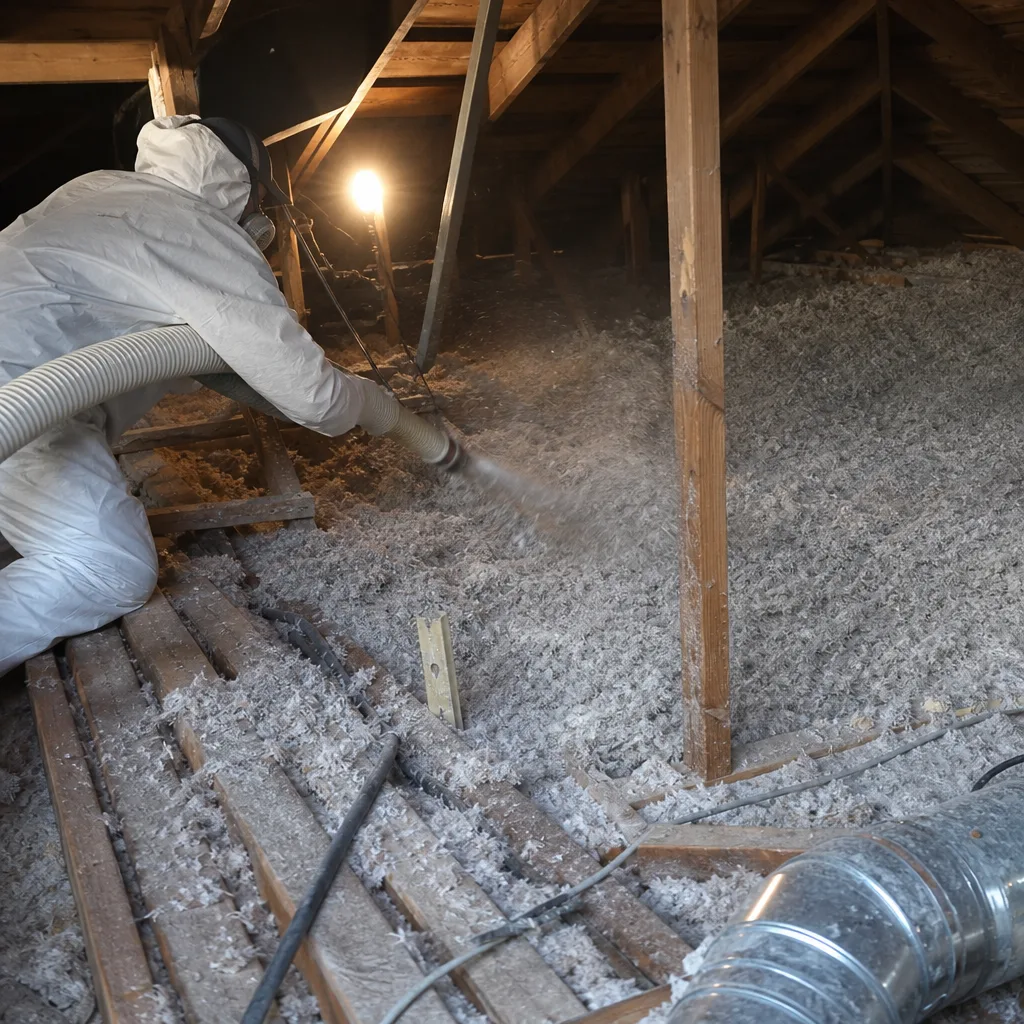
Here’s what a Campbell homeowner can safely check: verify your dehumidifier is set to 50% and draining properly, inspect the access door for visible gaps, and look for standing water or tears in the vapor barrier from the entry point without crawling the full perimeter. Do not enter the crawl space if you smell gas, see exposed wiring in standing water, or if the access is less than 16 inches high - confined space entry with limited ventilation is a genuine hazard.
Where DIY goes wrong: proper encapsulation requires a continuous barrier with sealed seams, and the tape that works for one poly formulation will fail on another. We’ve found homeowners in Campbell who used foil HVAC tape on DemiFlex facing - it delaminates in six months because the adhesive isn’t rated for the damp substrate. Pier wraps and wall terminations need mechanical fastening plus acoustic sealant, not just tape. And without a blower-door test, you cannot verify whether the rim joist leaks that originally drove moisture into the space have actually been sealed.
Seal the leaks first. The insulation has nowhere useful to go until you do. Call (831) 534-3206 for a free assessment and written price - we bring the crawl board, the right tape, and the pressurization test to prove the result.
FAQs
A properly installed 16-mil woven poly vapor barrier typically lasts 20 to 25 years in Campbell’s climate, though the 10-mil builder-grade version often needs replacement at 10 to 15 years. The difference is our seasonal moisture - winter rains saturate the clay soils, then summer dry periods cause soil shrinkage that stresses seams and pier wraps. Call (831) 534-3206 and we’ll inspect yours and give you a written condition assessment.
Small punctures or tears under 6 inches can be patched with compatible 16-mil tape if the surrounding material is still supple and the tear is not at a pier wrap or wall termination. If the barrier is chalking, brittle, or delaminating at multiple seams, patch repairs are a temporary fix that costs more in repeated service calls than full replacement. We stock patch materials on our trucks for same-day minor repairs when they’re appropriate.
Most complete replacements in a typical Campbell ranch - 1,000 to 1,200 square feet - take one to two days. Day one is removal of the failed barrier, foundation wall prep, and any rim joist sealing; day two is poly installation, seam taping, pier wraps, and dehumidifier commissioning if included. We schedule a blower-door test at completion when rim joist work is part of the scope, and you receive the printed before-and-after report before we leave.
We carry Demilec-compatible 16-mil woven poly, seam tapes rated for damp substrate application, mechanical fasteners, and closed-cell spray foam for rim joist work on our trucks. For jobs requiring specific Demilec OEM rolls or Heatlok HFO in custom colors, we can source within 48 hours through our supplier network. We also stock Reflectix materials for radiant barrier applications when those are part of the envelope solution.
Written by Wes Okafor, Owner & Lead Insulation Technician, Topside Attic Insulation Campbell at Topside Attic Insulation Campbell, serving Campbell and nearby areas.