
GreenFiber Blown-In Insulation in Campbell: What to Know First
We provide independent GreenFiber blown-in insulation service in Campbell, typically completing attic jobs in one day with same-day blower-door verification. Most residential blown-in cellulose jobs in Campbell run between $2,400 and $4,800 depending on attic square footage and existing conditions, and we put that price in writing before any work starts. This page is for homeowners who already have GreenFiber cellulose in their attic or walls and need top-up, replacement, or correction of a previous installation that didn’t perform as expected. Call (831) 534-3206 for a free estimate with a written price delivered before we schedule.
How GreenFiber Products Fail - and How We Fix Them
- GreenFiber All Borate loose-fill cellulose settling below labeled R-value in Campbell’s dry summers. The borate fire retardant is effective, but cellulose can settle 20% in the first two years if blown at insufficient density or over an unsealed attic floor with active air movement. We find this constantly in Campbell homes near the Pruneyard Plaza corridor, where original 1960s top plates leak conditioned air straight through the insulation. We remove or work around the settled material, seal every top plate and penetration with foam and caulk, then re-blow to the correct density - 1.5 pounds per cubic foot for open attics, 3.5 PCF for dense-pack walls.
- GreenFiber Sanctuary blown-in system underperforming in cathedral ceilings due to missed vent baffles. Sanctuary is marketed as a friction-fit product, but in Campbell’s older ranch-style homes with retrofit cathedral ceilings, installers often skip vent chutes and blow directly against roof sheathing. Moisture builds up, the cellulose compresses, and R-value drops by a third. We pull back the material, install proper rafter vents to maintain the 1-inch air gap required by California Title 24, then re-blow with density verification using a cavity-fill gauge.
- GreenFiber stabilized cellulose washing out around recessed can lights in attic applications. The acrylic binder in stabilized products resists wind, but it doesn’t stop air leakage. When IC-rated can lights have their thermal protection compromised or non-IC fixtures are buried, the heat differential creates convection loops that carry cellulose away from the fixture. We see this in Campbell’s 1970s split-levels near Camden Avenue. Our fix: replace or properly box every can light with a fire-rated cover, seal the box to drywall with acoustical sealant, then re-establish the insulation contact.
- GreenFiber wall-spray (damp-spray cellulose) cracking and pulling away from studs in retrofits. Damp-spray requires controlled moisture content - too wet and it molds, too dry and it won’t adhere. Campbell’s low winter humidity means dry times are unpredictable, and we’ve found batches that tested fine at installation but shrank 15% within six months. We don’t do damp-spray. For wall retrofits we use dense-pack dry cellulose at 3.5 PCF with a tube-fill method that packs every cavity without moisture risk, verified with infrared camera spot-checks.
- GreenFiber products contaminated by rodent activity in Campbell’s mature neighborhoods. The borate treatment deters insects but not rats or mice, and cellulose makes excellent nesting material. Homes near the Los Gatos Creek trail see this seasonally. We don’t blow new material over contaminated old - we remove and dispose per California waste codes, sanitize the substrate, install rodent-proofing at all entry points, then blow fresh cellulose. The photo record shows before, during, and after; you get the files, not a verbal summary.
Our GreenFiber Blown-In Insulation Process
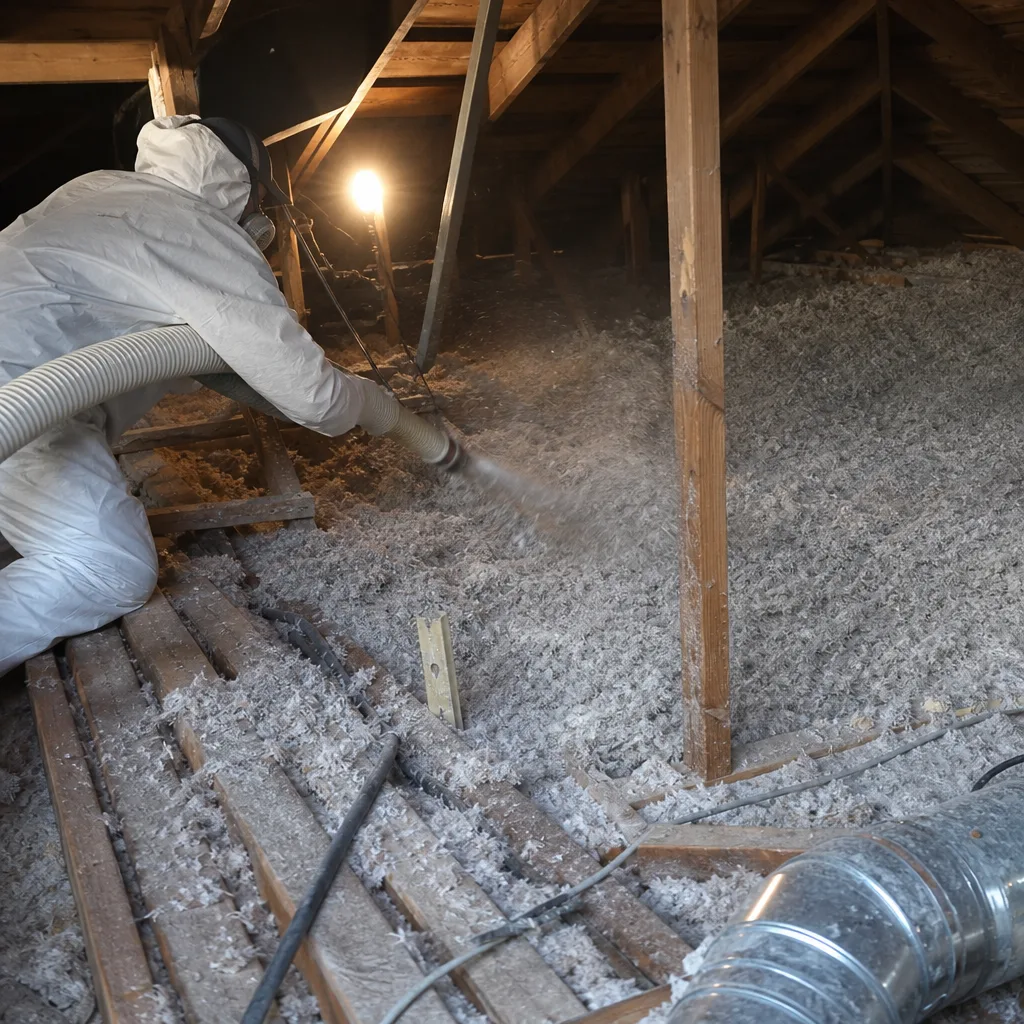
- 1
Call and scheduling. A live person answers, or you text us back. We ask square footage, insulation type if known, and what’s driving the call - high bills, hot rooms, prior contractor issues. We schedule a site visit with a written price to follow.
- 2
Attic inspection and blower-door test. We run a blower-door test - a pressurization measurement that shows, in one number, how much air your building envelope is losing. In Campbell, a typical 1,600-square-foot home from the 1970s reads 3,500-5,000 CFM50 before any work. We photograph every penetration, top plate gap, and compromised fixture.
- 3
Written scope and price. You get a flat price, written scope, and written warranty before anyone lifts a tool. Haven Standard Clause 1. No work starts without your signature on that document.
- 4
Air sealing first, then insulation. Seal the leaks first. The insulation has nowhere useful to go until you do. We foam and caulk all top plates, wire penetrations, chimney chases, and fixture boxes. Then we blow GreenFiber cellulose - or another brand if you prefer - to the density and depth specified for your target R-value.
- 5
Post-work blower-door test and documentation. We run the blower-door again and hand you a printed report with both numbers. Most Campbell jobs show a 30-50% reduction in CFM50. You also get the Documented Photo Record: every sealed penetration, every depth measurement, every test result.
- 6
Cleanup and 365-Day Done Right Promise. We vacuum, replace attic hatch insulation if needed, and leave the work area cleaner than we found it. The 365-Day Done Right Promise applies automatically - if it’s not done right, we make it right.
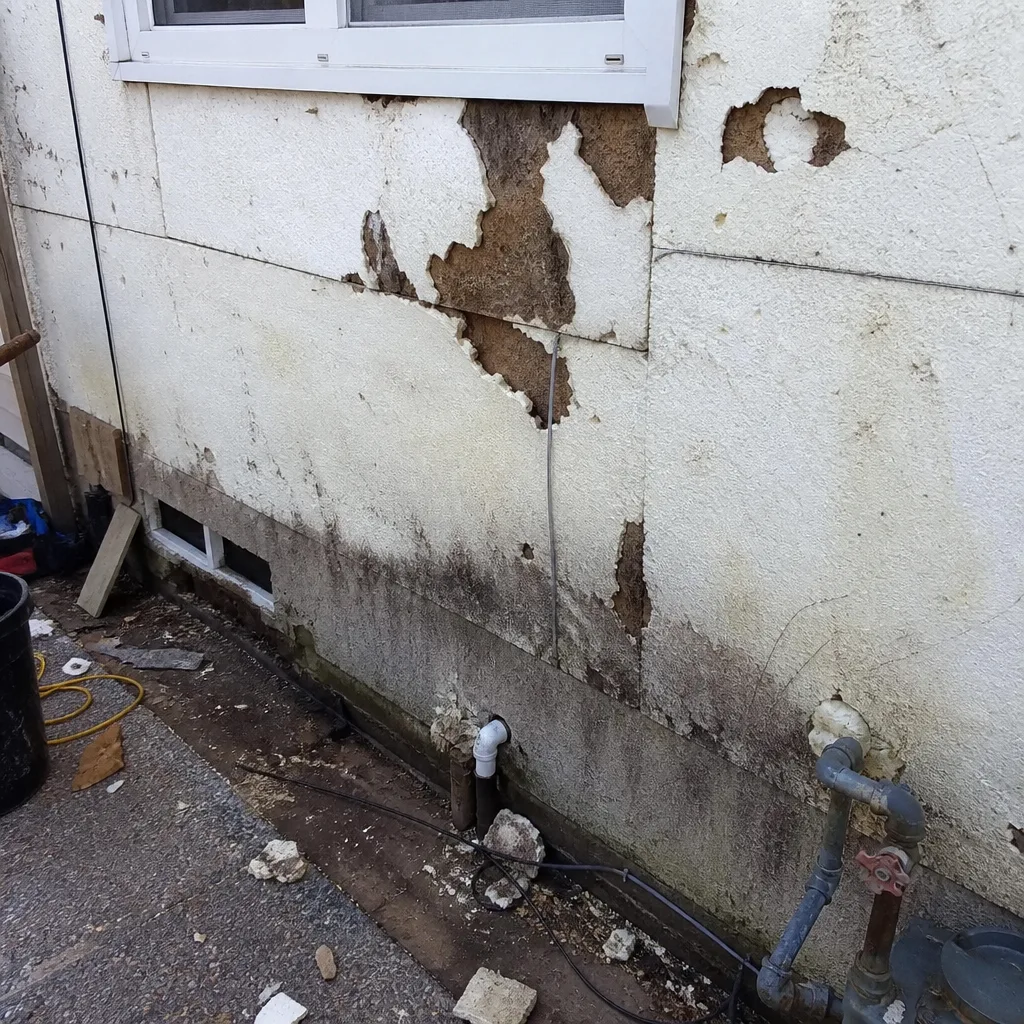 Before
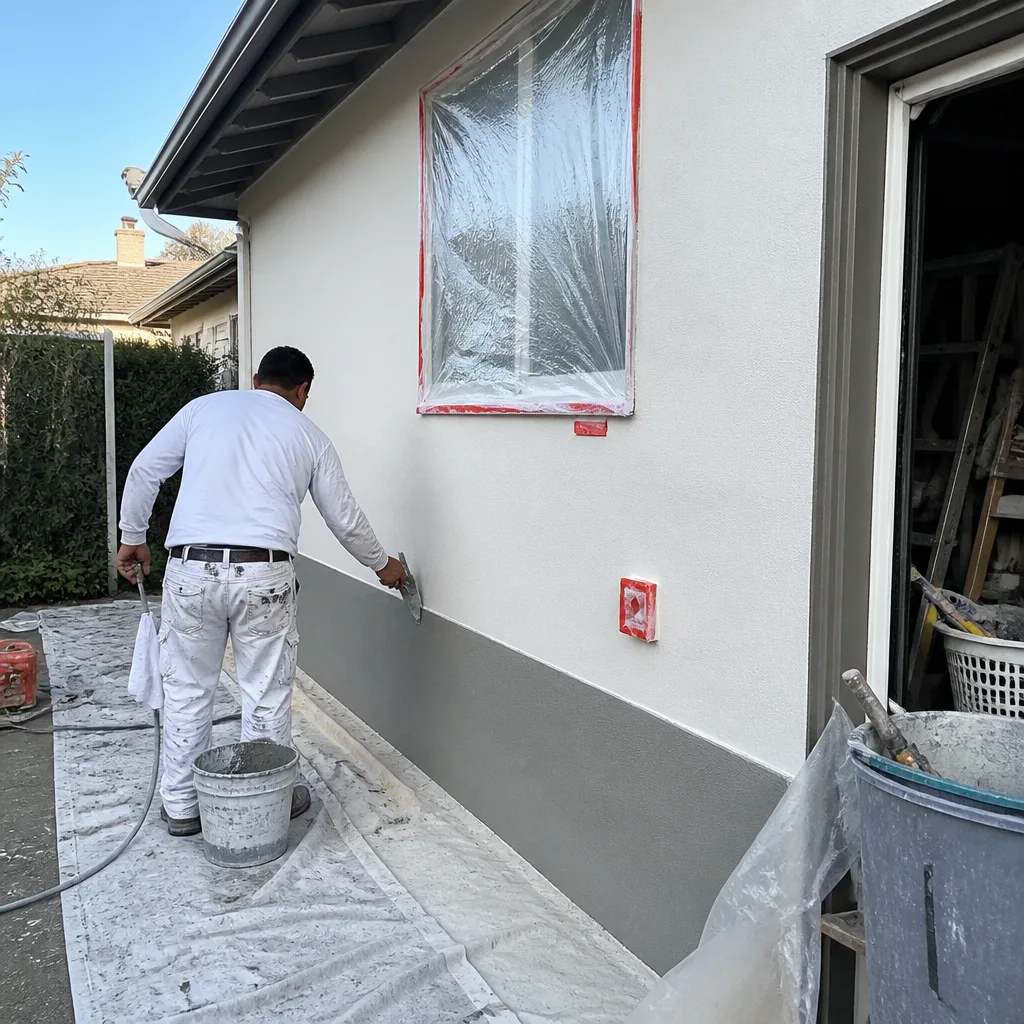 After
AfterWhat GreenFiber Blown-In Insulation Costs in Campbell
These are real ranges for Campbell homes we’ve worked in the past two years. Your written price may fall outside these bounds if conditions differ significantly.
| Job Type | Typical Range | What Moves the Price |
|---|---|---|
| Attic top-up (existing GreenFiber, adequate depth, no removal) | $1,800 - $2,800 | Attic square footage, access difficulty, whether air sealing is needed |
| Attic replacement (remove old, seal, re-blow GreenFiber) | $3,200 - $5,400 | Volume of removal, contamination level, extent of air sealing required |
| Dense-pack wall insulation (GreenFiber or equivalent) | $2,800 - $4,500 | Wall square footage, number of stories, interior vs. exterior access |
| Cathedral ceiling correction (Sanctuary or standard cellulose) | $3,500 - $6,200 | Need for vent baffle installation, sheathing condition, accessibility |
Factors that increase price: active rodent contamination requiring removal and sanitization; multiple layers of old insulation to extract; non-IC can lights needing replacement; extensive top plate gaps in multi-story homes. Factors that don’t: we don’t charge extra for the blower-door test, the photo record, or the written warranty - those are standard on every job. Call (831) 534-3206 for your exact written price. Estimates are free.
Why Campbell Homeowners Call Topside Attic Insulation Campbell for GreenFiber Work
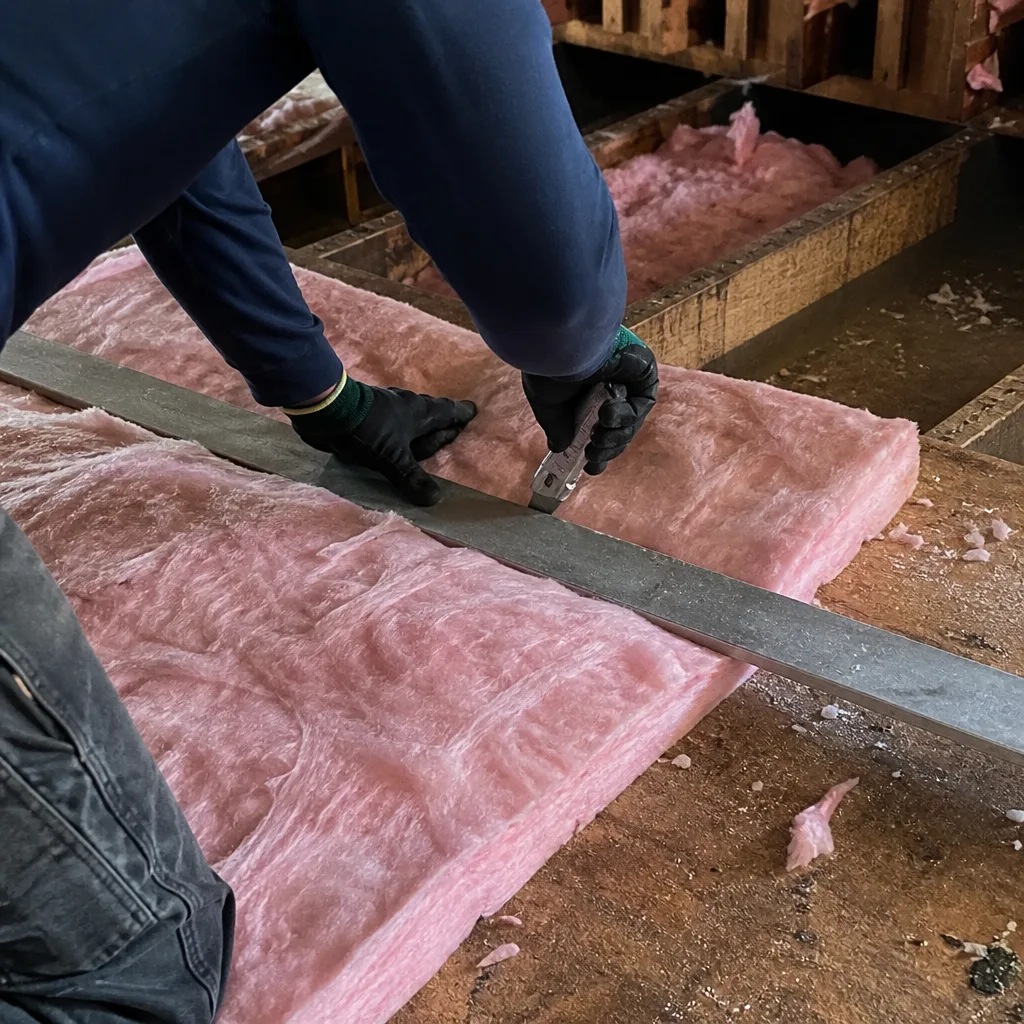
We’ve served Campbell long enough to know the specific air-sealing problems this city’s housing stock presents. Homes near the Pruneyard Plaza corridor taught us early that 1960s top plates leak in patterns you don’t see in newer construction. Wes Okafor and our crew have handled GreenFiber installations and corrections across the South Bay, and we carry multiple brands - including Reflectix radiant barrier products - so we’re never locked into pushing one material that doesn’t fit your situation.
Every job gets the same documentation: written price first, blower-door numbers before and after, photo record at completion. Our technicians are background-checked and uniformed. Calls are answered by a live person, 24/7. The 365-Day Done Right Promise is in writing, not a verbal assurance. We’ve sealed and insulated over 9,000 homes since 2016, and every one started with a written price and ended with a documented record.
FAQs
No. GreenFiber’s product warranty covers manufacturing defects in the material itself, not installation or subsequent service. As an independent GreenFiber service provider with no manufacturer affiliation, our work doesn’t affect that coverage. We document the existing product condition with photos before we begin, so there’s a clear record if any defect claim arises later. Call (831) 534-3206 if you have questions about your specific installation.
We can typically match GreenFiber All Borate or Sanctuary for top-ups if the existing material is uncontaminated and hasn’t settled below recoverable depth. We test a sample for density and moisture content during inspection. If it’s clean and structurally intact, we calculate the additional depth needed to reach your target R-value and blow to match. If it’s contaminated, water-damaged, or settled into an unsealed attic floor with significant air movement, we recommend removal and full replacement. We’ll show you the photos and the blower-door numbers so you can decide with actual data.
Most attic jobs are completed in one day, with the blower-door test and photo record delivered before we leave. We can typically schedule within 3-5 business days for non-emergency work. If you’re experiencing extreme temperature issues or have an energy audit deadline, let us know when you call and we’ll accommodate if possible. Same-week scheduling happens regularly. Call (831) 534-3206 for current availability.
Repair is cheaper when the existing material is clean, properly placed, and the only issue is insufficient depth or minor air leakage. Removal and replacement becomes the better value when we find settling due to unsealed air leaks, rodent contamination, or moisture damage - because blowing new material over a compromised base traps the problem and guarantees rework within a few years. We don’t quote repair when replacement is the honest recommendation. The written scope shows both options when they’re both viable, with the long-term cost difference explained.
We stock GreenFiber All Borate and Sanctuary in standard bag counts, and we source from the same regional distributors that supply most Campbell-area contractors. We don’t begin a job until materials are on-site and verified, so there’s no mid-project delay. If your job calls for a GreenFiber product we don’t typically stock, we confirm availability before you sign the written scope. We also carry Owens Corning, Johns Manville, Knauf, Rockwool, and other brands - if GreenFiber lead times extend beyond your needs, we’ll present alternatives with equivalent specifications.
Written by Wes Okafor, Owner & Lead Insulation Technician, Topside Attic Insulation Campbell at Topside Attic Insulation Campbell, serving Campbell and nearby areas.