
GreenFiber Wall Insulation in Campbell: What to Know First
GreenFiber wall insulation in Campbell typically runs $2,800-$5,400 for a standard single-story home, with most jobs completed in one day and a written price delivered before any work starts. As an independent GreenFiber service provider, we source GreenFiber low-dust cellulose and stabilized cellulose products for drill-and-fill retrofits and new wall assemblies, and we air-seal every cavity before the material goes in. If your Campbell home was built between 1960 and 1990 - common in neighborhoods near the Pruneyard Plaza corridor or along Bascom Avenue - you’re likely dealing with empty stud bays or degraded batt insulation that GreenFiber cellulose is designed to replace. Call (831) 534-3206 for a free estimate with a written price.
How GreenFiber Products Fail - and How We Fix Them
- GreenFiber AllBor stabilized cellulose settling in tall wall cavities. The boric-acide fire retardant and adhesive binders can compress over 8-foot vertical runs, leaving a 6-12 inch gap at the top of stud bays in Campbell’s two-story Eichler-influenced splits. We dense-pack at 3.5 lbs per cubic foot minimum and verify fill with thermal imaging; if the cavity won’t hold density, we switch to a two-stage injection with air-sealing at mid-height.
- GreenFiber low-dust cellulose absorbing moisture from unsealed top plates. In Campbell’s winter fog season, Pacific moisture pushes through gaps where drywall meets the top plate, clumping cellulose and dropping its effective R-value from R-13 to below R-8. We seal every top plate with acoustical sealant before blowing, then run a blower-door test - a pressurization reading that shows, in one number, how much air the building envelope is losing - to confirm the fix.
- GreenFiber INS515 series failing to bond in balloon-framed walls. Older Campbell homes near Campbell Avenue sometimes lack fire blocking between stories, so standard blown-in cellulose falls through to the crawl space. We map balloon framing with a borescope first, then install fire-blocking baffles and use GreenFiber’s higher-density stabilized product or switch to damp-spray application where code allows.
- Recycled-content inconsistency in GreenFiber’s post-consumer paper mix. Batch-to-batch density variation means some bags achieve R-3.8 per inch while others manage only R-3.2. We calibrate our blower machine for every pallet and spot-check three cavities per wall section with a depth gauge; if the batch runs light, we adjust machine pressure or add a third pass.
- GreenFiber settling away from electrical boxes and plumbing stacks. Standard drill-and-fill leaves voids around obstacles that become thermal bypasses. We hand-stuff GreenFiber around every box and stack, then dense-pack the surrounding cavity so the insulation bridges rather than bridges around the penetration.
Our GreenFiber Wall Insulation Process
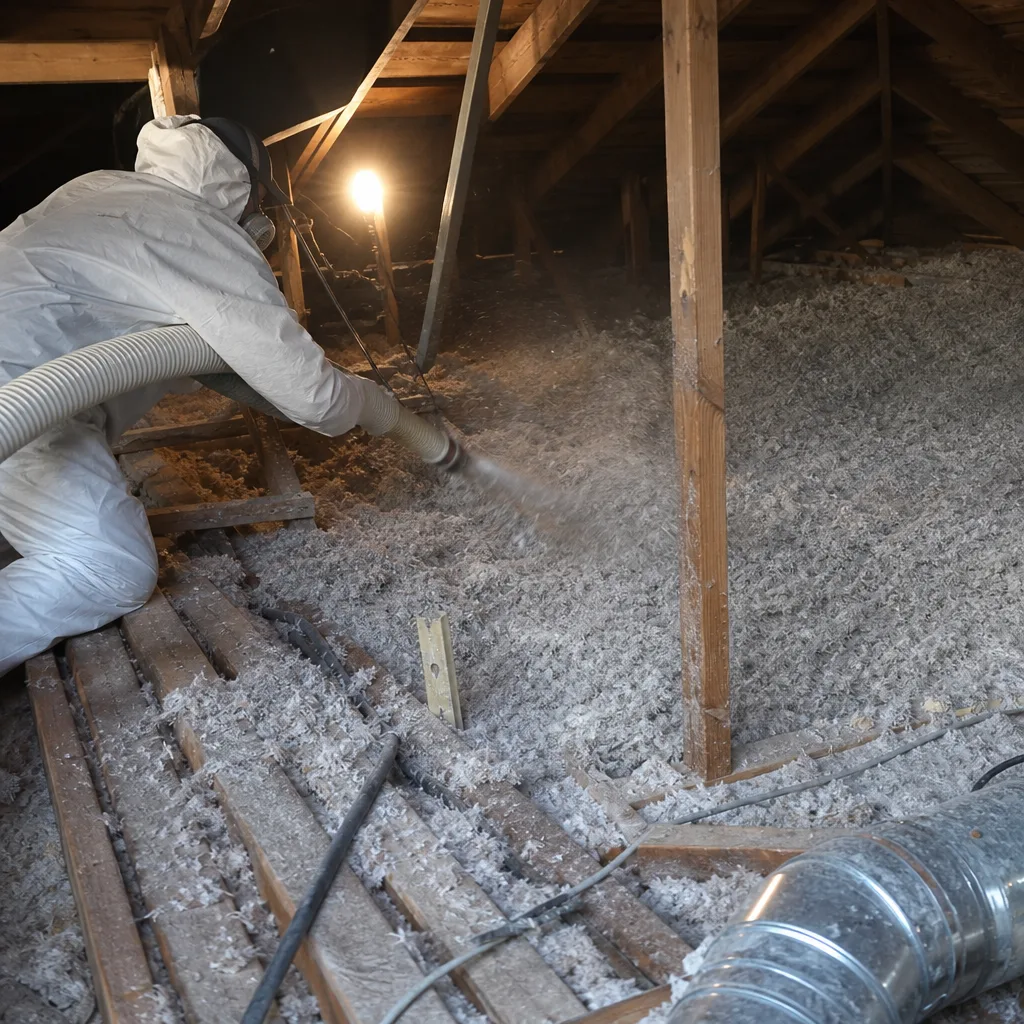
- 1
Call and scope. A live person answers 24/7. We schedule a site visit, and Wes Okafor or a lead tech walks the Campbell property to identify wall type, existing insulation condition, and access points.
- 2
Blower-door baseline. We run a pressurization test before touching anything. The CFM50 number goes on your written scope.
- 3
Air sealing first. Top plates, bottom plates, electrical penetrations, and window rough openings get sealed. Seal the leaks first. The insulation has nowhere useful to go until you do.
- 4
Material selection and written price. We specify GreenFiber grade, density target, and whether OEM or quality-equivalent cellulose fits your job. You get a flat price in writing before work starts - Haven Standard Clause 1.
- 5
Installation and real-time verification. We drill, fill, and check with thermal imaging and depth gauges. On applicable jobs, we run a second blower-door test and hand you a printed report with both numbers.
- 6
Cleanup and documented record. Holes are plugged with matching plugs or texture. You receive a Documented Photo Record, the blower-door report, and your 365-Day Done Right Promise in writing.
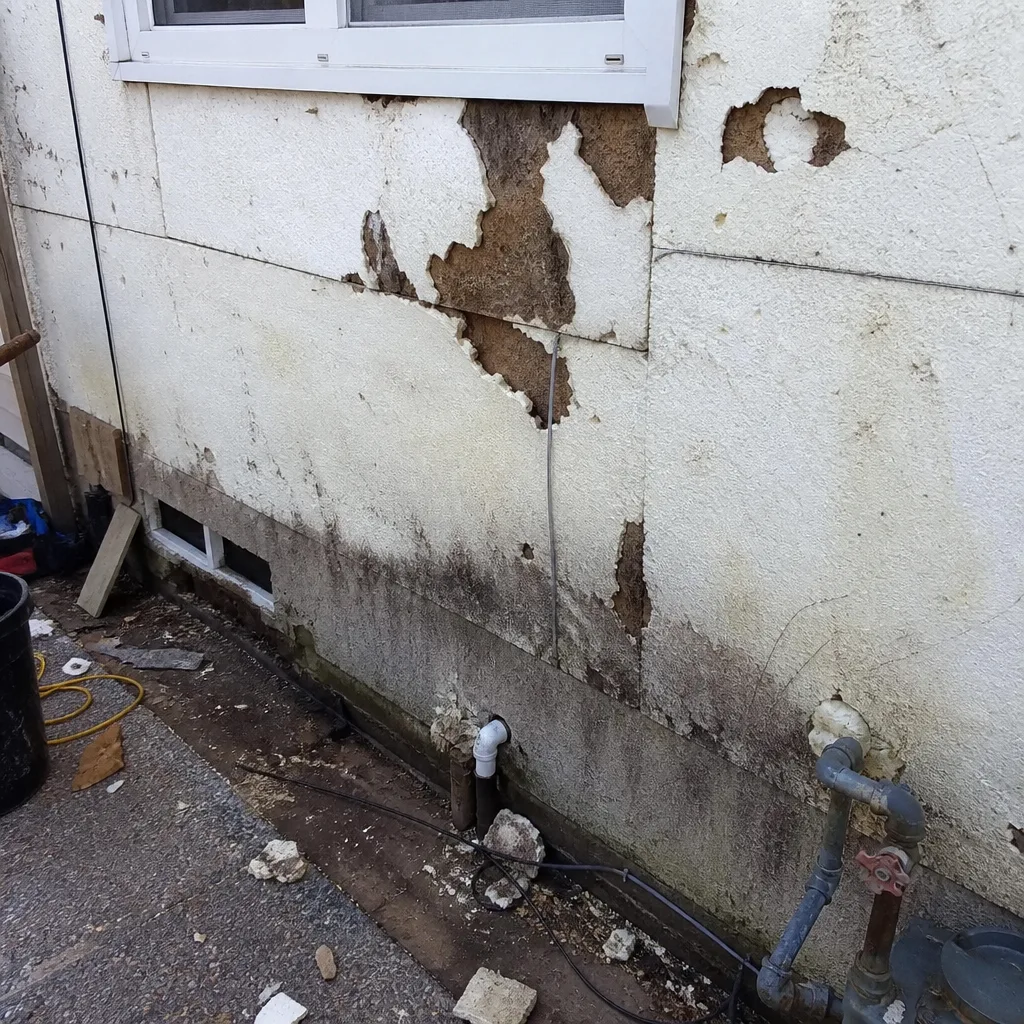 Before
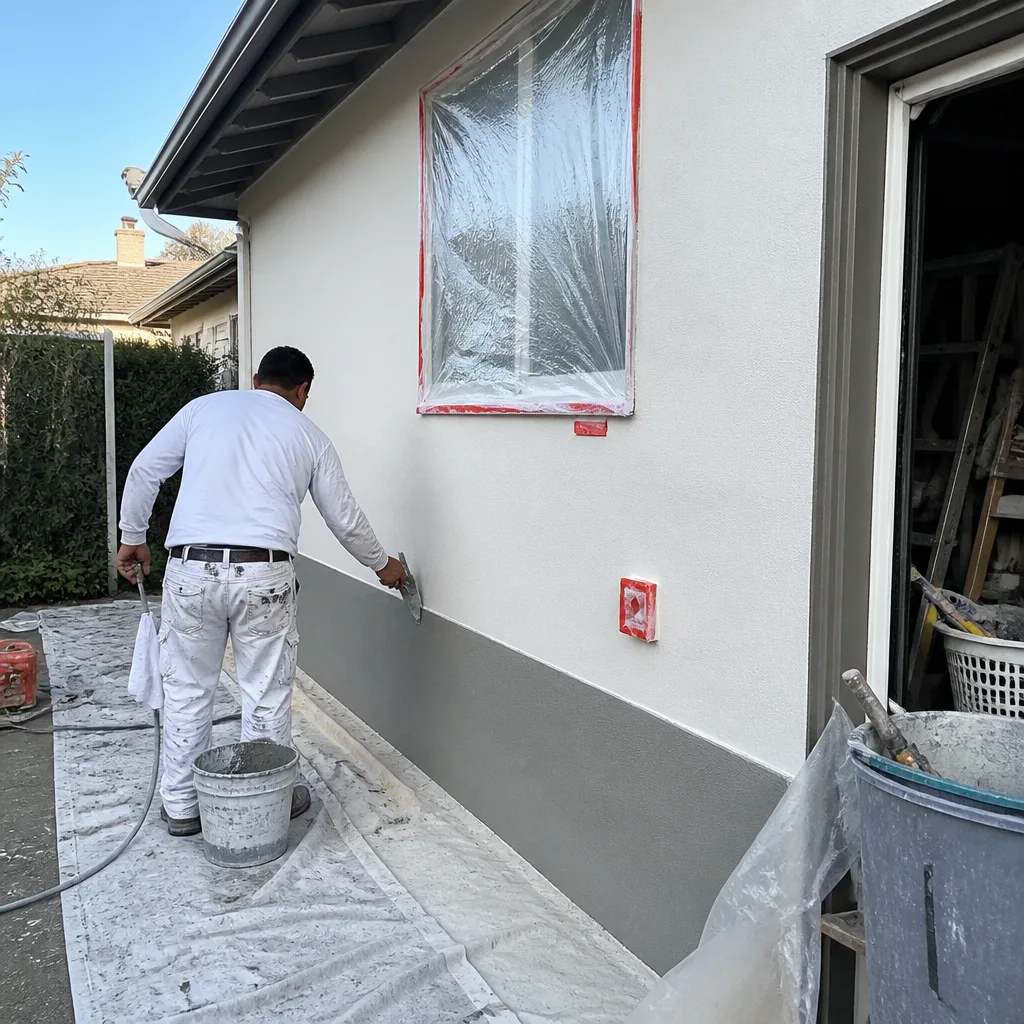 After
AfterWhat GreenFiber Wall Insulation Costs in Campbell
| Job Type | Typical Range | What Moves the Price |
|---|---|---|
| Drill-and-fill, single-story, 1,200 sq ft | $2,800-$3,800 | Stucco vs. siding access, number of interior walls |
| Drill-and-fill, two-story, 2,000 sq ft | $4,200-$5,400 | Balloon framing, fire-blocking requirements |
| Interior wall soundproofing, GreenFiber + resilient channel | $3,500-$5,800 | Existing drywall removal, STC rating target |
| Exterior wall with removal of degraded batt | $3,200-$4,600 | Disposal volume, moisture damage repair |
Campbell’s older homes near Winchester Boulevard often need more air-sealing labor than newer construction near the San Tomas Aquino Creek trail. We price that in upfront, not as a surprise add-on. Call (831) 534-3206 for a free estimate - your written price comes before any work starts.
Why Campbell Homeowners Call Topside Attic Insulation Campbell for GreenFiber Work
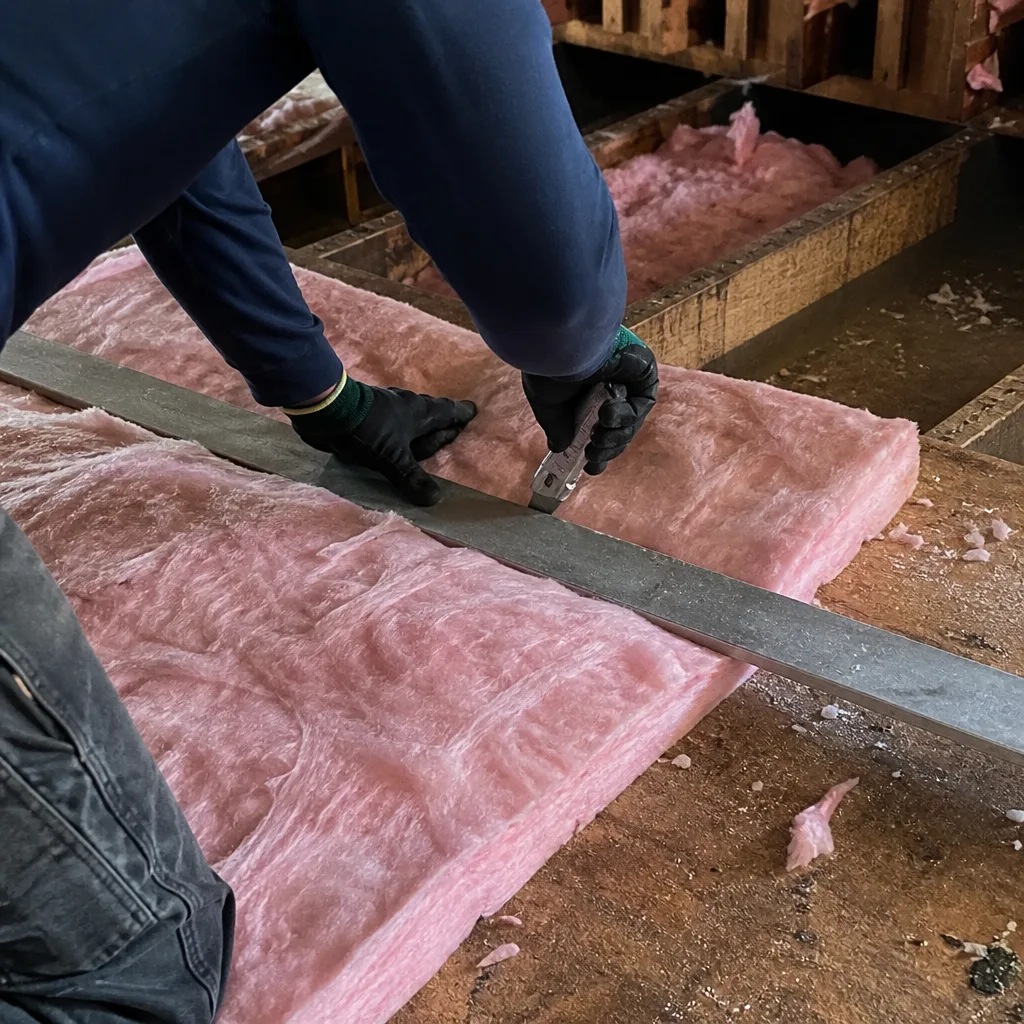
We’ve served Campbell long enough to know that homes near the Pruneyard Plaza corridor carry a specific set of air-sealing problems - top plates that were never sealed, original can lights that act like chimneys, and stucco exteriors that make drill-and-fill access a planning problem, not a quick decision. Wes Okafor and our crew have handled GreenFiber installations across these conditions. Our 365-Day Done Right Promise covers all completed work, and if GreenFiber isn’t the right material for your assembly, we also source from Owens Corning, Johns Manville, Knauf, Rockwool, and Reflectix - no proprietary lock-in. Every job gets a written price first and a Documented Photo Record at the end. Calls are answered by a live person, 24/7.
FAQs
No - GreenFiber’s product warranty covers manufacturing defects regardless of who installs it, provided the material is installed to manufacturer’s density and coverage specifications. We follow those specs exactly and document density with depth gauges. If you have a material defect claim, we help you file it with the manufacturer. Call (831) 534-3206 if you want us to review your existing warranty language before we start.
Most drill-and-fill jobs finish in one working day; two-story homes or jobs requiring degraded insulation removal typically take two days. We don’t schedule more than we can finish. Call (831) 534-3206 - we’ll give you a specific date and a named technician.
Replace it if the existing batt is compressed, moisture-damaged, or missing in more than 15% of cavities - patching around bad spots costs nearly as much and leaves thermal bridges. We assess with a borescope and thermal imaging, then show you the images so you can decide. Estimates are free.
GreenFiber has consolidated its residential line into low-dust and stabilized cellulose products; older INS-series material is no longer produced. We match the thermal performance with current GreenFiber products or, if your assembly requires it, a compatible alternative from Johns Manville or Knauf. We never lock you into a single brand.
A written scope with material specification, density target, air-sealing detail, flat price, and expected blower-door improvement range. No work starts without it. Call (831) 534-3206 to schedule.
Written by Wes Okafor, Owner & Lead Insulation Technician, Topside Attic Insulation Campbell at Topside Attic Insulation Campbell, serving Campbell and nearby areas.