
Attic Baffles & Ventilation Prep in Campbell, CA
Attic baffles – also called rafter vents or insulation dams – are the channels installed between roof rafters that keep soffit vents open and airflow moving through your attic, even after insulation is blown in on top of them. Without them, blown-in insulation settles against the soffit and blocks the fresh air that prevents moisture buildup, heat stratification, and premature roof deck decay. If you’re scheduling Attic Insulation in Campbell, baffle installation and ventilation prep are steps that need to happen first – not as an afterthought.
At Topside, our Attic Insulation services in Campbell always begin with ventilation prep as a hard prerequisite. We won’t blow insulation over an attic that hasn’t been assessed, air-sealed, and properly channeled for airflow. That’s not a upsell – it’s just the sequence that produces a result you can measure. Call us at (831) 534-3206 to schedule a free estimate, and we’ll walk you through exactly what your attic needs before any material goes in.
Campbell’s climate creates specific attic conditions worth understanding before you install anything. The city sits in a valley between the Santa Cruz Mountains and the Diablo Range, which means it experiences hot, dry summers where attic temperatures routinely hit 140-160°F and cool, damp winters where overnight condensation is common. Homes in older Campbell neighborhoods – Orchard City, the Ainsley area, streets closer to downtown – often have original 1960s and 1970s construction with undersized or completely blocked soffits. Those attics need ventilation work before any new Attic Batt Insulation does anything useful.
When You Need Attic Baffles & Ventilation Prep
Not every attic needs new baffles, but in Campbell, the conditions that call for them show up more often than homeowners expect. Here’s what to watch for:
- Existing insulation is pushed up against the soffit framing. When blown-in or batt insulation has migrated toward the eaves and is sitting directly against the soffit board, soffit airflow is effectively zero. This is the most common baffle problem we find on Campbell homes built before 1990, and it’s usually invisible from the living space below.
- Uneven indoor temperatures room to room. If the rooms closest to the roofline run noticeably warmer in summer or cooler in winter, blocked attic ventilation is a likely contributor. Radiant heat builds up in a poorly vented attic and conducts down through your ceiling at a rate that no amount of insulation fully compensates for.
- Visible moisture staining or dark streaking on roof sheathing. Moisture trapped by blocked airflow condenses on the underside of the roof deck, shows up as dark staining along the rafters, and accelerates wood decay. We see this in Campbell homes that have had multiple re-roofing jobs without anyone addressing the attic ventilation beneath.
- Ice dams – or their California equivalent, repeated edge-vent condensation. True ice dams are rare in Campbell, but the same thermal dynamic that causes them in colder climates produces condensation rings around soffit vents here on cold, clear winter nights. Baffles keep that moisture-laden air moving rather than stagnating.
- You’re adding insulation to an attic that currently has less than R-30. California’s Title 24 energy code and most utility rebate programs require adequate ventilation before additional insulation is installed. If you’re upgrading from bare joists or thin blown-in material, ventilation prep is part of a compliant installation in Campbell.
- The attic has can lights, HVAC penetrations, or recessed fixtures that have never been air-sealed. These openings allow conditioned air to escape into the attic space – a separate issue from baffles, but one we address in the same prep phase. Sealing those penetrations before baffles go in means one crew visit, not two.
Our Attic Baffles & Ventilation Prep Process
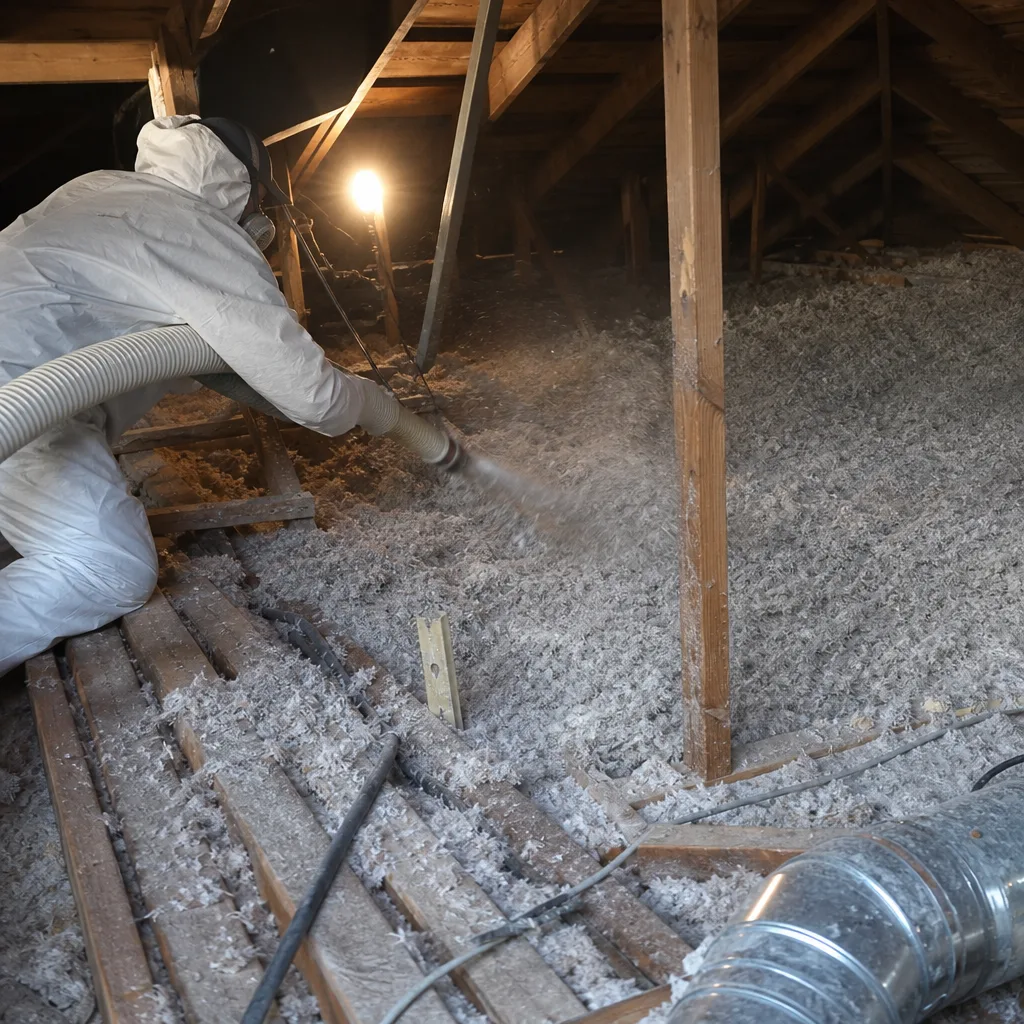
We follow a documented sequence on every Campbell job. Nothing gets installed until what’s already there has been assessed and recorded. Here’s how a typical ventilation prep visit runs:
- Attic assessment and blower-door baseline. Before we touch anything, we run a blower-door test – a pressurization measurement that produces a single number (CFM50, or cubic feet per minute at 50 pascals of pressure differential) showing how much conditioned air your building envelope is losing. We photograph the attic floor, the eaves, the existing insulation depth, and every penetration we find. That documentation is yours, regardless of whether you move forward with us.
- Air sealing of top plates, can lights, and penetrations. Baffles manage airflow at the soffit. Air sealing manages conditioned-air loss at every gap in the attic floor. We use two-component spray foam or fire-rated caulk depending on the penetration type – top plates get foam, electrical boxes get intumescent caulk, HVAC boots get mechanical closure plus sealant. This step is done first, every time, because blowing insulation over unsealed gaps is one of the most reliable ways to spend money on insulation and see almost no change in energy performance.
- Soffit inspection and clearing. We check every rafter bay along the eaves for existing soffit blocking – either from compressed insulation or from original construction without any ventilation channel. In many Campbell homes built in the 1960s and early 1970s, soffit vents were added later without corresponding baffles, so the channel between the soffit opening and the attic floor was never actually clear. We clear those pathways before baffles go in.
- Baffle installation, rafter bay by rafter bay. We install baffles – typically EPS foam or cardboard-form rafter vents, depending on rafter depth and attic geometry – secured to the roof sheathing with staples and sealed at the edges with foam to prevent bypass air from moving around rather than through the channel. The baffle creates a clear 1-inch minimum airway from soffit to ridge, which is the path hot air needs to exit the attic.
- Ridge and gable vent verification. A soffit-to-ridge ventilation system only functions if air has somewhere to exit at the top. We verify that ridge vents aren’t blocked by debris, that gable vents are unobstructed, and that the net free area – the actual open space, measured in square inches per square foot of attic floor – meets the minimum 1:150 ratio required by California’s building code for most attic configurations.
- Post-sealing blower-door reading and documented photo record. After air sealing is complete (and before insulation is installed), we run the blower-door again. We document both numbers – before and after – in the job record that leaves with you. A Campbell home we worked on in the Orchard City neighborhood in late 2024 came in at 3,800 CFM50 before sealing and 2,050 CFM50 after. That’s the kind of number that shows up on a utility bill, not just a report.
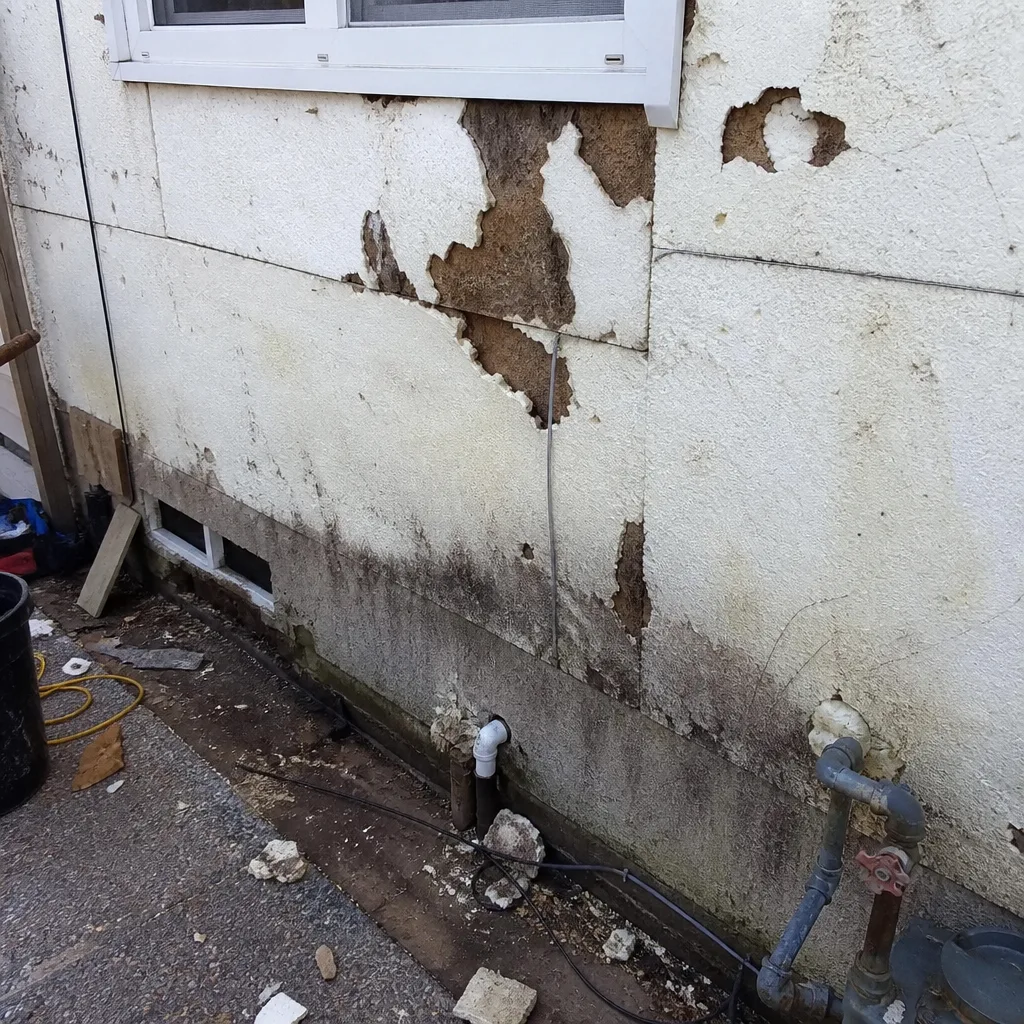 Before
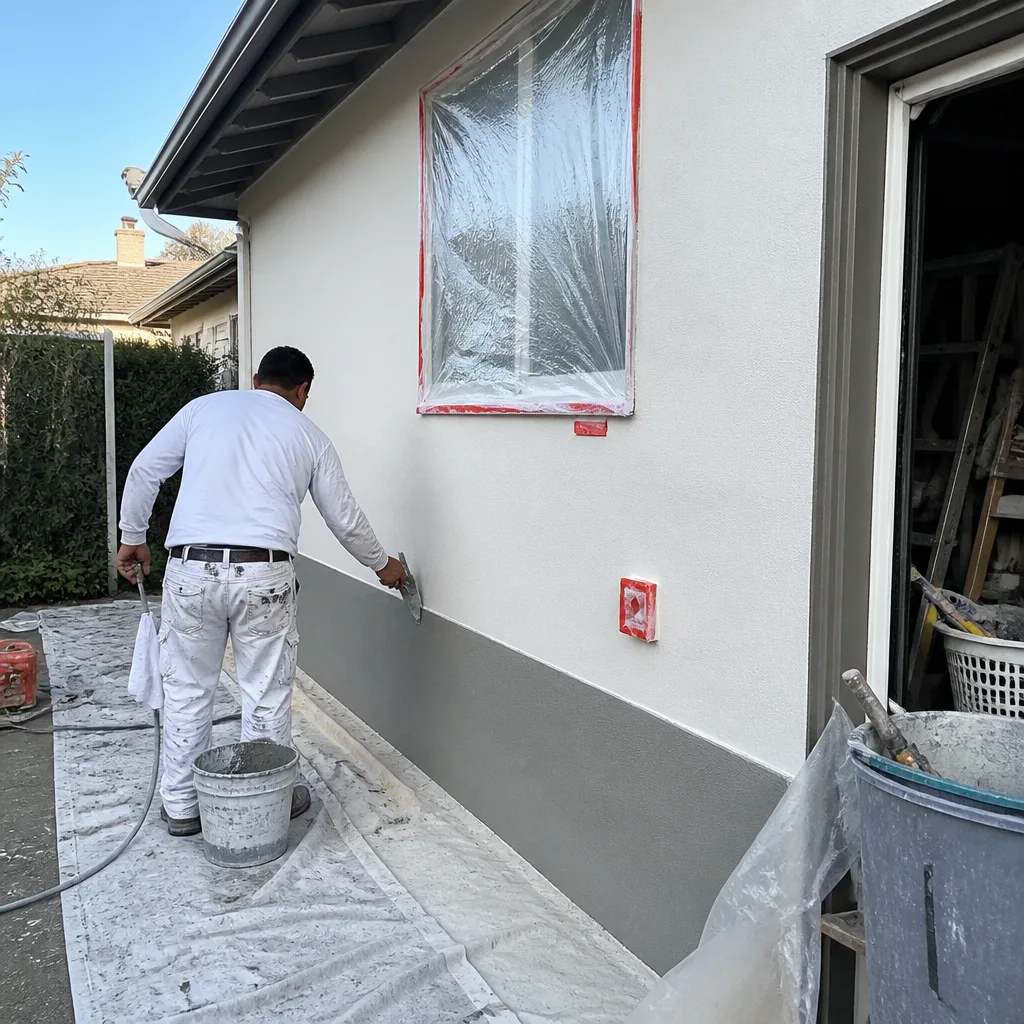 After
AfterAttic Baffles & Ventilation Prep Pricing in Campbell
Baffle installation and ventilation prep in Campbell typically runs between $400 and $1,200 as a standalone service, with most single-story homes in the 1,500-2,000 square foot range coming in around $500-$750. When ventilation prep is scheduled as part of a full attic insulation job, it usually costs less per rafter bay because the setup and access time is shared across both scopes of work. For details, see our guide on How Much Does Attic Insulation Cost? (2026 Price Guide) - Campbell, CA.
Here’s what drives cost within that range:
- Number of rafter bays requiring baffles: A house with 48 rafter bays along the eaves costs more to baffle than one with 28. We count them during the assessment and give you a per-bay breakdown in the written price.
- Attic access difficulty: Campbell homes with low-slope roofs, very shallow attic heights (under 24 inches at the eaves), or limited access hatches take longer to work in. If your attic requires a crew member to work prone along the eave line, that adds time.
- Extent of air sealing needed: A home with 12 unsealed can lights and multiple HVAC penetrations costs more to seal than an open-joist attic with two plumbing stacks. The written price line-items the sealing scope separately so you can see exactly what you’re paying for each component.
- Existing insulation removal: If old, compressed, or contaminated insulation is blocking the eave channels and needs to come out before baffles can be installed, that’s a separate line item. We’ll tell you in the assessment whether that’s necessary.
Under Haven Standard Clause 1, you receive a flat written price and written scope before any work starts. No estimates that grow after the crew arrives. Call (831) 534-3206 to schedule your free on-site assessment – we’ll measure the attic, run the baseline blower-door if applicable, and give you a written number before we leave.
If you’ve already received a written estimate from another contractor, bring it to your appointment. We offer a free second opinion on any written estimate – we’ll read it with you and tell you exactly what it does and doesn’t include.
FAQs – Attic Baffles & Ventilation Prep
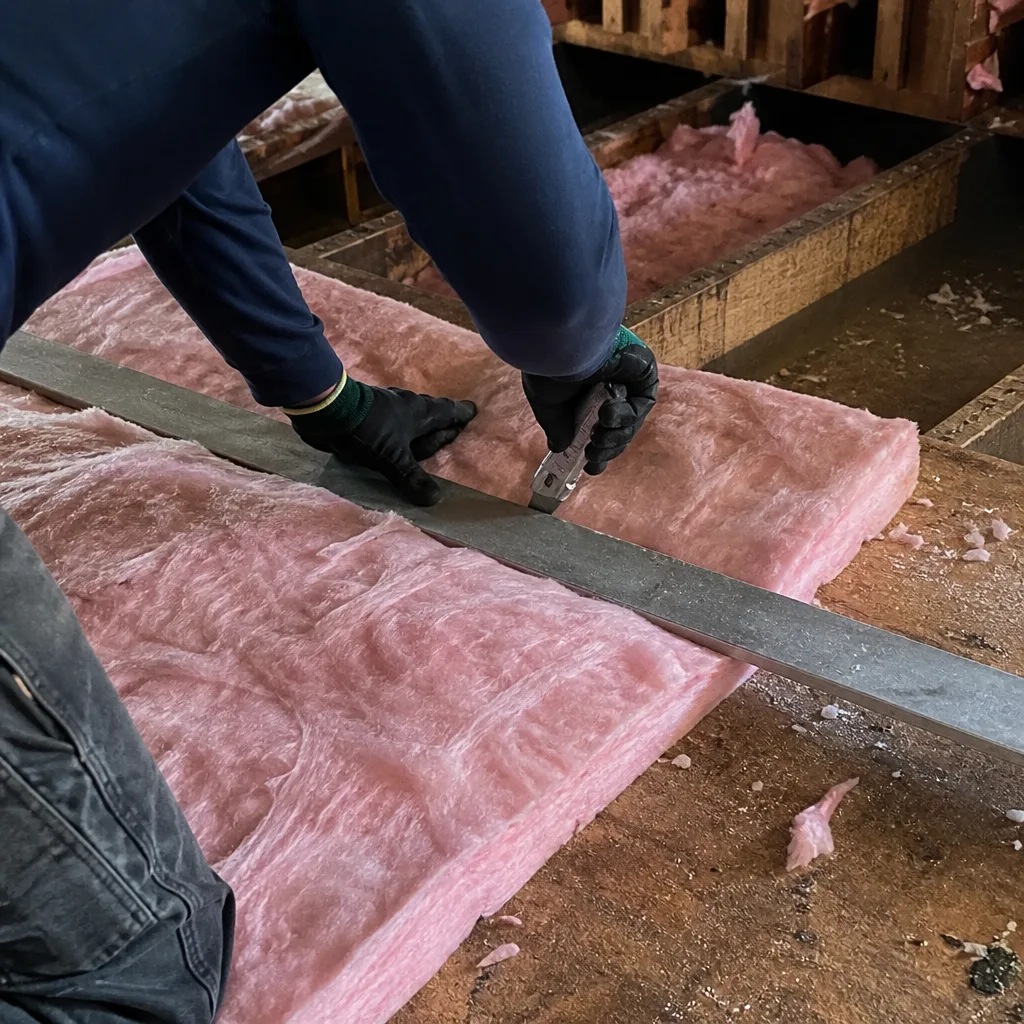
Do I need attic baffles if I already have insulation in my attic?
Yes, if that insulation has reached or blocked your soffit vents. Existing insulation – especially blown-in cellulose or fiberglass – settles toward the eaves over time and can completely close off soffit airflow even if baffles were originally present. During our attic assessment in Campbell homes, we check each rafter bay individually rather than assuming baffles are functional because they were installed at some point. If your home shows any of the symptoms listed above – uneven temperatures, moisture staining, high attic heat retention in summer – an inspection is worth scheduling before adding more insulation on top of a blocked system.
Can I install attic baffles myself?
The physical installation of foam rafter vents is not inherently dangerous, but the work that needs to happen around it often is. Air sealing with two-component spray foam near recessed light fixtures, sealing around electrical penetrations, and working in shallow attic spaces with poor lighting and footing are situations where mistakes cause real problems – both structural and electrical. We’d recommend leaving the air sealing step to a professional and, if you do want to install baffles yourself, at minimum having a contractor assess and document what you’re working with first. For the full scope – baffles, sealing, and insulation prep together – professional installation in Campbell typically produces measurable results that DIY approaches don’t, and the blower-door numbers document the difference.
How long does ventilation prep take for a typical Campbell home?
Most single-story Campbell homes in the 1,500-2,200 square foot range take between three and six hours for a combined air sealing, baffle installation, and ventilation verification visit. Two-story homes, homes with complex rooflines, or attics requiring significant clearing before baffles can be installed may run a full day. We’ll give you a time estimate alongside the written price so you know what to expect before the crew arrives. Under the Haven Standard, you’ll receive a text when your technician is on the way, with their name included.
Does ventilation prep make a difference in Campbell’s climate specifically?
It makes a measurable difference in both directions – summer and winter. In summer, Campbell’s valley heat pushes attic temperatures well above ambient outdoor temperatures, sometimes by 40 degrees or more. A properly vented attic expels that heat through natural convection rather than letting it conduct down through your ceiling. In winter, the region’s cool, damp nights produce condensation in poorly ventilated attics at a rate that surprises most homeowners. We’ve documented roof sheathing moisture levels above 19 percent – the threshold above which mold growth becomes likely – in Campbell attics where soffit vents were fully blocked by insulation. Baffles and proper ventilation prep reduce that risk in a way that insulation alone cannot. The before-and-after documentation we provide lets you see the attic temperature differential and moisture conditions on record, not just take our word for it.
Why Campbell Homeowners Choose Topside Attic Insulation Campbell
Wes Okafor built Topside Attic Insulation Campbell on a straightforward premise: the insulation stage is the easy part. The hard part is the prep work that makes insulation actually perform. Since 2016, we’ve completed ventilation prep and air sealing on more than 9,000 homes – every one of them with a written price before work started and a documented photo record when the crew left.
We use materials from manufacturers like Knauf and CertainTeed – no proprietary product lock-in, no markup games on brand selection. What we recommend is based on the attic geometry and insulation type, not on which supplier gives us the better margin.
The 365-Day Done Right Promise applies to every job, including baffle installation and ventilation prep. If something we installed isn’t performing as documented, we come back and make it right. That promise is written into your scope before anyone starts work, not offered verbally after the fact.
This page is part of our broader home service line, which covers the full building envelope from attic to crawl space. If you’re trying to understand where attic baffles fit within a larger insulation project, our Attic Insulation in Campbell page walks through the full scope and how each step connects to the next.
Ready to schedule your free assessment? Search Attic Insulation Near Me in Campbell, CA or call (831) 534-3206. A live person answers – no voicemail queue, no callback window measured in business days. We’ll schedule your visit, send you a named technician with a text when they’re on the way, and leave you with a written price and documented record of what we found.
Written by Wes Okafor, Owner at Topside Attic Insulation Campbell, serving Campbell.