
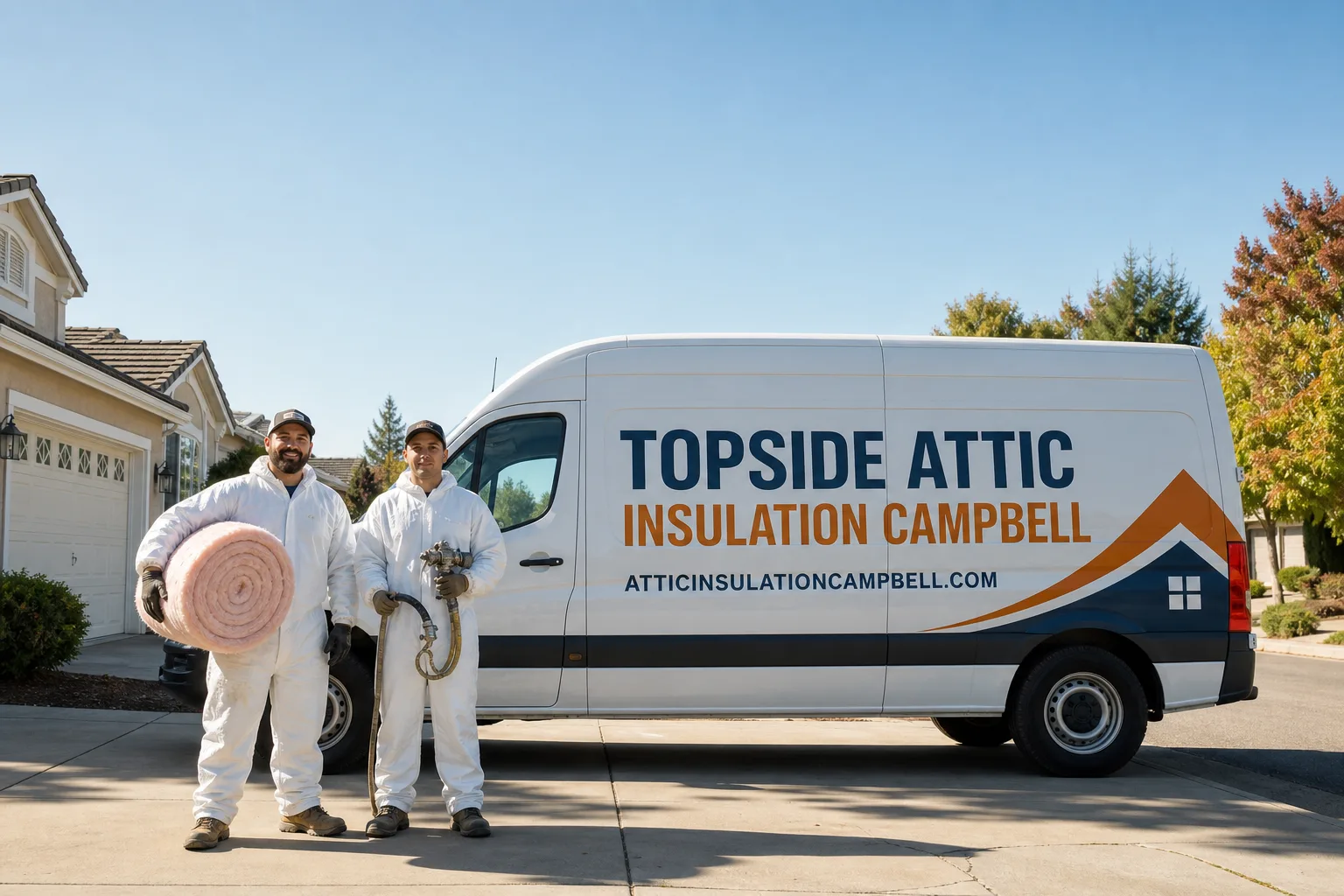
Fast, Reliable Attic Insulation Across Boulder Creek
Most attic insulation jobs in Boulder Creek run $2,800-$6,500 depending on whether we’re topping up existing material or doing a full removal and replacement in a post-CZU Fire rebuild. Our crews are on the road to Boulder Creek from our Los Angeles dispatch office, and we typically schedule within 48 hours for standard jobs and same-day for smoke-contaminated insulation that insurance has flagged for replacement. Call (831) 534-3206 for a written price before any work starts - that’s Haven Standard Clause 1, no exceptions.
We’ve worked on enough Boulder Creek homes to know the pattern: a 1950s tongue-and-groove cabin off Highway 9, a rebuilt post-fire home on Middleton Avenue needing Title 24 compliance, a stilted foundation over Bear Creek Road where the crawl space breathes fog half the year. Each one needs a different approach, and we document which one yours gets before anyone lifts a tool.
Why Topside Attic Insulation Campbell Is Boulder Creek’s Preferred Attic Insulation Company
Our Attic Insulation in Boulder Creek crew has completed removals and installs from the valley floor near downtown to the steeper lots above Bear Creek Road. Homeowners in the 95006 ZIP code leave reviews that mention the same thing: we show up with a written scope, take photos of what we find, and hand over blower-door numbers when the job involves air sealing. No callback roulette, no pricing surprises after the crew is already in the attic.
Calls from Boulder Creek get answered by a live person, 24/7. We don’t do voicemail loops or “someone will call you back Tuesday” scheduling. If your insurance carrier has mandated insulation replacement after the CZU Fire - increasingly common here even when framing passed inspection - we can usually get eyes on the job within a day and have a written price back to you before your adjuster needs the documentation.
Our 365-Day Done Right Promise applies to every Boulder Creek job. If the R-value doesn’t match the written scope, or if moisture shows up in the assembly we installed, we make it right. That promise is backed by a written warranty delivered before work starts, not after.
Our Attic Insulation Services in Boulder Creek
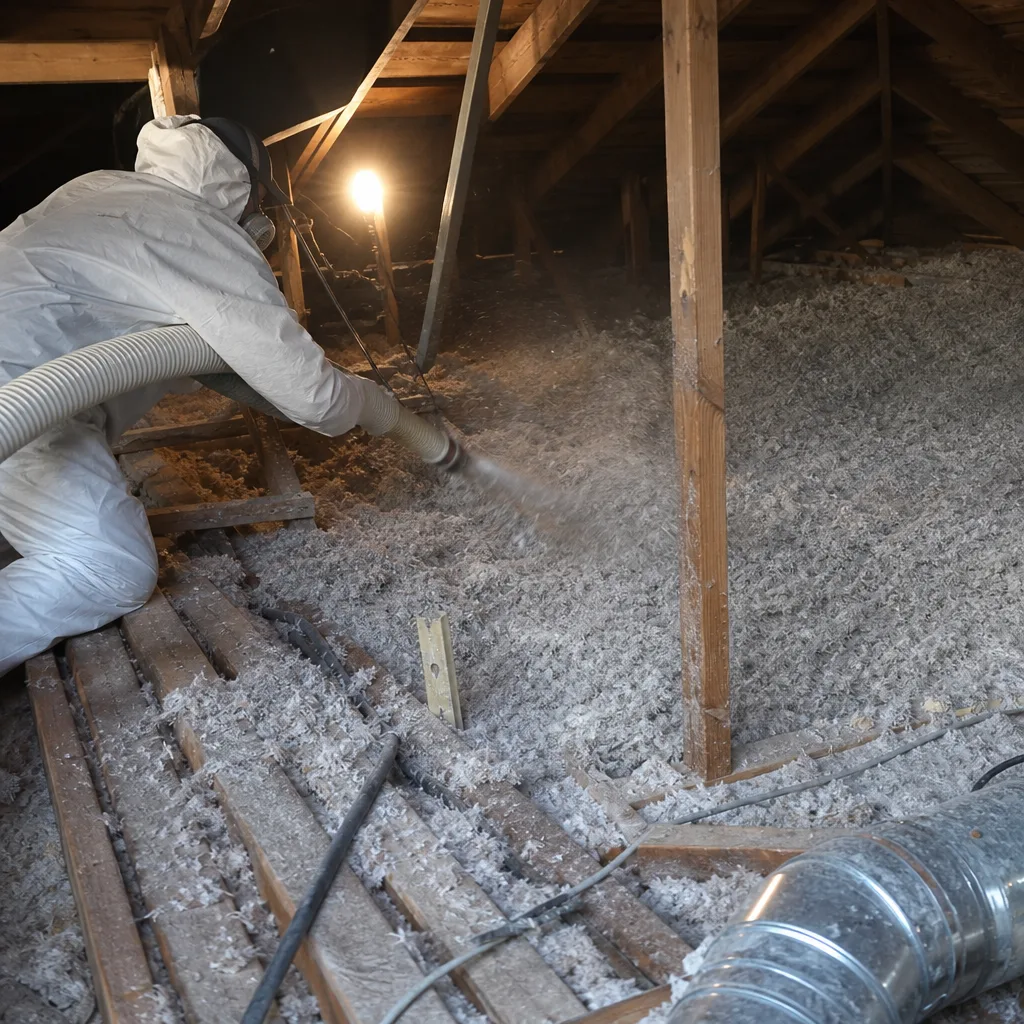
Attic Insulation Replacement
Full replacement is the most common service we perform in Boulder Creek right now, and it’s not because homeowners want to spend more. After the CZU Lightning Complex Fire in August 2020, hundreds of structures burned and hundreds more survived with smoke and ash infiltration into attic cavities. Insurance carriers in the 95006 area have increasingly required full insulation removal and replacement on those surviving properties even when walls and framing passed inspection - a claim-driven pattern that flatland communities in Santa Cruz County rarely see.
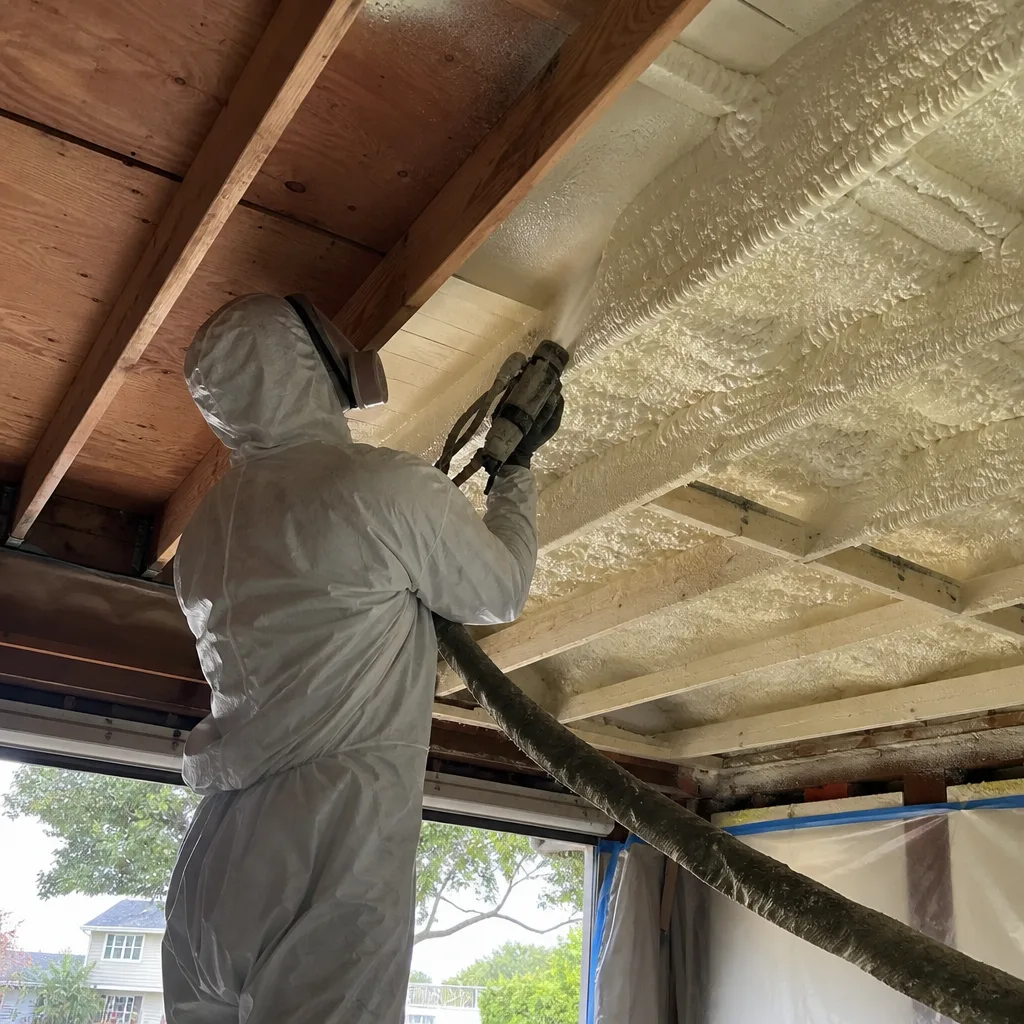
We remove contaminated batts or blown-in, HEPA-vacuum the deck, inspect for charred sheathing or compromised baffles, and install new material to current Title 24 standards if it’s a rebuild, or to the best practical assembly if it’s a legacy cabin. Every replacement job ends with a Documented Photo Record and, when applicable, before-and-after blower-door readings.
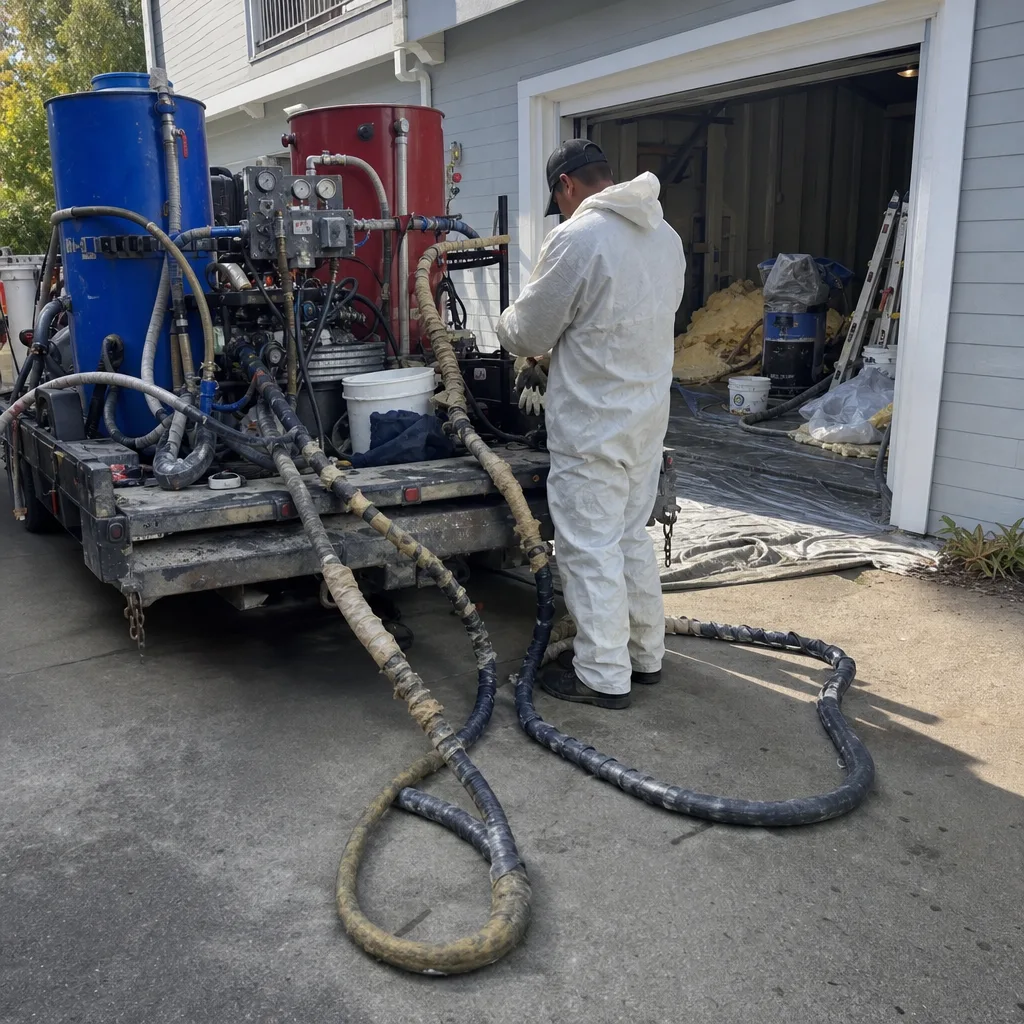
Blown-In Attic Insulation
Boulder Creek’s 1930s-1960s mountain cabins were built with tongue-and-groove paneling and often have no attic floor, so Blown-In Insulation in Boulder Creek must be installed between exposed joists with baffles cut to fit uneven lumber - a retrofit pattern that flatland tract homes in Santa Cruz or Scotts Valley never require. The persistent marine fog and valley cold-air inversions here also push moisture into fiberglass batts from below far faster than in the drier flats, making vapor-permeable or moisture-resistant assemblies the default choice.
We use Knauf and CertainTeed blown-in fiberglass for most Boulder Creek jobs, selected for the specific bay spacing and moisture exposure of your home. Our Attic Insulation team measures each joist bay individually on these older cabins; the lumber was hand-cut and varies by half an inch or more.
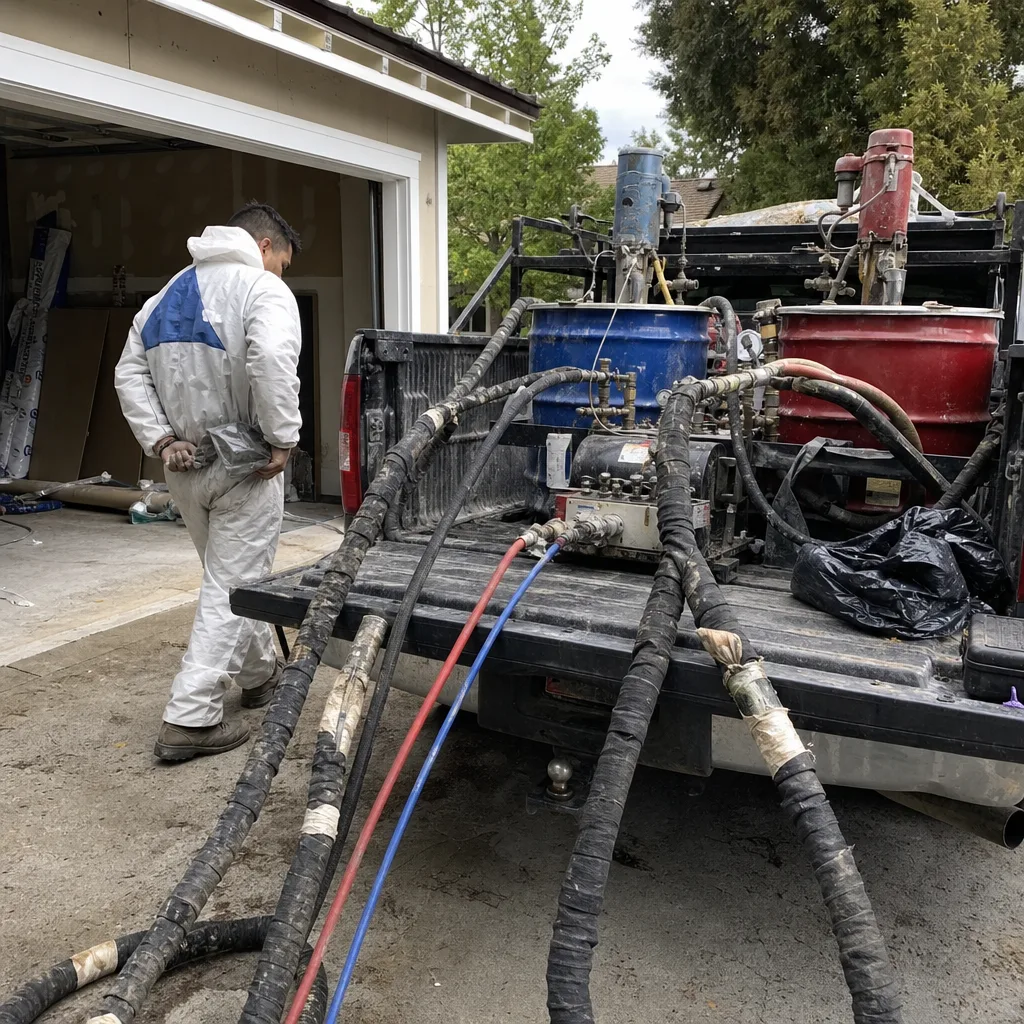
Attic Batt Insulation
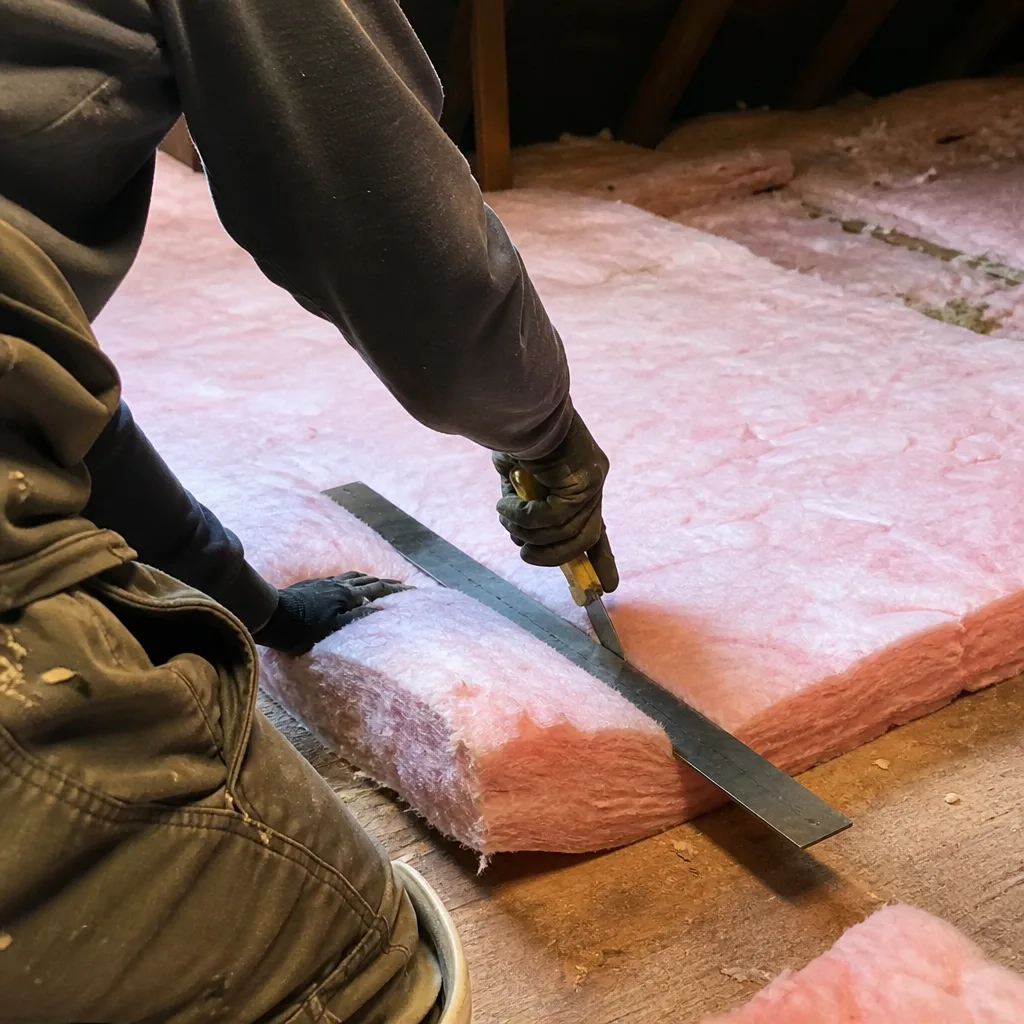
Batt installs in Boulder Creek are usually limited to rebuilds with standard joist spacing or to specific cavities in hybrid assemblies. We stock Rockwool mineral wool batts for jobs where fire resistance is a priority - relevant in the Wildland-Urban Interface zone that covers most of Boulder Creek - and fiberglass batts from Owens Corning for standard thermal applications. Every batt is cut to fit, not stuffed or compressed, because compressed insulation loses R-value and creates thermal bridges.
Attic Insulation Top-Up
Top-ups make sense when existing insulation is dry, uncontaminated, and simply below modern depth. In Boulder Creek, we check for moisture first - the marine fog rolling up from the coast through the San Lorenzo Valley can wick into older fiberglass and compress it without homeowners noticing. If the existing material tests dry and the baffles are intact, we’ll blow new material over the top and document the combined R-value in your written scope.
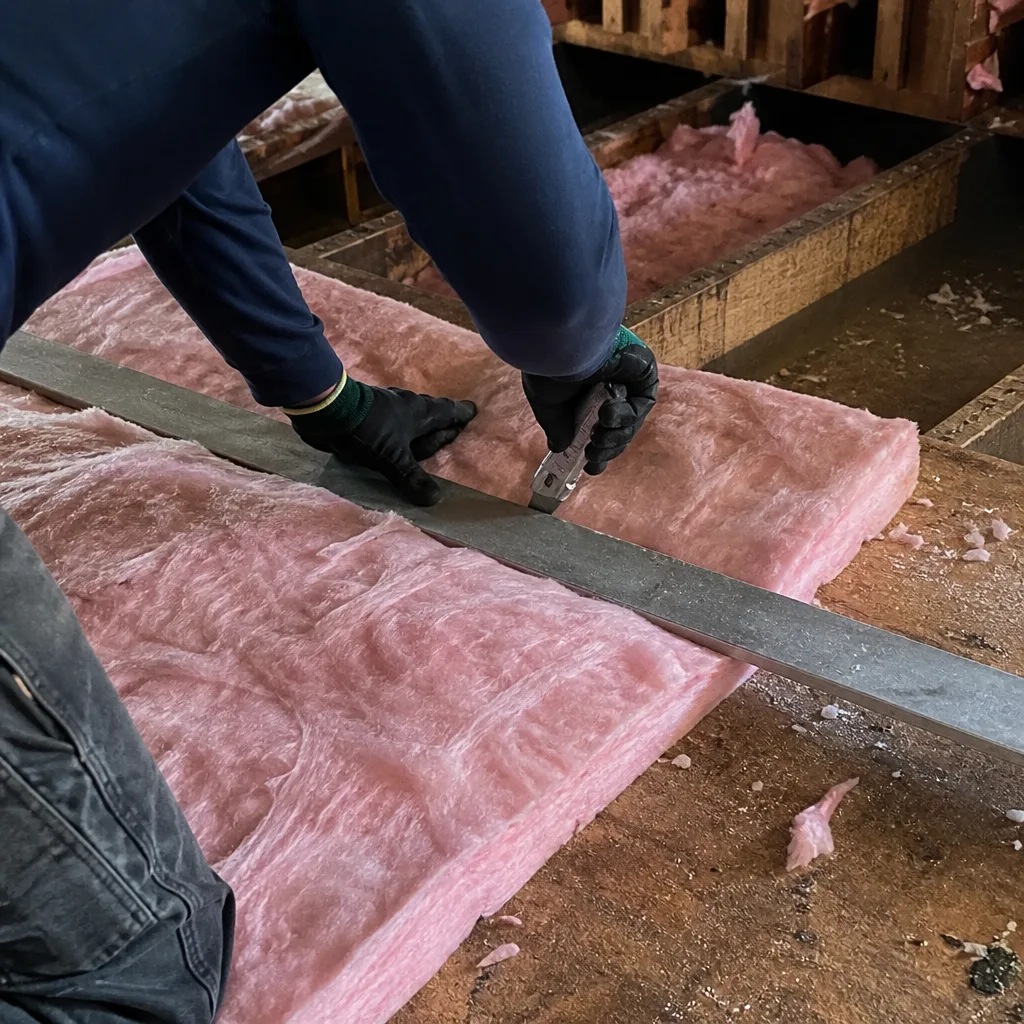
Attic Baffles & Ventilation Prep
Proper ventilation is non-negotiable in Boulder Creek’s climate. We install baffles at every eave to maintain the intake air path, critical in a canyon where humidity pools and cold-air inversions trap moisture against the roof deck. On tongue-and-groove cabins with no attic floor, we cut baffles to fit uneven joist bays and secure them so they don’t shift during the blow. This prep work is completed before any insulation goes in - sealed first, then insulated, in that order.
What happens when you call
- 1
A real person answersNo phone trees - you reach a local pro.
- 2
You get an upfront price rangeHonest numbers before anyone is dispatched.
- 3
A background-checked tech heads outLicensed & insured, dispatched right away.
- 4
You approve before work beginsNothing starts until you say go.
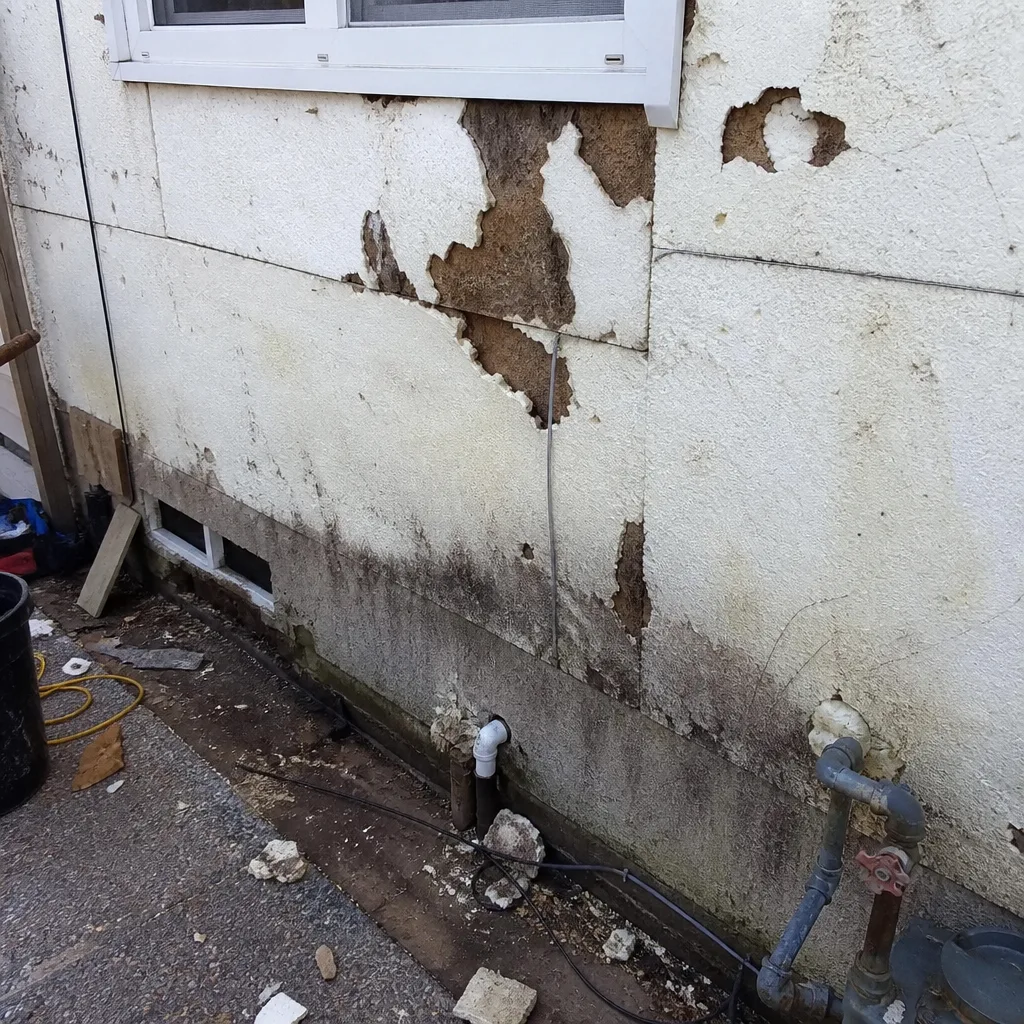 Before
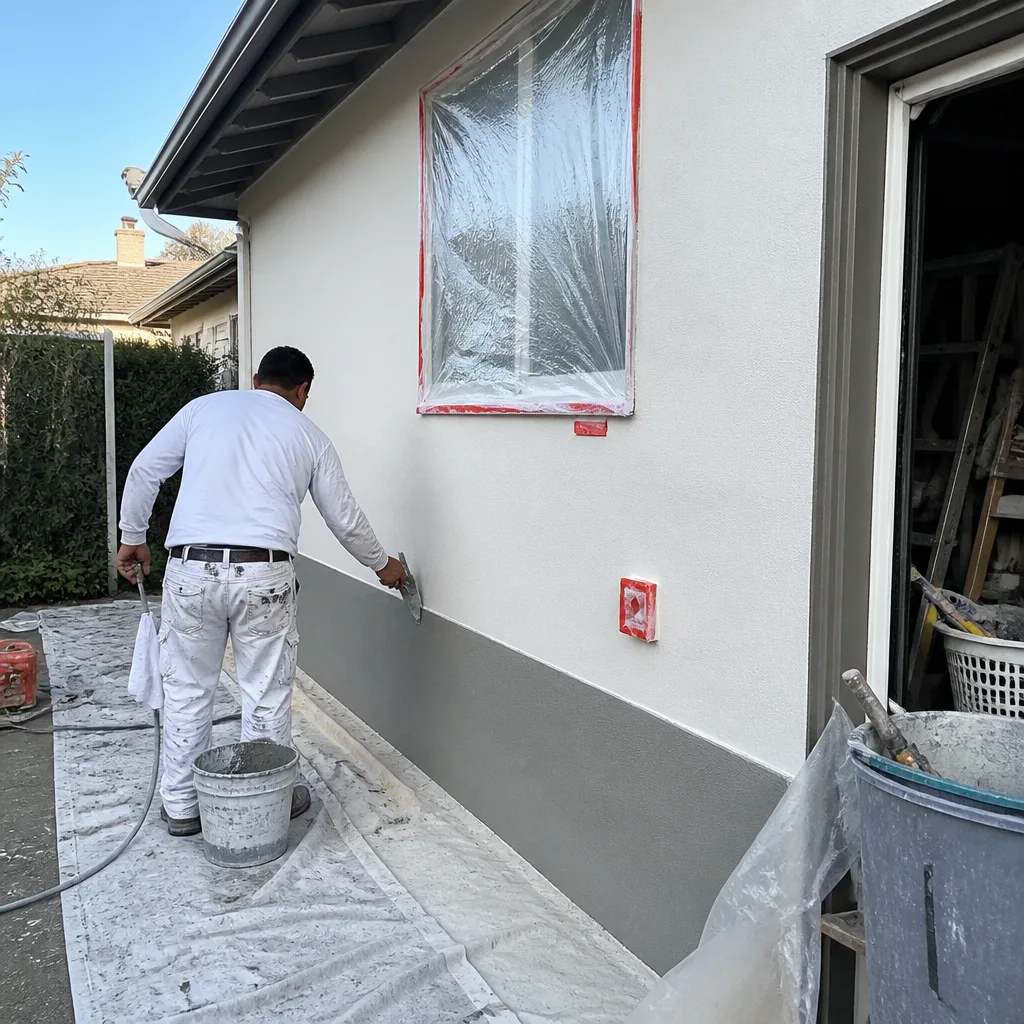 After
AfterTrusted Brands We Service in Boulder Creek
We source materials from Knauf, Rockwool, CertainTeed, and Icynene - no proprietary lock-in, so we select what’s appropriate for your specific assembly rather than what a manufacturer contract requires. For Boulder Creek’s moisture-exposed mountain cabins, that often means CertainTeed fiberglass with vapor-permeable facing or Rockwool mineral wool where fire rating and moisture resistance overlap. We stock common batt sizes and blower-door accessories locally, so replacement jobs don’t wait on freight from out of state. Every material is specified in your written scope with the brand name and product line, not generics like “premium fiberglass.”
Common Attic Insulation Problems We See in Boulder Creek Homes
- Marine fog wicking into crawl-space and under-floor batts. The persistent humidity from coastal fog penetrating the Santa Cruz Mountains causes fiberglass to sag, compress, and lose R-value years before it would in drier inland areas. We find this on stilted foundations over uneven terrain, where the under-floor cavity breathes valley air all night.
- Smoke and ash contamination in post-CZU Fire survivors. Even homes with no visible structural damage often have attic insulation permeated with particulate from the 2020 fire. Insurance carriers in Boulder Creek have caught on and increasingly mandate full replacement rather than top-up.
- Corroded garage-door hardware from salt-air exposure. The same fog that attacks insulation attacks attic-side garage-door springs, hinges, rollers, and opener chains. We routinely see pitted rollers and snapped torsion springs on Boulder Creek homes while the insulation above is still intact - a coastal failure pattern that inland Santa Cruz doesn’t match.
- Missing or inadequate baffles in tongue-and-groove cabins. Original 1930s-1960s construction often skipped ventilation prep entirely. Without baffles, blown-in insulation blocks the eave intake, creating a moisture trap against the roof deck that shows up as staining or sheathing decay.
Pricing for Attic Insulation in Boulder Creek, CA
A typical attic insulation top-up in Boulder Creek runs $2,800-$4,200 for a 1,200-1,800 square foot home with standard joist spacing and dry existing material. Full removal and replacement in a post-CZU Fire insurance claim - including HEPA vacuuming, disposal of contaminated material, and new blown-in to current depth - typically runs $4,800-$6,500 for the same footprint, with complex tongue-and-groove cabins at the higher end due to custom baffle cutting and uneven bay work.
Attic batt installation in a new-build or rebuild with standard framing runs $3,200-$4,800. Attic baffles and ventilation prep alone, without new insulation, run $800-$1,400 depending on linear feet of eave and roof complexity.
What moves the number: accessibility (steep roof pitch, limited attic hatch size), existing contamination level, whether air sealing of top plates and penetrations is included, and material selection. We deliver a flat written price before any work starts - Haven Standard Clause 1 - and offer a Free Second Opinion on any competing written estimate. Call (831) 534-3206 for an exact quote; estimates are free.
We Also Serve Cities Near Boulder Creek
Our crews work throughout the Santa Cruz Mountains and South Bay, including Boulder Creek, Los Gatos, Saratoga, Cupertino, and Campbell. Scheduling and dispatch are coordinated from our Los Angeles office; crews serve Boulder Creek locally without the delay of out-of-region contractors.
Serving Boulder Creek, CA - Our Local Coverage Area
We’re based in the Boulder Creek area and know this community well. Use the map below to see our service coverage - if you’re nearby, we can almost certainly help.
FAQs - Attic Insulation in Boulder Creek
Yes. We install blown-in insulation between exposed joists with baffles cut to fit uneven lumber, a standard retrofit for 1930s-1960s Boulder Creek cabins that flatland contractors rarely encounter. The crew measures each bay individually, installs vent baffles at the eaves to maintain airflow, and blows material to the specified depth without a walking surface. Call (831) 534-3206 and we’ll specify the exact assembly in your written scope.
Yes - the persistent marine fog and cold-air inversions in Boulder Creek’s canyon push moisture into fiberglass batts from below far faster than in the drier flatlands, so we default to vapor-permeable or moisture-resistant assemblies here. That often means mineral wool or specifically faced fiberglass rather than standard kraft-faced batts, and it always means verifying that ventilation baffles are intact before adding material. The wrong assembly in this microclimate traps moisture and rots the roof deck.
It’s increasingly normal here and rare in surrounding unburned communities. Smoke particulate and ash infiltration can saturate attic insulation even when framing and sheathing pass visual inspection, and Boulder Creek insurance carriers have tightened requirements on this specifically since 2020. We perform full removal, HEPA vacuuming, and replacement with documentation that satisfies most adjusters. Bring us your insurance paperwork; we’ll read it with you and provide a written scope that matches their requirements.
The salt-air fog rolling up the San Lorenzo Valley from the coast corrodes springs, hinges, rollers, and opener chains years faster than in inland areas. We were called to a 1948 tongue-and-groove cabin off Bear Creek Road where the owner had already replaced corroded garage-door springs twice in three years - the salt-air fog rolling up the canyon from the coast had eaten the original galvanized springs and pitted the opener chain, a pattern we see all over Boulder Creek. While we were up in the attic prepping baffles for a blown-in top-up, we found the existing fiberglass batts were damp and compressed from years of marine fog wicking through the under-floor vents, so we pulled the saturated batts, installed Owens Corning blown-in to the uneven joist bays with new baffles at the eaves, and noted the garage-door hardware as a follow-up corrosion item. The insulation fix and the hardware issue share the same root cause: this specific coastal mountain microclimate.
We can, but we test the existing material for moisture first. Stilted foundations over Boulder Creek’s sloped lots create under-floor cavities that breathe humid valley air all night, and we’ve found too many “dry” top-ups that failed six months later because the original batts were already wicking moisture. If the existing insulation tests dry and the crawl-space vapor barrier is intact, we’ll top up with blown-in and document the combined R-value. If it’s damp, we recommend removal and replacement with a moisture-resistant assembly - and we’ll show you the photo evidence before you decide.
Written by Wes Okafor, Owner at Envelope Insulation Co., serving Boulder Creek under The Haven Standard since 2016.