
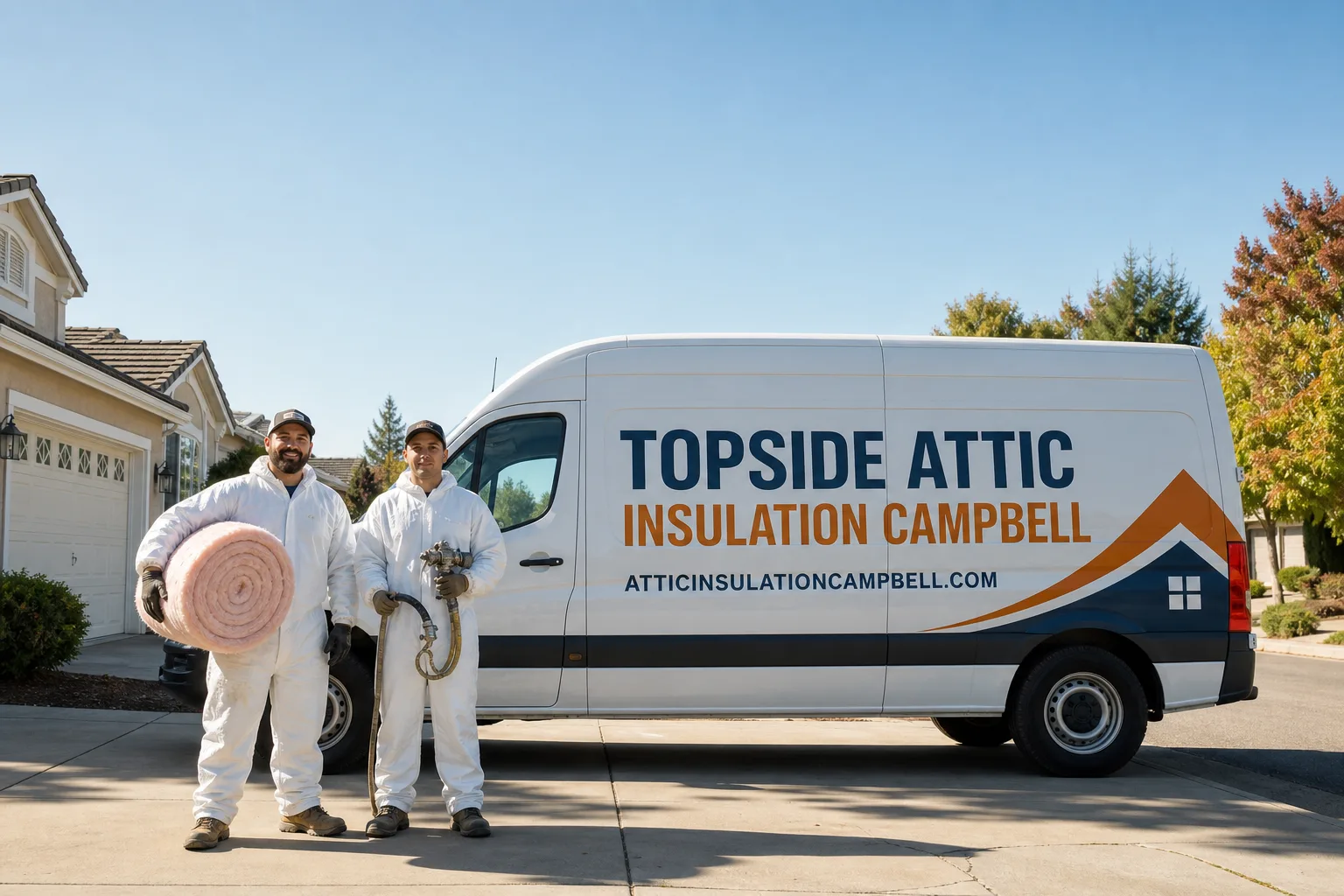
Fast, Reliable Blown-In Insulation Across Los Altos
Most blown-in insulation jobs in Los Altos run $2,800-$6,500 for a full attic and $4,200-$9,800 when Title 24 compliance pulls in wall and crawl-space work too. We typically schedule within 48 hours and carry Owens Corning, Knauf, and GreenFiber materials on every Los Altos truck so the crew doesn’t leave for a parts run. Our Blown-In Insulation team dispatches from our San Francisco Bay Area office; crews know the Fairchild-era ranch stock here and the specific failure modes that trigger inspector pushback on permitted remodels. Call (831) 534-3206 for a written price before any work starts.
Why Topside Attic Insulation Campbell Is Los Altos’s Preferred Blown-In Insulation Company
We’ve sealed and insulated over 9,000 homes since 2016, and a significant cluster sits in the 94087, 94301, 94303, and 94305 ZIP codes that cover Los Altos and its border neighborhoods. The reviews that matter most to us are the ones where the homeowner describes what they received: the written scope, the blower-door numbers, the photo record. We answer calls live, 24/7, and our response time to Los Altos is typically same-day or next-day because we stage crews for the mid-Peninsula corridor.
What separates our work here is that we know these houses. The 1952-1975 ranch stock in Castro City, Charleston Meadows, and Fairmeadow was built fast during the semiconductor boom, with shallow 2×4 or 2×6 attic framing and original loose-fill that has settled and drifted toward the eaves over sixty years. We don’t guess at R-values. We probe depths across the field, document what we find, and write the scope before anyone lifts a tool. That’s Haven Standard Clause 1.
Our Blown-In Insulation Services in Los Altos
Blown-In Cellulose
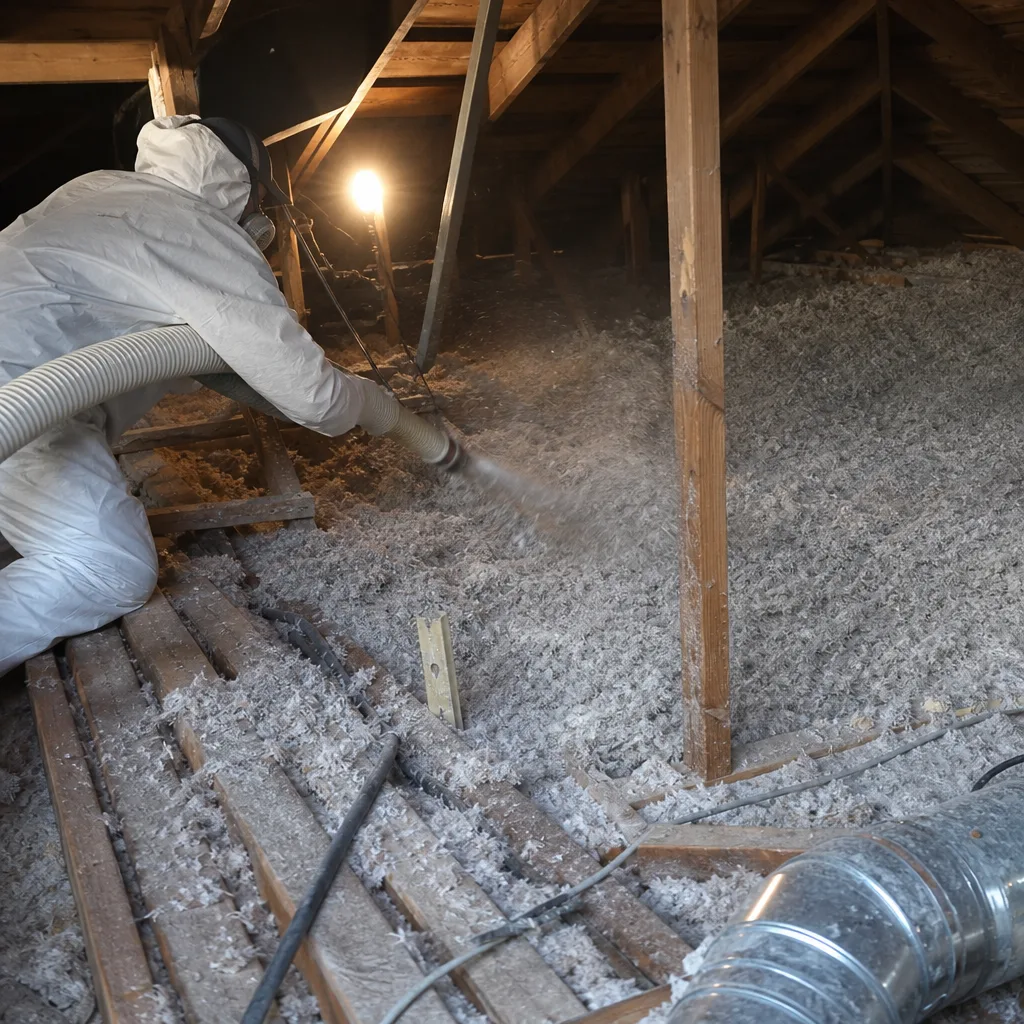
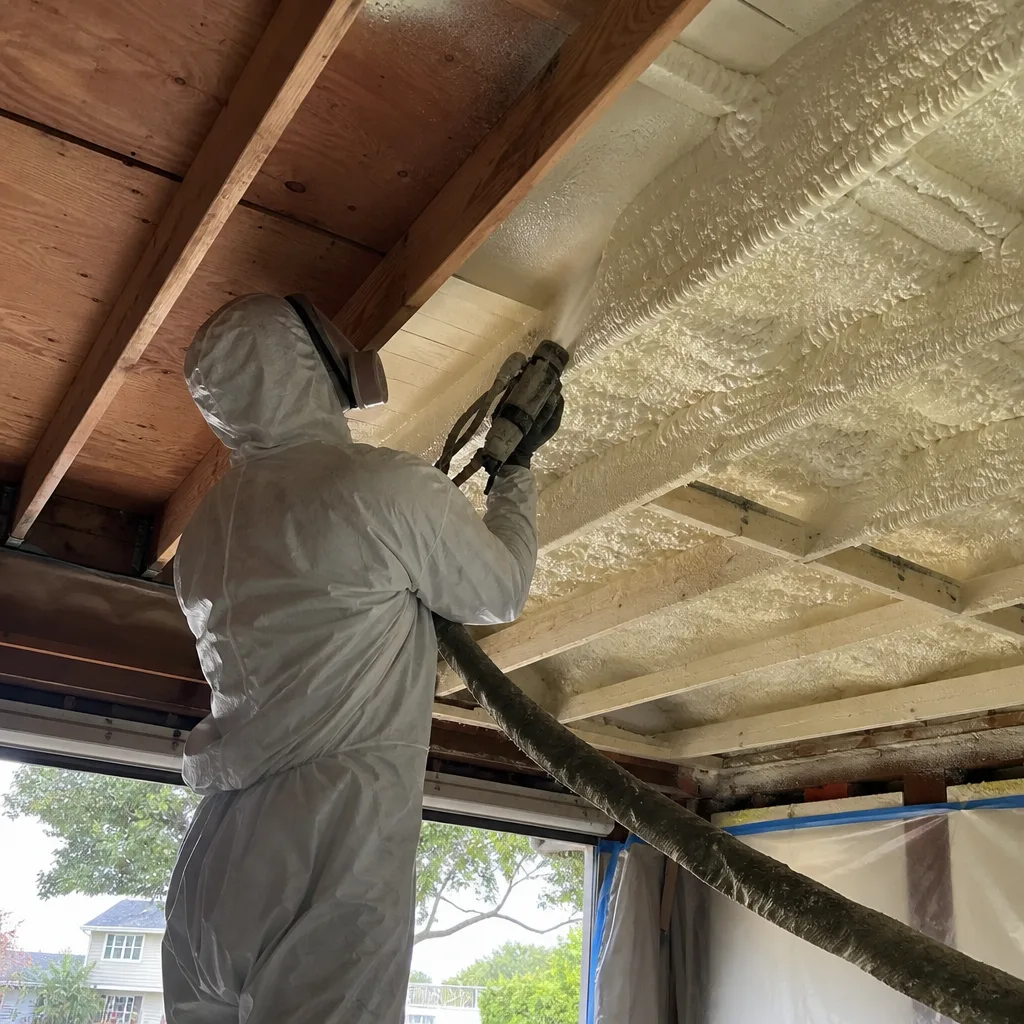
We blow GreenFiber cellulose to R-38 in Los Altos attics, staged with baffles at every eave vent to protect the low-slope vent channel these mid-century roofs depend on. Cellulose performs well in our climate because it handles the diurnal swing - afternoon heat off the Santa Cruz foothills, then sharp marine cooling at night - without the thermal drift you see in degraded fiberglass. We dense-pack it to 3.5 pounds per cubic foot in wall cavities, which stops convection loops and meets Title 24 compliance on gut renovations. Every job gets a written price before work starts and a Documented Photo Record when the crew leaves.
Blown-In Fiberglass
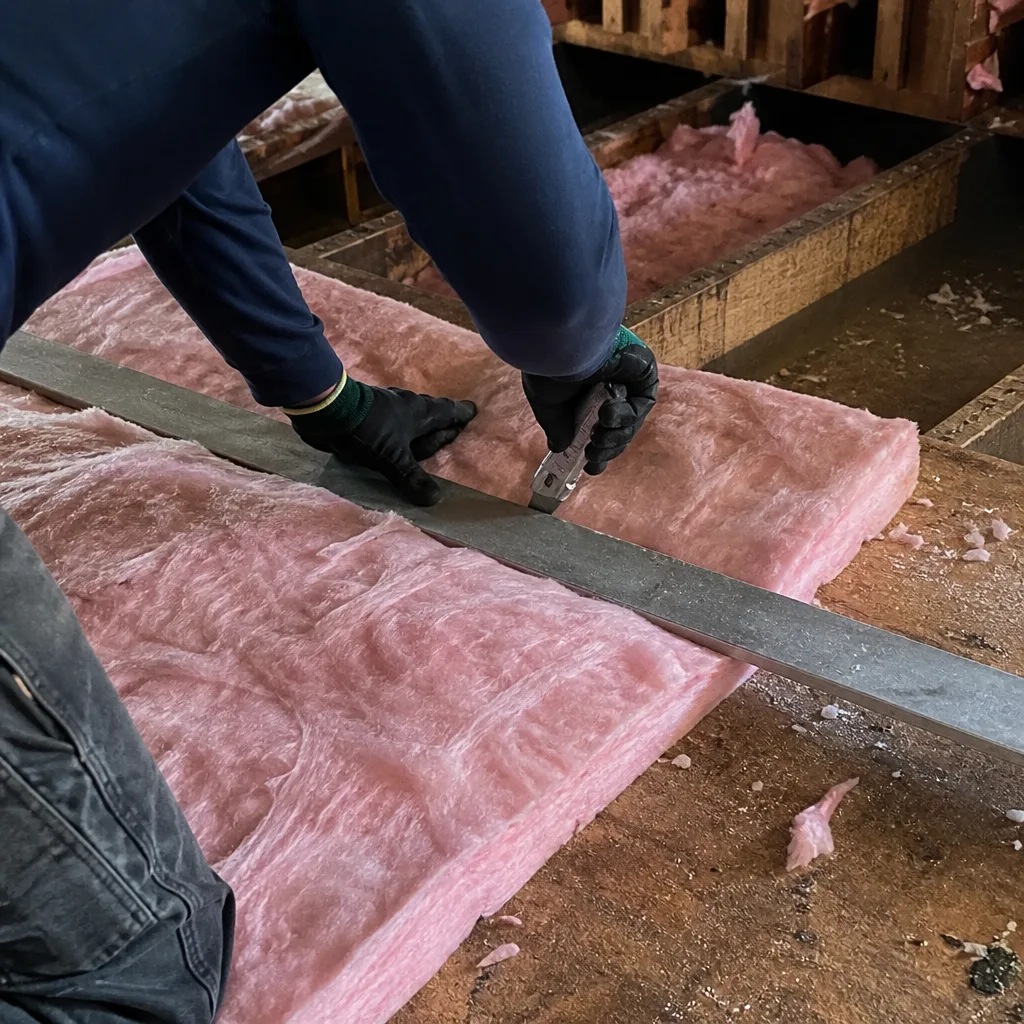
For homeowners who prefer fiberglass, we stock Knauf and CertainTeed loose-fill blown to spec. In Los Altos, we use it most often as a top-up over existing fiberglass where the original material is still viable but compressed, or in new addition attics where we’re matching to existing envelope performance. We never blow over unsealed top plates or can-light penetrations - air sealing comes first, always. The blower-door test, a pressurization reading that shows in one number how much conditioned air your building envelope is losing, proves the result.
Dense-Pack Wall Insulation
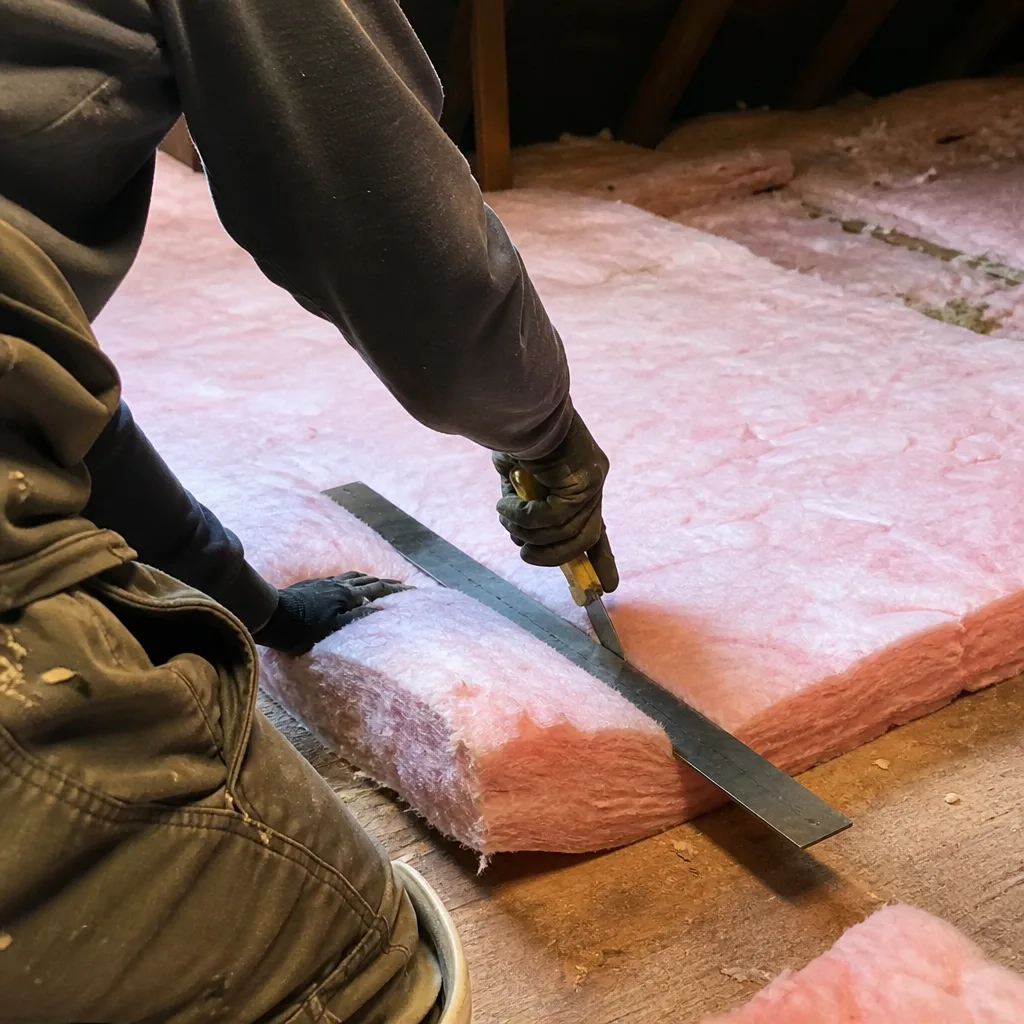
This is where Los Altos remodels spend money they didn’t expect to. A kitchen permit or ADU addition triggers Title 24 whole-house energy compliance, and the 1950s-1975 ranch walls are almost always empty or hold R-7 to R-11 if anything. We dense-pack from the exterior sheathing, filling 2×4 and 2×6 stud cavities to 3.5 PCF with cellulose or fiberglass so the wall assembly meets modern R-value without tearing down drywall. The scope often expands when the audit flags the floor assembly too - see the crawl-space note below.
Blown-In Top-Up
The most common call we get in Los Altos: “The attic has insulation, but the house is still cold.” We probe, and find three inches of grey loose-fill settled below the joists, reading R-4 at the center of the ceiling where the family actually lives. A blown-in top-up here isn’t just adding bags. We stage the fill to avoid burying the ceiling plane, install baffles to keep soffit vents clear, and seal top plates and penetrations first. The result is documented in CFM50 before and after. Most Los Altos top-ups run $2,800-$4,200 for attics under 1,500 square feet.
What happens when you call
- 1
A real person answersNo phone trees - you reach a local pro.
- 2
You get an upfront price rangeHonest numbers before anyone is dispatched.
- 3
A background-checked tech heads outLicensed & insured, dispatched right away.
- 4
You approve before work beginsNothing starts until you say go.
 Before
 After
AfterTrusted Brands We Service in Los Altos
We source materials from Owens Corning, Johns Manville, Knauf, Rockwool, CertainTeed, Icynene, Demilec, and GreenFiber - no proprietary lock-in, so we specify what performs for your assembly, not what moves our inventory. For Los Altos, that usually means GreenFiber cellulose for dense-pack walls and attic top-ups, Knauf fiberglass for new construction or clean existing attics, and CertainTeed where we’re matching to an existing loose-fill base. Every truck carries stock for same-day starts on standard ranch layouts.
Common Blown-In Insulation Problems We See in Los Altos Homes
- Settled and drifted loose-fill in low-pitch ranch attics. Original 1950s-70s insulation has migrated toward the eaves, leaving the center of the ceiling at R-4 while the perimeter reads R-11. This only shows up when you probe depths across the field - a visual check from the hatch misses it entirely.
- Marine fog and wind-driven rain matting cellulose against sheathing. Los Altos sits at the base of the Santa Cruz Mountain foothills, and unsealed eave gaps let moisture move in with the afternoon onshore flow. We find wet clumps during permitted remodels, especially in homes near the old Fairchild corridor.
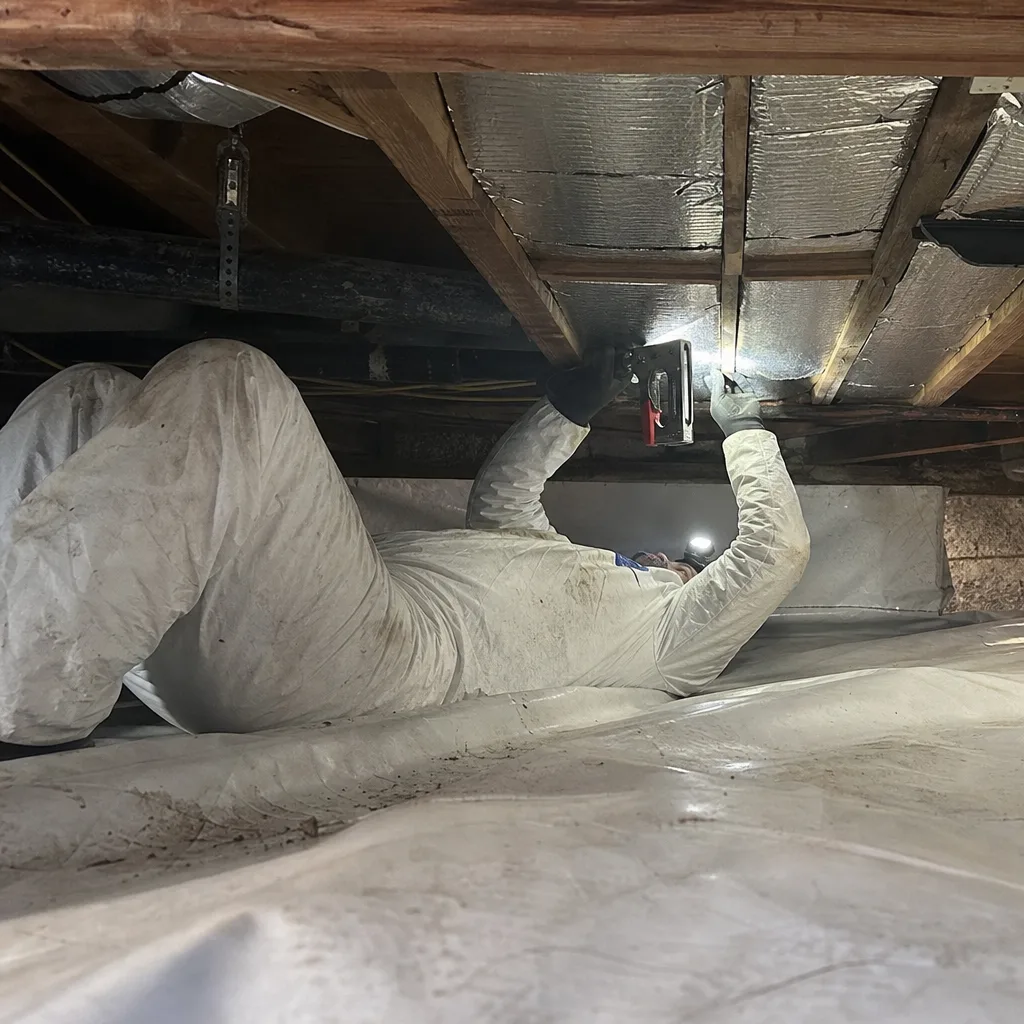
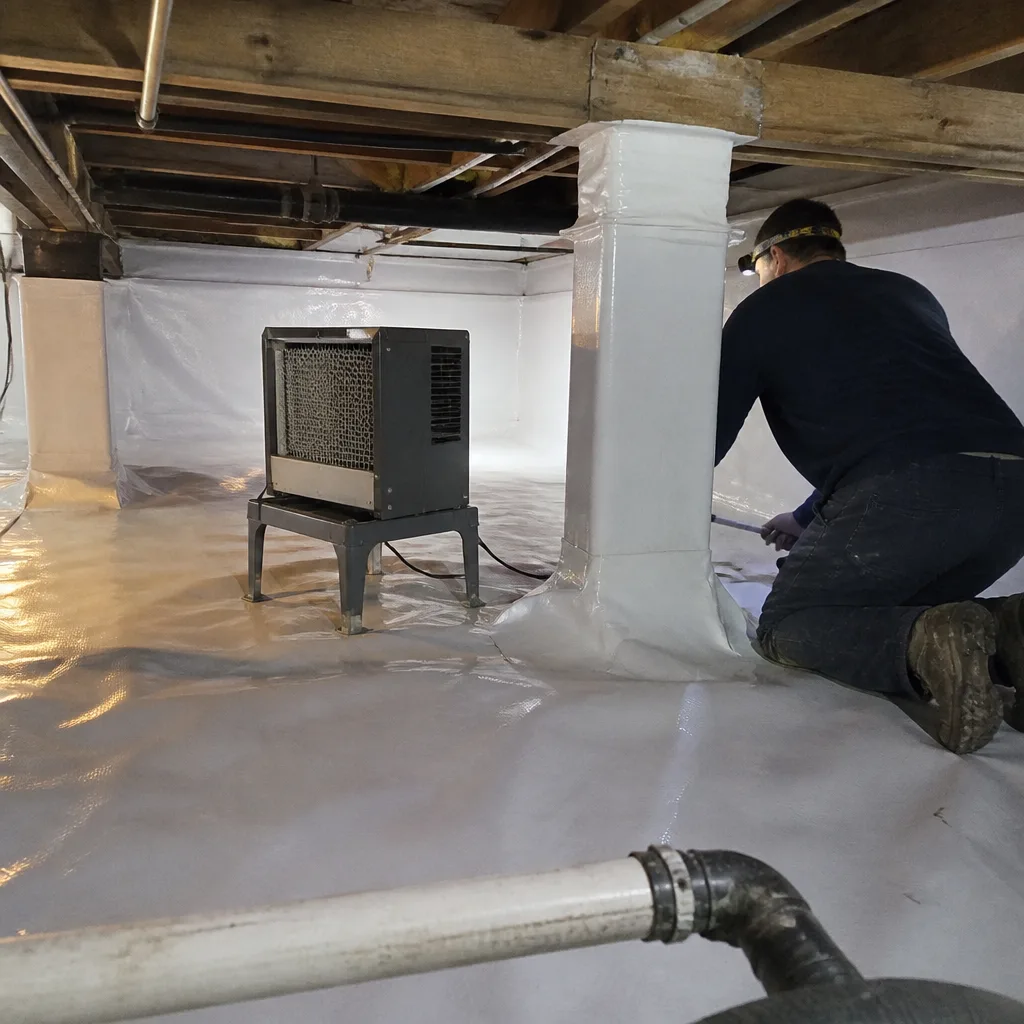
- Crawl-space floor assemblies failing Title 24 while the attic passes. In Castro City and Charleston Meadows ranches, the attic gets insulated but the crawl space stays bare. The audit fails on floor U-factor, not ceiling R-value, and the homeowner’s kitchen permit suddenly requires subfloor batts and a vapor barrier.
- Buried eave vents from sloppy top-ups. A previous contractor blew insulation deep enough to block the soffit vents, killing the vent channel these low-slope roofs need. We pull it back, install baffles, and re-blow to the correct height with the vent path protected.
Pricing for Blown-In Insulation in Los Altos, CA
Here’s what blown-in insulation costs in the Los Altos market, based on jobs we’ve written prices for since 2016:
| Service | Typical Range |
|---|---|
| Attic top-up (under 1,500 sq ft) | $2,800 - $4,200 |
| Full attic blow to R-38 with air sealing | $4,200 - $6,500 |
| Dense-pack wall insulation (per 1,000 sq ft of wall) | $3,800 - $5,400 |
| Crawl-space subfloor insulation + vapor barrier | $2,400 - $4,800 |
| Whole-envelope Title 24 compliance package | $8,500 - $14,000 |
What moves the number: attic square footage, existing insulation condition, whether we can access the space without plywood decking removal, and whether Title 24 compliance requires wall or crawl work beyond the attic. PG&E rates here are among the highest in the continental US, so payback periods on insulation upgrades are short - typically 3-5 years for a full attic, faster when walls and floor join the scope. We provide a Free Second Opinion on any written estimate, and every price we give is flat, written, and delivered before anyone lifts a tool. Call (831) 534-3206.
We Also Serve Cities Near Los Altos
Our crews work the full mid-Peninsula corridor: Los Altos, Mountain View, Palo Alto, Sunnyvale, and Cupertino. The housing stock and Title 24 triggers are similar across these cities, though Los Altos’s concentration of 1950s-1975 ranches and its current renovation pace make it the most active market we serve for whole-envelope insulation upgrades.
Serving Los Altos, CA - Our Local Coverage Area
We’re based in the Los Altos area and know this community well. Use the map below to see our service coverage - if you’re nearby, we can almost certainly help.
FAQs - Blown-In Insulation in Los Altos
Yes, if the project triggers California Title 24 whole-house energy compliance, which most permitted kitchen remodels and ADUs do in Los Altos. The code requires the existing envelope - attic, walls, and often floor - to meet current R-values, not just the new square footage. We’ve written scopes that started as cabinet replacements and ended as full attic blows with dense-pack walls. Call (831) 534-3206 and bring your permit paperwork; we’ll read it with you and give you a written price for whatever compliance actually requires.
It often does, especially in the Fairchild-corridor neighborhoods where crawl-space ranches dominate. The audit checks the whole building envelope, and an uninsulated floor assembly fails on U-factor even when the attic meets R-value. We find this surprises homeowners who budgeted for kitchen cabinets, not crawl-space batts and a vapor barrier. The fix is straightforward: we cap the crawl with polyethylene and install faced batts to the subfloor, then document the assembly for the inspector. Get a Free Second Opinion before you commit to a scope - we’ll tell you if the floor is likely to flag.
Because visual inspection from the hatch lies. In Los Altos ranch attics, original loose-fill has drifted toward the eaves over decades, creating a false perimeter of depth while the center of the ceiling - where you actually live - sits at R-4. We probe on a grid, record depths at each point, and build the scope from data, not assumption. The photo record shows you exactly what we found and where.
Only if it’s installed without baffles. These 2×4 and 2×6 rafter assemblies depend on a narrow vent channel from soffit to ridge; bury it and you trap moisture, rot the sheathing, and void most material warranties. We install baffles at every eave vent before we blow, stage the fill height to keep the channel open, and photograph each one. The inspector sees the documentation, and you see the blower-door number that proves the assembly still breathes.
Dense-pack fills enclosed wall cavities at 3.5 pounds per cubic foot, dense enough to stop air movement through the stud bay; it’s how we bring empty 1950s walls to Title 24 compliance without tearing drywall. A blown-in attic top-up adds loose-fill over an existing attic floor, increasing R-value but not addressing convection in the same way. Most Los Altos Title 24 jobs need both: the attic for ceiling R-value, the walls for envelope tightness. We test with the blower door after sealing and before insulating, then again after the blow, so you see which assembly moved the number.
Call (831) 534-3206 for a written price before any work starts. Estimates are free, and we answer live, 24/7.
Written by Wes Okafor, Owner at Envelope Insulation Co., serving Los Altos under The Haven Standard since 2016.