
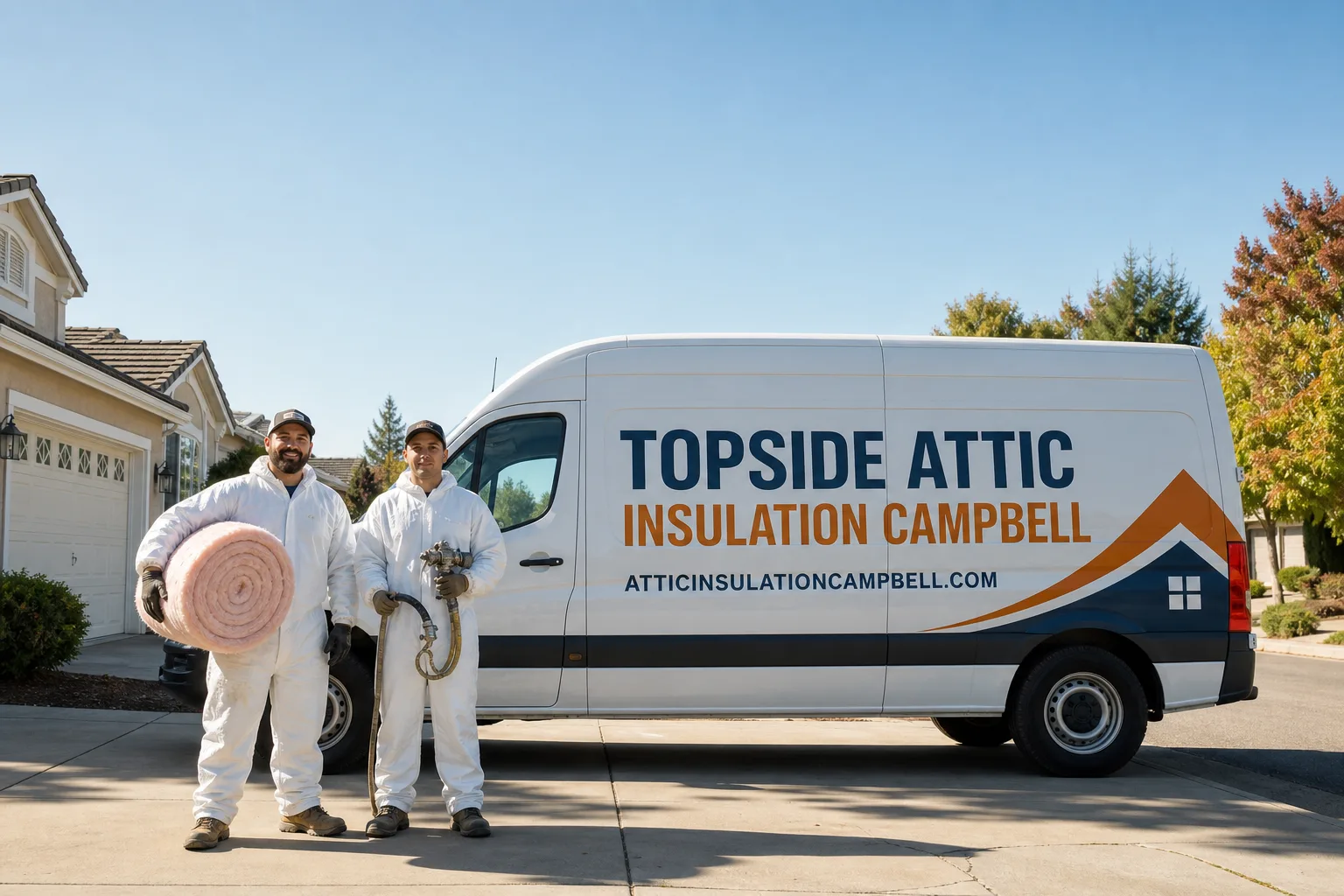
Fast, Reliable Blown-In Insulation Across San Jose
Most blown-in insulation jobs in San Jose run $1,800-$4,200 for a typical single-story ranch attic, and our crews can usually inspect and price the work same-day. We dispatch from our San Francisco Bay Area office and carry enough cellulose and fiberglass stock to complete most San Jose attics without a return trip. Call (831) 534-3206 and a live person will pick up, 24/7.
San Jose’s housing stock is specific. The post-WWII ranches in Berryessa, the stucco bungalows in Willow Glen, the townhomes off Meridian Avenue near Campbell - each needs a different blower setup, different access plan, and different material choice. We’ve worked in the tight alley-load driveways behind the Alum Rock corridor and in the low-clearance attics of Cambrian ranches where the eave height barely clears four feet. That local knowledge changes what we bring, how we stage the hose, and whether we recommend cellulose or fiberglass for your roof pitch and ventilation.
Why Topside Attic Insulation Campbell Is San Jose’s Preferred Blown-In Insulation Company
We’ve sealed and insulated more than 9,000 homes since 2016, and a significant share of those have been in Santa Clara County. San Jose customers find us through HVAC contractor referrals - California’s Title 24 energy code triggers an insulation compliance upgrade whenever a permitted furnace or AC replacement is pulled in a pre-code home, and we’ve become the crew those contractors call when the homeowner needs the attic brought up to standard before the HVAC permit can close.
Our reviews from San Jose homeowners consistently mention two things: the written price they received before anyone touched their attic, and the blower-door numbers they walked away with. Under Haven Standard Clause 1, no work starts without a flat price, written scope, and written warranty. On air-sealing jobs, we publish before-and-after blower-door readings - a pressurization measurement that shows, in one number, how much conditioned air your building envelope was losing. Homeowners in Blossom Valley and Rose Garden have told us those numbers matter more to them than any sales pitch.
Response time to San Jose neighborhoods is typically same-day or next-morning. Our crews know the difference between the wide, flat lots of East San Jose and the tight access behind the townhomes near Santana Row. We stage accordingly.
Our Blown-In Insulation Services in San Jose
Blown-In Cellulose
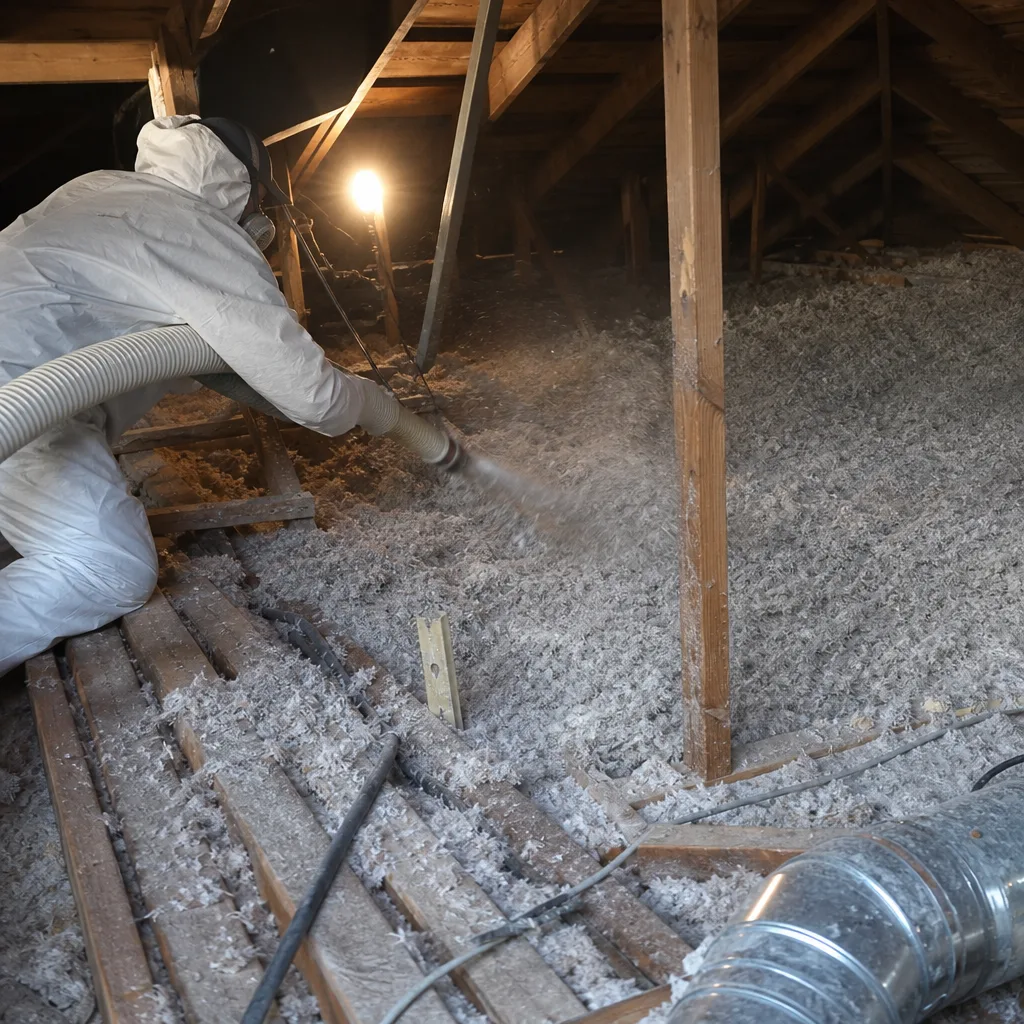
Cellulose is our default recommendation for most San Jose attics, especially the pre-Title 24 ranches in Berryessa and Alum Rock where summer attic temperatures exceed 140°F. We source from GreenFiber and other established mills - treated borate cellulose that won’t support combustion and resists the rodent activity we see in older San Jose roof spaces. The material packs densely into irregular joist bays and performs well in the low-pitch attics common to 1960s Cambrian construction. We were called to a 1968 single-story ranch in Berryessa where the original 2×4 ceiling held flattened fiberglass batts at roughly R-6 and the homeowner’s PG&E bill spiked every August. Our tech shot GreenFiber cellulose through a 3-inch hose off a tight alley-side driveway, feeding it past the low 4-foot eave clearance to bring the flat attic to R-38, then air-sealed the top plates and the old recessed can housings. The next summer the homeowner reported the second-floor rooms - which used to hit 88°F by 4 p.m. - holding closer to the thermostat setpoint with the AC cycling less.
Blown-In Fiberglass
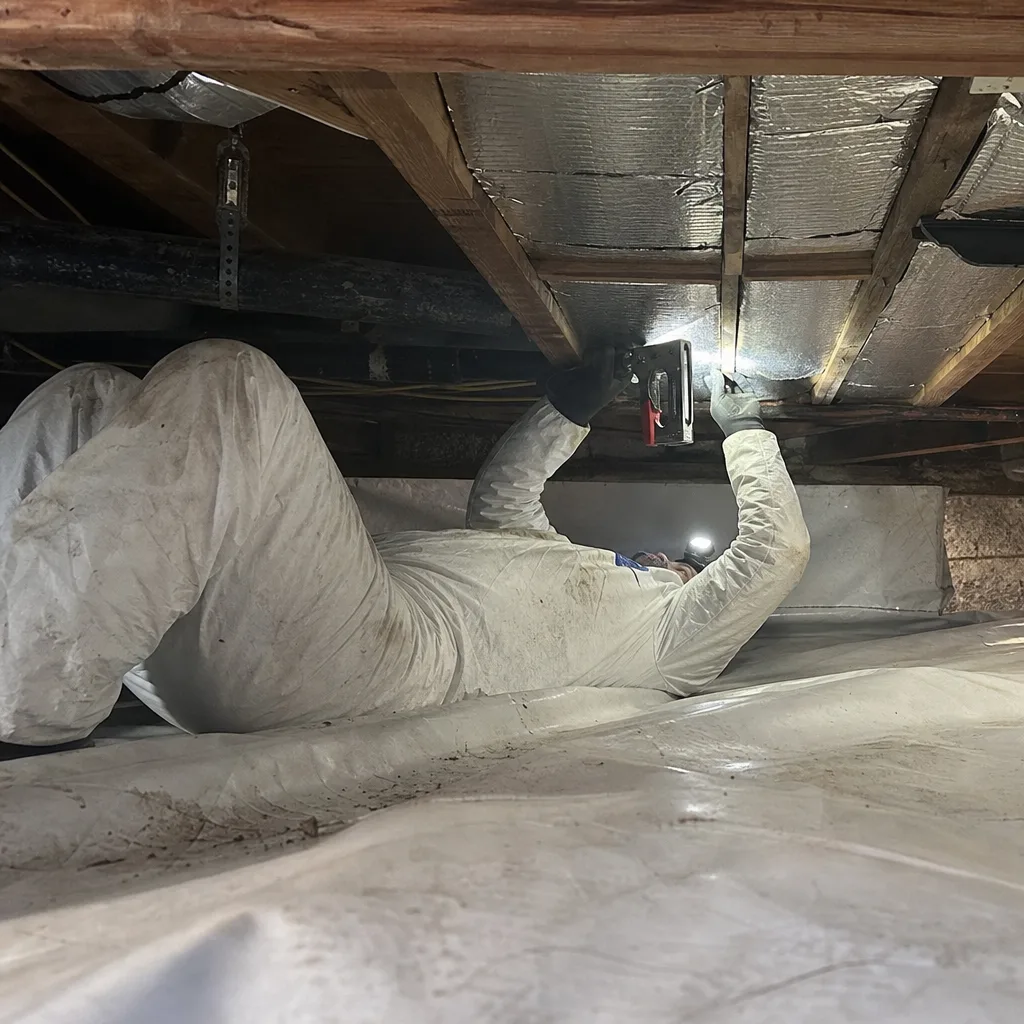
Fiberglass works better in some San Jose applications: vented attics with good clearance, homes where the homeowner prefers the lighter weight on older drywall ceilings, or situations where moisture management is the primary concern. We stock Owens Corning and Johns Manville systems. In the drier San Jose climate, fiberglass doesn’t face the moisture-loading issues it might see in coastal fog zones, though we still verify attic ventilation before recommending it. For homes near the foothills in Evergreen or Almaden Valley where winter overnight lows dip into the high 30s, fiberglass can make sense as part of a hybrid system.
Dense-Pack Wall Insulation
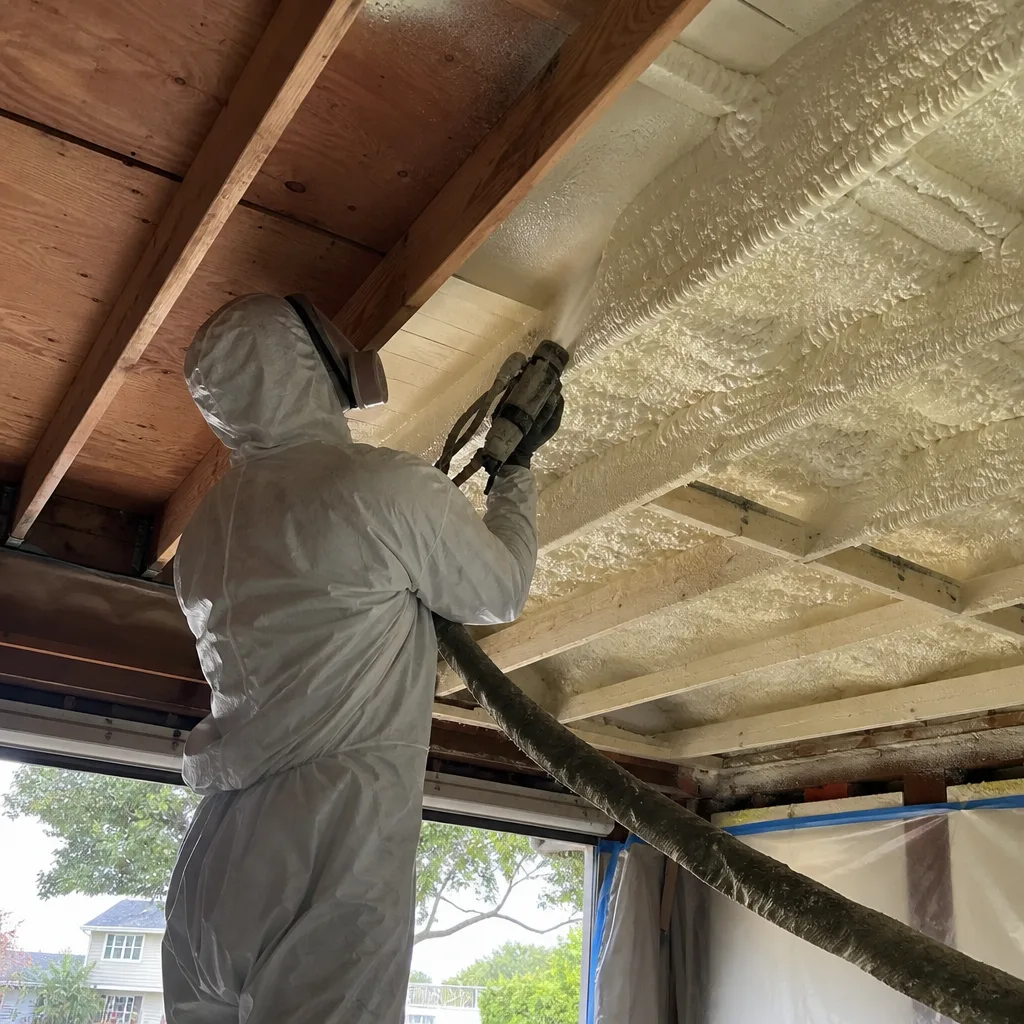
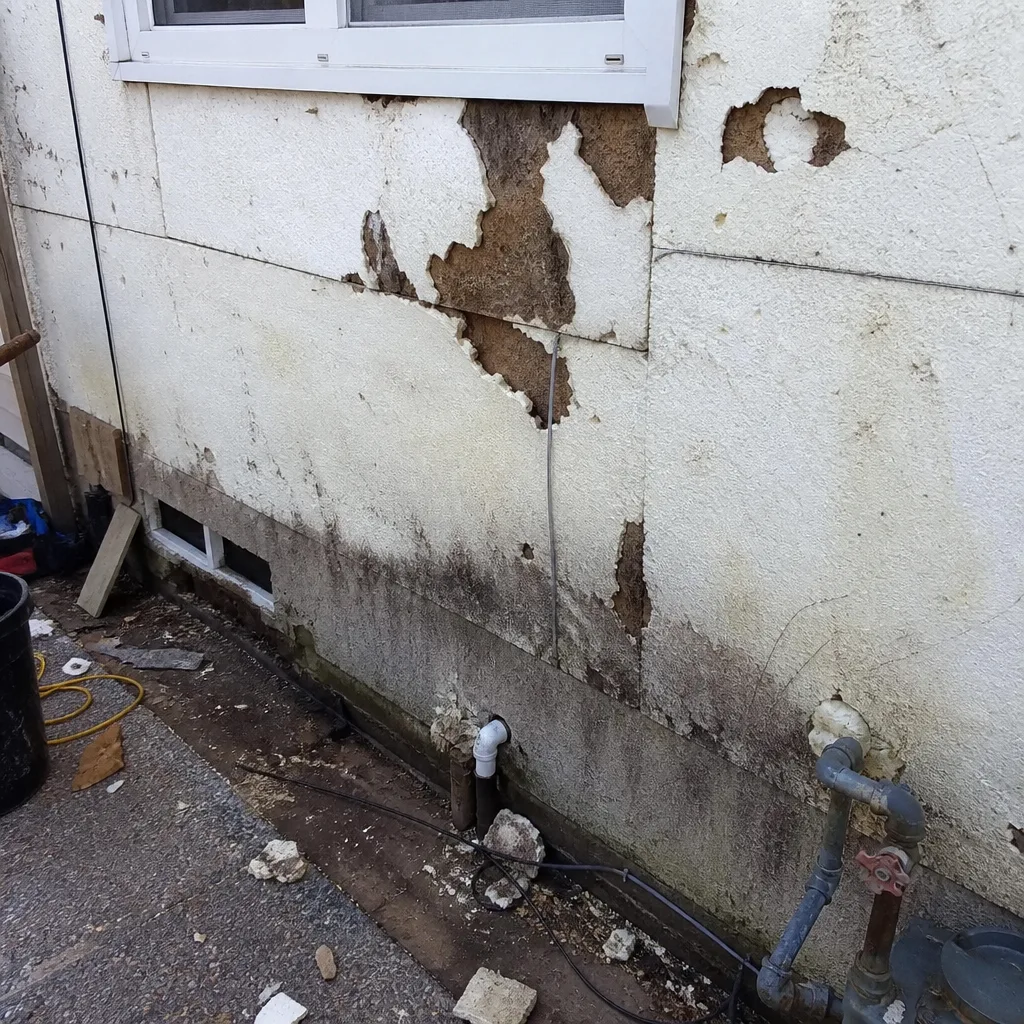
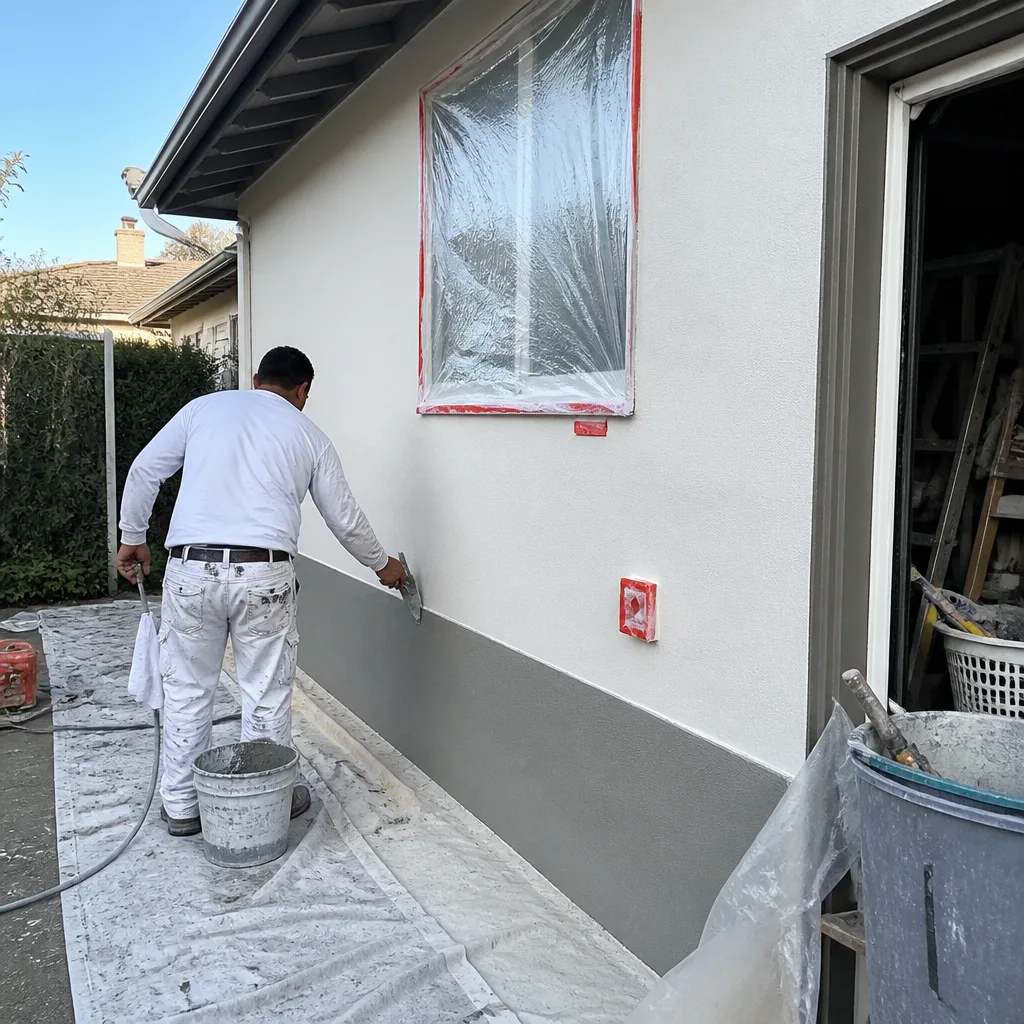
This is the critical service for Willow Glen and Rose Garden. Those original stucco and lath bungalows from the 1920s-1940s have zero wall cavity insulation. Blowing the attic full of cellulose won’t stop the afternoon heat from radiating through uninsulated exterior walls. Our crew drills 2-inch holes through the stucco at stud-bay spacing, fills each cavity with dense-pack cellulose at 3.5 pounds per cubic foot - the density that prevents settling - then patches with color-matched stucco or siding plugs. We’ve completed this work on homes along Lincoln Avenue and in the residential streets off Minnesota Avenue. The before-and-after temperature difference in west-facing bedrooms is measurable within a week.
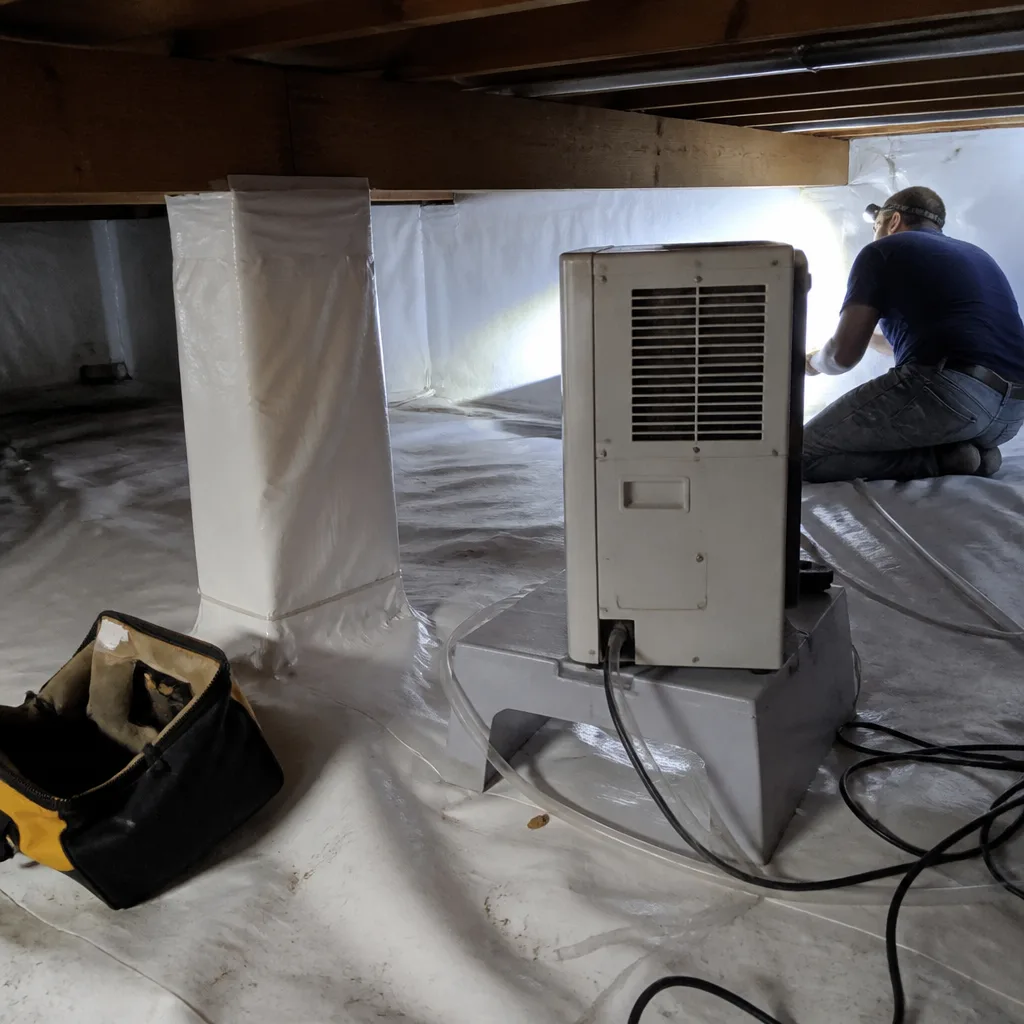
Blown-In Top-Up
Many San Jose homes already have some blown-in insulation from a previous owner, but it’s settled below the joist tops or was never deep enough to hit modern R-38. A top-up is the most cost-effective retrofit we do: we inspect, air-seal any new penetrations or missed top plates, then blow additional material to bring the assembly to full depth. Most top-ups in San Jose run $900-$2,100. We rake and mark depth every time - under-filling is the most common shortcut we find in competitor work, especially in the shallow 2×4/2×6 ceiling joist bays of Berryessa and Cambrian ranches where a crew that doesn’t measure ends up with R-19 labeled as R-38.
What happens when you call
- 1
A real person answersNo phone trees - you reach a local pro.
- 2
You get an upfront price rangeHonest numbers before anyone is dispatched.
- 3
A background-checked tech heads outLicensed & insured, dispatched right away.
- 4
You approve before work beginsNothing starts until you say go.
 Before
 After
AfterTrusted Brands We Service in San Jose
We don’t lock homeowners into proprietary products. Our San Jose crews stock and install Rockwool mineral wool for fire-resistant applications near kitchen soffits and party walls in townhomes, CertainTeed fiberglass systems for specific vented attic profiles, and Icynene open-cell spray foam for hybrid jobs where air sealing and insulation need to happen in one pass. Demilec closed-cell foam is available for crawl space and rim-joist work in the older homes near Japantown where moisture migration is the bigger problem than attic heat. Every material is specified in your written scope before work starts - no substitutions without written approval.
Common Blown-In Insulation Problems We See in San Jose Homes
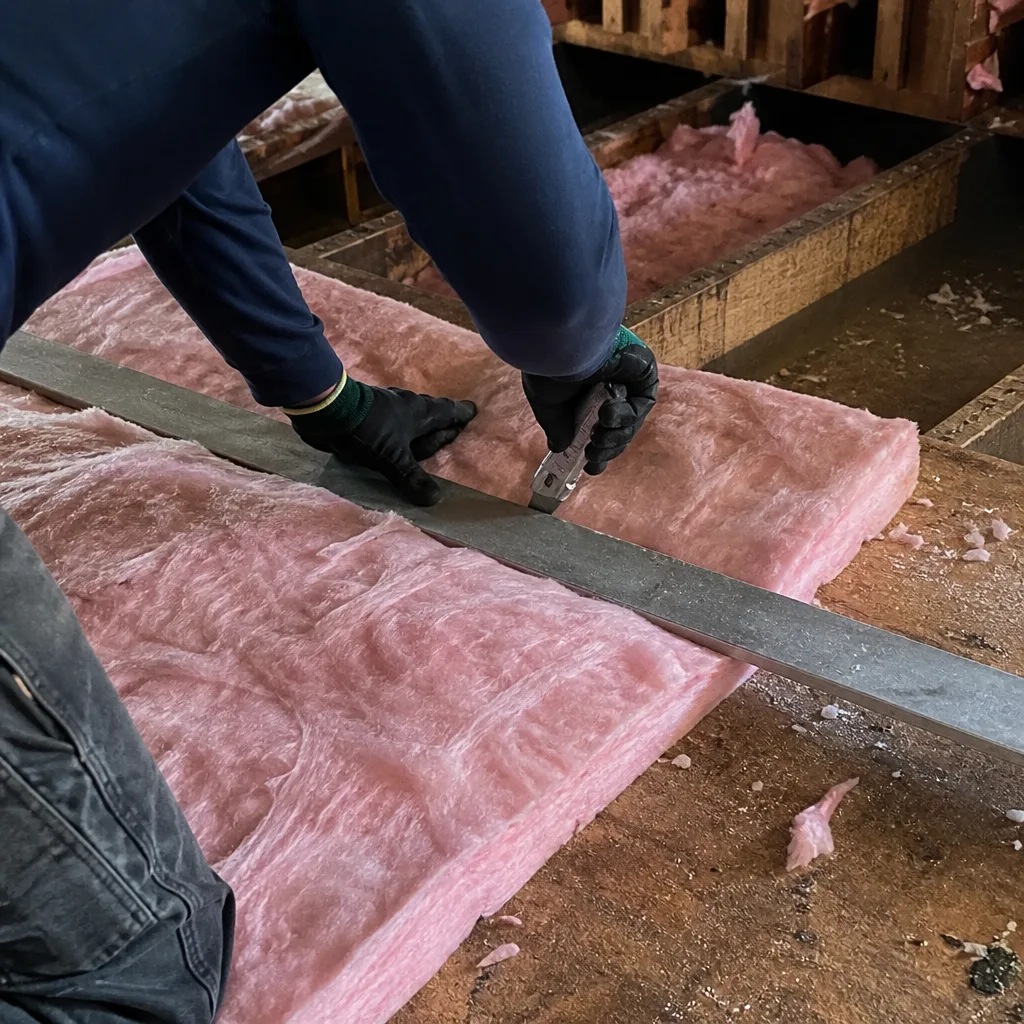
- Blowing loose fill over original kraft-faced batts without air-sealing first. The San Jose ranch stock’s top plates and can lights leak conditioned air straight into a 140°F attic. The new R-value never performs because the air you’re paying to cool is escaping faster than the insulation can slow it. We see this constantly in East San Jose and Alum Rock ranches where a previous owner or handyman “added insulation” in a weekend.
- Under-filling shallow, low-pitch attics. The 2×4/2×6 ceiling joist bays in Berryessa and Cambrian ranches only hold so much depth. Crews that don’t rake and mark depth end up with R-19 labeled as R-38. We photograph depth markers at multiple points and include those images in your Documented Photo Record.
- Skipping dense-pack drill-and-fill on Willow Glen and Rose Garden stucco bungalows. These homes have zero wall cavity insulation. Blown ceiling fill alone leaves west-facing rooms hot at 4 p.m. The homeowner blames the attic work, but the walls were never addressed. We identify this during inspection and quote it separately so the decision is informed.
- Ignoring Title 24 compliance triggers. California’s Title 24 energy code requires an insulation compliance upgrade whenever a permitted HVAC system replacement is pulled in a pre-code home. San Jose homeowners replacing a 1970s furnace or adding AC for the first time routinely get surprised by this. We coordinate directly with HVAC contractors to sequence the insulation upgrade before the final inspection.
Pricing for Blown-In Insulation in San Jose, CA
Here’s what blown-in insulation costs in the San Jose market, based on jobs we’ve completed in 2024-2025:
| Service | Typical Range |
|---|---|
| Blown-In Cellulose (attic, typical ranch) | $1,800 - $3,400 |
| Blown-In Fiberglass (attic, typical ranch) | $1,600 - $3,000 |
| Dense-Pack Wall Insulation (drill-and-fill, per sq ft of wall) | $2.80 - $4.50 |
| Blown-In Top-Up (existing attic, add to R-38) | $900 - $2,100 |
| Attic Air Sealing + Blower-Door Test (add-on or standalone) | $800 - $1,600 |
What moves the number: attic square footage, current insulation depth and condition, accessibility (tight alley loads cost more in labor), whether air sealing is needed first, and whether we need to build baffles or dam around recessed lighting. We don’t price over the phone without photos or a site visit - but we do provide a written price before any work starts, always, per Haven Standard Clause 1. Free Second Opinion on any written estimate from another contractor. Call (831) 534-3206 to schedule.
We Also Serve Cities Near San Jose
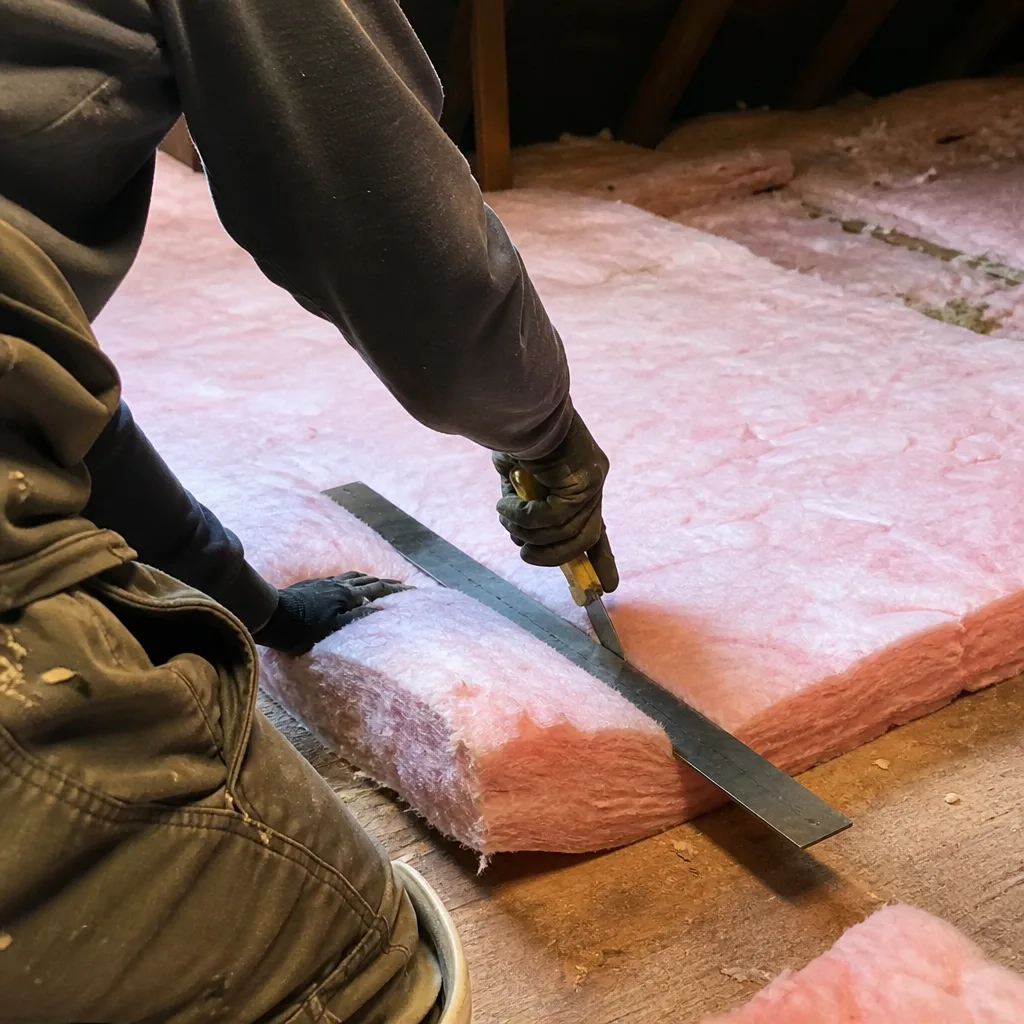
Our crews work throughout Santa Clara County, including San Jose, Milpitas, Santa Clara, Sunnyvale, and Campbell. Dispatch and scheduling are coordinated from our San Francisco Bay Area office. If you’re in one of these neighboring cities and found this page, the same pricing structure and Haven Standard guarantees apply - only the traffic pattern and attic architecture change.
Serving San Jose, CA - Our Local Coverage Area
We’re based in the San Jose area and know this community well. Use the map below to see our service coverage - if you’re nearby, we can almost certainly help.
FAQs - Blown-In Insulation in San Jose
No, not if we blow cellulose on top without air-sealing first. The original kraft-faced batts in your 1968 ranch are likely compressed to R-6 or lower, but the bigger problem is that your top plates, can lights, and duct penetrations are leaking conditioned air into a 140°F attic. We air-seal first, then blow. The homeowner in our Berryessa case study saw AC cycling reduction and room temperatures closer to setpoint the following summer. Call (831) 534-3206 and we’ll inspect to confirm whether your attic is a candidate - estimates are free.
Title 24 requires that insulation meet current standards when a permitted HVAC replacement is pulled in a pre-code home, but it doesn’t mandate blown-in specifically. In practice, blown-in cellulose or fiberglass is usually the most cost-effective way to bring a San Jose ranch attic from R-6 or R-11 up to R-38. We coordinate with HVAC contractors to sequence the work so your permit closes cleanly. Bring us your contractor’s insulation requirement letter and we’ll quote it in writing within 24 hours.
We stage the blower truck at the nearest accessible point and run 150-foot hose sets through side gates, over fences, or through garage interiors. For townhomes off Meridian Avenue and similar properties, we’ve developed specific access protocols: smaller diameter hoses for tight turns, protected floor runners, and pre-planned material staging to minimize trips. The hose set is the constraint, not the truck position. We photograph the setup and include it in your Documented Photo Record.
Yes. We drill 2-inch holes at stud-bay spacing, dense-pack cellulose at 3.5 pounds per cubic foot, then patch with color-matched stucco or siding plugs. On homes along Lincoln Avenue and nearby Willow Glen streets, we’ve completed this work with patches that blend to indistinguishable within a season of weathering. The alternative - tearing off stucco to install batts - is rarely justified. We quote wall work separately from attic work so you can phase the investment.
We typically recommend cellulose for San Jose attics because it performs better in the 140°F summer conditions and settles less problematically in the low-pitch ranch stock. Brand matters less than installation quality - depth verification, air sealing first, and proper ventilation baffles. We stock GreenFiber cellulose and Owens Corning fiberglass, among others, and specify the exact material in your written scope. If a competitor is pushing a proprietary brand you can’t cross-shop, that’s a red flag. Call (831) 534-3206 for a Free Second Opinion on their estimate.
Written by Wes Okafor, Owner at Topside Attic Insulation Campbell, serving Blown-In Insulation customers across the San Francisco Bay Area since 2016.