
Demilec Attic Air Sealing: The Campbell Owner’s Guide
We stock and install Demilec-compatible attic air sealing systems in Campbell, with most completed jobs running between $1,800 and $3,400 depending on attic square footage and leak density. Same-day service is available when we have your configuration in stock, which covers most Demilec open-cell and closed-cell foam applications we see in this market. Most Campbell homeowners discover their Demilec air sealing has failed when rooms directly below the attic develop a persistent temperature split, energy bills climb without explanation, or a recent blower-door test shows CFM50 readings that haven’t improved despite new insulation added on top.
Which Demilec Models This Applies To
Demilec’s attic air sealing product line breaks into two families relevant to Campbell homes: Heatlok HFO Pro closed-cell spray foam (typically 2.0-3.0 lb density, installed at 1.5-3 inches for top plate and penetration sealing) and Sealection 500 open-cell water-blown foam (0.5 lb density, used for larger cavity fills and irregular framing gaps). The part you need depends on which was specified in your original scope.
To identify your existing Demilec installation, check for a specification tag left by the original contractor, usually stapled to a rafter near the attic hatch or scrawled in marker on the furnace platform. No tag? Cut a small inspection sample from an inconspicuous corner. Closed-cell Heatlok feels rigid and snaps cleanly; open-cell Sealection compresses like stale bread and rebounds slowly. The color varies by batch, so don’t trust that alone.
We carry both OEM Demilec material and compatible aftermarket equivalents from Icynene and Johns Manville for jobs where the original specification isn’t load-bearing. One compatibility gotcha we see repeatedly in Campbell: Demilec’s early Heatlok XT formulations (pre-2018) used a different blowing agent with distinct adhesion characteristics. New Heatlok HFO Pro bonds to old XT, but only after mechanical scarification of the existing surface. A contractor who skips this step is building a delamination risk into your ceiling.
Signs Your Demilec Attic Air Sealing Is Failing
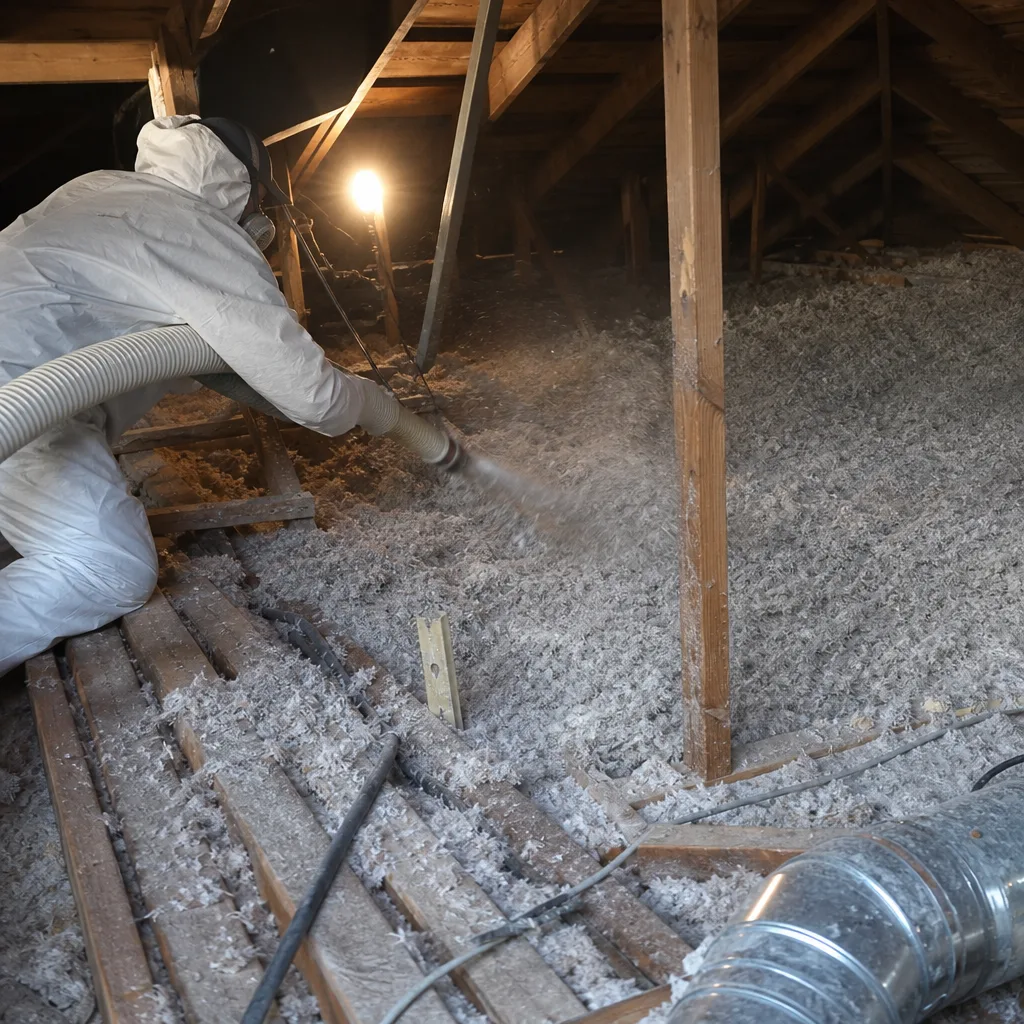
- Hot or cold ceiling patches directly below attic runs. Demilec foam creates an air barrier, not just insulation. When it pulls away from top plates or shrinks at stud bays, conditioned air migrates through the gap and telegraphs to the drywall below. You’ll feel it before you see it, usually as a stripe of uncomfortable wall or ceiling that doesn’t respond to thermostat adjustments.
- Dust streaking around ceiling registers and can lights. This is the classic “filtration marking” pattern. Air sealing that has degraded allows attic air to bypass the thermal boundary, carrying fine particulate through every crack. In Campbell, where summer attic temperatures routinely hit 140°F, that particulate includes degraded insulation fibers and rodent detritus from older homes near the Los Gatos Creek corridor.
- Ice dam formation or premature shingle degradation at roof edges. Failed air sealing lets warm, moist interior air reach cold roof decking. The moisture condenses, freezes at the eave, and creates the dam cycle. Even without visible ice, the moisture cycling rots OSB sheathing from the inside out. We’ve replaced roof decks in Campbell’s 1960s ranch tracts where the Demilec was intact but had missed a critical chase penetration by six inches.
- Blower-door test shows minimal improvement after “insulation only” work. This is the one that stings. A previous contractor blew cellulose or fiberglass over your existing Demilec without addressing new gaps that opened as the foam aged. The insulation performs its rated R-value in theory, but air moves through it freely. Your CFM50 drops maybe 5-10% when it should drop 30-50%.
- Visible cracking, powdering, or amber discoloration of foam surfaces. Closed-cell Demilec that has seen sustained UV exposure through a missing hatch gasket or gable vent leak will surface-degrade. The foam isn’t necessarily failed throughout, but the compromised skin no longer blocks air. Open-cell foam that has gotten wet from a roof leak will slump and lose its structure permanently; there’s no drying and rebounding with water-blown open cell.
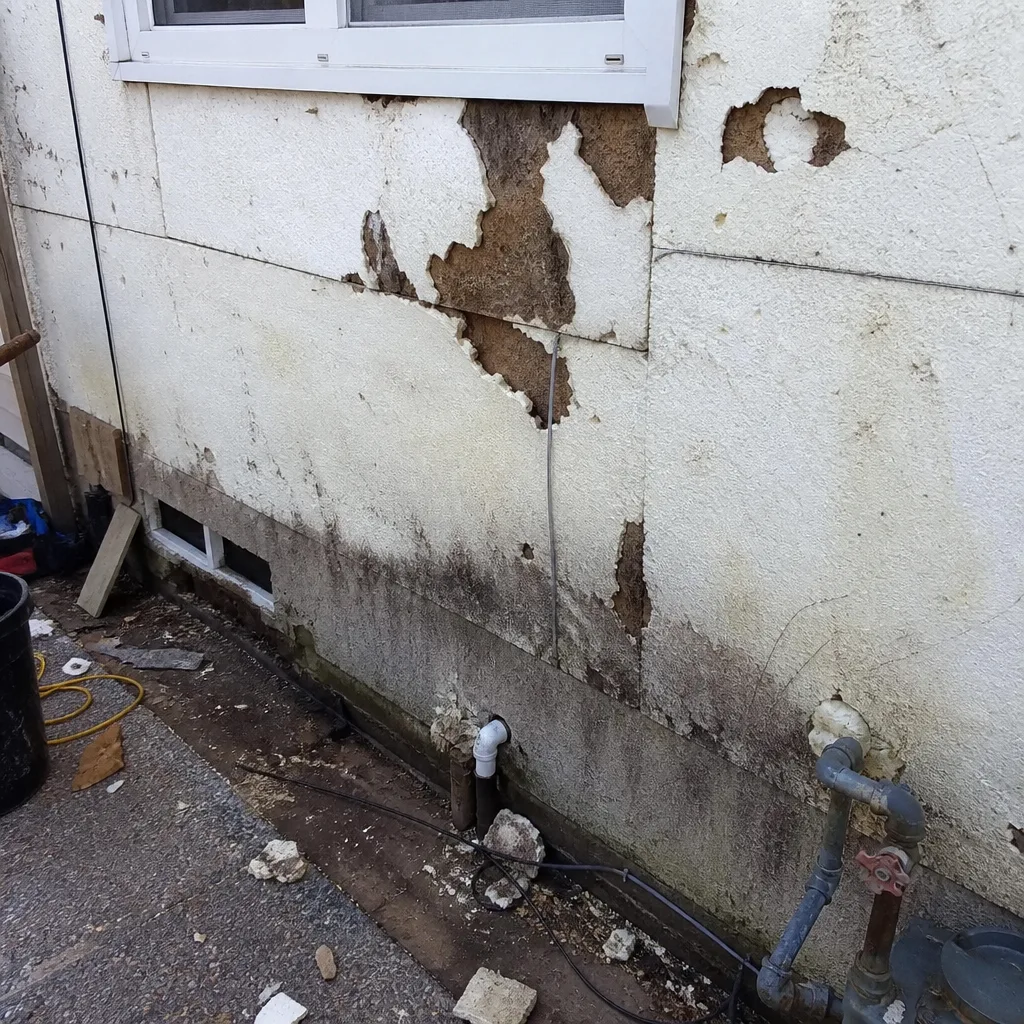 Before
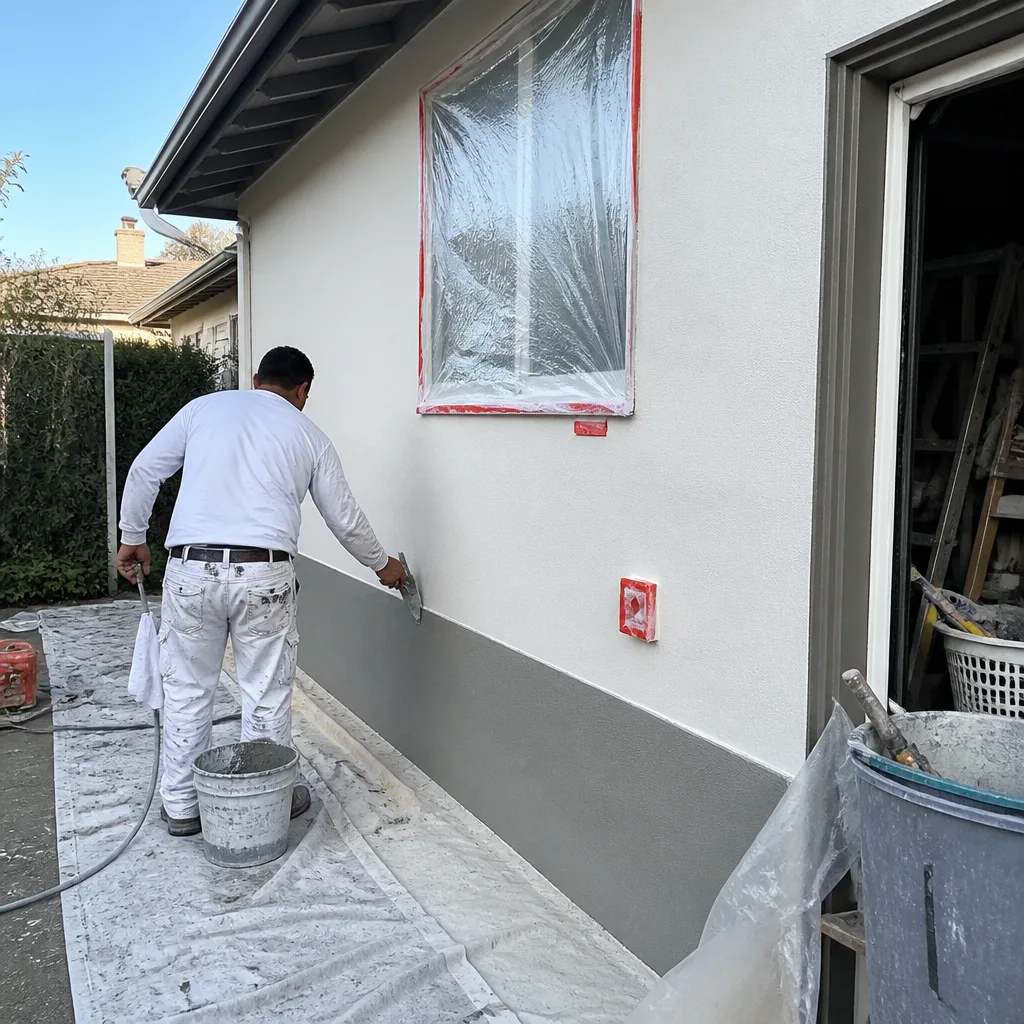 After
AfterReplacement Cost & What’s Included
For a typical Campbell single-family attic between 800 and 1,400 square feet, Demilec air sealing replacement or remediation runs $1,800-$3,400 installed. The lower end covers targeted repairs: scarifying and re-foaming failed top plate runs, re-sealing around chimney chases and vent stacks, and addressing the specific penetrations that testing identifies. The upper end involves full removal of degraded material, deck cleaning, and complete re-application.
What drives the spread: attic accessibility (truss height and hatch size), contamination level (rodent activity requiring cleaning before re-sealing), and whether we’re working around existing insulation that must be temporarily relocated rather than removed. Every quote we write in Campbell includes labor, material, waste disposal, and our post-job blower-door test with printed results. The 365-Day Done Right Promise applies. We don’t charge separately for the documentation; the photo record and CFM50 before-and-after are part of the scope.
We source Demilec material through standard distribution channels alongside Owens Corning, Johns Manville, Knauf, Rockwool, CertainTeed, Icynene, and GreenFiber. No proprietary lock-in means we specify what’s appropriate for your assembly, not what moves our inventory.
DIY or Call Us?
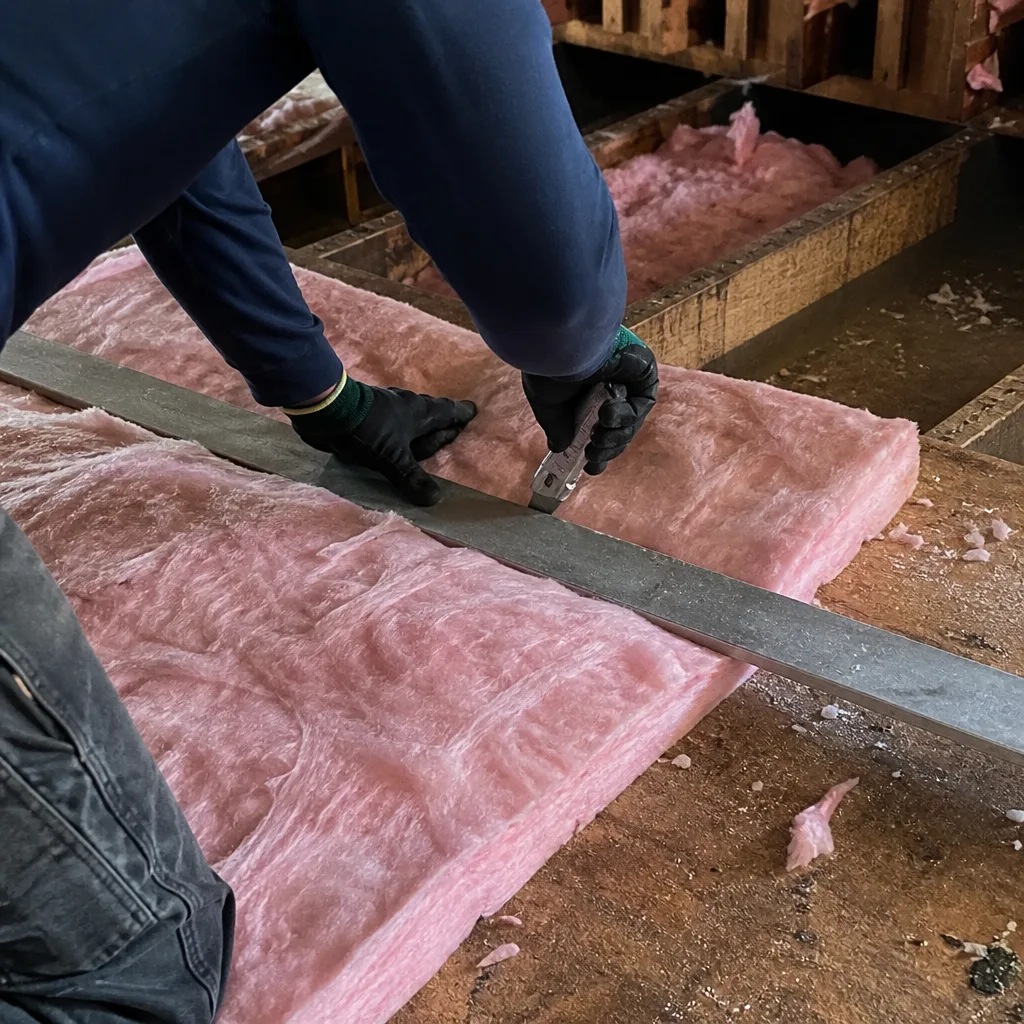
There’s a safe middle ground here, and then there’s where DIY goes wrong.
What you can check yourself: verify your attic hatch gasket is intact and continuous, confirm bathroom exhaust ducts terminate at the roof vent rather than dumping into the attic, and look for obvious daylight through eave or ridge gaps. These are diagnostic, not repairs, but they help us understand what we’re walking into.
What you shouldn’t attempt: spray foam application requires respiratory protection beyond standard hardware-store masks, proper ventilation engineering to avoid off-gassing accumulation, and the judgment to know when existing foam must be removed versus repaired. Two-part polyurethane chemistry is exothermic; a homeowner who over-applies in a confined chase can generate enough heat to char surrounding framing. We’ve seen it. Seal the leaks first. The insulation has nowhere useful to go until you do.
Call (831) 534-3206 when you’re ready for a written price. We’ll run the blower-door test, show you the CFM50 number, and specify exactly which Demilec configuration applies to your home.
FAQs
Properly applied closed-cell Demilec Heatlok lasts 25-30 years in Campbell’s climate, though roof leaks, pest intrusion, or subsequent trades disturbing the foam can shorten that. Open-cell Sealection is more vulnerable to moisture and typically shows degradation in 15-20 years if the attic has had humidity control issues. Call (831) 534-3206 and we can assess your specific installation’s condition.
Localized failure can be repaired if the surrounding foam is well-bonded and uncontaminated. We scarify the perimeter, apply compatible new material, and verify with smoke-pencil testing. Widespread degradation, water damage, or failed early-formulation batches usually warrant full removal and re-application. Our written scope specifies which approach applies to your attic before any work starts.
Most targeted repairs in a Campbell attic finish in one day. Full removal and re-application of a 1,200-square-foot attic typically requires two days: one for removal, deck prep, and drying if needed; one for foam application, curing, and blower-door verification. We don’t rush the cure schedule; the Haven Standard requires documented performance, not just completed labor.
We stock both Heatlok HFO Pro and Sealection 500 on our Campbell-area trucks, along with compatible Icynene and Johns Manville alternatives for jobs where cross-brand compatibility is acceptable. For unusual formulations or large-area jobs requiring bulk delivery, we can typically have material on-site within 24 hours. Call (831) 534-3206 to confirm stock for your specific configuration.
Written by Wes Okafor, Owner & Lead Insulation Technician, Topside Attic Insulation Campbell at Topside Attic Insulation Campbell, serving Campbell and nearby areas.