
GreenFiber Attic Air Sealing: The Campbell Owner’s Guide
GreenFiber attic air sealing in Campbell typically runs $1,800-$3,400 for a complete top-plate and penetration seal on a 1,200-2,200 square foot home, and we stock GreenFiber-compatible sealing components for same-day starts on most jobs. We treat air sealing as a hard prerequisite, not an upsell - every GreenFiber cellulose installation we complete begins with sealing the envelope first. Most Campbell homeowners discover their attic air sealing has failed when rooms stay cold despite new insulation, or when their PG&E bill climbs 20-40% in a single season with no rate change.
Which GreenFiber Models This Applies To
GreenFiber manufactures loose-fill cellulose insulation, not a dedicated air-sealing product line, so “GreenFiber attic air sealing” refers to the sealing work performed before their cellulose goes in. The critical compatibility question is which GreenFiber cellulose product you’re pairing with the seal: Low Dust, Natural Fiber, or Sanctuary - each demands a different prep depth. Low Dust, the most common in Campbell, compresses to R-3.7 per inch and requires a minimum 2-inch clearance around non-IC-rated can lights after sealing. Sanctuary, their high-performance line, is denser at R-3.8 per inch and needs more robust top-plate blocking to prevent wind-washing through the seal.
We identify the right approach three ways: the bag label (still visible in most attics from prior installs), the settled depth measurement against your joist height, and the age of the home. Campbell homes built 1965-1985 near the Pruneyard Plaza corridor often have original top plates with no gasket seal at all - a condition that renders any GreenFiber product half as effective. OEM GreenFiber accessories are limited to baffles and netting; for the actual seal we use compatible fire-rated caulk, spray foam, rigid foam board, and metal flashing from Owens Corning, Johns Manville, and Knauf. Aftermarket equivalents perform identically and cost 15-25% less, though we specify the exact product on every written scope so there’s no ambiguity.
Signs Your GreenFiber Attic Air Sealing Is Failing
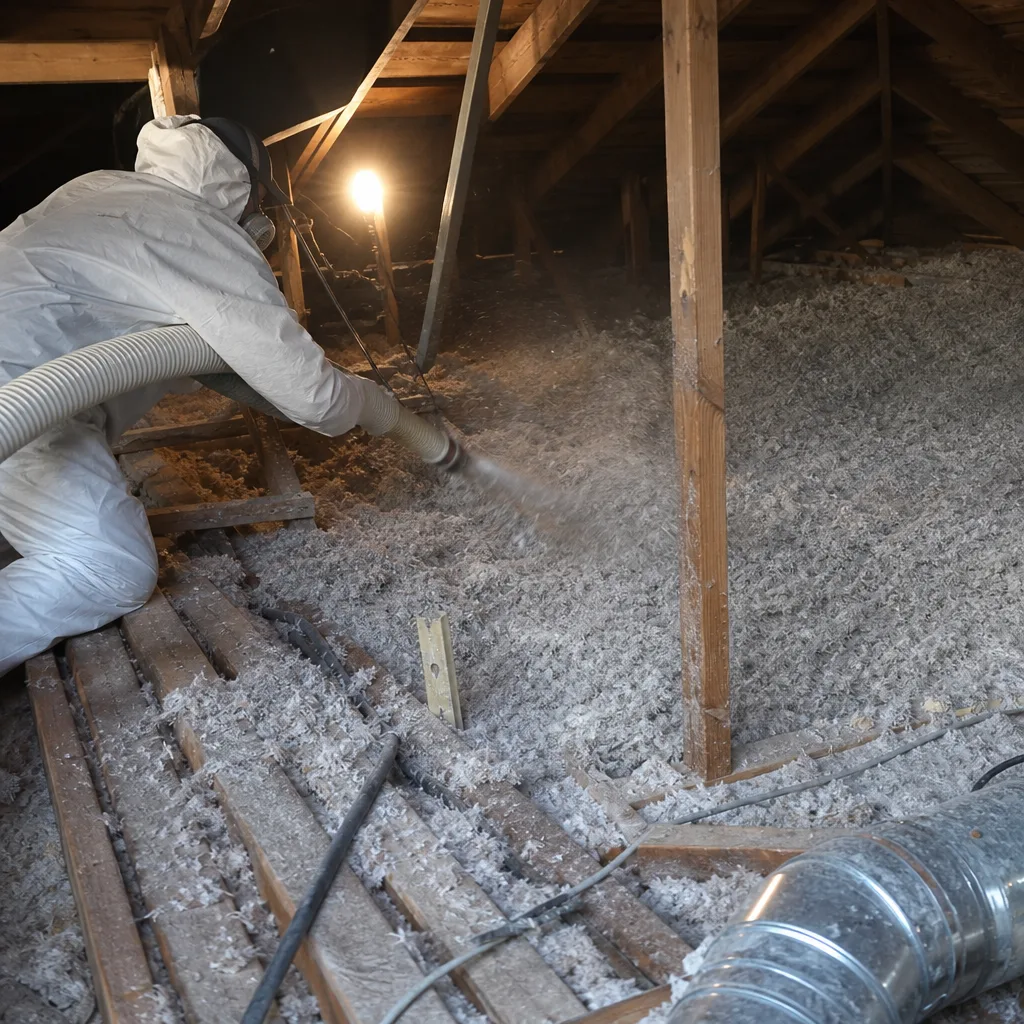
- Uneven room temperatures despite adequate insulation depth. The GreenFiber cellulose looks right, but conditioned air is escaping through unsealed top plates and pulling outside air in through lower leaks. Your blower-door number tells the real story - we regularly see 3,800 CFM50 or higher in Campbell homes where the seal was skipped.
- Dust streaks around ceiling registers or can lights. These dark lines are filtration soiling - attic air being drawn through the gap between drywall and the fixture housing because the seal failed or was never installed. In Campbell’s dry summers, this accelerates as attic pressures increase.
- Ice damming or moisture staining at the eaves. Warm, moist interior air hits the cold roof deck through bypasses the seal should have closed. Even with proper GreenFiber depth, a leaky envelope creates the exact conditions that cause mold in our mild, wet winters.
- Insulation that appears settled or displaced near penetrations. Air moving through a failed seal carries cellulose with it, creating low spots around plumbing stacks, chimneys, and wire holes. We see this most often in Campbell’s split-levels from the 1970s where multiple ceiling heights create complex pressure zones.
- Blower-door test showing minimal improvement after “insulation only” work. If a previous contractor blew in GreenFiber without sealing first, your CFM50 probably dropped 5-10% at best. A proper seal alone typically achieves 25-40% reduction before insulation even enters the picture.
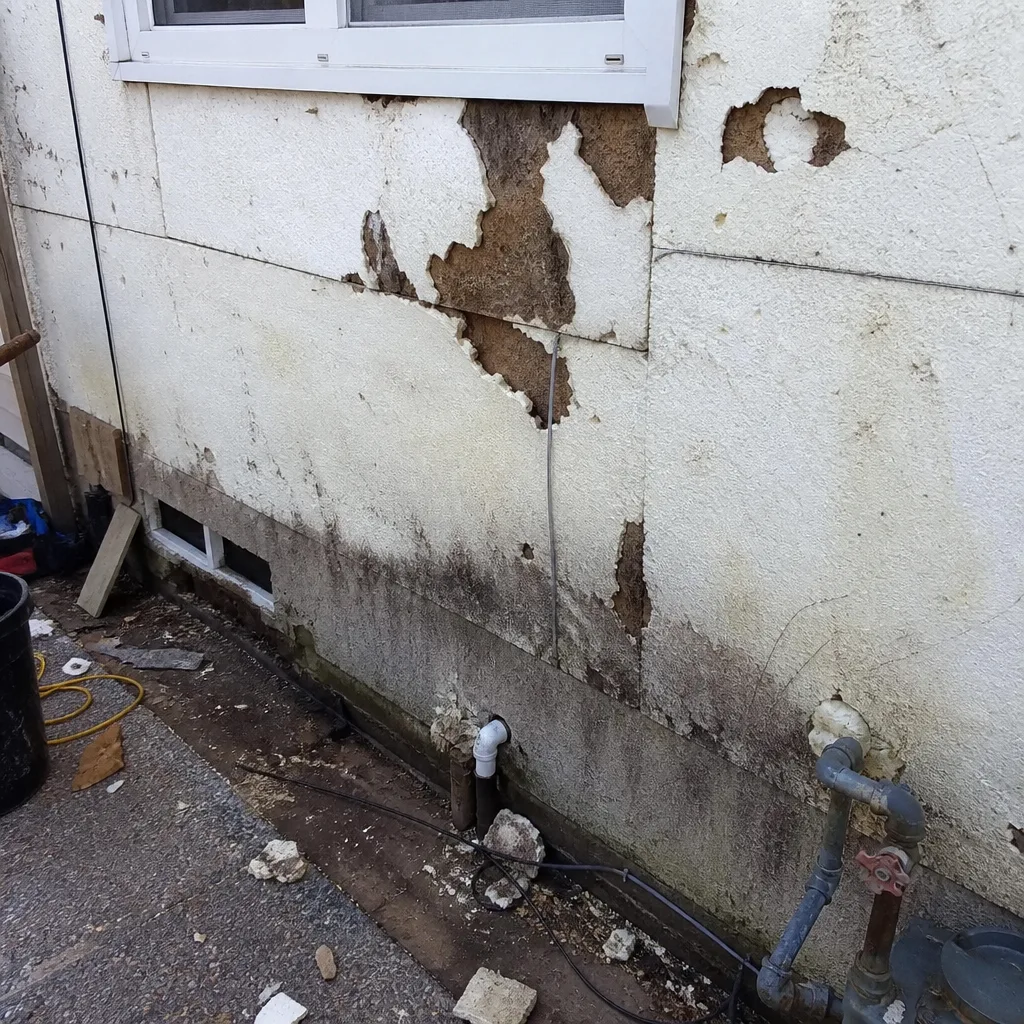 Before
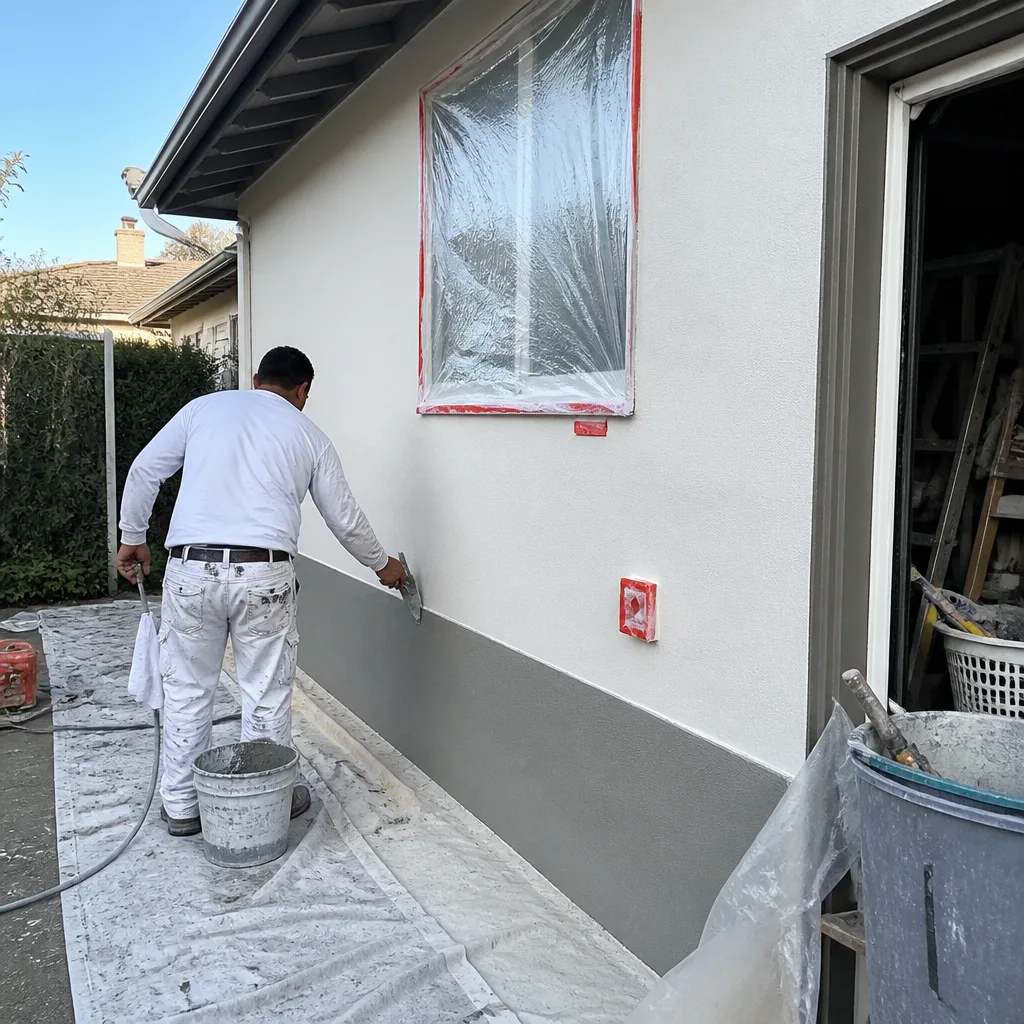 After
AfterReplacement Cost & What’s Included
| Scope | Campbell Price Range |
|---|---|
| Top-plate seal only (single-story, ~1,200 sq ft) | $1,800-$2,400 |
| Top plates + can light sealing + penetration detail | $2,400-$3,000 |
| Full envelope seal + blower-door verification (most jobs) | $2,800-$3,400 |
| Large home or complex roofline (2,500+ sq ft) | $3,400-$4,200 |
What drives the range: accessibility (some Campbell attics have 14-inch clearance at the eaves), quantity of can lights and penetrations, and whether we’re working around existing GreenFiber or starting fresh. Every price is flat and written before work starts - Haven Standard Clause 1. The scope includes all fire-rated sealant, rigid foam, metal flashing, and weatherstripping; before-and-after blower-door numbers published on every job; and a Documented Photo Record of every sealed penetration. Our 365-Day Done Right Promise covers the seal integrity and the blower-door result.
DIY or Call Us?
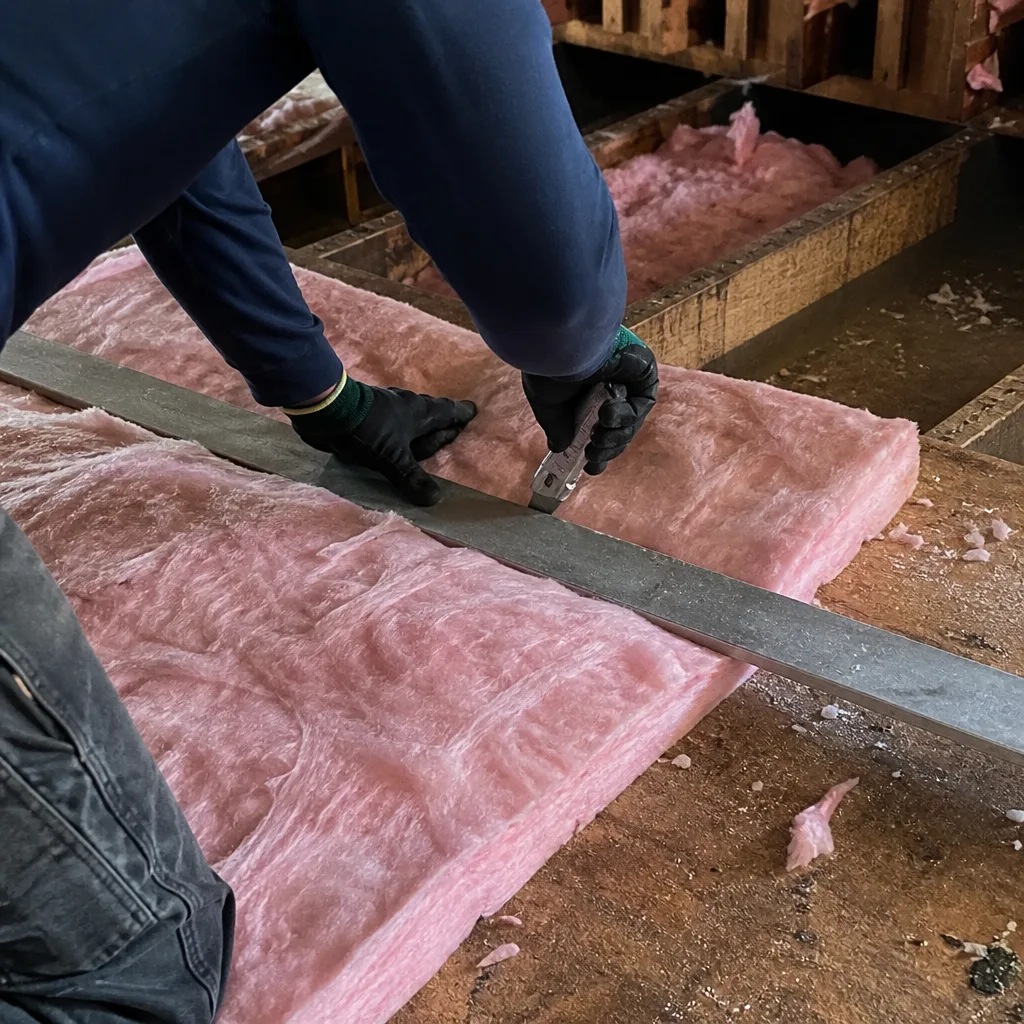
Here’s what a Campbell homeowner can safely check: look for visible gaps around your attic hatch, light gaps at top plates where interior walls meet the ceiling, and any dropped insulation around plumbing or wiring. Mark these with tape and photograph them - useful documentation either way.
Where DIY goes wrong: working over unsealed top plates in a hot attic, misidentifying which penetrations require fire-rated sealant versus standard caulk, and disturbing existing GreenFiber without proper respiratory protection. The bigger risk is sealing the wrong leaks and creating a moisture trap - we’ve found mold behind “fixed” seals where homeowners used non-vapor-permeable foam in the wrong location. Campbell’s combination of marine moisture and summer attic heat punishes small mistakes hard.
Seal the leaks first. The insulation has nowhere useful to go until you do. For a written price on your GreenFiber-compatible attic air sealing, call (831) 534-3206 - estimates are free, and we answer live 24/7.
FAQs
A properly installed seal lasts 20-30 years, though caulk and foam at high-movement joints may need touch-up at 10-15 years. Campbell’s temperature swings - 40°F winter nights to 95°F attic days - accelerate thermal cycling at the seal line. We inspect seal integrity as part of any subsequent insulation service and document condition in your photo record.
Spot repair works if the original seal was comprehensive and only isolated areas have failed - a cracked caulk bead at one top plate, for instance. Most Campbell homes we enter never had a complete seal to begin with, so patching is like fixing half the holes in a boat. We’ll tell you honestly which situation you’re in after a visual assessment, and either way you’ll get a written scope before any work starts.
Most Campbell homes are sealed and blower-door verified in one full day, with larger or tighter-access jobs extending to a second day. The crew arrives with all GreenFiber-compatible materials on the truck - no mid-job supply runs that leave your attic open overnight. You receive the before-and-after CFM50 readings and photo documentation before we leave.
We stock GreenFiber-compatible cellulose, baffles, and all sealant categories on every truck - fire-rated caulk, two-part spray foam, rigid foam board in multiple thicknesses, and metal flashing for chimney and flue penetrations. We’re an independent service provider, not affiliated with GreenFiber, and we also stock Reflectix and other brands so we’re never locked into a single product line when your specific assembly demands something different.
Written by Wes Okafor, Owner & Lead Insulation Technician, Topside Attic Insulation Campbell at Topside Attic Insulation Campbell, serving Campbell and nearby areas.