
GreenFiber Attic Insulation: The Campbell Owner’s Guide
GreenFiber blown-in cellulose attic insulation installed in Campbell homes typically runs $2.80 to $4.20 per square foot depending on depth and prep work, and we stock GreenFiber-compatible material for same-day installation in most cases. Most Campbell homeowners discover their GreenFiber insulation has failed when upstairs rooms won’t stay cool in July, energy bills spike 20% or more year-over-year, or a home energy audit reveals settled depth below the original R-38 specification. We see this pattern constantly in Campbell neighborhoods built between 1965 and 1995, where original GreenFiber installations have compressed, shifted, or been disturbed by rodent activity.
Which GreenFiber Models This Applies To
GreenFiber produces loose-fill cellulose insulation, not a discrete part with a model number, so identification comes down to three things: the bag label (look for “GreenFiber,” “SANCTUARY,” or “Cocoon” branding), the installed depth, and the date of original installation. Campbell homes from the 1970s and 1980s often have early GreenFiber formulations that settled more aggressively than current SANCTUARY products. The current SANCTUARY line carries a higher post-settle R-value per inch, 3.7 versus 3.2 to 3.4 in older material, which matters when you’re topping off versus full replacement.
We don’t push proprietary lock-in. GreenFiber cellulose works alongside Owens Corning fiberglass, Rockwool mineral wool, or Johns Manville products where mixing makes sense, say, dense-packing walls with GreenFiber while blowing new SANCTUARY over a sealed attic floor. The compatibility gotcha: GreenFiber’s fire-retardant chemistry, a borate treatment, can interact poorly with unsealed aluminum radiant barriers, causing corrosion at contact points. We’ve pulled degraded Reflectix barriers out of Campbell attics where this exact reaction occurred. If your attic has both, we photograph the condition before touching anything.
Topside Attic Insulation Campbell is an independent service provider, not affiliated with GreenFiber. We source material through standard distribution channels and install to manufacturer spec, period.
Signs Your GreenFiber Attic Insulation Is Failing
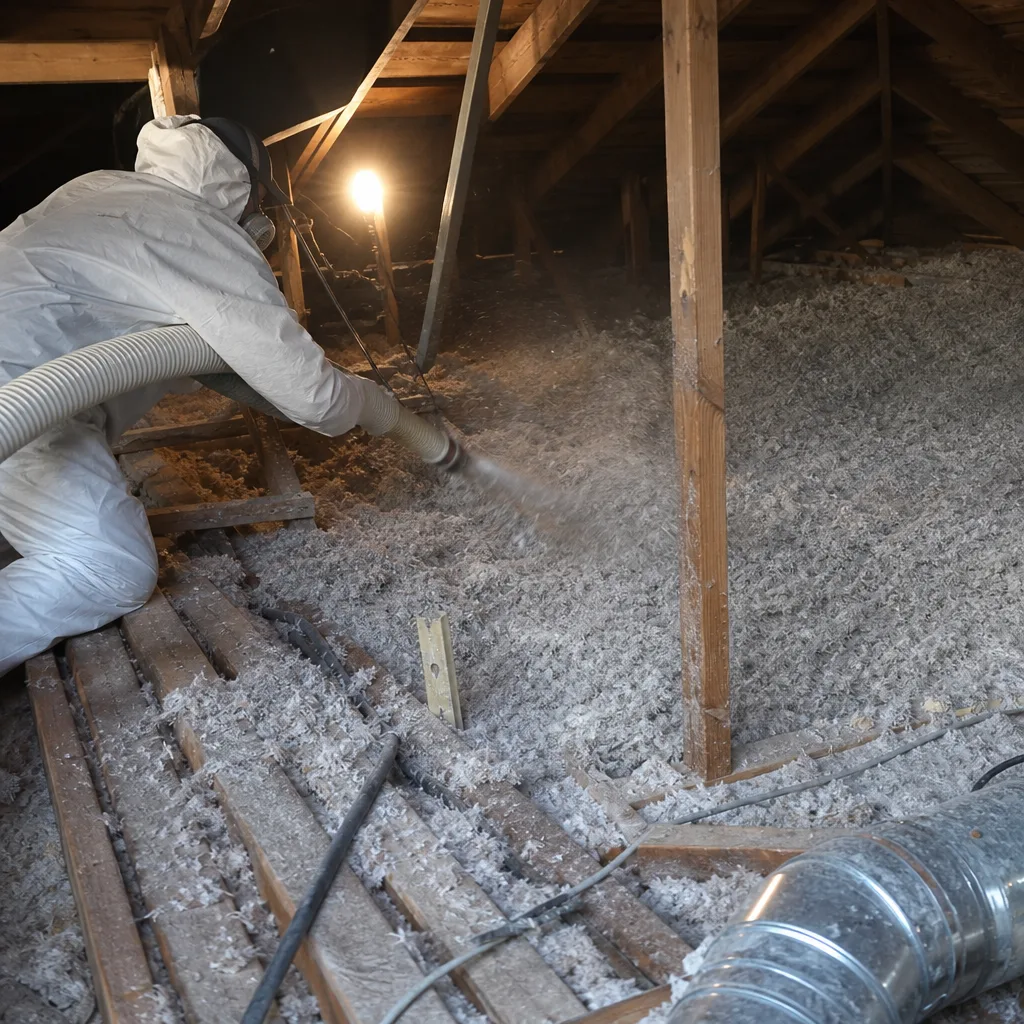
- Uneven temperature between rooms. Settled or shifted cellulose creates thin spots, especially near eaves and around duct boots. In Campbell’s Westmont or Campbell Avenue corridor homes, we regularly find original GreenFiber has migrated toward the attic center, leaving perimeter bays at R-15 or below.
- Ice damming or excessive summer heat in the attic. Sounds contradictory, but both indicate the same problem: the insulation barrier is compromised. In Campbell’s climate, attic temperatures hitting 140°F in August mean your conditioned air is leaking upward faster than the insulation can resist it.
- Visible compression or water staining. GreenFiber cellulose holds moisture when roof leaks occur, and compressed cellulose loses up to 40% of its R-value. We document this with photos every time.
- Rodent trails or nesting material. Disturbed cellulose with tunnels, droppings, or compressed paths means the insulation matrix is broken and air is moving freely through it. This is common near the Los Gatos Creek corridor where roof rat pressure is higher.
- Energy bills climbing without rate changes. PG&E rate increases aside, a 15% to 25% jump in heating or cooling costs often traces to insulation performance degradation. We compare your current usage against degree-day adjusted baselines to isolate the building envelope from other factors.
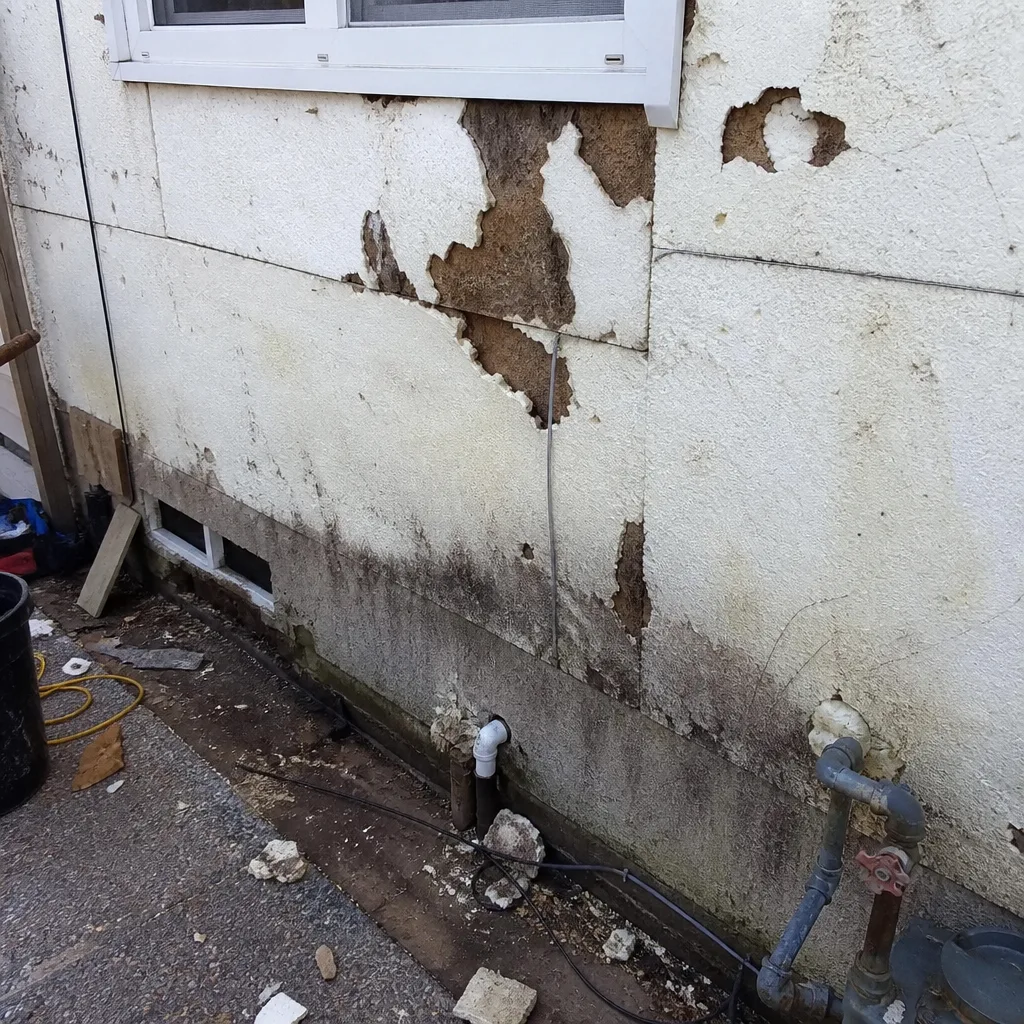 Before
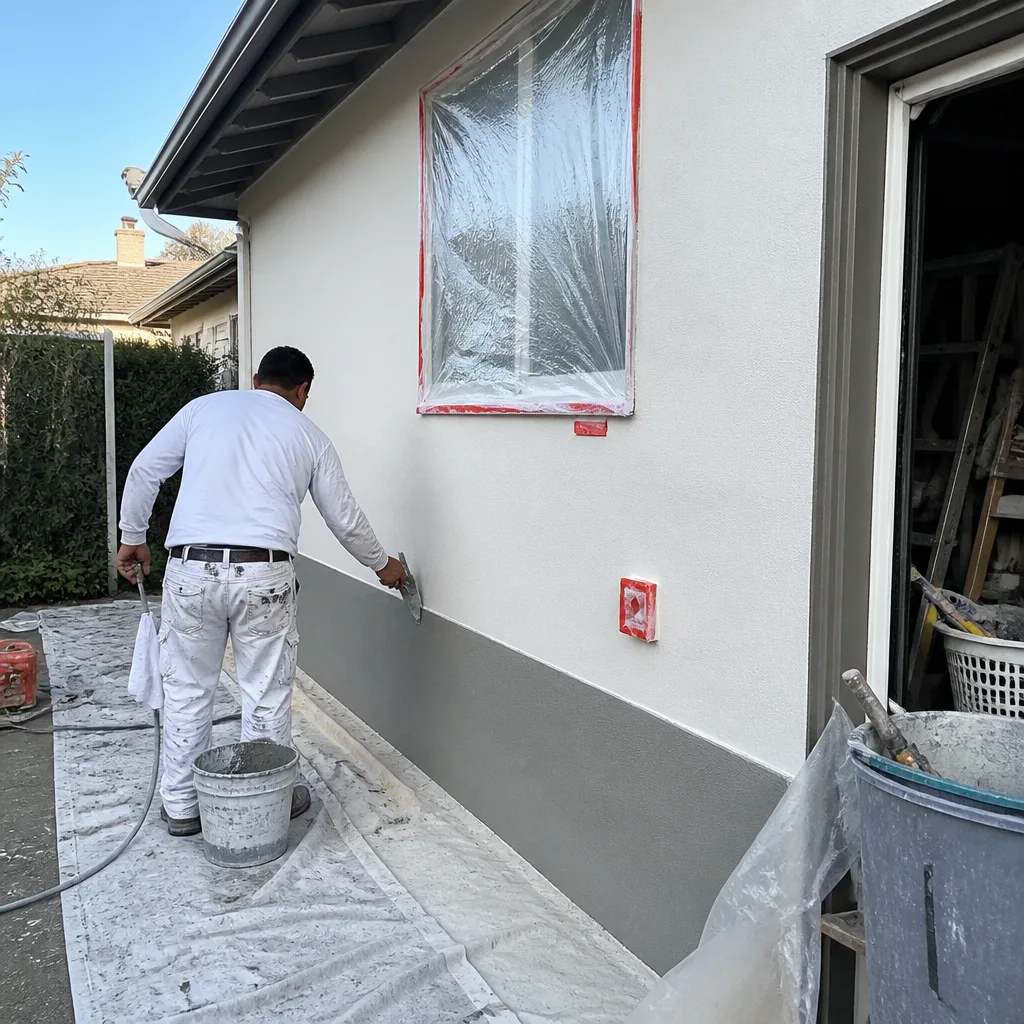 After
AfterReplacement Cost & What’s Included
Most GreenFiber attic insulation jobs in Campbell run between $2,800 and $6,400 for a typical 1,200 to 2,400 square foot footprint, with the spread driven by three factors: whether we remove existing material or top off, the air-sealing scope before new insulation goes in, and the final R-value target. R-38 to R-49 is standard for our climate zone; R-60 makes sense if you’re adding solar and want to minimize HVAC load.
Every job includes removal of failed material, air sealing of top plates, can lights, and penetrations, installation of new GreenFiber SANCTUARY blown-in cellulose, and a Documented Photo Record delivered before we leave. On applicable jobs, we run a blower-door test before and after, a pressurization reading that shows, in one number, how much air your building envelope was losing. The 365-Day Done Right Promise applies to all completed work. We give you a Written Price Before Any Work Starts, always, under Haven Standard Clause 1.
DIY or Call Us?
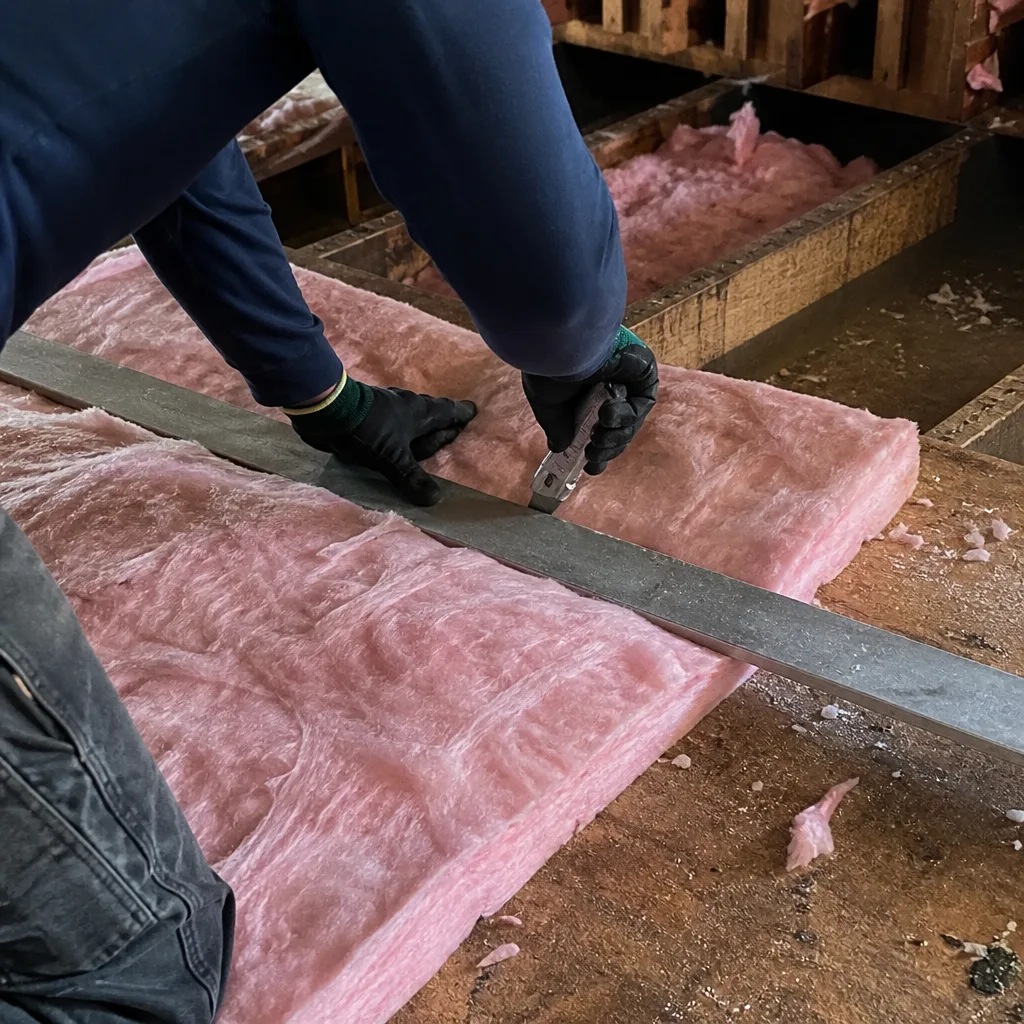
Here’s what a Campbell homeowner can safely check: measure current insulation depth with a ruler at three attic locations, photograph any visible settling or disturbance, and verify your attic hatch has proper weatherstripping. A poorly sealed hatch will undo half the insulation work in the room beneath it. Wes Okafor has seen this exact failure in dozens of Campbell homes near the Pruneyard.
Where DIY goes wrong: cellulose installation requires a blowing machine calibrated to manufacturer density spec, typically 1.3 to 1.5 pounds per cubic foot for GreenFiber SANCTUARY. Under-blowing creates voids; over-blowing compresses the material and reduces R-value. More critically, blowing insulation over an unsealed attic floor is a waste of money. Seal the leaks first. The insulation has nowhere useful to go until you do. We also find homeowners miss fire-blocking requirements around chimneys and recessed lights, which is a genuine safety issue.
Call (831) 534-3206 for a free estimate. We’ll bring a written price, not a sales pitch.
FAQs
Properly installed GreenFiber cellulose lasts 20 to 30 years, but in Campbell’s climate, we see functional degradation closer to 15 years when air sealing was skipped during original installation. Thermal cycling and moisture intrusion from our winter rains accelerate settling. Call (831) 534-3206 and we’ll measure your current depth against the original spec.
Partial topping-off works if the existing material is dry, uncontaminated, and hasn’t settled below 50% of original depth. We add new GreenFiber SANCTUARY to reach target R-value after air sealing. If there’s rodent contamination, moisture damage, or chemical degradation, full removal and replacement is the only sound approach. We photograph the condition and show you before recommending either path.
Most Campbell homes complete in one day: removal in the morning, air sealing and prep by early afternoon, blowing and cleanup by evening. Larger homes or jobs requiring extensive air sealing may run into a second day. We give you a written schedule with the price, so you know the timeline before anyone arrives.
We stock GreenFiber SANCTUARY blown-in cellulose and maintain blower machines rated for the correct density and coverage. Same-day installation is available for most Campbell jobs booked before noon. For larger removals requiring disposal, we schedule material delivery to arrive with the crew. Call (831) 534-3206 to confirm availability for your specific job.
Written by Wes Okafor, Owner & Lead Insulation Technician, Topside Attic Insulation Campbell at Topside Attic Insulation Campbell, serving Campbell and nearby areas.