
GreenFiber Spray Foam Insulation in Campbell, CA: What to Know First
We provide independent GreenFiber spray foam insulation service in Campbell, typically completing diagnostic-to-installation jobs in one to two days with a written price delivered before any work starts. Most GreenFiber open-cell and closed-cell foam projects in Campbell homes run between $2,800 and $6,400 depending on cavity depth, access difficulty, and whether the existing substrate needs remediation first. This page is for Campbell homeowners who already have GreenFiber insulation in place and need targeted repair, expansion, or replacement with compatible spray foam - or those comparing GreenFiber against other products for a new installation. Call (831) 534-3206 for a free estimate with a written scope.
How GreenFiber Products Fail - and How We Fix Them
- GreenFiber Sanctuary open-cell foam shrinkage in cathedral ceilings. We’ve tracked this in several Campbell homes near the Cambrian Park border where summer attic temperatures exceed 140°F. The foam pulls 3-8% from rafter edges, creating visible gaps that blower-door tests catch as thermal bypasses. We remove the compromised lift, recondition the substrate with a compatible primer, and reinstall to the original R-value with documented before-and-after CFM50 readings.
- GreenFiber Ultra-Seal closed-cell delamination from OSB roof decks after rodent activity. Campbell’s older ranch homes near the Pruneyard Plaza corridor often have compromised attic environments where rodents have disturbed the foam-to-sheathing bond. We don’t just patch over it - we cut back to sound adhesion, treat the deck with a mold-inhibiting cleaner, and reapply closed-cell at the original density (2.0 lbs/ft³) so the thermal barrier and structural rigidity both restore.
- GreenFiber Low-Density open-cell moisture retention in crawl spaces. Campbell’s clay-heavy soils in the Winchester Boulevard basin hold moisture against foundation walls. When Low-Density open-cell is applied below grade without a proper vapor barrier strategy, the foam can wick water and lose insulating value. We strip the affected areas, install a polyethylene ground cover if absent, and switch to closed-cell or a hybrid assembly depending on the wall condition.
- GreenFiber retrofit compatibility gaps where original blown-in cellulose meets new spray foam. GreenFiber’s cellulose legacy is common in Campbell homes built 1965-1985. When owners add spray foam to an adjacent cavity without addressing the cellulose-to-foam transition, air migrates through the settled cellulose and undermines the foam’s air-sealing performance. We extract the settled material, seal the top plates and electrical penetrations, then install the spray foam as a continuous thermal and air barrier.
- GreenFiber spray foam overspray on recessed can lights and chimney flues. Previous Campbell jobs we’ve reviewed show where untrained applicators coated non-IC-rated fixtures or zero-clearance flues with combustible open-cell foam. We remove the hazardous material, install proper fire-rated enclosures or baffles, and reapply foam only where code allows - with photos of every clearance documented in your job record.
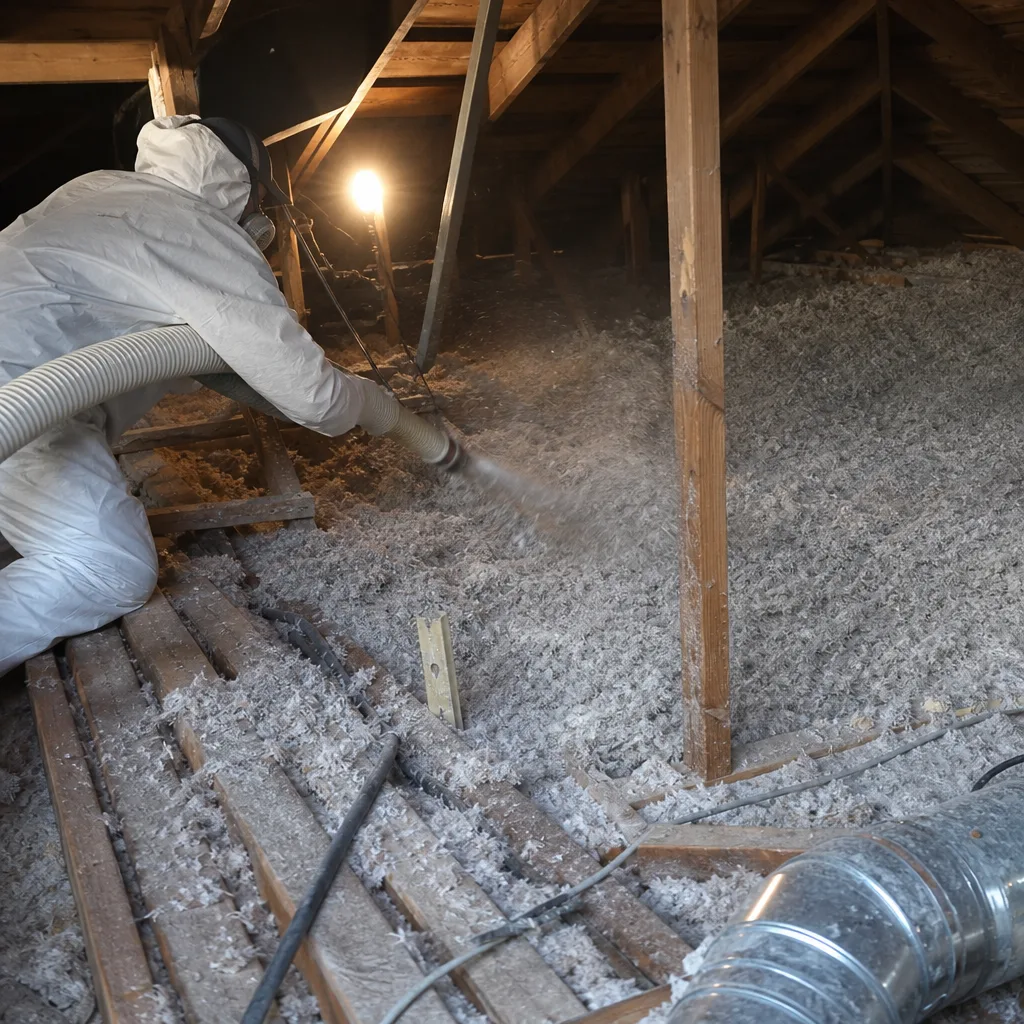
Our GreenFiber Spray Foam Insulation Process
- 1
Call and schedule. A live person answers 24/7. We book a diagnostic visit with a named technician and text you when they’re en route.
- 2
On-site diagnostic with blower-door test. We pressurize your home and measure CFM50 - the single number that tells us exactly how leaky your envelope is. We inspect all GreenFiber insulation for the failure modes above, plus air leaks at top plates, can lights, and penetrations.
- 3
Written price and scope. Under Haven Standard Clause 1, you get a flat price, written scope, and written warranty before anyone lifts a tool. No exceptions.
- 4
Air sealing first, then insulation. Seal the leaks first. The insulation has nowhere useful to go until you do. We complete all top-plate sealing, penetration work, and substrate preparation before any foam goes in.
- 5
GreenFiber-compatible spray foam installation. We select open-cell or closed-cell based on your cavity, climate exposure, and whether you need vapor barrier performance. OEM GreenFiber foam when available; quality aftermarket with matching density and R-value when lead times or discontinuation require it.
- 6
Post-work blower-door test and documented record. We run the pressurization test again, hand you a printed report with both CFM50 numbers, and add the photo record to your file. The 365-Day Done Right Promise begins now.
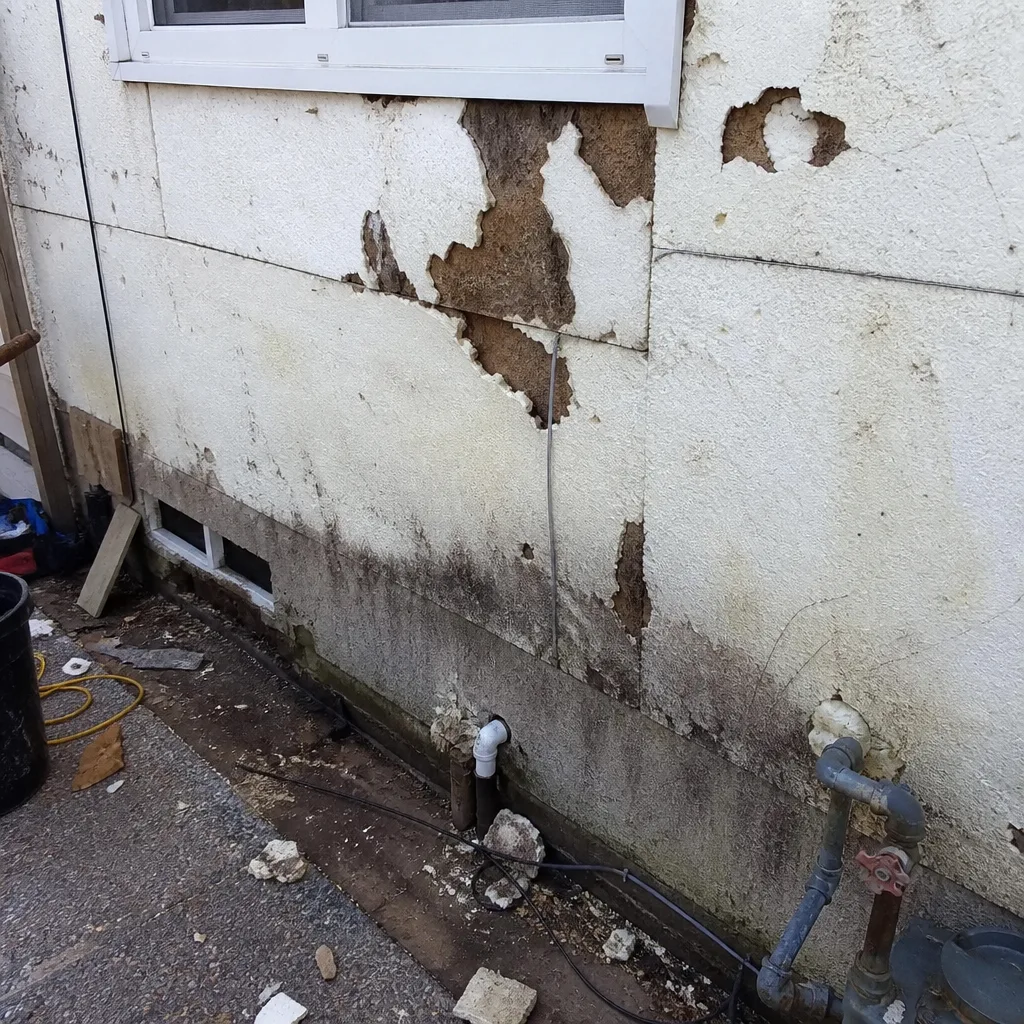 Before
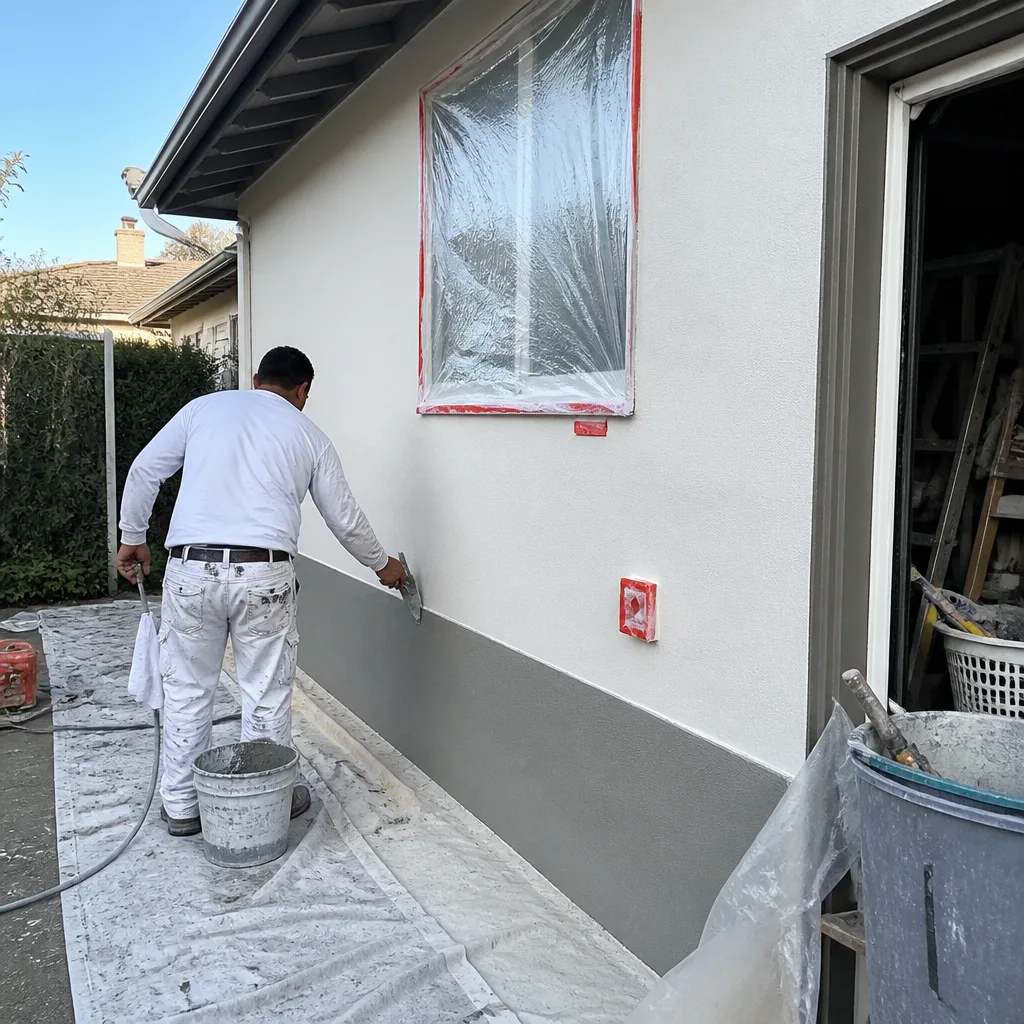 After
AfterWhat GreenFiber Spray Foam Insulation Costs in Campbell
Most GreenFiber spray foam jobs in Campbell fall into these ranges:
| Job Type | Typical Range | What Moves the Price |
|---|---|---|
| Rim joist (closed-cell, basement/crawl) | $2,800-$4,200 | Linear footage, existing moisture damage, access height |
| Attic roof deck (open-cell, vented assembly) | $3,600-$5,800 | Roof pitch, square footage, need for existing foam removal |
| Garage ceiling (closed-cell, conditioned space above) | $2,400-$3,900 | Obstructions, fire-rated enclosure requirements |
| Whole-cavity remediation (removal + replacement) | $4,800-$6,400 | Extent of failed material, substrate repair, disposal |
Factors that push toward the higher end: existing GreenFiber foam that must be mechanically removed rather than patched over, structural repairs to water-damaged OSB, and homes where multiple cavity types need treatment in one job. We also service Reflectix radiant barrier systems when your project involves hybrid insulation strategy. Every estimate is free, and we offer a Free Second Opinion on any written competing quote - bring it in and we’ll read it with you.
Why Campbell Homeowners Call Topside Attic Insulation Campbell for GreenFiber Work
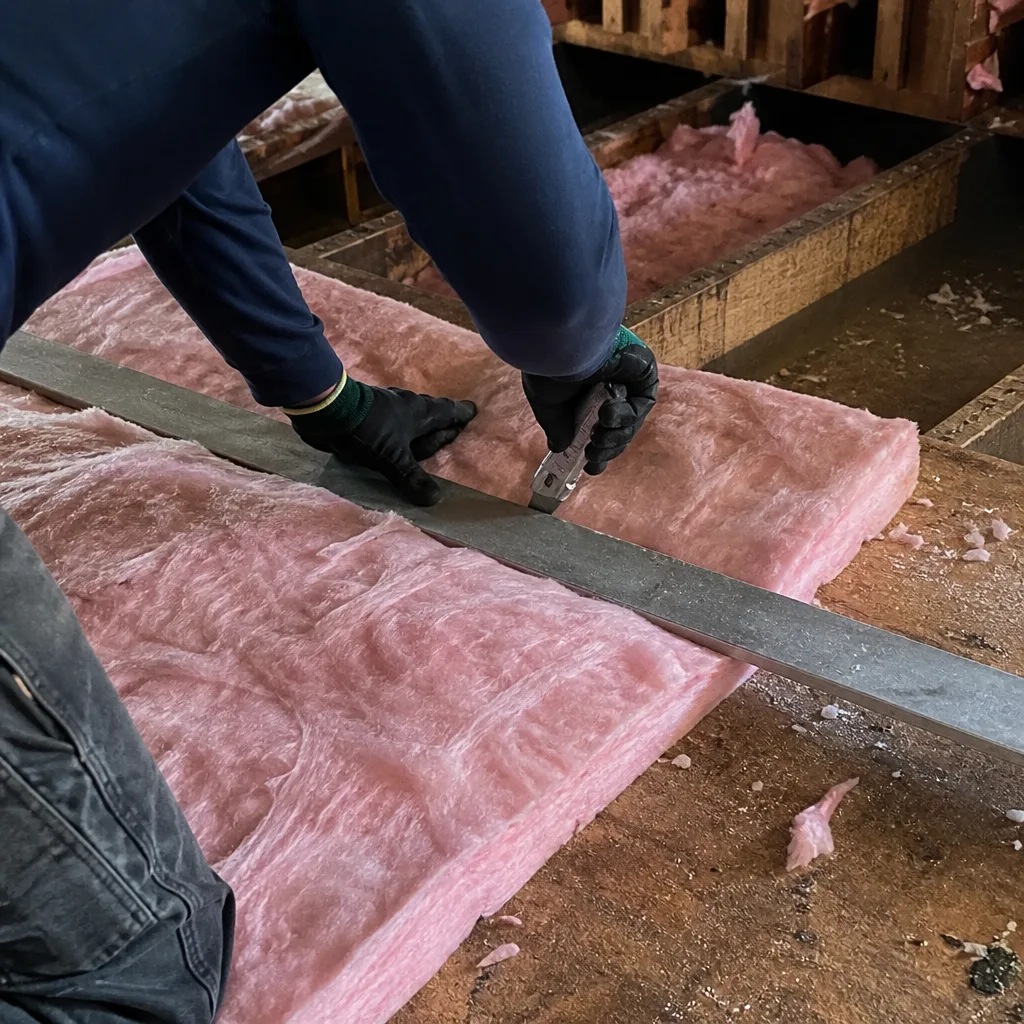
We’ve served Campbell long enough to know the specific air-sealing problems this city’s housing stock presents. Homes near the Pruneyard Plaza corridor taught Wes Okafor early that 1970s-era top plates and balloon-framing gaps leak conditioned air long before you ever touch a bag of insulation. Our crew is background-checked and uniformed; our pricing is flat and written before work starts; and our 365-Day Done Right Promise means if it’s not done right, we make it right. We source materials from Owens Corning, Johns Manville, Knauf, Rockwool, CertainTeed, Icynene, Demilec, and GreenFiber - no proprietary lock-in, so we choose what’s actually right for your assembly. As an independent GreenFiber service provider, we’re not bound to factory repair protocols that don’t match your home’s condition.
FAQs
GreenFiber’s warranty covers manufacturing defects in the original product, not installation errors or environmental conditions like the 140°F attic temperatures common in Campbell summers. We assess whether your failure is material- or installation-related, document our findings with photos, and recommend the remedy that actually fixes it - not the one that satisfies a warranty department. Call (831) 534-3206 for an exact diagnosis; estimates are free.
We use OEM GreenFiber foam when lead times and availability allow; for discontinued lines or urgent jobs, we source quality aftermarket foam matched to the original density and R-value. We never substitute without documenting the specification change in your written scope. Bring us a competing quote and we’ll review the material spec with you line by line.
Spot repairs run $800-$1,800 when the failure is isolated and the surrounding foam retains full adhesion and density. Full removal and replacement becomes the better value when more than 30% of the surface shows delamination, shrinkage, or moisture damage - patching around extensive failure usually costs more in labor than starting clean. We give you both numbers in writing and let you decide.
Most diagnostic-to-completion timelines are one to two days for residential cavities under 1,500 square feet. Larger roof-deck jobs or whole-cavity remediations may run three days including cure time. We don’t rush cure chemistry - closed-cell needs its full rise and set before we trim and inspect. Call (831) 534-3206 to check current scheduling; a live person answers 24/7.
Only if the transition is properly air-sealed. Blown-in cellulose settles and remains air-permeable; spray foam is an air barrier. Without sealing the boundary between them, conditioned air migrates through the cellulose and bypasses the foam entirely. We extract settled cellulose at the transition zone, seal all penetrations and top plates, then install the spray foam as a continuous barrier - documented with before-and-after blower-door numbers so you see the actual performance change.
Written by Wes Okafor, Owner & Lead Insulation Technician, Topside Attic Insulation Campbell at Topside Attic Insulation Campbell, serving Campbell and nearby areas.