
Icynene Attic Air Sealing: The Campbell Owner’s Guide
Most Icynene attic air sealing jobs in Campbell run between $1,800 and $3,400 installed, depending on attic square footage and how many top plates, can lights, and duct chases need sealing. We stock Icynene-compatible open-cell foam, gasketed cover assemblies, and fire-rated caulk on every truck, and we can usually start same-day if you call before noon. Homeowners typically figure out something’s wrong when their upstairs rooms won’t stay cool in July, their PG&E bill spikes $80-$150 in a single month, or they spot dusty insulation around recessed lights - all signs that conditioned air is escaping through gaps the original sealant never fully closed.
Which Icynene Models This Applies To
Icynene’s open-cell spray foam systems - primarily the LD-C-50, LD-R-50, and the newer H2Foam Lite series - are what we encounter in Campbell attics, especially in homes built or remodeled between 2008 and 2019. The LD-C-50 is the denser, more common vintage; if your attic has Icynene, it’s probably this one. You can confirm by checking any exposed foam for the stamped “Icynene” logo and a density rating - LD-C-50 runs 0.5 pcf (pounds per cubic foot), while H2Foam Lite is closer to 0.4 pcf and carries a slightly creamier color.
The critical compatibility gotcha in Campbell’s 95008 and 95009 ZIP codes: Icynene’s early 2000s formulations can shrink measurably after a decade of Santa Clara Valley heat cycling, pulling away from top plates and leaving gaps that batt insulation laid over them simply bridges rather than seals. We’ve pulled back Owens Corning batts in the Cambrian Park area and found 3/8-inch gaps running entire plate lengths - invisible until you look. For replacement, we use Icynene OEM foam for continuity with existing systems, or Demilec Sealection 500 as a quality aftermarket alternative when the original formulation has been discontinued. The aftermarket route saves roughly 15-20% on material cost without sacrificing the 3.5-4.0 per-inch R-value these assemblies need.
To identify what you need, measure the gap dimensions at the worst separation points and note whether your can lights are IC-rated (insulation contact) or non-IC - non-IC fixtures require fire-rated cover boxes before any foam goes near them, a code requirement in Campbell that some original installers skipped.
Signs Your Icynene Attic Air Sealing Is Failing
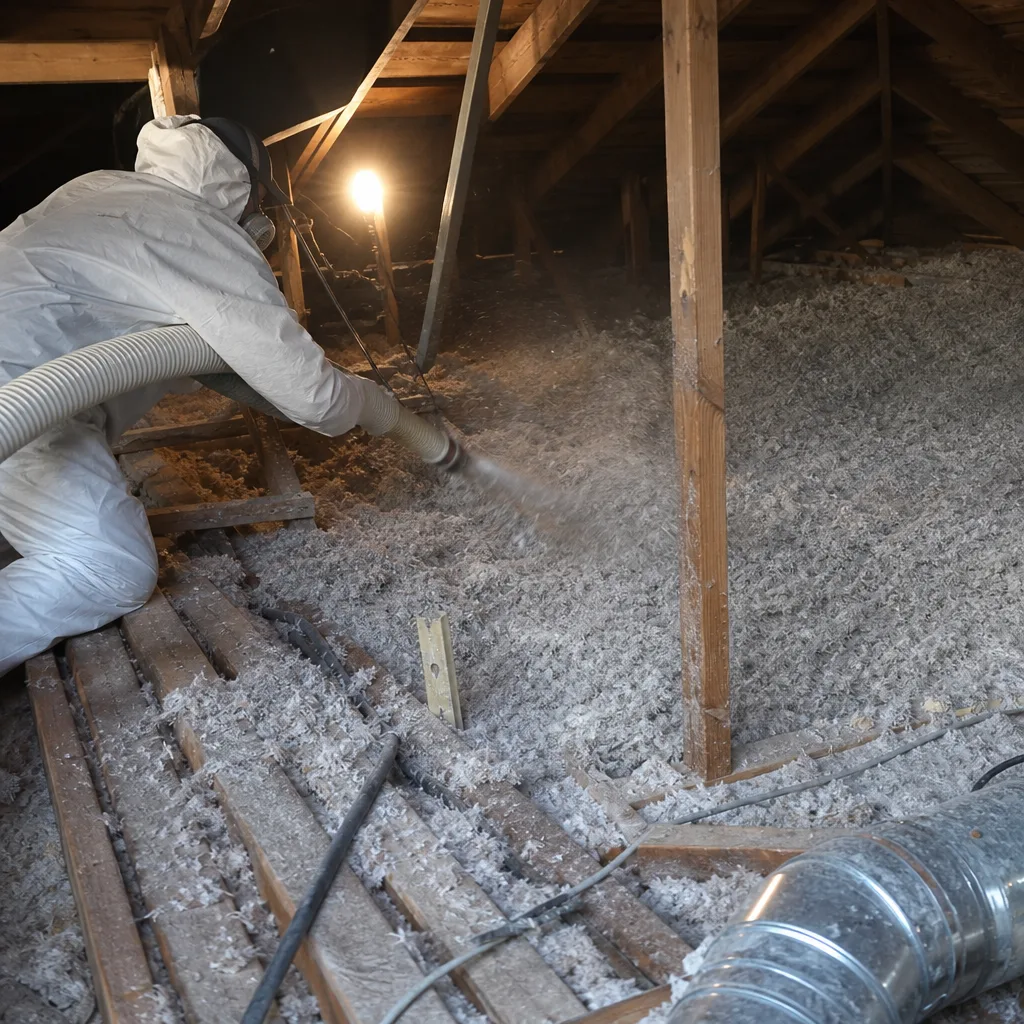
- Hot second-floor rooms that the AC can’t catch. When Icynene pulls away from top plates, conditioned air bleeds into the attic faster than your cooling system can replace it. We see this most in Campbell’s 1960s ranch-style homes near Westmont Avenue, where original ceiling drywall meets exterior walls with minimal blocking.
- Spiking summer energy bills with no rate change. A blower-door test - a pressurization reading that shows, in one number, how much air your building envelope is losing - will typically reveal CFM50 numbers 25-40% higher than when the foam was first installed. One homeowner near the Pruneyard saw their July bill jump from $340 to $510 before we found the leak.
- Dusty or darkened insulation around recessed lights and penetrations. This is filtered air escaping - your HVAC system is literally pumping conditioned air through gaps, and the insulation acts as a filter, trapping dirt. It’s one of the most reliable visual tells we know.
- Uneven snow melt on the roof in winter, or excessive icicles. Warm attic air escaping through failed seals melts roof snow from below. Campbell doesn’t get heavy snow, but the pattern’s identical: hot spots on the roof deck visible after a cold night mean heat is getting out somewhere it shouldn’t.
- Drafty wall outlets and switch plates on exterior walls. Air sealing at the attic top plate is what stops the stack effect - warm air rising and pulling replacement air through every crack in the envelope below. When that seal fails, you feel it at the weakest points, which are almost always the electrical boxes.
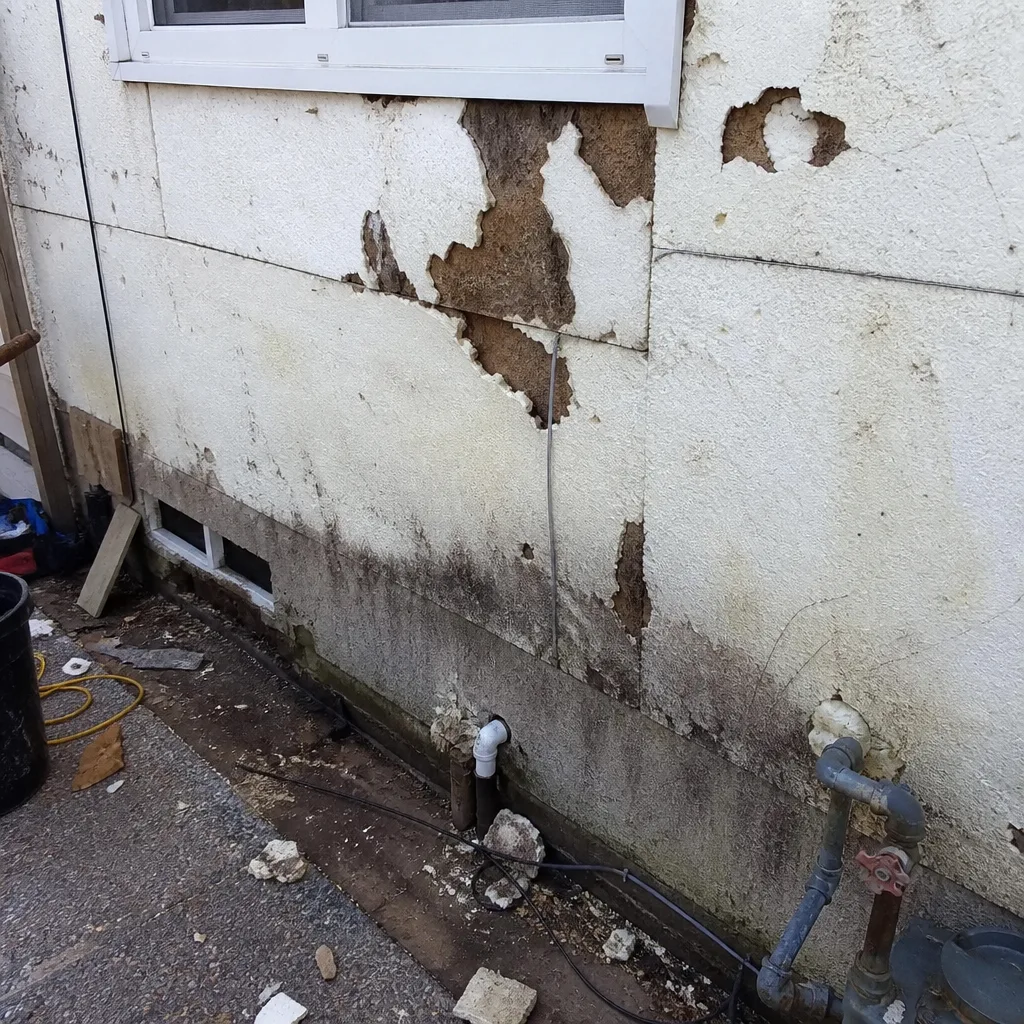 Before
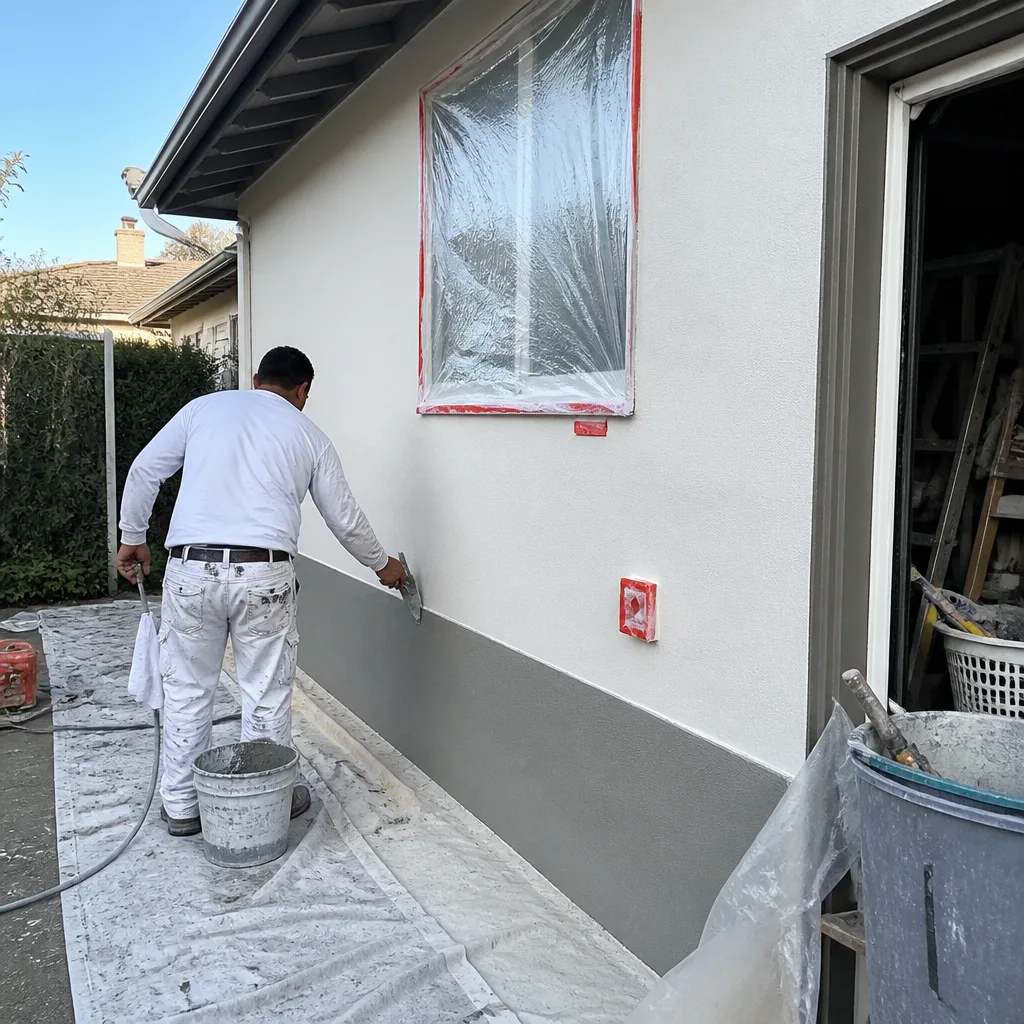 After
AfterReplacement Cost & What’s Included
For a typical 1,200-1,800 square foot Campbell attic with Icynene air sealing that needs partial remediation, most homeowners pay between $1,800 and $3,400. That range breaks down as follows: Icynene OEM foam or Demilec equivalent runs $1.10-$1.60 per board foot installed; gasketed can light covers add $45-$85 each for non-IC fixtures; and top-plate remediation with fire-rated caulk and backer rod runs $3.50-$5.00 per linear foot. A full attic re-seal on a larger home near Campbell Avenue can reach $4,200, but that’s uncommon - most jobs are targeted repairs where the original foam has failed at specific junctions.
What drives the range: accessibility (truss spacing, ductwork density), whether we need to remove existing insulation to access the plates, and how many non-IC can lights need cover boxes. Every job gets a Written Price Before Any Work Starts - Haven Standard Clause 1 - with no change orders unless you add scope. We publish before-and-after blower-door numbers on every applicable job so you can verify the performance change. Work is covered by our 365-Day Done Right Promise: if it’s not done right, we make it right. You’ll receive a Documented Photo Record of all sealed areas and the printed blower-door report before we leave.
DIY or Call Us?
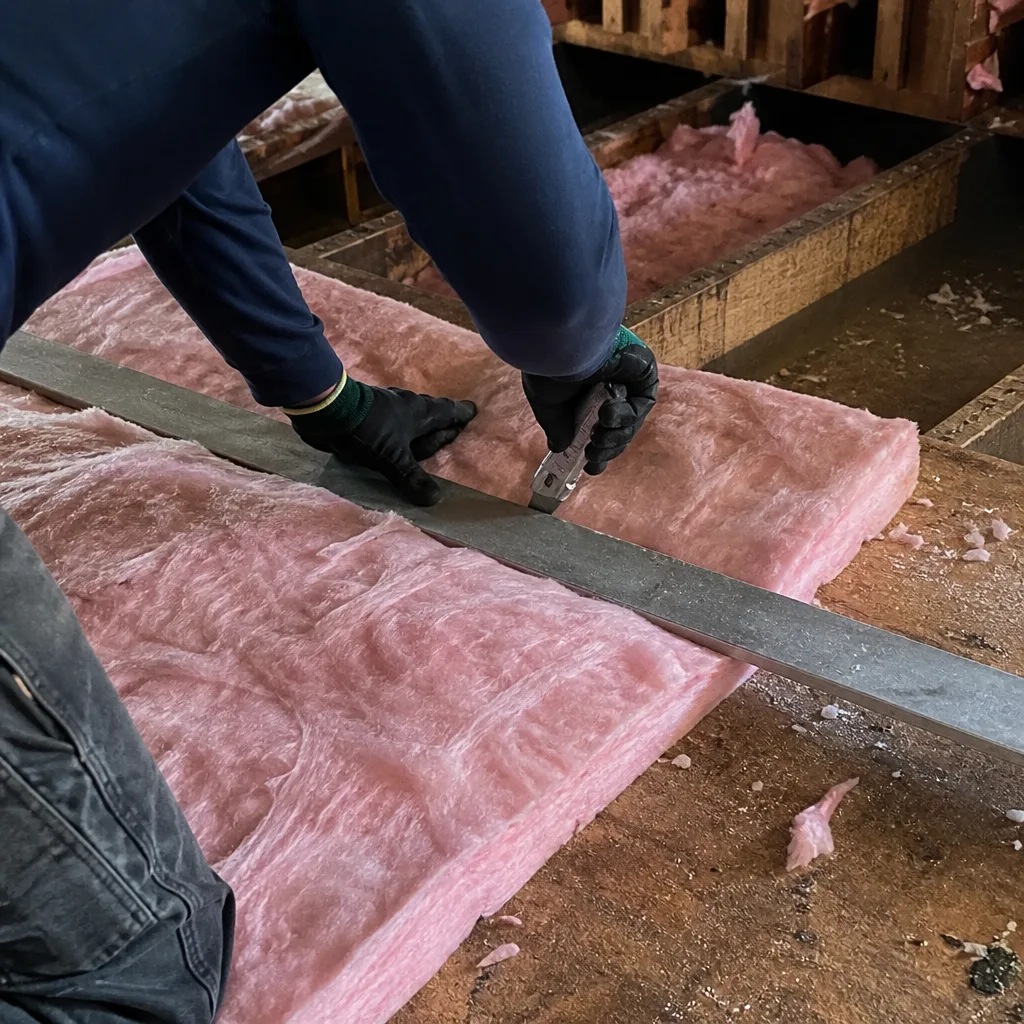
There’s a short list of things a Campbell homeowner can safely check: look for visible gaps where attic floor drywall meets exterior walls, shine a flashlight on can lights to see if foam coverage is complete, and note any areas where insulation appears disturbed or compressed. What you find is useful information to share when you call.
Where DIY goes wrong: open-cell spray foam requires specific substrate moisture conditions and precise application temperature - typically 60-90°F ambient with substrate no more than 5°F below dew point - or it won’t adhere and will fail again within a season. More critically, working around energized recessed lights, navigating truss bays over ceiling drywall, and properly sealing around combustion venting (common in Campbell’s older homes near downtown) are not homeowner tasks. We’ve been called to fix DIY foam jobs where the homeowner created a moisture trap against the roof deck that cost $2,800 to remediate. Seal the leaks first. The insulation has nowhere useful to go until you do. For a free written estimate with exact numbers for your attic, call (831) 534-3206.
FAQs
Properly applied Icynene open-cell foam should perform for 15-25 years, but Campbell’s combination of hot, dry summers and mild, wet winters creates thermal cycling that accelerates shrinkage in formulations from the 2000s. We’ve found that foam installed before 2012 often shows measurable degradation by year 10. Call (831) 534-3206 and we can assess your specific installation - estimates are free.
Partial repair is usually possible and is what we recommend. We remove only the failed sections, re-prep the substrate, and apply new foam to bridge the gaps - there’s no need to tear out sound material. The key is identifying every failure point, which is why we run a blower-door test before any cutting starts. Call (831) 534-3206 for an exact scope and price - estimates are free.
Most targeted Icynene air sealing repairs in Campbell take one day, with the blower-door test and final documentation completed before we leave. Larger attics with multiple can lights and extensive top-plate work may run into a second day. We don’t charge by the hour - your Written Price Before Any Work Starts is the price you pay. Call (831) 534-3206 to schedule.
We carry Icynene-compatible open-cell foam, Demilec Sealection 500, gasketed can light covers, fire-rated caulk, and backer rod on every truck serving Campbell. For uncommon legacy formulations, we can source within 24 hours from our supplier in San Jose. Same-day starts are typical for calls received before noon. Call (831) 534-3206 to confirm availability for your specific model.
Topside Attic Insulation Campbell is an independent service provider and is not affiliated with Icynene. We also stock parts for Reflectix and other major insulation brands.
Written by Wes Okafor, Owner & Lead Insulation Technician, Topside Attic Insulation Campbell at Topside Attic Insulation Campbell, serving Campbell and nearby areas.