
Icynene Attic Cleaning & Rodent Proofing in Campbell: What to Know First
We provide independent Icynene attic cleaning & rodent proofing in Campbell, typically completing most jobs same-day or next-day with a written price before any work starts. Most Campbell homeowners with Icynene spray foam systems pay between $2,800 and $6,400 for full attic cleaning, sanitizing, and rodent exclusion, depending on foam condition and infestation severity. As an independent Icynene service provider, we’re not affiliated with or authorized by Icynene - we service the product based on hands-on field experience, not factory directives.
This page is for Campbell homeowners who found droppings in their attic, noticed a smell, or had a pest company tell them their Icynene foam needs attention after rodent activity. If that’s you, call us at (831) 534-3206. We’ll read your situation with you and give you a written price before anyone lifts a tool.
How Icynene Products Fail - and How We Fix Them
- Icynene Classic Max (open-cell) - moisture trapping behind compressed foam. Classic Max is hydrophilic by design, meaning it holds water rather than shedding it. In Campbell’s Mediterranean climate, where winter rains hit roof assemblies that summer sun baked to 140°F, rodent tunneling through Classic Max creates channels where condensation collects against the roof deck. We’ve pulled out sections near the Winchester Boulevard corridor where the foam had turned to a dense, gray sponge, hiding rot from the homeowner for two seasons. We remove the saturated foam, treat the deck with antimicrobial, and reinstall only after verifying the roof leak source is fixed.
- Icynene MD-R-200 (medium-density closed-cell) - rodent gnaw-through at penetration points. MD-R-200 cures to a rigid shell that rodents can’t easily tunnel through, but they exploit the edges where it meets electrical conduit and vent stacks. The gap forms because closed-cell foam shrinks roughly 2-3% during cure, and Campbell’s older stock - particularly the Eichler-influenced homes near San Tomas Aquino Creek - has irregular framing that exaggerates the problem. We cut back the compromised foam, install steel mesh exclusion barriers, and re-foam with matching density so the thermal boundary stays continuous.
- Icynene LD-C-50 (low-density open-cell) - dust and allergen retention in degraded surface layer. After five to seven years, the top surface of LD-C-50 oxidizes to a friable crust that traps rodent dander, urine salts, and airborne particulates. Homeowners near the Pruneyard Plaza corridor have called us thinking they needed new HVAC filters when the real source was their attic foam. We HEPA-vacuum the degraded layer, apply a non-toxic enzymatic treatment, and seal the surface with a vapor-permeable coating so the foam can still breathe.
- Icynene ProSeal Eco (water-blown closed-cell) - delamination from substrate in high-heat attics. ProSeal Eco adheres well to wood, but Campbell’s south-facing roofs with dark shingles create sustained attic temperatures above 160°F. Combined with rodent urine’s ammonia compounds, the adhesive bond fails in patches. We’ve found this most often in the older ranch homes east of Bascom Avenue. We scrape the delaminated sections, re-prep the substrate with primer, and reapply - but we also recommend ridge vent augmentation because the thermal load is the root cause.
- Icynene H2Foam Lite - structural compromise from nesting activity. H2Foam Lite has excellent R-value per inch but lower compressive strength than medium-density alternatives. Roof rats, which are endemic to Santa Clara County, compress it significantly when building nests, reducing thermal performance by 30-40% in affected bays. We map the compromised areas with thermal imaging, remove and dispose of the contaminated foam, and replace with H2Foam Lite or upgrade to MD-R-200 if the homeowner wants better rodent resistance - we explain the trade-off in writing before deciding.
Our Icynene Attic Cleaning & Rodent Proofing Process
- 1
Site survey and thermal imaging. We walk the attic with a FLIR camera to map foam condition, moisture anomalies, and rodent pathways. You get a Documented Photo Record before we touch anything.
- 2
Written price and scope. We specify which Icynene line you have, what we’re removing, what we’re treating, and what we’re reinstalling. No work starts without your signature on a fixed price.
- 3
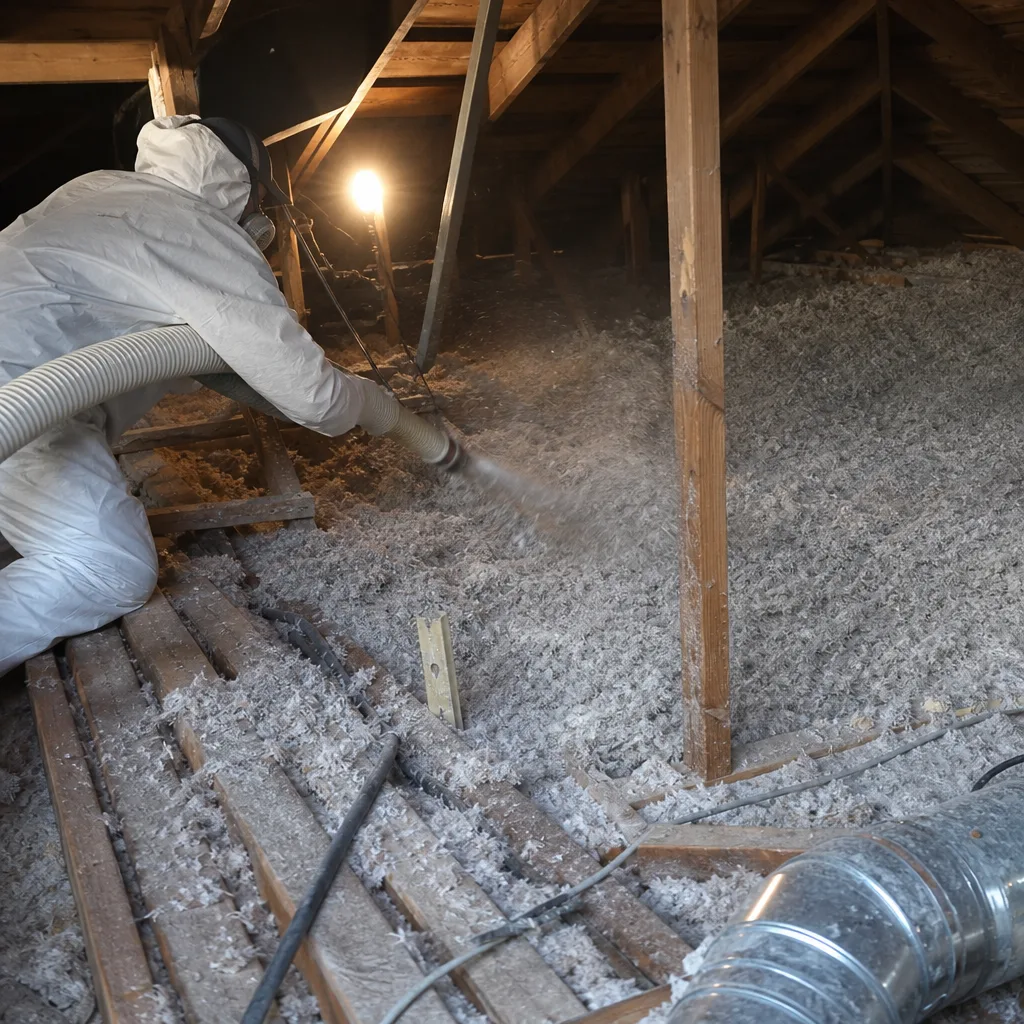
Controlled removal and HEPA containment. We section out contaminated foam with dedicated cutting tools, never grinding it airborne. Debris is bagged in the attic, not dragged through your living space.
- 4
Substrate treatment and exclusion install. We treat wood surfaces for urine and pathogens, then install steel mesh at all penetrations - plumbing, electrical, HVAC - before any new foam goes in. Seal the leaks first. The insulation has nowhere useful to go until you do.
- 5
Reinstallation and verification. We match the original Icynene density and thickness, then run a blower-door test - a pressurization measurement that shows, in one number, how much air your building envelope is losing - to verify we didn’t compromise the air barrier during removal.
- 6
Documentation delivery. You receive the photo record, blower-door before-and-after readings, and a written warranty under our 365-Day Done Right Promise.
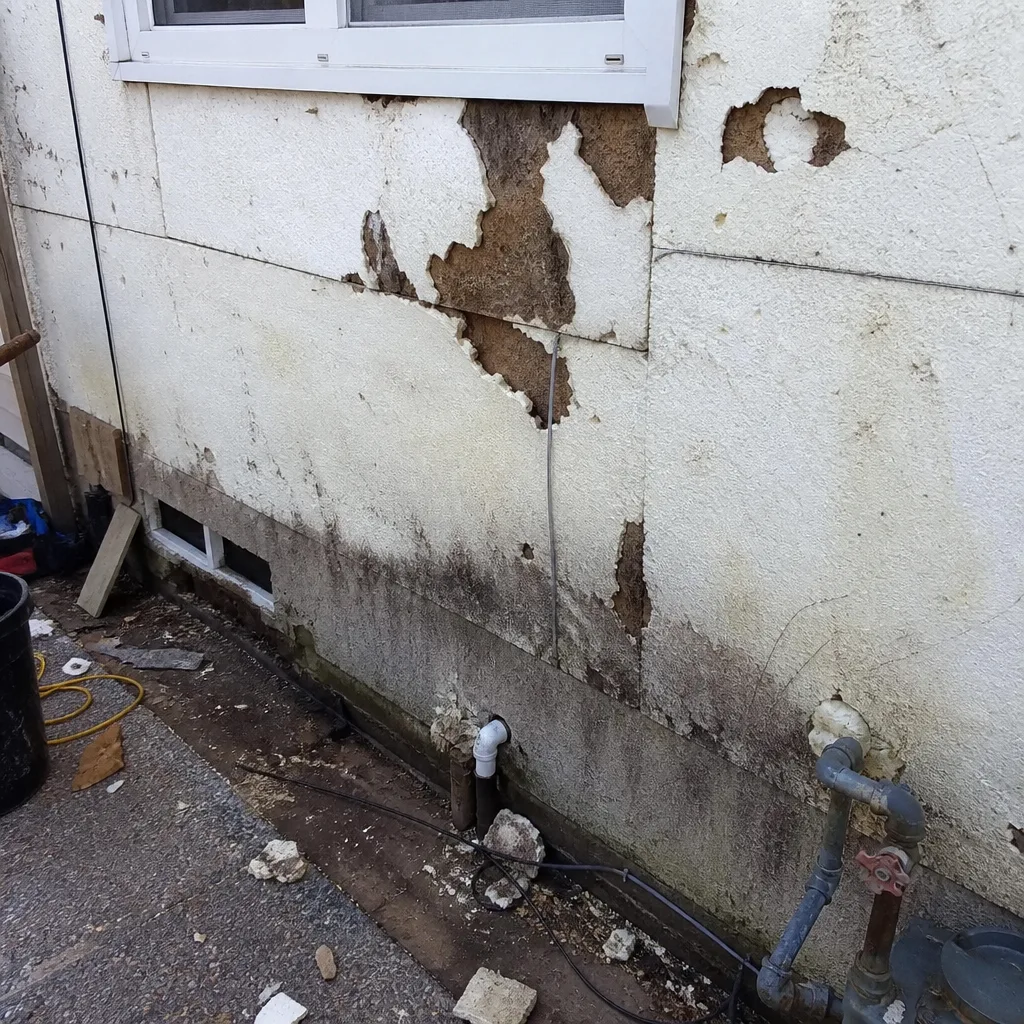 Before
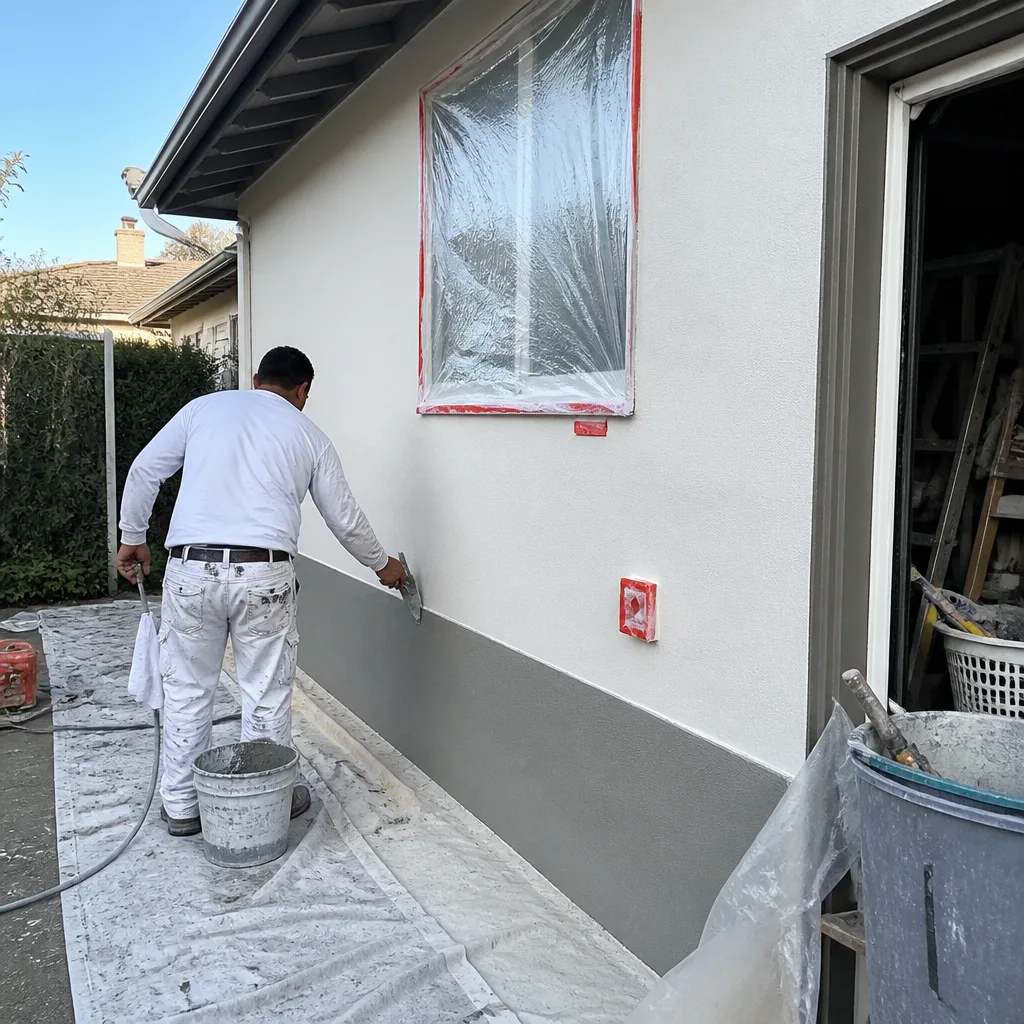 After
AfterWhat Icynene Attic Cleaning & Rodent Proofing Costs in Campbell
| Scenario | Typical Range |
|---|---|
| Light cleanout + sanitizing, LD-C-50 or Classic Max, no foam replacement | $2,800 - $4,200 |
| Moderate removal + replacement, MD-R-200 or ProSeal Eco, single rodent entry point | $4,200 - $5,800 |
| Full restoration, multiple Icynene types, extensive exclusion, substrate repair | $5,800 - $6,400+ |
Price movers: square footage of affected foam, accessibility (Campbell’s low-slope ranch attics are easier than steep Victorian pitches), whether the roof deck needs repair, and how many exclusion points we need to seal. We also service Reflectix radiant barrier systems if your attic has hybrid insulation - we’ll note that in the scope and price it separately if needed.
Every estimate is free, written, and fixed. Bring us a competing quote and we’ll read it with you - our Free Second Opinion on Any Written Estimate is Haven Standard practice.
Why Campbell Homeowners Call Topside Attic Insulation Campbell for Icynene Work
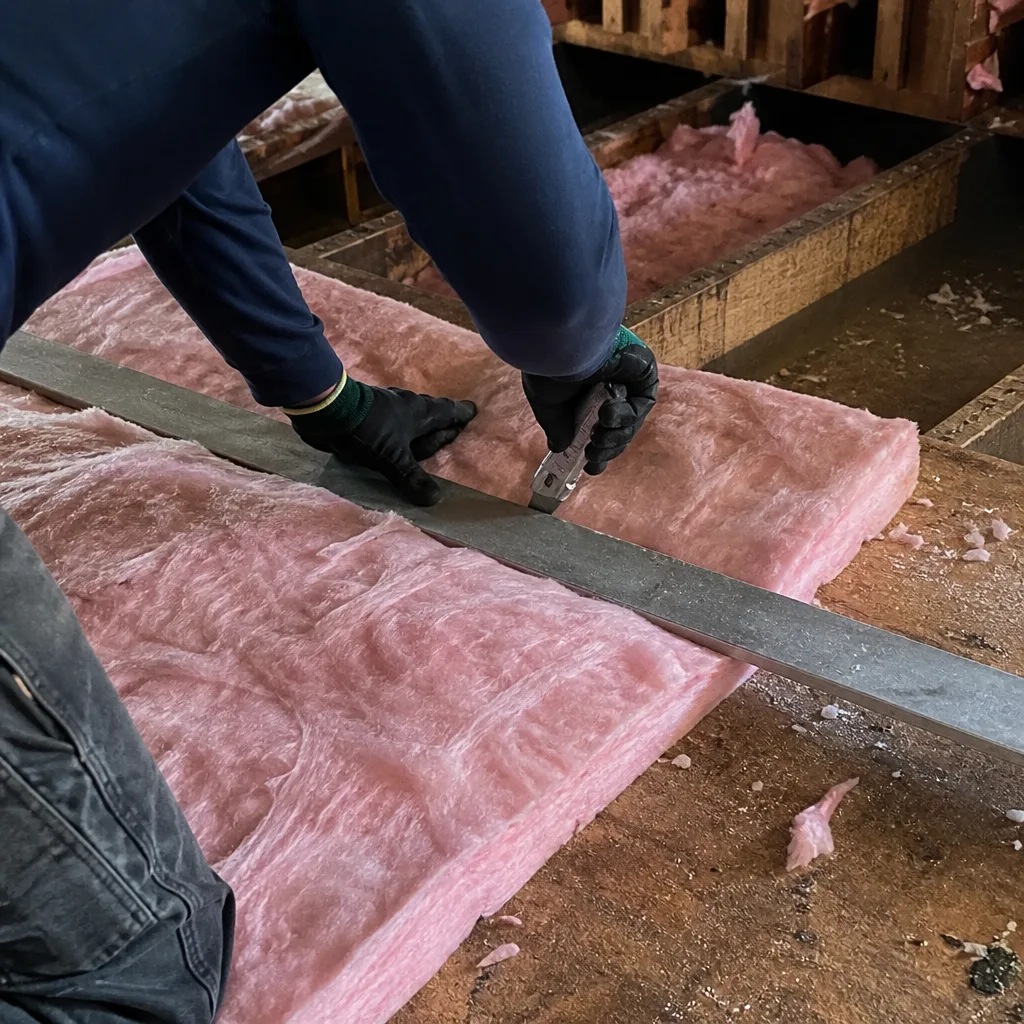
We’ve served Campbell long enough to know the specific air-sealing problems this city’s housing stock presents - jobs near the Pruneyard Plaza corridor taught Wes Okafor early that homes this age carry issues you spot before you ever touch a bag of blown-in cellulose. Our technicians are background-checked and uniformed; calls are answered by a live person, 24/7, not a voicemail loop measured in business days.
We don’t lock you into proprietary products. Our materials come from Owens Corning, Johns Manville, Knauf, Rockwool, CertainTeed, Icynene, Demilec, and GreenFiber - we specify what fits your assembly, not what moves our inventory. Every job closes with a Documented Photo Record and, on applicable work, printed blower-door numbers showing the performance change you paid for. The 365-Day Done Right Promise applies to all completed work: if it’s not done right, we make it right.
FAQs
Icynene’s original installation warranty covers product defect and application error by certified installers, not subsequent service work by independent providers. As an independent Icynene service provider, our 365-Day Done Right Promise covers our workmanship specifically - what’s in your written scope, backed by our documentation. If your original installer is still in business and you want their input, we can coordinate with them; we’ve done this for Campbell homeowners whose builders used third-party spray crews. Call (831) 534-3206 and we’ll review your warranty documents with you.
We typically schedule inspections within 24 to 48 hours, and most cleanout jobs start same-day or next-day after you approve the written price. Emergency situations - active rodent infestation with HVAC contamination, or visible roof leaks through foam - get prioritized. A live person answers our line 24/7 to sort urgency. Call (831) 534-3206 to hold a slot.
Repair works when less than 20% of the foam volume is compromised and the substrate is sound. Replacement is the better call when moisture has degraded the foam-to-deck bond, when urine contamination is widespread, or when the original density was underspecified for the assembly. We make this recommendation after thermal imaging and moisture-meter readings, not by eyeballing it. The written price we give you will show both options if both are viable. Call for an exact assessment - estimates are free.
We source Icynene products through standard distribution channels - same material, no proprietary lock-in. For some repairs, we may recommend Demilec or another open-cell/closed-cell equivalent if the thermal and air-barrier performance matches and the assembly compatibility is better. We explain the specification in writing, including why we chose it, before you sign. You get the product data sheet if you want it.
Our exclusion work includes steel mesh at all penetrations, one-way doors if active animals are present, and a documented photo record of every sealed point. We also identify the access path - roof junction, vent screen, fascia gap - and fix it. Campbell’s mature tree canopy and creek corridors make roof rat pressure constant, so we design for persistent pressure, not luck. The blower-door test we run after sealing confirms the envelope is tighter than when we started. Call (831) 534-3206 for a free inspection and written exclusion plan.
Ready to get your Icynene attic assessed? Call (831) 534-3206. A live person will answer, ask the right questions about your foam type and what you’ve noticed, and get you a written price before any work starts.
Written by Wes Okafor, Owner & Lead Insulation Technician, Topside Attic Insulation Campbell at Topside Attic Insulation Campbell, serving Campbell and nearby areas.