
Johns Manville Radiant Barrier Installation: The Campbell Owner’s Guide
We stock and install Johns Manville-compatible radiant barrier systems in Campbell, with most residential attic installations running between $2,400 and $4,200 depending on roof pitch and square footage. Same-day installation is available for standard single-story homes when we have your measurements by 10 a.m. Most Campbell homeowners discover their radiant barrier is failing when their upstairs bedrooms won’t cool below 78°F even after the AC runs all afternoon, or when they spot sagging, torn, or dust-caked foil sheets during a routine attic inspection.
Which Johns Manville Models This Applies To
Johns Manville produces several radiant barrier configurations under their attic insulation line, most commonly the JM Attic Protector RB series and the JM Formaldehyde-free kraft-faced radiant barrier rolls. The RB series uses a perforated aluminum foil laminate bonded to reinforced kraft paper, while the formaldehyde-free line employs a heavier-duty scrim reinforcement for higher-temperature attics. You will find the product code printed on the foil edge every 24 inches, formatted as “JM-RB-XXXX” where the last four digits indicate the roll width and emissivity rating.
The critical compatibility gotcha in Campbell’s housing stock: homes built between 1965 and 1985, common in the neighborhoods west of Winchester Boulevard, often have 24-inch on-center truss spacing. JM’s standard 48-inch rolls work fine, but the 51-inch wide RB-5100 series, popular in Texas markets, will buckle and create air gaps at the seams. We stock both widths on our truck, but we verify your truss spacing before we unload anything.
OEM Johns Manville material versus quality aftermarket: JM’s foil carries a 0.03 emissivity rating and is backed by a 10-year product warranty against delamination. We source JM direct for customers who want that warranty paper trail. For homeowners prioritizing cost, we also carry a California-certified equivalent with identical emissivity and a 7-year warranty. We will show you both rolls side by side and explain the difference in one sentence: the JM foil holds its bond at 200°F attic peaks; the aftermarket equivalent is rated to 180°F, which is sufficient for 340 days a year in Campbell but marginal during a September heat dome.
Signs Your Johns Manville Radiant Barrier Installation Is Failing
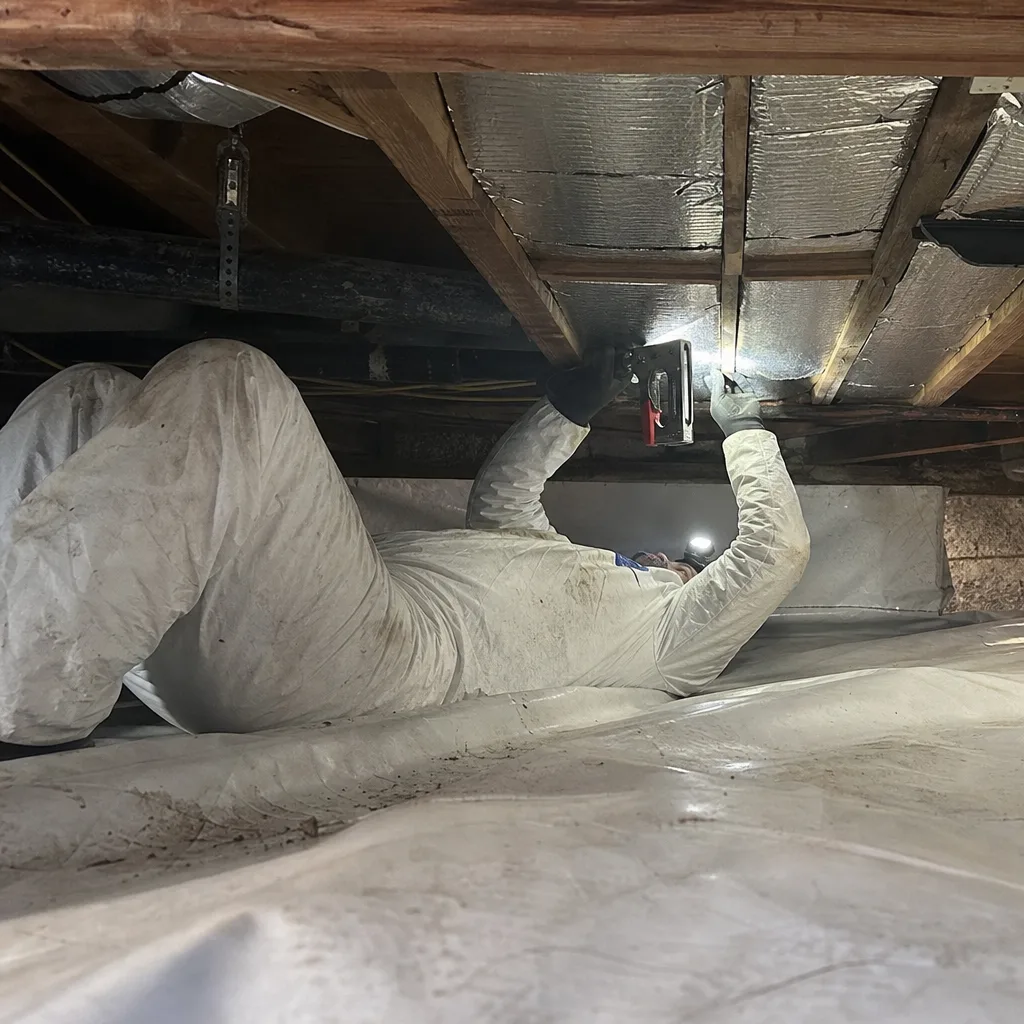
- Upstairs rooms run 8-12°F hotter than downstairs by 4 p.m. The radiant barrier’s aluminum surface has oxidized or collected enough dust that its reflectivity has dropped below 50%. A clean JM barrier reflects 97% of radiant heat; a dirty or corroded one might reflect 40%, which is barely better than bare roof decking.
- You see sagging, torn, or detached foil sheets hanging from rafters. JM’s kraft backing degrades in sustained attic humidity above 70%. Campbell’s winter rains and summer marine layer intrusion through poorly sealed soffits create exactly this condition, especially in homes near the Los Gatos Creek corridor where nighttime cooling traps moist air in the attic.
- Your summer electricity bills jumped 20% or more year-over-year with no rate increase. This is the symptom homeowners notice first, though it is the last to appear. By the time the bill spikes, the barrier has been compromised for one to two full cooling seasons.
- Dark streaks or water stains appear on the foil surface. These indicate roof leaks or condensation dripping onto the barrier. The foil itself is not damaged, but the kraft backing wicks moisture and begins delaminating within 48 hours of wetting. We see this most often in Campbell’s Eichler-influenced homes with low-slope roofs and minimal ventilation.
- The foil has been crushed or displaced by subsequent insulation work. A previous contractor blew cellulose or fiberglass over the radiant barrier, compressing it against the drywall and eliminating the critical air gap that makes radiant barriers work. The foil cannot reflect heat that is already conducting through solid contact.
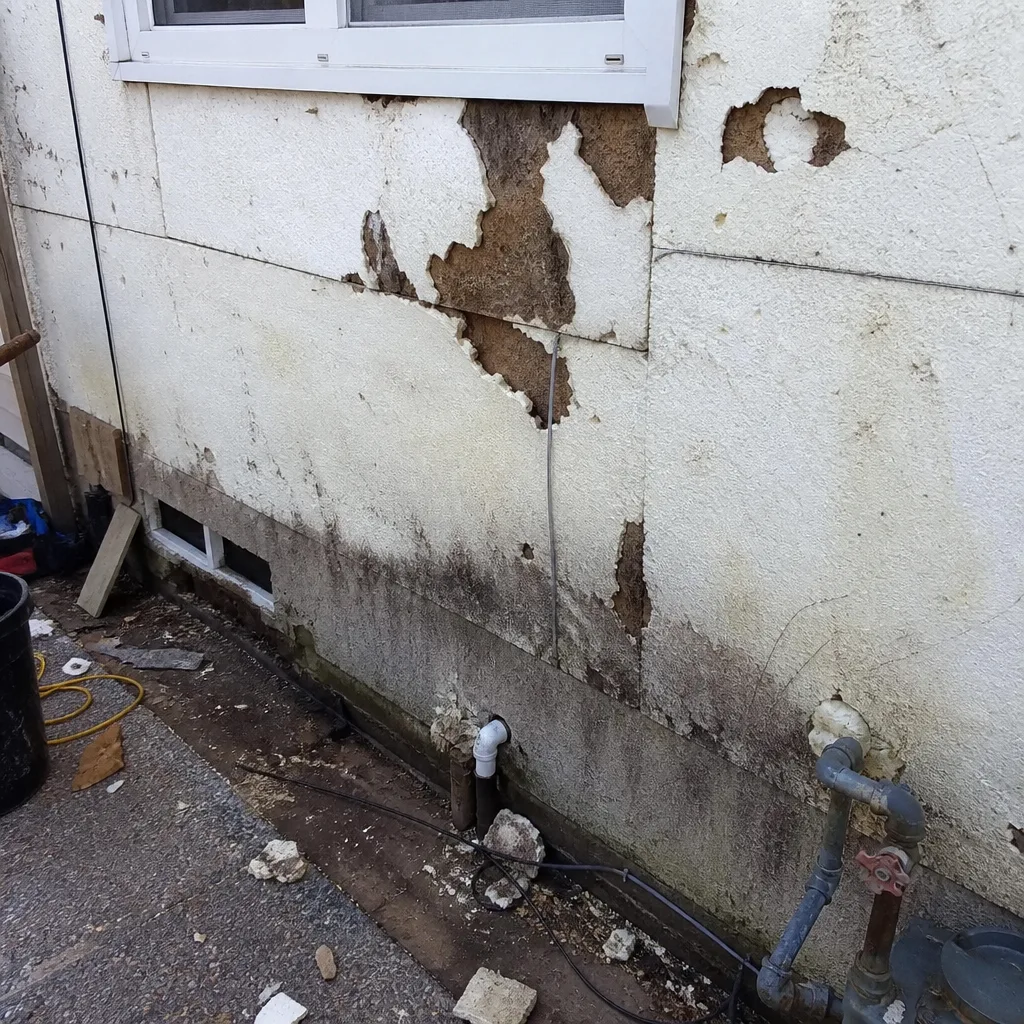 Before
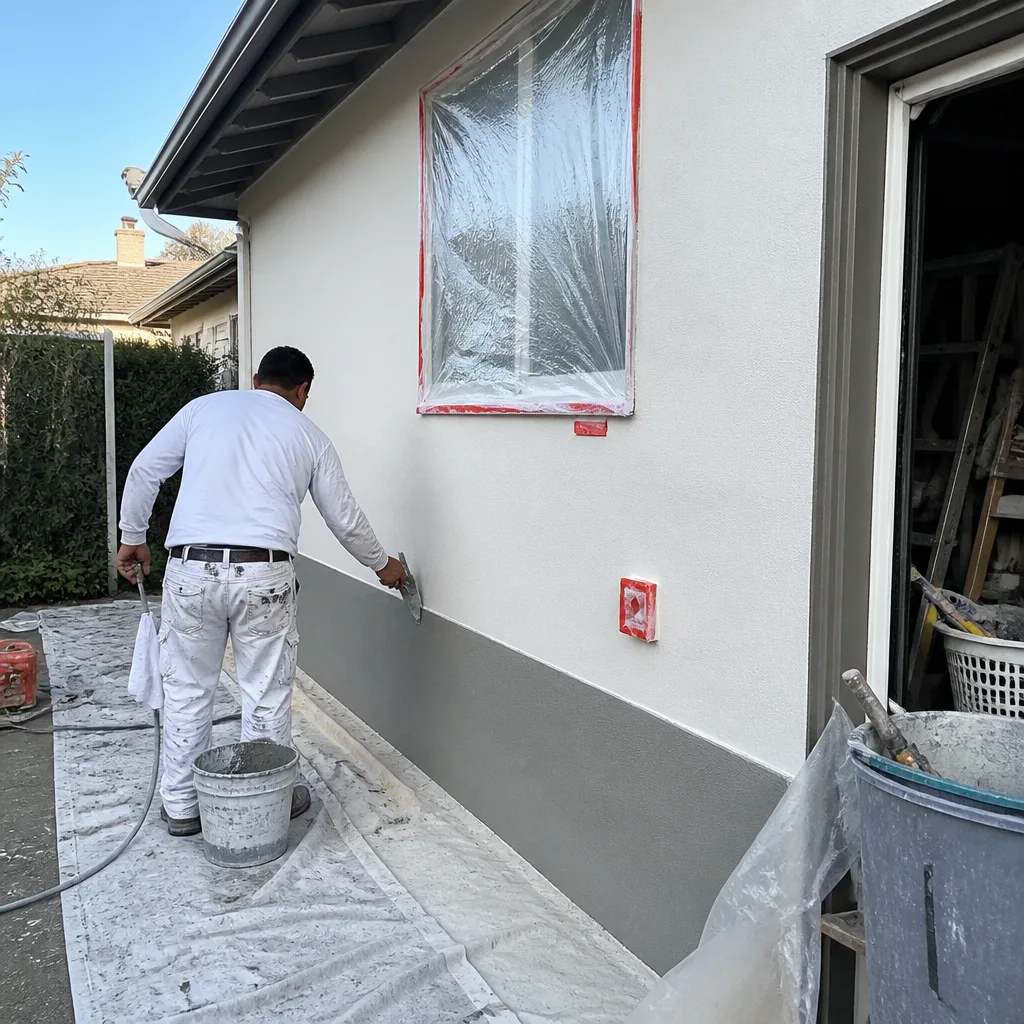 After
AfterReplacement Cost & What’s Included
| Component | Campbell Price Range |
|---|---|
| JM RB-series radiant barrier material (per 1,000 sq ft attic) | $1,100 - $1,800 |
| Labor: removal of failed barrier, air sealing, new installation | $1,000 - $1,900 |
| Attic air sealing (top plates, can lights, penetrations) | $300 - $520 |
| Total installed with documentation package | $2,400 - $4,220 |
What drives the range: roof pitch above 6/12 adds roughly $400 in labor and safety setup; attics with active rodent issues require cleaning before we install; and homes with recessed can lights need ten to fifteen individual airtight enclosures at $18 each. We do not quote by phone without photos or a site visit. Under Haven Standard Clause 1, you get a written price with a line-item scope before anyone touches a ladder.
Every installation includes our Documented Photo Record, before-and-after blower-door readings on applicable jobs, and the 365-Day Done Right Promise. If your upstairs temperature does not improve measurably, we return and find what we missed.
DIY or Call Us?
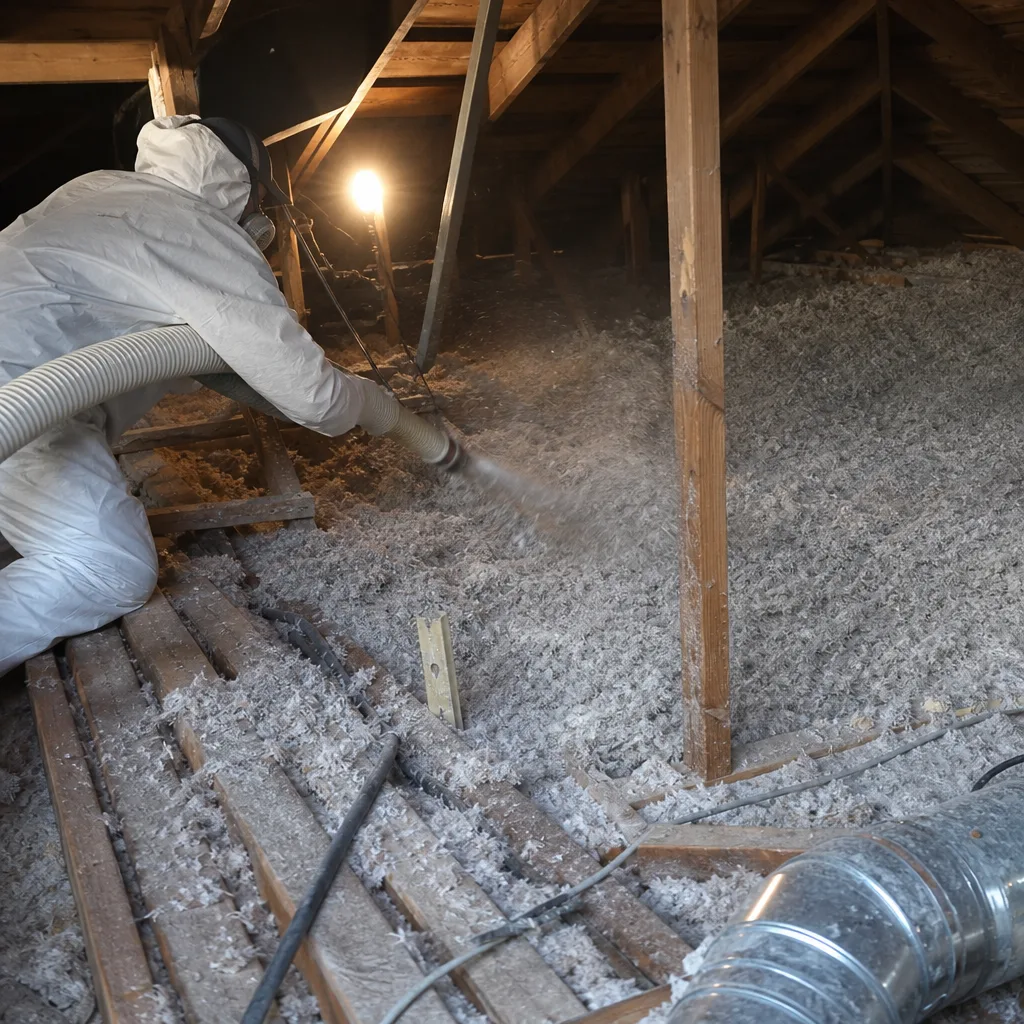
There is no dangerous high-tension component in radiant barrier replacement, but there is a specific way to waste money. Homeowners can safely check for the symptoms above, measure their attic square footage, and photograph the existing product code. What goes wrong in DIY: the barrier is installed with the foil facing the wrong direction (it must face an air space, not insulation or drywall), seams are taped with the wrong adhesive that fails at 150°F, or the attic is not air-sealed first and conditioned air leaks straight through the new foil into the roof deck.
We have torn out three homeowner installations in Campbell’s Westmont neighborhood alone. The foil was pristine. It was also useless because the attic floor leaked 3,800 CFM50 of conditioned air. Seal the leaks first. The insulation has nowhere useful to go until you do.
Call (831) 534-3206 for a free estimate. We will bring sample rolls, measure your truss spacing, and give you a written price before we leave.
FAQs
JM’s warranty covers 10 years against delamination, but we see functional lifespans of 15 to 20 years in well-ventilated Campbell attics. The killer is dust accumulation and moisture exposure, not time. Attics near the Pruneyard Plaza corridor with poor soffit ventilation often show degradation at 8 to 10 years. Call (831) 534-3206 and we will inspect yours at no charge.
Patching small tears with JM-approved foil tape is possible, but it is rarely cost-effective. A patched barrier has seam discontinuities that create thermal bypasses, and the labor to patch properly approaches the labor to replace. We will patch if the damage is under 5% of surface area and the foil is otherwise clean; otherwise we recommend full replacement with a documented photo record of the condition we found.
Most Campbell homes between 1,200 and 2,200 square feet take one full day: morning for removal and air sealing, afternoon for installation and blower-door testing. Larger homes or those with steep pitches may run into a second day. We schedule start times so you are not waiting on a crew that might not finish.
We carry JM RB-series rolls in 48-inch and 51-inch widths, plus the formaldehyde-free scrim-reinforced line for high-temperature attics. We also stock Reflectix as an alternative for homeowners with specific product requirements. If your existing barrier uses a discontinued JM SKU, we will match the emissivity and reinforcement spec from our inventory and show you the comparison before we install.
Written by Wes Okafor, Owner & Lead Insulation Technician, Topside Attic Insulation Campbell at Topside Attic Insulation Campbell, serving Campbell and nearby areas.