
Johns Manville Spray Foam Insulation in Campbell: What to Know First
We provide independent Johns Manville spray foam insulation service in Campbell, typically completing open-cell and closed-cell jobs in one to two days with a written price delivered before any work starts. Most spray foam insulation projects in Campbell homes run between $2,800 and $6,500 depending on cavity depth, square footage, and whether the existing Johns Manville assembly needs partial removal first. This page is for homeowners who already have Johns Manville insulation products in their attic, walls, or roof deck and need repair, replacement, or new installation with a contractor who understands the brand’s specific formulations. Call (831) 534-3206 for a free estimate with a written scope.
How Johns Manville Products Fail - and How We Fix Them
- JM Corbond III open-cell shrinkage in cathedral ceilings. We’ve pulled this product from several Campbell ranch homes near Westmont Avenue where the foam pulled away from rafter bays after three to five summers, leaving a thermal bypass that reads hot on infrared every August afternoon. We remove the failed beads, recondition the substrate with a compatible primer, and reinstall to the manufacturer’s specified pass thickness so the adhesion bond holds through our temperature swings.
- JM SEALTITE closed-cell density drift in garage ceiling applications. When the mix ratio wanders during application - common in DIY or rushed jobs - the foam cures soft in spots and hard in others, creating a patchwork R-value that shows up on our thermal camera as a checkerboard. We core-sample suspect areas, document the density variance, then cut out and refoam to the 2.0 lb/ft³ spec so the garage ceiling actually performs as a thermal and air barrier.
- JM AP Foil-faced polyiso delamination at rim joists in Campbell’s older crawl spaces. The foil facing separates from the core when moisture cycles through our clay-heavy soils, especially in the neighborhoods east of Highway 17 where groundwater runs high in spring. We strip the failed assembly, install closed-cell spray foam directly to the rim joist for a monolithic seal, and run a moisture meter on every surrounding joist end before we close up.
- JM Spider blown-in fiberglass encroachment on spray foam perimeters. In attics where Spider was added after foam was sprayed at the roofline, the loose fill migrates against the foam and creates friction gaps at the thermal boundary. We vacuum back the fiberglass to a clean six-inch perimeter, seal the transition with compatible spray foam, and mark the boundary with spray paint so the next contractor doesn’t bury it again.
- JM Submittal-grade foam off-gassing in conditioned attics with undersized ventilation. Campbell’s 1950s-1970s stock often has 3-4 air changes per hour where 6-7 are needed for a conditioned attic with open-cell foam. We test with our blower door - a pressurization reading that shows, in one number, how much air the building envelope is losing - then right-size the ventilation before we ever open a foam drum, because curing chemistry needs the air volume to complete.
Our Johns Manville Spray Foam Insulation Process
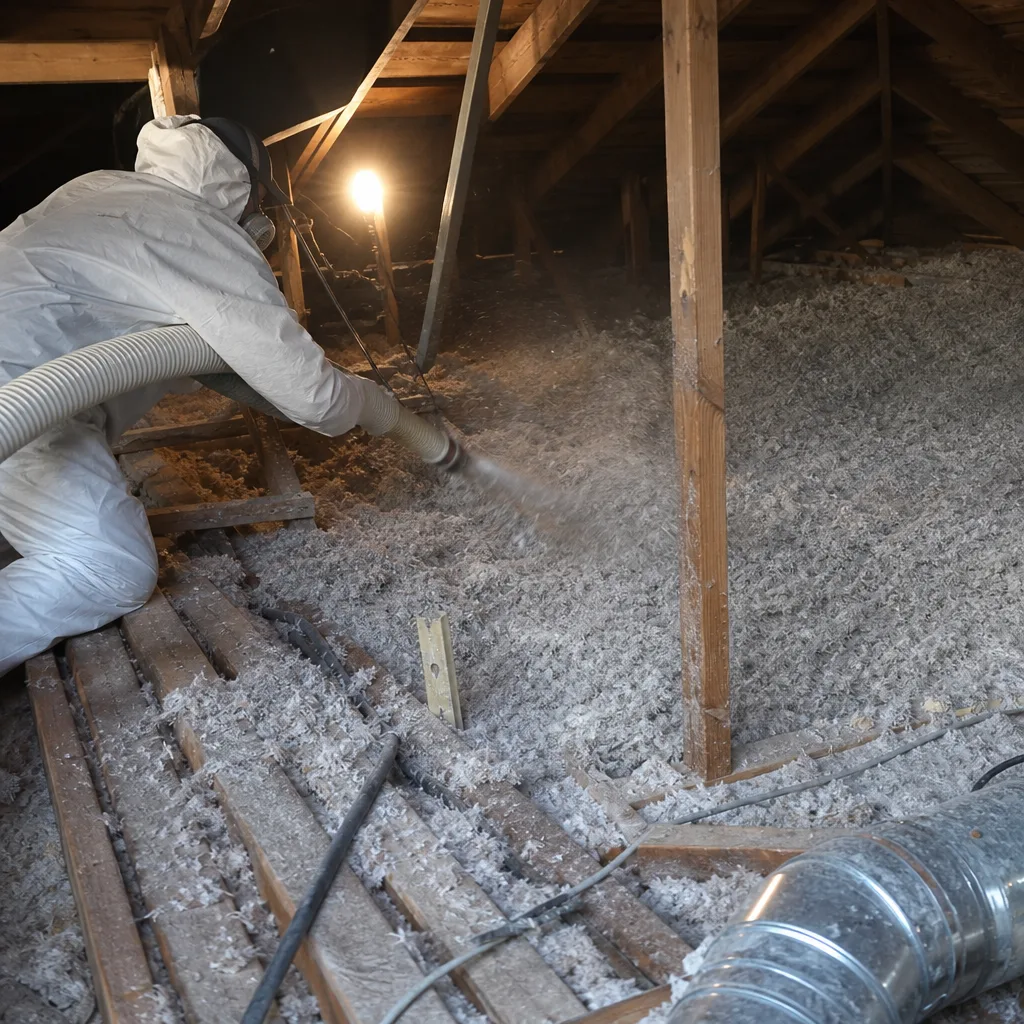
- 1
Call and schedule. A live person answers 24/7. We ask for photos if the failure is visible, or we book a site visit for hidden problems.
- 2
Blower-door test and thermal imaging. We quantify the leak rate in CFM50 and mark every anomaly with a numbered flag. You get a printed report with both numbers before we quote.
- 3
Written price and scope. Under Haven Standard Clause 1: flat price, written scope, written warranty before anyone lifts a tool. No work starts without it.
- 4
Air sealing first, then foam. Top plates, can lights, penetrations, and attic hatches get sealed with compatible materials. Seal the leaks first. The insulation has nowhere useful to go until you do.
- 5
Johns Manville-specific installation. We match the original product line where appropriate or specify an alternative from Owens Corning, Knauf, or Icynene if the original formulation is discontinued or unsuited to the repair.
- 6
Post-test, photo record, and walkthrough. New blower-door number, thermal verification, documented photo record uploaded to your file, and a printed warranty card. The 365-Day Done Right Promise applies from this moment.
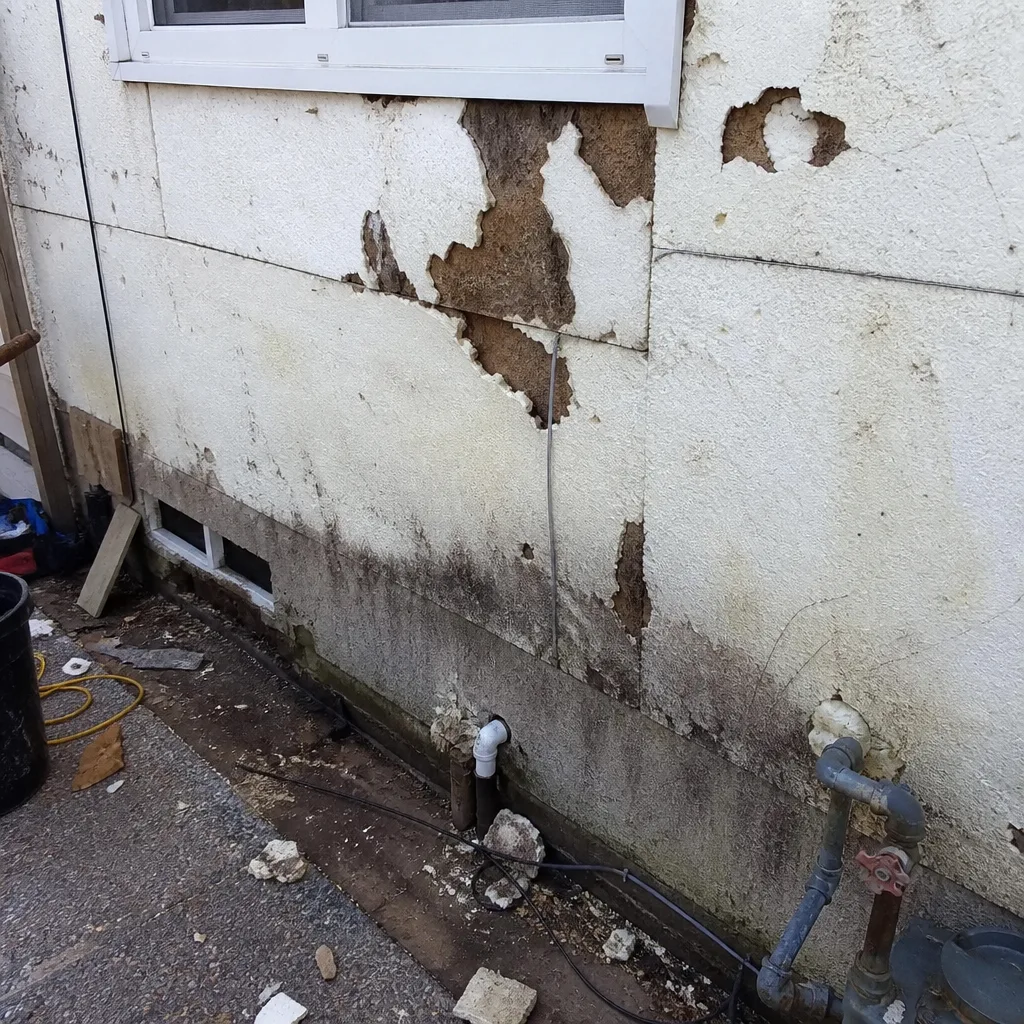 Before
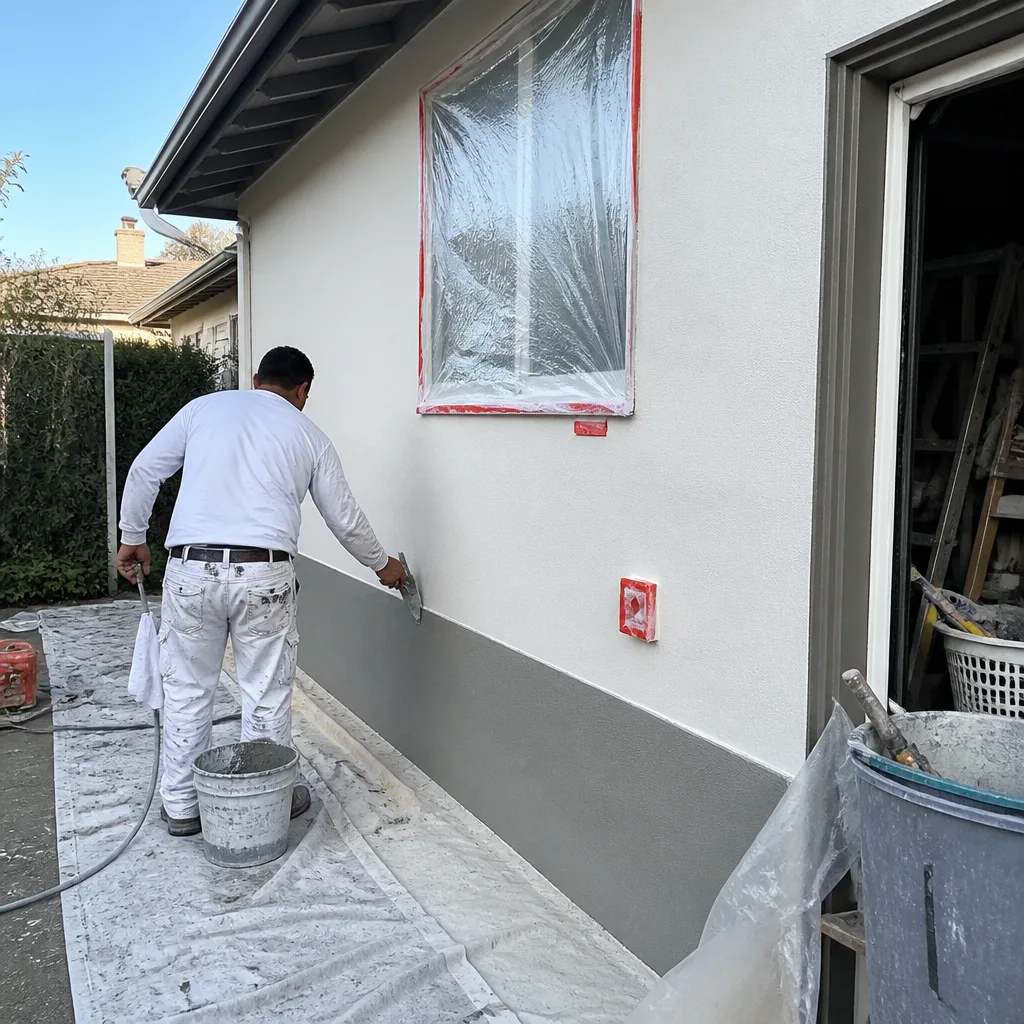 After
AfterWhat Johns Manville Spray Foam Insulation Costs in Campbell
Most Johns Manville spray foam insulation jobs in Campbell fall in these ranges:
- Rim joist closed-cell repair (partial, 20-40 linear feet): $1,800-$2,800
- Garage ceiling open-cell or closed-cell (single bay, 400-600 sq ft): $2,800-$4,200
- Attic roof deck open-cell (complete, 1,000-1,500 sq ft): $4,500-$6,500
- Wall cavity closed-cell (retrofit, selective access): $3,200-$5,800
What moves the price: depth of existing foam removal, substrate condition after stripping, access difficulty in Campbell’s tight eave details, and whether we need to match a discontinued Johns Manville formulation with a compatible substitute. We also service Reflectix radiant barrier systems when those are part of the same assembly. Every estimate is free, every price is written, and every job gets the same documentation. Call (831) 534-3206 for your exact scope.
Why Campbell Homeowners Call Topside Attic Insulation Campbell for Johns Manville Work
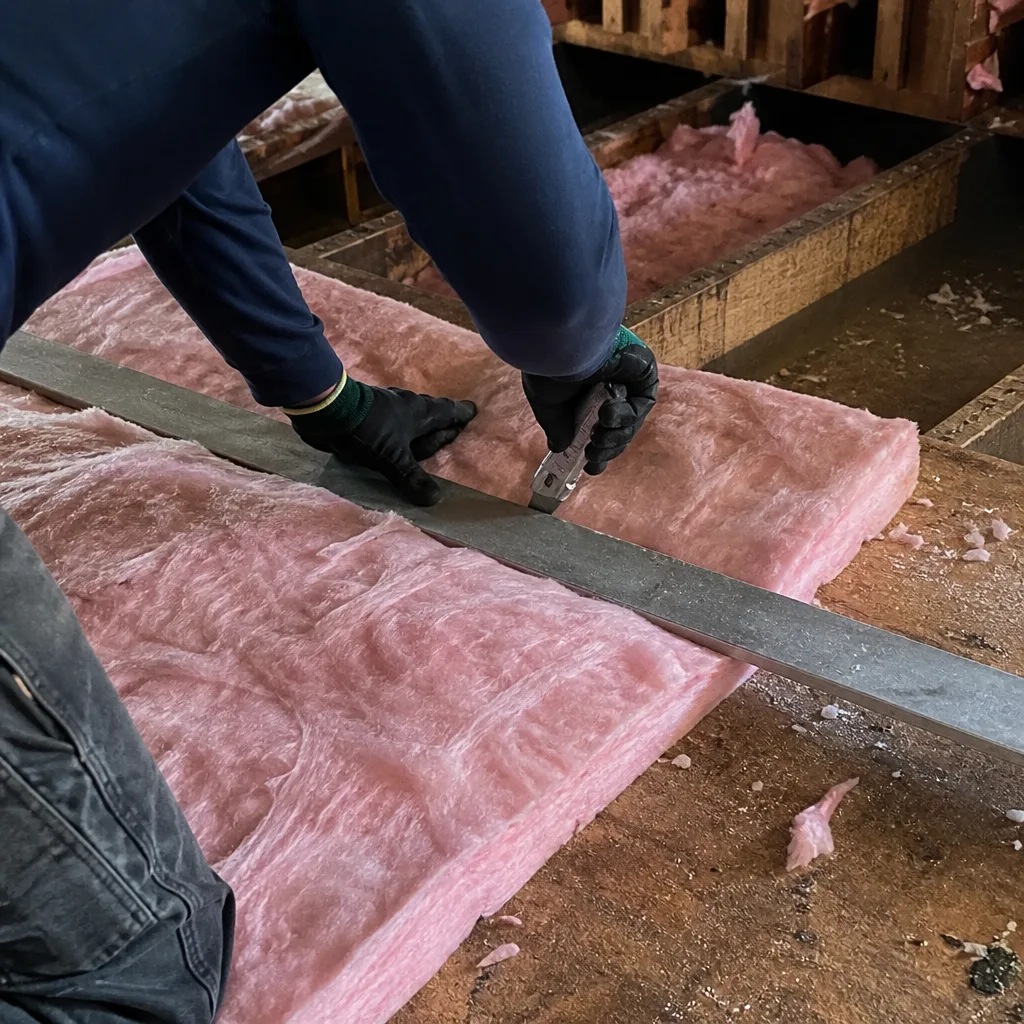
Wes Okafor and our crew have served Campbell long enough to know the specific air-sealing problems that repeat in homes near the Pruneyard Plaza corridor - top plates that were never sealed in the original build, recessed cans that bypass directly into vented attics, and the particular way our summer afternoon heat drives moisture backward through poorly detailed foam assemblies. We’re an independent Johns Manville service provider, not a factory-authorized program, which means we source materials from Johns Manville, Owens Corning, Knauf, Icynene, and others based on what the job actually needs rather than what a single brand wants to move. Every technician is background-checked and uniformed, and the 365-Day Done Right Promise is in writing before the first drum gets opened.
FAQs
Johns Manville’s product warranty covers manufacturing defects regardless of who installs it, but improper application can void coverage for that specific installation. We document every substrate condition, mix ratio, and pass thickness so if a claim ever arises, you have the paperwork that proves the product was applied to spec. Call (831) 534-3206 and we’ll review your existing warranty language with you - estimates are free.
Some JM open-cell formulations from the early 2010s are discontinued, but we stock compatible alternatives from Icynene and Demilec that match the thermal and adhesion profiles for repairs. We core-test the existing foam to confirm compatibility before we quote any partial replacement. Call (831) 534-3206 for a free assessment of what your specific assembly needs.
Spot repairs run $1,800-$3,500 when the failure is isolated to one bay or a delaminated section; full removal and replacement starts around $4,500 and climbs with square footage. We only recommend full replacement when the failure pattern indicates systemic application error or when the original foam density tests below spec across multiple samples. We’ll show you the core sample results and let you decide - no pressure, just the numbers.
Most residential repairs are one day; full attic roof decks or extensive wall cavities run two days with a four-hour re-entry period after the final pass. We schedule within three to five business days for standard jobs, and we carry the common Johns Manville and compatible aftermarket formulations on our trucks so we’re not waiting on a distributor run. Call (831) 534-3206 to check this week’s availability.
Open-cell (half-pound density, R-3.6 per inch) is vapor-permeable and costs less, but it can absorb moisture if the garage ceiling leaks; closed-cell (two-pound density, R-6.5 per inch) is its own vapor barrier and adds structural rigidity, which matters if your garage ceiling shows any deflection. In Campbell’s climate, we typically spec closed-cell for garage ceilings below living space and open-cell for roof decks with proper ventilation. We’ll test your specific assembly and recommend accordingly - call (831) 534-3206 for a free evaluation.
Written by Wes Okafor, Owner & Lead Insulation Technician, Topside Attic Insulation Campbell at Topside Attic Insulation Campbell, serving Campbell and nearby areas.