
Johns Manville Vapor Barrier Installation: The Campbell Owner’s Guide
Johns Manville vapor barrier installation in Campbell typically runs $1,800-$3,400 for a standard crawl space, and we stock the full JM line on our trucks for same-day starts. Most Campbell homeowners discover the problem when their crawl space starts smelling musty in March after the winter rains, or when their hardwood floors begin cupping from below-grade moisture migration. That polyethylene sheet under your floor joists isn’t decorative; it’s the pressure boundary that keeps soil moisture from becoming your indoor humidity.
We’ve sealed and insulated over 9,000 homes since 2016, and the calls we get from Campbell’s older neighborhoods - particularly near the Pruneyard Plaza corridor and the 1960s-1980s ranch tracts off Bascom Avenue - almost always trace back to the same sequence: the original vapor barrier was never properly sealed at seams or penetrations, or it was installed before the air sealing was done. Seal the leaks first. The insulation has nowhere useful to go until you do.
Which Johns Manville Models This Applies To
Johns Manville manufactures several vapor barrier formulations, and the right match depends on your existing assembly and what you’re trying to solve. The JM CrawlShield line - their reinforced polyethylene rated at 10-mil and 15-mil thicknesses - is what we install most often in Campbell crawl spaces. The 10-mil suits homes with good drainage and moderate seasonal moisture; the 15-mil is what we specify when the grade slopes toward the foundation or when the homeowner plans to use the crawl for storage.
JM also produces Poly-Strate barriers with integral fiberglass reinforcement, which resist tearing during installation in tight crawl spaces with irregular pier spacing. You can identify your existing JM product by the printed labeling along the roll edge - look for the JM logo and mil rating, usually stamped every 24 inches. If your current barrier is unlabeled or predates 2010, it’s likely a generic 6-mil poly that was never intended for long-term ground contact in California’s expansive clay soils.
We source Johns Manville materials alongside Owens Corning, Knauf, and Rockwool - no proprietary lock-in, so we specify JM only when it’s the right fit for your assembly. Topside Attic Insulation Campbell is an independent service provider, not affiliated with Johns Manville. For homeowners comparing OEM JM against quality aftermarket equivalents, the critical spec is the permeance rating - measured in perms, this tells you how much moisture vapor can pass through. JM’s CrawlShield 15-mil tests at 0.03 perms, which is what we want for Campbell’s combination of winter groundwater and summer irrigation oversaturation.
Signs Your Johns Manville Vapor Barrier Installation Is Failing
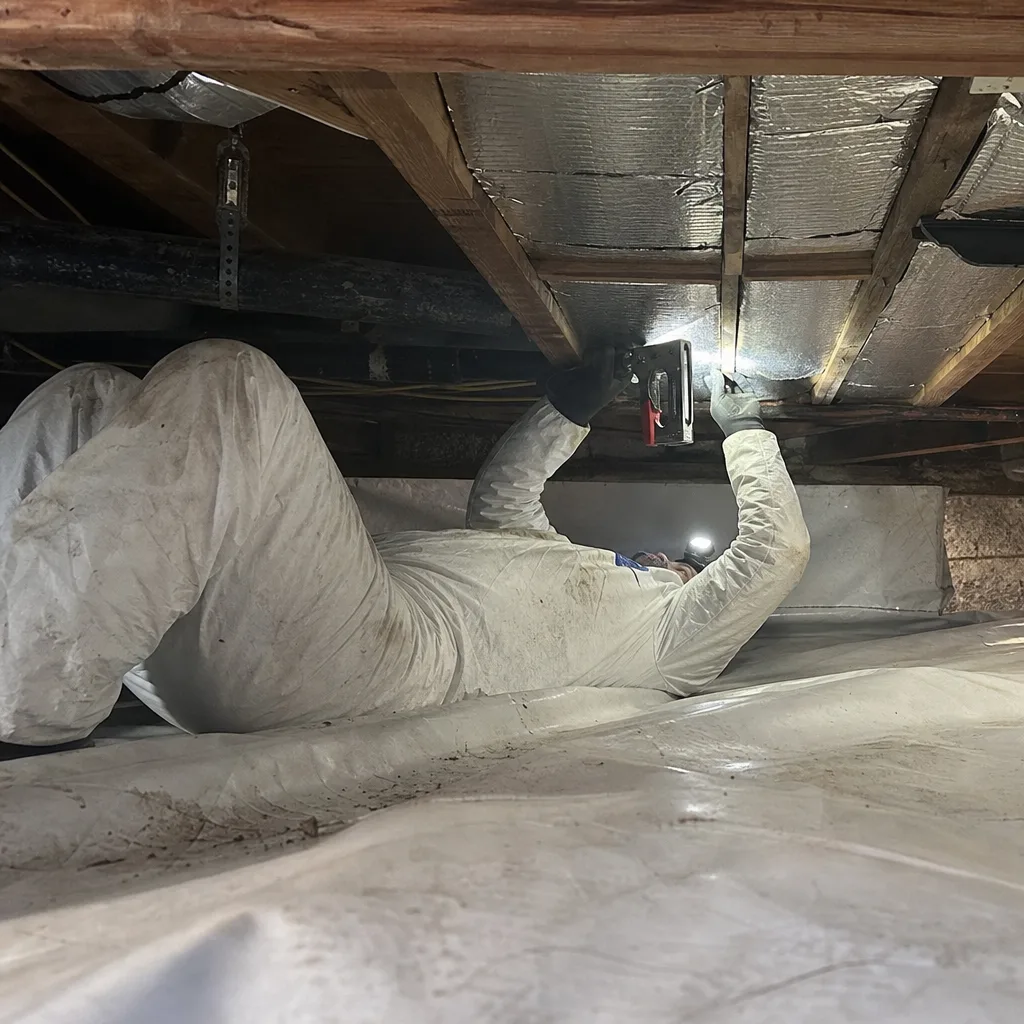
- Musty odors rising through floor registers. When the vapor barrier tears at seams or pulls away from pier footings, soil moisture evaporates directly into the crawl space air. That humid air gets drawn into your HVAC return paths and distributed through the house. We see this most often in Campbell homes where the original installer used staples instead of JM-approved seam tape.
- Cupping or buckling of hardwood floors. Moisture migrating upward through an compromised barrier raises the equilibrium moisture content of your subfloor. Oak and maple flooring installed over an unsealed or failed vapor barrier will show seasonal cupping - the boards crown in summer when moisture peaks, then flatten or crack in winter when forced-air heating pulls them dry.
- Condensation on ductwork or plumbing lines. A properly installed JM vapor barrier keeps the crawl space air dry enough that cold surfaces don’t reach dew point. When the barrier fails, you’ll find drip lines on flex ducts and copper pipes, especially in April and October when ground temperatures lag behind outdoor air.
- Mold or efflorescence on foundation walls. White mineral deposits on block or concrete walls mean moisture is moving through the masonry and evaporating at the surface. The vapor barrier alone won’t stop this - it needs to integrate with proper drainage - but a failed barrier accelerates the problem by raising ambient humidity.
- Pest activity in insulation below the floor. Rodents and insects follow moisture gradients. A torn vapor barrier creates damp pockets in fiberglass batts that become nesting sites. In Campbell, we regularly find this where the original 6-mil poly has degraded to the point that a raccoon or opossum can push through at a seam.
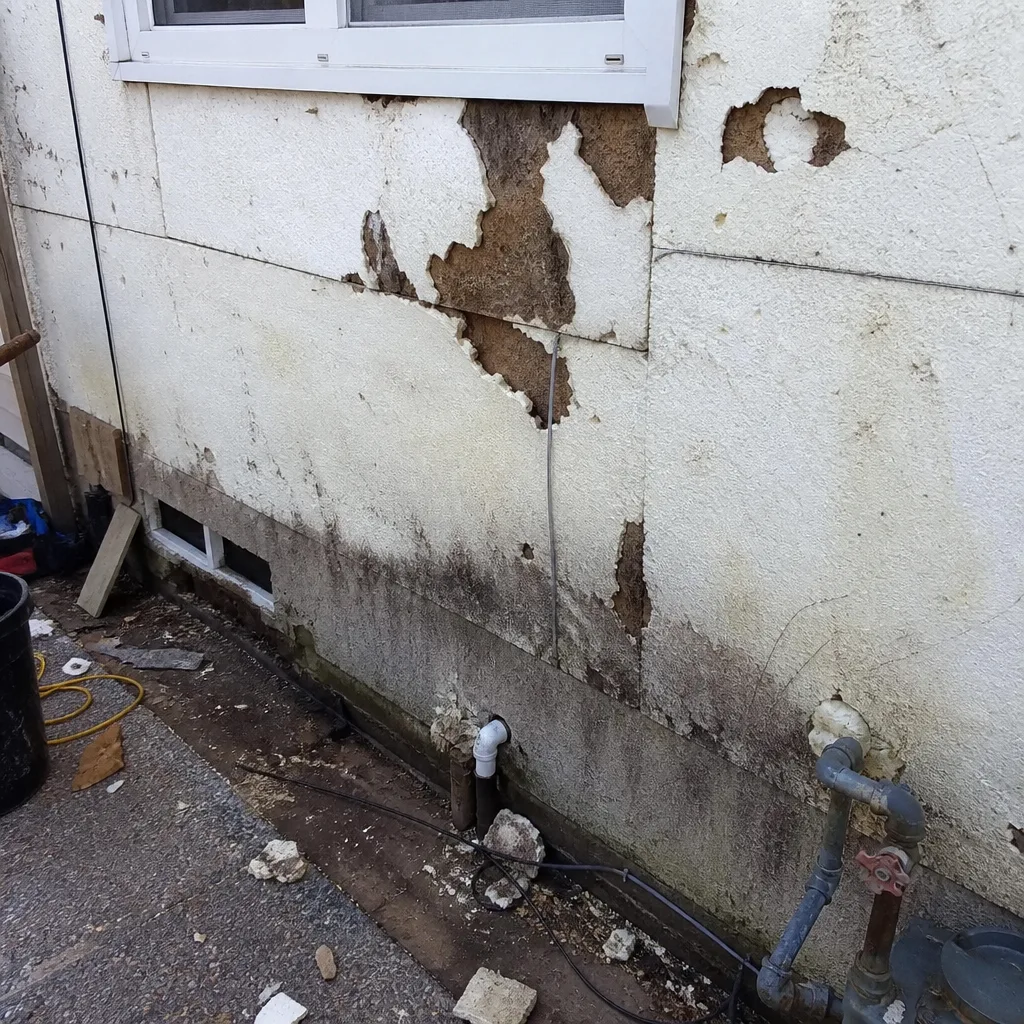 Before
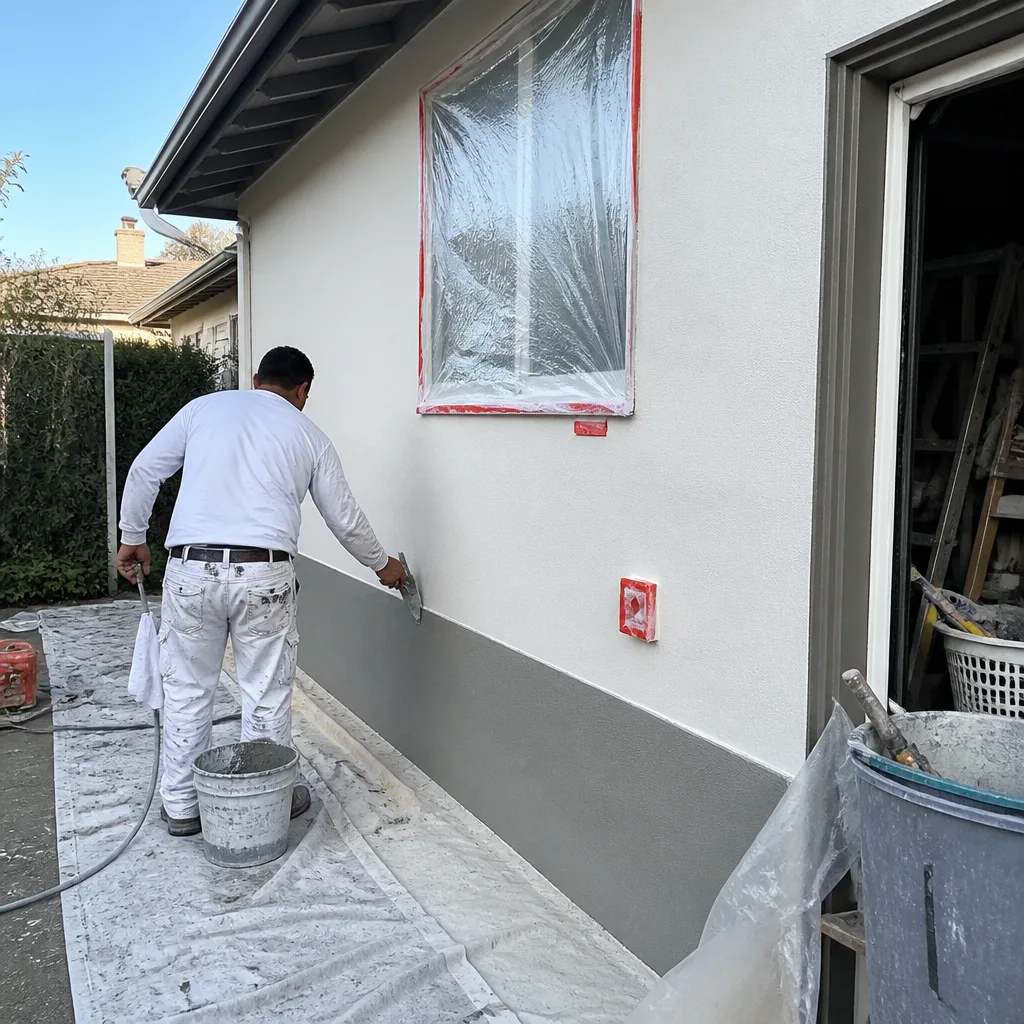 After
AfterReplacement Cost & What’s Included
For a typical Campbell crawl space - roughly 1,200 to 1,800 square feet beneath a single-story ranch or split-level - Johns Manville vapor barrier replacement runs $1,800-$3,400 installed. That range breaks down as follows:
- 10-mil JM CrawlShield: $1,800-$2,400 - material, seam sealing with JM-compatible tape, perimeter attachment to foundation walls, and sealing around all penetrations
- 15-mil JM CrawlShield or Poly-Strate: $2,400-$3,400 - heavier material, reinforced for storage use or high-traffic access, with integrated pier wraps
- Air sealing prerequisite: If your top plates, sill plates, and penetrations haven’t been sealed, we quote that separately - typically $800-$1,500 for a crawl space of this size - because we won’t install a new barrier over an unsealed envelope
What drives the upper end of the range: standing water requiring temporary drainage, extensive rodent damage to insulation that must be removed before barrier installation, or crawl spaces with less than 18 inches of clearance that slow production. Every job gets a Written Price Before Any Work Starts - Haven Standard Clause 1 - with no change orders unless you add scope. The 365-Day Done Right Promise covers all workmanship, and we deliver a Documented Photo Record showing the completed seam sealing and perimeter attachment before we leave.
DIY or Call Us?
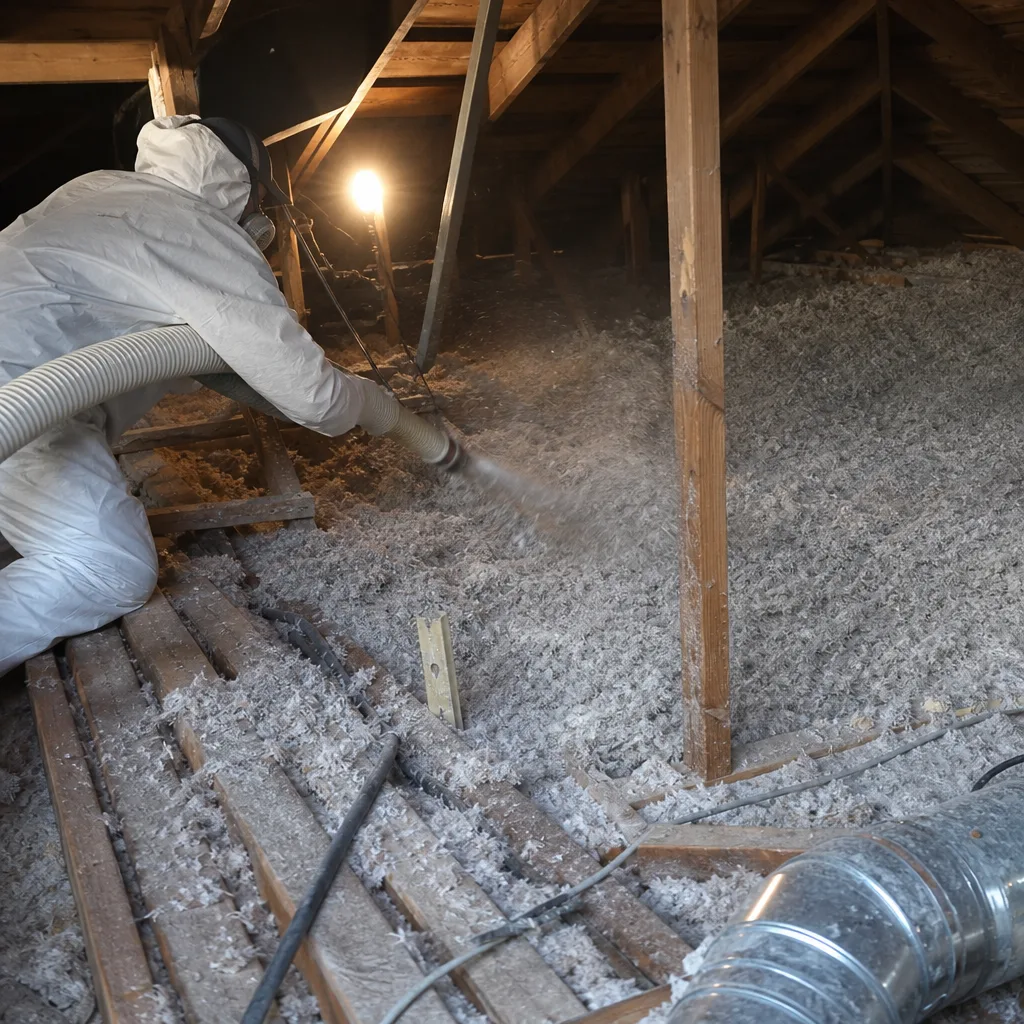
There’s an honest middle ground here. A homeowner can safely inspect their own crawl space for the symptoms above - look for tears, pulled seams, and areas where the barrier has shifted off the ground cover. You can also verify your JM product by photographing the printed edge labeling and measuring the thickness with a simple seam gauge.
Where DIY goes wrong is in the execution. Proper JM vapor barrier installation requires complete ground coverage with 12-inch overlap at seams, sealed with pressure-sensitive tape rated for polyethylene - not duct tape, which fails in months. The barrier must extend 6 inches up foundation walls and attach with mechanical fasteners plus compatible sealant. Most critically, it must integrate with your air sealing; a perfect vapor barrier over a leaky sill plate still lets moisture-laden air bypass the assembly entirely.
We’ve been called to Campbell homes where a homeowner’s weekend project looked correct but actually trapped moisture against the subfloor because the perimeter wasn’t sealed. The repair cost more than our original quote would have. If your crawl space has active water, mold, or electrical wiring in contact with the ground, call (831) 534-3206 - those conditions are genuinely hazardous without proper PPE and training.
FAQs
In Campbell’s climate - wet winters, dry summers, with clay soils that shift and abrade - a properly installed JM 10-mil or 15-mil barrier lasts 15-20 years. The failure mode we see most often isn’t material degradation but mechanical damage from tradespeople working in the crawl space, or rodent intrusion at unsealed edges. Call (831) 534-3206 for an exact assessment of your existing barrier’s condition - estimates are free.
Small punctures or isolated tears under 6 inches can be patched with JM-compatible tape if the surrounding material is still supple and the seam overlap is intact. If the barrier is brittle, extensively torn, or was originally 6-mil generic poly, patching is false economy - the adjacent material will fail within a few seasons. We evaluate this on every site visit and tell you honestly which path makes sense.
Most Campbell crawl spaces take one day for removal and replacement, assuming the space is dry and accessible. If we need to remove degraded insulation, address drainage, or perform air sealing first, the job extends to two days. We don’t rush the seam sealing - that’s where the performance lives. You’ll get a text when the crew is en route, and a printed blower-door reading if we’re also sealing the envelope.
Yes - we carry JM CrawlShield 10-mil and 15-mil rolls, seam tape, and mechanical fasteners on every Campbell-area truck. For Poly-Strate or specialty widths, we can have material next business day from our South Bay supplier. Same-day starts are available for standard sizes when you call before 10 a.m. Call (831) 534-3206 to confirm stock for your specific crawl space dimensions.
Written by Wes Okafor, Owner & Lead Insulation Technician, Topside Attic Insulation Campbell at Topside Attic Insulation Campbell, serving Campbell and nearby areas.