
Knauf Vapor Barrier Installation: The Campbell Owner’s Guide
Knauf vapor barrier installation in Campbell typically runs $1,800-$3,400 for a complete crawl space or attic application, depending on square footage and whether the space needs prep work for proper adhesion. We stock Knauf Insulation’s vapor retarder films and compatible seam tapes on every truck, and most Campbell jobs can be started same-day once we’ve walked the space and confirmed the spec. Most homeowners discover their existing vapor barrier has failed when they notice a sharp musty smell after winter rains, or when a home energy audit flags moisture readings above 20% on wooden subfloor joists.
Which Knauf Models This Applies To
Knauf manufactures vapor retarders and barriers across several product lines, and matching the right material to your existing insulation package matters more than most contractors admit. The Knauf Insulation EcoSeal system, commonly paired with their blown-in fiberglass in Campbell homes built between 1985 and 2010, uses a 6-mil polyethylene vapor retarder with specific permeance ratings that must align with the R-value above it. Knauf’s newer Jet Stream UltraTouch applications typically call for a smart vapor retarder, not standard poly, because the cellulose-based product handles moisture differently than fiberglass.
We identify the correct match three ways: the Knauf product label still visible on existing insulation (usually printed on the paper facing or bag remnants left behind), the mil thickness and permeance rating stamped on any surviving vapor retarder sheeting, and the assembly type - vented crawl space, unvented crawl space, or attic floor. OEM Knauf vapor retarders run 15-20% higher than quality aftermarket equivalents from brands like Reflectix, but the compatibility guarantee is worth it when you’re tying into an existing Knauf system. We’ve seen aftermarket 6-mil poly installed over Knauf fiberglass that off-gassed unevenly and delaminated at seams within 18 months. The part number to check is Knauf’s VR-6 or VR-Smart series; if your existing barrier shows no markings, we bring a sample board to match sheen and thickness before ordering.
Signs Your Knauf Vapor Barrier Installation Is Failing
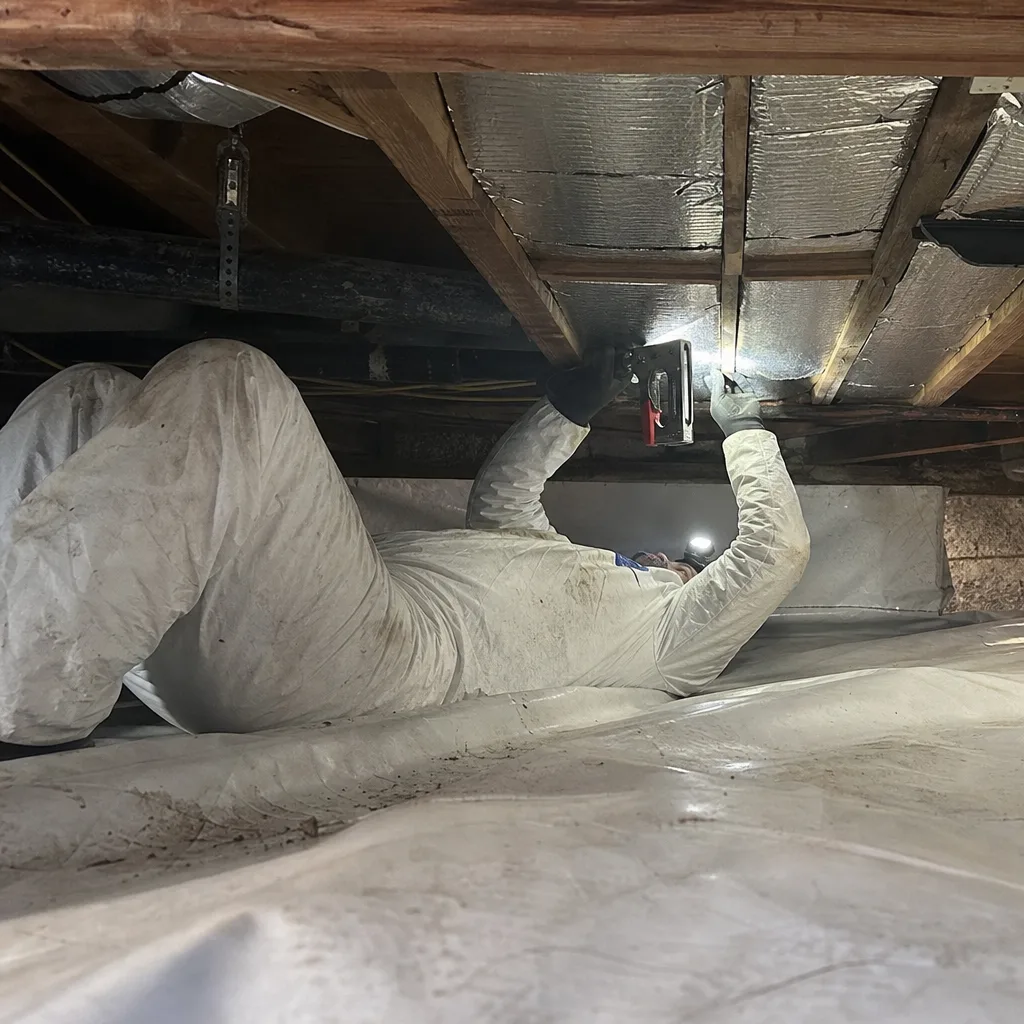
- Musty odors that worsen after rain. Campbell’s clay-heavy soil holds moisture longer than the sandy loam further south, and a compromised vapor barrier lets that ground moisture migrate straight into your floor assembly. The smell usually starts in hallways over crawl spaces, not the rooms themselves.
- Visible condensation on ductwork or pipes. When warm, humid crawl space air hits cooler HVAC lines, water beads form and drip. This is a late-stage sign - the barrier has been breached for months, and you’re now looking at potential corrosion on galvanized fittings.
- Buckling or stained subfloor visible from below. We see this most in Campbell’s 1960s ranch-style homes near the Winchester Boulevard corridor, where original construction used minimal ground prep. The vapor barrier was doing all the moisture work, and once it tears, the OSB or plywood subfloor takes the hit.
- Insect or rodent activity concentrated in one crawl space zone. A torn vapor barrier creates access to soil and organic matter that pests seek out. We find Knauf barriers chewed through most often where they wrap around pier posts - the overlap seam is a weak point if not taped with Knauf-compatible acrylic adhesive.
- Insulation sagging or falling from floor joists. Wet fiberglass loses its loft and R-value; wet cellulose compacts and molds. Either way, the vapor barrier failed first, and the insulation is now damaged goods that needs removal before reinstallation.
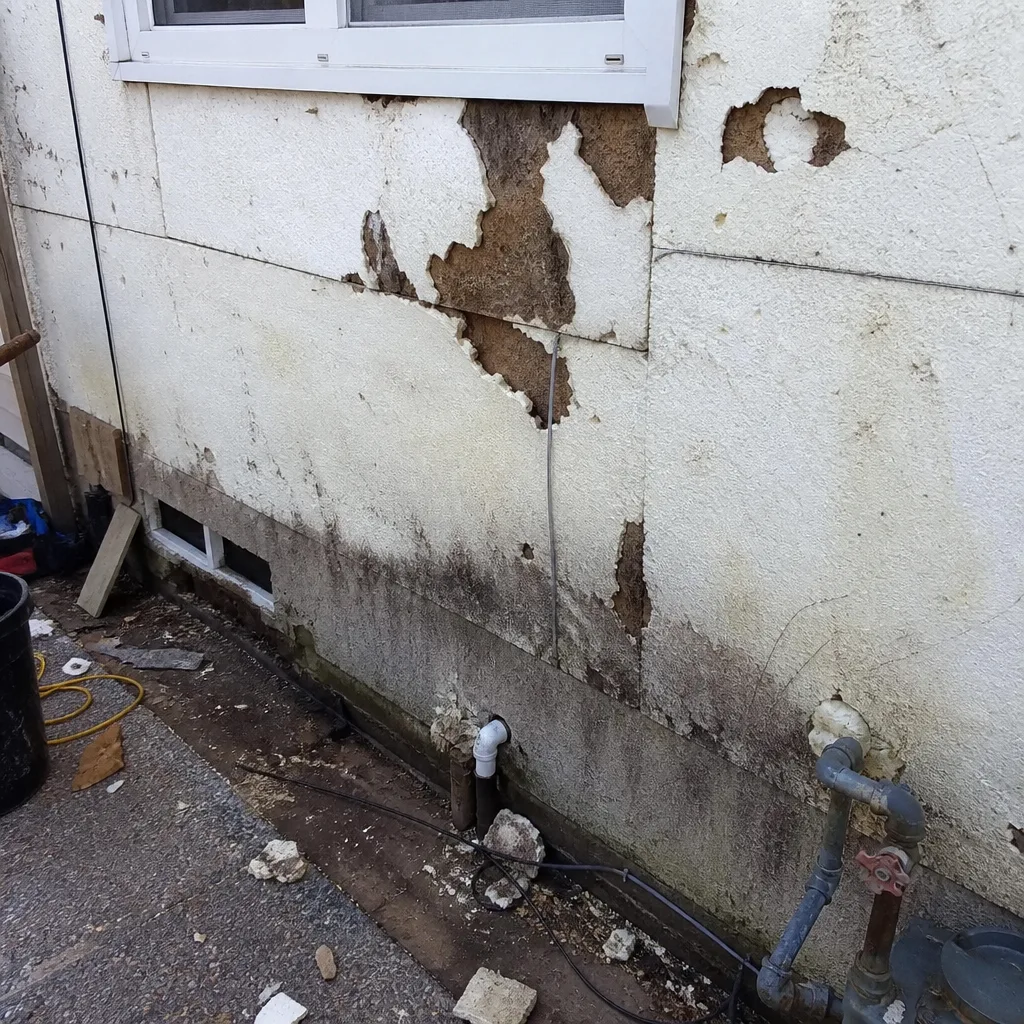 Before
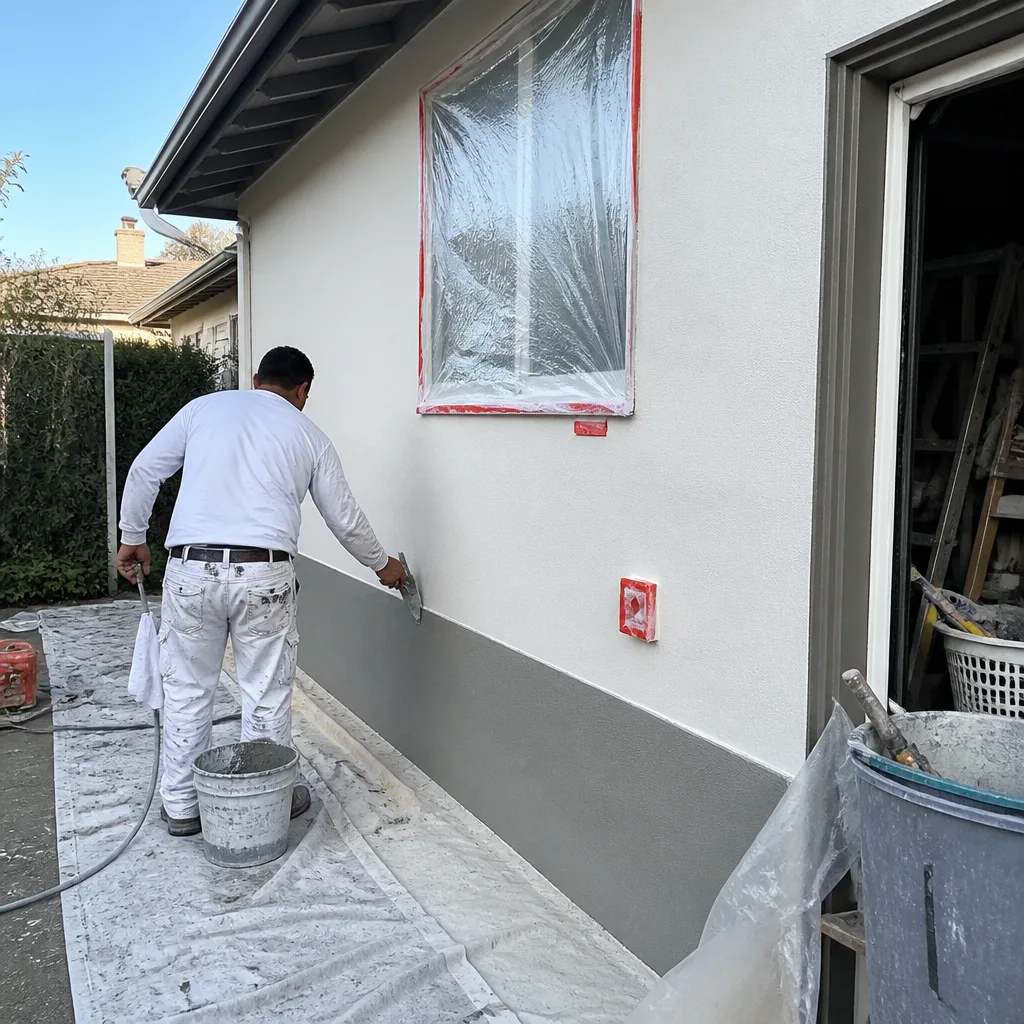 After
AfterReplacement Cost & What’s Included
For a typical Campbell crawl space between 1,200 and 2,000 square feet, complete Knauf vapor barrier installation runs $1,800-$3,400. That range breaks down as follows: material (Knauf VR-6 or VR-Smart vapor retarder, compatible seam tape, and mechanical fasteners) at $0.85-$1.20 per square foot; labor for prep, installation, and post-work verification at $0.65-$0.95 per square foot; and any necessary remediation - mold-affected insulation removal, joist drying time, or debris haul-away - billed separately after we document conditions with photos.
What drives the high end: extensive prep (leveling soil, removing failed barrier fragments, treating for moisture), working height below 18 inches, or access limited to a single small hatch. What keeps you at the low end: clean, dry, accessible space with a straightforward rectangle to cover. Every job gets a Written Price Before Any Work Starts - Haven Standard Clause 1 - and the 365-Day Done Right Promise covers seam failures or adhesion issues we should have caught. We publish before-and-after blower-door numbers when the vapor barrier is part of a larger air-sealing scope, so you can verify the envelope improvement in CFM50, not just our word.
DIY or Call Us?
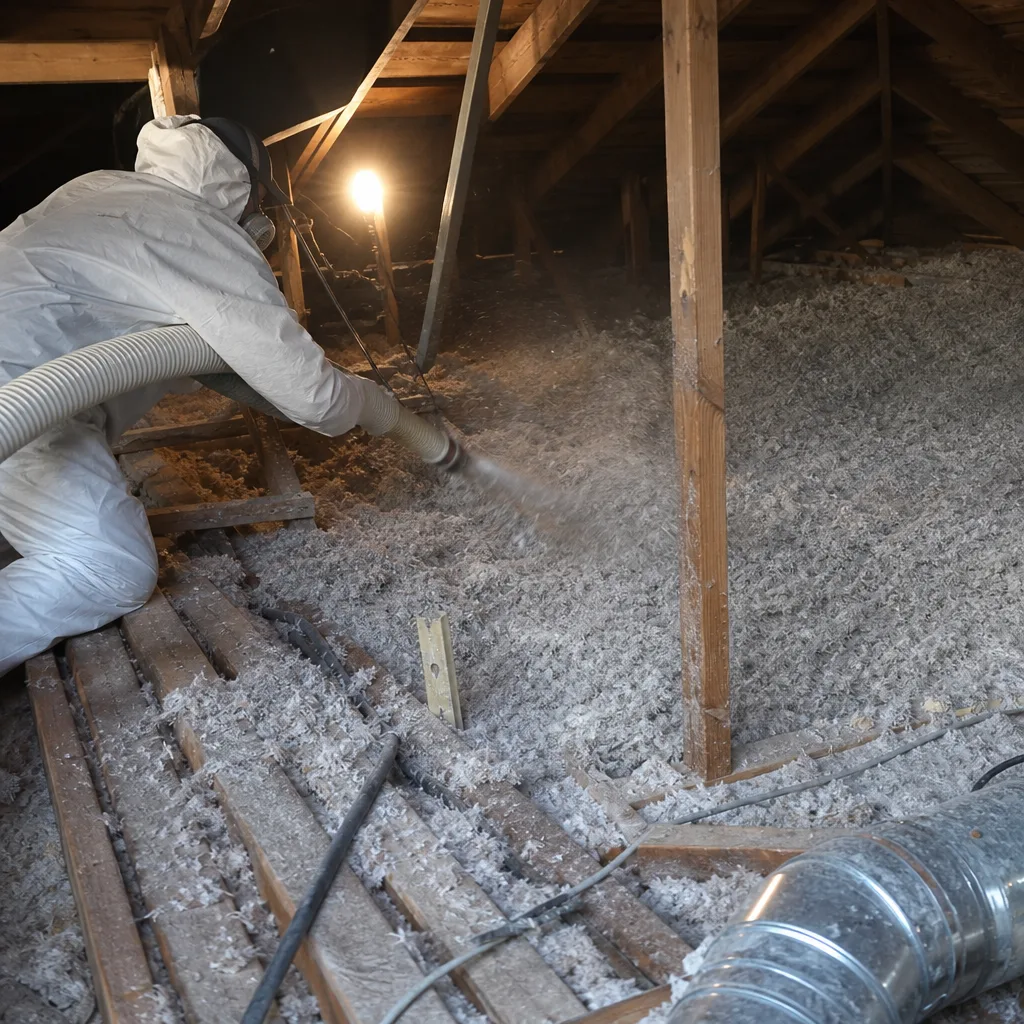
There’s an honest middle ground here. A homeowner can safely inspect their own crawl space for obvious tears, standing water, or rodent damage - just wear a respirator rated for organic vapor and don’t work alone in confined spaces. You can even measure square footage and photograph existing labels to speed our quote process.
Where DIY goes wrong: vapor barrier installation looks like laying down a tarp, but the failure points are invisible to an untrained eye. Seam overlap must run uphill so water doesn’t channel into laps. Pier posts and plumbing penetrations need custom cuts sealed with pressure-sensitive tape, not duct tape, which degrades in crawl space humidity within two years. And in Campbell’s older homes, we regularly find soil gas mitigation systems or radon pipes that can’t be buried under new poly without code violations. The actual danger is modest compared to electrical or spring work, but the consequence of a bad install is thousands in subfloor repair two years later. Call (831) 534-3206 and we’ll walk your space with you, no charge, and give you a written price you can compare against any other quote.
FAQs
A properly installed Knauf vapor barrier should last 15-20 years in Campbell, though we’ve replaced barriers after 8 years in homes with poor drainage or where the original installer skipped seam taping. Campbell’s combination of winter rains and summer dry spells creates more expansion-contraction stress than coastal fog zones, so mechanical fastening at perimeters matters more here. Call (831) 534-3206 for an exact assessment of your specific conditions - estimates are free.
Patching works for isolated punctures smaller than a dinner plate using Knauf-compatible acrylic tape, but widespread degradation, delamination, or rodent damage means full replacement is the only durable fix. We’ve tried to save homeowners money with spot repairs and ended up back within 18 months when adjacent seams failed - the material was too far gone. Call (831) 534-3206 and we’ll show you photos of what can be patched versus what needs to come out.
Most residential crawl spaces in Campbell take one full day for a two-person crew; larger or obstructed spaces may run into a second day. We don’t bill hourly - your written price is fixed - so the timeline affects your schedule, not your cost. Call (831) 534-3206 to check current availability.
We carry Knauf VR-6 and VR-Smart vapor retarder rolls, compatible seam tapes, and mechanical fasteners on every truck serving Campbell, so most jobs start same-day once we’ve confirmed the spec on-site. Reflectix alternatives are available if your application allows, though we default to Knauf OEM when tying into existing Knauf insulation systems. Call (831) 534-3206 to confirm stock for your specific model.
Topside Attic Insulation Campbell is an independent service provider and is not affiliated with, endorsed by, or an authorized dealer of Knauf Insulation. We source Knauf materials through standard distribution channels alongside Owens Corning, Johns Manville, Rockwool, and other manufacturers - no proprietary lock-in, no preferred status claims.
Seal the leaks first. The insulation has nowhere useful to go until you do. Wes Okafor learned that lesson early, running crews through Campbell’s older neighborhoods where blown-in fiberglass had been dumped over unsealed top plates for decades, and the energy bills never moved. He still runs a blower-door test - a pressurization measurement that quantifies exactly how leaky an envelope is - before and after every job where air sealing is in scope, and hands the homeowner a printed report with both CFM50 readings so there’s no ambiguity about what changed.
Ready to get a written price? Call (831) 534-3206. A live person answers 24/7, and we’ll schedule a free walk-through of your Campbell home. Every job begins with a written scope and written warranty before anyone lifts a tool, and closes with a Documented Photo Record. That’s the Haven Standard, and it’s how we’ve operated since 2016.
Written by Wes Okafor, Owner & Lead Insulation Technician, Topside Attic Insulation Campbell at Topside Attic Insulation Campbell, serving Campbell and nearby areas.