
Owens Corning Attic Insulation: The Campbell Owner’s Guide
Most Owens Corning attic insulation jobs in Campbell run between $2,400 and $5,800 installed, depending on attic square footage, existing insulation depth, and whether the attic floor needs air sealing first. We stock Owens Corning PINK blown-in fiberglass and batt products on every truck, and we can typically inspect and quote same-day. Homeowners usually discover a problem when PG&E bills spike in a Campbell summer despite the AC running constantly, or when a home inspector flags insufficient R-value during a sale - often finding compressed, displaced, or moisture-damaged insulation that no longer performs to its labeled rating.
Which Owens Corning Models This Applies To
Owens Corning attic insulation isn’t a single part number. The product lines we install and replace in Campbell are the AttiCat PINK blown-in fiberglass system (typically R-30 to R-60), PINK Fiberglas batts (R-13 through R-38), and the ProCat loose-fill series used in higher-density applications. The critical compatibility issue is matching the existing insulation type: blown-in fiberglass over old cellulose creates stratification and airflow channels, while adding batts over loose-fill compresses the lower layer and reduces its effective R-value.
To identify what you have, check the attic floor for paper-faced batts with the Owens Corning logo, loose pink fibers with a stamped lot number on a truss, or a blown-in blanket with no visible branding. We carry a density gauge on every truck to measure settled blown-in depth and calculate whether you’re getting the R-value printed on your original receipt. For homeowners near the Winchester Boulevard corridor in Campbell, we’ve found that 1970s-era homes often have original Owens Corning R-19 batts compressed to R-13 or below by decades of storage traffic and rodent activity.
Topside Attic Insulation Campbell is an independent service provider with no affiliation to Owens Corning. We source materials through authorized distributors and can quote both OEM-equivalent Owens Corning products and compatible alternatives from Johns Manville or Knauf if the job calls for it.
Signs Your Owens Corning Attic Insulation Is Failing
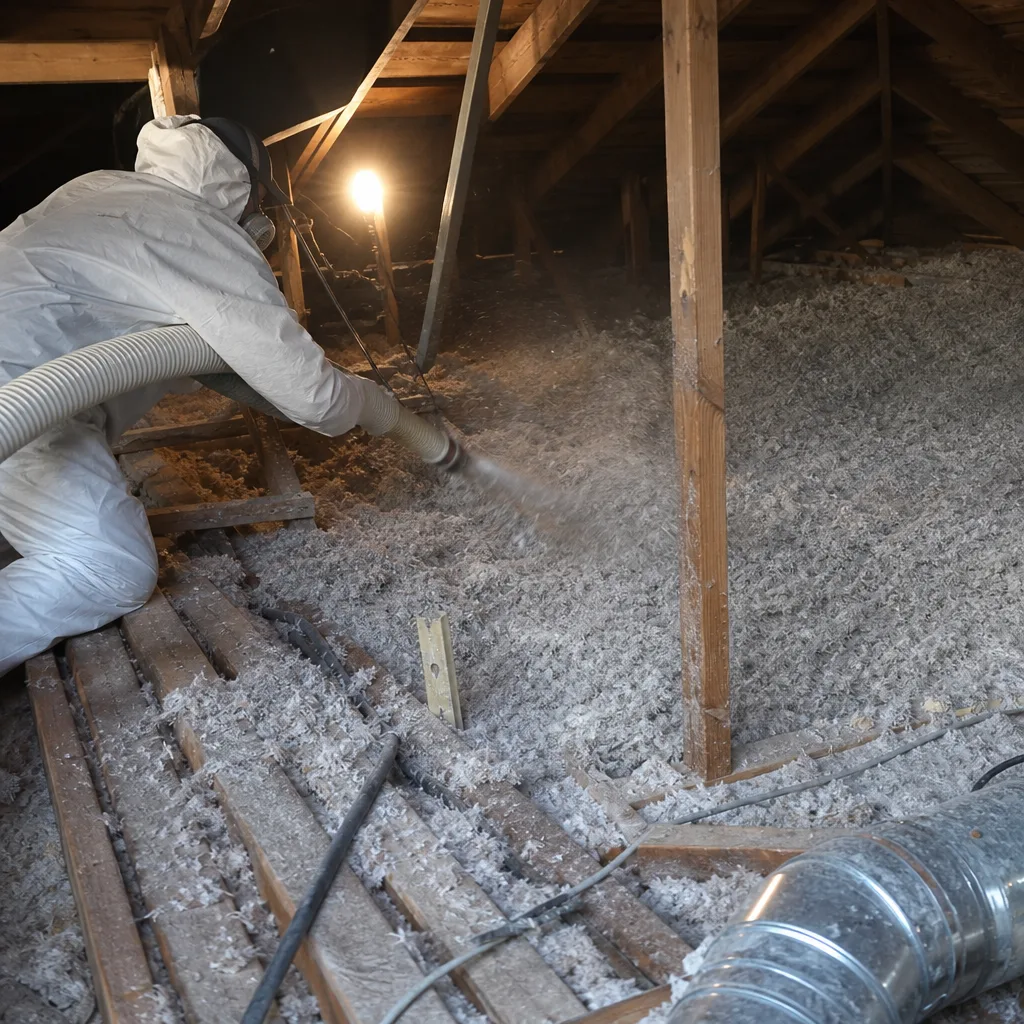
- Uneven temperature rooms below. When blown-in fiberglass settles or batts shift, you get thermal bypass channels. In Campbell’s older ranch-style homes near Campbell Park, we regularly find bare drywall over hallways where insulation was never properly tucked to full depth.
- Spiking cooling costs May through October. Owens Corning blown-in is rated for its labeled R-value only at proper depth and density. Settled or disturbed insulation performs 20-40 percent below rating, and the PG&E bill is usually the first place that shows up.
- Moisture staining on ceiling drywall. Fiberglass doesn’t absorb water, but it holds it against the ceiling plane when attic ventilation is poor. In Campbell’s humid winter mornings, we’ve pulled saturated PINK batts that were breeding mold on the paper facing while the fiberglass itself looked fine.
- Ice dam evidence in winter (yes, in Campbell). Rare but real during our coldest January nights. Heat escaping through thin or gapped insulation melts roof snow; water refreezes at the eave and backs up under shingles. The insulation didn’t cause it, but it’s almost always part of the thermal bridge.
- Home inspector flags “insufficient thermal boundary” during sale. This is the compressed-R-value problem. A 6-inch batt rated R-19, compressed to 4 inches by a homeowner walking boards for storage, tests closer to R-13. Inspectors near the Pruneyard Plaza corridor have gotten strict about this in the last three years.
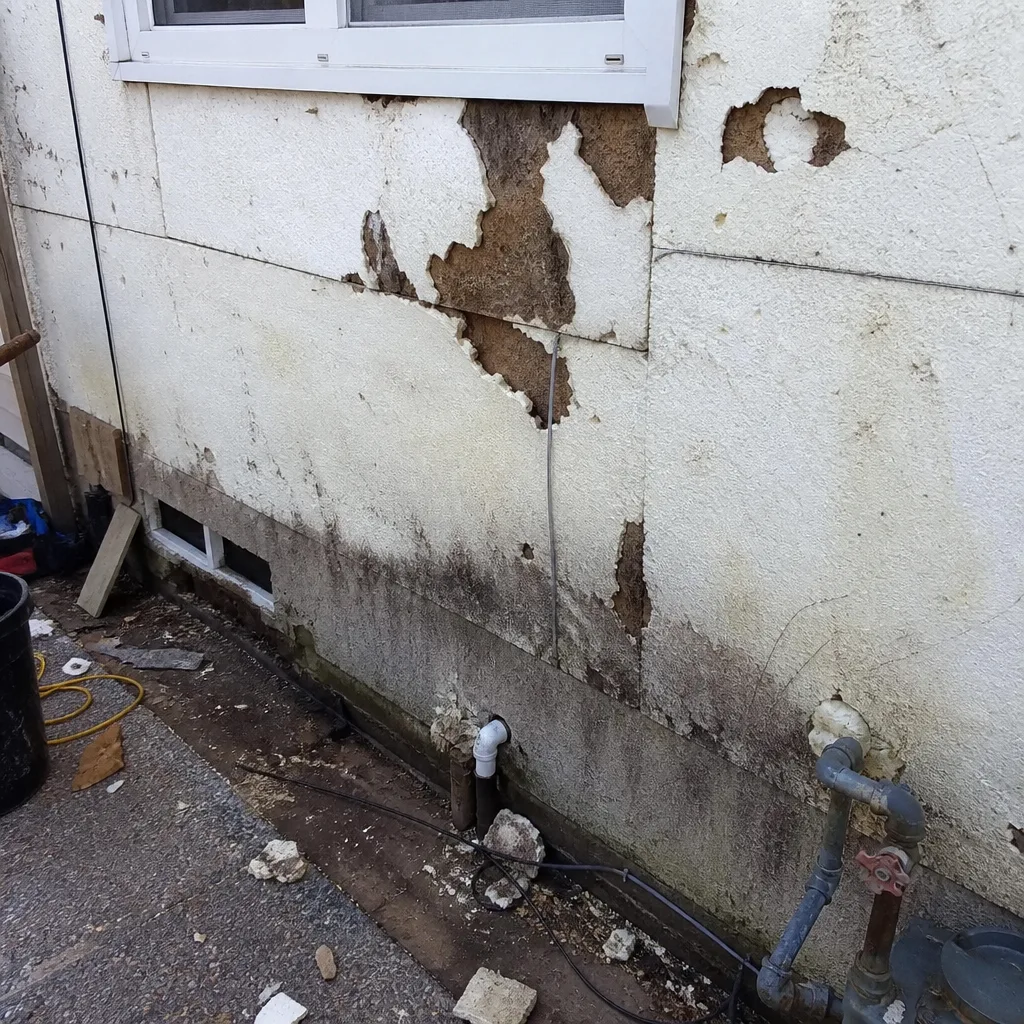 Before
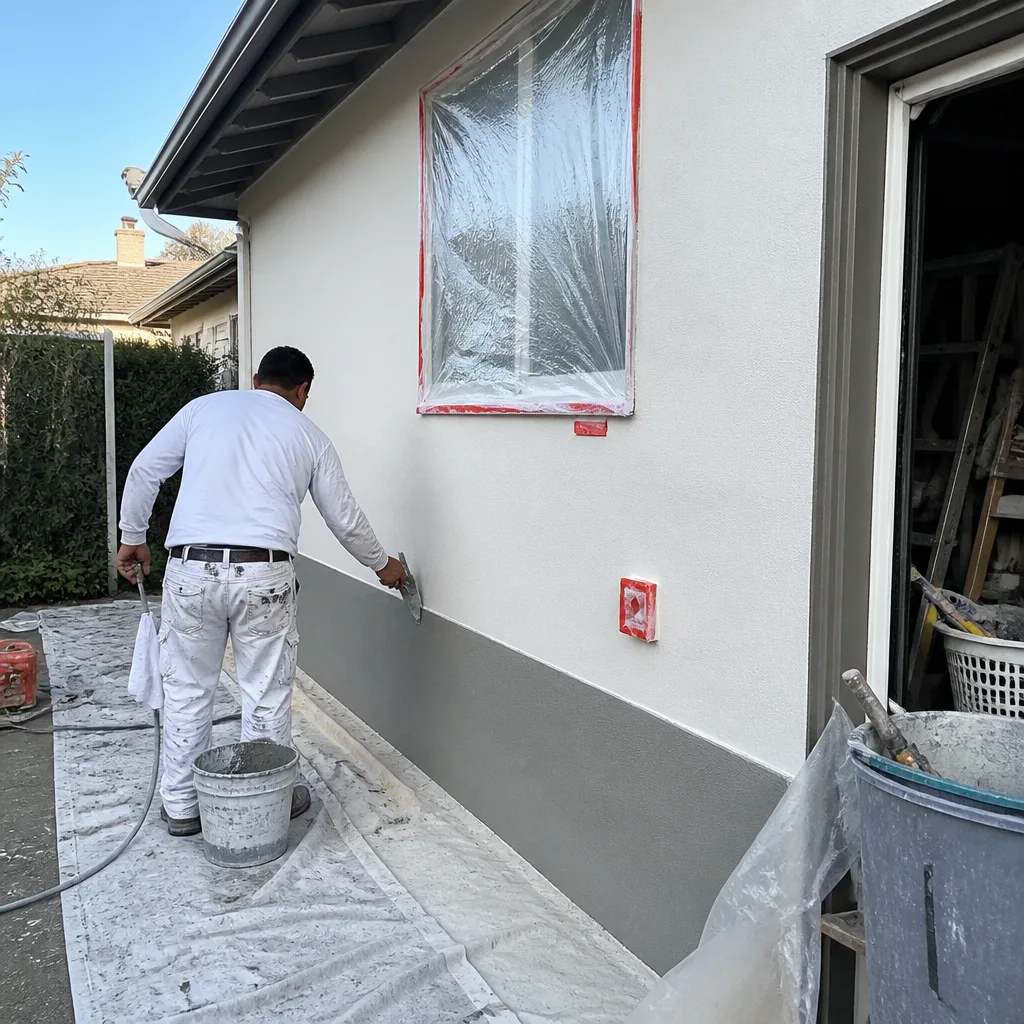 After
AfterReplacement Cost & What’s Included
For a typical Campbell single-story home of 1,200 to 1,800 square feet with attic access, Owens Corning blown-in fiberglass replacement runs $2,400 to $4,200. Two-story homes or complex rooflines with limited access push toward $5,800. The range depends on three factors: how much existing insulation we remove (rodent-soiled or mold-affected material costs more to handle safely), whether the attic floor needs air sealing before new insulation goes in, and the target R-value - California Title 24 now recommends R-38 to R-49 for our climate zone, and many Campbell homes built before 1990 sit at R-19 or below.
Every quote includes removal and disposal of failed material, installation of new Owens Corning product to specified depth, and a Documented Photo Record of the completed work. On jobs where we perform attic air sealing - top plates, can light enclosures, plumbing and electrical penetrations - we run a blower-door test before and after, and you get both CFM50 numbers in writing. Our 365-Day Done Right Promise applies to all completed work. We do not start without a written price, and we do not add charges after.
DIY or Call Us?
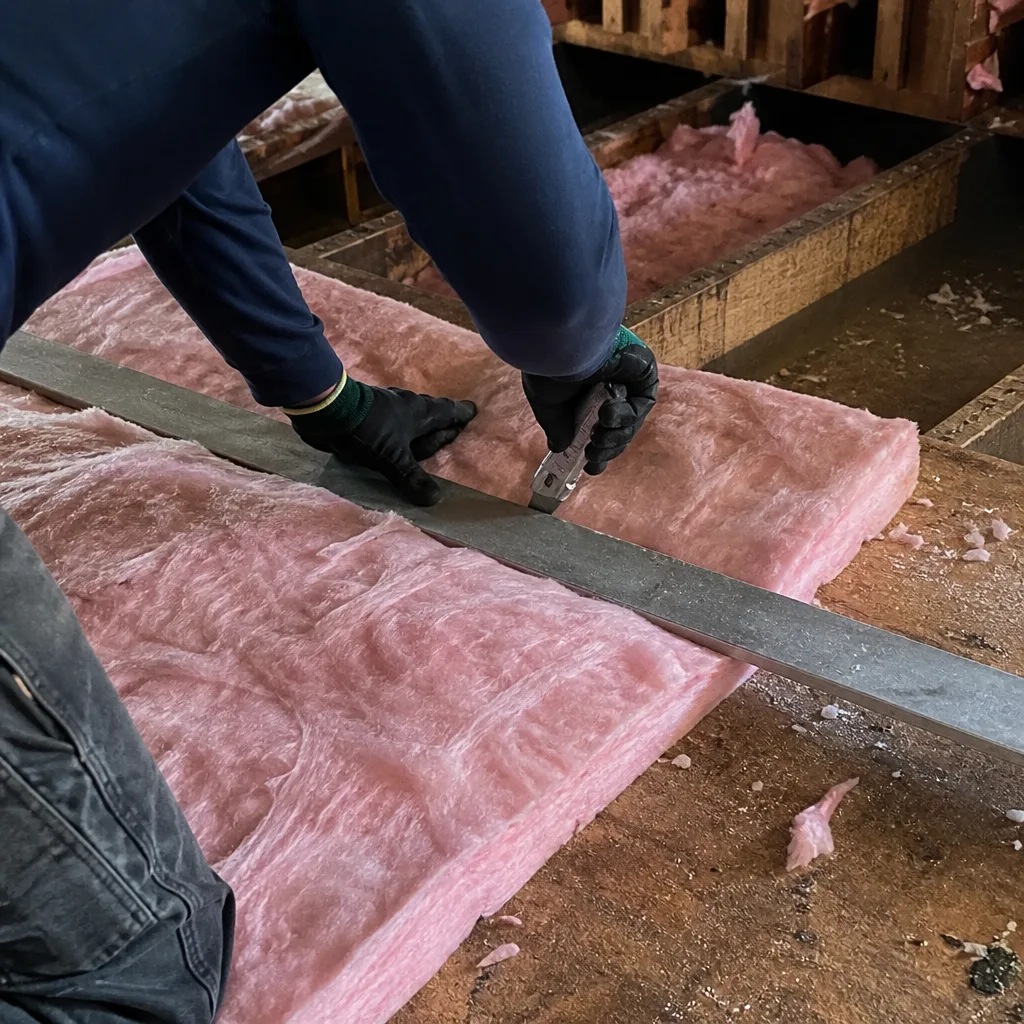
There’s no high-tension spring or electrical hazard in handling fiberglass insulation, but there are real mistakes we see repeatedly. A homeowner can safely check attic depth with a ruler and photograph settled areas for our review. What goes wrong: blowing new insulation over unsealed leaks (you’re paying for R-38 and getting R-22 performance), blocking soffit vents with loose-fill (creates moisture problems that destroy the new work in two years), or installing recessed can lights without proper enclosures (fire risk, and it voids most homeowners insurance if documented).
Seal the leaks first. The insulation has nowhere useful to go until you do. Wes Okafor and our crew have corrected enough DIY and cut-rate contractor jobs in Campbell to know that the blower-door number tells the truth about whether the money was well spent. Call (831) 534-3206 and we’ll read your situation with you - no charge for the conversation, and a free second opinion on any written estimate you already have.
FAQs
Fiberglass itself doesn’t degrade, but its installed performance lasts 15 to 25 years before settling, disturbance, or moisture compromise reduces effective R-value. In Campbell’s climate, the bigger killer is attic air leakage - conditioned air moving through the insulation carries humidity and dust that accelerates compression. Call (831) 534-3206 and we can test whether your existing material is still performing to spec.
Spot repair works only if the existing material is clean, dry, and uncompressed. In practice, we find that settled blown-in or rodent-compacted batts need removal; adding new over old creates density problems and hides contamination. We quote both options when spot repair is genuinely viable.
Most Campbell jobs complete in one day: removal in the morning, air sealing if specified, and new blown-in or batt installation by late afternoon. Two-day jobs involve extensive air sealing, deck removal for access, or remediation of soiled material. We give a written schedule with the price.
We carry Owens Corning PINK blown-in fiberglass and batt products on every truck, sourced through our distributor network. For same-day starts, we need to complete a site visit first - every job gets a written price before any work starts, per Haven Standard Clause 1. Call (831) 534-3206 to schedule.
Written by Wes Okafor, Owner & Lead Insulation Technician, Topside Attic Insulation Campbell at Topside Attic Insulation Campbell, serving Campbell and nearby areas.