
Owens Corning Radiant Barrier Installation: The Campbell Owner’s Guide
Owens Corning radiant barrier installation in Campbell typically runs $2,800-$4,200 for a 1,200-2,000 sq ft attic, including material, labor, and the air-sealing prep that makes it actually perform. We stock Owens Corning AtticCat radiant barrier and foil-faced kraft systems on our Campbell truck, and most installs are completed same-day once the attic floor is sealed. Most Campbell homeowners discover their radiant barrier is failing when their upstairs bedrooms won’t cool below 78°F even with the AC running flat out, or when their summer electric bills spike $80-$140 above the previous year despite no rate change.
Which Owens Corning Models This Applies To
Owens Corning produces radiant barrier products in two main configurations: the foil-faced OSB roof sheathing line (used in new construction and re-sheathing) and the retrofit radiant barrier foil systems designed for existing attics, including the AtticCat-compatible rolls. The retrofit material is what we install most often in Campbell, where homes from the 1960s through 1990s were built with zero radiant barrier and now bake through July and August.
To identify what you currently have, check the attic during daylight. Owens Corning foil-faced sheathing carries a printed logo and R-value rating on the exposed surface; retrofit foil will show either a plain aluminum finish or the Owens Corning diamond pattern if it was part of a prior install. Measure the rafter bay width - 24-inch centers are standard in Campbell tract homes, but the 1950s ranch stock near Campbell Avenue often runs 16-inch, which changes material width and fastener spacing.
We also stock Reflectix as a quality aftermarket equivalent when Owens Corning lead times stretch past a week. The performance spec is nearly identical - both run about 0.05 emissivity - but Owens Corning’s kraft-faced product integrates cleaner with blown-in insulation top-ups if you’re adding R-value later. We are an independent service provider; we are not affiliated with Owens Corning.
Signs Your Owens Corning Radiant Barrier Installation Is Failing
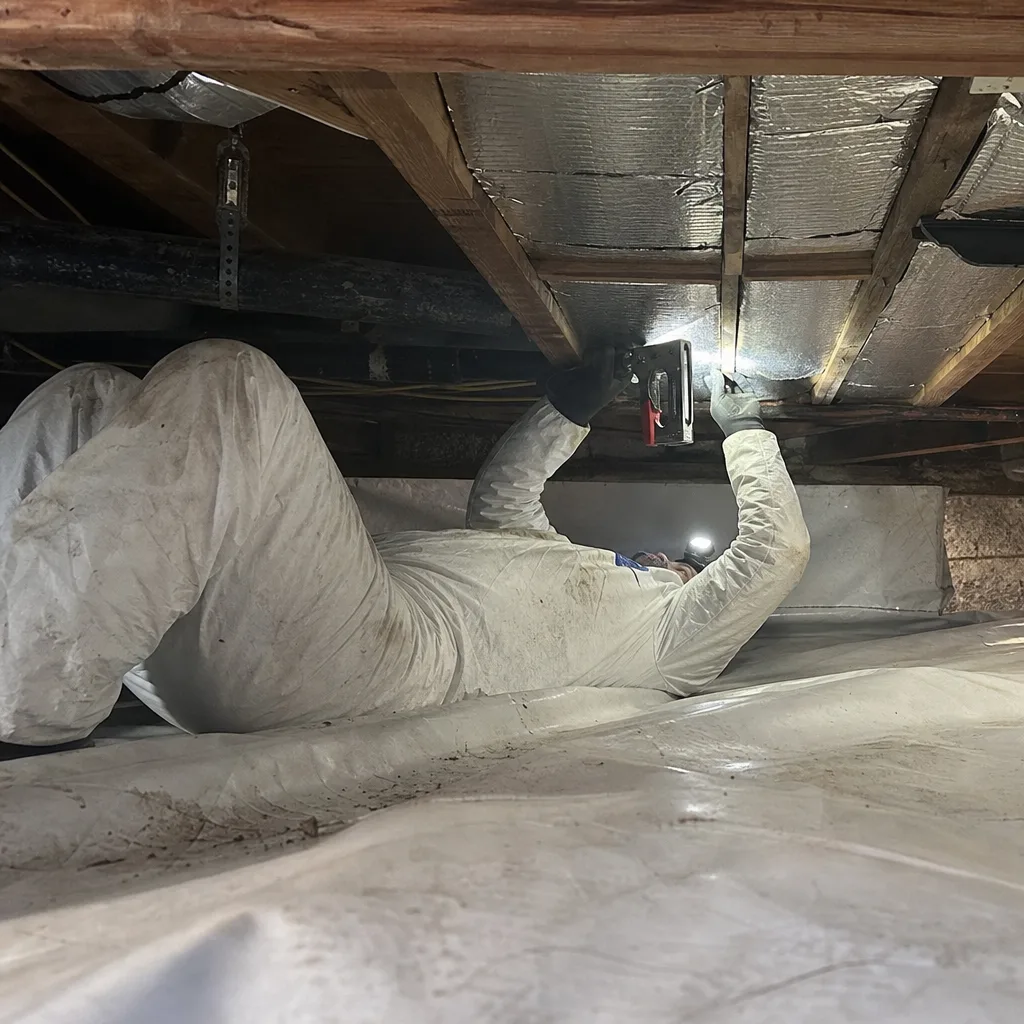
- Upstairs rooms stay 8-12°F hotter than downstairs by 4 PM. This is the classic symptom in Campbell’s 94008 and 95008 zip codes, where afternoon attic temperatures hit 140-150°F. A properly installed radiant barrier should block 95% of radiant heat transfer; when it’s torn, dust-coated, or installed without air sealing, that heat pours through the ceiling plane.
- Dust accumulation visible on the foil surface. Owens Corning radiant barrier relies on a clean, reflective aluminum face. After 7-10 years in Campbell’s dry Santa Clara Valley climate, dust from unsealed attic floors coats the foil and drops reflectivity from 95% to below 70%. We’ve pulled down barriers in the Cambrian Park edge of Campbell that looked gray, not silver.
- Tears or sagging between rafters. The 24-inch span standard in most Campbell homes puts real tension on staple lines. Owens Corning’s kraft-backed product holds better than plain foil, but if the installer missed rafter centers or used 1/4-inch staples instead of 1/2-inch, gravity and summer heat cycles will pull it loose within three years.
- Moisture staining on the attic side of drywall. This one catches people off guard. Radiant barrier installed before air sealing traps humidity against the roof deck. In Campbell’s occasional winter rains, we’ve found condensation on the foil underside in homes near the Los Gatos Creek corridor where cool marine air meets a hot attic. The barrier isn’t the problem - the unsealed envelope is.
- Your summer kWh usage climbed steadily for three years running. Not a one-year spike from rate changes - a real trend. We compare PG&E bills with homeowners on every estimate, and when cooling load grows 15-20% with no equipment change, the envelope has degraded. Radiant barrier failure is usually half the story; the other half is settled insulation and bypass leaks.
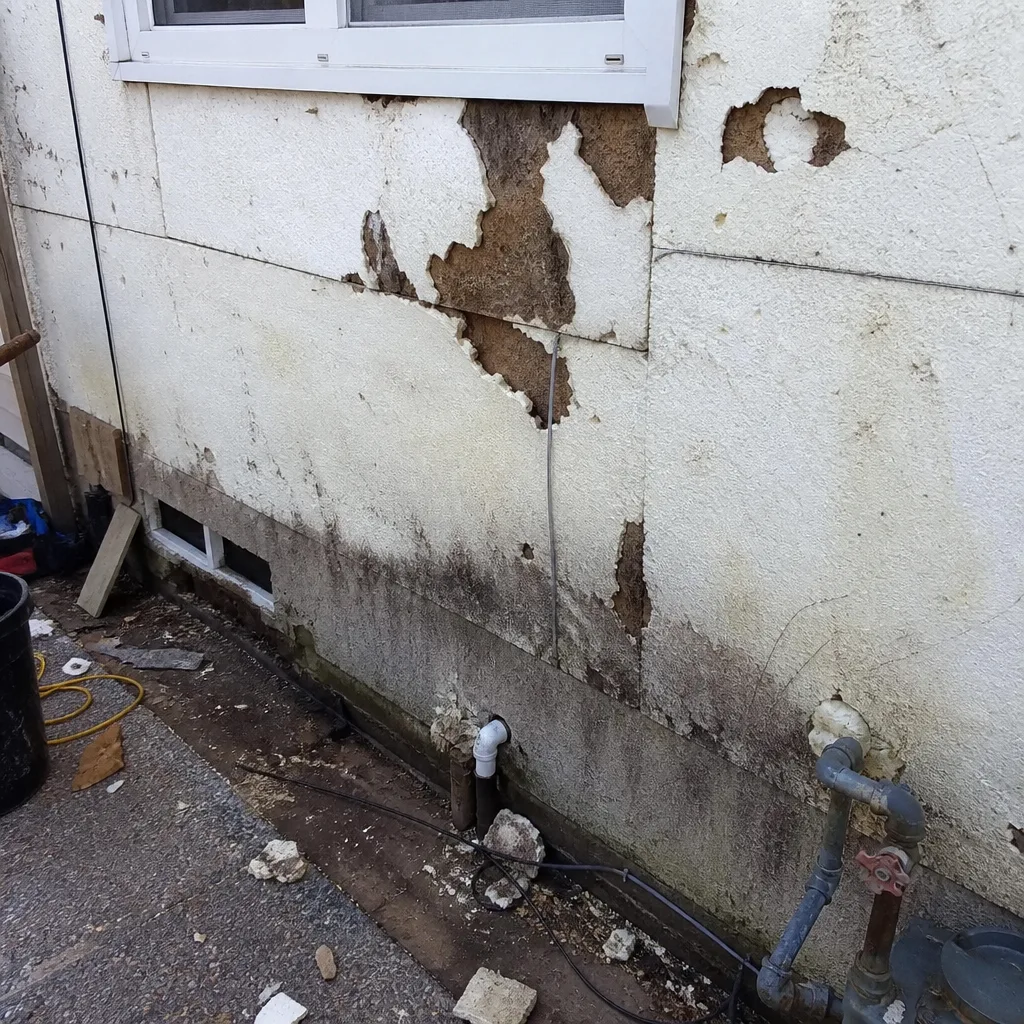 Before
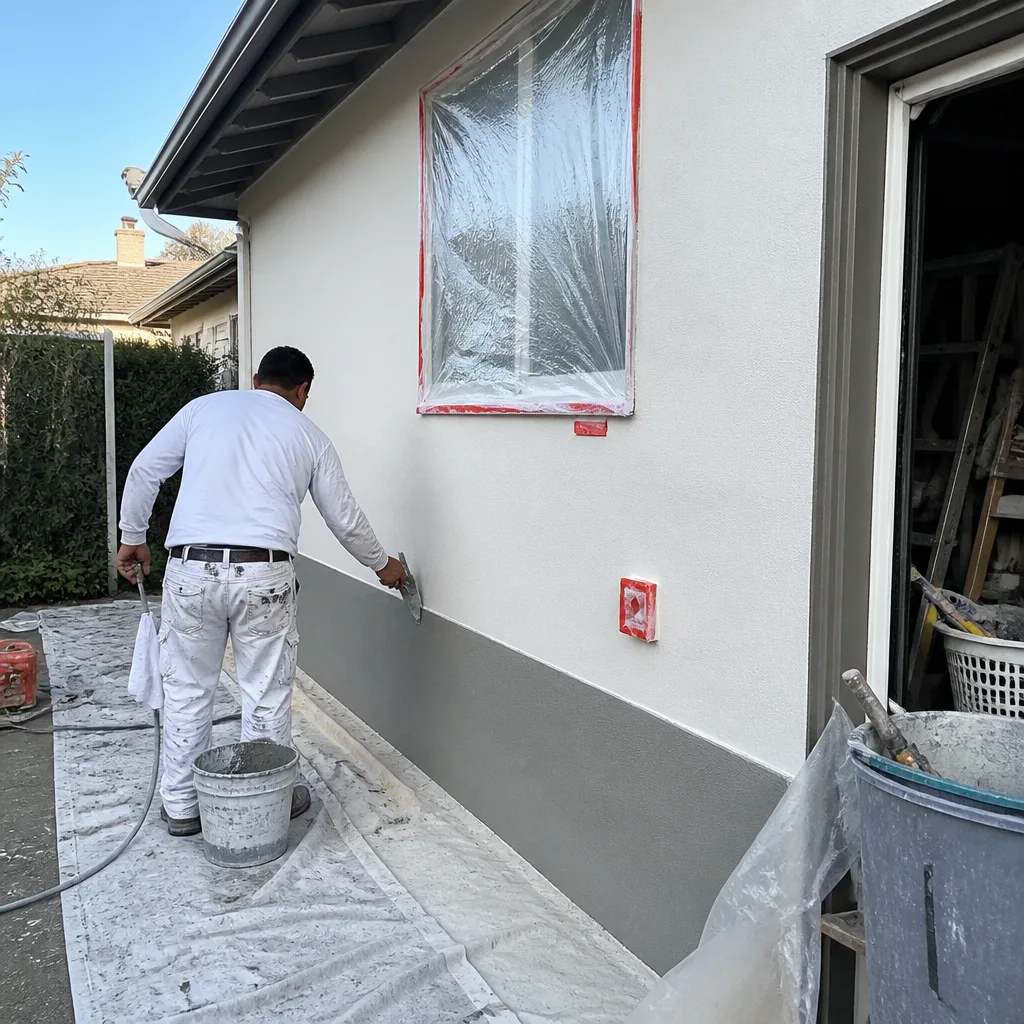 After
AfterReplacement Cost & What’s Included
| Component | Campbell Price Range |
|---|---|
| Owens Corning radiant barrier material (1,200-2,000 sq ft attic) | $1,100-$1,800 |
| Attic air sealing (top plates, can lights, penetrations) | $800-$1,400 |
| Labor and installation | $900-$1,200 |
| Before-and-after blower-door test with printed report | Included |
| Documented Photo Record | Included |
| Total installed with Haven Standard warranty | $2,800-$4,200 |
The range depends on three factors: attic square footage, accessibility (some Campbell crawl-attics off Bascom Avenue have 4-foot headroom; others near the Pruneyard have full 8-foot trusses), and how much air sealing the floor needs before the radiant barrier goes up. We will never quote radiant barrier without the air sealing - it’s not an upsell, it’s a prerequisite. Seal the leaks first. The insulation has nowhere useful to go until you do.
Every job closes with a written scope, a 365-Day Done Right Promise, and your blower-door numbers in hand. Most homes we see in Campbell start at 3,500-5,000 CFM50 and finish at 2,000-2,800 after sealing and barrier installation.
DIY or Call Us?
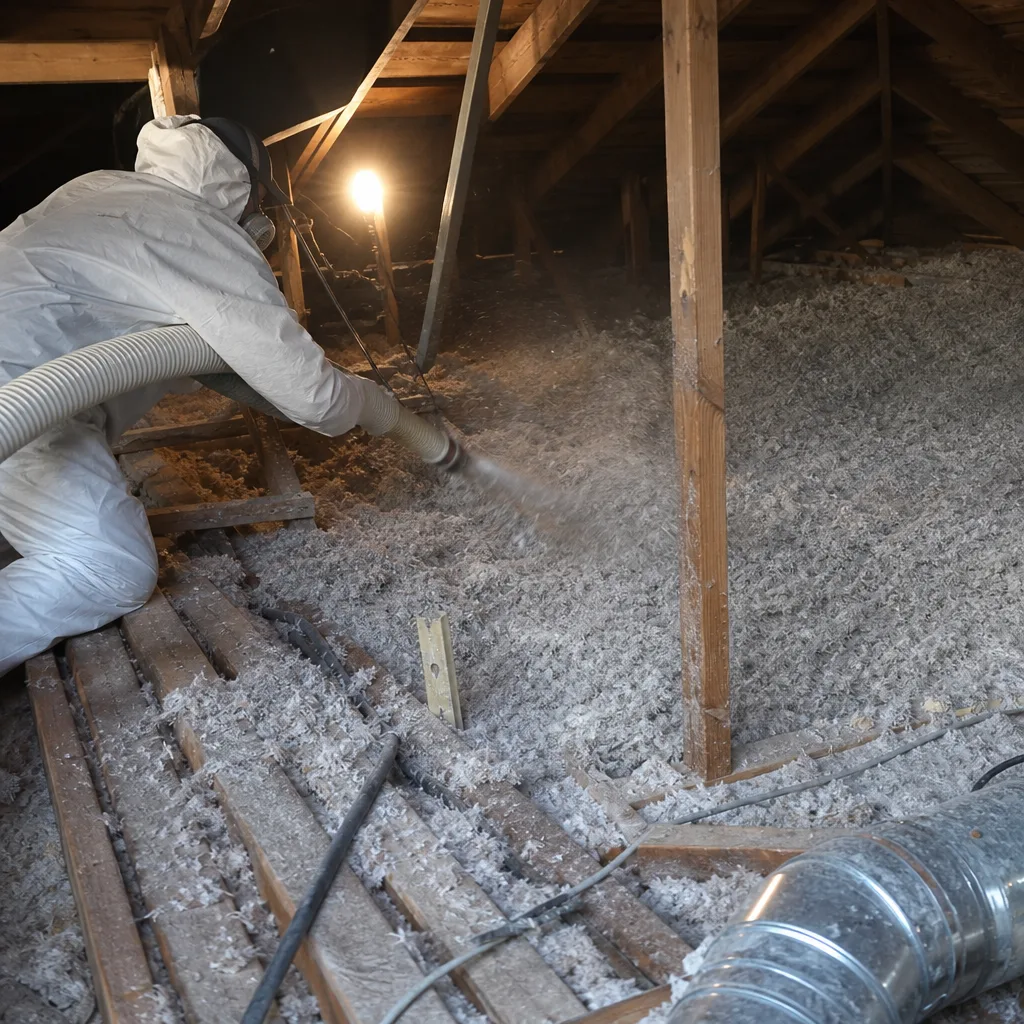
Here’s what you can safely check yourself: go up on a cool morning, photograph the foil condition, note any tears or sagging, and check your attic floor for visible gaps around light fixtures and top plates. That’s it. The rest requires equipment and training.
What goes wrong with DIY radiant barrier: working in 130°F attics leads to rushed staple placement, which means missed rafters and sag within a season. More seriously, improper installation over unsealed penetrations can trap moisture and rot your roof deck - we’ve seen $8,000 sheathing repairs in Campbell homes where a homeowner stapled foil over bathroom fan leaks. And without a blower-door test, you have no baseline and no proof the work changed anything.
Our crew runs background-checked, uniformed technicians. Calls are answered by a live person, 24/7. For a free estimate with a written price before any work starts, call (831) 534-3206.
FAQs
In Campbell’s dry, hot-summer Mediterranean climate, a properly installed Owens Corning radiant barrier performs for 15-20 years before dust accumulation and material fatigue reduce effectiveness. The kraft-faced product holds up better than plain foil against our temperature swings, which run 40°F morning to 140°F attic peak in July. Call (831) 534-3206 for an exact quote - estimates are free.
Small tears in accessible areas can be patched with matching foil tape, but partial repairs almost always leave dust-coated or poorly tensioned sections that underperform. In Campbell, we typically recommend full replacement when the existing barrier is more than 10 years old, since material and labor for patching approaches half the cost of a proper install with no warranty coverage on the old sections. Call (831) 534-3206 for an exact quote - estimates are free.
Most Owens Corning radiant barrier installations in Campbell are completed in one day, assuming the attic air sealing is done first. A 1,500 sq ft attic with standard 24-inch rafter spacing takes 4-6 hours after sealing; homes with complex rooflines or 16-inch centers near downtown Campbell add 2-3 hours. Call (831) 534-3206 for an exact quote - estimates are free.
Yes - we carry Owens Corning AtticCat-compatible radiant barrier foil and kraft-faced rolls on our Campbell truck, plus Reflectix as backup. For foil-faced OSB sheathing replacements, we order to spec after measuring your rafter layout, since 4×8 sheet counts vary by roof pitch and overhang. Call (831) 534-3206 for an exact quote - estimates are free.
Written by Wes Okafor, Owner & Lead Insulation Technician, Topside Attic Insulation Campbell at Topside Attic Insulation Campbell, serving Campbell and nearby areas.