
Rockwool Attic Air Sealing: The Campbell Owner’s Guide
Rockwool-compatible attic air sealing in Campbell typically runs $1,800-$3,400 for a complete top-plate and penetration seal on a 1,200-2,000 square foot home, and we stock the full Rockwool accessory line for same-day starts. Most Campbell homeowners discover the problem when their newly installed Rockwool Comfortbatt or AFB still leaves rooms cold in January, or when PG&E bills spike despite R-38 or better across the attic floor. The insulation is doing its job; the air sealing underneath it failed, or was skipped entirely.
We’ve been in attics near the Pruneyard Plaza corridor where the Rockwool looked perfect from the hatch, but a smoke pencil at the top plates showed continuous leakage paths that made the effective R-value closer to R-19. Seal the leaks first. The insulation has nowhere useful to go until you do.
Which Rockwool Models This Applies To
Rockwool’s residential attic line in Campbell splits into two main categories: Comfortbatt (semi-rigid batts, R-15 to R-23 for 2×4 and 2×6 cavities) and AFB (Acoustical Fire Batt, denser, used in dropped soffits and partition walls that open into attic space). The air sealing we’re describing here is the substrate work beneath either one, or beneath Rockwool’s blown-in Granulated Wool when that’s used for attic floor coverage.
Identification starts at the attic hatch. Look for yellow-labeled batts with the ROCKWOOL stone wool branding, or the gray granulated loose-fill. The critical compatibility gotcha: Comfortbatt at 3.5 inches nominal compresses poorly around irregular framing, which means any air gap at the top plate becomes a chimney effect path. We see this in Campbell’s 1960s ranch stock near West Campbell, where 2×4 top plates meet true 2×6 rafters with a half-inch mismatch that batt installers often bridge with compressed wool rather than sealed foam.
We stock OEM Rockwool accessories, including SAFE’n’SOUND for interior partition top plates and the Roxul-brand retrofit items where they still apply. Aftermarket equivalents from Owens Corning and Johns Manville seal just as well at the pressure boundary, but we match the original specification when the homeowner is maintaining warranty documentation with Rockwool’s 25-year thermal performance guarantee.
Signs Your Rockwool Attic Air Sealing Is Failing
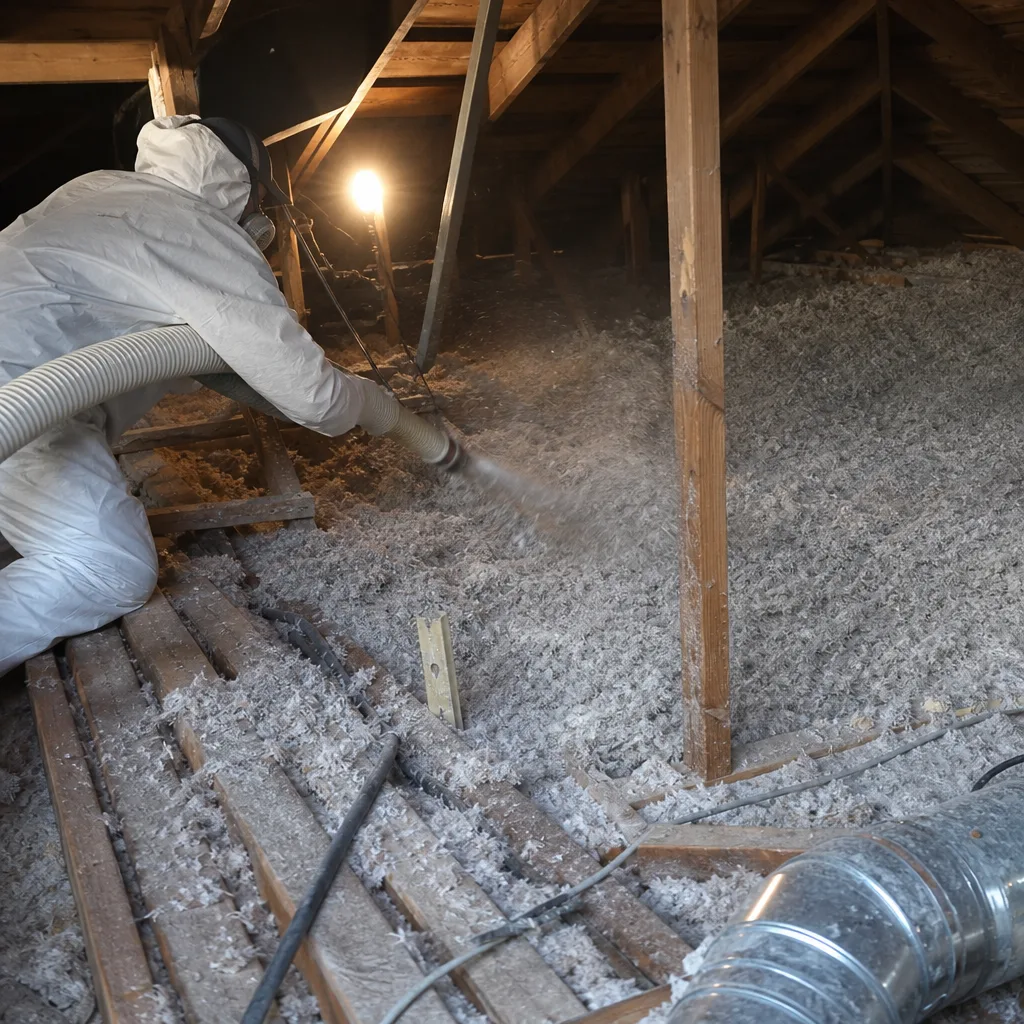
- Cold spots on interior ceilings directly below attic spaces. This happens when top plates, the horizontal framing member where wall studs meet ceiling joists, were never sealed with caulk or foam before Rockwool went in. The batt sits on the gap; air rises through it all winter.
- Dust streaks on insulation surfaces or ceiling drywall below. These dark lines are filtered air, proof that conditioned air is moving through the Rockwool and depositing household particulate. Clean Rockwool stays gray; dirty Rockwool tells a story.
- Ice damming or heavy frost on north-facing roof sheathing in Campbell’s occasional hard freezes. Warm, moist interior air hits cold plywood. The leak path is almost always at can light housings or plumbing vent stacks that penetrate the attic floor without a sealed boot.
- PG&E bills 20-40% higher than neighbors with similar square footage and vintage. In Campbell’s 94008 and 95008 ZIP codes, we benchmark against comparable 1,400-square-foot Eichlers and ranch homes from the same era. Persistent outliers point to envelope leakage, not insulation depth.
- Rockwool batts that have shifted, sagged, or fallen from cavity friction fit. Air movement dries the friction bond and vibrates the batt loose. If you can lift a corner and see daylight at the top plate, the seal was never there.
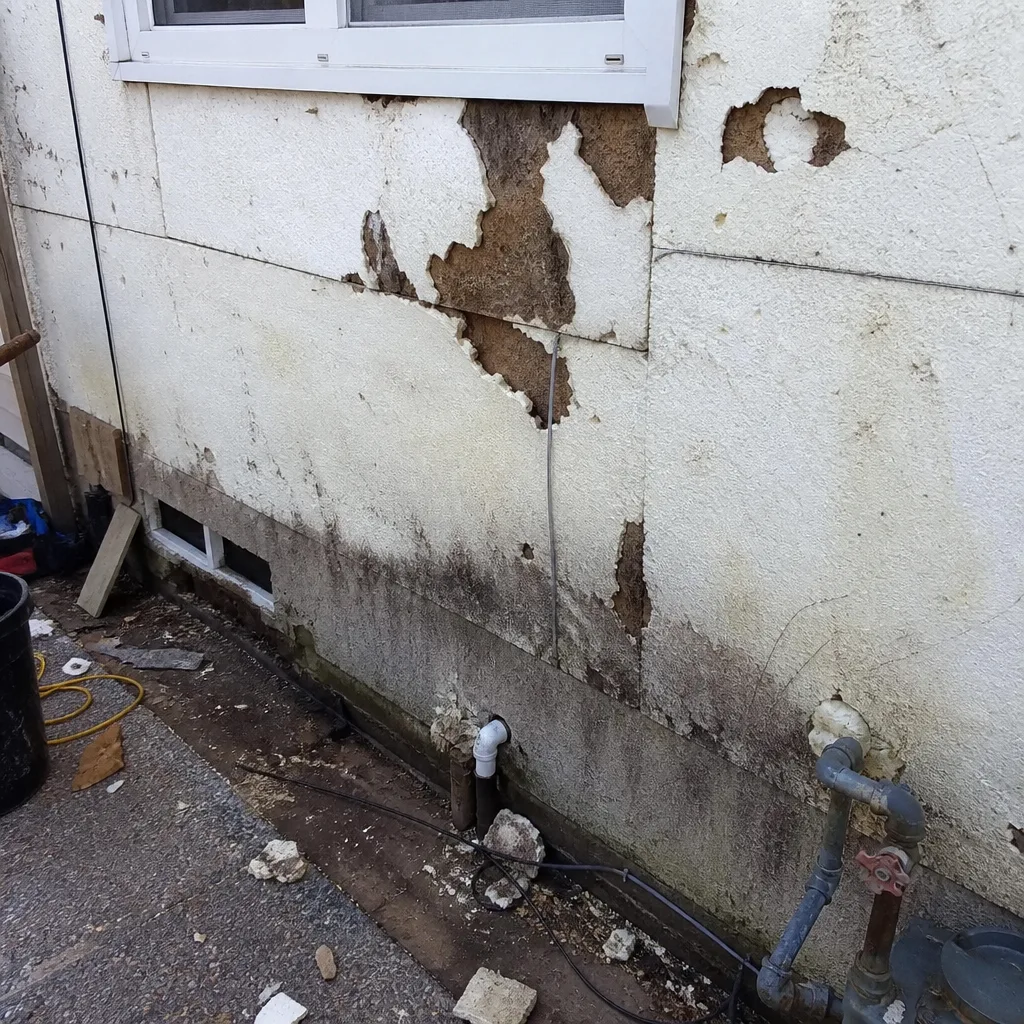 Before
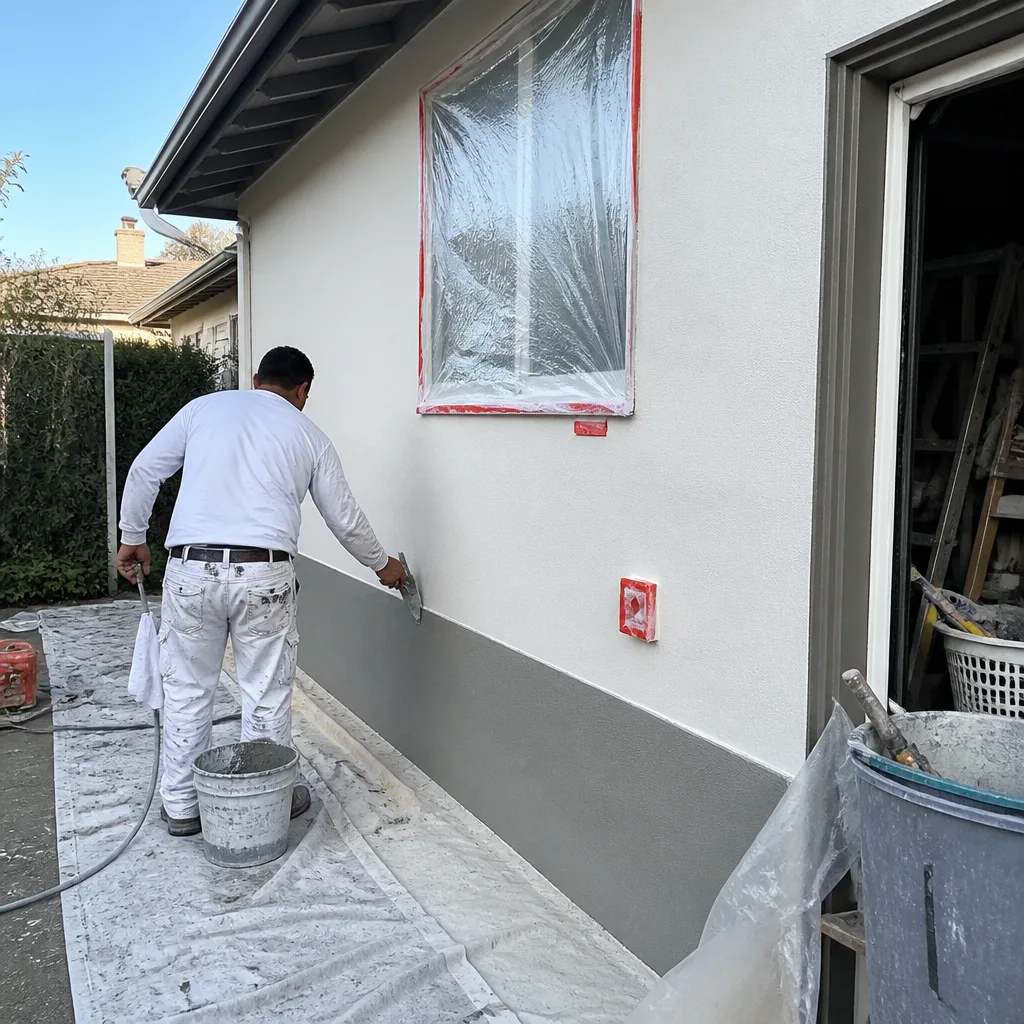 After
AfterReplacement Cost & What’s Included
Most complete attic air sealing jobs in Campbell run $1,800-$3,400 for homes between 1,200 and 2,000 square feet. The range depends on three factors: how many can light penetrations need sealed housings or Tenmat covers, whether the top plates are accessible (cathedral ceilings add labor), and if we’re working around existing Rockwool that must be lifted and replaced rather than sealing during original install.
Every job includes: blower-door test before and after, with printed CFM50 readings; two-part closed-cell foam or acoustical sealant at all top plates, electrical penetrations, and chimney chases; fire-rated foam or rock wool plugs at soffit drops; and a Documented Photo Record of every sealed penetration. We also provide a Written Price Before Any Work Starts under Haven Standard Clause 1, flat, with no adjustment unless you add scope.
The 365-Day Done Right Promise covers all air sealing workmanship. Material defects in Rockwool product itself fall under their warranty; we handle the claim documentation.
DIY or Call Us?
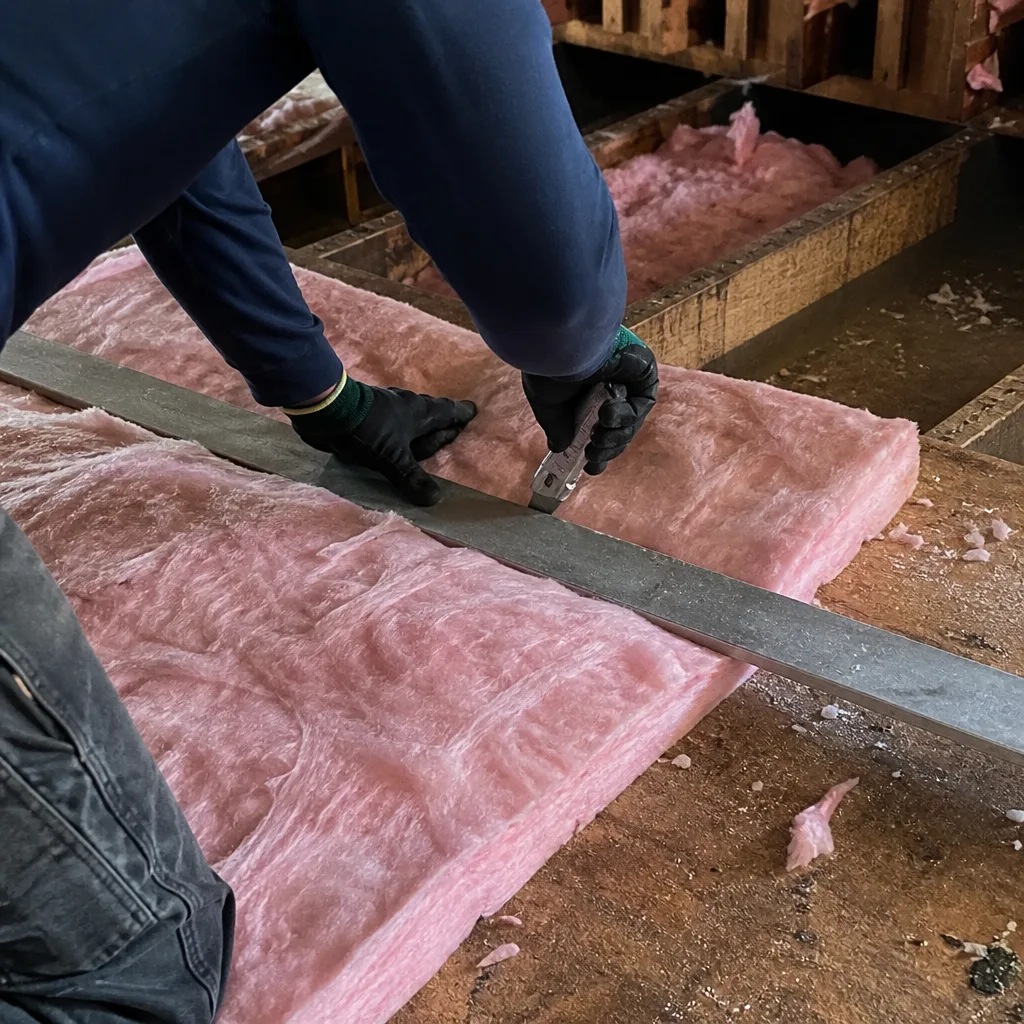
Here’s what a Campbell homeowner can safely check: lift the attic hatch on a cool morning and feel for drafts with a wet finger at the hatch perimeter, the chimney chase, and any visible can lights. Note whether Rockwool batts cover the top plates fully or stop short. That’s useful intelligence, and you’re not touching anything dangerous.
Where DIY goes wrong: working near active electrical in junction boxes with aging Romex, disturbing vermiculite or old loose-fill that may contain asbestos, and the common mistake of stuffing fiberglass or Rockwool into gaps as “sealer” rather than using proper air barrier materials. Compressed insulation is not an air seal; it’s a filter that eventually loads with dust and becomes a partial block at best. The blower-door test that proves your work, or exposes the gaps you missed, requires a calibrated fan and manometer most homeowners don’t own.
We’re not affiliated with Rockwool, though we source their materials alongside Owens Corning, Johns Manville, Knauf, and others. If you’ve got a competing estimate, bring it. Our Free Second Opinion means we read it with you, line by line, and tell you what’s specified and what’s missing.
FAQs
Properly installed air sealing with closed-cell foam and fire-rated caulk lasts the life of the home, 25+ years, assuming no structural remodeling disturbs the pressure boundary. In Campbell’s mild marine climate, UV degradation and freeze-thaw cycling are minimal compared to inland markets, so the primary failure mode is contractor error at installation, not material aging. Call (831) 534-3206 for a free estimate if you’re unsure whether your original seal was done right.
Spot repair is possible if the original work was competent and only specific penetrations have failed, such as a new HVAC line cut through a sealed top plate without resealing. If the original sealing was skipped or done with improper materials, partial repair usually costs more than starting clean because we spend labor investigating what was done. Most Campbell homes we enter need full replacement, not patchwork. Call (831) 534-3206 for an exact quote; estimates are free.
A typical 1,500-square-foot Campbell attic with standard ranch geometry takes one day for air sealing alone, or two days if we’re lifting and replacing existing Rockwool insulation after the seal is complete. Cathedral ceilings, multiple can lights, or active rodent damage add time. We run the blower-door test at arrival and again at completion, so you’ll know the CFM50 reduction before we pack tools. Call (831) 534-3206 to schedule.
Yes. We carry two-part closed-cell foam, fire-rated acoustic sealant, Tenmat recessed light covers, and Rockwool SAFE’n’SOUND for partition top plates on every Campbell service vehicle. For Rockwool Comfortbatt or Granulated Wool replacement, we verify your existing R-value and depth match before arrival so there’s no day-two material run. Call (831) 534-3206 to confirm availability for your specific model and schedule.
Written by Wes Okafor, Owner & Lead Insulation Technician, Topside Attic Insulation Campbell at Topside Attic Insulation Campbell, serving Campbell and nearby areas.