
Rockwool Crawl Space Encapsulation: The Campbell Owner’s Guide
Rockwool-compatible crawl space encapsulation in Campbell typically runs $3,800-$6,400 installed for a standard 1,200-square-foot footprint, and we stock the vapor-barrier assemblies and seam tapes that mate to Rockwool Comfortboard and Comfortbatt on our trucks. Most Campbell jobs we price in writing same-day and start within 48 hours. Homeowners usually notice the problem first as a persistent musty smell rising through floor registers, or their HVAC runtime spikes in winter despite new attic insulation - the crawl space is bleeding conditioned air through gaps the Rockwool was never designed to seal.
Which Rockwool Models This Applies To
Rockwool does not manufacture a dedicated crawl space encapsulation system, so “Rockwool crawl space encapsulation” refers to the pairing of Rockwool rigid or semi-rigid insulation boards with a separate vapor barrier and air-sealing assembly. In Campbell homes, we most often see Comfortboard 80 (1.5-inch and 2-inch thicknesses) used against foundation walls, and Comfortbatt fitted between floor joists above. The critical match is between the Rockwool product and the encapsulation layer: Comfortboard’s higher density, 8.0 pounds per cubic foot, requires a mechanically fastened barrier - typically a 12-mil or 20-mil reinforced polyethylene - rather than the adhesive-bonded systems used with lighter EPS boards.
To identify what you have, check the black ink stamp on any exposed board edge for the series name and density rating. If the vapor barrier is delaminating or the seam tape is lifting, the original installer may have used a generic 6-mil poly with acrylic tape, which fails within 3-5 years in Campbell’s clay-heavy soil conditions. We source OEM-spec 20-mil barrier and butyl-backed seam tape from the same supply chain as Rockwool’s commercial division, or we can match with an aftermarket equivalent rated for the same perm rating - 0.1 perms or less - if the original spec is discontinued.
Topside Attic Insulation Campbell is an independent service provider, not affiliated with Rockwool.
Signs Your Rockwool Crawl Space Encapsulation Is Failing
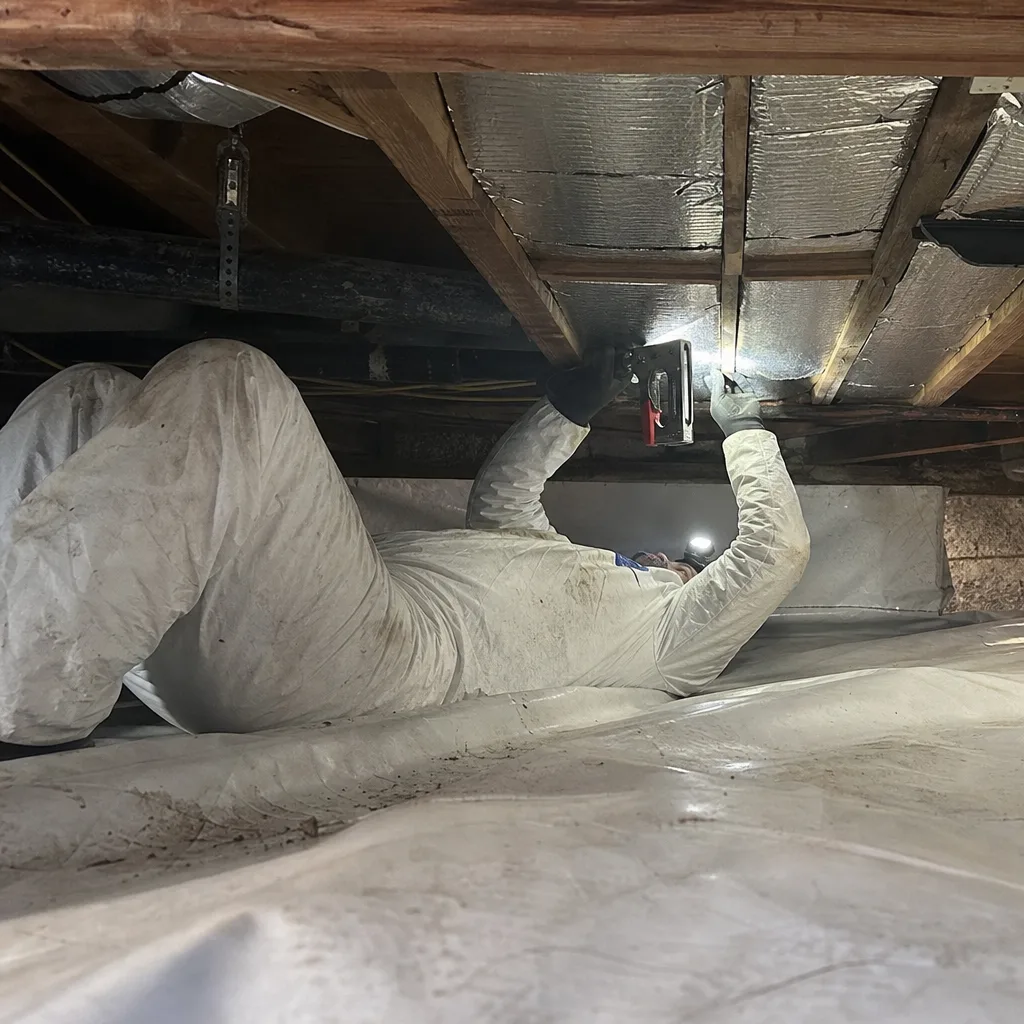
- Musty odor that persists after HVAC filter changes. The vapor barrier has torn at a seam or penetration, letting soil moisture migrate into the conditioned envelope. Rockwool itself is hydrophobic and won’t mold, but the wood framing and subfloor above it will.
- Cold floors in winter despite adequate attic insulation. Air is moving freely through the crawl space, bypassing the Rockwool entirely. This happens when the rim joist was never sealed, a common shortcut in Campbell homes built 1965-1985 near the Winchester corridor.
- Visible sagging or detachment of the vapor barrier. The fasteners have pulled from the sill plate, or the tape has lost adhesion. Campbell’s seasonal soil expansion - clay swells in winter rains, contracts in summer drought - accelerates this failure mode.
- Insulation debris on the ground. Comfortbatt between joists has fallen, usually because the support netting or wire was omitted or failed. The Rockwool is doing nothing for you on the dirt.
- Increased pest activity in the living space. Gaps in the encapsulation create harborage. We see this often in Campbell’s older ranch-style homes where the original barrier was cut around plumbing penetrations without proper sealing.
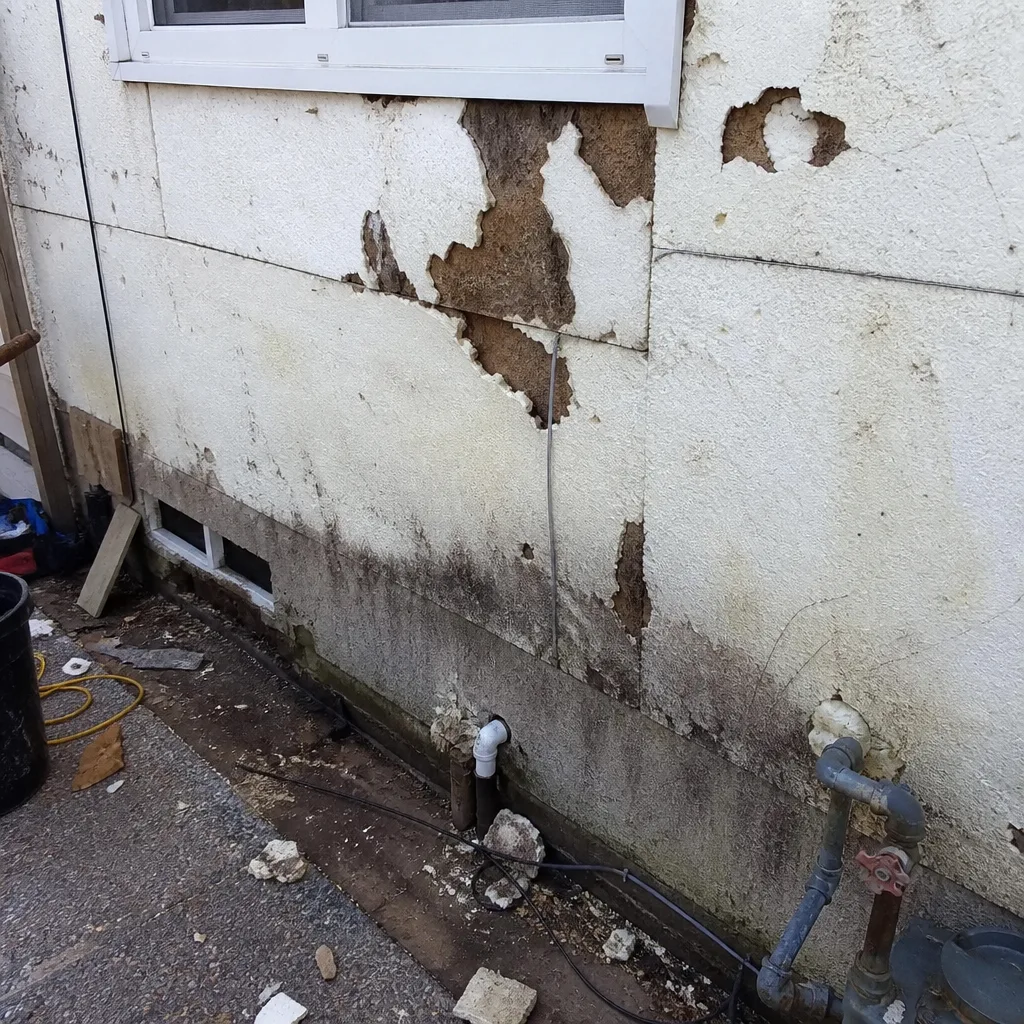 Before
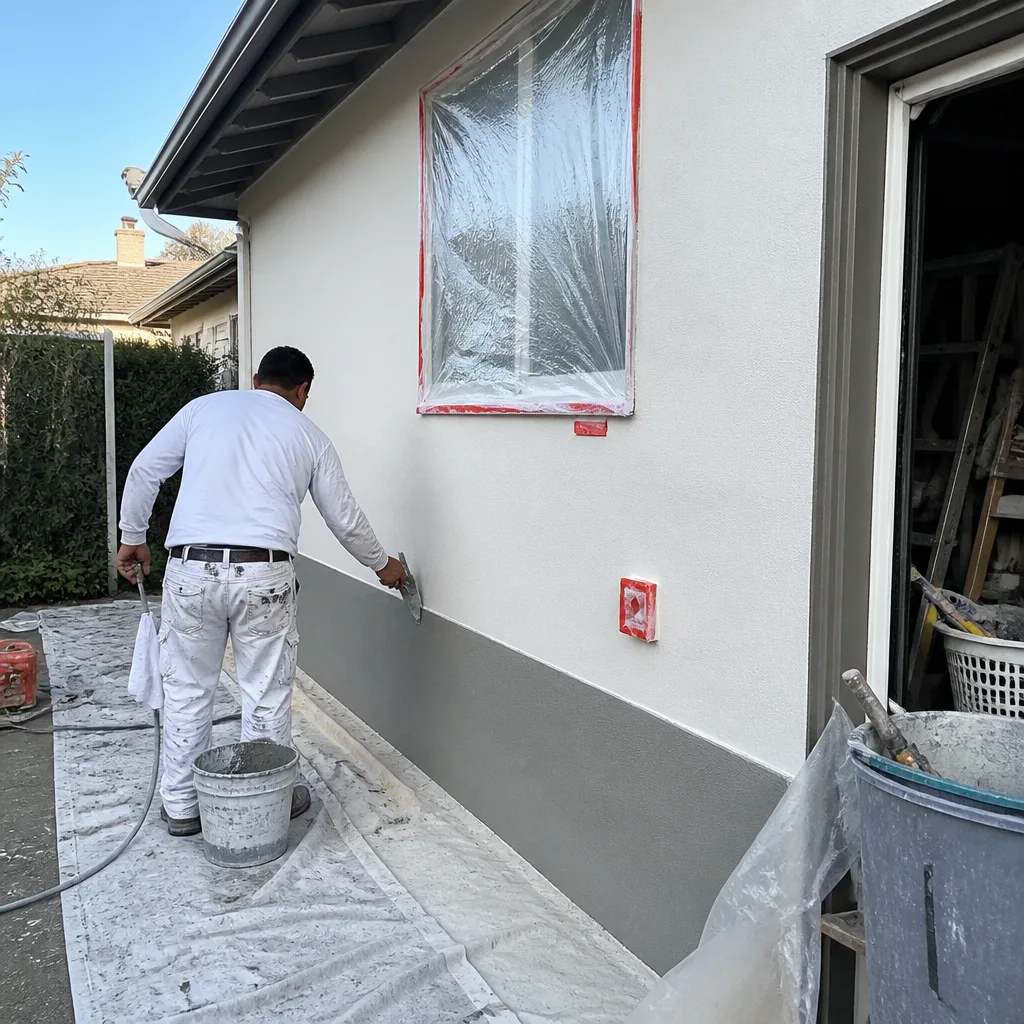 After
AfterReplacement Cost & What’s Included
Most full Rockwool crawl space encapsulation replacements in Campbell fall between $3,800 and $6,400 for a 1,000-1,500 square foot footprint. The low end assumes intact Comfortboard on walls that stays in place, with replacement of barrier, tape, and rim-joist sealing only. The high end includes removal of failed Comfortbatt, new wall insulation, full 20-mil barrier with mechanical fastening, and blower-door-verified air sealing of all penetrations.
Every job we quote in writing before any work starts - Haven Standard Clause 1. The written scope specifies: barrier thickness, fastener spacing, tape type, and whether we will run a blower-door test (we do on any job with conditioned-air ductwork in the crawl space). Our 365-Day Done Right Promise covers all completed work. You receive a Documented Photo Record of the completed assembly and, on applicable jobs, before-and-after blower-door readings printed on the spot.
DIY or Call Us?
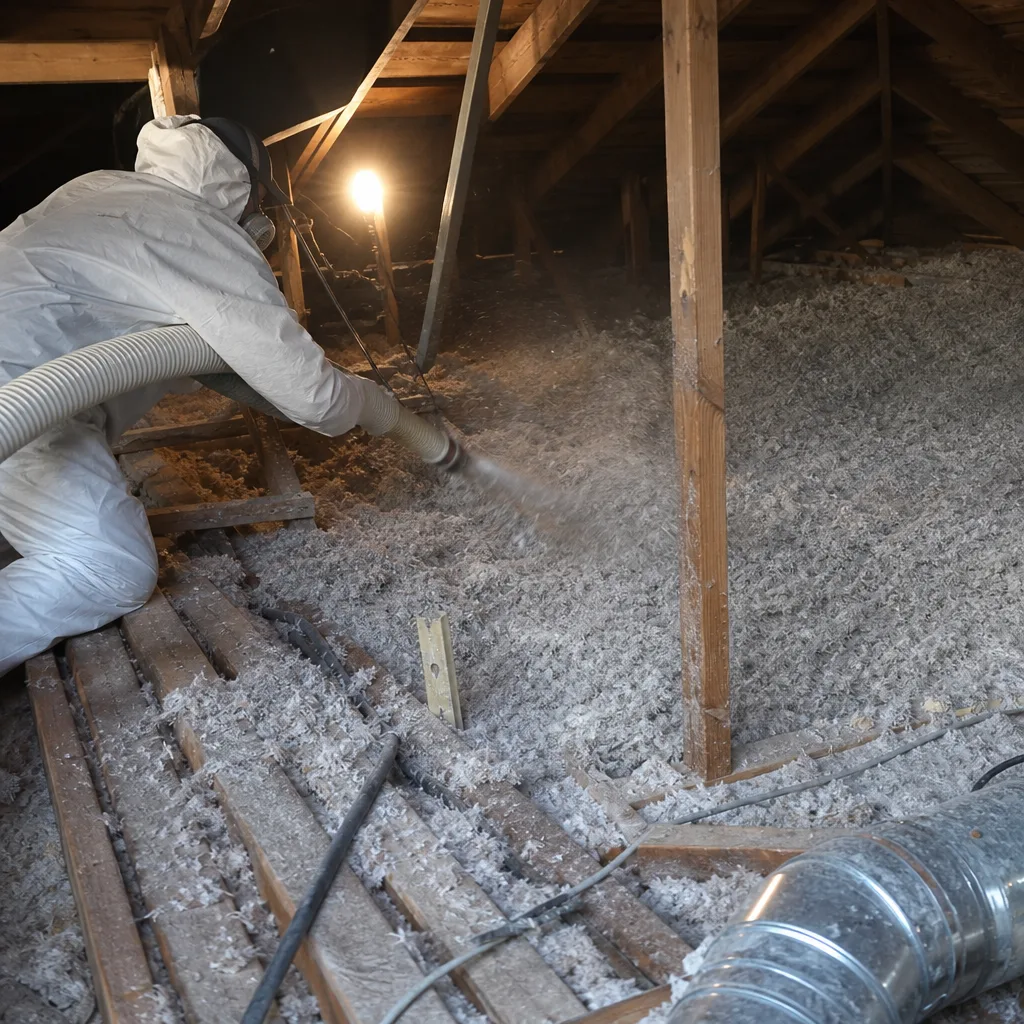
What you can safely check: walk the perimeter with a flashlight and note any barrier tears, fallen batts, or standing water. Photograph the Rockwool stamp if visible - that tells us the density and what barrier system was originally spec’d.
Where DIY goes wrong: crawl space encapsulation is not a materials-only job. The barrier must be continuous, seams overlapped 6 inches minimum and sealed with pressure-rated tape, and the rim joist - the most critical leak path in most Campbell homes - requires closed-cell spray foam or equivalent sealant applied with proper respiratory protection. Without a blower-door test, you cannot verify whether the air sealing actually worked. We’ve re-done three Campbell jobs in the past two years where a homeowner’s self-installed barrier looked correct but left 800+ CFM50 of leakage at the rim alone.
Seal the leaks first. The insulation has nowhere useful to go until you do. Call (831) 534-3206 for a written price before any work starts.
FAQs
Properly installed with 20-mil reinforced barrier and butyl seam tape, expect 15-20 years in Campbell’s climate. The clay soil’s seasonal movement is the main stressor; we use mechanical fasteners with expansion-rated washers on sill plates to compensate. Call (831) 534-3206 for an exact quote - estimates are free.
Patching works only for isolated tears smaller than 6 inches in barrier that’s otherwise firmly adhered. Multiple failures, tape lifting at seams, or any mold on the subfloor mean full replacement - patches in degraded poly will leak within a season. We stock repair tape for minor fixes, but we won’t sell it for a system that’s failing structurally.
Most Campbell jobs finish in one to two days. Day one: remove failed materials, air-seal rim joists and penetrations, install new barrier. Day two: verification, blower-door test if applicable, and cleanup. We text you a 30-minute arrival window and a photo record by evening.
Yes - 20-mil and 12-mil reinforced polyethylene, butyl and acrylic seam tapes, mechanical fastener systems, and closed-cell foam for rim-joist sealing are on our trucks. We also stock Reflectix radiant-barrier accessories for hybrid assemblies. If your Rockwool product line has been discontinued, we match the thermal and vapor-performance spec with current material.
Written by Wes Okafor, Owner & Lead Insulation Technician, Topside Attic Insulation Campbell at Topside Attic Insulation Campbell, serving Campbell and nearby areas.