
Rockwool Radiant Barrier Installation: The Campbell Owner’s Guide
Rockwool radiant barrier installation in Campbell typically runs $2,400-$4,800 for a complete attic assembly, and most jobs we can start within 48 hours of your call. We stock Rockwool AFB, Comfortbatt, and Comfortboard compatible assemblies on our trucks, plus Reflectix equivalents when the application calls for a different approach. Homeowners usually figure out something’s wrong when the upstairs bedrooms won’t cool below 78°F even after sundown, or when their summer PG&E bill jumps 30% year-over-year with no rate change.
Which Rockwool Models This Applies To
Rockwool doesn’t sell a standalone “radiant barrier” product under its own brand. What we’re installing is a hybrid assembly: Rockwool stone wool insulation (the thermal layer) paired with a reflective radiant barrier substrate, typically foil-faced or installed as a separate radiant barrier layer beneath or above the batts. The three Rockwool lines we match to radiant barrier work in Campbell are:
- Rockwool Comfortbatt - R-15 to R-23 batts for 2×4 and 2×6 framing; we pair these with a perforated radiant barrier foil when the attic has active ventilation and the homeowner wants the assembly to breathe.
- Rockwool AFB (Acoustical Fire Batt) - denser, used in dropped soffit or cathedral ceiling applications where the radiant barrier needs to sit against the roof deck without compression.
- Rockwool Comfortboard 80/110 - rigid boards for exterior or continuous insulation scenarios; the radiant barrier gets applied as a separate reflective membrane, not factory-laminated.
The compatibility gotcha: Rockwool’s stone wool is hydrophobic and won’t degrade from moisture, but the foil radiant barrier layer is what fails first. If you’re holding a sample, check whether the foil is embossed (dimpled) or smooth. Embossed foil handles thermal cycling better in Campbell’s 40°F winter-to-100°F summer swing. We source both OEM-spec foil and quality aftermarket equivalents from Johns Manville and CertainTeed; the aftermarket performs identically for radiant reflectivity (0.03 emissivity or lower) but costs 15-20% less. We don’t use the cheap bubble-wrap products sold at hardware stores. They delaminate in three to five years in this climate.
Topside Attic Insulation Campbell is an independent service provider with no affiliation to Rockwool International.
Signs Your Rockwool Radiant Barrier Installation Is Failing
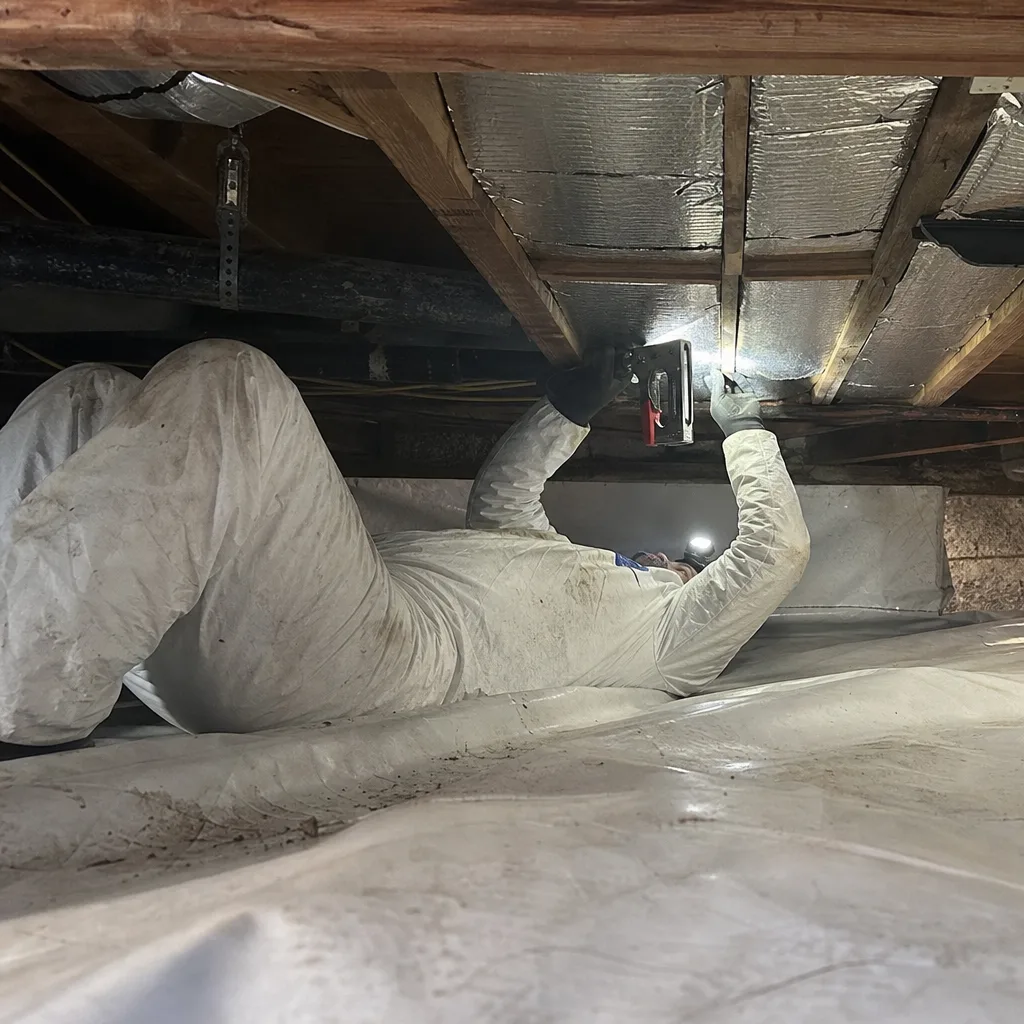
- Upstairs rooms stay hot past 10 p.m. - The radiant barrier’s reflective surface has oxidized or collected dust, dropping its reflectivity from 95% to 60% or lower. Rockwool’s insulation value hasn’t changed, but the radiant heat rejection is gone.
- Visible dust coating on the foil surface. - Even a thin layer of attic dust raises emissivity dramatically. We see this most in Campbell homes near the Highway 17 corridor where seasonal winds pull fine particulate through ridge vents.
- Foil tears or sagging between rafters. - Mechanical failure from improper stapling or from crews who walked across the barrier during installation. Once the foil sags, it creates an air gap that actually traps heat.
- Water staining on the foil but dry Rockwool beneath. - This tells you the barrier was installed as a vapor barrier when it should have been perforated. Campbell’s winter dew point swings will condense on impermeable foil and rot roof decking.
- Your blower-door number hasn’t improved since installation. - A radiant barrier without air sealing is decorative. We regularly find homes in the Cambrian Park border area where a previous contractor laid Rockwool over unsealed top plates and called the job done.
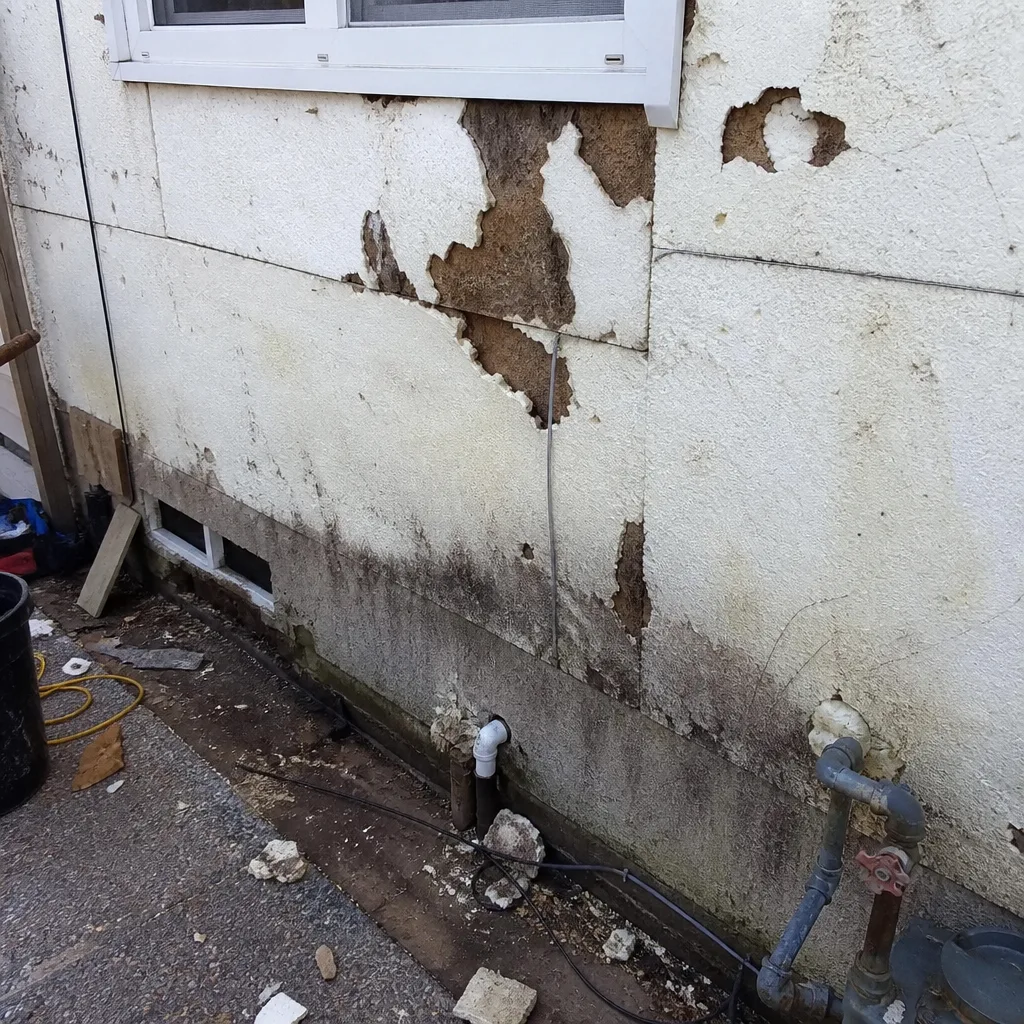 Before
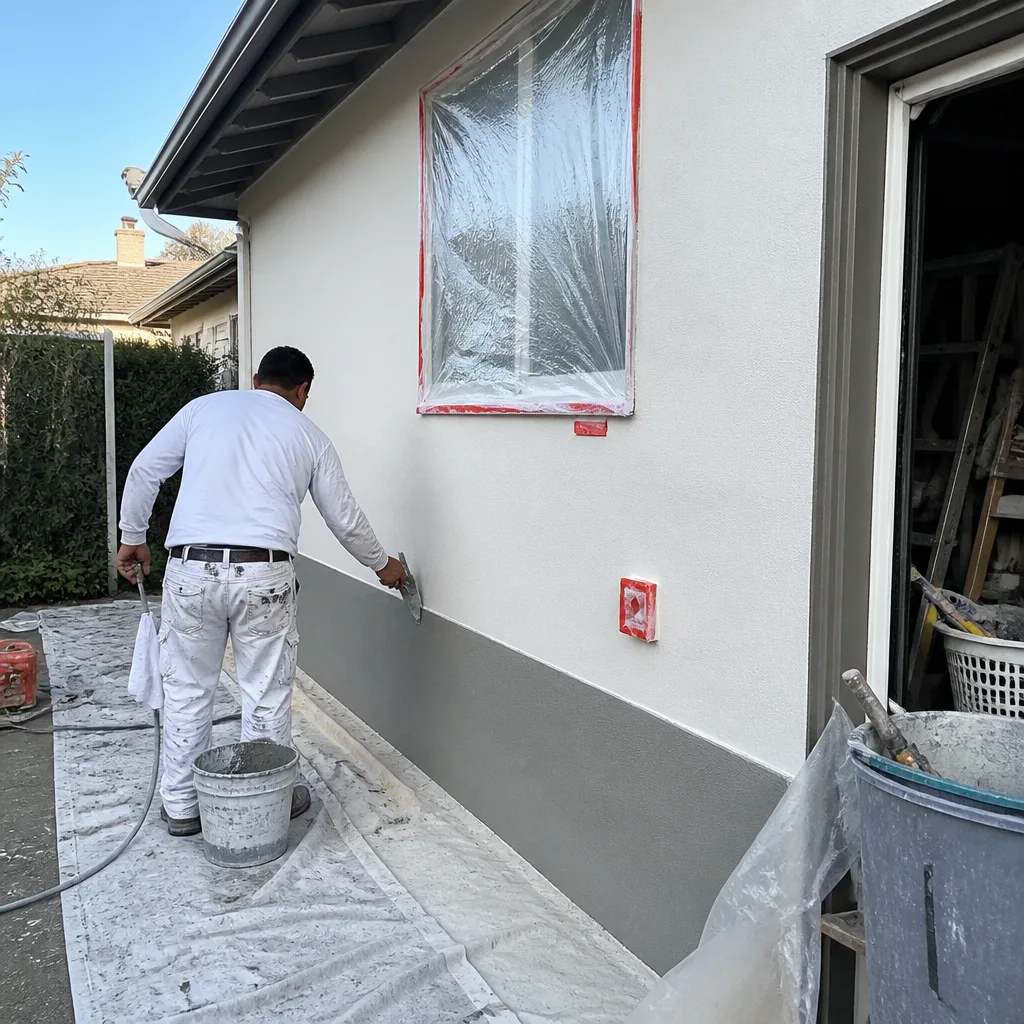 After
AfterReplacement Cost & What’s Included
| Assembly Type | Typical Range (Campbell) | What Drives the Spread |
|---|---|---|
| Partial retrofit: radiant barrier foil only, Rockwool batts stay | $1,800-$2,800 | Attic square footage, accessibility, whether we need to move existing batts carefully |
| Full assembly: remove old foil, air seal, reinstall with new radiant barrier + Rockwool | $3,200-$4,800 | Blower-door starting number, top-plate access difficulty, can light sealing count |
| Cathedral ceiling / dropped soffit (AFB + barrier) | $4,500-$6,200 | Interior finish protection, scaffolding needs, drywall repair scope |
Every job includes: written price before work starts (Haven Standard Clause 1), attic floor air sealing of top plates and penetrations, installation of the radiant barrier assembly per manufacturer spec, and a Documented Photo Record. On jobs where we’re touching the envelope, we run a blower-door test before and after so you see the CFM50 change in writing. The 365-Day Done Right Promise covers all completed work. Materials carry their manufacturer warranty; our labor is warrantied for one year.
DIY or Call Us?
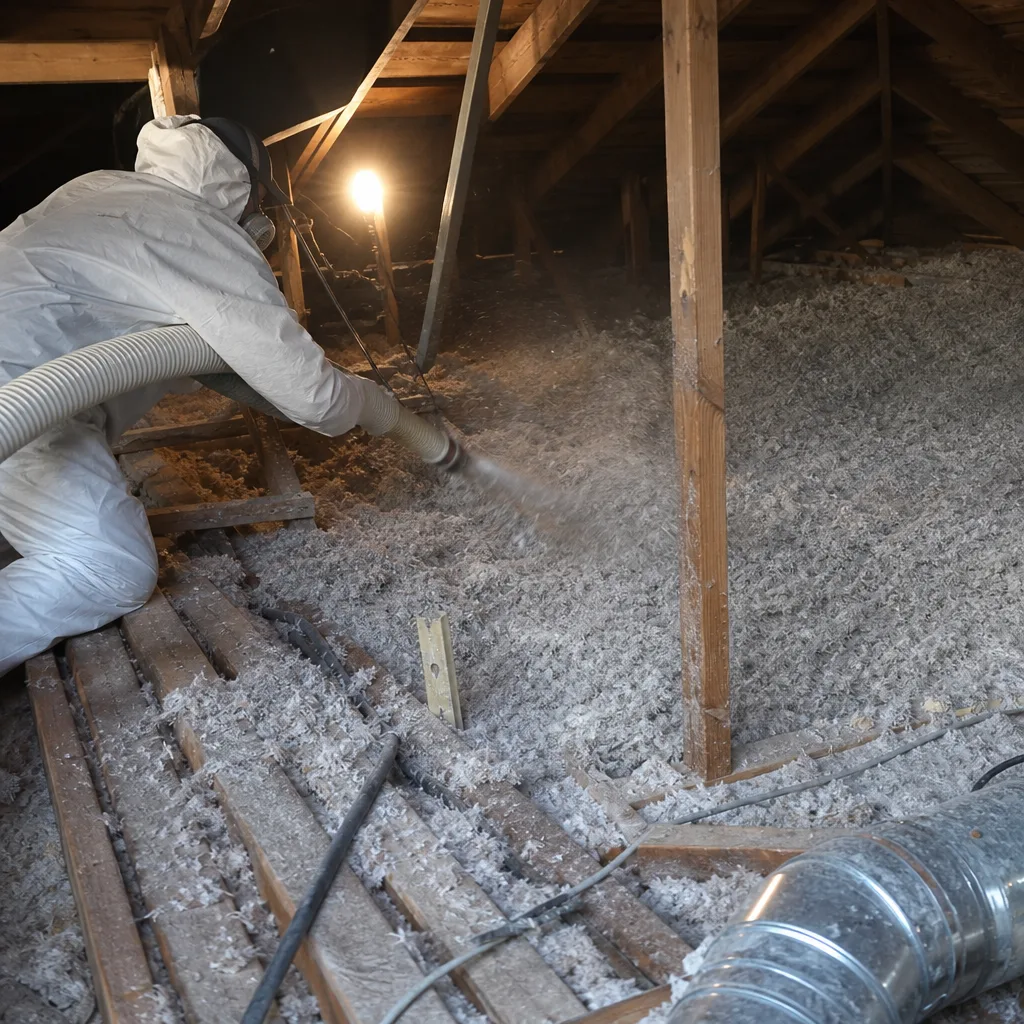
There’s no high-tension spring or electrical hazard in radiant barrier work, but there are two ways DIY goes wrong in Campbell attics. First, walking the joists - homes in the Pruneyard area and near downtown Campbell often have 24-inch on-center joists with nothing between them but a 10-foot drop to drywall. Second, sealing the wrong leaks - homeowners routinely caulk around electrical boxes that are already sealed and miss the actual top-plate gaps where stud bays meet the attic floor.
What you can safely check: go up with a flashlight and photograph the foil condition. Look for dust, tears, and whether the barrier lies flat or sags. If it’s sagging, don’t pull it down - you may disturb vermiculite or older insulation materials.
What we do differently: we seal first, then install. A previous contractor in Campbell’s San Tomas neighborhood blew insulation over unsealed can lights; the homeowner’s attic read 3,800 CFM50 before we started and 1,900 after. That’s the difference between a radiant barrier that works and one that fights against a leaky envelope.
Call (831) 534-3206 for a free estimate. We’ll bring a sample of the foil we use and show you the emissivity spec.
FAQs
In Campbell’s climate, a properly installed radiant barrier foil lasts 15-25 years before oxidation degrades reflectivity below useful levels. The Rockwool insulation beneath it lasts indefinitely if kept dry. Dust accumulation is the real killer here; we see foil lose half its effectiveness in 8-10 years in homes near construction zones or with poor attic air filtration. Call (831) 534-3206 and we’ll check your current assembly’s condition - estimates are free.
Spot repairs work for small tears or detached sections, but they’re a short-term fix. Once foil has oxidized or accumulated dust across the full surface, patching clean spots into dirty foil creates an inconsistent thermal envelope. We quote both approaches and let you see the blower-door numbers either way. Call (831) 534-3206 for an exact quote - estimates are free.
Most Campbell attic retrofits finish in one to two days. A simple foil replacement with no air sealing runs 4-6 hours. Full assembly removal, air sealing, and reinstall typically takes a full day for crews of two. We don’t leave until the blower-door test is complete and the photo documentation is uploaded. Call (831) 534-3206 to check this week’s schedule.
We stock perforated and non-perforated radiant barrier foil, Rockwool Comfortbatt in R-15 through R-23, AFB in standard densities, and Comfortboard 80 for exterior applications. We also carry Reflectix assemblies for applications where a different substrate makes sense. If your job requires a specific Rockwool density we don’t have on the truck, we source it within 24 hours. Call (831) 534-3206 to confirm availability for your model.
Written by Wes Okafor, Owner & Lead Insulation Technician, Topside Attic Insulation Campbell at Topside Attic Insulation Campbell, serving Campbell and nearby areas.