
Rockwool Vapor Barrier Installation: The Campbell Owner’s Guide
Rockwool vapor barrier installation in Campbell typically runs $1,800-$3,400 for a full crawl space or attic floor application, depending on square footage and whether we’re installing over existing insulation or starting fresh. Most Campbell homes in the 95008 and 95009 zones can be completed in a single day, and we stock Rockwool Comfortboard 80 and Comfortbatt R-23 with compatible 6-mil polyethylene vapor barrier on every truck. You’ll usually discover a vapor barrier problem when your crawl space starts smelling musty in May, or when your energy bill jumps after a rainy Campbell winter - the old barrier has torn at the seams, or the original installer never sealed it to the walls at all.
Which Rockwool Models This Applies To
Rockwool’s rigid insulation products need a vapor barrier on the warm-in-winter side of the assembly - that’s the living space side in Campbell’s climate zone 3C. We install barriers compatible with Comfortboard 80 (the 2-inch and 3-inch thicknesses most common in local retrofits), Comfortbatt R-23 for stud cavities, and AFB evo for interior partition upgrades. The critical detail: Rockwool is hydrophobic and doesn’t itself require a facing, but the assembly does. A missing or failed barrier lets moisture migrate through to the cold side, where it condenses against rim joists or subfloor sheathing.
Check your existing installation for a white or clear polyethylene sheet, typically 6-mil, taped at seams with acrylic or butyl tape. If you see only exposed Rockwool against dirt or concrete, you don’t have a proper barrier. We also see failed jobs where a contractor used kraft paper facing - that’s a vapor retarder, not a barrier, and it’s wrong for crawl spaces in Campbell’s moisture pattern. Our crews carry both 6-mil poly and the heavier 10-mil reinforced product for high-traffic crawl spaces near the Los Gatos Creek corridor where groundwater runs higher.
Topside Attic Insulation Campbell is an independent service provider - we’re not affiliated with Rockwool - and we also stock Reflectix radiant barrier products for applications where vapor control and radiant heat rejection are both needed.
Signs Your Rockwool Vapor Barrier Installation Is Failing
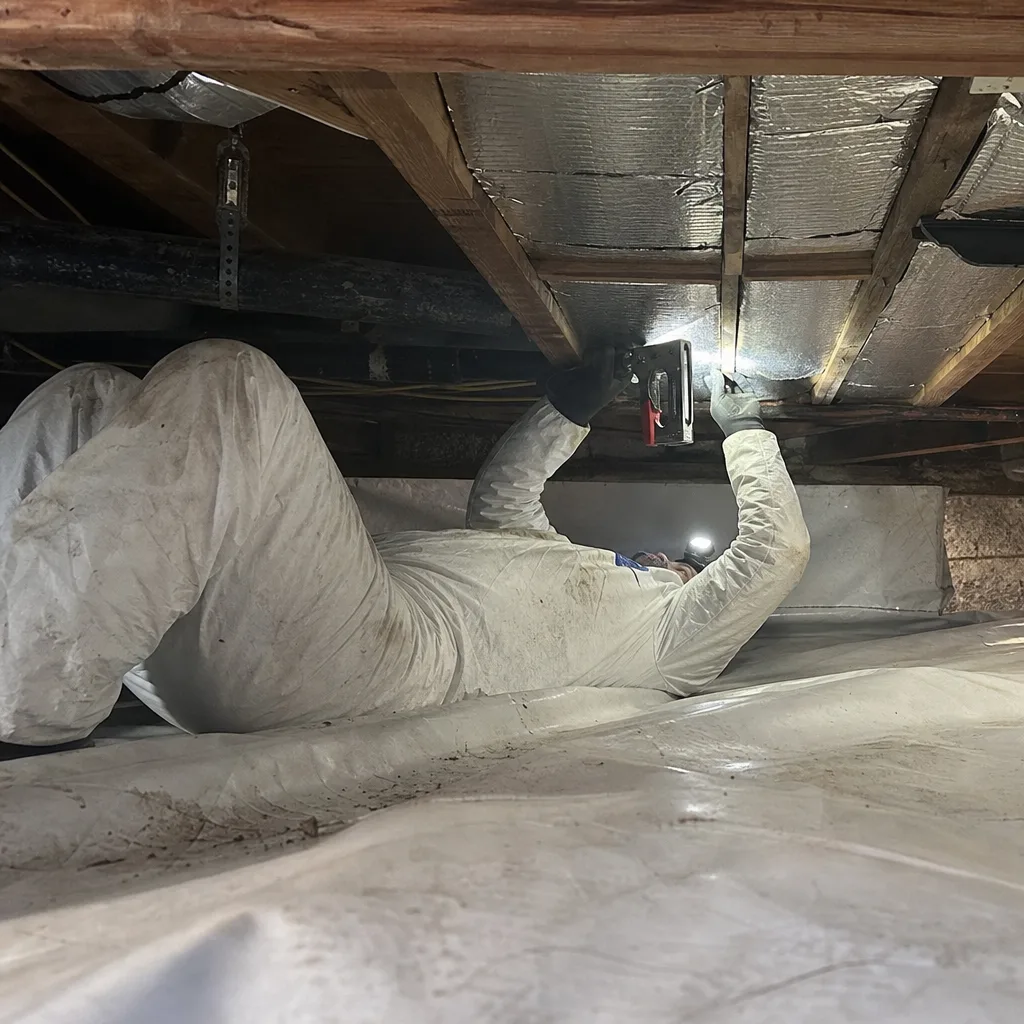
- Musty odors rising through floor registers in spring. Campbell’s Mediterranean pattern means dry summers and wet winters; a compromised barrier lets winter moisture saturate the Rockwool, and the first warm week in April releases that stored mold smell upward through gaps in the subfloor.
- Soft or cupping hardwood floors above the crawl space. Moisture that gets past the barrier raises the equilibrium moisture content of your subfloor from 6% toward 12%, the threshold where oak and maple start dimensional change. We’ve measured this exact progression in homes near Campbell Avenue.
- White or gray fuzz on the Rockwool surface. That’s mold colonizing the organic dust that settles on any insulation; Rockwool itself is inorganic and mold-resistant, but the film of house dust on top isn’t. The barrier failed first, then the biology followed.
- Insulation that looks flattened or displaced in patches. Water weighs down batts and boards; if your Rockwool has settled to half its original thickness in spots, water has been moving through. We see this pattern most in older Campbell homes with perimeter foundation vents that were never sealed.
- Energy bills climbing without rate increases. Wet insulation performs at a fraction of its rated R-value - a saturated Comfortbatt R-23 can drop to effective R-8 or lower. The HVAC runs longer to compensate, and the homeowner pays for the degradation.
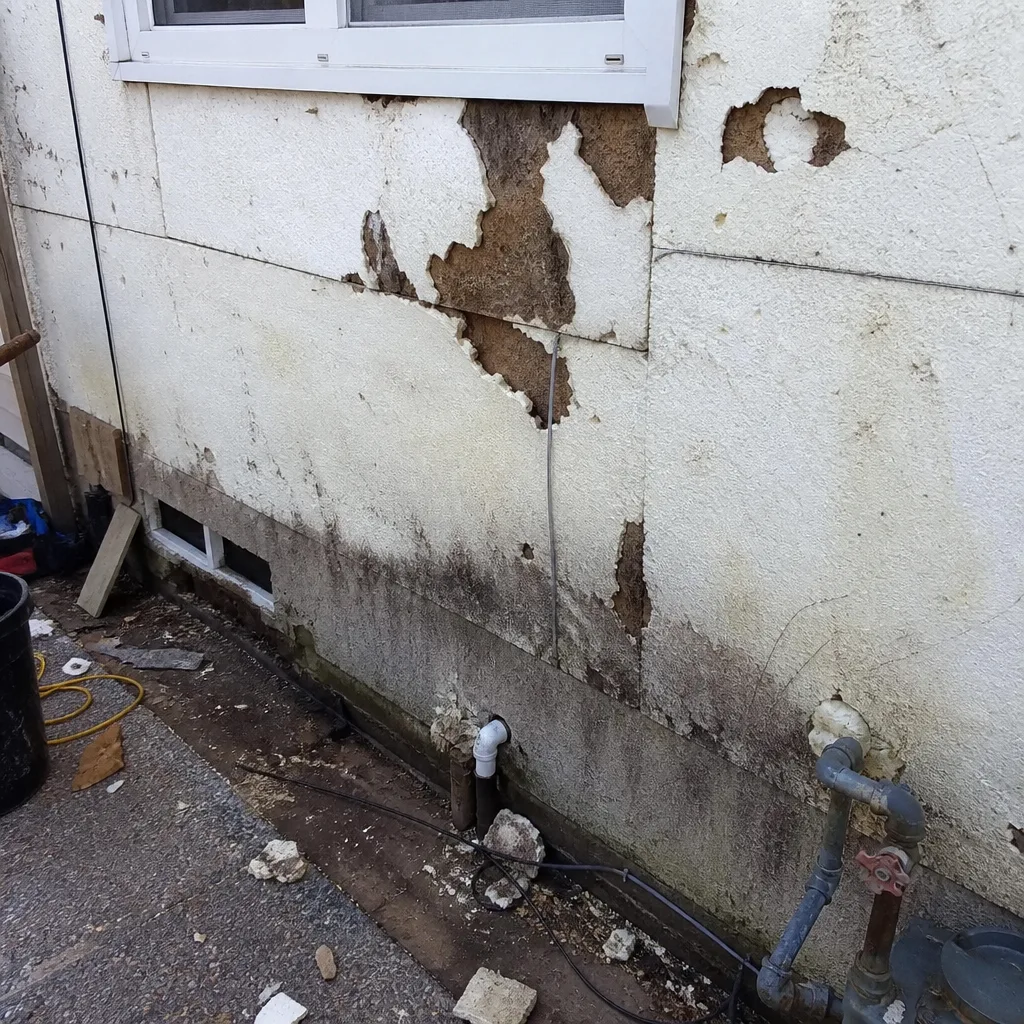 Before
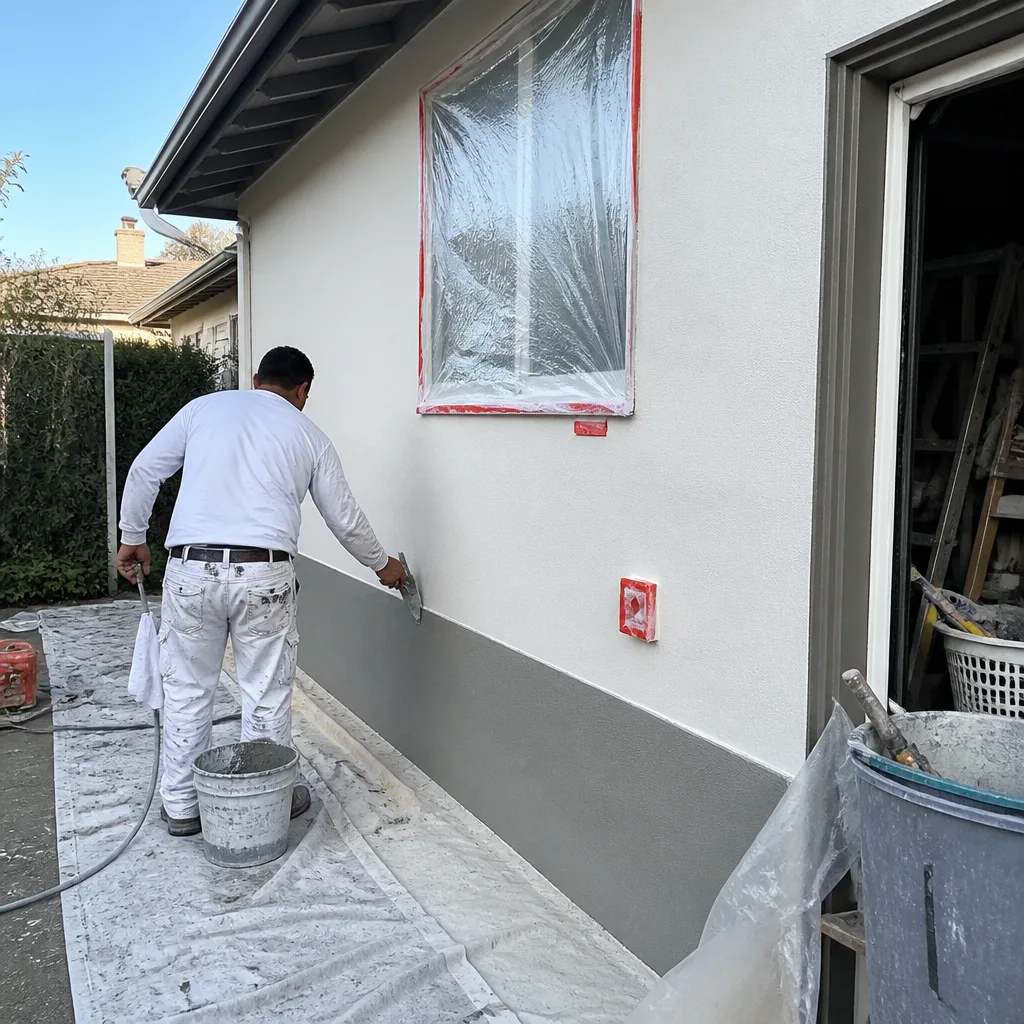 After
AfterReplacement Cost & What’s Included
Most full vapor barrier replacements over existing Rockwool in Campbell run $1,800-$2,800 for crawl spaces under 1,200 square feet, and $2,400-$3,400 when we remove degraded material, treat for mold, and reinstall. The range depends on three factors: access height (less than 18 inches requires specialized crews), whether the old barrier is taped or just lying loose, and if we need to install mechanical fasteners or a termination strip at the foundation wall.
Every job includes removal and responsible disposal of the old barrier, installation of new 6-mil or 10-mil polyethylene with sealed seams and wall terminations, and a post-installation inspection photo set. Under our Haven Standard, you get a Written Price Before Any Work Starts - flat, with scope and warranty delivered before anyone enters the crawl space. The 365-Day Done Right Promise covers any seam separation or tape failure. On jobs where we’re also air sealing, you’ll receive before-and-after blower-door numbers - a pressurization measurement that shows, in one figure, how much conditioned air your home was losing before and after the work.
DIY or Call Us?
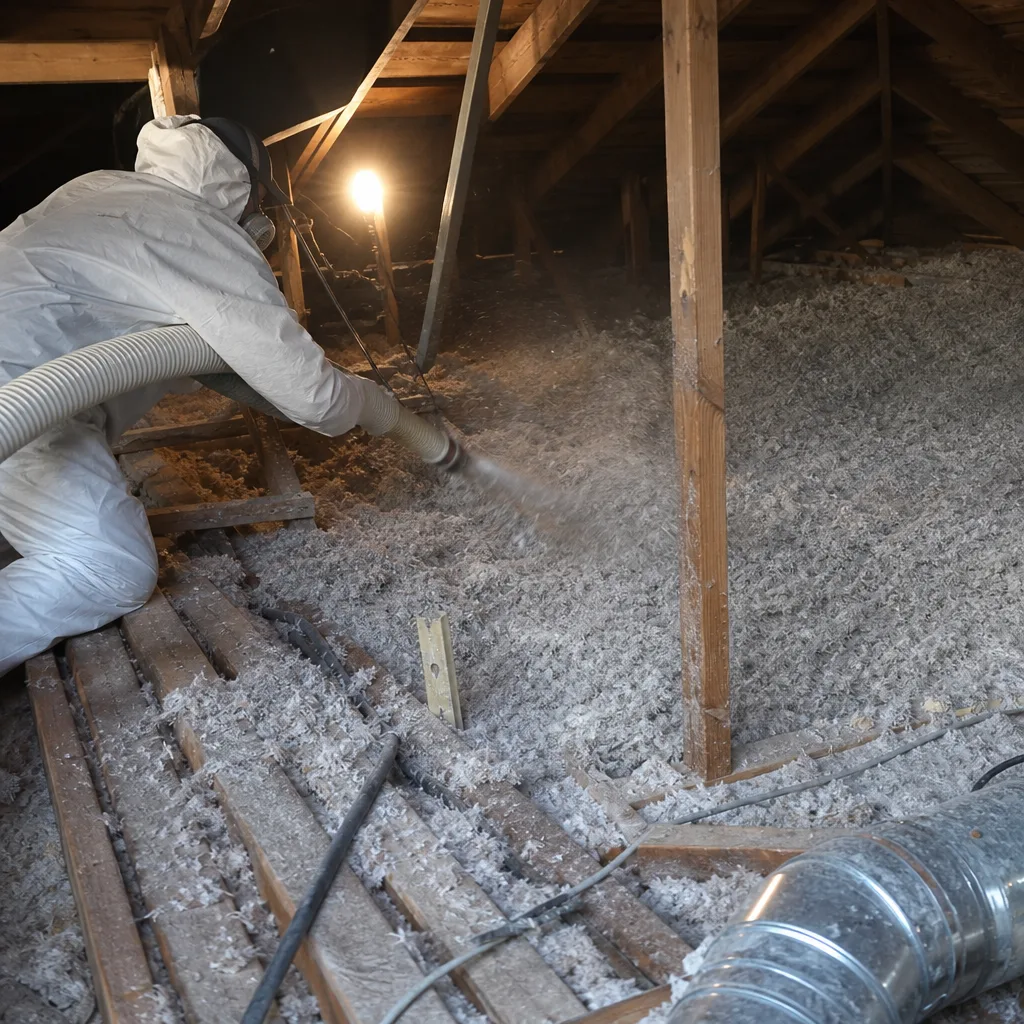
What you can safely check yourself: verify whether a barrier exists at all, look for standing water or obvious tears, and measure your crawl space height and approximate square footage. Use a headlamp, not a phone flashlight - you need both hands free on uneven ground.
Where DIY goes wrong: proper vapor barrier installation requires continuous seams lapped 12 inches minimum, sealed with pressure-sensitive tape rated for polyethylene, and terminated at walls with mechanical fasteners or sealant compatible with your foundation type. Most homeowners tape the seams but miss the wall termination, or use duct tape that fails in 18 months. In Campbell’s clay-heavy soils, groundwater wicks through unsealed edges even when the center of the sheet looks fine. And if you’re working in a crawl space with active mold, disturbed spores create a respiratory hazard without proper PPE.
Seal the leaks first. The insulation has nowhere useful to go until you do. Call (831) 534-3206 for a free estimate - we’ll bring a written price to the appointment, and there’s no charge if you don’t move forward.
FAQs
In Campbell’s climate, a properly installed 6-mil polyethylene barrier lasts 15-20 years; the 10-mil reinforced product extends that to 25 years in dry crawl spaces. Lifespan shortens if the original installer missed wall terminations or if groundwater conditions change - we’ve replaced barriers after 7 years in homes near the Pruneyard where drainage patterns shifted. Call (831) 534-3206 and we’ll assess your specific conditions.
Spot repairs work for isolated punctures smaller than a dinner plate if the surrounding material is still flexible and the seams are intact. We don’t recommend patching when you have multiple failures, brittle poly, or mold on the Rockwool beneath - the labor to do it right approaches replacement cost, and the result is inferior. Wes Okafor has seen too many callbacks on patched barriers where the homeowner spent 60% of replacement cost for 30% of the lifespan.
Most Campbell crawl spaces under 1,200 square feet are completed in 4-6 hours; larger or restricted-access jobs may extend to a full day. We schedule morning starts so the crew isn’t rushing the seam-sealing detail in fading light. You’ll get a text when the technician is en route, and a Documented Photo Record before they leave.
We stock 6-mil and 10-mil polyethylene vapor barrier, seam tape, and mechanical fasteners on every truck, and we carry Rockwool Comfortboard 80 and Comfortbatt R-23 for jobs requiring insulation replacement or supplementation. Same-day installation is available for most Campbell addresses when you call before 10 a.m. - (831) 534-3206.
Written by Wes Okafor, Owner & Lead Insulation Technician, Topside Attic Insulation Campbell at Topside Attic Insulation Campbell, serving Campbell and nearby areas.