
How Much Does Insulation Removal & Replacement Cost in Campbell?
Our Insulation Removal & Replacement services in Campbell, CA typically run between $1,400 and $4,800 for a standard single-story home, depending on attic square footage, insulation type, and whether air sealing is done before new material goes in. Most Campbell homeowners with an 1,100-to-1,800-square-foot attic land somewhere between $1,800 and $3,200 when the job includes full old-material extraction, attic cleaning, and blown-in replacement insulation. Get a written price before anyone starts work – that is the only way to know exactly what you are paying.
Insulation Removal & Replacement Cost Breakdown (2026)
The table below reflects what Envelope Insulation Co. sees on the ground in Campbell and the surrounding Santa Clara Valley in 2026. These are real project ranges, not ballpark estimates from a national database.
| Service Component | Typical Cost Range (Campbell, CA) | Notes |
|---|---|---|
| Attic insulation removal (up to 1,000 sq ft) | $500 – $900 | Includes vacuum extraction and bagging |
| Attic insulation removal (1,000 – 1,800 sq ft) | $850 – $1,500 | Most common range for Campbell tract homes |
| Attic insulation removal (1,800 – 2,500 sq ft) | $1,300 – $2,100 | Larger homes in Dry Creek or Hacienda neighborhoods |
| Attic air sealing (top plates, can lights, penetrations) | $400 – $900 | Always completed before new insulation is installed |
| Blown-in cellulose or fiberglass replacement (per 1,000 sq ft) | $600 – $1,100 | Materials: GreenFiber, Owens Corning, Johns Manville |
| Blown-in to R-38 (standard California Title 24 for attics) | $900 – $1,600 per 1,000 sq ft installed | Includes air sealing prerequisite |
| Attic cleaning and rodent-proofing (if needed) | $350 – $800 | Common in older Ranch-style homes near Los Gatos Creek |
| Debris disposal and haul-away | $150 – $350 | Included in most full-removal quotes; confirm in writing |
| Spray foam (closed-cell) for hard-to-reach cavities | $1.50 – $3.50 per board foot | Icynene or Demilec; used at rim joists and transitions |
| Complete removal + air seal + replacement (1,200 sq ft attic) | $2,100 – $3,400 | Most common full-job total in central Campbell |
| Complete removal + air seal + replacement (1,800 sq ft attic) | $3,000 – $4,800 | Typical range for larger lots near Hamilton Ave corridor |
A few things move these numbers significantly. Labor costs in Campbell and the broader South Bay sit higher than the national average – figure roughly 30 to 40 percent above what you might see quoted on a general-purpose pricing site. Bay Area disposal fees are also not cheap; a full truckload of old blown-in fiberglass can add $200 to $350 in tipping fees that some contractors bury in the fine print. At Envelope Insulation Co., disposal is line-itemed in your written price before anyone lifts a tool, so you can see exactly what you are paying for and why.
The single biggest cost variable is whether the attic floor gets air-sealed before new insulation goes in. Skipping that step is common – and it is how homeowners end up paying for a second job five years later. Under the Envelope approach, air sealing of top plates, can lights, and every penetration is a hard prerequisite, not an optional line item. A blower-door test – a pressurization reading that shows, in one number, how much conditioned air the building envelope is losing – is conducted before and after on applicable jobs, and both readings are documented and handed to the homeowner.
What Affects Insulation Removal & Replacement Pricing in Campbell
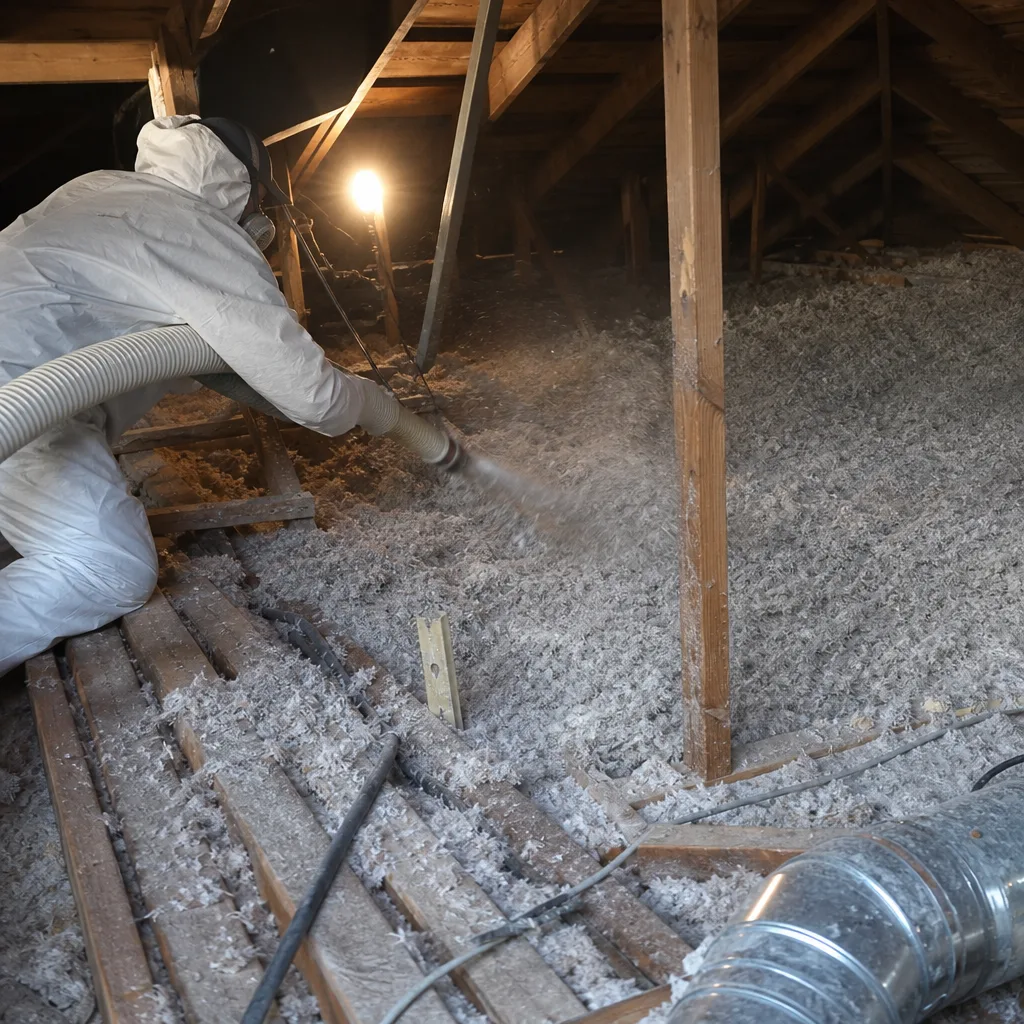
- Attic square footage and accessibility: A low-pitch attic with a 20-inch clearance costs more in labor than an open walk-up space. Many of the 1960s and 1970s Ranch-style homes in the Orchard City and Rincon neighborhoods have tight eave runs that slow extraction work considerably. Expect labor time to increase 20 to 35 percent on restricted-access jobs.
- Type and condition of existing insulation: Old blown-in fiberglass is the most common removal job in Campbell. Deteriorated kraft-faced batts from the 1970s add complexity because they don’t vacuum cleanly and often leave debris behind. Vermiculite insulation – occasionally found in pre-1980 homes – requires testing before any work starts, as some batches contain asbestos.
- Rodent or moisture contamination: Rat activity is not unusual in attics near the creek corridors running through South Campbell and the Los Gatos Creek Trail area. Contaminated insulation is classified differently for disposal and requires decontamination before new material can go in. This adds $350 to $800 to a typical job and is not something a contractor can quote accurately without seeing the attic first.
- Air sealing scope: A 1970s home with 40 unshielded recessed can lights will need significantly more air-sealing labor than a 2005 build where cans were already IC-rated. In Campbell’s pre-1990 housing stock – which makes up the majority of homes in the Union, Winchester, and Kirkwood neighborhoods – expect air sealing to add $500 to $900 to the total.
- R-value target: California’s Title 24 energy code calls for R-38 in attics for most of the Bay Area climate zone. If you want to go to R-49 (increasingly common on homes seeking to maximize solar ROI in Campbell’s 260-plus sunny days per year), you’re adding roughly $0.50 to $0.80 per square foot in additional material.
- Insulation material selection: Blown-in cellulose (GreenFiber) typically costs 10 to 15 percent less per square foot than blown-in fiberglass (Owens Corning or Johns Manville) and performs better in Campbell’s moderate-to-warm climate for summer heat management. Rockwool or CertainTeed batts in wall cavities cost more to install than blown-in alternatives due to labor time. We don’t push any one product; the right material depends on the specific assembly, and your written scope will explain the reasoning.
- Permit requirements: Santa Clara County and the City of Campbell generally do not require a permit for insulation replacement in an existing attic, but any structural alterations to the attic floor, changes to HVAC equipment, or work connected to a kitchen or bathroom renovation may require inspection. If a permit is needed, add $150 to $400 depending on scope. We’ll flag it in writing before work begins.
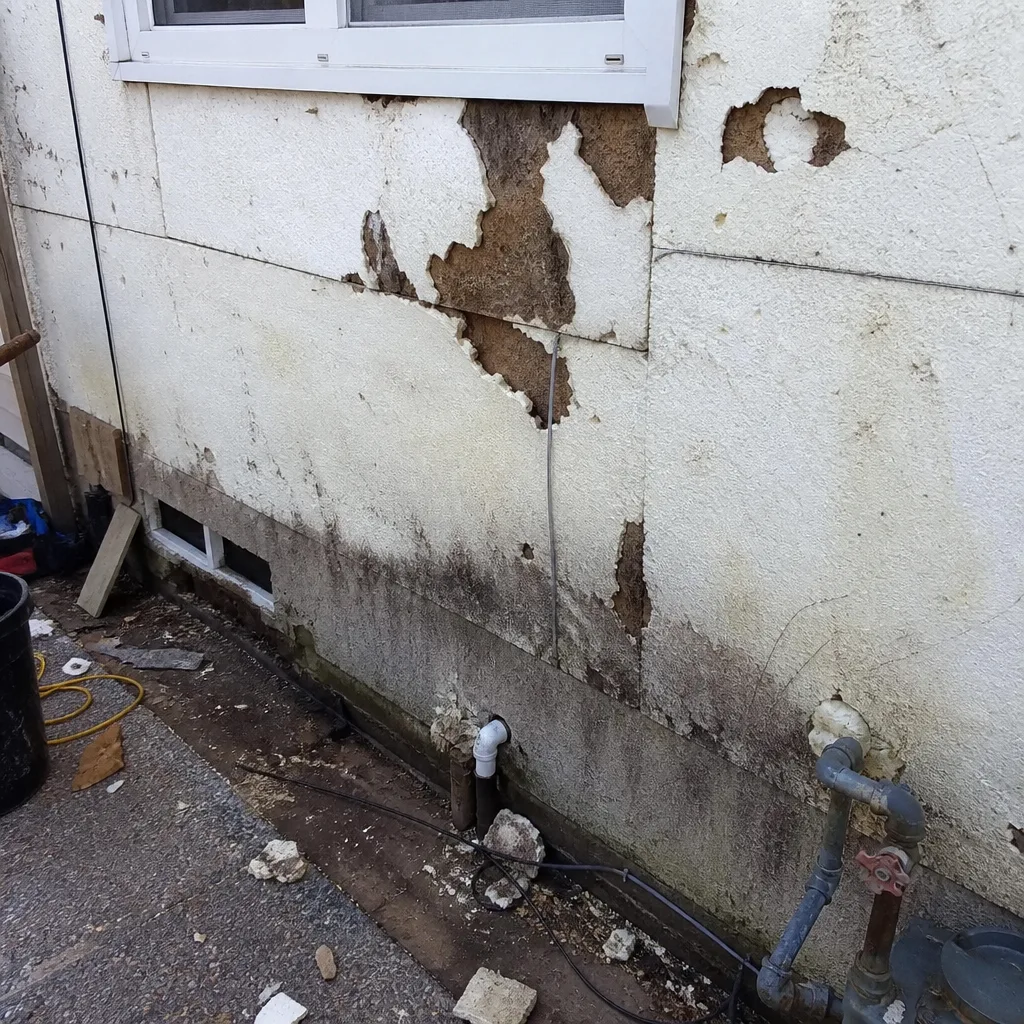 Before
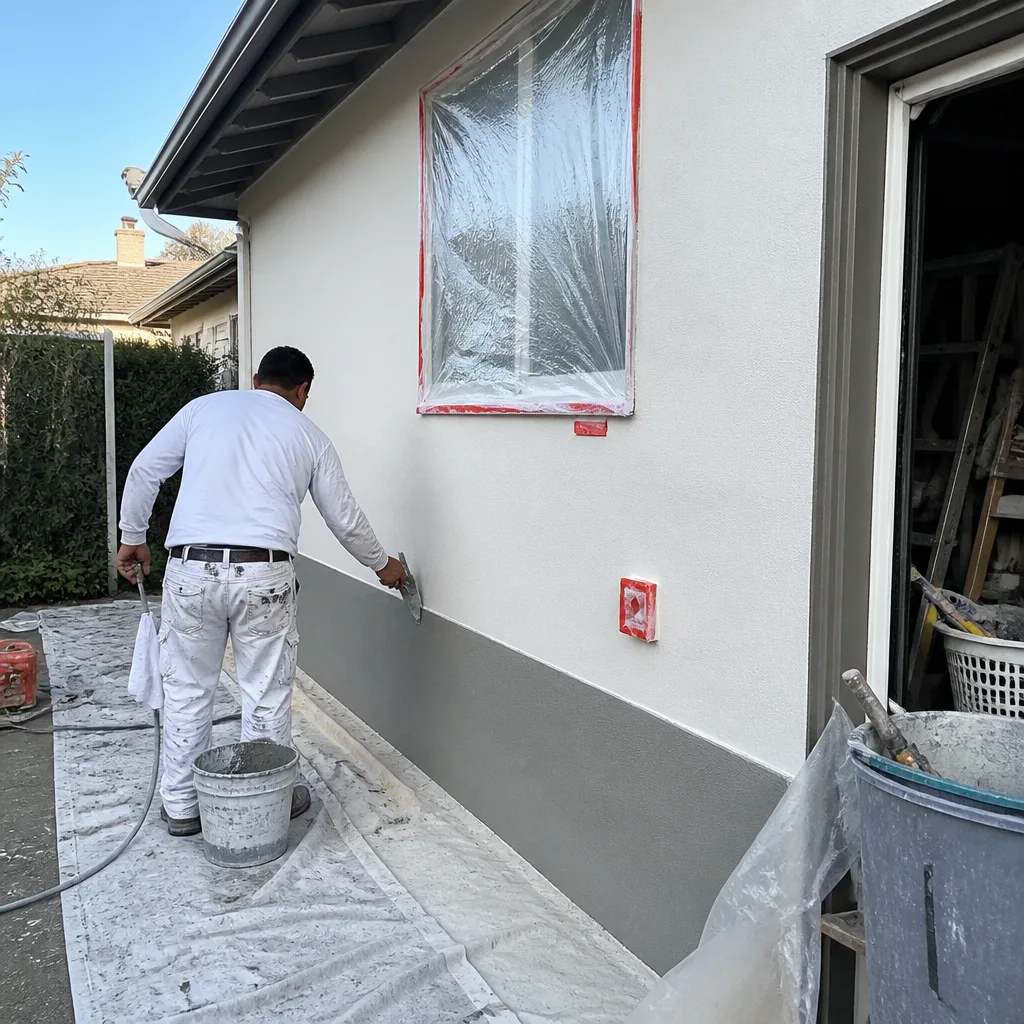 After
AfterHow to Save on Insulation Removal & Replacement in Campbell
The most reliable way to save money on this job is to get the scope right before the work starts – not to shop for the lowest number. In Campbell’s housing market, where the average home purchased between 2018 and 2023 changed hands at over $1.4 million, a $200 discount that leads to insulation blown in over an unsealed attic floor is not a deal. It’s a deferred utility bill and possibly a callback to fix it in three years.
That said, here is what actually reduces cost without compromising the result:
- Bundle removal with replacement on the same visit. Scheduling removal and replacement as one job instead of two separate calls saves a mobilization charge – typically $150 to $250 in the South Bay. It also means the attic floor is air-sealed while the crew is already set up for it, rather than as an add-on visit.
- Use a Free Second Opinion before signing anything. Under Haven Standard, Envelope Insulation Co. will read any written competing estimate with you at no charge. If a competitor’s quote is lower, we will tell you why – whether it’s a different material spec, a skipped step like air sealing, or a legitimate market difference. Bring us the written estimate and we’ll go through it line by line.
- Ask about utility rebates from PG&E. PG&E’s Energy Upgrade California program has historically offered rebates for attic insulation upgrades that meet minimum R-value thresholds. In 2026, rebates for qualified attic insulation work in the Bay Area can offset $200 to $600 of the total project cost. These programs have enrollment windows and qualification requirements, so confirm availability with PG&E directly before budgeting around them.
- Time the job away from peak season. Campbell and the greater Santa Clara Valley see a predictable surge in attic insulation demand between May and August, when homeowners notice their cooling bills climbing. Scheduling in late fall or early winter often means faster availability and, in some cases, less price pressure from the seasonal rush.
- Don’t skip air sealing to cut cost. This sounds counterintuitive, but paying to remove old insulation and then installing new material without sealing the attic floor first gives you perhaps 20 to 30 percent of the possible performance benefit. The air sealing is where the measurable thermal improvement happens. Skipping it means you will spend money twice.
- Get your written estimate before any work starts. This isn’t just about trust – it protects you from scope creep. Under Haven Standard Clause 1, Envelope provides a flat price, a written scope, and a written warranty before any work begins. If additional conditions are found during the job, they are documented and priced before anything changes.
For a free, written estimate with no obligation, call (831) 534-3206. A live person answers. No voicemail loops, no callback windows measured in days.
What the Full Job Looks Like at Envelope Insulation Co.
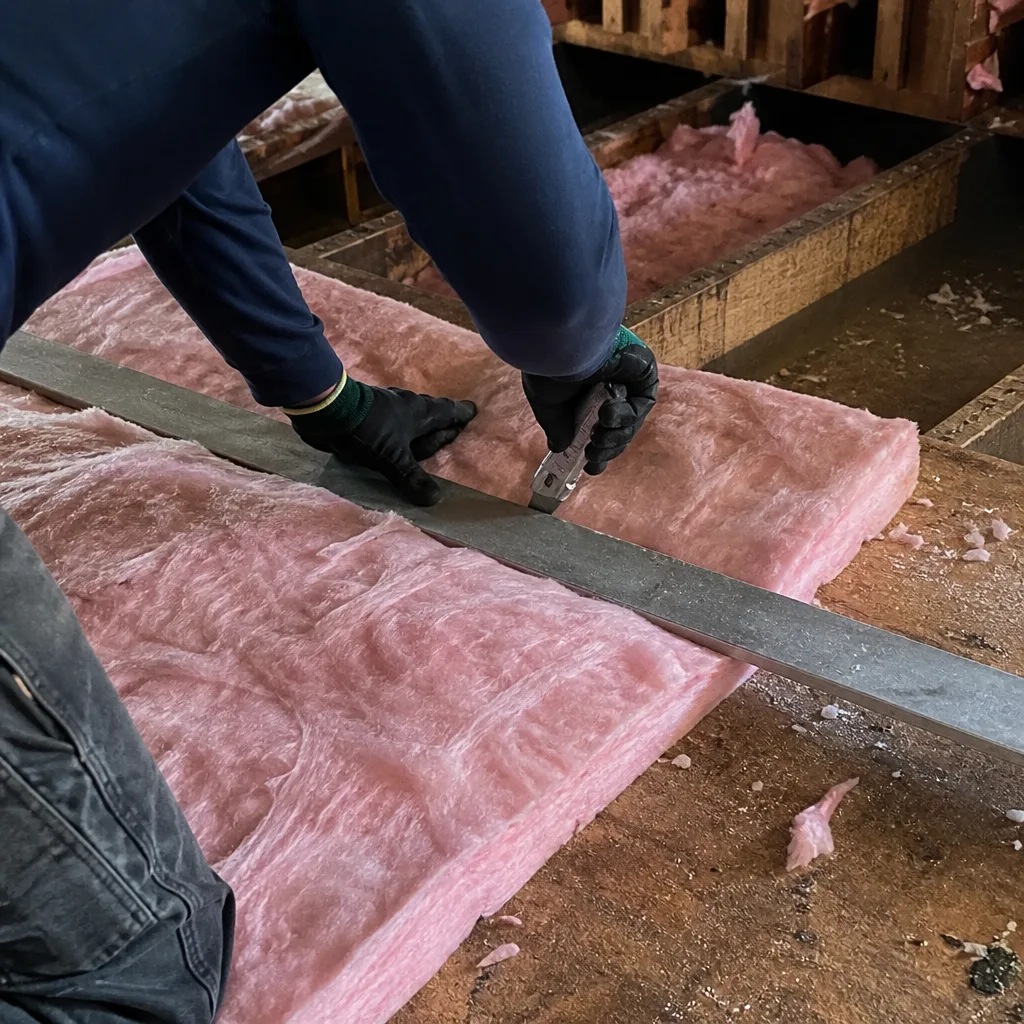
This is the sequence for a typical Campbell attic removal and replacement job, described in the order it actually happens:
- Written price, scope, and warranty delivered before any work starts. This is not a courtesy – it is Haven Standard Clause 1. You see the flat price, the materials being used (brand and specification), the air-sealing scope, and the warranty terms before anyone puts on a work boot.
- Pre-work blower-door test on applicable jobs. The reading is recorded – CFM50 and ACH50 figures, which measure how many cubic feet of air the building envelope loses per minute at 50 pascals of pressure. This is the baseline your results will be measured against.
- Attic access protection and house prep. Drop cloths, attic stair cover, and HVAC register protection are standard. Old insulation creates fine particulate that gets into ductwork if the attic isn’t properly staged.
- Full vacuum extraction of old insulation. Commercial-grade insulation vacuums pull material into large exterior collection bags. The process is slow in tight attic spaces – in some of the lower-pitch rooflines common in Hacienda Estates and the Orchard City corridors of Campbell, a two-person crew may need five to seven hours to clear a 1,400-square-foot attic floor completely.
- Attic floor inspection and cleaning. After extraction, the technician inspects for rodent activity, moisture staining, and HVAC duct integrity. Findings are photographed. If additional scope is needed, it is priced and presented in writing before the next step starts.
- Air sealing of top plates, can lights, and penetrations. Foam gun and caulk. Top plates – the framing members at the top of interior walls where air travels freely between conditioned and unconditioned space – are sealed along their full run. Every penetration through the attic floor (plumbing vents, electrical conduit, HVAC drops) is sealed before insulation is installed. This step is not optional. Envelope does not blow insulation over an unsealed attic floor.
- New insulation installation to specified R-value. The crew installs blown-in cellulose, fiberglass, or batts to the R-value in your written scope – typically R-38 or R-49 for Campbell’s climate zone. Depth is measured and verified at multiple points using labeled depth rods.
- Post-work blower-door test and documented photo record. The pressurization test is run again. The before-and-after CFM50 figures are recorded and provided to the homeowner. Every applicable job ends with a documented photo record – attic floor before, attic floor after, air-sealing work, insulation depth rods. These are yours, not ours.
Since 2016, Wes Okafor and the team at Envelope Insulation Co. have completed this sequence on more than 9,000 homes throughout the South Bay – every one of them with a written price before work started and a documented record when the crew left. That documentation is part of the service, not something you request afterward.
Campbell-Specific Conditions That Affect This Work
Campbell sits in a microclimate pocket between the Santa Cruz Mountains to the southwest and the Valley floor heat sink to the north. Summer afternoons frequently reach the low 90s in the flatter neighborhoods near Camden and Winchester, while homes closer to the Los Gatos foothills can be 8 to 12 degrees cooler. That temperature gradient matters for insulation specification: homes on the Valley floor tend to see greater cooling-load benefit from higher R-values and radiant barriers than hillside homes of equivalent square footage.
The housing stock also plays a role. A significant portion of Campbell’s single-family homes were built between 1955 and 1975, during a period when insulation was either absent or installed to standards that bear no relationship to current Title 24 requirements. Many of these homes have original aluminum single-pane windows, uninsulated garage walls adjoining conditioned living space, and attic insulation that was blown in once in the 1980s and never touched again. R-values in these attics often test between R-11 and R-19 – roughly half of what California Title 24 now requires for the Bay Area climate zone.
Old-growth neighborhoods like Orchard City, Riviera Estates, and the streets north of Hamilton Avenue are where we see the highest concentration of deeply degraded insulation. In those areas, it’s common to find blown-in insulation that has settled to a fraction of its original depth, lost its binder, and in some cases become a rodent nesting medium rather than a thermal layer. The removal cost in these scenarios tends to run toward the higher end of the ranges listed above, because contaminated material requires careful handling and separate disposal.
Campbell’s moderate humidity compared to coastal cities means attic moisture damage from condensation is less common than in, say, Santa Cruz or Half Moon Bay. But it’s not absent. Homes with bathroom exhaust fans that terminate in the attic rather than through the roof – still a code violation that slips through in older properties – accumulate moisture over years and can develop mold in the insulation layer. If the inspection finds that, the written scope will include it before any work proceeds.
Is It Cheaper to Repair or Fully Replace?
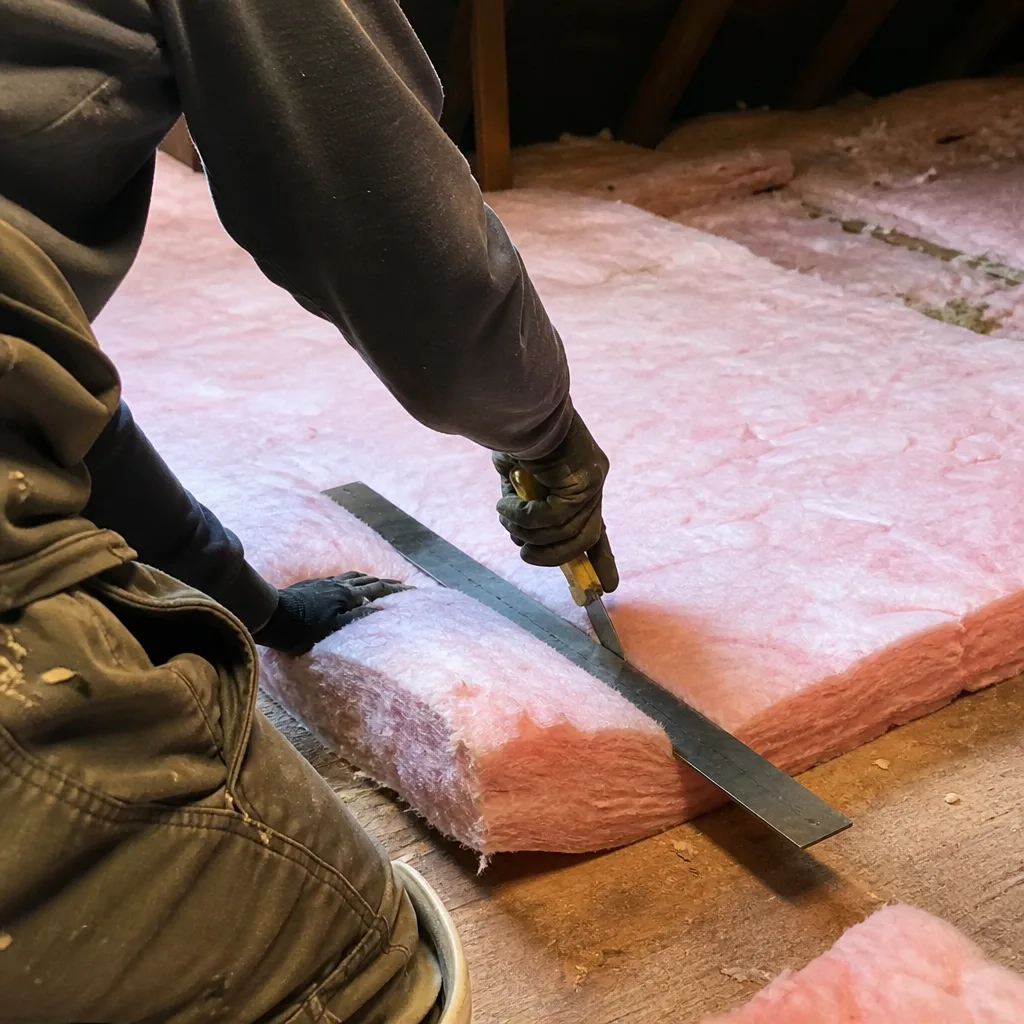
The honest answer: partial repairs are cheaper up front, but they rarely deliver the same performance improvement as a full removal and replacement. If the existing insulation has lost less than 30 percent of its original depth, is free of contamination, and sits on an attic floor that was properly air-sealed during original construction, a top-up can make sense. A targeted top-up to R-38 in a 1,200-square-foot attic might run $800 to $1,400 in Campbell.
But if the original insulation is contaminated, if the attic floor was never air-sealed (which is the case in most pre-1990 Campbell homes), or if the existing material has compacted beyond recovery, a partial repair just adds cost to an already compromised system. The blower-door test settles this question: if pre-work CFM50 is high, adding more insulation over unsealed penetrations produces a fraction of the expected improvement.
Our recommendation is to measure first. The blower-door reading and the attic inspection together will tell you which path is worth the money. That assessment comes with the estimate – not as a separate consulting fee.
FAQs – Insulation Removal & Replacement Cost in Campbell
How much does insulation removal and replacement cost in Campbell, CA?
Most full insulation removal and replacement jobs in Campbell run between $1,800 and $4,800, depending on attic size, contamination level, and whether air sealing is included (it should be). A typical 1,200-square-foot attic with blown-in replacement to R-38 lands around $2,100 to $3,400 with air sealing included. Call (831) 534-3206 for a free written estimate specific to your home’s square footage and current insulation condition.
Does the price include air sealing, or is that extra?
At Envelope Insulation Co., air sealing of top plates, can lights, and penetrations is always completed before any new insulation is installed – it is not an optional upsell. It is line-itemed in your written price so you can see exactly what you are paying for. Some contractors in the Campbell area bid insulation-only and add air sealing separately, which can result in a misleadingly low initial quote. When you compare quotes, confirm in writing whether air sealing is included and what exactly it covers.
How long does insulation removal and replacement take in Campbell?
A typical 1,200-to-1,500-square-foot attic removal and replacement takes one full day with a two-person crew, sometimes extending to a second morning for larger or more complex attics. Tight low-pitch attics, common in Campbell’s 1960s Ranch-style homes, add time because vacuum extraction is slower in restricted clearances. You will receive a time estimate in your written scope before the job starts.
Can I stay home during the work?
Yes. The extraction process creates particulate in the attic space, but when the attic access, HVAC registers, and house entry points are properly staged (which is standard on every Envelope job), the living areas stay clear. Most Campbell homeowners stay home and go about their day. If you have respiratory sensitivities, you may prefer to be out during the extraction phase, which typically runs two to four hours. Your technician will walk you through the staging plan before work starts.
What documentation do I receive after the job is finished?
Every completed job includes a Documented Photo Record – before and after photos of the attic floor, the air-sealing work, and the installed insulation depth. On applicable jobs, you also receive the before-and-after blower-door readings: the CFM50 figure recorded before work started and the CFM50 figure after air sealing was completed, so you can see the measurable performance change in a single number. The written scope, written warranty, and all documentation are yours when the crew leaves – not available on request later. Under the 365-Day Done Right Promise, if something is not right, we make it right within the warranty period.
Is now a good time to replace attic insulation in Campbell, or should I wait?
There is no bad season for this work in Campbell, but late fall through early spring tends to offer faster scheduling availability. Insulation demand in the South Bay spikes in summer when homeowners notice cooling costs climbing, which can mean longer lead times between May and August. PG&E rebate programs also have limited enrollment windows, so if you are planning to use a utility incentive, confirming program availability sooner rather than later is worth doing. For a no-obligation written estimate, call (831) 534-3206 – a live person answers every call.
Key Takeaways
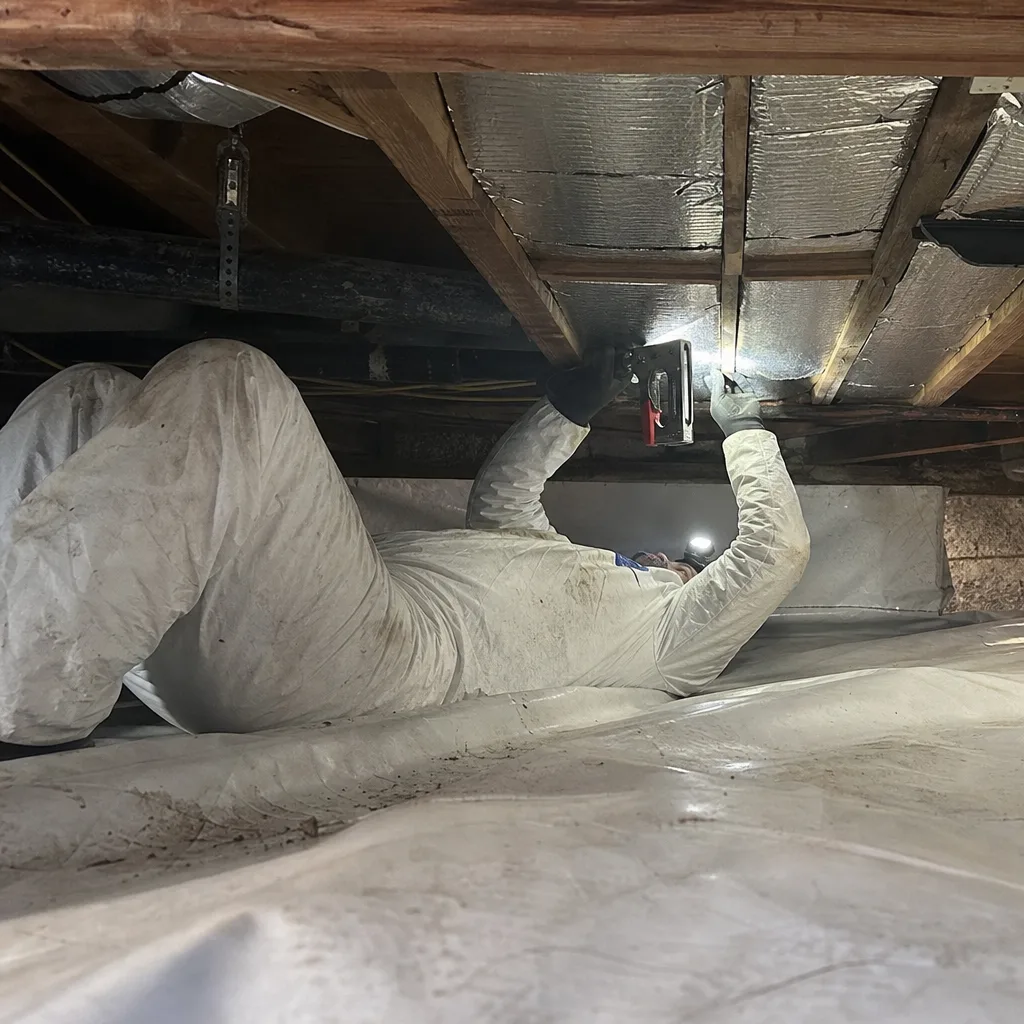
- Insulation removal and replacement in Campbell typically costs $1,800 to $4,800 for a single-story home, with most central Campbell attic jobs landing between $2,100 and $3,400.
- Air sealing must happen before new insulation goes in – blowing material over an unsealed attic floor captures less than a third of the potential performance benefit.
- Before-and-after blower-door readings (CFM50) are the only objective way to verify that air sealing actually worked; Envelope documents both numbers on every applicable job.
- A written price, written scope, and written warranty are delivered before any work starts – Haven Standard Clause 1, no exceptions.
- Campbell’s pre-1990 housing stock (the majority in Orchard City, Kirkwood, and Riviera Estates) frequently has attic insulation at R-11 to R-19, well below the Title 24 requirement of R-38.
- PG&E rebates for qualified attic insulation work can offset $200 to $600 of project cost – confirm current availability before budgeting.
- A free second opinion on any written estimate is available: bring a competing quote and we will go through it line by line.
Ready for a Written Price? Here’s How to Start.
If you own a home in Campbell and you are not sure what is in your attic, or you already know the insulation is past its useful life, the right first step is a written estimate that shows you exactly what the job costs before anyone touches anything. Wes Okafor and the team at Envelope Insulation Co. have documented every job with a written price and a photo record since 2016. That is not a marketing line – it is the written commitment you receive before work begins.
Learn more about the full scope of what we offer on the Insulation Removal & Replacement in Campbell service page, or visit our home page to see the full building-envelope service line. To schedule a free written estimate or ask a specific question about your home’s attic, call (831) 534-3206. A live person answers – no voicemail, no callback window measured in business days.
The 365-Day Done Right Promise covers every completed job. If it’s not done right, we make it right. That is in writing before anyone starts.
Written by Wes Okafor, Owner at Topside Attic Insulation Campbell (operating as Envelope Insulation Co.), serving Campbell, CA since 2016. Pricing reflects the Campbell market as of 2026. Topside Attic Insulation Campbell offers free written estimates – call (831) 534-3206.
What Our Customers Say
"They photographed rodent damage in the old insulation that we had no idea about, and priced the exclusion work separately so we could decide."
- Harriet N."Crawl space encapsulation done properly. Photographs of the vapour barrier at every seam, and the damp smell in the hallway is gone."
- Ainsley P."Two other companies quoted to blow more insulation on top of what was there. These were the only ones who said the existing material had to come out first, and explained why."
- Clifford E.