
How Much Does Spray Foam Insulation Cost in Campbell?
Spray foam insulation in Campbell, CA typically costs between $1.50 and $4.50 per board foot installed, depending on foam type, application area, and site conditions. Most homeowners in Campbell spend between $2,800 and $7,500 for a full attic or crawl space spray foam project, with smaller gap-sealing or rim joist jobs running closer to $600 to $1,400. At Envelope Insulation Co., our Spray Foam Insulation services start with a written price before any work begins – no ballpark estimates that shift when the crew arrives.
Spray Foam Insulation Cost Breakdown (2026)
The two-sentence answer above tells you where most Campbell jobs land. The table below shows how costs break down by application type, because the location matters as much as the material.
| Application Area | Foam Type | Typical Cost Range (Campbell, 2026) |
|---|---|---|
| Attic rafters / roof deck (cathedral seal) | Closed-cell SPF | $3,200 – $7,800 |
| Attic floor / top plates + penetrations | Open-cell or closed-cell SPF | $900 – $2,400 |
| Crawl space walls or floor joists | Closed-cell SPF | $1,800 – $4,200 |
| Rim joists (perimeter band joist) | Closed-cell SPF | $600 – $1,400 |
| Exterior wall cavities (open-wall new construction) | Open-cell SPF | $2,200 – $5,500 |
| Existing wall cavities (drill-and-fill) | Injection foam | $1,400 – $3,600 |
| Garage ceiling / bonus room floor | Open-cell or closed-cell SPF | $800 – $2,200 |
| Spot sealing – can lights, top plates, plumbing | Closed-cell SPF (two-component kit) | $350 – $900 |
A few things drive those ranges. Closed-cell spray polyurethane foam – the denser, vapor-resistant type that achieves R-6 to R-7 per inch – costs more per board foot than open-cell foam, which runs R-3.5 to R-4 per inch and breathes moisture rather than blocking it. In Campbell’s mild but humidity-variable climate, closed-cell is typically the right call for crawl spaces and anywhere below the building envelope where ground moisture is a factor. Open-cell works well for interior attic applications where vapor movement is less of a concern and budget is tighter.
The other big variable is substrate condition. A clean, accessible attic in a 1990s Campbell tract home in the Orchard City Drive corridor moves faster than a 1958 post-and-beam in the Rincon neighborhood with irregular framing, old vermiculite, or an 18-inch crawl clearance. Tighter access, older framing, or existing insulation that needs removal first – each of those adds labor hours and shifts the final number. Every estimate Wes Okafor and the Envelope team produce accounts for those site conditions before the price is put in writing, not after.
Open-Cell vs. Closed-Cell: Which One Does Campbell Need?
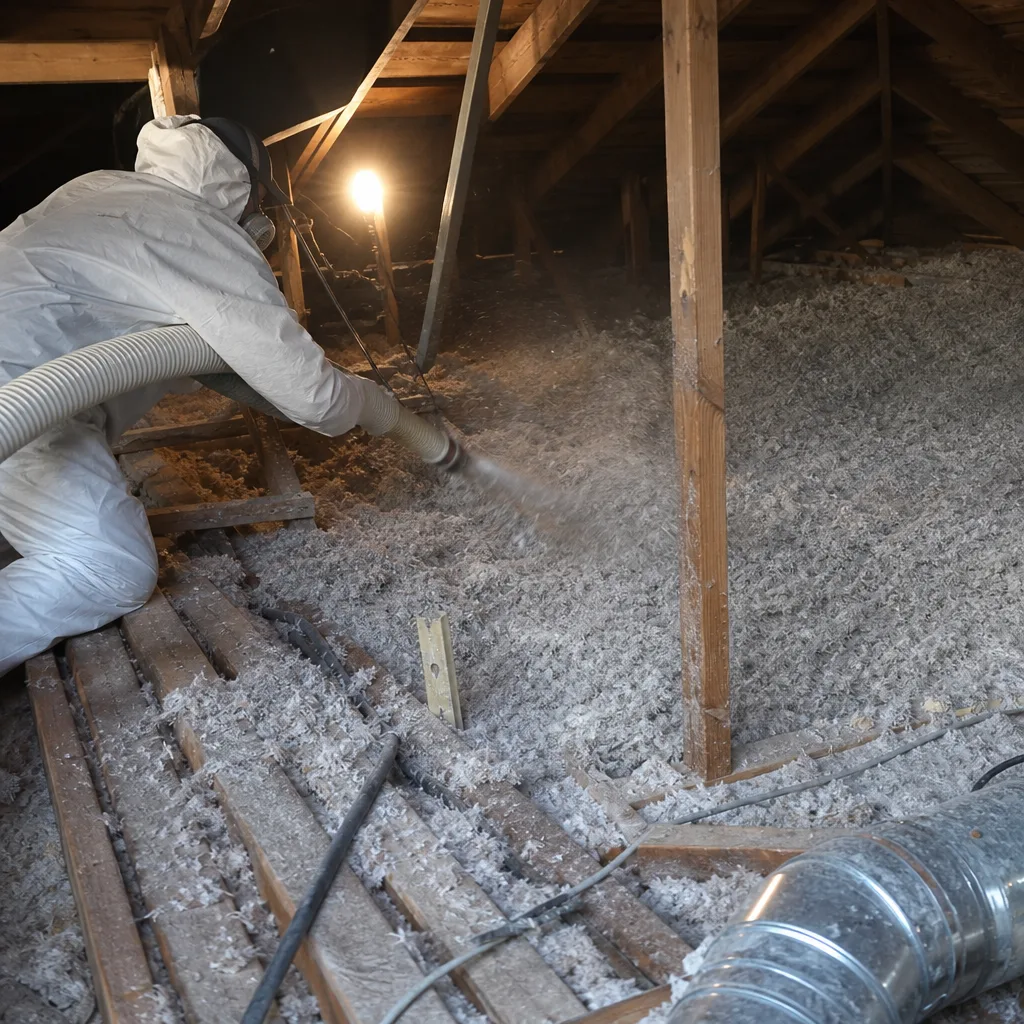
This distinction drives more cost questions than any other, so it deserves its own section.
Closed-Cell Spray Foam
Closed-cell SPF runs $1.00 to $2.00 per board foot in material cost alone, and installed prices in Campbell reflect that – expect $2.50 to $4.50 per board foot all-in. The payoff: it’s the densest, highest-R-value product available (R-6.5 per inch when applied at 2 inches), it acts as a class II vapor retarder, and it adds measurable structural rigidity to roof decks and wall assemblies. For crawl spaces under Campbell homes that sit on the Santa Clara Valley floor – where soil moisture varies by season and occasionally by irrigation from neighboring properties – closed-cell is the appropriate choice.
Open-Cell Spray Foam
Open-cell runs $0.40 to $0.80 per board foot in material, installed closer to $1.50 to $2.50 per board foot in the Campbell market. It expands dramatically – up to 100 times its original volume – which makes it good at filling irregular cavities and can reach places a rigid board never could. The tradeoff: it’s vapor-permeable and needs a vapor retarder in certain assemblies under California Building Code. R-value per inch is lower, so you need more thickness to hit a given R-level.
Neither product is universally better. The right call depends on the assembly, the climate exposure, and what the rest of the building envelope is doing. Envelope Insulation Co. produces a written scope identifying which product goes where and why – not a line item that reads “SPF – per quote.”
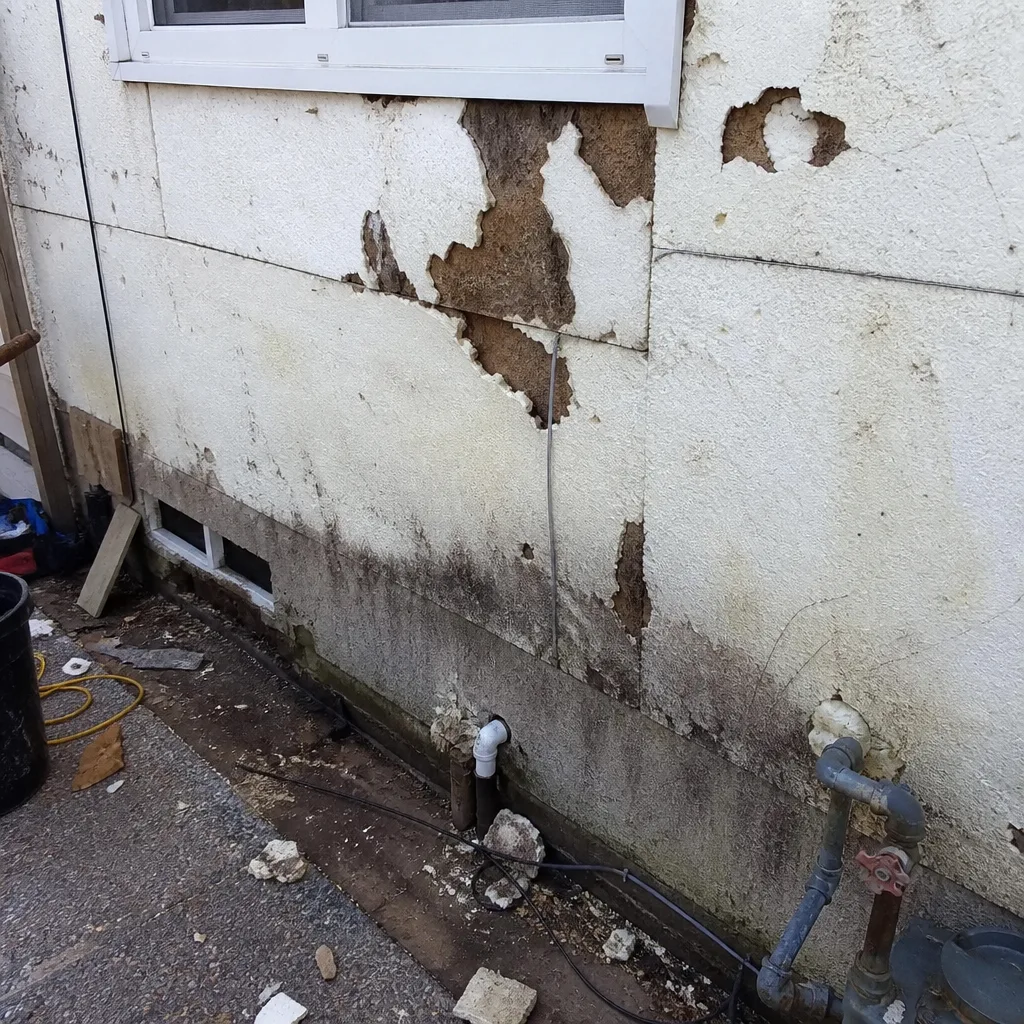 Before
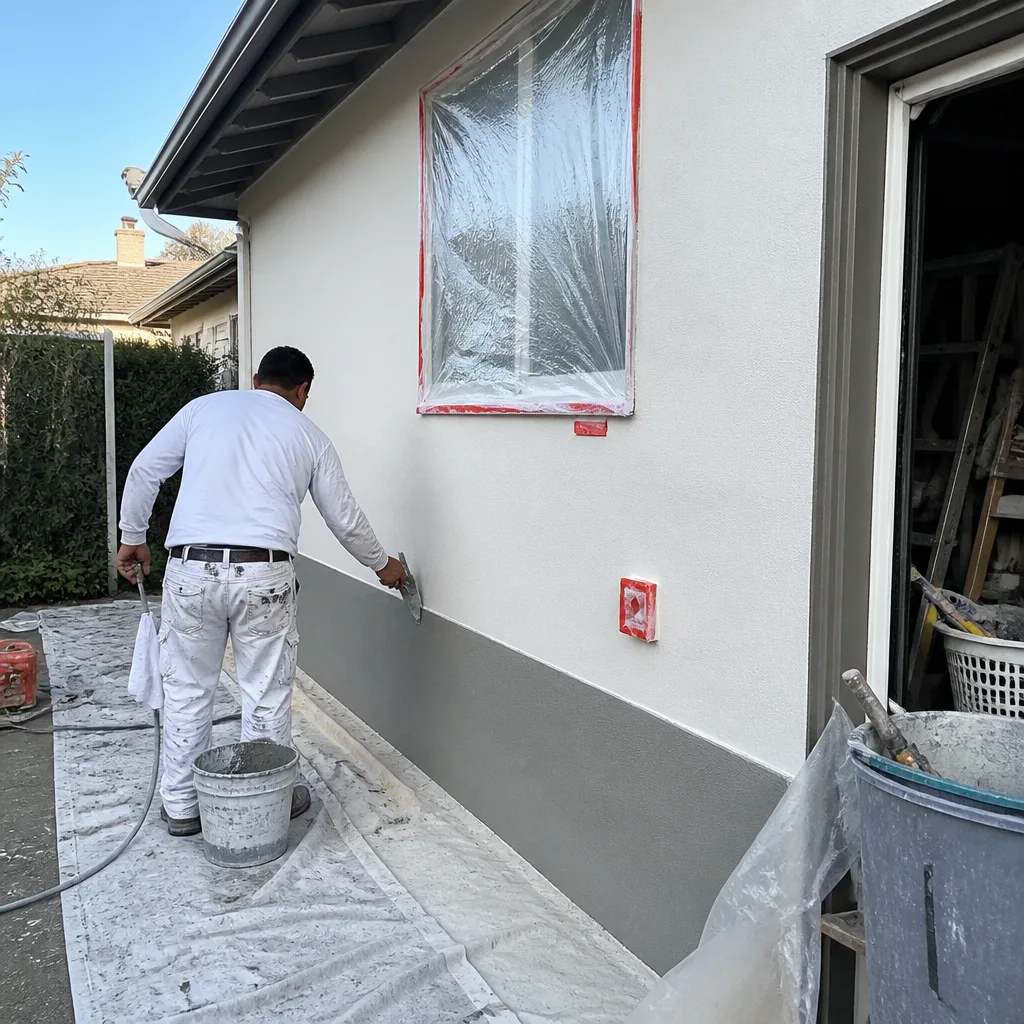 After
AfterWhat Affects Spray Foam Insulation Pricing in Campbell
- Foam type and R-value target: California Title 24 sets minimum R-values for insulation in new construction and significant renovations – in Climate Zone 4 (where Campbell sits), attic assemblies generally need R-38 or higher. Hitting that with closed-cell foam alone gets expensive; a hybrid approach using air-sealed attic floors plus blown-in insulation on top often costs less than spray foam alone to the same R-value. The written scope Envelope produces spells out what approach reaches code and why.
- Attic or crawl space access: Campbell’s housing stock includes a mix of mid-century ranch homes and 1980s to 2000s two-stories. Homes in the Hacienda neighborhood and near Camden Avenue tend to have accessible gable-end attics; older homes closer to the downtown Campbell core often have tighter low-pitch rooflines with 24 to 30 inches of usable clearance. Restricted access means slower installation and higher labor cost – typically adding $200 to $600 to a project.
- Existing insulation removal: If fiberglass batts or old blown-in cellulose are in the way, they need to come out before spray foam can adhere properly to the substrate. Insulation removal in Campbell runs $1.00 to $2.00 per square foot depending on depth and material. That cost shows up as a line item on the written estimate – not as a surprise the day the crew arrives.
- Square footage and linear footage: A 1,400-square-foot Campbell ranch home costs less to treat than a 2,200-square-foot two-story with a separate garage. Beyond floor area, linear footage of rim joists, top plates, and penetrations adds to material and labor time. Both are measured on-site before the written price is issued.
- Ventilation and fire code compliance: When spray foam is applied to the underside of roof decking to create a conditioned attic – sometimes called an unvented attic assembly – it triggers specific requirements under California Residential Code. The assembly needs adequate foam depth to keep the dew point outside the building materials, and any HVAC equipment now inside the conditioned envelope needs to be confirmed as compatible. Projects that require permit coordination in the City of Campbell are documented in the scope before work starts.
- Contractor quality and documentation standards: Bids in Campbell for the same job can vary by 30 to 50 percent. The low end of that range often reflects a skip on air sealing prep, thinner foam application (under-yielding R-value), or no post-job documentation. At Envelope, before-and-after blower-door tests on applicable jobs show the actual air-sealing result in a single measured number – 4,200 CFM50 before, 2,100 CFM50 after, for example. That measurement is delivered in writing, not described verbally on the way to the truck.
Spray Foam and Air Sealing: Why We Do One Before the Other
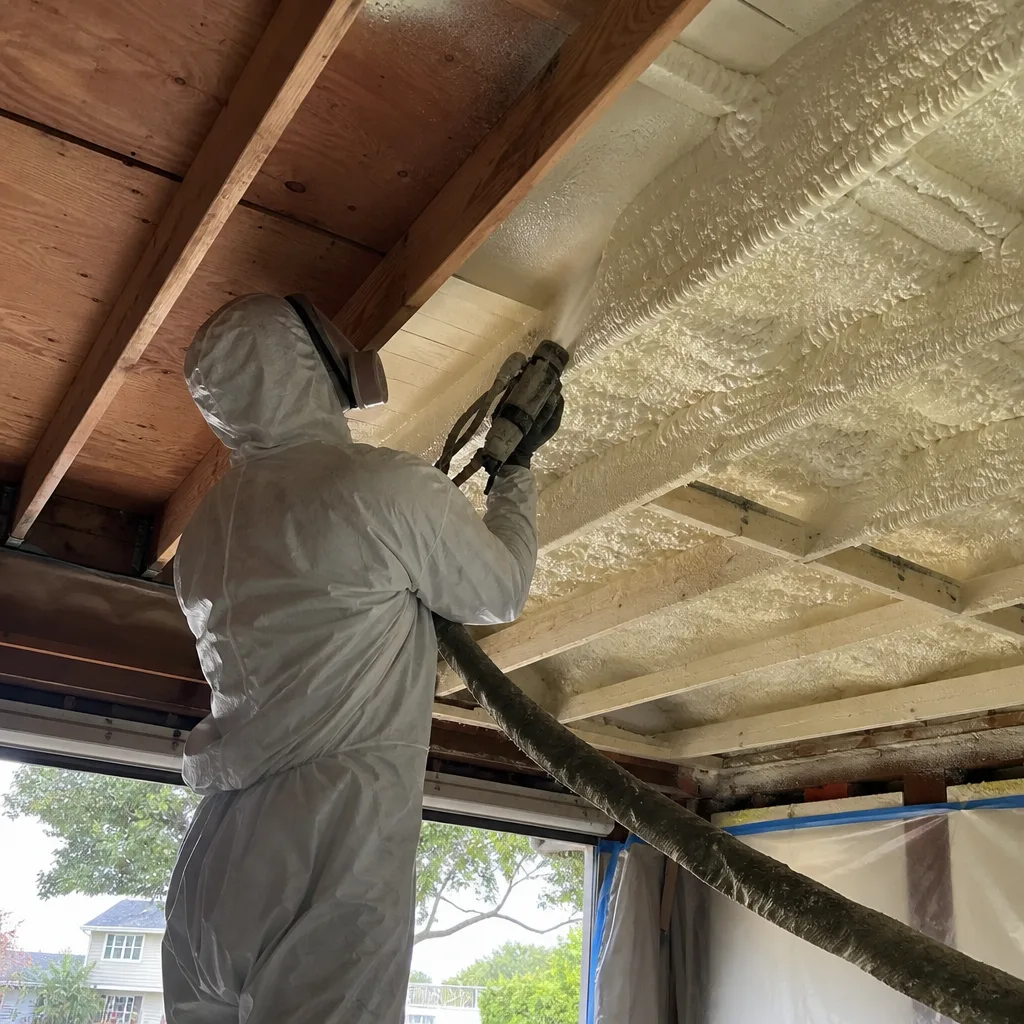
This is worth explaining plainly, because it directly affects what you pay and what you get.
Spray foam applied over an unsealed attic floor – top plates with open wire chases, recessed lights with no air barrier, plumbing penetrations punched through the framing – can still perform below its rated R-value if conditioned air is bypassing it through those gaps. Insulation slows conductive heat transfer. It does almost nothing to stop air movement. A home can have R-38 in the attic and still lose a significant fraction of its heating and cooling through air leaks that never got sealed.
Envelope Insulation Co. seals first, then insulates. That order isn’t optional. When air sealing of top plates, can lights, and attic penetrations is completed before any insulation goes down, the blower-door number afterward reflects the actual improvement. The before-and-after reading is the documentation that tells you whether the job performed or just looked like it did.
In Campbell, we regularly find can light penetrations in homes built between 1975 and 1995 that account for 15 to 25 percent of total air leakage – more than the insulation R-value ever compensated for. Sealing those before foaming costs real money in labor, but the energy-use reduction is measurable rather than theoretical.
For a full picture of what a spray foam project looks like from site assessment through final blower-door reading, visit our Spray Foam Insulation in Campbell service page.
How to Save on Spray Foam Insulation in Campbell
Get the Air Sealing Right First – Then Decide on Foam Depth
Spray foam to a higher R-value than the assembly actually needs is one of the more common ways Campbell homeowners overspend. A properly air-sealed attic floor with R-49 blown-in cellulose on top often outperforms an under-sealed attic with two inches of open-cell spray foam – at meaningfully lower cost. Ask any contractor you’re talking to: what does the blower-door number read before and after your work? If they don’t test, the question itself is diagnostic.
Consider a Hybrid Assembly
For attic floors, a hybrid approach – closed-cell spray foam on top plates and penetrations only, then blown-in insulation on top to the required depth – can cut total project cost by 20 to 35 percent compared to spray-foaming the entire attic floor to depth. The air barrier function comes from the foam where it’s needed; the thermal resistance comes from the cheaper blown-in product above it. Envelope Insulation Co. scopes hybrid assemblies routinely for Campbell homeowners when the math makes sense.
Combine With Related Scope Items
If your home needs both attic insulation and crawl space encapsulation, pricing them together typically reduces mobilization and setup cost – both jobs share equipment and crew time. The same applies to insulation removal paired with new installation. Itemized estimates let you see where that efficiency appears in the numbers.
Use California Energy Commission and Utility Rebates
Pacific Gas and Electric (PG&E), which serves the Campbell area, has offered rebates for air sealing and insulation upgrades in single-family residences. Eligibility and amounts change annually; as of 2026, the active offers are worth checking before your project starts rather than after the permit is closed. Envelope’s estimate documents what measures qualify so you can apply with the right paperwork.
Read Every Competing Estimate Before You Sign Anything
Envelope Insulation Co. offers a free second opinion on any written estimate. Bring us a competing quote and we’ll read it with you – line by line, product by product, R-value by R-value. This isn’t a sales tactic; a written price tells you a great deal about what a contractor actually plans to do. Under Haven Standard Clause 1, we produce the same written scope ourselves before any work starts. You should hold everyone to that standard.
To schedule a free on-site estimate in Campbell, call (831) 534-3206. A live person answers – no voicemail loops, no callback windows measured in business days.
What Campbell Homeowners Should Know About Local Conditions
Campbell sits in Climate Zone 4 under California’s Title 24 energy code – a mild, Mediterranean-influenced climate that doesn’t experience the temperature extremes of inland California valleys or the coast. That mildness can make it easy to underestimate how much energy is lost to air infiltration rather than simple conduction. In a mild climate, the gap between a well-sealed home and a leaky one often shows up most clearly in shoulder seasons, when outdoor temperatures are moderate but the air conditioning or heating is cycling more than it should.
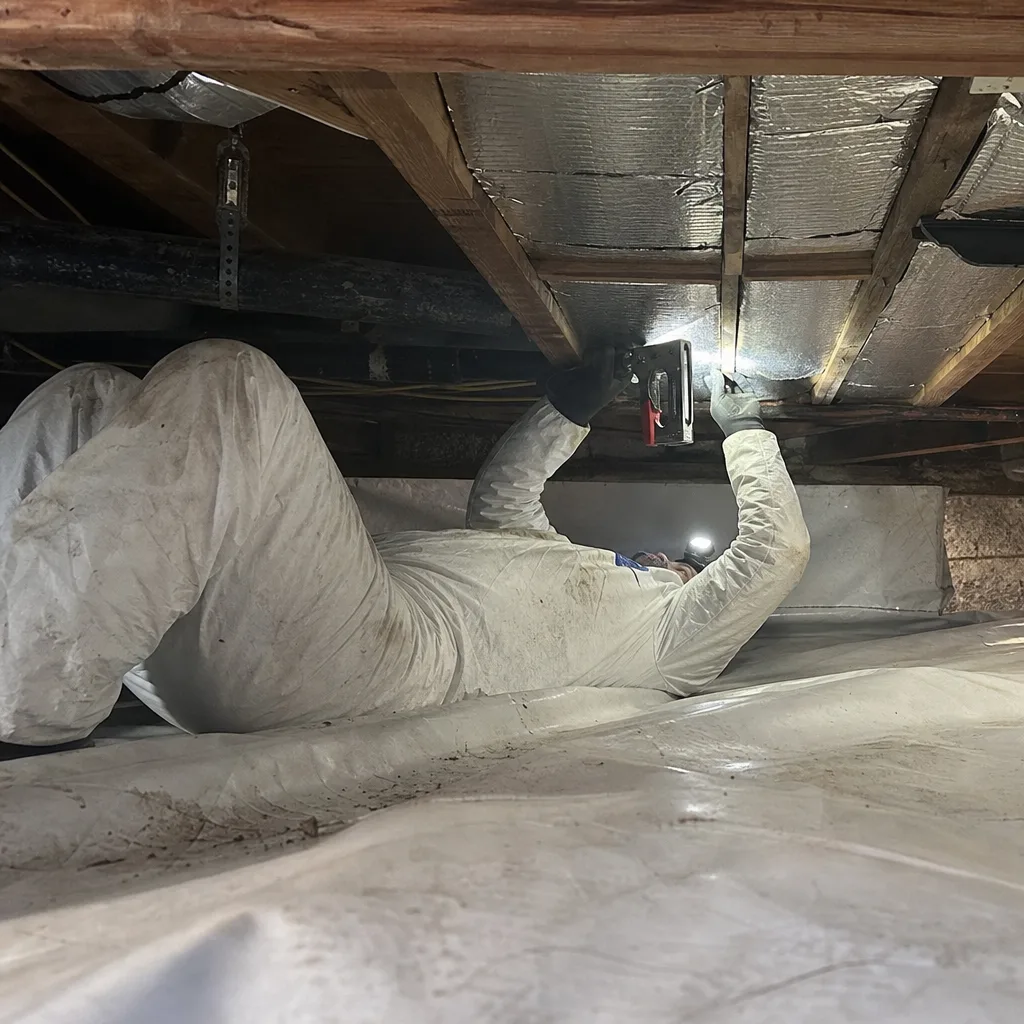
The Santa Clara Valley’s topography creates a secondary pressure on insulation performance: crawl spaces in many Campbell neighborhoods sit on clay-heavy soils that retain and release moisture seasonally. Homes in the areas near Los Gatos Creek, the Curtner neighborhood south of Hamilton Avenue, and the older residential tracts east of Winchester Boulevard can see ground moisture fluctuating enough to affect crawl space conditions meaningfully. Closed-cell foam on crawl space walls or floor joists is the right choice in those conditions – it does not absorb moisture the way fiberglass or open-cell foam can.
Campbell’s housing stock skews toward homes built between 1950 and 1985, before California’s more aggressive energy codes came into force. Attic insulation in those homes is often below current Title 24 minimums, and the original air sealing – which typically means “none” – leaves top plates and can lights wide open to the attic. Those homes respond well to the sealed-first approach Envelope Insulation Co. uses, and the before-and-after blower-door numbers on those jobs tend to show the largest improvements.
You can learn more about how we approach the full building envelope at our home page, including the complete service line and the Haven Standard that governs every project.
The Safety Note That Every Reputable Contractor Should Give You
Spray polyurethane foam is not a DIY product. During application, the two-component mixture – isocyanate and polyol resin – reacts exothermically and releases fumes that are genuinely hazardous without supplied-air respirators and full protective equipment. Improperly mixed foam can remain tacky, off-gas for extended periods, and fail to achieve its rated R-value. California contractors applying SPF are required to follow Cal/OSHA requirements, and the installers doing the work need the training and equipment to apply the product safely and correctly.
We mention this not to sell you something but because homeowners who find “DIY spray foam kits” online and attempt full attic applications are routinely disappointed – and occasionally seriously injured. Small two-component kits for sealing penetrations are a different matter, but full-area applications are not a project to learn on your own home.
FAQs – Spray Foam Insulation Cost in Campbell
How much does spray foam insulation cost per square foot in Campbell?
Installed spray foam in Campbell runs $1.50 to $4.50 per board foot (one board foot equals one square foot at one inch of thickness). Closed-cell foam for crawl space or roof deck work typically lands at $3.00 to $4.50 per board foot installed; open-cell for interior attic applications runs $1.50 to $2.50 per board foot. The final per-square-foot number depends on the application area, required thickness, and site access – all of which are measured before the written price is produced. Call (831) 534-3206 for a free on-site estimate specific to your home’s square footage and layout.
Is spray foam insulation worth it for Campbell homes?
For the right application, yes – particularly crawl space walls, rim joists, and roof deck assemblies where its vapor-resistance and structural rigidity matter. For attic floors in typical Campbell homes, a sealed-first plus blown-in hybrid often delivers comparable performance at lower cost. The honest answer depends on the specific assembly; any contractor who recommends spray foam for every application regardless of substrate isn’t doing the math with your money. At Envelope Insulation Co., the written scope explains which product goes where and why, so you can evaluate the recommendation rather than just accept it.
Does spray foam insulation require a permit in Campbell?
It depends on the scope of work. Spot sealing – filling penetrations around can lights, top plates, and plumbing – typically does not require a permit. Converting an attic to an unvented, conditioned assembly by applying spray foam to the underside of roof decking usually does trigger a building permit with the City of Campbell, and the project may require an inspection to confirm code compliance with California Residential Code. Envelope Insulation Co. identifies permit requirements in the written scope before work begins – not as an afterthought discovered mid-job.
How long does spray foam insulation last in Campbell?
Closed-cell spray foam applied correctly is essentially permanent – it doesn’t sag, compress, or settle the way fiberglass batts can over 10 to 15 years. Open-cell foam is similarly stable when properly applied and protected from UV exposure (it degrades under direct sunlight, which is why it’s always covered or used in concealed spaces). The documented photo record Envelope provides at job completion gives you a baseline reference for any future inspection or home sale – you can show exactly what was installed, where, and at what date.
How much does spray foam insulation save on energy bills in Campbell?
Energy savings depend heavily on the starting condition of the building envelope and how much air sealing accompanies the foam work. In Campbell homes with pre-existing minimal air sealing, Envelope Insulation Co. has documented blower-door improvements from over 4,500 CFM50 to under 2,000 CFM50 after a combined air sealing and spray foam project – a reduction of more than 50 percent in measured air leakage. Translated to dollars, results vary by home size, HVAC system, and occupant behavior, but a 15 to 30 percent reduction in heating and cooling energy use is a common outcome in homes where air sealing was absent before. The blower-door numbers we deliver in writing after the job show the actual air-leakage improvement; what that converts to on your gas or electric bill depends on your utility rates and usage patterns.
Key Takeaways
- Spray foam insulation in Campbell typically costs $1.50 to $4.50 per board foot installed, with most whole-home projects running $2,800 to $7,500.
- Closed-cell foam costs more per board foot but is the right choice for crawl spaces and roof deck assemblies in Campbell’s climate.
- Air sealing comes before insulation – always. Foam over unsealed penetrations underperforms its rated R-value.
- California Title 24 Climate Zone 4 sets minimum R-values; permit requirements depend on scope and assembly type.
- Hybrid assemblies – spray foam for air sealing, blown-in for thermal mass – often deliver the best cost-to-performance ratio for Campbell attic floors.
- Every Envelope Insulation Co. project in Campbell begins with a written price and ends with a documented photo record. Applicable jobs include before-and-after blower-door numbers.
- PG&E rebates may apply; confirm eligibility before closing the permit.
- Wes Okafor and the Envelope team offer a free second opinion on any written estimate from a competing contractor.
Get a Written Price for Your Campbell Home
Envelope Insulation Co. serves Campbell and the broader Santa Clara Valley from a straightforward operating principle: you get a written price before anyone lifts a tool, and a documented record when they leave. No estimates that shift on the day of installation. No verbal promises that aren’t in writing. Under the 365-Day Done Right Promise, if the work isn’t right, we make it right – and that’s in writing too.
Wes Okafor leads every project assessment personally on applicable jobs. If you have a competing written estimate, bring it – we’ll read it with you at no charge, line by line. To schedule a free on-site estimate for spray foam insulation in Campbell, call (831) 534-3206. A live person answers every call.
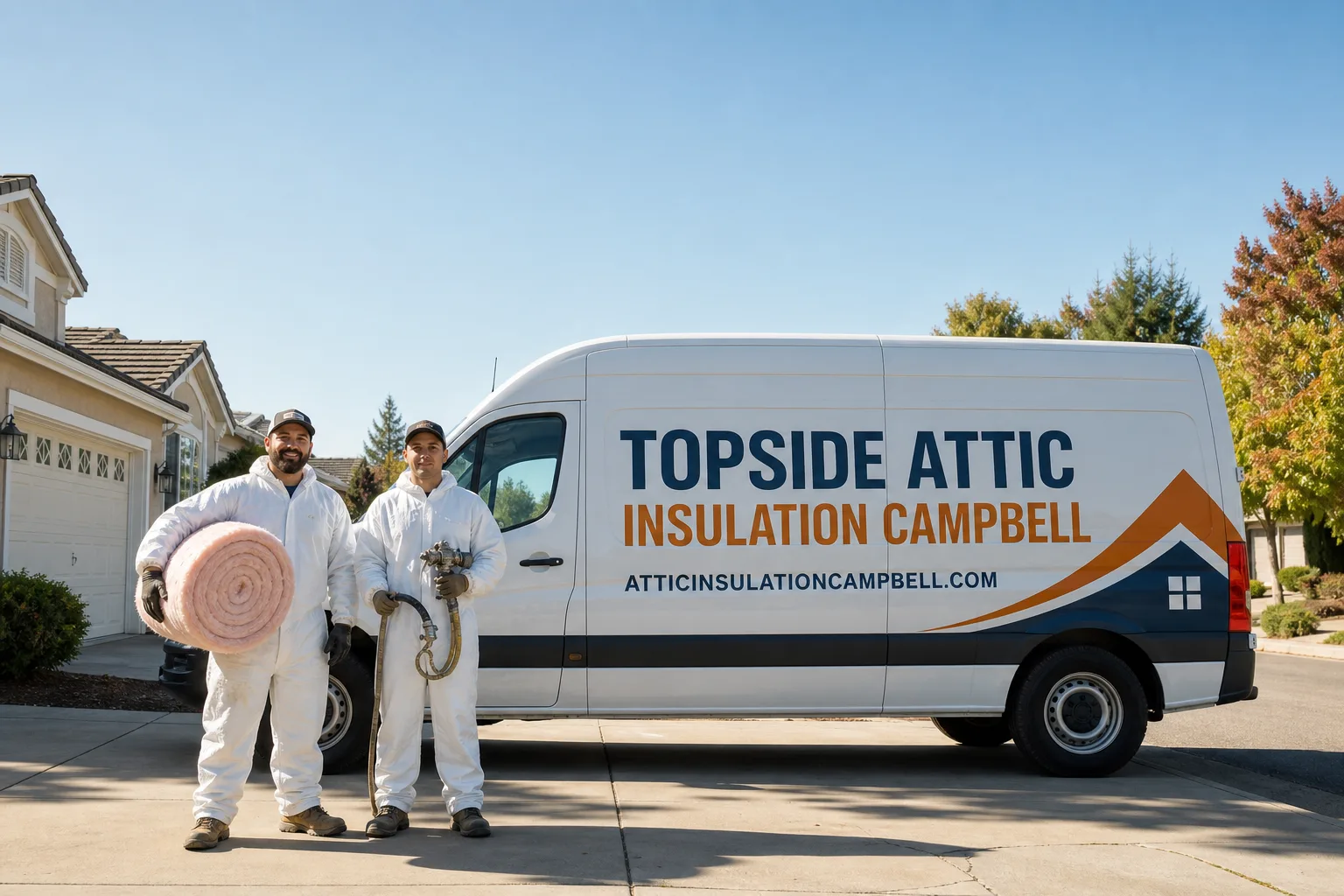
Pricing reflects the Campbell, CA market as of 2026. Topside Attic Insulation Campbell offers free estimates – call (831) 534-3206.
Written by Wes Okafor, Owner at Envelope Insulation Co., serving Campbell, CA since 2016.
What Our Customers Say
"The winter gas bill dropped by about a third. They had estimated a quarter, so they under-promised."
- Genevieve R."They photographed rodent damage in the old insulation that we had no idea about, and priced the exclusion work separately so we could decide."
- Harriet N."Crawl space encapsulation done properly. Photographs of the vapour barrier at every seam, and the damp smell in the hallway is gone."
- Ainsley P.