
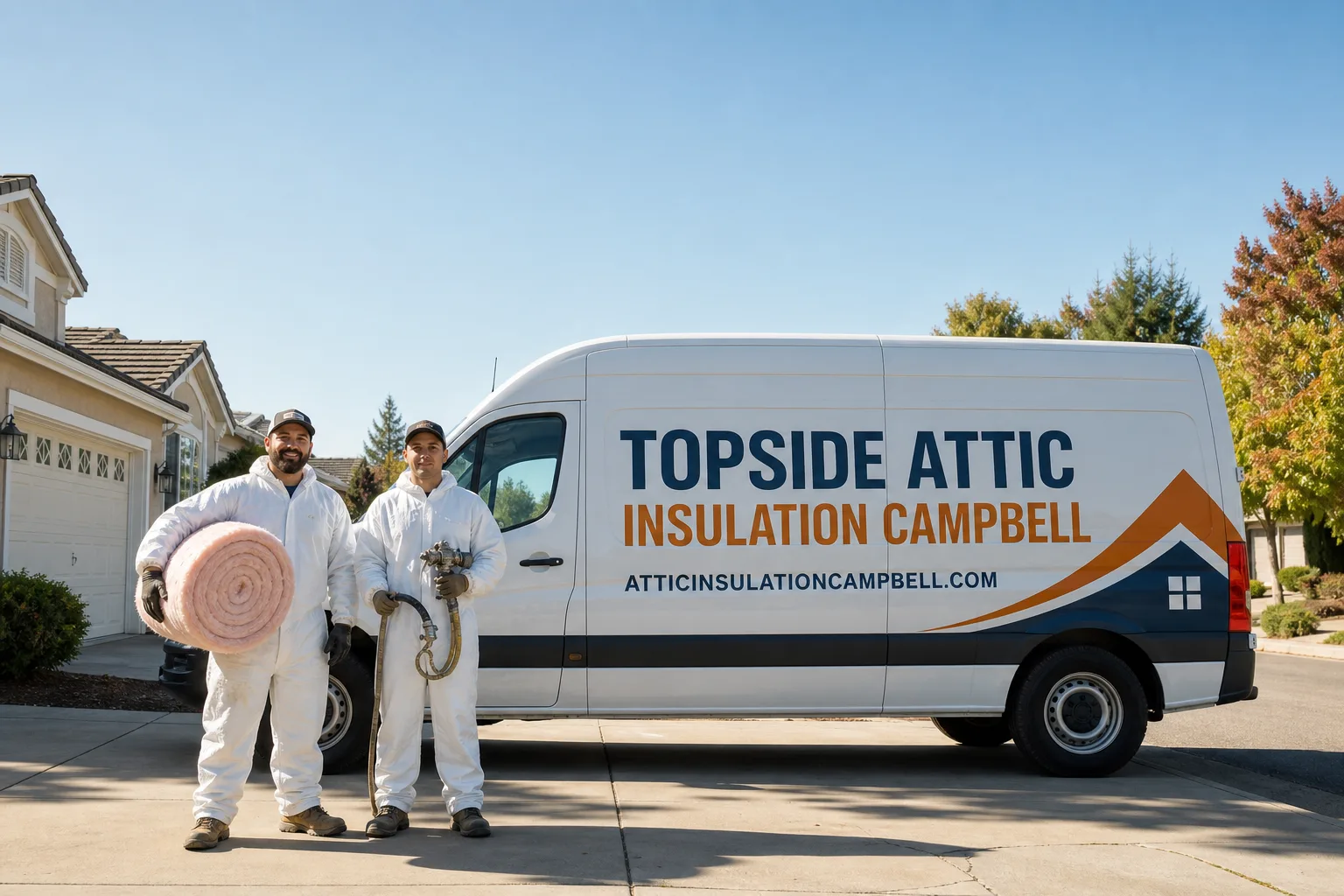
Trusted Blown-In Insulation for Campbell Homeowners
Most homes in Campbell built between 1960 and 1995 are under-insulated by today’s Title 24 standards, losing conditioned air through attics that were originally packed with 3-6 inches of settling material. Blown-in insulation in Campbell typically costs $1.80-$3.20 per square foot installed, with most attic jobs running $2,400-$5,800 depending on existing conditions and target R-value. We’re available same-day for assessments in Campbell, and every estimate comes with a written price before any work starts - call (831) 534-3206.
We’ve sealed and insulated over 9,000 homes since 2016, and Campbell’s specific building stock - along with nearby Saratoga Blown-In Insulation projects - tells a consistent story: ranch-style homes in the Pruneyard area with original R-19 batts compressed to R-13 or less, Eichler-influenced designs in the neighborhood near San Tomas Aquino Creek with unvented roof assemblies that need careful moisture management, and the 1970s split-levels off Bascom Avenue where top plates and wire penetrations leak more air than the windows do. The Santa Clara Valley’s mild marine climate means less extreme temperature swing than inland California, but that also means homes here are designed with less insulation margin - so when the two-week heat waves arrive in August or the December fog traps cold air for days, the deficiency shows up fast.
Our crews work Campbell Blown-In Insulation weekly. We know which neighborhoods have vermiculite in the attic from pre-1990 construction, where the city requires permits for insulation upgrades above certain R-values, and how the older HVAC ducting in Campbell’s post-war stock performs when attic temperatures drop. Wes Okafor set the Haven Standard in 2016 precisely because he saw too many homeowners paying for insulation that was blown over unsealed air leaks - a practice that wastes material and masks the real problem.
What Our Blown-In Insulation Service Includes
Blown-In Cellulose
Cellulose is ground paper fiber treated with borate fire retardant, and it performs well in Campbell’s climate because it manages moisture vapor better than fiberglass in our occasional high-humidity periods. We specify cellulose when the attic has irregular joist spacing, existing wiring that makes batt installation impractical, or when the homeowner wants the highest recycled-content option available. Our crews blow cellulose to settled densities of 1.5-1.8 lbs per cubic foot, and we source from GreenFiber and others - never installing over an unsealed attic floor, which is Haven Standard Clause 1 in practice. The material fills around obstructions better than batts, which matters in Campbell’s older homes where chimney chases and dropped soffits create complex geometry.
Blown-In Fiberglass
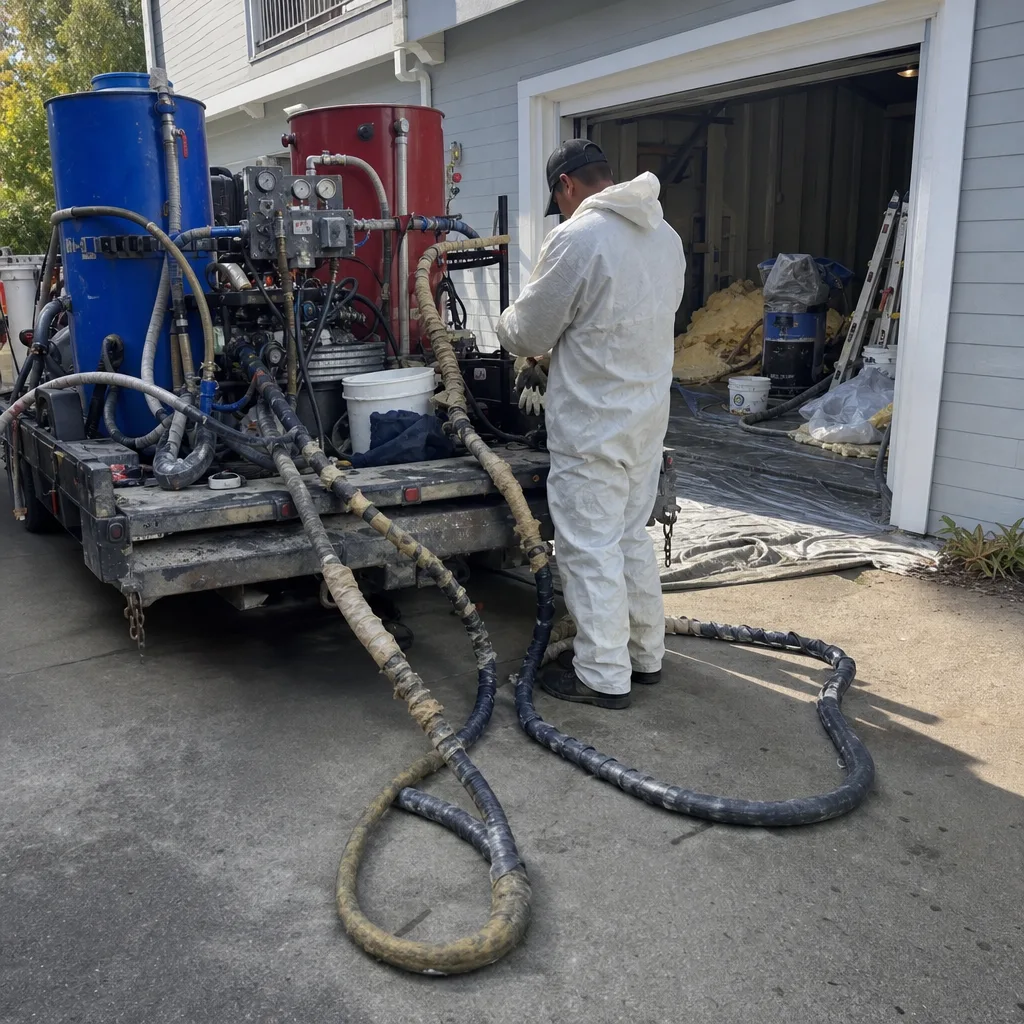
Fiberglass loose-fill is manufactured glass fiber, and it maintains its R-value longer in attics that see significant foot traffic or storage use because it doesn’t compact as readily as cellulose. We specify blown-in fiberglass for Campbell homeowners who need R-38 to R-60 in a single application without excessive weight load on older ceiling drywall, or when the attic has active knob-and-tube wiring that requires a non-conductive material. We stock Knauf and CertainTeed products and install to manufacturer-specified coverage charts - not eyeball estimates - with depth markers placed every 100 square feet so you can verify the work. In the Campbell neighborhoods near Westmont High School, we’ve found fiberglass performs well in the shallow-pitch ranch attics where headroom is limited and every inch of depth counts.
Dense-Pack Wall Insulation
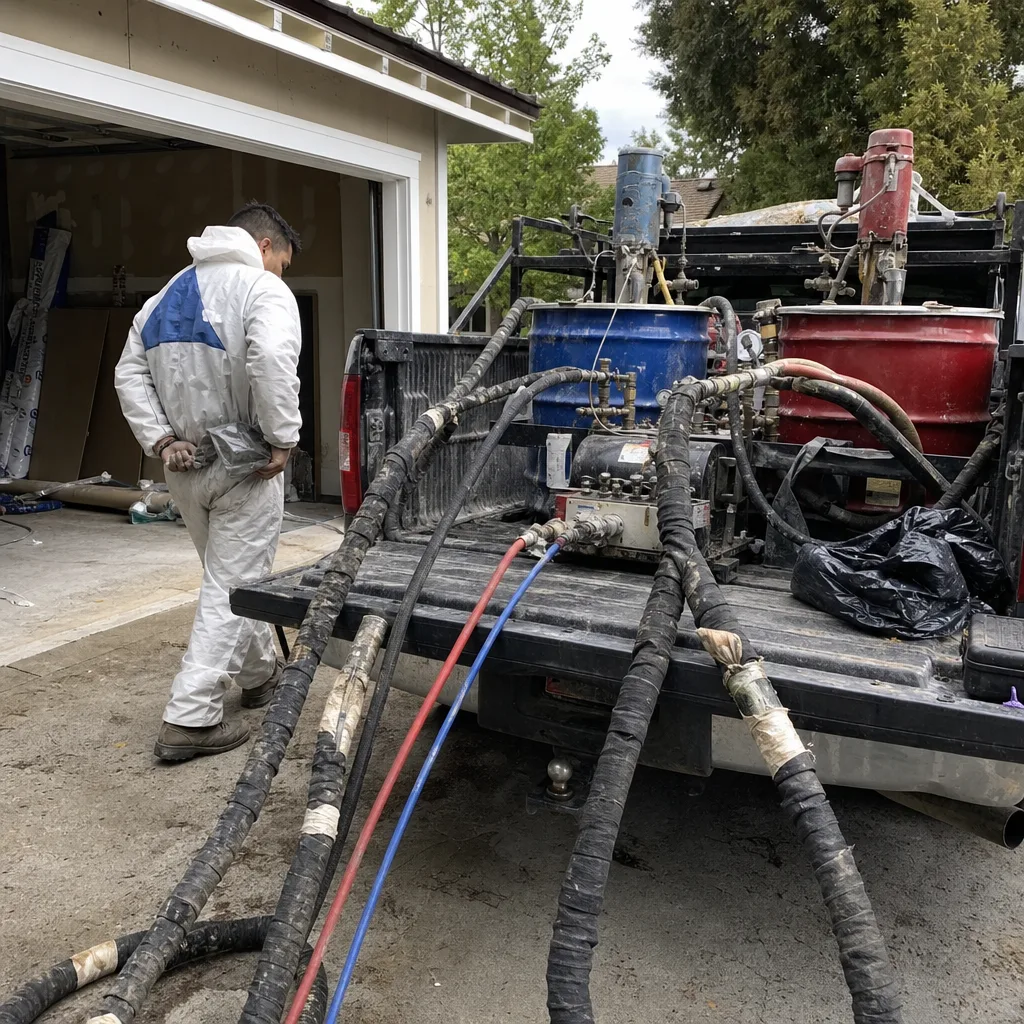
Dense-pack is blown-in cellulose or fiberglass installed in enclosed wall cavities at 3.0-3.5 lbs per cubic foot, dense enough to resist settling and slow air movement through the stud bay. We recommend this for Campbell homes with uninsulated walls - common in construction from the 1950s through early 1970s - and we verify installation quality with infrared camera scanning during the work. The process requires drilling access holes, either from the exterior or interior, and our crews patch with matching texture; in Campbell’s stucco-clad neighborhoods near Campbell Park, we drill through the stucco and install matching patch plugs. Dense-pack only works when the cavity is reasonably airtight, so we always inspect for balloon framing or excessive gaps before quoting - another place where the “sealed first” approach saves homeowners from paying for insulation that won’t perform.
Blown-In Top-Up
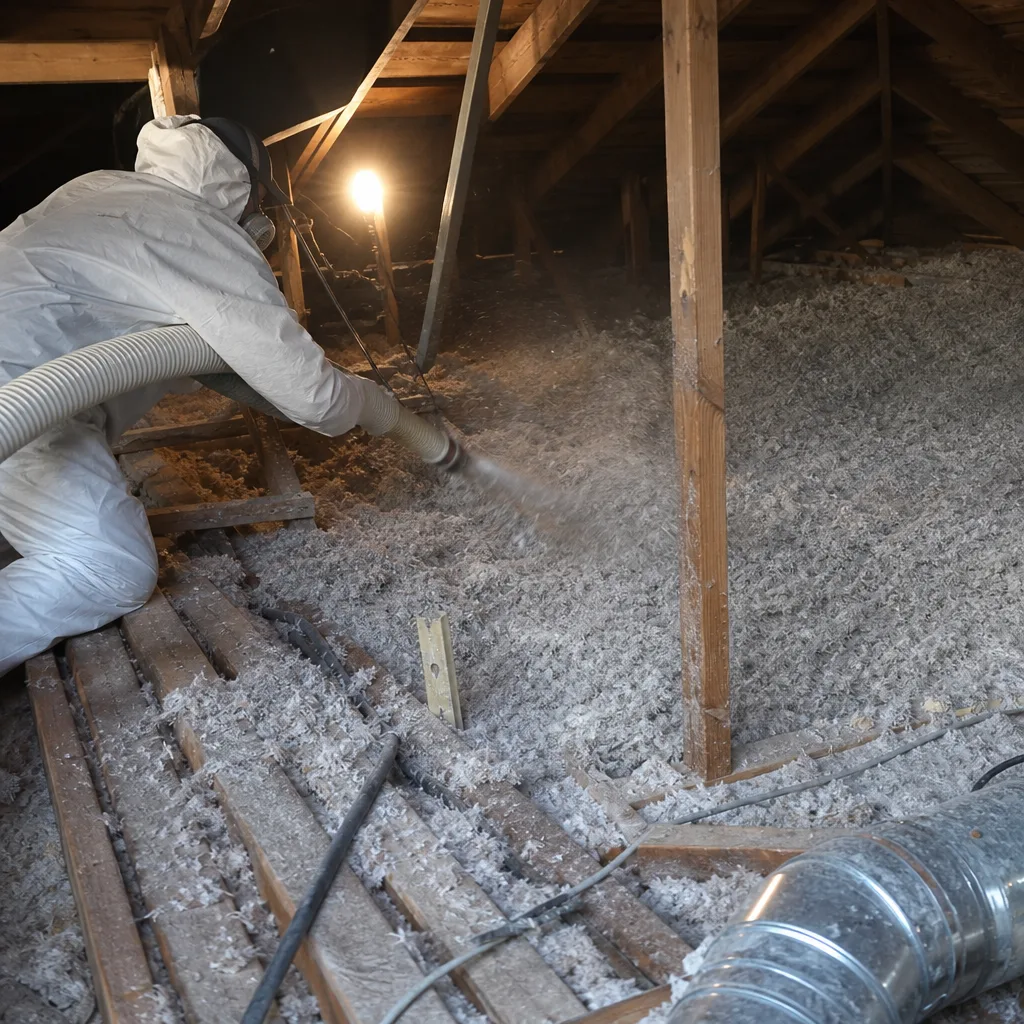
A top-up adds loose-fill material over existing insulation that has settled, been disturbed by prior work, or never met code in the first place. We specify top-ups in Campbell when the existing material is in good condition (no moisture damage, rodent activity, or vermiculite) but simply insufficient for current Title 24 requirements. Our process: measure existing depth, calculate the gap to target R-value, air seal any accessible leaks first, then blow to uniform depth with marked rulers. In the neighborhoods off Hamilton Avenue, we’ve done dozens of top-ups where the original R-19 batt has compressed to R-11 over thirty years - a quick calculation shows the homeowner exactly what they’re gaining for the investment. We never quote a top-up without looking; some “settled” insulation is actually damaged and needs removal first.
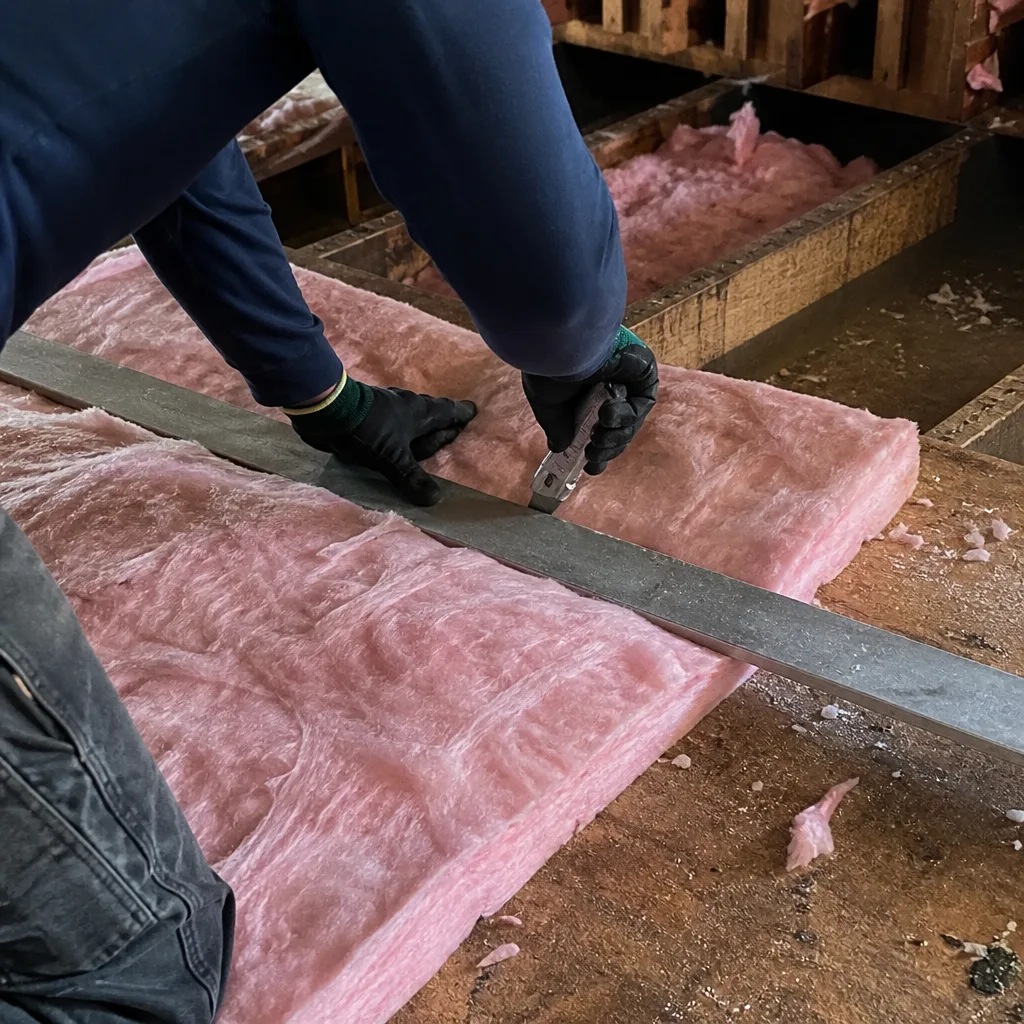
What happens when you call
- 1
A real person answersNo phone trees - you reach a local pro.
- 2
You get an upfront price rangeHonest numbers before anyone is dispatched.
- 3
A background-checked tech heads outLicensed & insured, dispatched right away.
- 4
You approve before work beginsNothing starts until you say go.
Brands We Service for Blown-In Insulation
We install Knauf fiberglass loose-fill in Campbell attics where the homeowner wants a non-combustible material with consistent fiber diameter and low dust during installation. Knauf’s Ecobatt and Jet-Stream products are what we typically specify for the R-49 and R-60 applications common in current Title 24 compliance work, and we’ve run their material through our equipment enough to know the exact blower settings for proper loft and coverage. The manufacturer’s coverage chart is printed on every bag, and our crews match those numbers in the field - not approximate them.
Rockwool’s blown-in stone wool is our specification for Campbell homes with specific fire-resistance requirements, such as those in the Wildland-Urban Interface zones near the foothills, or where the homeowner wants the highest melting point available in a loose-fill material. CertainTeed’s InsulSafe SP is another fiberglass option we stock for high-R-value jobs where the attic framing depth is limited and we need maximum thermal resistance per inch. Whether your existing insulation is one of these brands or any other make - including Owens Corning, Johns Manville, Icynene, Demilec, or GreenFiber products - we can assess its condition and specify the right complement or replacement. No proprietary lock-in means the recommendation follows the building science, not a distributor agreement.
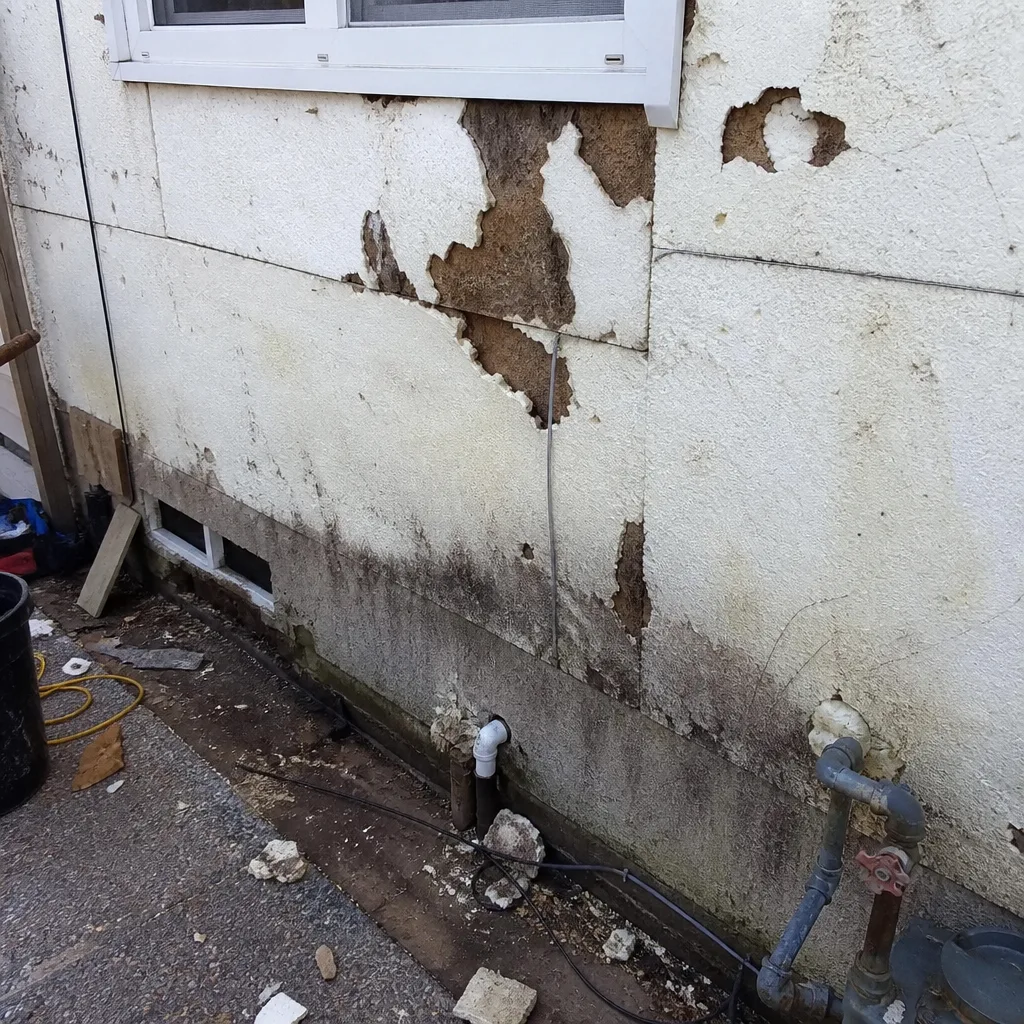 Before
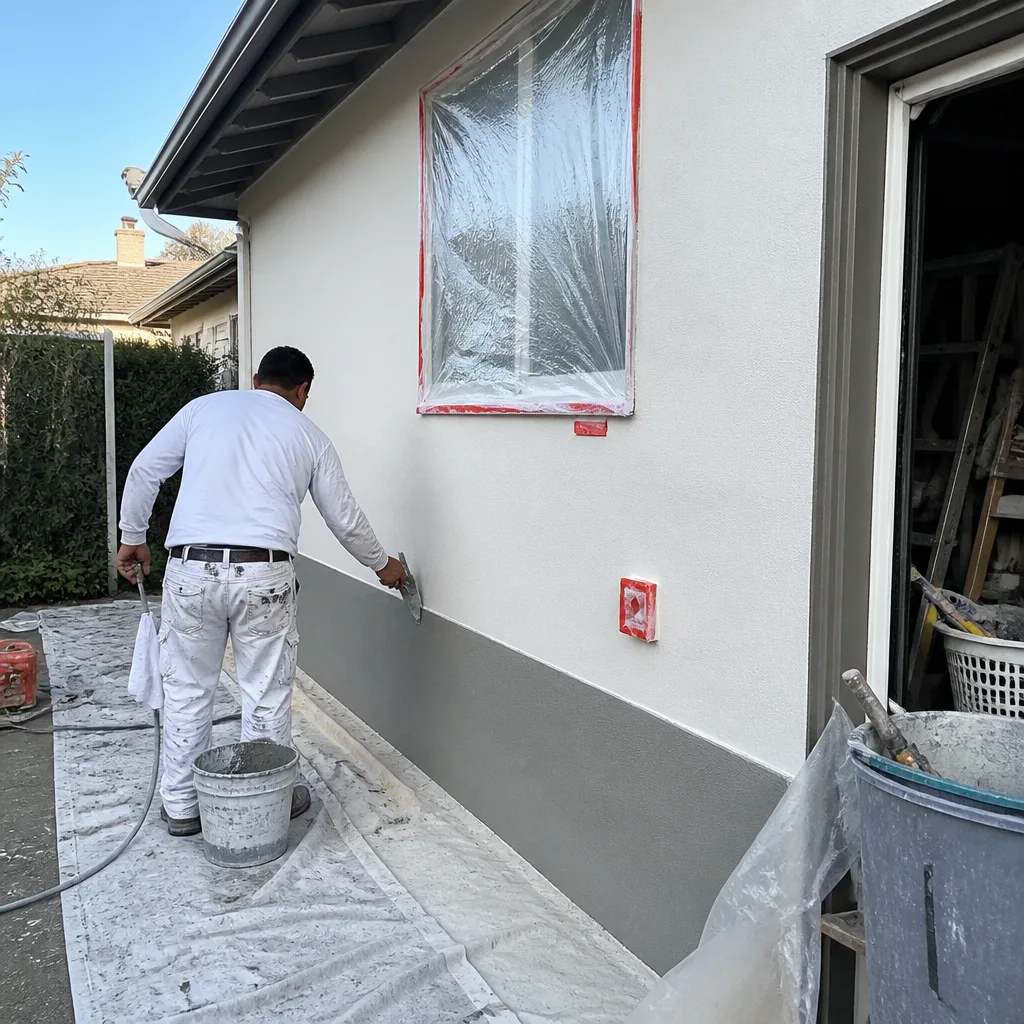 After
AfterSigns You Need Blown-In Insulation Right Now
- Your upstairs rooms run 8-15 degrees warmer than downstairs in summer. This is the signature of an under-insulated or unsealed attic in Campbell’s climate, where solar gain on the roof deck radiates into living space faster than the HVAC can compensate. We’ve measured attic floor temperatures above 140°F in Campbell homes during August afternoons, with the insulation doing essentially nothing because it’s too thin or too compromised.
- Your energy bills spike every August and January despite moderate thermostat settings. Pacific Gas and Electric’s time-of-use rates hit hardest when your home’s thermal envelope is leaking conditioned air. If your summer cooling bills exceed $300 for a single-story Campbell home under 2,000 square feet, the attic is the first place to look - and the fix is usually measurable on the next billing cycle.
- You can see ceiling joists through your existing attic insulation. Code-minimum R-38 in Campbell requires roughly 12 inches of settled fiberglass or 10 inches of cellulose; if joists are visible, you’re likely at R-19 or below. We document this with photos during our assessment, and the “before” image alone usually explains the temperature problem you’ve been living with.
- Your home was built before 1990 and has never had insulation upgraded. Original construction in Campbell’s post-war neighborhoods typically included R-11 or R-19 batts, and Title 24 has been revised upward multiple times since. Even if the original material is still in place, it’s compressed, possibly moisture-stained, and almost certainly bypassed by decades of electrical and HVAC work that created new air leaks.
- You feel drafts near outlets, baseboards, or interior walls on windy days. These aren’t window leaks - they’re pressure imbalances caused by attic air leakage pulling conditioned air out of the house and replacing it with outside air through the building’s lower leaks. Blown-in insulation alone won’t fix this; the air sealing we do first will, and the insulation then maintains the pressure boundary we’ve created.
Our Blown-In Insulation Process - Step by Step
- 1
Assessment and blower-door test. We start with a written appointment time, a named technician, and a text when they’re en route - Haven Standard: Arrive on schedule. The technician runs a blower-door test, a pressurization reading that shows, in one number, how much air your building envelope is losing. In Campbell homes built 1960-1980, we typically see 3,500-6,000 CFM50 before any work; the target after air sealing and insulation is usually 2,000-3,500 depending on home size. We photograph the attic condition, measure existing insulation depth, and identify any hazards: vermiculite, active leaks, knob-and-tube wiring, or structural issues.
- 2
Written scope and price. Before any work starts, you receive a written scope with exact R-value targets, material specifications, air-sealing details, and a flat price. This is Haven Standard Clause 1 - no work begins without it. If you have a competing quote, bring it; we offer a Free Second Opinion and will read it with you line by line.
- 3
Air sealing before insulation. We seal top plates, wire and plumbing penetrations, can light housings, chimney chases, and duct boots with targeted foam, caulk, and fire-rated materials as appropriate. This is the step most contractors skip or charge extra for; we treat it as mandatory because blowing insulation over unsealed leaks is like throwing a blanket over a drafty window - it helps, but it doesn’t solve the problem. The blower-door test is repeated after sealing to document improvement.
- 4
Insulation installation to specification. We set up containment, protect finished spaces, and blow material to uniform depth with depth markers placed per manufacturer requirements. For cellulose, we verify settled density; for fiberglass, we verify coverage against the bag chart. The crew photographs completed work from multiple angles, and these images go into your Documented Photo Record.
- 5
Final verification and documentation. We run a final blower-door test on applicable jobs and provide the before-and-after readings in writing. You receive: the written scope, the written warranty under our 365-Day Done Right Promise, the photo record, and the blower-door numbers. The technician reviews each document with you before leaving. Payment is due only after you’ve received and reviewed everything.
How Much Does Blown-In Insulation Cost in Campbell?
A typical Blown-In Insulation pricing for a Campbell attic runs $2,400-$5,800 for a single-story home between 1,200 and 2,400 square feet, with most falling in the $3,200-$4,500 range. Dense-pack wall insulation for a whole house typically runs $4,500-$9,000 depending on wall area, siding type, and interior access requirements. A simple blown-in top-up over existing sound insulation starts around $1,800 for smaller Campbell homes and ranges to $3,500 when we’re bridging from R-19 to R-38 across a larger footprint.
| Service | Typical Range (Campbell) | Most Common Price Point |
|---|---|---|
| Blown-in cellulose attic, R-38 to R-49 | $2,400 - $4,800 | $3,400 |
| Blown-in fiberglass attic, R-49 to R-60 | $2,800 - $5,800 | $4,100 |
| Dense-pack walls, whole house | $4,500 - $9,000 | $6,200 |
| Blown-in top-up over existing | $1,800 - $3,500 | $2,600 |
What moves the price: existing insulation condition (removal adds $1.00-$2.50 per square foot), attic accessibility (steep pitches, limited hatch access, or truss configurations that restrict blower hose placement), air sealing extent (a home with 40 can lights needs more sealing labor than one with surface-mounted fixtures), and target R-value (Title 24 compliance for new construction or addition tie-ins often requires R-49 or R-60 where existing homes may only need R-38). We don’t quote by phone without seeing the attic; every written price follows a site visit because “typical” doesn’t exist until we’ve measured your specific conditions.
To avoid overpaying: get any competing quote in writing with material specifications, and bring it to us for a Free Second Opinion. Some Campbell homeowners have shown us quotes for R-30 blown over unsealed leaks at prices that exceed our R-49 sealed-and-documented work. The written scope is your protection - compare R-values, air-sealing details, and whether blower-door numbers are included. Our price includes the air sealing, the material, the installation, the photo record, and the performance verification; no line items appear after the written scope is signed.
Blown-In Insulation Near Campbell - Our Service Area
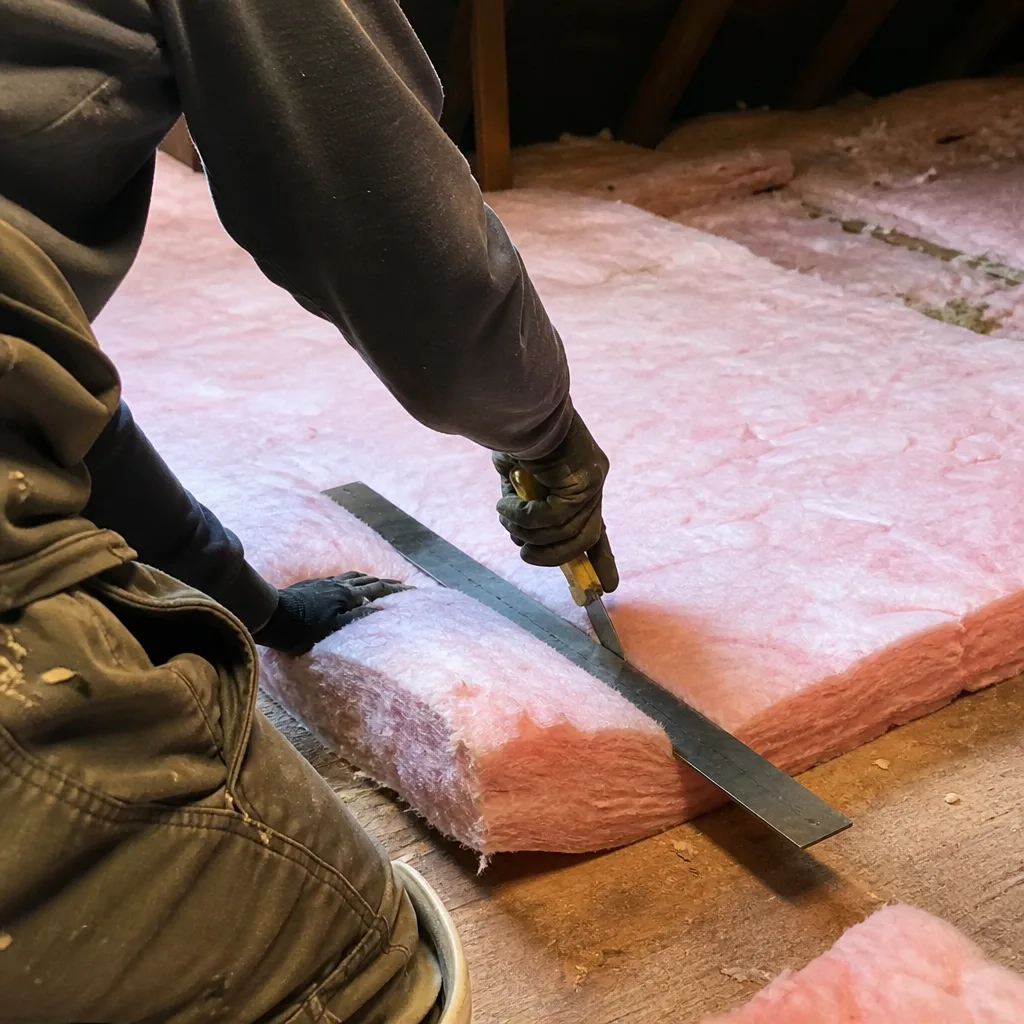
We run blown-in insulation crews throughout the Santa Clara Valley with typical response times under 90 minutes to Campbell, Los Gatos, Saratoga, and Cupertino. Same-day assessments are usually available to Santa Clara, San Jose, Sunnyvale, and Alum Rock; next-day to Los Altos, East Foothills, Mountain View, and Milpitas. The building stock varies by city - Los Gatos has more hillside construction with complex attic ventilation, Saratoga more estate homes with detached accessory buildings, Cupertino more Eichler and Eichler-influenced designs with flat or low-slope roofs - and our crews are assigned by specialization, not just geography. When you call (831) 534-3206, we confirm which technician covers your neighborhood and their specific experience with your home type.
Serving Campbell, CA - Our Local Coverage Area
We’re based in the Campbell area and know this community well. Use the map below to see our service coverage - if you’re nearby, we can almost certainly help.
Frequently Asked Questions - Blown-In Insulation in Campbell
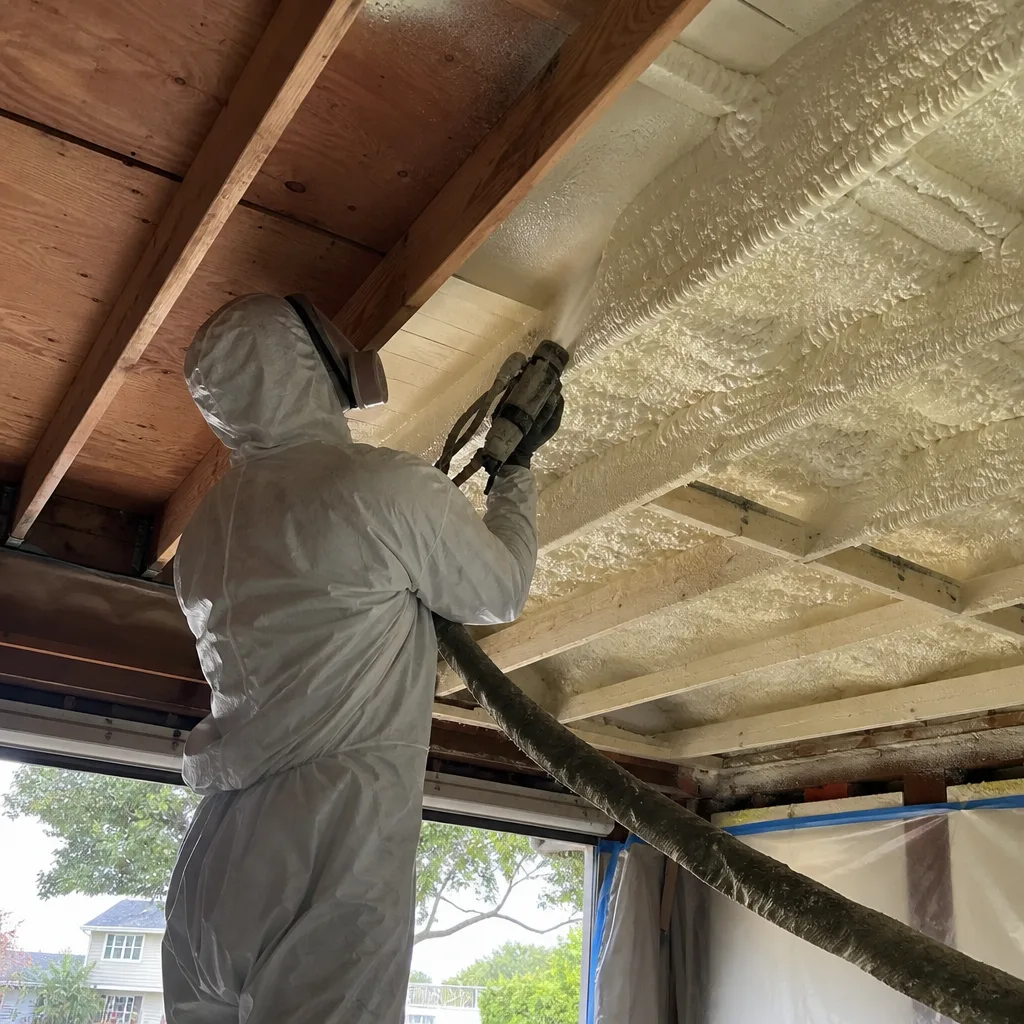
Blown-in insulation is loose-fill cellulose, fiberglass, or mineral wool that a crew blows through a hose into attic floors or wall cavities, where it conforms to irregular spaces and fills around obstructions. Batt insulation is pre-cut fiberglass or mineral wool in blanket form that lays between joists or studs and leaves gaps wherever the framing isn’t perfectly regular. We specify blown-in for most Campbell attics because the area around chimney chases, dropped soffits, and wire runs would otherwise be uninsulated voids.
Most attic jobs in Campbell are completed in one day: 2-3 hours for air sealing, 2-4 hours for blowing and cleanup, plus setup and final documentation. Dense-pack wall work takes 2-3 days because of the access hole drilling, installation, and patch work. We schedule start times, not windows - Haven Standard: Arrive on schedule - and you’ll get a text when the technician is on the way.
Most blown-in attic jobs run $2,400-$5,800 installed, with dense-pack walls at $4,500-$9,000 and simple top-ups starting around $1,800. The exact price depends on your home’s square footage, existing insulation condition, air sealing needs, and target R-value. Call (831) 534-3206 for a free assessment and written price - estimates are free, and we provide a Free Second Opinion on any written competing quote.
Yes - we install Knauf fiberglass, Rockwool stone wool, and CertainTeed loose-fill products regularly, and we can assess, supplement, or replace existing installations from these and other major brands. We don’t have exclusive arrangements with any manufacturer; the specification follows your home’s needs and your preferences, not a distributor quota. If you have an existing system and aren’t sure of the brand, we identify it during assessment.
We answer calls 24/7 with a live person, not voicemail, and same-day assessments are available in Campbell for urgent situations - typically when insulation has been displaced by roof leaks, pest damage, or failed HVAC condensate lines. We don’t treat insulation as a life-safety emergency, but we do recognize that a compromised thermal envelope in August or January becomes a comfort and energy-cost emergency fast. Call (831) 534-3206 and we’ll confirm today’s availability.
Every job is covered by our 365-Day Done Right Promise - if it’s not done right, we make it right - backed by a written warranty delivered before work starts. The warranty covers installation quality, material performance to specified R-value, and the air-sealing work that precedes insulation. We don’t bury exclusions in fine print; the coverage is described in plain language in the written scope you receive and sign before anyone lifts a tool.
Clear a path to the attic hatch and ensure we can access the full attic perimeter; remove stored items you want to keep, as we need to see the entire floor deck. Have your recent PG&E bills available if you want us to correlate energy use with insulation performance, and bring any prior insulation quotes for our Free Second Opinion review. The technician needs 45-60 minutes for a thorough assessment including the blower-door test, photos, and written scope preparation.
Schedule Your Blown-In Insulation Service in Campbell Today
Call (831) 534-3206 to schedule a free assessment. A live person answers 24/7, and we’ll confirm a specific appointment time with a named technician - not a window, not a callback queue. You’ll receive a written price before any work starts, a Documented Photo Record when the crew leaves, and before-and-after blower-door numbers on every applicable job. The 365-Day Done Right Promise applies to everything we do in Campbell, and we offer a Free Second Opinion on any written competing estimate. No obligation, no pressure, no surprises.
Written by Wes Okafor, Owner at Topside Attic Insulation Campbell, serving Campbell since 2016.