
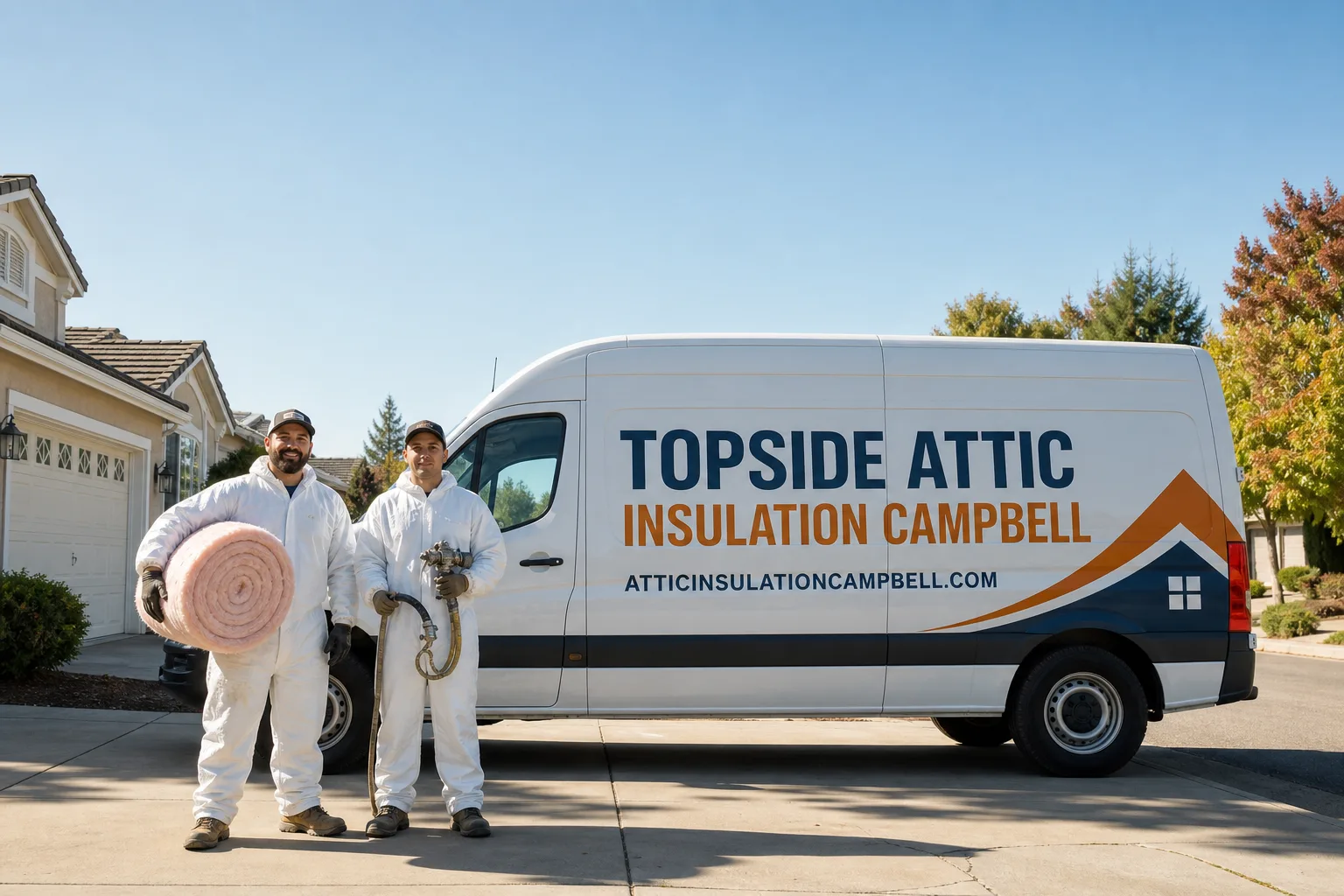
Fast, Reliable Attic Insulation Across San Jose
Most attic insulation jobs in San Jose run between $1,800 and $4,500 depending on whether you’re topping up existing material or pulling degraded batts and starting fresh. Our crews cover the full valley floor from Milpitas to the Almaden foothills, and we typically book site visits within 48 hours for San Jose addresses. Call (831) 534-3206 for a written price before any work starts - that’s Haven Standard Clause 1, no exceptions.
We’ve sealed and insulated over 9,000 homes since 2016, and the Santa Clara Valley builds its own case for why this work matters here. San Jose sits inland from the cooling marine layer that moderates coastal Bay Area cities, so summer attic temperatures in the region’s vast stock of 1950s-1970s pre-Title 24 tract homes routinely exceed 140°F. Combined with PG&E’s near-nation-leading residential electricity rates, attic air-sealing and radiant barrier retrofits deliver far greater ROI here than in neighboring coastal cities like San Francisco or Santa Cruz. The retrofit pitch is uniquely urgent and financially concrete - not theoretical, not someday.
Why Topside Attic Insulation Campbell Is San Jose’s Preferred Attic Insulation Company
Our San Jose customers come back with specific feedback: they mention the blower-door numbers, the photo record, the written scope they got to keep. We don’t track star ratings as a marketing metric, but we do track callback rate - it’s under 2% across all 9,000 jobs. That’s the number that matters.
Response time to San Jose neighborhoods averages same-day or next-day for site visits, with crews dispatched from our San Francisco Bay Area coordination office. Berryessa, Alum Rock, Cambrian, Blossom Valley - we know which tract developments have the 2×4 framing with original R-11 batts, which Willow Glen blocks have the zero-wall-cavity Craftsman builds, where the Santa Clara Valley heat bakes attics hardest.
Local knowledge shows up in the details. We know that Title 24 compliance triggers when a San Jose homeowner pulls a permit to replace a 1970s furnace or add first-time AC. HVAC contractors here are a major referral source because they see the job stall when insulation isn’t scoped in. We coordinate with those contractors so the homeowner isn’t caught surprised by a mid-project compliance hold.
Every job closes with a Documented Photo Record and, on applicable work, before-and-after blower-door readings. The 365-Day Done Right Promise applies to all completed work. A live person answers calls 24/7 - no voicemail loops, no callback windows measured in business days.
Our Attic Insulation Services in San Jose
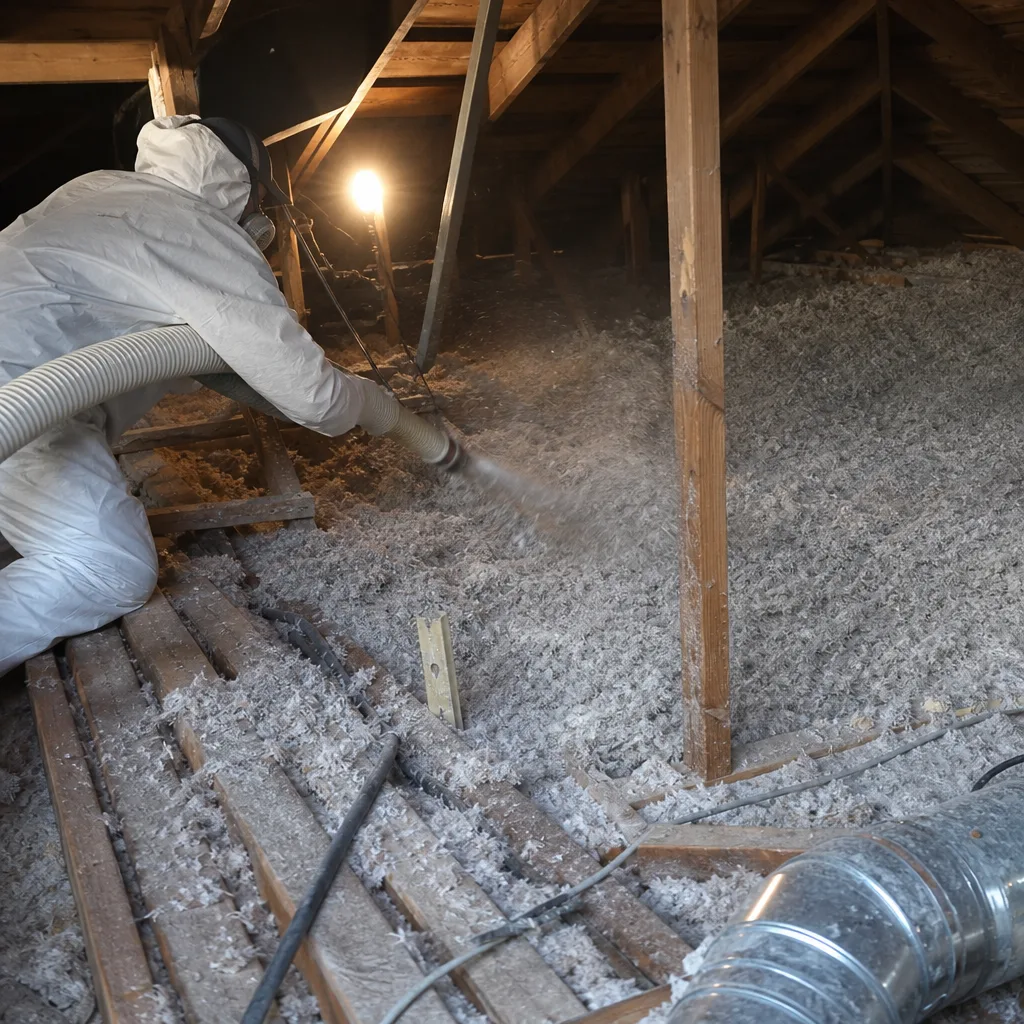
Blown-In Attic Insulation
Blown-in fiberglass or cellulose is the standard retrofit for San Jose’s ranch-style tract homes in Berryessa, Alum Rock, and Blossom Valley - the dominant housing stock built during the first Silicon Valley expansion. We use Owens Corning, Johns Manville, Knauf, and GreenFiber materials, selected per job rather than locked to any proprietary product. The process starts with air sealing: top plates, can lights, penetrations, and the furnace flue collar get sealed before any insulation touches the attic floor. Then we install baffles at the eave vents to maintain soffit-to-ridge airflow, and blow to the target R-value - typically R-38 for San Jose’s climate zone. Without that sealing sequence first, you’re paying to insulate a sieve.
Attic Batt Insulation
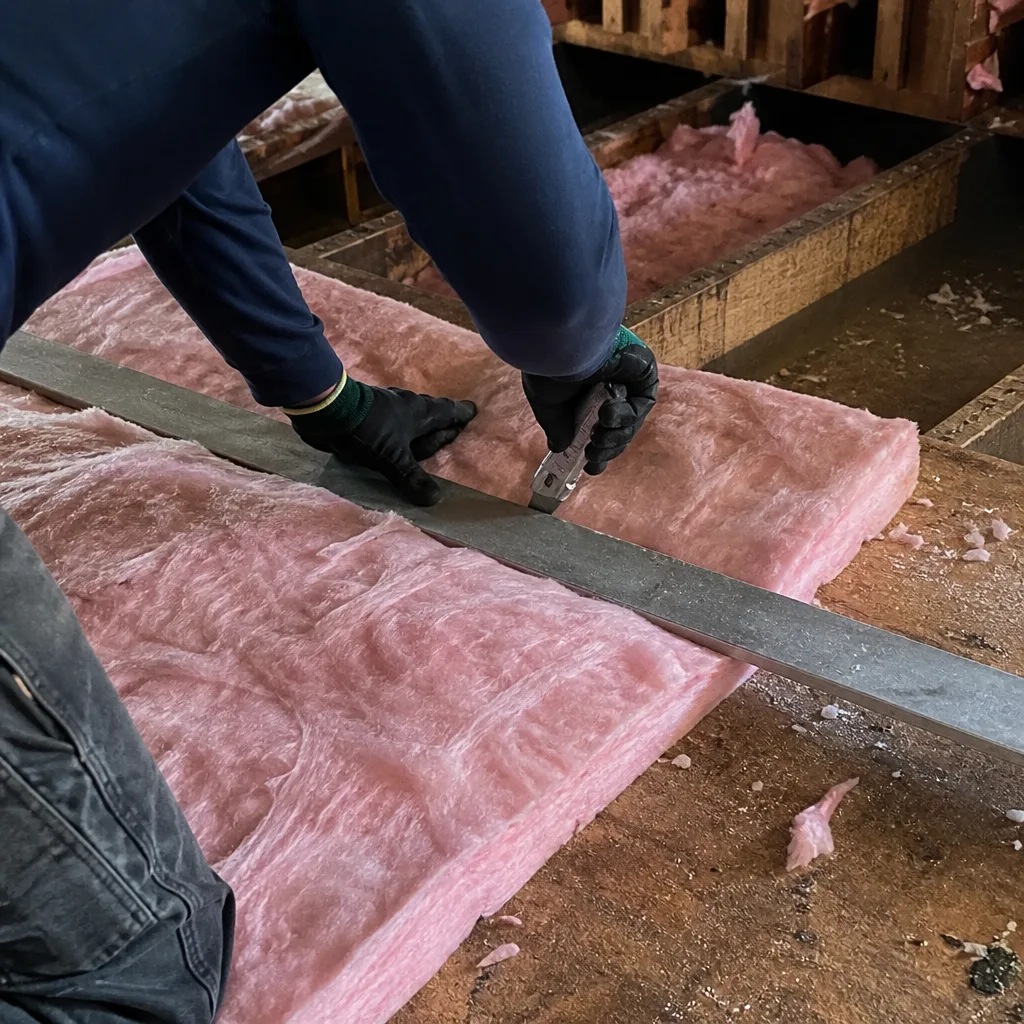
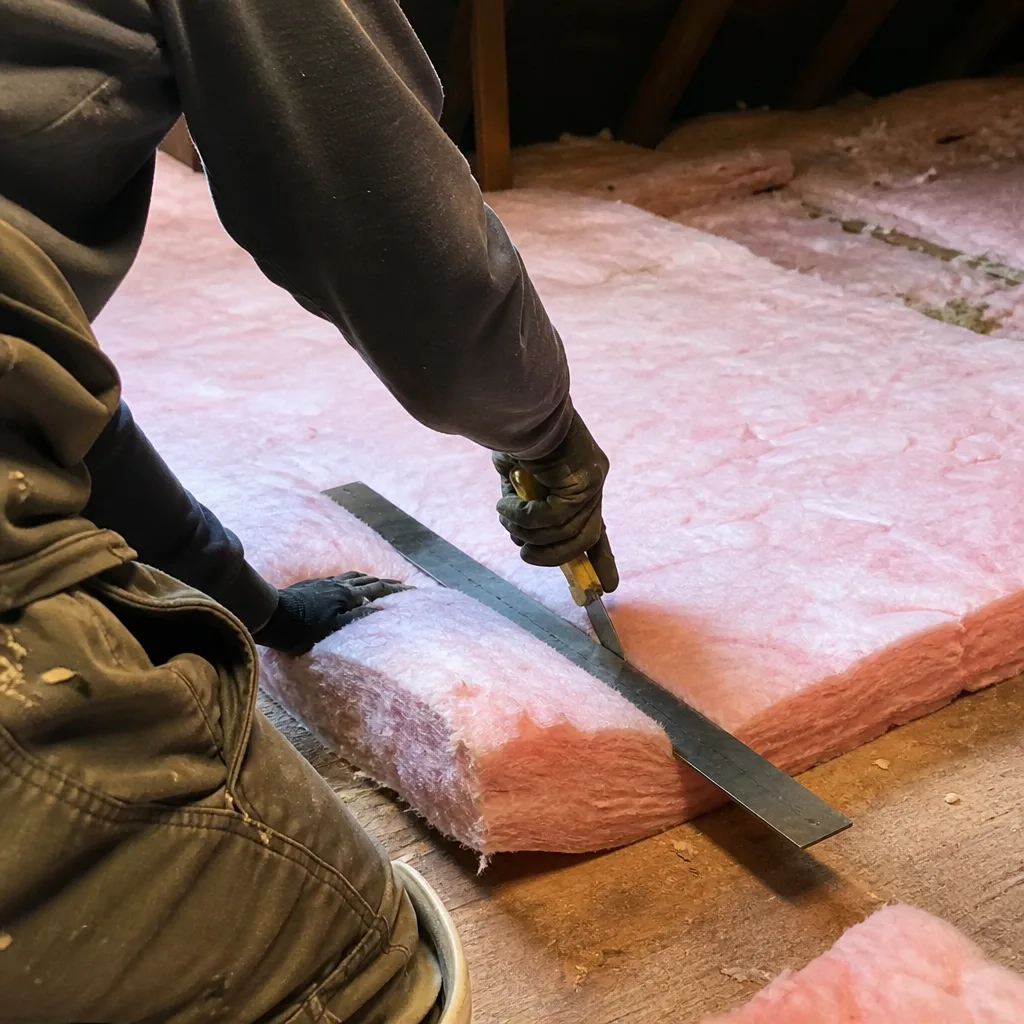
New construction and deep-energy retrofits in San Jose sometimes call for batt installation - fiberglass or mineral wool batts laid to precise depth between joists or rafters. We stock Rockwool and CertainTeed batts for jobs where dimensional stability matters, or where fire resistance is a priority factor. Batt work demands tighter installation discipline than blown-in: no compression at electrical boxes, no gaps at framing members, vapor retarder orientation correct for the assembly. Our crews measure and cut per cavity, not per run. In San Jose’s 140°F attic conditions, a compressed batt loses 30% or more of its labeled R-value. We don’t let that pass.
Attic Insulation Top-Up
This is the most common call we get from San Jose homeowners - and the one most often done wrong by others. A top-up only works if the existing insulation is dry, uncontaminated, and the attic floor is already sealed. In a 1968 Berryessa ranch off Sierra Road, our crew opened the attic to find the original R-11 fiberglass batts compressed to less than an inch over the ceiling joists, with rusted nail-plate fasteners and a corroded furnace flue collar showing the salt-air and humidity cycling that inland-from-the-bay attics still get. We air-sealed the top plates and can lights, installed baffles at the eave vents, and blew Owens Corning fiberglass to R-38 with a radiant barrier stapled to the rafters. The homeowner’s summer AC runtime dropped noticeably within the first PG&E billing cycle. A top-up over that original mess would have been money thrown into the attic - literally.
Attic Insulation Replacement
When existing batts are water-stained, rodent-compromised, or compressed past recovery, we pull everything, inspect the deck, remediate what we find, and rebuild the thermal layer correctly. San Jose’s older homes in Willow Glen and Rose Garden sometimes need this plus dense-pack drill-and-fill for the wall cavities - an attic-only scope leaves the biggest heat-gain path untouched in those zero-cavity bungalows. Replacement jobs get the full sequence: written scope, photo documentation of the empty cavity condition, air sealing, baffles, then new insulation to spec. You get the before-and-after blower-door test if the job scope includes air sealing - a pressurization reading that shows, in one number, how much conditioned air your building envelope was losing before and after the work.
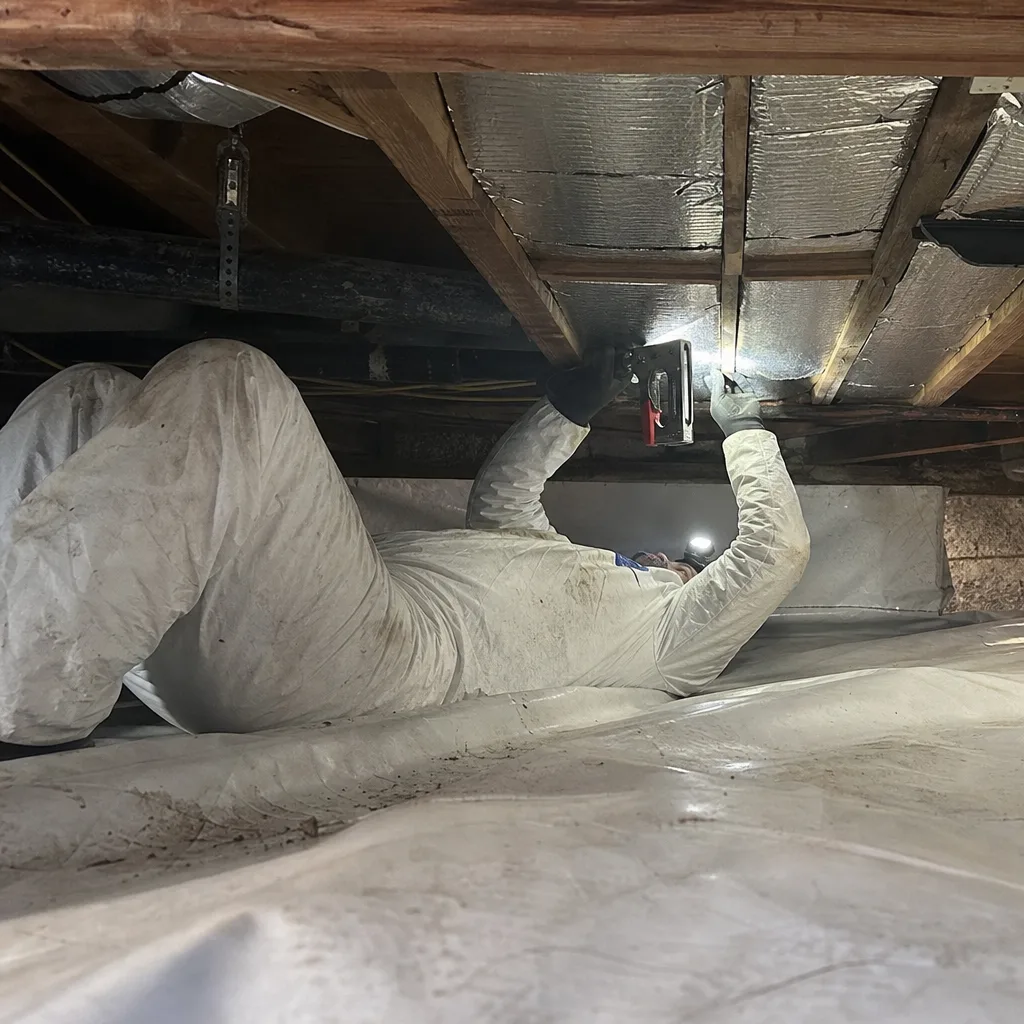
Attic Baffles & Ventilation Prep
San Jose’s hot-dry summers and wide diurnal swing mean attic ventilation isn’t optional - it’s load management. Baffles maintain the soffit-to-ridge airflow path after insulation goes in, preventing wind-wash at the eaves and keeping the roof deck within temperature range. We install baffles as standard on every blown-in job, not as an add-on. In tract homes with original small gable vents and no ridge vent, we flag the limitation and discuss options. Ventilation prep is the difference between insulation that performs for decades and insulation that cooks itself into ineffectiveness.
What happens when you call
- 1
A real person answersNo phone trees - you reach a local pro.
- 2
You get an upfront price rangeHonest numbers before anyone is dispatched.
- 3
A background-checked tech heads outLicensed & insured, dispatched right away.
- 4
You approve before work beginsNothing starts until you say go.
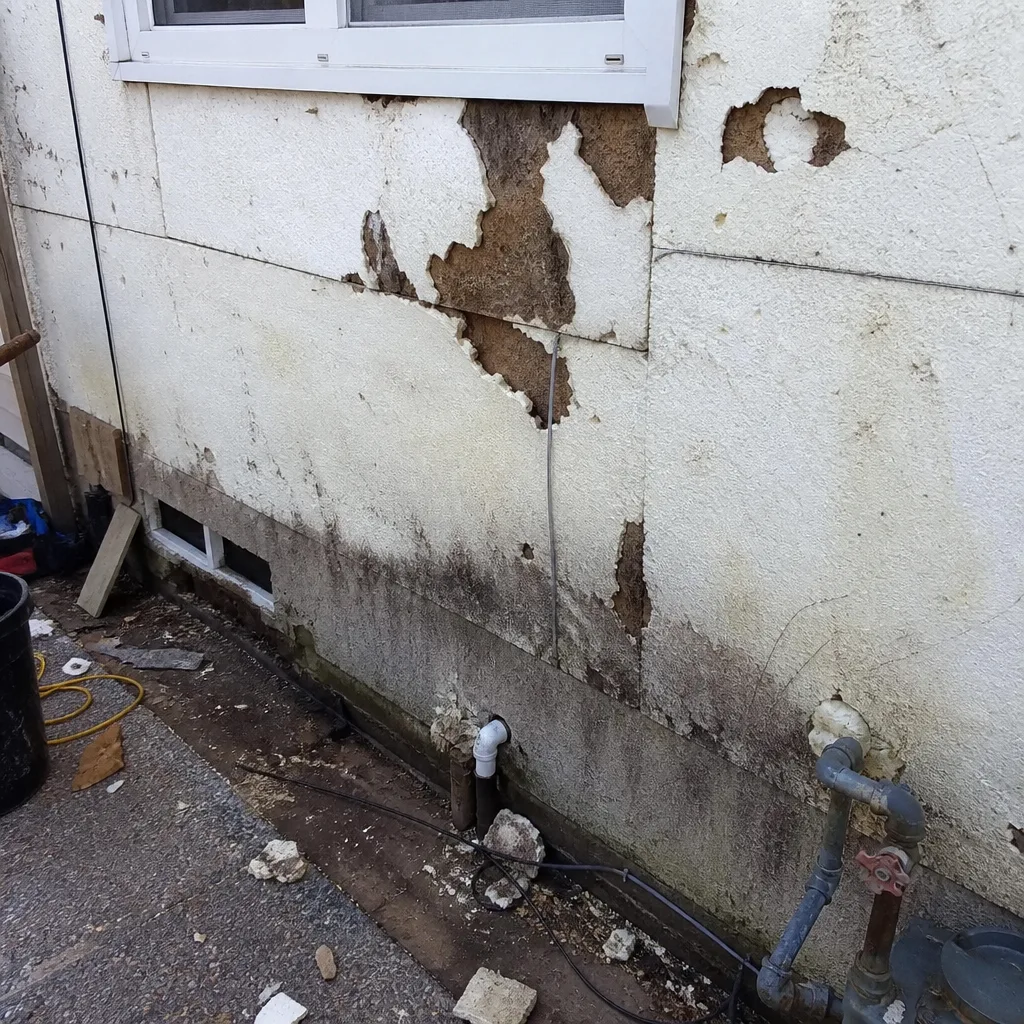 Before
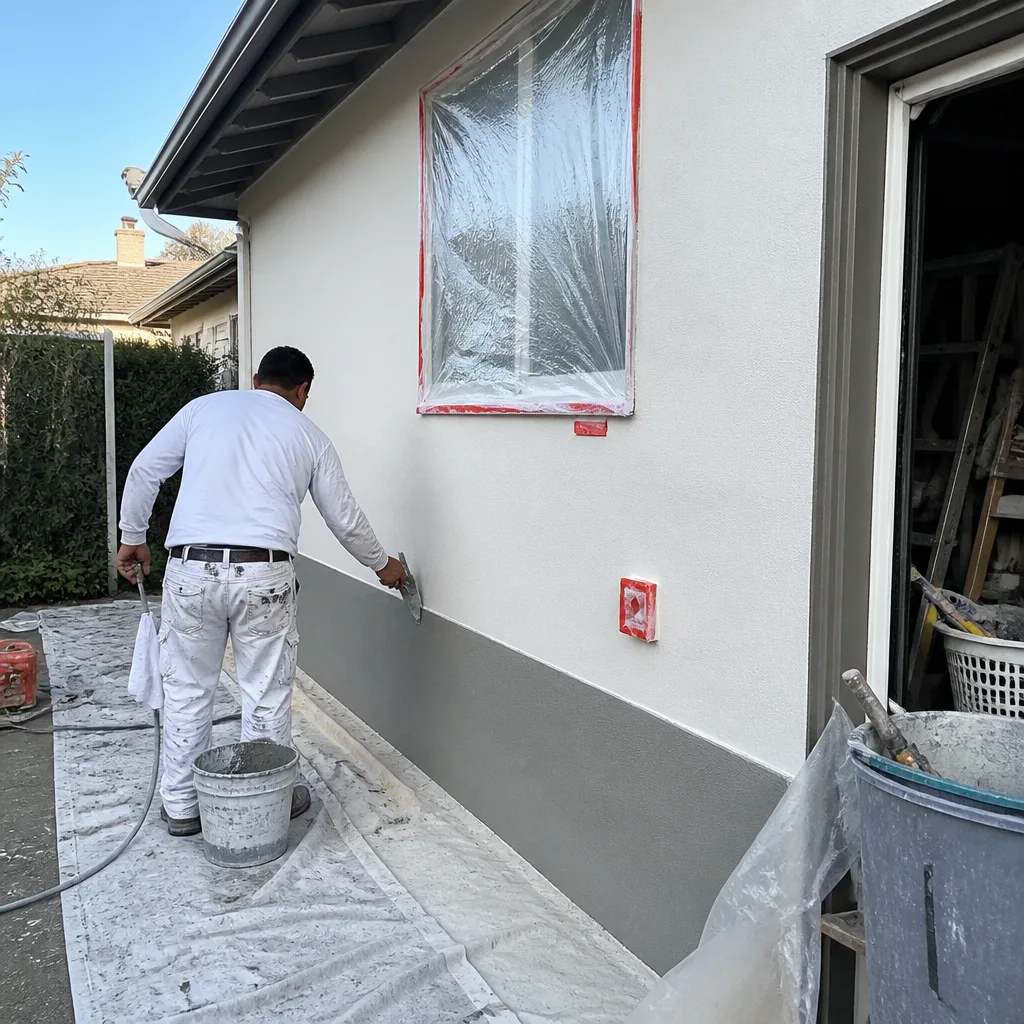 After
AfterTrusted Brands We Service in San Jose
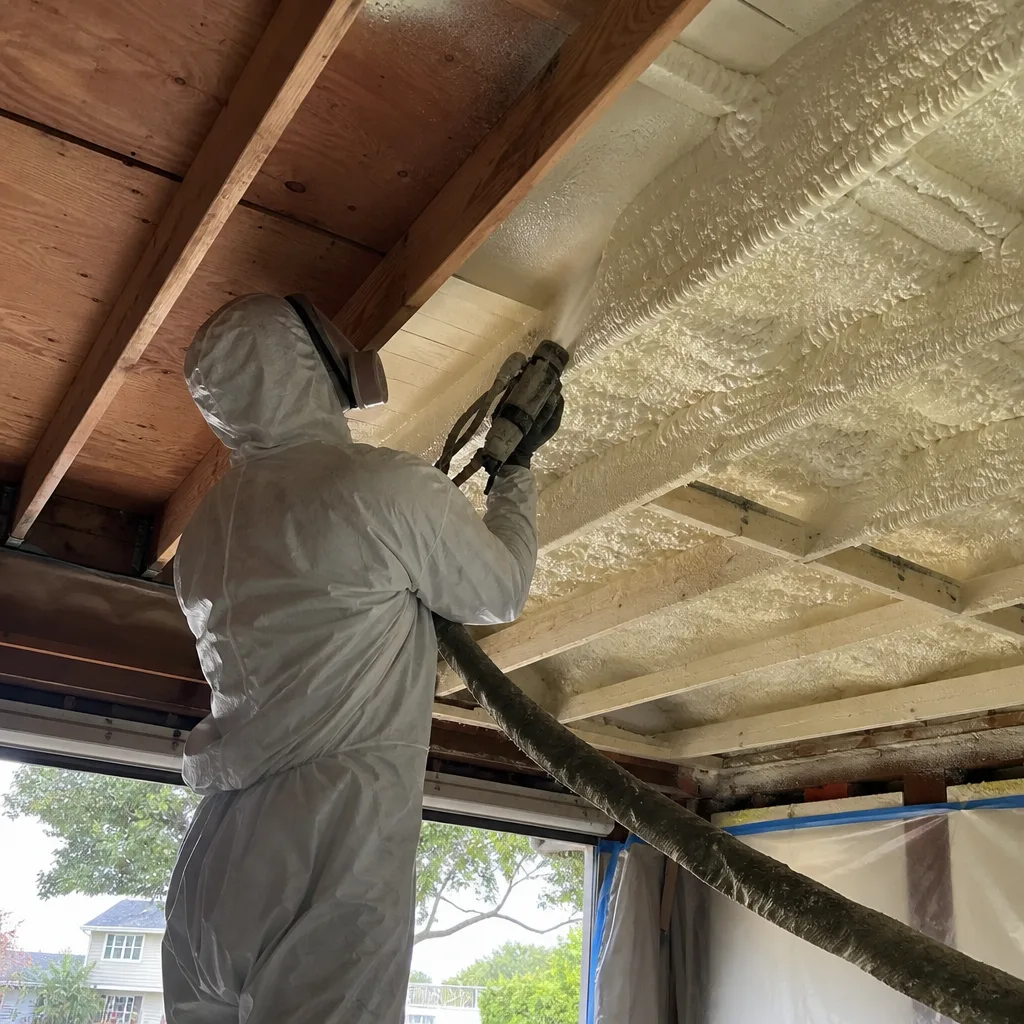
We source from Owens Corning, Johns Manville, Knauf, Rockwool, CertainTeed, Icynene, Demilec, and GreenFiber - no proprietary product lock-in, no house-brand markup. For San Jose jobs, we stock Rockwool and CertainTeed batts locally for same-day replacement work, and carry Icynene and Demilec spray foam for custom applications where air sealing and insulation need to happen in one pass. Material selection is scoped to the job, not forced by distributor agreements. You get the product that fits your assembly, your budget, and your performance target.
Common Attic Insulation Problems We See in San Jose Homes
- Compressed original batts in 1950s-1970s ranch homes. The post-WWII tract housing concentrated in Berryessa, Alum Rock, East San Jose, Cambrian, and Blossom Valley was built with 2×4 framing and fiberglass batts that have sagged and compressed to well below R-13. The top plates, can lights, and furnace flue remain unsealed bypasses dumping 140°F+ attic air into conditioned space.
- Corroded hardware from marine air cycling. Coastal-marine air moving over the Santa Clara Valley corrodes fasteners, flue collars, and older HVAC penetrations in San Jose attics. Top-up insulation laid over corroded hardware fails inspection and needs re-sealing before it will perform. We find this on roughly one in three attic openings in older neighborhoods.
- Title 24 compliance surprises during HVAC replacement. California’s energy code requires an insulation compliance upgrade whenever a permitted HVAC system replacement is pulled in a pre-code home. San Jose homeowners replacing the original 1970s furnace or adding AC for the first time routinely get flagged mid-project. We scope the insulation upgrade so the HVAC crew can keep moving.
- Zero wall cavity insulation in Willow Glen and Rose Garden bungalows. Older Craftsman and Spanish-stucco homes in these neighborhoods present a different challenge: no wall cavity insulation at all. An attic-only retrofit leaves the dominant heat-gain path unaddressed. We add dense-pack drill-and-fill through exterior walls where the homeowner wants full-envelope performance.
Pricing for Attic Insulation in San Jose, CA
| Service | Typical Range in San Jose |
|---|---|
| Attic Insulation Top-Up (air-sealed, blown to R-38) | $1,800 - $3,200 |
| Attic Insulation Replacement (remove, remediate, rebuild) | $3,000 - $5,500 |
| Attic Air Sealing + Baffles Only | $1,200 - $2,400 |
| Radiant Barrier Retrofit (rafter-stapled, with insulation) | $2,800 - $4,500 |
| Spray Foam (open-cell, select applications) | $4,500 - $7,500 |
What moves the number: attic square footage, existing material condition, accessibility (cathedral ceilings run higher), whether air sealing is scoped, and if radiant barrier is included. We don’t quote over the phone without photos or a site visit - but we do provide a written price before any work starts, always. Free Second Opinion on any written estimate: bring us a competing quote and we’ll read it with you. Call (831) 534-3206 to schedule.
We Also Serve Cities Near San Jose
Our Attic Insulation crews work throughout the South Bay, including Milpitas, Santa Clara, Sunnyvale, and Campbell. Same scheduling, same Haven Standard, same documented closeout on every job.
Serving San Jose, CA - Our Local Coverage Area
We’re based in the San Jose area and know this community well. Use the map below to see our service coverage - if you’re nearby, we can almost certainly help.
FAQs - Attic Insulation in San Jose
San Jose’s inland Santa Clara Valley location leaves it unmoderated by the marine layer, so attic temps in the 1950s-1970s ranch tract homes of Berryessa and Blossom Valley routinely top 140°F while SF and Santa Cruz attics stay 30-40°F cooler. PG&E’s near-nation-leading rates make the AC-load reduction from a radiant barrier plus air-sealing retrofit pay back far faster than in coastal Bay cities. The combination of extreme attic heat and expensive cooling creates a financial case that’s concrete, not theoretical. Call (831) 534-3206 for a written price on your specific home.
Almost certainly full replacement. Original fiberglass batts from that era have compressed to a fraction of their labeled R-value, and the attic floor underneath hasn’t been air-sealed to modern standards. A top-up over degraded material traps moisture, hides corroded hardware, and wastes your money. We pull the old material, inspect and seal the deck, then rebuild with new blown-in insulation to R-38. The homeowner gets a photo record of the empty cavity and the finished job. Call (831) 534-3206 - estimates are free, and the written price comes before any work starts.
Yes, if the replacement is permitted in a pre-Title 24 home. California’s energy code triggers an insulation compliance upgrade whenever a permitted HVAC system replacement is pulled. San Jose homeowners replacing 1970s furnaces or adding first-time AC get flagged mid-project if the attic R-value doesn’t meet current standards. We coordinate with HVAC contractors to scope the insulation upgrade in parallel so the job doesn’t stall. If you’ve got a permit application in progress, call (831) 534-3206 and we’ll read the compliance requirement with you.
Coastal-marine air cycling over the Santa Clara Valley corrodes fasteners, flue collars, and older HVAC penetrations even in inland San Jose neighborhoods. We find rusted nail plates and deteriorated flue collars on roughly one in three attic openings in older homes. Insulation installed over corroded hardware fails to perform and can create safety issues with gas appliance venting. Our crews inspect every penetration, replace or reseal as needed, and document the condition in your photo record. Call (831) 534-3206 for a site inspection.
Yes, but with a caveat. Willow Glen and Rose Garden Craftsman and Spanish-stucco bungalows often have zero wall cavity insulation, so an attic-only retrofit leaves the dominant heat-gain path untouched. We recommend adding dense-pack drill-and-fill wall insulation alongside the attic work for full-envelope performance. The attic upgrade alone will improve ceiling heat gain and meet Title 24 compliance, but the summer cooling bill impact is partial until the walls are addressed. We scope both paths and give you a written price for each so you can decide. Call (831) 534-3206 to walk through the options.
Written by Wes Okafor, Owner at Topside Attic Insulation Campbell, serving San Jose since 2016.