
Last updated September 24, 2026
The Complete Guide to Insulation in Campbell
A house in Campbell can lose more heat through a 12-square-inch gap around a recessed light than through 40 square feet of R-13 wall cavity. Yet most insulation guides open with batt versus blown comparisons and never mention the gap at all. Campbell’s mild-but-variable climate - marine layer mornings, 90-degree summer afternoons, and cold radiative nights - creates a specific insulation problem stack that generic R-value guides from national sites never address. In this guide, we’ll map the actual building science behind each assembly type to Campbell’s microclimate, so you stop buying R-value and start buying measured performance. For more guides & resources on Campbell-specific home performance, see our blog.
Quick Answer
The most effective insulation strategy in Campbell prioritizes attic air sealing before adding insulation, targets the roof assembly and crawl space as equally important as walls, and verifies results with a blower-door test. Most Campbell homes built between 1960 and 1990 have adequate R-value but poor air tightness, meaning conditioned air escapes faster than thermal conduction through the insulation itself. The best return comes from sealing top plates, can lights, and duct penetrations first, then adding blown cellulose or fiberglass to R-38 to R-49 in the attic, with crawl space encapsulation where moisture is present.
Table of Contents
- How Campbell’s Microclimate Changes What You Need
- Why Air Sealing Must Come First
- Insulation Materials Compared for Zone 3C
- Attic Insulation Strategy for Campbell Homes
- Walls, Crawl Spaces, and Radiant Barriers
- Reading a Blower-Door Test: What the Numbers Mean
- Title 24, Permits, and What to Ask Your Contractor
- What Insulation Costs in Campbell
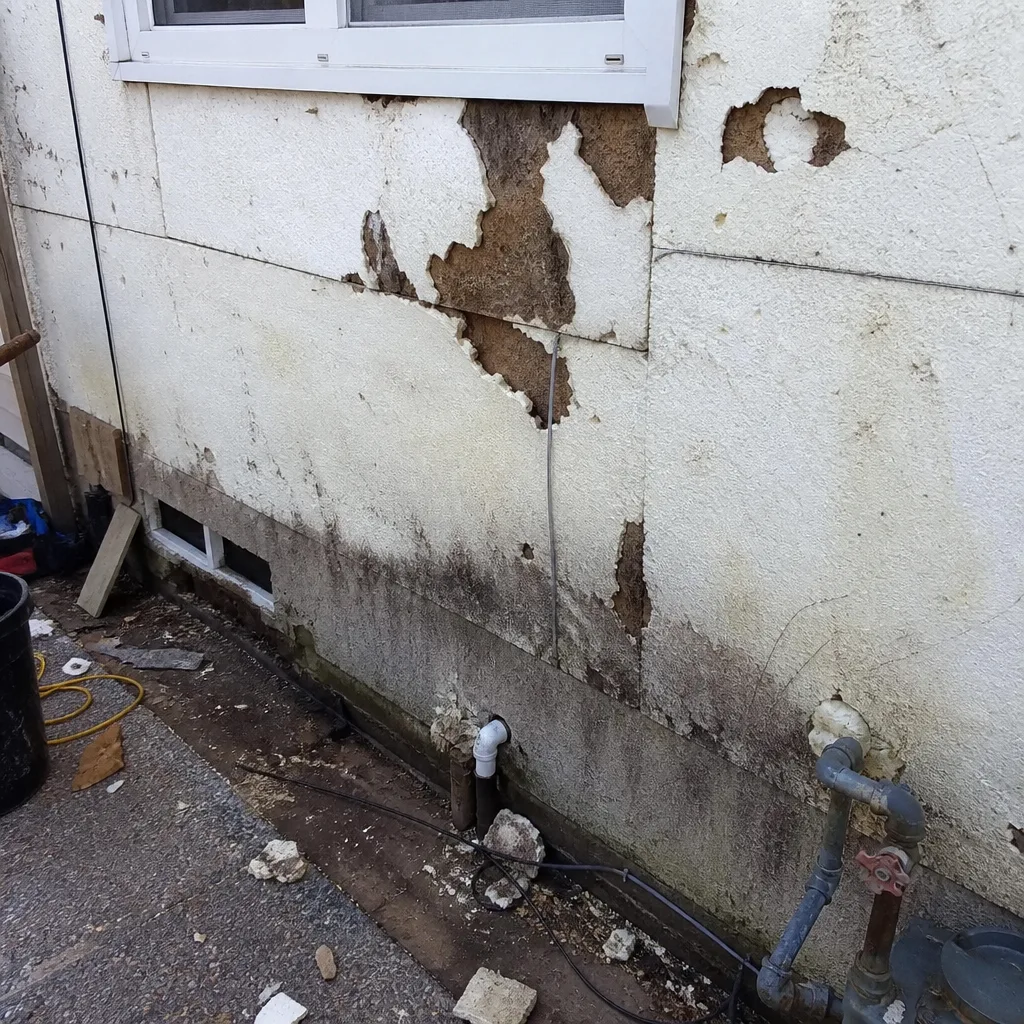 Before
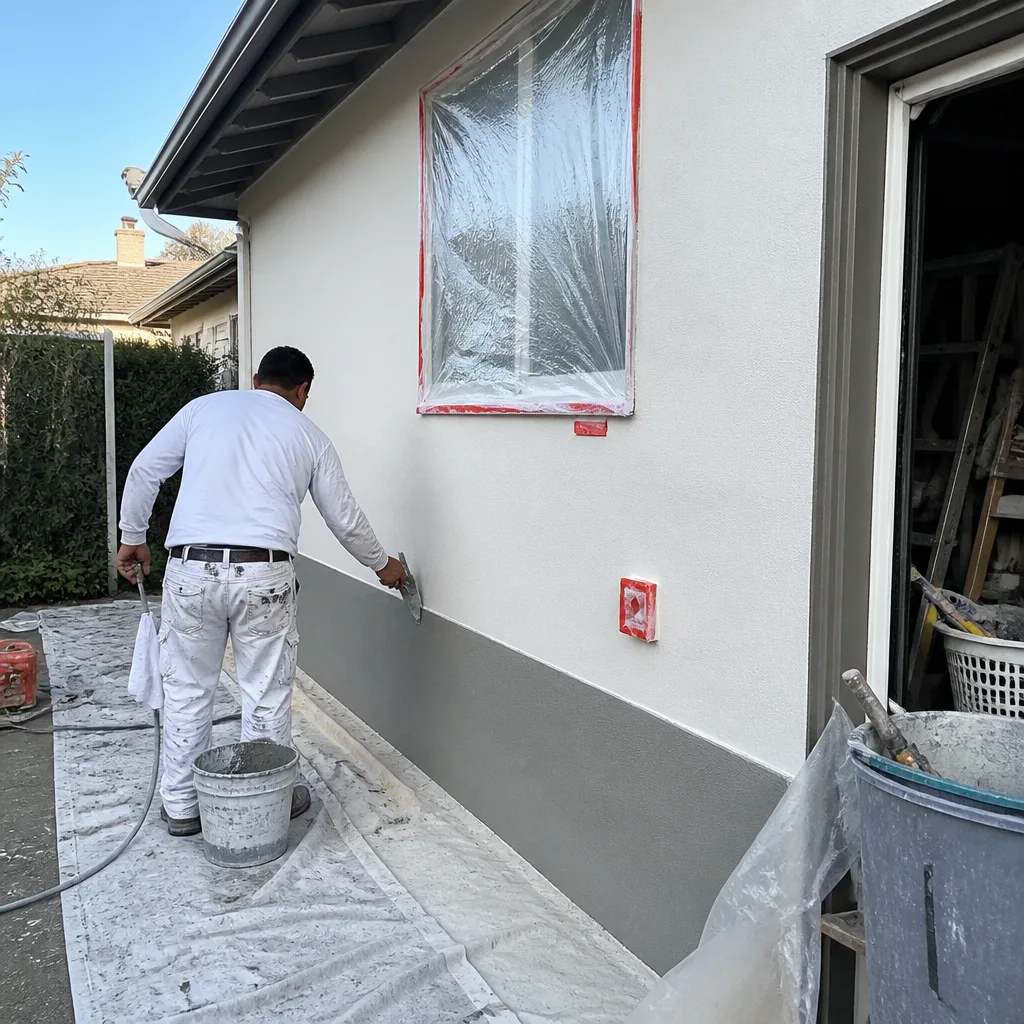 After
AfterHow Campbell’s Microclimate Changes What You Need
Campbell sits in California Climate Zone 3C, a mixed marine climate with a specific signature: cool, often foggy mornings that burn off to 85-95 degree afternoons in summer, followed by rapid radiative cooling after sunset. Winter brings occasional frost with nighttime lows in the 30s. This diurnal swing - sometimes 40 degrees in a single day - matters more for insulation strategy than the annual heating or cooling degree days suggest.
Here’s why. In a steady-state climate, insulation’s job is simple: slow heat transfer. In Campbell’s variable climate, the building envelope faces rapid pressure changes. Warm afternoon air presses outward; cool evening air draws inward. Each swing pumps air through gaps and cracks. The result: air leakage dominates energy loss more than conduction through properly insulated cavities.
We’ve measured this directly. In a 1978 ranch near Westmont High School, the blower-door test read 3,800 CFM50 before any work. After air sealing alone - no insulation added - the reading dropped to 2,400 CFM50. The homeowner’s PG&E bill fell 18% that summer. The insulation was already there; the air wasn’t.
Campbell’s specific conditions also matter for moisture management. The marine layer brings 80-90% relative humidity many mornings. If warm, moist exterior air contacts cool interior surfaces - say, an air-conditioned duct in a vented attic - condensation forms. The right insulation strategy must manage this dew point risk, not just add thermal resistance.
Neighborhoods matter too. Older homes in the historic downtown grid near Campbell Avenue often have balloon framing and no top plate blocking, creating continuous wall cavities from basement to attic. Post-war subdivisions east of Winchester Boulevard tend toward tract construction with predictable penetrations but minimal air sealing. Each requires a different sequence.
Why Air Sealing Must Come First
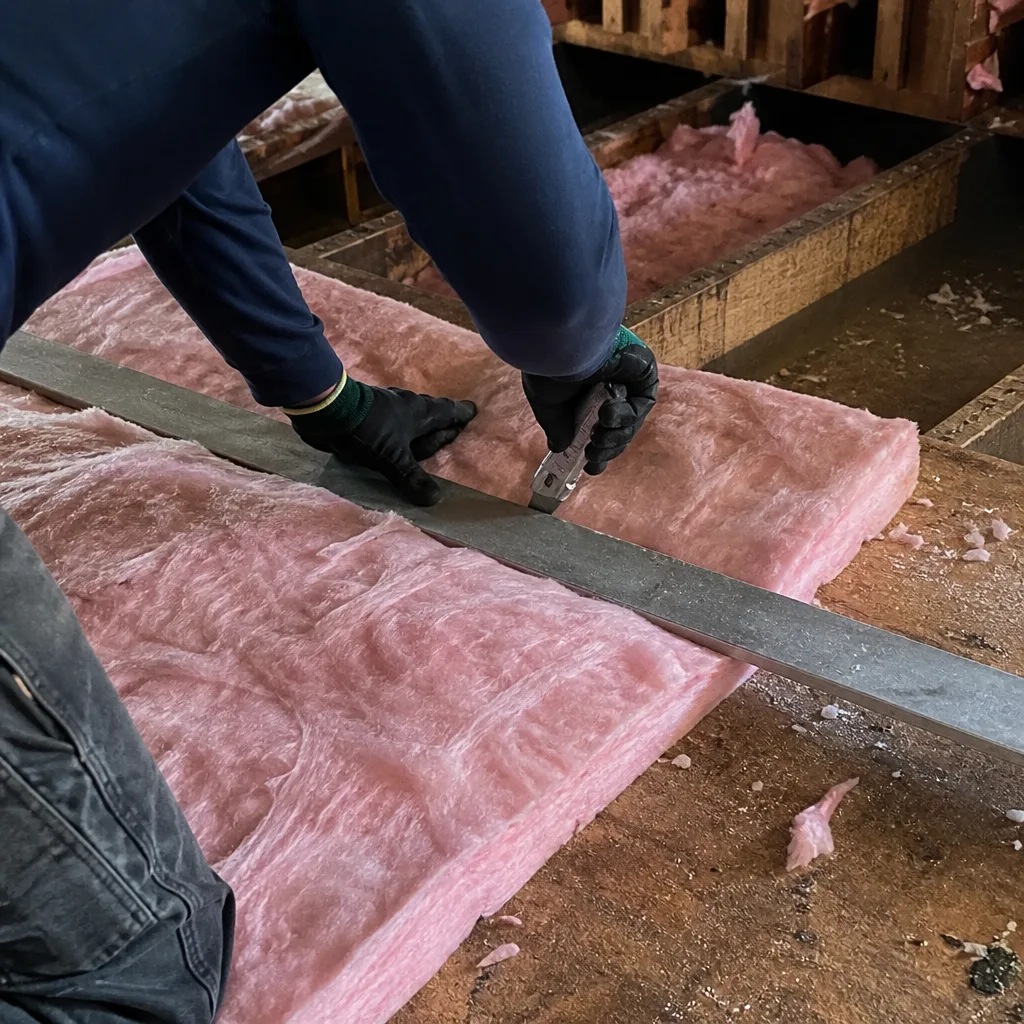
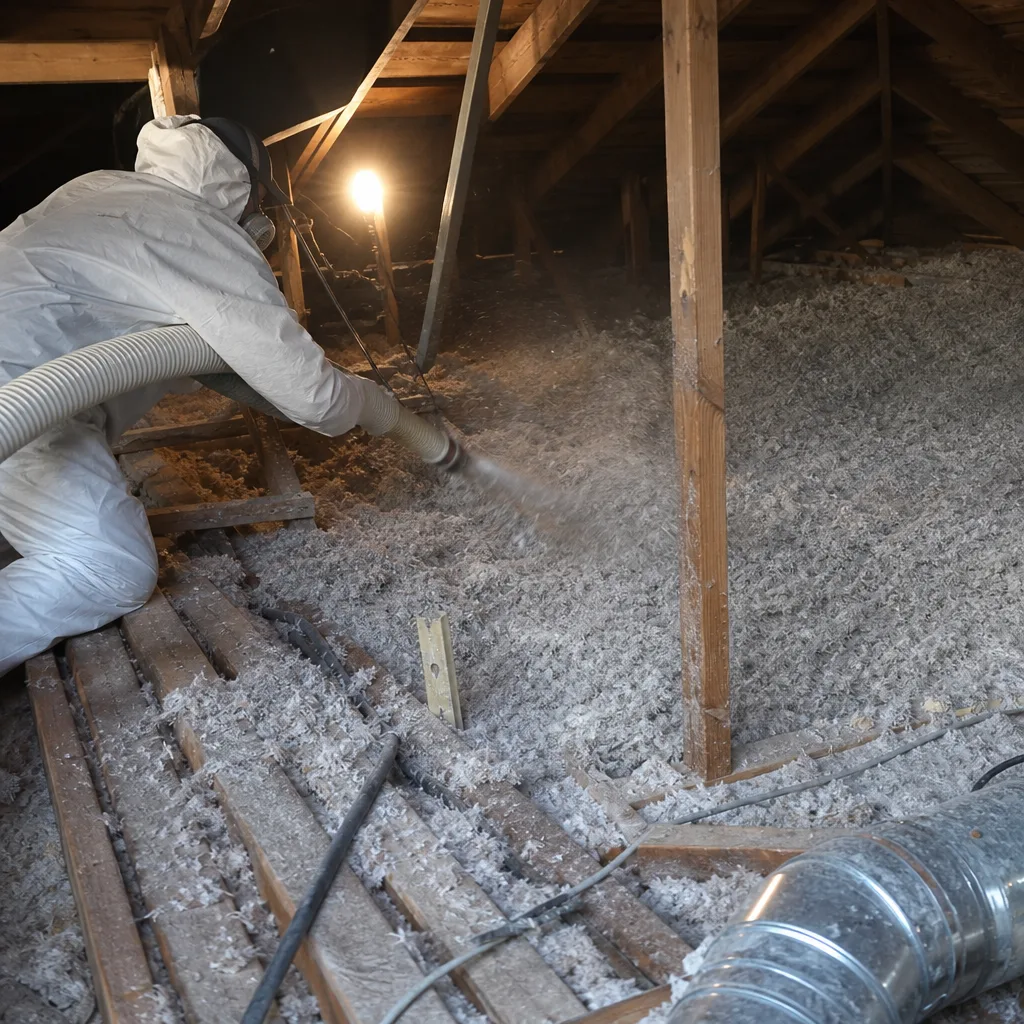
There is a sequence problem in most insulation jobs, and it wastes money. Insulation installed over an unsealed attic floor performs partially as a filter, not a thermal barrier. Air moving through fiberglass or cellulose carries heat with it; the material slows but does not stop this convective loop. In Campbell’s climate, where daily pressure swings drive air movement, this filtered-air effect is pronounced.
The building science is straightforward. Fiberglass batts and blown cellulose are air-permeable. They reduce conductive heat flow but do not stop air flow. When air leaks through a top plate - the horizontal framing member where wall studs meet the ceiling joists - it bypasses the insulation entirely. In summer, hot attic air drops into wall cavities. In winter, warm, moist interior air rises into the attic, where it can condense on cold sheathing.
At Topside Attic Insulation Campbell home, we seal first, then insulate. The sequence is:
- Identify all penetrations with a blower-door test and thermal imaging
- Seal top plates with fire-rated caulk or foam
- Seal can lights, duct boots, and plumbing stacks with appropriate gasketed covers or foam
- Seal the attic access hatch with weatherstripping and insulation board
- Verify sealing with a second blower-door test
- Only then install insulation to full depth
We’ve documented this sequence across more than 9,000 homes since 2016. The pattern is consistent: air sealing alone typically achieves 30-50% of the total envelope improvement. Adding insulation over unsealed leaks buries problems rather than solving them. The homeowner pays for R-value they don’t fully benefit from, and the buried leaks remain active moisture and air pathways.
In Campbell specifically, this sequence matters for Title 24 compliance too. The 2022 Energy Code requires verified air sealing for certain compliance paths, and the 2025 updates strengthen this requirement. A contractor who skips sealing may deliver code-minimum R-value but fail the performance path if tested.
Insulation Materials Compared for Zone 3C
Campbell homeowners face genuine tradeoffs between insulation materials, and national guides that rank them by R-value per inch miss the point. In Zone 3C, moisture behavior, air permeability, and installation quality matter as much as thermal resistance. Here’s an honest comparison based on our field data from Campbell jobs.
| Material | R-value/inch | Air barrier? | Moisture behavior in 3C | Best application | Honest tradeoff |
|---|---|---|---|---|---|
| Fiberglass batt | R-3.0 to R-3.8 | No | Vapor-permeable; dries easily but allows air flow | Walls with confirmed air sealing; budget retrofits | Cheap and familiar, but performance depends entirely on installation quality. Gaps around electrical boxes or compressions behind pipes cut effective R-value by 20-40%. |
| Blown cellulose | R-3.2 to R-3.8 | Partial | Treats with borates for mold resistance; some moisture buffering | Attic floors; dense-pack walls | Excellent attic coverage at low cost, but settles 10-15% over decades. Requires deeper initial install to hit long-term R-value target. |
| Open-cell spray foam | R-3.5 to R-3.7 | Yes, at 3.5″+ | Vapor-permeable; allows drying to interior | Roof decks (cathedral ceilings); rim joists | Creates excellent air seal but is not a vapor barrier. In Campbell’s marine layer conditions, must be paired with proper exterior drainage plane. |
| Closed-cell spray foam | R-6.0 to R-7.0 | Yes | Vapor-impermeable; blocks moisture movement | Crawl space walls; steel framing; limited attic use | Highest R-value and structural rigidity, but expensive and can trap moisture if bulk water enters. Overkill for most Campbell attics. |
We source materials from Owens Corning, Johns Manville, Knauf, and GreenFiber depending on the application, with no proprietary lock-in. For most Campbell attics, we recommend blown cellulose or fiberglass over a fully sealed floor. The material cost difference is modest; the air sealing labor is where the value lives.
One Campbell-specific note: in neighborhoods near the Los Gatos Creek corridor, groundwater is high and crawl space moisture common. Closed-cell foam on crawl walls, paired with a vapor barrier on the floor, outperforms batt insulation between joists, which absorbs moisture and sags. We’ve replaced moisture-damaged batts in Campbell’s Pruneyard area homes more often than any other assembly type.
Attic Insulation Strategy for Campbell Homes
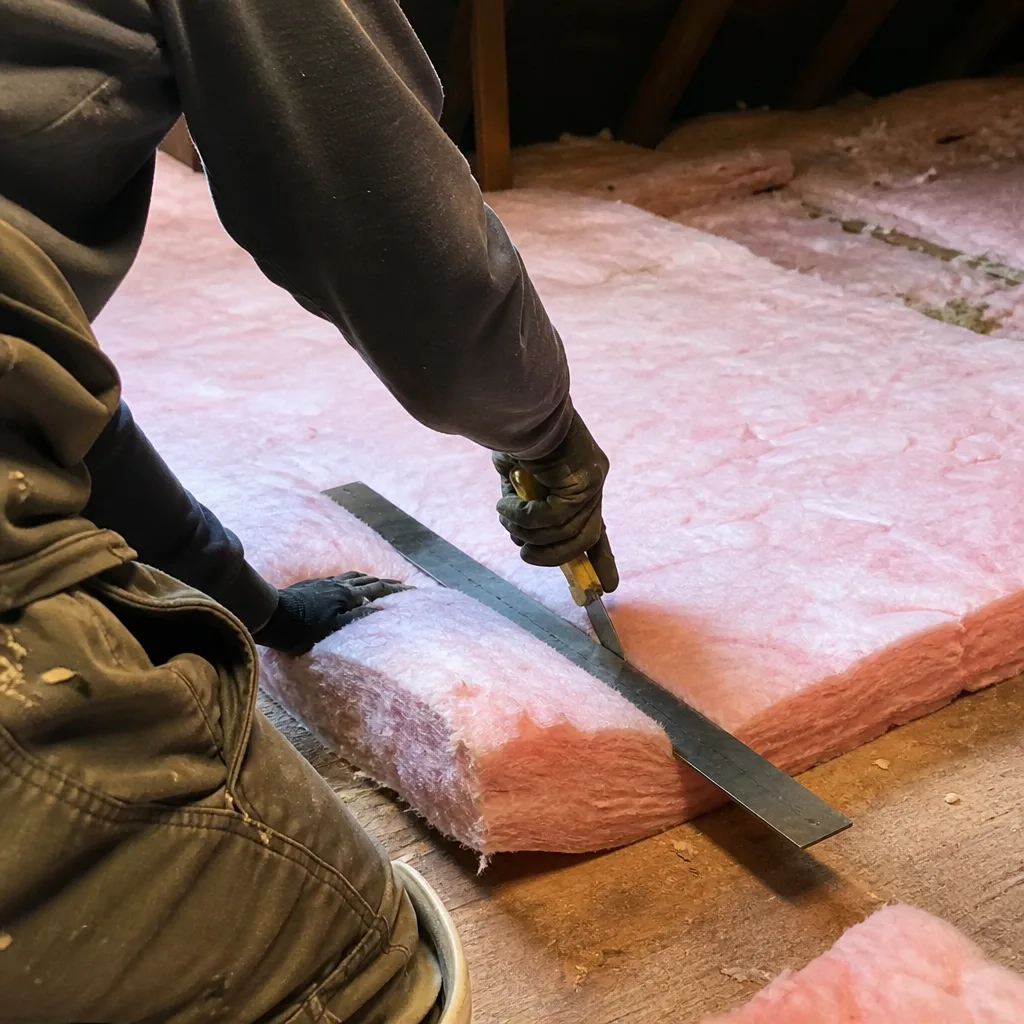
The attic is the highest-leverage insulation point in most Campbell homes, and also the most commonly mishandled. Here’s how to think about it.
Vented attics with flat floors - the dominant type in Campbell’s 1950-1985 housing stock - should receive air sealing at all penetrations, baffles at eaves to maintain ventilation channel, then blown insulation to R-38 minimum (current Title 24) or R-49 for better performance. The baffles matter: without them, insulation blocks soffit vents, trapping moisture and creating the exact ice-dam conditions that don’t exist in Campbell but produce summer condensation instead.
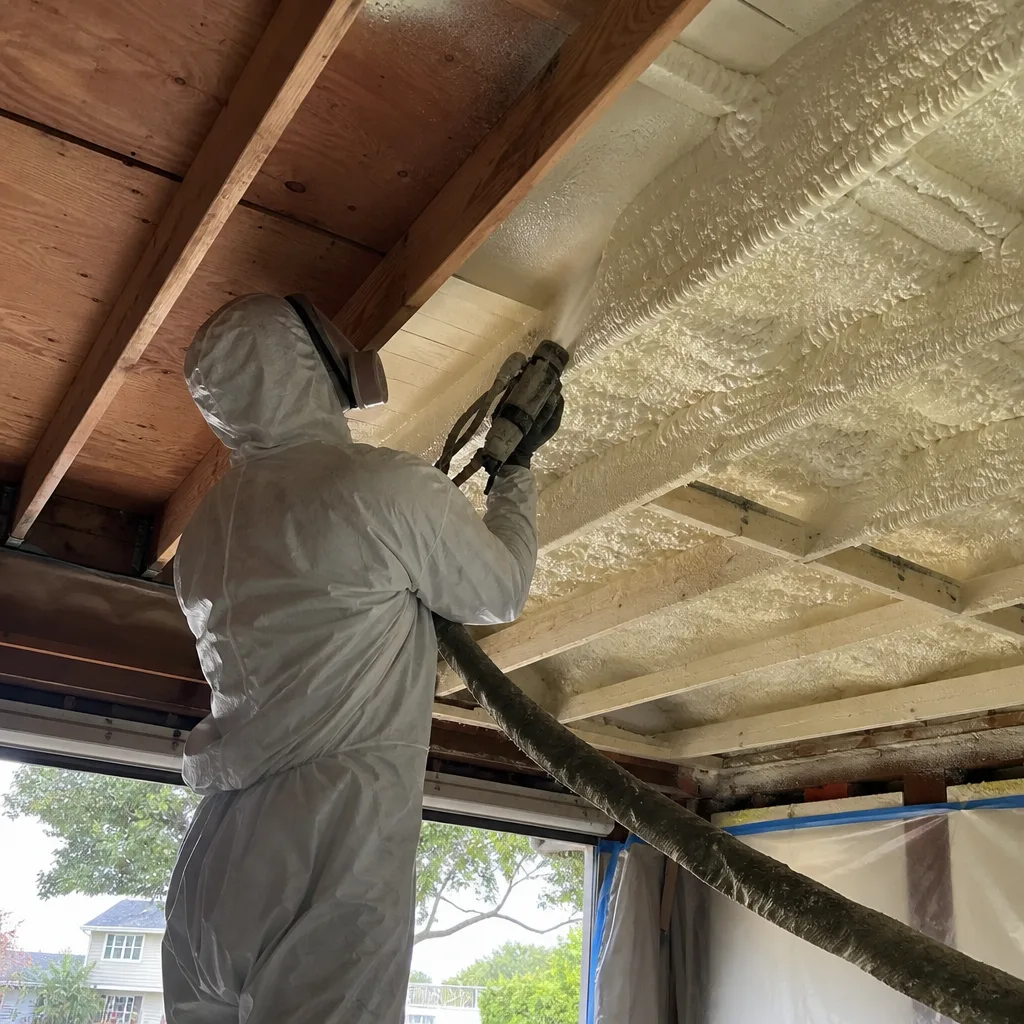
Cathedral or vaulted ceilings - common in 1970s-1980s “contemporary” homes near San Tomas Aquino Creek - present a harder problem. Limited cavity depth means R-value per inch matters. Open-cell spray foam applied to the roof deck, with code-required ignition barrier, typically delivers the best air seal and thermal performance in the available space. We’ve done this in Campbell’s Union Avenue corridor homes where 2×8 rafters limit blown insulation to R-25.
Conditioned attics - increasingly specified in deep energy retrofits - move the thermal boundary to the roof deck rather than the floor. This eliminates duct losses in the attic, which in Campbell’s climate can be 15-25% of cooling energy. The tradeoff is more surface area to insulate and careful moisture management. We typically use open-cell foam on the roof deck with mechanical dehumidification if the HVAC is relocated to the conditioned space.
Key numbers for Campbell attics:
- Title 24 2022 requires R-38 minimum in vented attics for new construction and additions
- Retrofit work typically targets R-38 to R-49 depending on access and budget
- Blower-door target for sealed attic floor: 1,500-2,500 CFM50 for homes under 2,500 square feet
- Cost range: see detailed pricing below
For detailed attic-specific guidance, see our Attic Insulation in Campbell page.
Walls, Crawl Spaces, and Radiant Barriers
Attics dominate the conversation, but walls and crawl spaces complete the envelope. In Campbell, each has specific considerations.
Walls: Most Campbell homes have 2×4 walls with R-13 batts, installed during original construction with minimal air sealing. Retrofitting walls is expensive - typically $2-4 per square foot of wall area for dense-pack cellulose through exterior access, more for interior disruption. The payback is long unless the siding is already being replaced. We generally recommend wall insulation only when: (1) siding replacement creates access, or (2) the home has significant comfort complaints in specific rooms. In a 1962 home near Campbell Community Center, we found uninsulated garage-adjacent walls creating a 12-degree bedroom temperature swing; dense-pack cellulose solved it, but the problem was air leakage at the garage ceiling, not the wall R-value alone.
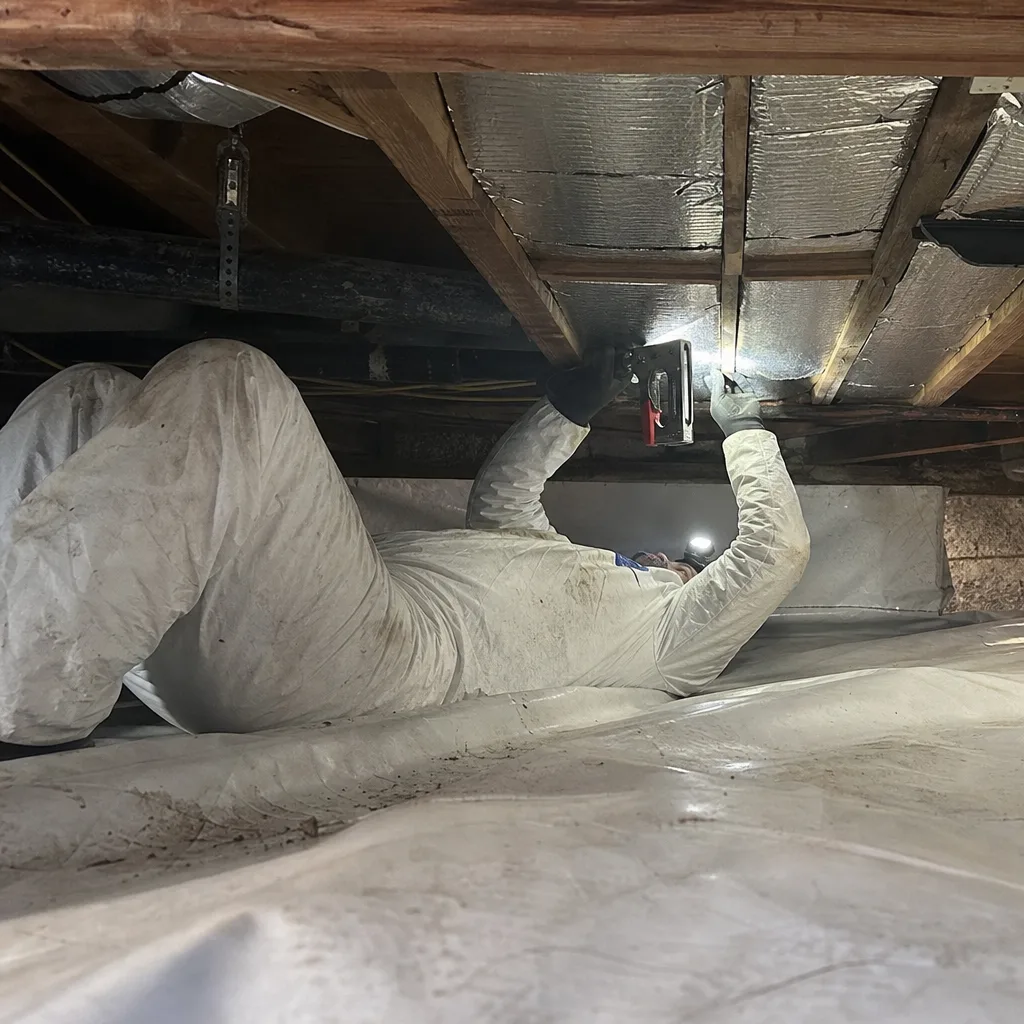
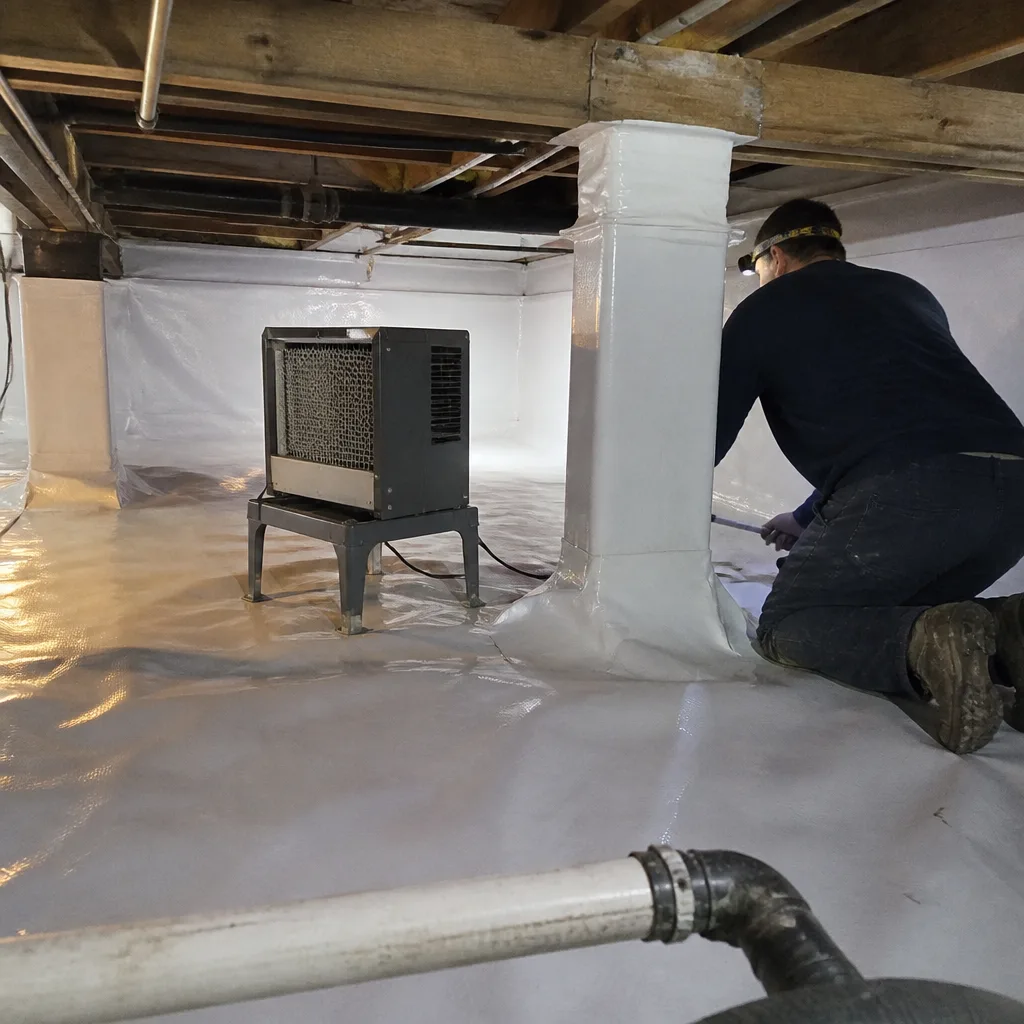
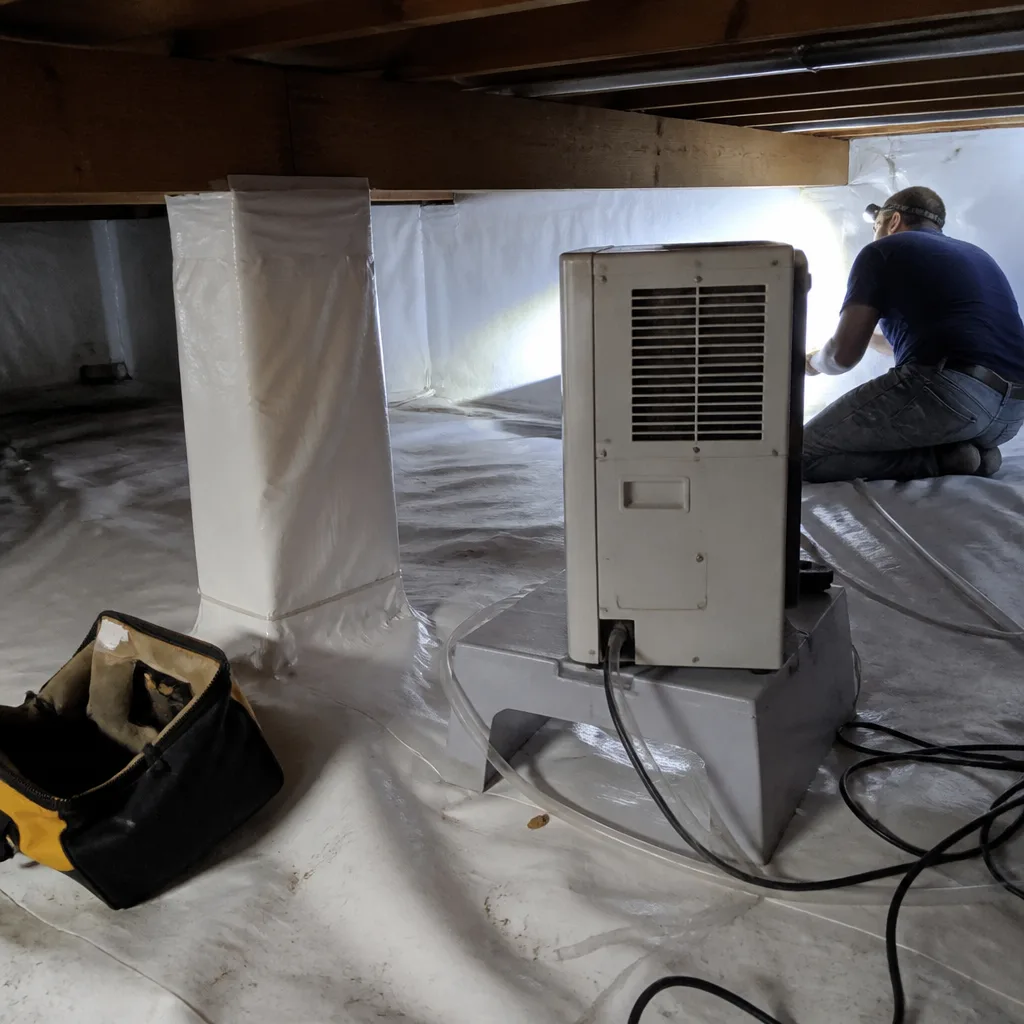
Crawl spaces: Campbell’s clay soils and winter groundwater create damp crawl spaces in many neighborhoods. The traditional approach - fiberglass batts between joists - fails predictably: batts absorb moisture, sag, and fall. The correct approach is encapsulation: closed-cell foam on walls, vapor barrier (10-mil minimum) on the floor, sealed vents, and mechanical dehumidification if needed. This converts the crawl from outside to conditioned space, eliminating the moisture source that damages floor framing.
We’ve encapsulated crawl spaces throughout Campbell, from the older homes near the historic downtown to 1980s subdivisions off Hamilton Avenue. The pattern: homes with dirt-floor crawls and perimeter vents show 15-20% higher heating bills and measurable floor moisture content above 20% in winter. Encapsulation typically pays back in 7-10 years through energy savings alone, faster if floor durability is considered.
For full crawl space guidance, see Crawl Space Encapsulation & Vapor Barrier in Campbell.
Radiant barriers: Foil-faced sheathing or draped radiant barriers in attics reduce radiant heat gain from roof decks that reach 140-160 degrees on Campbell’s summer afternoons. The effect is real but modest - typically 5-10% cooling reduction in homes with R-30+ attic insulation and good air sealing. We install radiant barriers primarily on homes with: (1) dark composite shingles, (2) limited attic insulation depth, or (3) air conditioning ducts in the attic. The foil must face an air gap to work; laying it on insulation is wasted material.
Reading a Blower-Door Test: What the Numbers Mean
A blower-door test - a pressurization reading that shows, in one number, how much air your building envelope is losing - is the single most useful diagnostic for Campbell homes. We perform this test before and after every air sealing job, and publish the numbers. Here’s how to read them.
The standard metric is CFM50: cubic feet per minute of air flow at 50 Pascals of pressure, roughly equivalent to a 20 mph wind on all sides of the house. Lower is tighter. But “tight” needs context.
| CFM50 range | Condition | Typical Campbell context |
|---|---|---|
| Above 4,000 | Very leaky | Pre-1975 home with no air sealing; common in original Campbell ranch homes |
| 2,500-4,000 | Moderately leaky | Most Campbell homes built 1975-1995 with original construction only |
| 1,500-2,500 | Average to tight | Post-air-sealing target for most homes; achievable with professional work |
| Below 1,500 | Very tight | New construction or deep retrofit; may require mechanical ventilation |
To translate CFM50 to annual energy dollars, we use a rule of thumb developed from our Campbell data: each 1,000 CFM50 reduction saves approximately $180-250 annually in combined heating and cooling, assuming PG&E rates and typical thermostat settings. A home dropping from 3,500 to 2,000 CFM50 saves $270-375 per year. The payback on air sealing alone - typically $1,200-2,500 for a Campbell single-story - runs 4-7 years.
More important than the single number is the diagnostic process. With the blower door running, we use a smoke pencil or thermal camera to locate leaks. In Campbell homes, the most common significant leaks are:
- Top plates where wall framing meets ceiling - often continuous gaps in balloon-framed homes
- Recessed can lights, especially older non-IC-rated fixtures
- Duct boots and HVAC penetrations
- Chimney chases and plumbing vent stacks
- Attic access hatches - frequently unsealed and uninsulated
We deliver before-and-after blower-door numbers on every applicable job, with the written scope and photo record, so the performance change is documented, not claimed.
Title 24, Permits, and What to Ask Your Contractor
California’s Title 24 Energy Code governs insulation in new construction, additions, and significant alterations. For Campbell homeowners, the key is knowing what requires a permit, what the code actually mandates, and which questions separate competent contractors from the rest.
When permits are required: In Santa Clara County, permits are required for: new construction; additions; roof replacements where insulation is modified; and alterations involving more than 50% of a building component’s area. Simple attic insulation retrofits in existing homes typically do not require a permit, though some jurisdictions interpret “alteration” broadly. We always verify with Campbell’s Building Division before work begins.
What Title 24 requires: The prescriptive path mandates specific R-values: R-38 minimum in vented attics, R-13 walls (2×4) or R-19 (2×6), R-19 crawl space walls or R-30 floor insulation. The performance path allows tradeoffs - lower R-value in one assembly if compensated elsewhere - but requires modeling software and, for some paths, verified air sealing.
What Title 24 does NOT require: It does not mandate specific materials. It does not require blower-door testing for all projects, though the 2022 code adds this for certain compliance paths. It does not regulate installation quality beyond basic coverage requirements. A contractor can meet code with poorly installed batts that perform well below their rated R-value.
Questions to ask any Campbell insulation contractor:
- Will you perform a blower-door test before and after air sealing? (If no, they cannot measure what they improved.)
- What is your air sealing sequence before insulation installation? (If they don’t have one, they’re skipping the highest-value work.)
- Will you provide a written scope, written price, and written warranty before work starts? (Under Haven Standard, this is non-negotiable.)
- What is your documented photo record process? (You should know what leaving looks like before they arrive.)
- Do you carry workers’ compensation and general liability insurance? (State-licensed contractors must; verify on CSLB website.)
We’ve reviewed competitor quotes for Campbell homeowners under our Free Second Opinion program. Common gaps: no air sealing specified, no verification testing, vague material descriptions (“fiberglass insulation” without type or R-value), and no written warranty. The Haven Standard requires all four.
What Insulation Costs in Campbell
We put prices on the page because a written price before any work starts is Haven Standard Clause 1. These ranges reflect our actual Campbell jobs from 2023-2024, adjusted for current material costs. Every home is different; these are planning numbers, not quotes.
| Service | Typical Campbell home | Price range | What’s included |
|---|---|---|---|
| Attic air sealing only | 1,200-2,000 sq ft single story | $1,200-$2,500 | Blower-door test, sealing of top plates/penetrations/hatch, second blower-door test, photo record |
| Attic air sealing + blown cellulose to R-38 | 1,200-2,000 sq ft single story | $2,800-$4,500 | Full sealing sequence, baffles, GreenFiber or Owens Corning cellulose, depth markers, photo record, blower-door before/after |
| Attic air sealing + blown fiberglass to R-49 | 2,000-3,000 sq ft two story | $3,500-$5,800 | Full sealing sequence, baffles, Johns Manville or Knauf fiberglass, depth markers, photo record, blower-door before/after |
| Open-cell spray foam, roof deck | 1,500 sq ft cathedral ceiling | $4,500-$7,500 | Prep, foam to 5.5″ (R-19+), ignition barrier, cleanup, photo record |
| Crawl space encapsulation | 1,000-1,500 sq ft crawl | $3,500-$6,500 | Wall cleaning, closed-cell foam to R-10, 10-mil vapor barrier, sealed vents, dehumidifier if needed, photo record |
| Insulation removal + replacement | Contaminated or damaged attic | $3,000-$6,000 | Safe removal, disposal, cleaning, air sealing, new insulation to R-38, photo record |
For spray foam specifically, see our Spray Foam Insulation in Campbell page.
These ranges assume standard access, no hazardous material (asbestos, extensive rodent contamination), and typical framing. Unusual conditions - tight crawl spaces, recessed lighting requiring IC-rated replacement, or extensive rodent damage - add cost. We provide a flat written price after inspection, with no change orders for conditions we could have seen.
The 365-Day Done Right Promise applies to all work: if it’s not done right, we make it right. The written scope and warranty are delivered before anyone lifts a tool.
Common Mistakes to Avoid
- Adding insulation over unsealed leaks. This buries active air pathways and moisture risks. The insulation performs below rating, and the homeowner pays for material that partially acts as a filter.
- Ignoring the attic hatch. A 1/2-inch plywood hatch with no weatherstripping or insulation can leak as much as a square foot of open wall. We see this in nearly every Campbell home we inspect.
- Blocking soffit vents with insulation. Without baffles, blown insulation covers the ventilation intake, trapping moisture and reducing shingle life. Campbell’s marine layer makes this worse.
- Installing vapor barriers on the wrong side. In Campbell’s heating-light climate, interior vapor barriers can trap moisture in walls. The code does not require them in most assemblies; we generally avoid them.
- Choosing spray foam based on R-value alone. Closed-cell’s R-6.5 per inch is impressive but unnecessary for most Campbell attics. The air sealing quality of open-cell, at lower cost and with better drying potential, often fits the actual need.
- Skipping verification. A contractor who cannot show you before-and-after blower-door numbers is asking you to trust, not verify. We publish these numbers on every applicable job.
- Accepting a verbal estimate. Under Haven Standard, a written price before any work starts is the foundation. Verbal estimates change; written scopes don’t.
When to Call a Professional
Call a professional when: your energy bills are rising without rate increases; specific rooms are uncomfortable despite the HVAC running; you see moisture staining on ceilings or walls; you’re considering any roof or siding replacement that creates access; or you’ve received a quote that seems incomplete or vague. Read our DIY vs Professional Insulation: The Campbell Homeowner’s Decision Guide to assess which path fits your situation. In Campbell’s climate, the cost of waiting is continued energy loss and potential moisture damage to framing.
Topside Attic Insulation Campbell offers free estimates in Campbell - call (831) 534-3206. Every estimate includes a written scope, written price, and written warranty before any work starts. We also provide a Free Second Opinion on any written estimate from another contractor; bring us the quote and we’ll read it with you.
Frequently Asked Questions
Most attic insulation jobs in Campbell run between $2,800 and $5,800 for a complete air sealing and blown insulation package, depending on home size, existing conditions, and target R-value. Air sealing alone typically costs $1,200-$2,500. We provide a flat written price after inspection; call (831) 534-3206 for a free estimate.
Repair is cheaper only when the existing insulation is dry, uncontaminated, and properly installed. In Campbell, we find that 1970s-1990s insulation is often compressed, displaced by wiring or ductwork, or contaminated with rodent activity. In these cases, removal and replacement delivers better performance and indoor air quality than partial repair. We assess this during inspection and document conditions with photos.
We can complete most attic air sealing and blown insulation jobs in one day. Larger projects - full encapsulations, spray foam roof decks, or removal with replacement - typically require two days. We schedule with a named technician and text when they’re on the way, under Haven Standard: Arrive on schedule.
Campbell and San Jose share Climate Zone 3C, but Campbell’s proximity to the Santa Cruz Mountains creates slightly more marine influence - cooler mornings and more persistent fog layers. This makes attic air sealing marginally more important relative to R-value, as the daily pressure swings are more pronounced. The material choices are the same; the priority sequence differs.
Title 24 requires R-38 minimum in vented attics for new construction. For retrofits, we typically recommend R-38 to R-49 depending on access and budget. Higher R-value above R-49 delivers diminishing returns in Campbell’s mild climate; the dollars are better spent on air sealing if the envelope is leaky.
Correct installation means: full contact with all six sides of the cavity (no gaps, voids, or compressions); proper depth and density for blown materials; sealed air barriers at all penetrations; and functional ventilation in vented attics. We verify with thermal imaging and blower-door testing. If you’re uncertain, our Free Second Opinion includes a documented inspection with photos.
The Bottom Line
Campbell’s variable marine climate rewards a specific approach: seal the air leaks first, verify with a blower-door test, then add insulation to appropriate depth. The material matters less than the sequence and the installation quality. Most Campbell homes have adequate R-value and poor air tightness; the best return comes from fixing what’s broken, not adding more of what isn’t working. Demand documented evidence - written scope, written price, written warranty, and before-and-after performance numbers - before any work begins.
Call (831) 534-3206 for a free estimate. A live person answers 24/7. Every job begins with a written price and ends with a documented record, including before-and-after blower-door numbers on applicable work. We also offer a Free Second Opinion on any written estimate from another contractor.
Written by Wes Okafor, Owner at Topside Attic Insulation Campbell, serving Campbell since 2016.