
Last updated September 24, 2026
Insulation Cost Breakdown: The Campbell Homeowner’s Reference for 2026
Two Campbell homeowners in the same 1,800-square-foot tract model got quotes of $2,100 and $3,800 for attic insulation in the same month. The $2,100 quote included no air sealing and no post-job blower-door test. The $3,800 quote included both. The energy savings payback on that $1,700 difference was 4.2 years. This guide explains why identical homes get quotes 40-60% apart, what each line item actually costs in Campbell’s current market, and how to read a scope of work instead of just reacting to a bottom-line number; for more guides & resources, visit our blog. You’ll learn the 2026 price ranges for materials, labor, testing, and permits; how to calculate your own payback using PG&E’s rate schedule; and why the cheapest quote is usually the most expensive over a decade.
Quick Answer
Most complete attic insulation jobs in Campbell run $3,200-$5,800 for a 1,500-2,500 square foot home, including air sealing, blown cellulose to R-38, and a post-job blower-door test. The same job without air sealing tests at $1,800-$3,200 but performs 30-50% worse on measured air leakage, which is what actually drives your heating and cooling bills. Wall insulation, crawl space encapsulation, and spray foam run on separate pricing structures detailed below.
Table of Contents
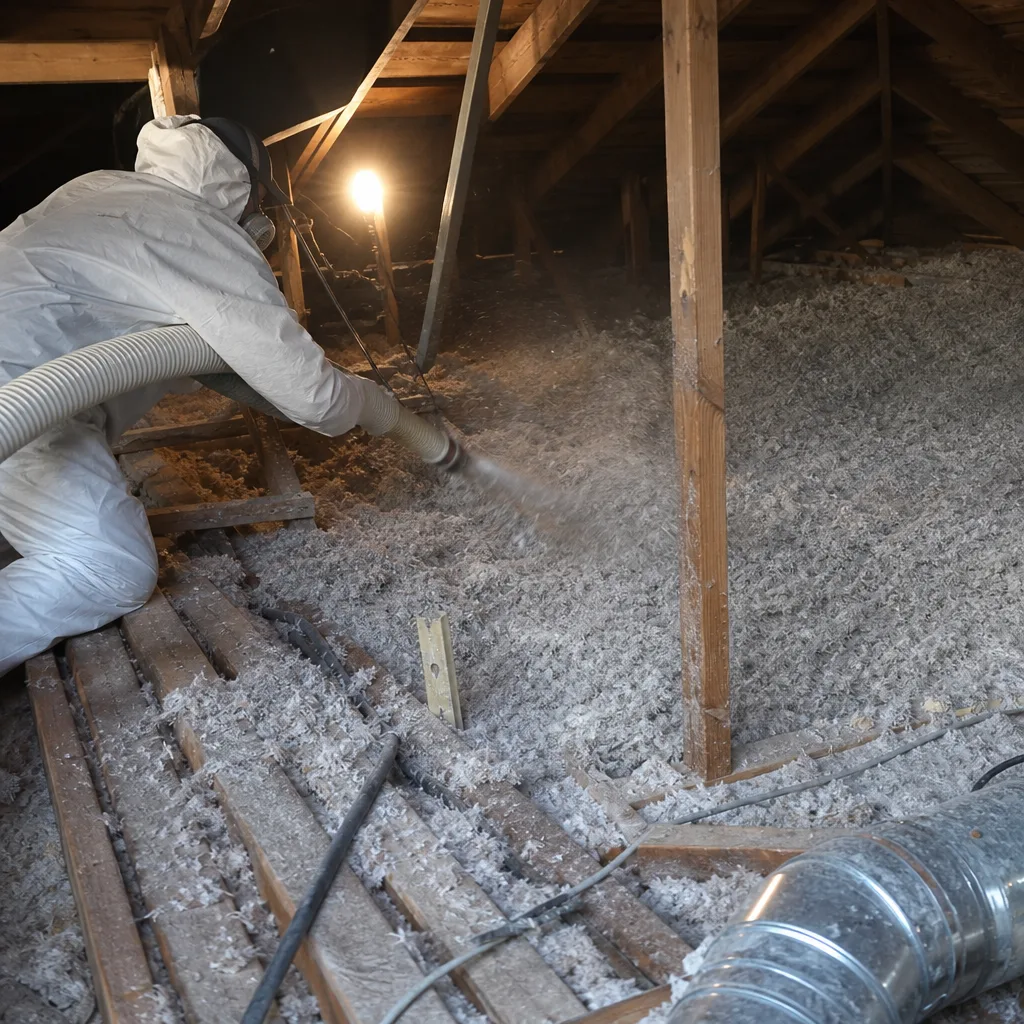
- Why Campbell Insulation Quotes Vary 40-60% for the Same House
- Line-Item Costs for 2026: What Each Part Actually Costs
- The Air Sealing ROI Calculation: Doing the Math Yourself
- Why the Cheapest Attic Quote in Campbell Is Missing Something
- PG&E and BayREN Rebates: What Qualifies and What Documentation You Need
- The Cost of Coming Back: Air Sealing Later vs. Now
- Material Choices and Where They Fit in Campbell’s Climate
- Permits, HERS Ratings, and Campbell Code Requirements
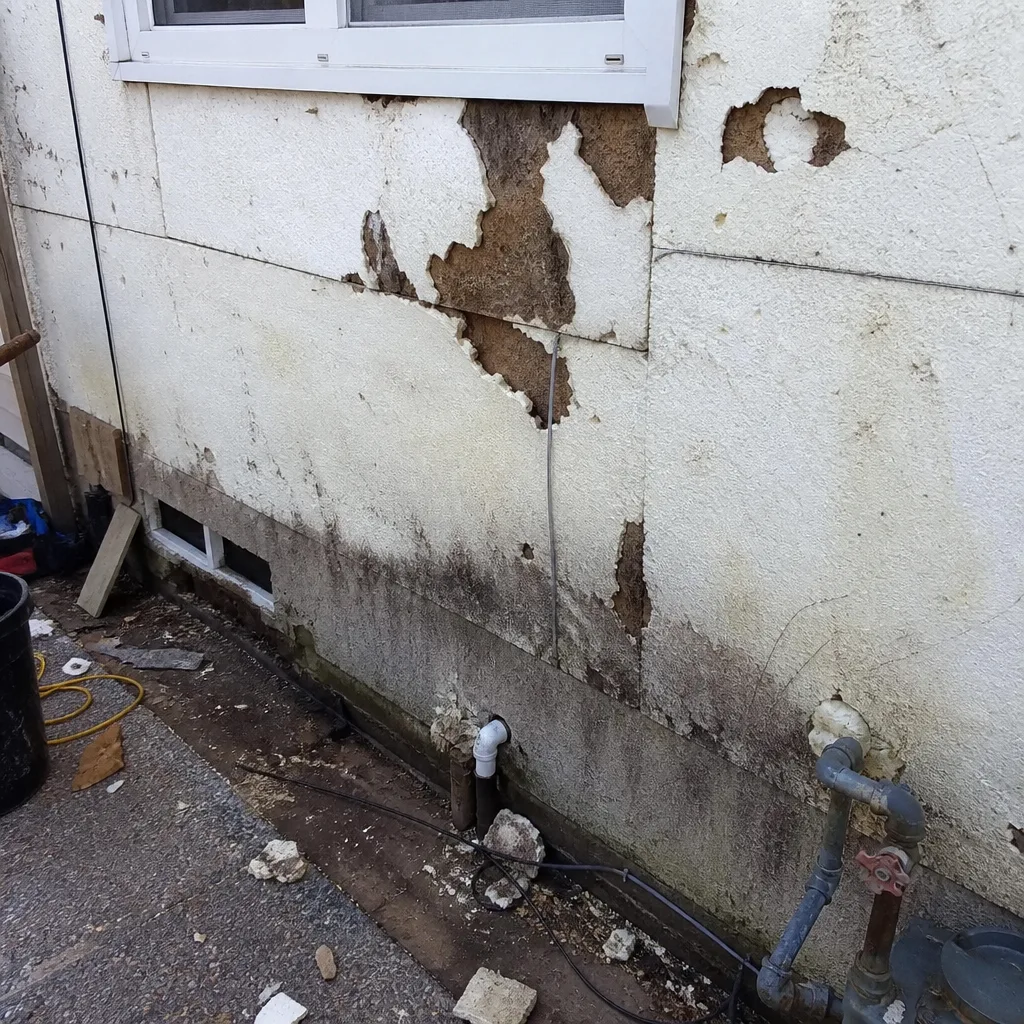 Before
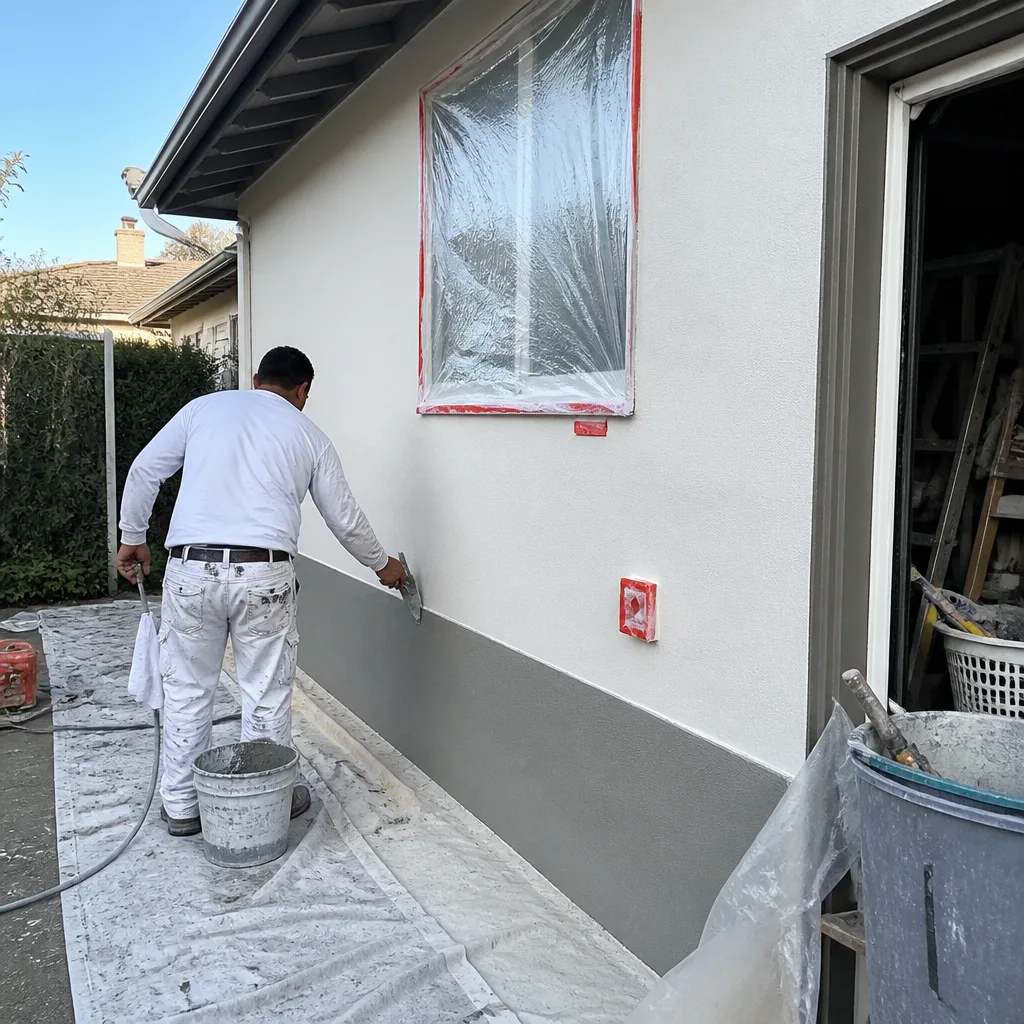 After
AfterWhy Campbell Insulation Quotes Vary 40-60% for the Same House
We’ve been sealing and insulating homes in Campbell since 2016, and the quote variance we see hasn’t narrowed. If anything, it’s widened as more contractors enter the market with app-based estimates and no site visit. The gap isn’t padding. It’s scope.
Here’s what we find when we review competing quotes for Campbell homeowners who bring us their paperwork under our Free Second Opinion on Any Written Estimate:
- Air sealing omitted entirely. Roughly 60% of quotes we review list “insulation” as a single line item with no mention of top plates, can lights, or penetration sealing.
- Blower-door testing absent. Without a before-and-after pressurization reading, there’s no documented proof the air sealing worked. The homeowner has a receipt, not a result.
- Insulation depth specified without density. Blown cellulose at R-38 requires a specific settled depth. A quote saying “R-38” without noting the installed depth at 1.5 lbs/ft³ is incomplete.
- No mention of baffles or damming. In Campbell’s older neighborhoods like the Manor and parts of Downtown Campbell, kneewalls and dropped soffits need cardboard or foam baffles to maintain vent channels. Missing this means insulation falls into the eave or blocks airflow.
The $2,100 quote we opened with covered blown cellulose only. The $3,800 quote included: attic floor air sealing (top plates, wire penetrations, can lights, chimney chase, plumbing vent stack), baffle installation at six eave locations, blown cellulose to R-38 at specified density, and a blower-door test with written results. Both quotes used similar cellulose material. The difference was the building envelope work that happens before the insulation blower truck arrives.
In Campbell’s climate, with roughly 2,800 heating degree days and significant cooling load from west-facing roofs in neighborhoods like Westmont and Campbell Meadows, air leakage dominates energy bills more than insulation R-value alone. A leaky R-38 attic performs like a tight R-25. The blower-door number tells you which one you actually got.
Line-Item Costs for 2026: What Each Part Actually Costs
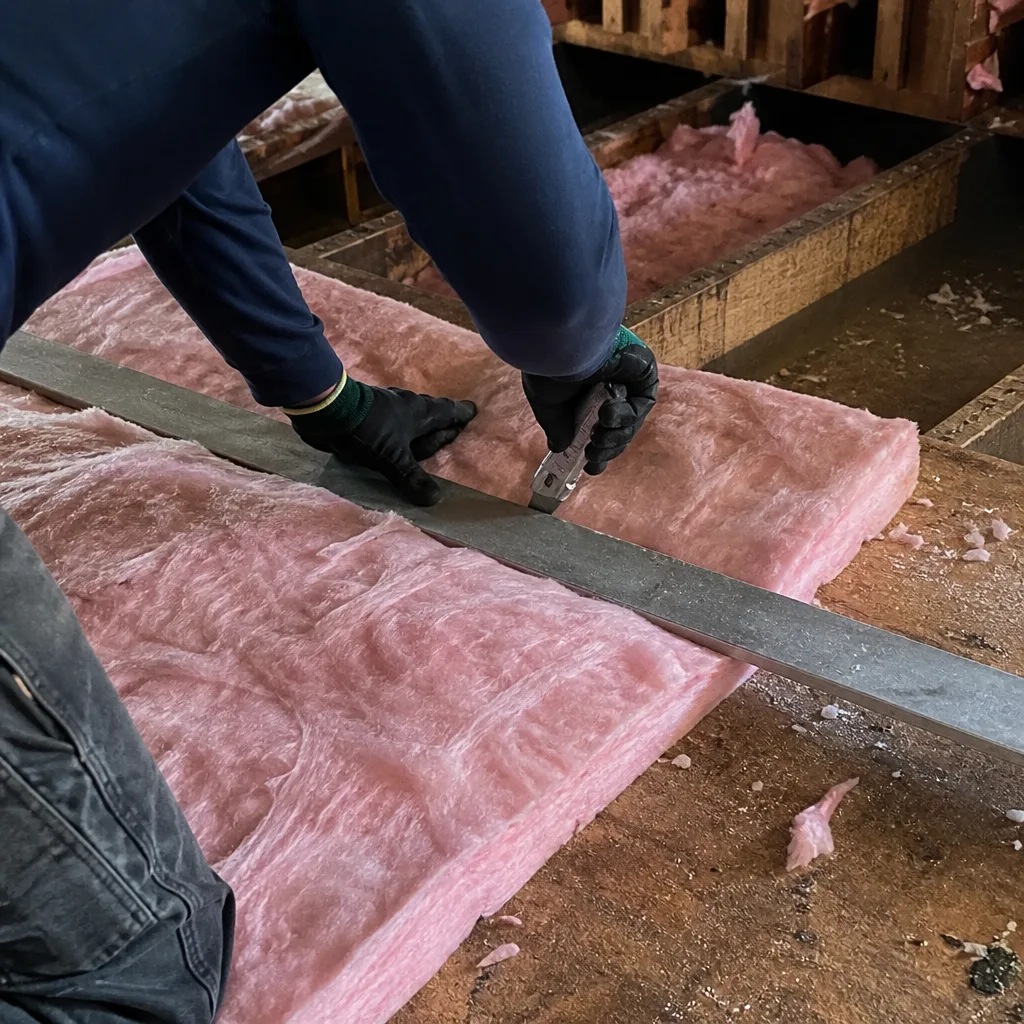
These ranges reflect what we’re seeing in Campbell and Santa Clara County bids through early 2026. Your quote may land high or low based on attic accessibility, existing insulation condition, and whether rodent damage requires remediation first.
Attic Insulation: Material and Installation
| Component | Typical Range (Campbell, 2026) | Variables That Move the Number |
|---|---|---|
| Blown cellulose, R-38 (1,500-2,500 sq ft attic) | $1.40-$2.10 per sq ft installed | Attic height, existing insulation removal, access hatch size |
| Blown fiberglass, R-38 | $1.60-$2.40 per sq ft installed | Material brand (GreenFiber cellulose runs lower; CertainTeed fiberglass mid-range) |
| Spray foam, open-cell, 5.5″ (R-19-R-21) | $2.80-$4.50 per sq ft installed | Roof deck vs. floor application, ventilation requirements |
| Spray foam, closed-cell, 2″ (R-12-R-14) | $4.50-$7.20 per sq ft installed | Access constraints, need for ignition barrier |
| Insulation removal and disposal | $1.10-$1.80 per sq ft | Contamination level, vacuum access, bagging requirements |
Air Sealing Labor (The Line Item Most Often Missing)
| Component | Typical Range (Campbell, 2026) | Notes |
|---|---|---|
| Attic floor air sealing, comprehensive (top plates, penetrations, can lights, chimney chase, plumbing vents) | $800-$1,600 for 1,500-2,500 sq ft home | Varies with number of can lights, chimney configuration, top plate accessibility |
| Can light sealing only (IC-rated covers + caulk) | $45-$85 per fixture | Non-IC fixtures require replacement or specific cover types |
| Chimney chase dam and seal | $180-$350 | Metal vs. masonry chase, clearance requirements |
| Dropped soffit / kneewall sealing | $220-$480 per location | Common in Campbell’s 1960s-1980s ranch and split-level homes |
Testing, Documentation, and Compliance
| Component | Typical Range (Campbell, 2026) | Notes |
|---|---|---|
| Blower-door test (before and after) | $350-$600 | Some contractors bundle this; we publish the number on every applicable job |
| HERS rater verification (for rebate compliance) | $450-$750 | Required for PG&E Energy Upgrade California; BayREN has separate pathway |
| Building permit, attic insulation only | $180-$320 | City of Campbell permit fees; varies with project valuation |
| Building permit, with spray foam or structural modification | $320-$550 | Trigger: ignition barriers, roof deck modification, or conditioned attic conversion |
These are installed prices in Campbell’s market, not material-only costs. We source materials from Owens Corning, Johns Manville, Knauf, Rockwool, CertainTeed, Icynene, Demilec, and GreenFiber depending on the application, and we specify what’s going in before we start.
The Air Sealing ROI Calculation: Doing the Math Yourself
You don’t need our numbers to estimate your payback. You need three things: your current or estimated air leakage rate, PG&E’s current rate schedule, and a calculator.
Step 1: Find Your Air Leakage Number
A blower-door test measures CFM50 - cubic feet per minute of airflow at 50 pascals of pressure. If you’ve never had one, Campbell homes built 1960-1990 typically test 3,500-6,000 CFM50. Homes with original attic insulation and no air sealing often test at the high end. A well-sealed home of similar size tests 1,500-2,500 CFM50.
Step 2: Convert to Annual Energy Loss
There’s a rough rule technicians use: divide CFM50 by 20 to estimate natural air changes per hour (ACHn). Then use the Lawrence Berkeley National Laboratory formula for annual infiltration heating load:
- Annual heating load from infiltration = 0.018 × CFM50/20 × 24 × HDD × 0.7 (solar gain factor for Campbell’s latitude)
- For Campbell: HDD ≈ 2,800. So a home at 4,200 CFM50 loses roughly 0.018 × 210 × 24 × 2,800 × 0.7 = 177,000 BTU/year to infiltration.
- At 80% furnace efficiency and PG&E’s current gas rate (approximately $1.80-$2.20 per therm in 2026), that’s $395-$485/year in heating losses alone. Cooling losses in Campbell add 30-50% more.
Step 3: Calculate Savings from Sealing
If air sealing drops your CFM50 from 4,200 to 2,100 (a 50% reduction we’ve documented on many Campbell jobs), your infiltration heating load drops proportionally. Annual savings: roughly $200-$240 in heating, plus $90-$150 in cooling. Total: $290-$390/year.
Against a $1,200 air sealing investment, payback is 3.1-4.1 years. The insulation itself adds R-value savings on top, but air sealing is what moves the blower-door number, and the blower-door number is what correlates to bill reduction.
We provide before-and-after blower-door readings on every applicable job so homeowners can verify this math themselves. The documentation includes the CFM50, the ACH50 (air changes per hour at 50 pascals), and a photo record of the sealed locations.
Why the Cheapest Attic Quote in Campbell Is Missing Something
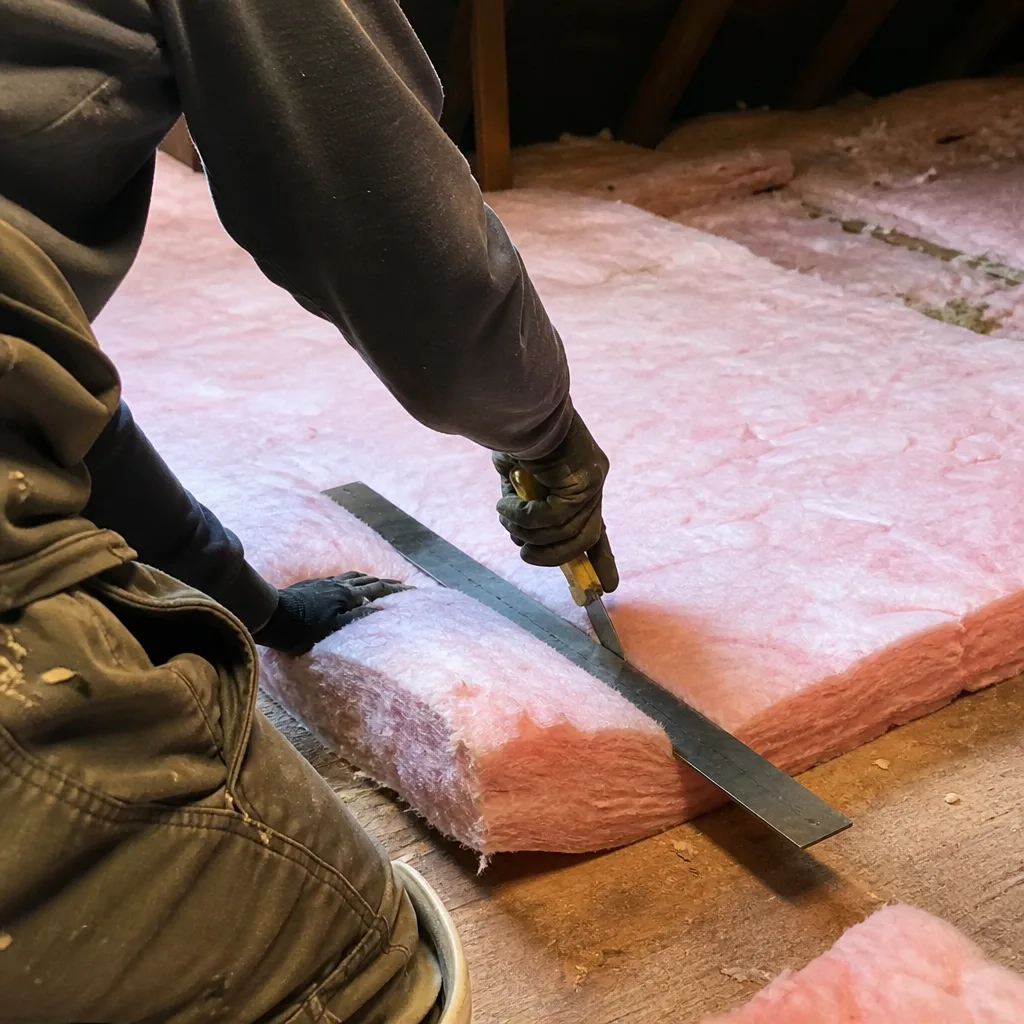
The low bidder isn’t dishonest. Usually, they’re selling what the homeowner asked for: more insulation. The problem is that “more insulation” without air sealing is like pouring water into a cracked bucket.
Here’s what we find when we inspect Campbell attics where the low bid was accepted:
- Wind washing at the eaves. Insulation installed without baffles gets scoured by attic ventilation airflow. Within two years, the R-value at the perimeter drops 30-40%.
- Stack effect losses through can lights. Unsealed IC-rated fixtures leak 10-20 CFM50 each. A kitchen with six cans adds 60-120 CFM50 of conditioned air loss directly to the attic.
- Thermal bypass at dropped soffits. Common in Campbell’s 1970s tri-levels, these unsealed chases act as chimneys in winter, pulling warm air from the living space.
- Insulation over unsealed top plates. The joint where interior walls meet the attic floor is a continuous gap in most homes. Blown cellulose falls through or gets displaced. Sealing first, then insulating, fixes this permanently.
The cost of fixing these problems later is higher than doing it during the original job. Insulation must be moved or removed to access the framing. The crew works around finished surfaces instead of open attic floor. And the homeowner pays for two mobilizations instead of one.
We’ve documented this on over 9,000 homes since 2016. Every one started with a written price before work started and closed with a documented record. The pattern is consistent: the jobs that skipped air sealing in year one were the jobs we returned to in year three or five, at higher cost, to do what should have happened first.
PG&E and BayREN Rebates: What Qualifies and What Documentation You Need
Campbell homeowners have two primary rebate pathways in 2026. Both require documentation that many contractors don’t provide unless specifically asked.
PG&E Energy Upgrade California
This program offers rebates for comprehensive energy improvements, not insulation alone. To qualify:
- A certified HERS rater must perform a pre-improvement energy assessment with blower-door test.
- The scope must include air sealing and insulation together, or insulation with verified duct sealing.
- A post-improvement test must show minimum 15% reduction in normalized leakage (ACH50).
- The HERS rater submits documentation; the homeowner receives rebate 6-10 weeks after verification.
Typical rebate for attic air sealing plus insulation in a 1,800 sq ft Campbell home: $600-$1,200, depending on pre- and post-test numbers. The HERS rater fee ($450-$750) is usually the homeowner’s responsibility and not always included in contractor quotes.
BayREN Home+
Bay Area Regional Energy Network serves Santa Clara County with a separate rebate stream. Key differences from PG&E:
- BayREN rebates can apply to insulation-only projects if they meet minimum efficiency standards.
- Pre- and post-work documentation is required, but the contractor can often coordinate the assessment.
- Rebate amounts are tiered by percentage improvement in building envelope performance.
- Campbell homeowners may stack BayREN rebates with certain PG&E incentives if the project meets both program rules, but this requires careful documentation.
The critical point: both programs require a paper trail. Photos. Test results. Invoices with line items. If your contractor’s quote is a single number with no scope, you can’t apply. Under Haven Standard Clause 1, every job we perform includes a written scope, written warranty, and documented photo record, which is the exact documentation these programs require.
The Cost of Coming Back: Air Sealing Later vs. Now
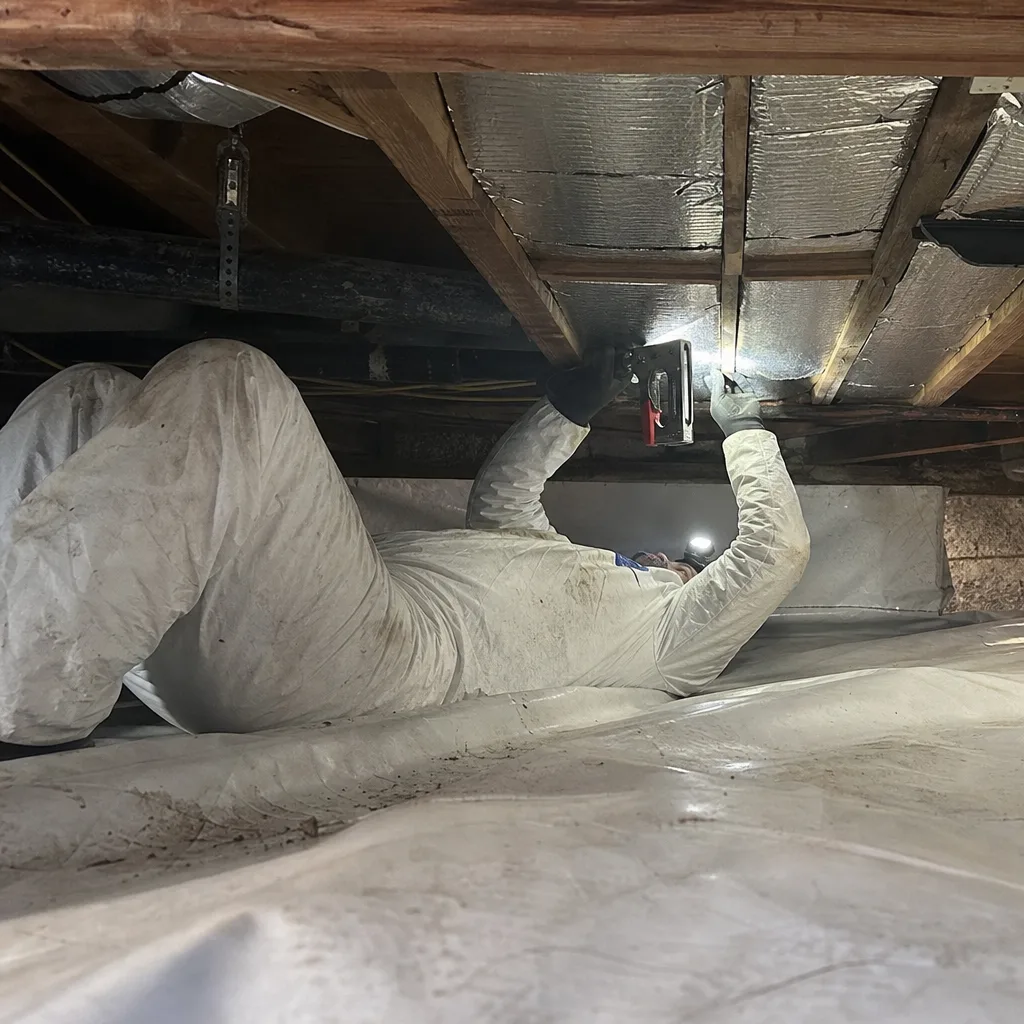
Homeowners often ask us to “just do the insulation now and we’ll seal later.” Here’s what that costs in practice.
Scenario: 1,800 sq ft Campbell Ranch, Original Insulation
| Approach | Year 1 Cost | Year 4 Cost (Air Sealing Retrofit) | Total |
|---|---|---|---|
| Insulation only, no sealing | $2,100 | $1,800-$2,400 (remove/replace insulation to access framing) | $3,900-$4,500 |
| Insulation + air sealing, same job | $3,500-$3,800 | $0 | $3,500-$3,800 |
The retrofit cost is higher because:
- Existing insulation must be vacuumed or pushed aside to access top plates, can lights, and penetrations.
- Working around installed insulation is slower and less complete. Some locations become inaccessible without full removal.
- The crew makes a second trip. Mobilization, setup, and protection of finished spaces happen twice.
- Homeowner disruption: attic access, noise, and dust, twice.
In Campbell’s market, the air sealing labor itself doesn’t cost dramatically more as a retrofit. The added cost is in the rework. We’ve priced these retrofits for homeowners who received the low bid three years prior, and the pattern holds: doing it right the first time costs less, performs better, and avoids the hassle of a second project.
This is why Envelope Insulation Co. will never blow insulation over an unsealed attic floor. The Haven Standard requires sealed first, then insulated, in that order. No exceptions.
Material Choices and Where They Fit in Campbell’s Climate
Campbell’s climate is Mediterranean with marine influence: mild, wet winters, warm, dry summers, and significant diurnal temperature swing; our Seasonal Insulation Care for Campbell: Year-Round Homeowner’s Guide breaks down what this means for your home. The south Santa Clara Valley gets hotter than the Peninsula, and west-facing roofs in neighborhoods like Pruneyard and Campbell Meadows absorb substantial solar gain. Material selection matters.
Blown Cellulose
Our most common specification for Campbell attics. Made from recycled paper with borate fire retardant, cellulose packs tightly into irregular framing cavities and performs well at the temperature extremes we see. GreenFiber, one of our sourced brands, is widely available and cost-effective. Settled density matters: we specify 1.5 lbs/ft³ minimum for R-38 at approximately 12″ depth. Lower density settles, creating thermal voids.
Blown Fiberglass
Lighter, faster to install, doesn’t absorb moisture. CertainTeed’s blown fiberglass products perform well in vented attics where moisture management is a concern. The tradeoff: at equal R-value, fiberglass requires greater depth and is more susceptible to wind washing at eaves without proper baffles.
Spray Foam (Open-Cell and Closed-Cell)
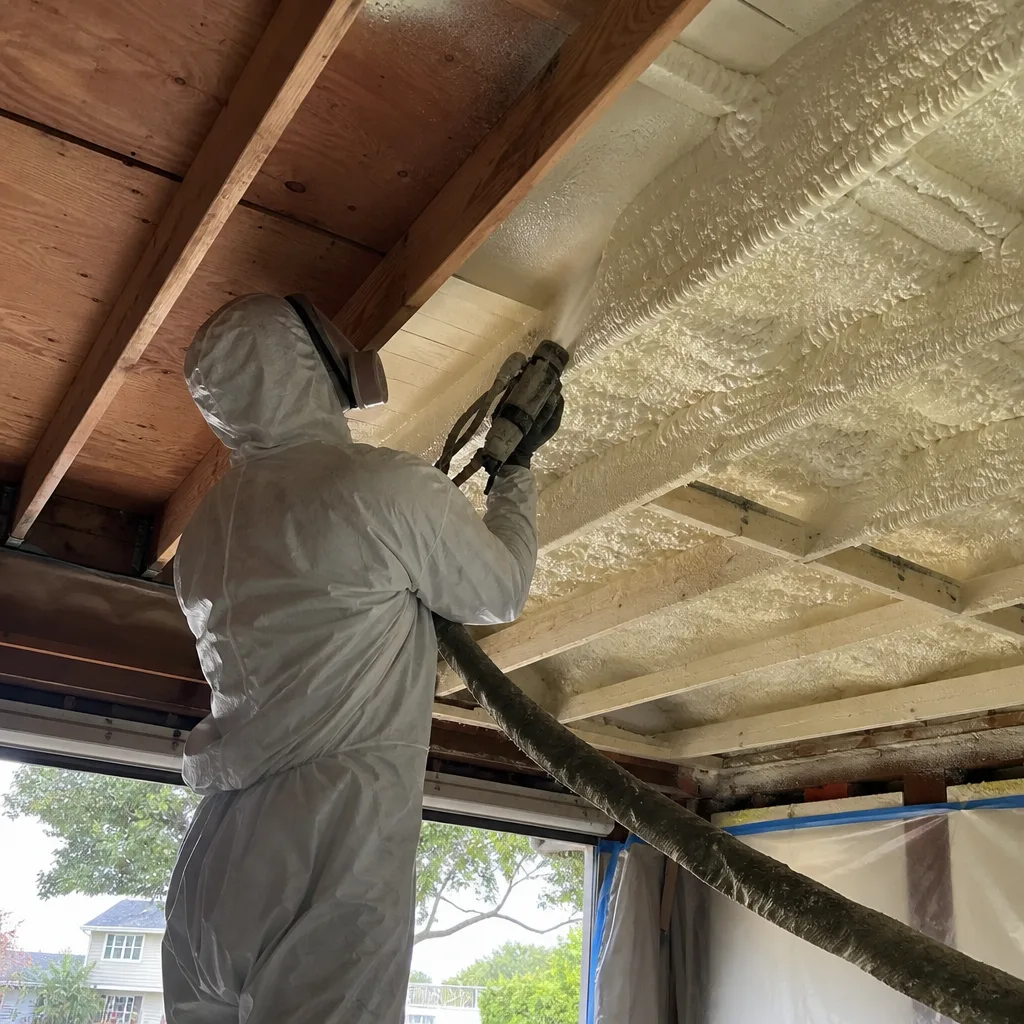
Open-cell spray foam (Icynene and Demilec are common specifications we use) expands to fill cavities and provides air sealing and insulation in one pass. Best for conditioned attics or roof deck applications where ventilation is being eliminated. Closed-cell is denser, higher R-value per inch, and acts as a vapor barrier. Used in crawl spaces, rim joists, and limited-access wall cavities.
The cost premium for spray foam is substantial, as shown in the line-item table above. In Campbell’s climate, the payback case is strongest for homes with HVAC equipment in the attic, where conditioning the attic envelope reduces duct losses and equipment load.
Radiant Barrier
Reflective foil or paint applied to roof deck underside. Effective in Campbell’s hot-summer climate for reducing radiant heat gain, particularly on west and south exposures. We often specify radiant barrier in combination with insulation, not as a replacement. The performance gain is measurable in cooling-dominated months but doesn’t substitute for air sealing or adequate R-value.
Permits, HERS Ratings, and Campbell Code Requirements
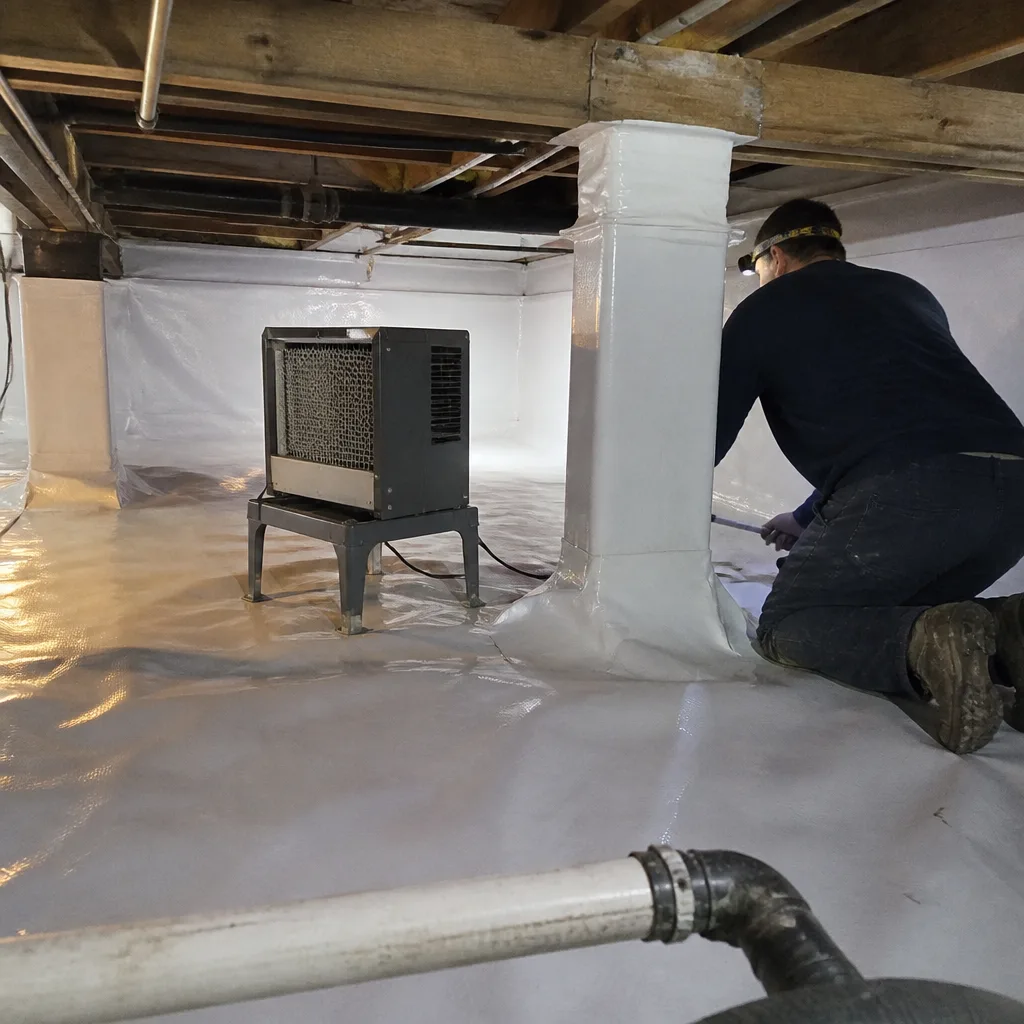
City of Campbell follows the 2022 California Energy Code (Title 24, Part 6) with local amendments. For insulation work, permit requirements depend on scope; see Insulation Permits, Codes & Inspections in CA: What You Need to Know for deeper detail:
- Attic insulation only (blown or batt, no air barrier modification): Permit required if R-value is being added to existing construction. Many contractors skip this; we don’t. The permit fee runs $180-$320 and includes a rough inspection for depth verification and final for coverage completeness.
- Air sealing with insulation: Same permit, but the scope must include air sealing on the application. HERS rater verification is required for rebate compliance but not for permit approval.
- Spray foam on roof deck or conditioned attic conversion: Structural and fire safety review required. Ignition barrier requirements, ventilation calculations, and combustion air for gas appliances must be addressed. Permit fees $320-$550; plan review adds 2-3 weeks.
- Crawl space encapsulation: Vapor barrier and insulation permits may be required depending on wall insulation approach and whether conditioning is being added. Crawl space encapsulation in Campbell has specific moisture management requirements given our clay-heavy soils in older neighborhoods.
HERS rater fees are separate from permit fees. The rater is a third-party verifier who performs the blower-door test, duct test if applicable, and submits compliance documentation to the California Energy Commission. Not all insulation contractors coordinate this; we include HERS coordination in our scope when rebates are being pursued, with the rater fee disclosed upfront.
Campbell’s building department is located at 70 N. First Street. Inspection scheduling is online, and turnaround is typically 2-3 business days for attic insulation finals. We schedule inspections as part of our project management; the homeowner doesn’t need to be present if access is arranged.
Common Mistakes to Avoid
- Accepting a quote with no line-item scope. A single number tells you nothing about what’s included. Every Haven Standard job begins with a written price that lists each component, quantity, and unit price.
- Ignoring the blower-door test. Without measured air leakage before and after, you have no proof the air sealing worked. We publish these numbers on every applicable job.
- Adding insulation over wet or contaminated material. Campbell’s winter rains and occasional roof leaks create moisture issues. Blown cellulose over wet fiberglass compacts and molds. We inspect and document attic conditions with photos before recommending scope.
- Sealing can lights without checking IC rating. Non-IC fixtures overheated and covered with insulation or sealed covers are a fire hazard. We verify ratings and replace or specify appropriate covers.
- Skipping baffles in vented attics. Every vented attic in Campbell needs clear soffit-to-ridge airflow. Blocked vents create moisture problems and void shingle warranties.
- Chasing R-value without addressing air leakage. An R-60 attic with 4,000 CFM50 leakage performs worse than an R-38 attic with 1,800 CFM50. The blower-door number predicts performance better than R-value alone.
When to Call a Professional
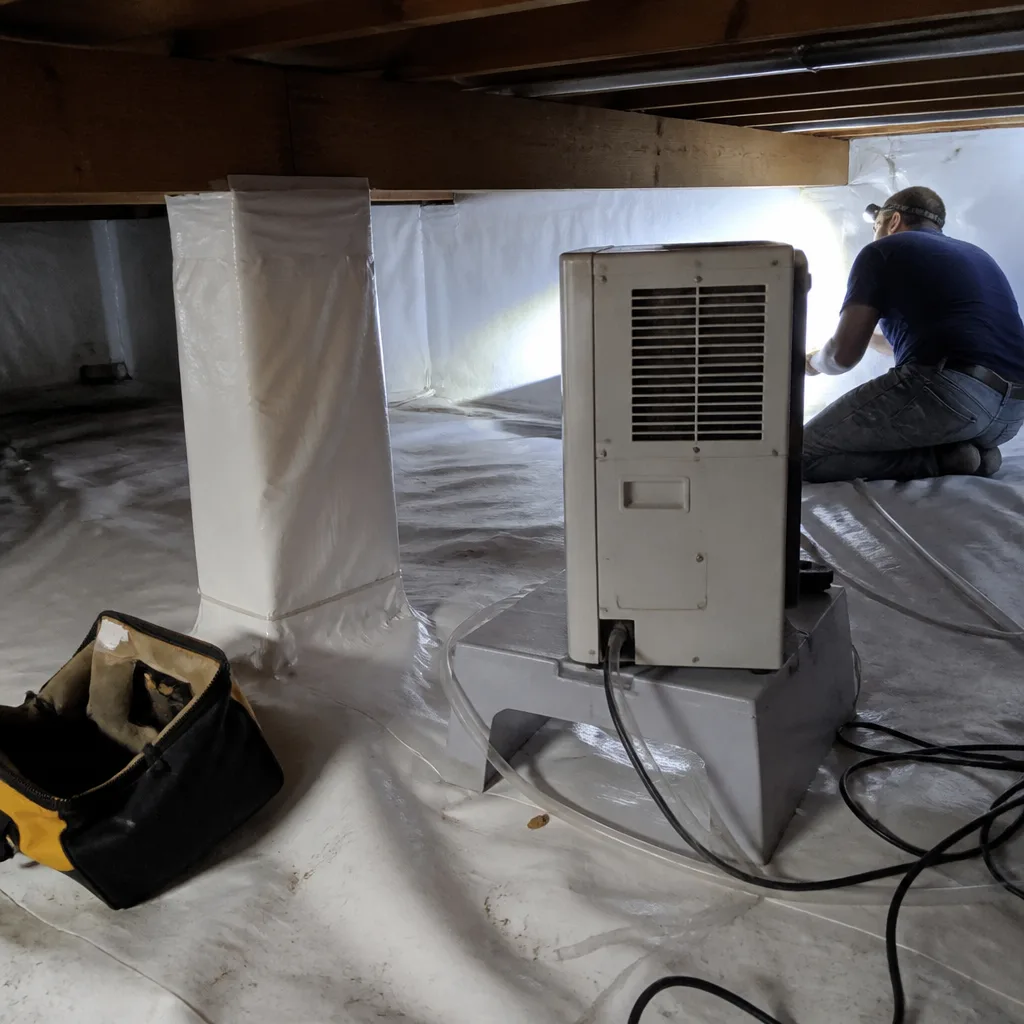
Call a professional when your energy bills exceed comparable homes in your Campbell neighborhood, when rooms have persistent temperature differences of more than 4°F, or when your attic insulation shows the Insulation Warning Signs: A Campbell Homeowner’s Reference Guide describes-like falling below the floor joist tops (indicating degradation or settling). Also call before any major HVAC replacement; proper envelope performance can reduce equipment sizing by 15-25%, saving on the mechanical investment.
Topside Attic Insulation Campbell offers free estimates in Campbell. We’ll review your attic conditions, perform a blower-door test if indicated, and provide a written scope with line-item pricing before any work starts. Call (831) 534-3206 to schedule.
Frequently Asked Questions
Most complete attic insulation jobs in Campbell run $3,200-$5,800 for a 1,500-2,500 square foot home, including air sealing, blown cellulose to R-38, and a post-job blower-door test. The same job without air sealing tests at $1,800-$3,200 but performs 30-50% worse on measured air leakage. Call (831) 534-3206 for a written estimate on your specific home.
Replacement is usually more cost-effective when existing insulation is below R-19, contaminated, or unevenly distributed. Repair (topping off) works if the existing material is dry, pest-free, and reasonably level, but it doesn’t address air sealing, which is typically the larger performance gap. We inspect and photograph attic conditions before recommending either approach.
No. Every job begins with a written price and written scope before any work starts, Haven Standard Clause 1. Same-day work skips the documentation that makes rebates possible and makes accountability impossible. Most jobs are scheduled within 5-10 business days of written approval.
PG&E Energy Upgrade California and BayREN Home+ both offer rebates for insulation combined with air sealing. PG&E requires HERS rater verification with 15% minimum leakage reduction. BayREN has tiered rebates based on percentage improvement. Both require pre- and post-work documentation. We coordinate this paperwork as part of our scope when rebates are pursued.
Read the scope, not just the price. Air sealing should list specific components: top plates, can lights, penetrations, chimney chase, plumbing vents. If your quote says “insulation” as a single line item with no air sealing detail, it’s not included. Bring us any written estimate for a Free Second Opinion; we’ll read it with you.
A blower-door test is a pressurization reading that shows, in one number, how much air your building envelope is losing. We test before air sealing to establish baseline, and after to verify results. The difference is documented in your project record. Without this test, you have no measured proof the work performed as specified.
Blown cellulose and fiberglass last 20-30 years when properly installed, but performance degrades if air sealing fails or moisture enters. We’ve inspected Campbell attics where 15-year-old insulation performed like new because the envelope was tight, and 5-year-old insulation that failed because baffles were omitted and wind washing stripped the eaves. The installation quality matters more than the calendar.
The Bottom Line
Campbell insulation quotes vary by 40-60% because scopes vary by more than that. The critical difference is air sealing and whether a blower-door test verifies the result. In 2026, expect $3,200-$5,800 for a complete attic job with sealing and testing, or $1,800-$3,200 for insulation alone. The payback on the higher investment is typically 3-5 years in reduced energy bills, plus improved comfort and rebate eligibility. Read quotes for line-item scope, not bottom-line price. And never let insulation go in before the air leaks are sealed.
Written by Wes Okafor, Owner at Topside Attic Insulation Campbell, serving Campbell since 2016.