
Last updated September 24, 2026
Insulation Warning Signs: A Campbell Homeowner’s Reference Guide
A Campbell homeowner replaced her HVAC system twice in eight years trying to fix uneven room temperatures. The actual problem was a 4-inch gap in the attic air barrier above a dropped soffit - a $400 repair that two HVAC contractors never looked for. In Campbell’s mild Mediterranean climate, insulation failures hide behind symptoms that get blamed on aging equipment, bad luck, or “just how this house is.” We’ve sealed and insulated over 9,000 homes since 2016, and the pattern is consistent: the visible warning signs are almost never the insulation itself. They’re downstream effects in drywall, trim, utility bills, and HVAC runtime. This guide pairs each symptom to its actual source, so you stop treating effects and start finding causes.
Quick Answer
The seven most common insulation warning signs in Campbell homes are: rooms that won’t hold temperature, high gas bills during mild weather, ice formation at eave edges on cold nights, musty attic odors, HVAC short-cycling, visible drywall cold spots, and pest evidence in attic or crawl space insulation. Most of these symptoms trace back to air leakage - gaps in the building envelope that let conditioned air escape and unconditioned air enter - rather than to insufficient insulation alone.
Table of Contents
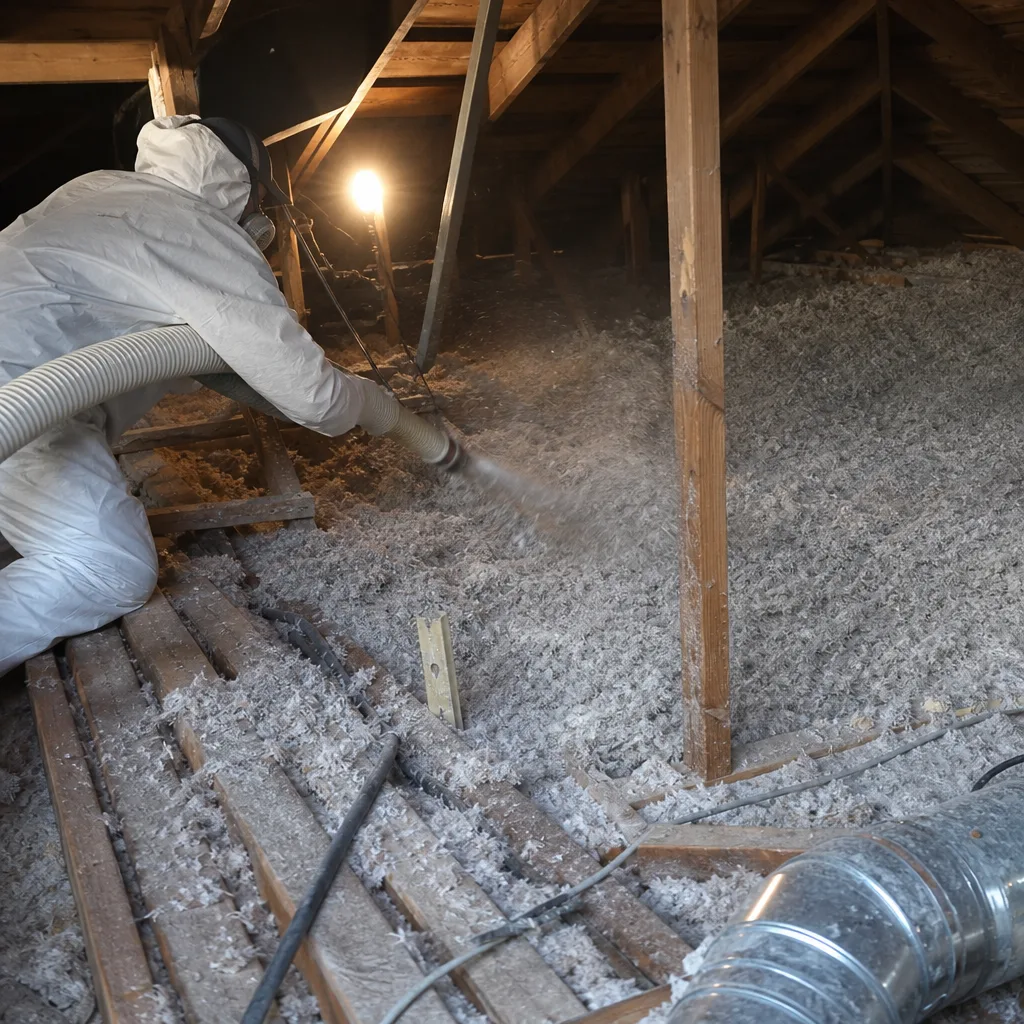
- The Seven Warning Signs and What They Actually Mean
- Insulation Problem or HVAC Problem? Three Checks Before You Call
- What Staining Patterns on Attic Insulation Actually Indicate
- The Utility Bill Analysis Method: Tracking Real Energy Loss
- Urgent Warning Signs vs. Next-Season Projects
- How Campbell’s Climate Hides Insulation Problems
- Common Mistakes to Avoid
- When to Call a Professional
- Frequently Asked Questions
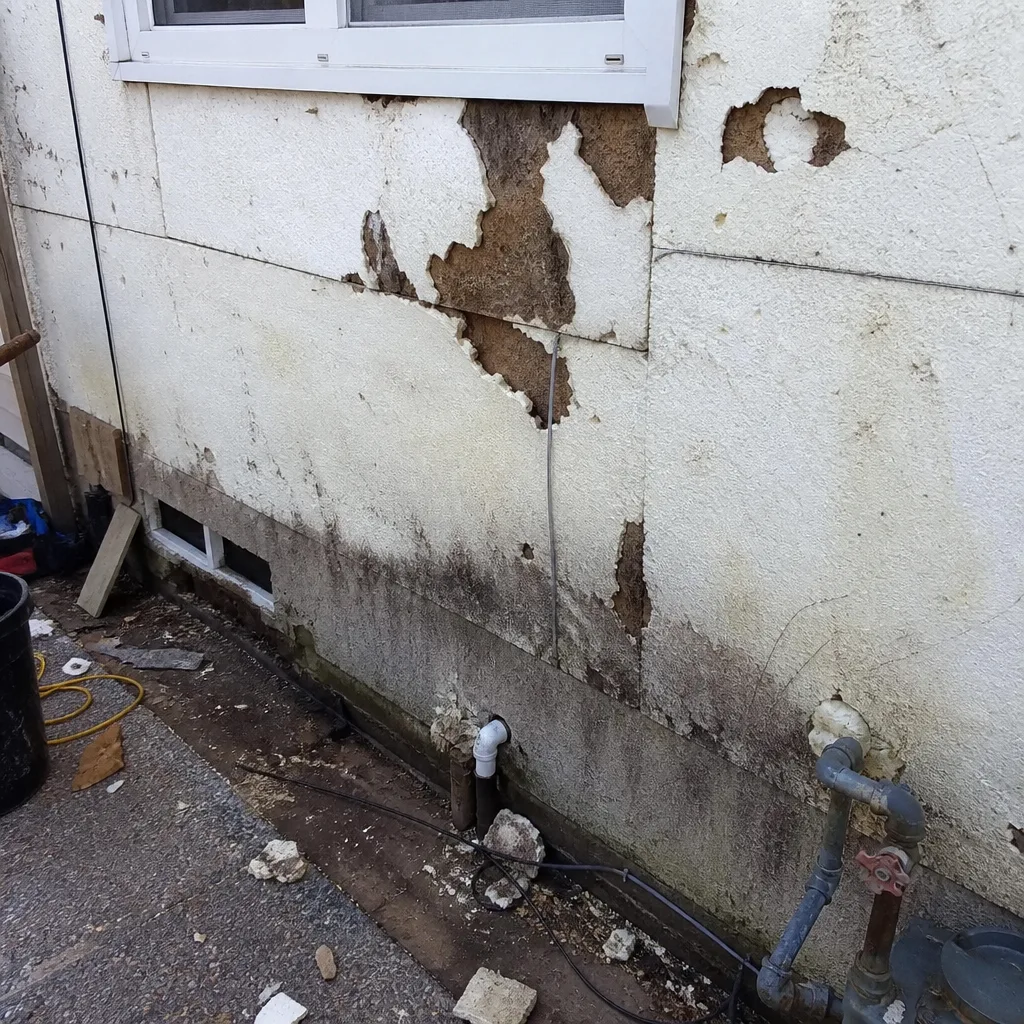 Before
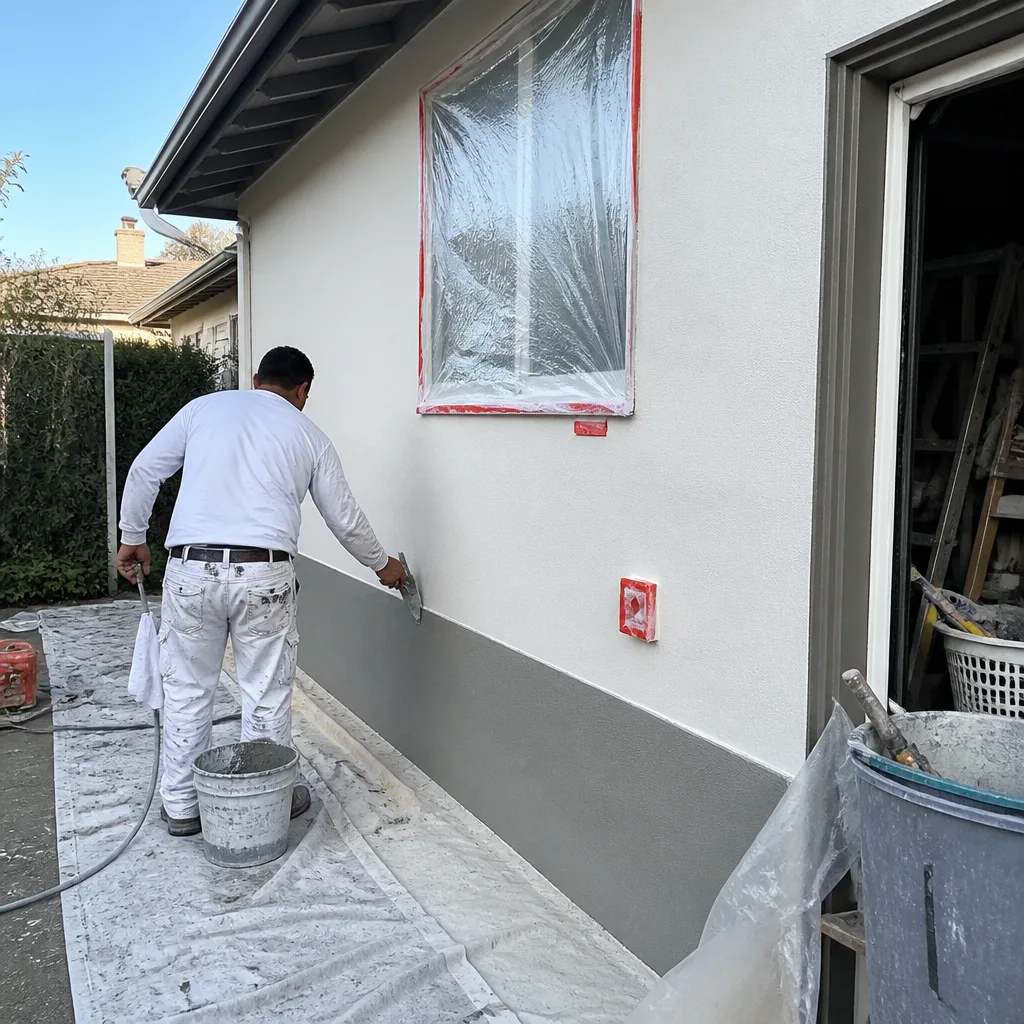 After
AfterThe Seven Warning Signs and What They Actually Mean
1. Rooms That Won’t Hold Temperature
This is the symptom that sends most Campbell homeowners down the wrong path. A bedroom that runs 8 degrees warmer in summer or colder in winter gets labeled an “HVAC balance issue.” Contractors sell duct modifications, zone dampers, or oversized equipment. In our experience, the actual cause is usually a disconnected or missing duct boot in the attic, combined with a top plate that was never sealed during original construction.
Here’s what happens: conditioned air leaks into the attic before it reaches the room, while unconditioned attic air gets pulled in through the same gap. The room never reaches setpoint, the thermostat keeps calling, and the HVAC runs overtime. The insulation itself can be perfectly thick and still useless because air is moving around it, not through it. This is why attic air sealing in Campbell precedes any insulation work we do - sealed first, then insulated, in that order.
Check the simplest indicator first: on a windy day, hold a lit incense stick near electrical outlets and baseboards on the problem room’s exterior walls. A flickering flame means air is moving through the wall cavity. That’s an envelope problem, not an equipment problem.
2. High Gas Bills in Mild Weather
Campbell’s heating season is short - typically December through February, with only occasional furnace use in November and March. If your January gas bill looks like it belongs in Minneapolis, the envelope is leaking. A properly sealed and insulated 1,800-square-foot Campbell home with a modern furnace should use roughly 15-25 therms per month in peak winter. Usage above 35 therms in a mild month points to specific failures.
The usual suspects, in order of frequency:
- Unsealed attic access hatch or pull-down stairs - a 1-square-foot hole in the ceiling can leak as much air as a 6-inch diameter duct, but homeowners rarely think to weatherstrip it
- Recessed can lights installed before 2012, when California Title 24 began requiring airtight IC-rated housings in new construction
- Missing or compressed insulation above dropped soffits and chases in homes built during Campbell’s 1960s-1980s expansion
- Single-wall furnace venting or abandoned chimney flues that act as thermal chimneys, pulling heated air upward 24/7
We publish before-and-after blower-door numbers on every applicable job - a pressurization reading that shows, in one number, how much air your building envelope was losing. One Campbell home in the Willow Glen-adjacent neighborhood tested at 3,800 CFM50 before sealing and 1,900 after. The homeowner’s February gas bill dropped from 41 therms to 19. The furnace didn’t change; the envelope did.
3. Ice at Eave Edges on Cold Campbell Nights
Campbell rarely sees hard freezes, but when temperatures dip to the mid-30s, ice formation at roof eaves is a diagnostic gold mine. It means warm, moist interior air is reaching the roof deck and condensing at the coldest point. The mechanism is almost always bypass air - warm air that leaks around the insulation rather than through it.
Common bypass paths in Campbell’s housing stock:
- Kitchen and bathroom exhaust fans vented into the attic instead of through the roof (common in pre-1990 construction)
- Plumbing vent stacks with gaps between the pipe and the ceiling drywall
- Top plates - the horizontal framing member where wall studs meet the ceiling - left unsealed during original construction
- Insulation pulled back from eaves to accommodate recessed lighting, creating a direct thermal bridge
Ice at the eaves is urgent. The freeze-thaw cycle damages roof shingles, and the underlying moisture rots roof sheathing. If you see it once, you’ll see it again until the air leakage path is sealed.
4. Musty Attic Smell
A musty odor from the attic or upper floor indicates moisture accumulation in insulation, which destroys its R-value and creates conditions for mold. In Campbell’s climate, the source is rarely bulk water intrusion from roof leaks - though those happen too. More commonly, it’s condensation from humid interior air contacting cold surfaces in the attic.
The smell is your warning. By the time it’s noticeable, insulation in the affected area is likely compromised. Fiberglass batts that have been wet lose their loft and their ability to trap air; once compressed, they don’t recover. Cellulose that’s been damp clumps and settles, creating voids. In either case, the insulation needs removal and replacement after the moisture source is eliminated.
We document the cause with photos before we touch anything. Our Documented Photo Record on every visit means you see what we found, not just what we fixed.
5. HVAC Short-Cycling
Short-cycling - when a furnace or air conditioner turns on and off rapidly without reaching setpoint - is usually diagnosed as an oversized unit or a faulty thermostat. Both happen. But in Campbell’s older neighborhoods, especially the ranch-style homes built in the 1960s and 1970s near Campbell Park, we regularly see short-cycling caused by a different mechanism: the thermostat is satisfied quickly because the conditioned space is so leaky that the temperature near the thermostat matches outdoor conditions within minutes of the system shutting off.
The system isn’t oversized. The envelope is too loose to hold the conditioning. A blower-door test reveals the truth: if your home leaks above 3,000 CFM50 for its square footage, the HVAC is fighting a battle it can’t win. Sealing the envelope first often extends HVAC runtime to normal cycles and reduces equipment wear.
6. Visible Drywall Cold Spots
Dark patches on interior drywall, especially on ceiling corners and upper wall sections, look like water stains but are often thermal tracking - dust and particulate matter deposited where air moves across a cold surface. The cold surface exists because insulation is missing, compressed, or bypassed by airflow.
In Campbell, we see this pattern frequently above dropped ceilings in older homes, around attic access hatches that were never insulated, and in corners where blown-in insulation was installed unevenly. The darkening is cosmetic, but the underlying condition means you’re heating and cooling the outdoors. A thermal imaging camera confirms the pattern in seconds; the fix is targeted air sealing and insulation restoration.
7. Pest Evidence in Insulation
Rodents nest in fiberglass batts and tunnel through cellulose. Their presence indicates gaps in the building envelope that let them enter - and those same gaps let air escape. In Campbell, roof rats are the primary concern, especially in neighborhoods with mature fruit trees and overhead utility lines.
Pest evidence requires immediate attention for two reasons: contaminated insulation loses effectiveness, and rodent waste creates health hazards. Topside Attic Insulation Campbell home services include insulation removal, attic cleaning and rodent proofing, and reinstallation with sealed entry points. The rodent proofing is the critical step; new insulation without sealing the access paths is a temporary fix.
Insulation Problem or HVAC Problem? Three Checks Before You Call
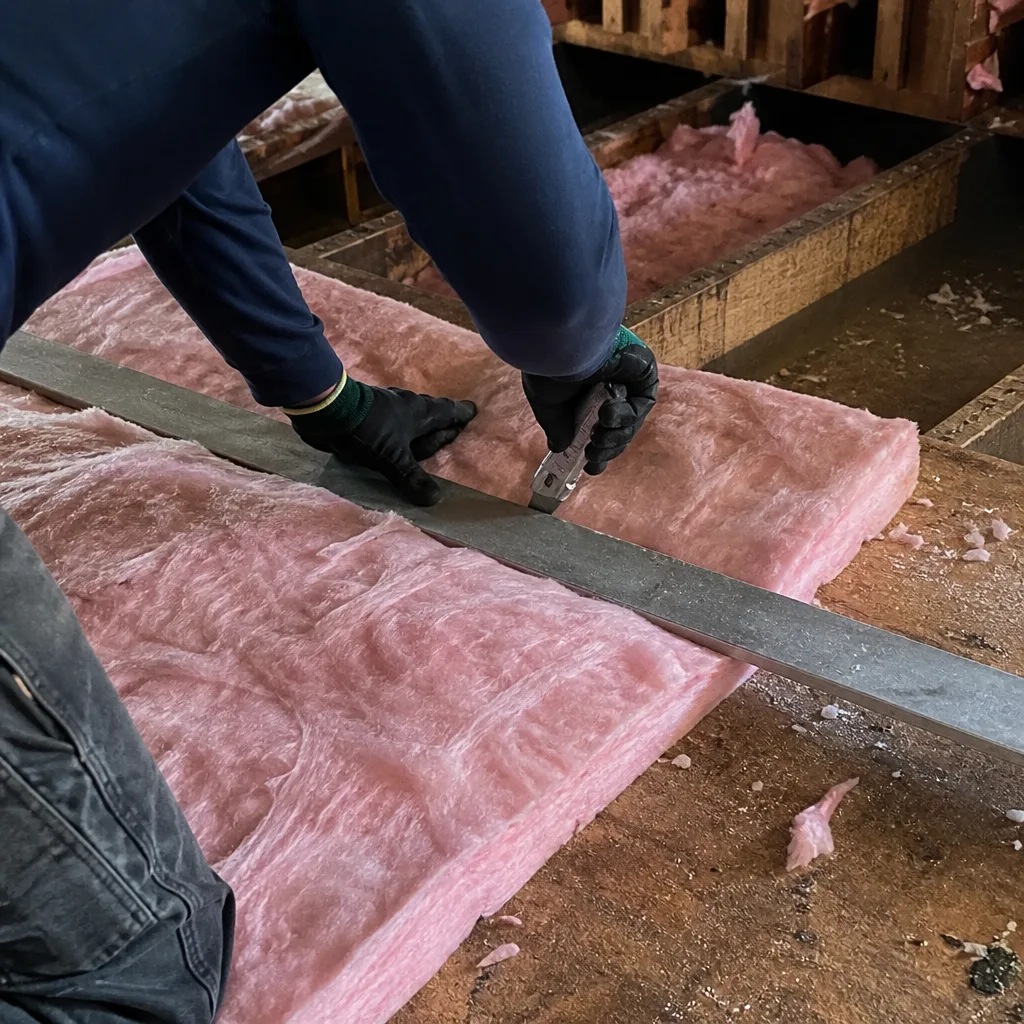
Campbell homeowners often spend $8,000-$15,000 on HVAC replacement before discovering the real issue is the envelope. These three checks take 30 minutes and require no tools beyond a thermometer, your utility bills, and a ladder.
Check 1: The Temperature Gradient Test
On a day when the HVAC has been off for at least two hours, measure the temperature at floor level and ceiling level in the same room. A difference of more than 3 degrees indicates stratification - warm air rising and escaping through ceiling leaks, pulling cooler air in at lower levels. This is an envelope problem. A well-sealed room with proper insulation shows minimal stratification even without HVAC running.
Check 2: The Runtime Ratio
Time your HVAC cycles for an hour during mild weather (65-75 degrees outdoor in Campbell, which occurs frequently in spring and fall). If the system runs more than 20 minutes out of 60 despite moderate conditions, it’s working against envelope losses. Note the outdoor temperature; you’ll use it in Check 3.
Check 3: The Therms-per-Degree-Day Calculation
Pull your gas bill and find the therms used and the billing period dates. Look up Campbell’s heating degree days (HDD) for that period at degree-days.net. Divide therms by HDD: a well-sealed Campbell home typically runs 0.3-0.5 therms per HDD. Above 0.7 indicates significant envelope leakage. We explain this calculation in detail in the next section.
If two of three checks point to the envelope, call for a home energy audit before you call an HVAC contractor. Under Haven Standard: Have it in writing - we provide a written scope and written price before any work starts, and a Free Second Opinion on any written estimate you’ve already received.
What Staining Patterns on Attic Insulation Actually Indicate
Discolored attic insulation isn’t just “old.” The pattern, color, and location tell you the mechanism causing it. Learning to read these patterns saves you from replacing insulation that could stay, or leaving insulation that needs to go.
Gray or Black Surface Staining on Fiberglass
This is filtration soiling - indoor air passing through the insulation and depositing dust and particulate matter. It indicates an air leakage path directly above the stained area. The insulation is doing its job of filtering the air, but the air shouldn’t be moving through it. Find the penetration: electrical box, top plate gap, or duct boot, and seal it. The stained insulation can stay if it’s otherwise dry and uncompressed.
Uniform Darkening of Cellulose
Cellulose darkens over time from oxidation and minor dust accumulation. Uniform darkening without localized heavy staining is normal aging. However, if the darkened cellulose is also compacted - you can press your hand into fresh cellulose, but compacted cellulose feels like damp cardboard - it’s been wet and has lost R-value. Remove and replace.
Black Streaks Following Framing Members
These mark thermal bridging locations where wood framing conducts heat faster than surrounding insulation, creating a temperature differential that draws moisture and deposits particulates. The framing isn’t the problem; the gaps between framing and insulation are. Dense-pack cellulose or spray foam insulation in Campbell fills these gaps and eliminates the streaking pattern.
White or Gray Powdery Residue
This indicates past moisture saturation with mineral leaching, common in fiberglass that has been repeatedly wet and dried. The binder in the fiberglass breaks down, and the fibers separate. R-value is compromised. Remove and replace, but only after finding and fixing the moisture source.
Localized Heavy Staining Near Penetrations
The darkest staining occurs where the largest air volumes move: around furnace vent pipes, chimney chases, and attic access openings. These are your highest-priority sealing locations. In Campbell’s climate, a single unsealed 10-inch diameter furnace vent pipe can leak enough air to stain insulation in a 4-foot radius.
Our crews photograph every staining pattern during the initial inspection. You receive these photos in your Documented Photo Record, with annotations showing what each pattern indicates and what we did about it.
The Utility Bill Analysis Method: Tracking Real Energy Loss
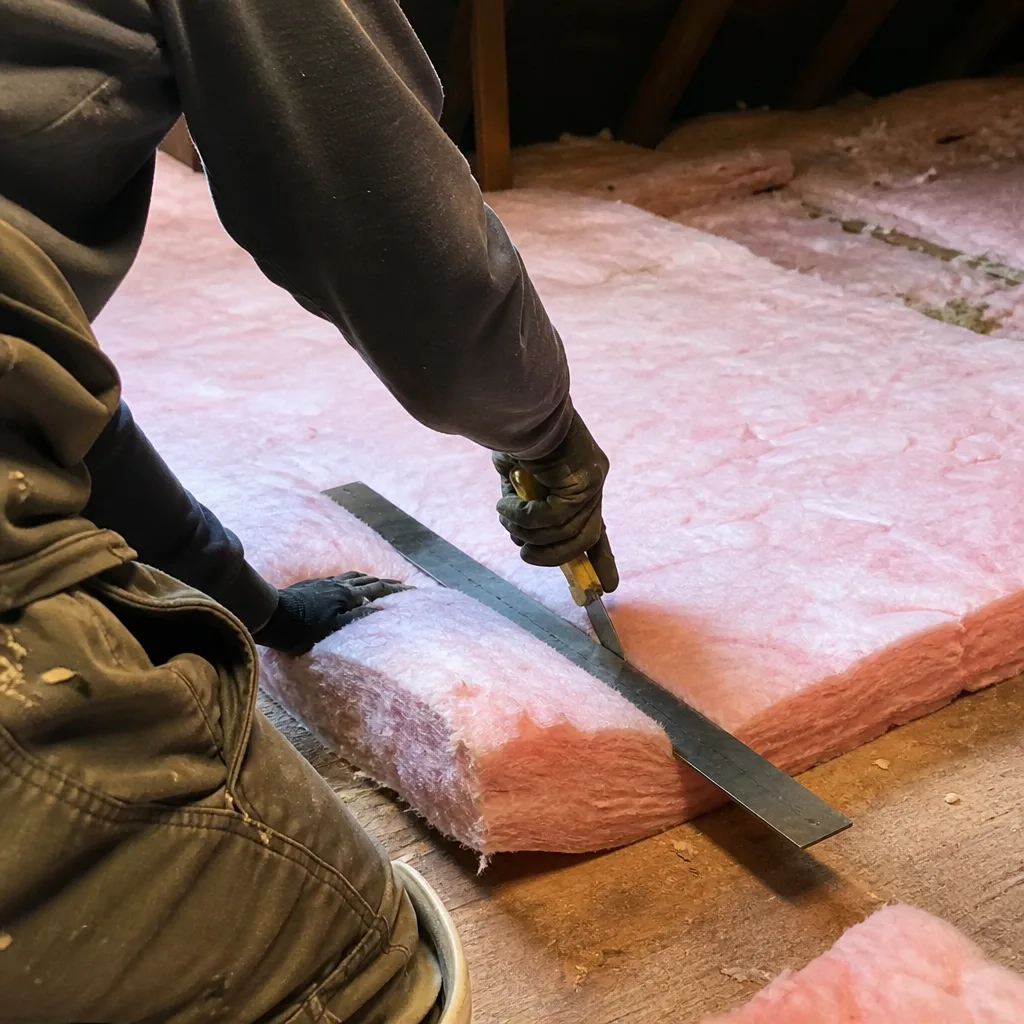
Utility bills fluctuate with weather, rates, and household habits. To isolate whether your home’s envelope performance is actually degrading, you need to normalize for weather variation. Heating degree days (HDD) provide that normalization.
Step-by-Step Calculation
- Find your gas bill for the month you want to analyze. Note the therms used and the exact billing period dates.
- Visit degree-days.net and select “San Jose” as the nearest weather station to Campbell. Enter your billing period dates and download the HDD in base 65°F.
- Divide therms by HDD: Therms ÷ HDD = normalized consumption.
- Compare across multiple months and years. A rising trend in this ratio means your envelope is leaking more, not that the weather got colder.
What the Numbers Mean for Campbell Homes
| Normalized Consumption (Therms/HDD) | Envelope Assessment |
|---|---|
| Below 0.3 | Excellent; well-sealed and insulated |
| 0.3 - 0.5 | Good; typical for post-2010 construction with basic sealing |
| 0.5 - 0.7 | Fair; likely gaps in attic sealing, common in 1980s-2000s Campbell homes |
| Above 0.7 | Poor; significant air leakage, priority for professional assessment |
One Campbell homeowner in the Pruneyard area tracked this ratio from 0.4 in 2018 to 0.8 in 2023. No change in furnace, occupancy, or rates. The cause: squirrels had displaced insulation above a bathroom soffit, creating a 12-square-foot uninsulated zone that acted as a thermal chimney. The ratio normalized back to 0.35 after repair.
We provide this analysis as part of our home energy audits in Campbell. You get the calculation, the trend, and the specific locations driving it.
Urgent Warning Signs vs. Next-Season Projects
Not every insulation warning sign demands immediate action. Misjudging urgency leads to either unnecessary emergency spending or delayed repairs that cause structural damage. Here’s how we categorize them based on 9,000+ homes of experience.
Urgent: Schedule Within Two Weeks
- Active moisture intrusion - water stains that appear or worsen during rain, or insulation that feels damp to touch. Moisture destroys structural components and creates mold conditions within 48-72 hours.
- Pest infestation with active nesting - rodents in insulation produce waste that becomes airborne when disturbed. This requires professional removal with proper PPE and containment.
- Compromised vapor barrier in crawl space - torn or displaced polyethylene sheeting allows soil moisture to enter the building envelope, raising indoor humidity and promoting wood rot in floor joists. Crawl space encapsulation in Campbell addresses this directly.
- Visible ice at eaves with associated interior water damage - indicates active condensation cycle threatening roof sheathing.
Scheduled: Plan for Next Appropriate Season
- Uniform aging of insulation with stable utility bills - insulation loses some effectiveness over decades, but if your normalized consumption hasn’t trended upward, replacement is preventive maintenance, not emergency repair.
- Minor filtration soiling without air quality complaints - seal the leakage path; the stained insulation can remain if dry.
- Temperature stratification in one room with no other symptoms - likely a single disconnected duct or small bypass; schedule when convenient.
- Insulation below current code levels but performing adequately - Campbell’s Title 24 code has tightened over time, but code-minimum isn’t always cost-effective to upgrade if current performance is acceptable.
The distinction matters for budgeting and for avoiding contractor pressure. Under Haven Standard: Have it in writing - we specify urgency in every written scope, with the reasoning documented. No manufactured urgency, no delayed critical repairs.
How Campbell’s Climate Hides Insulation Problems
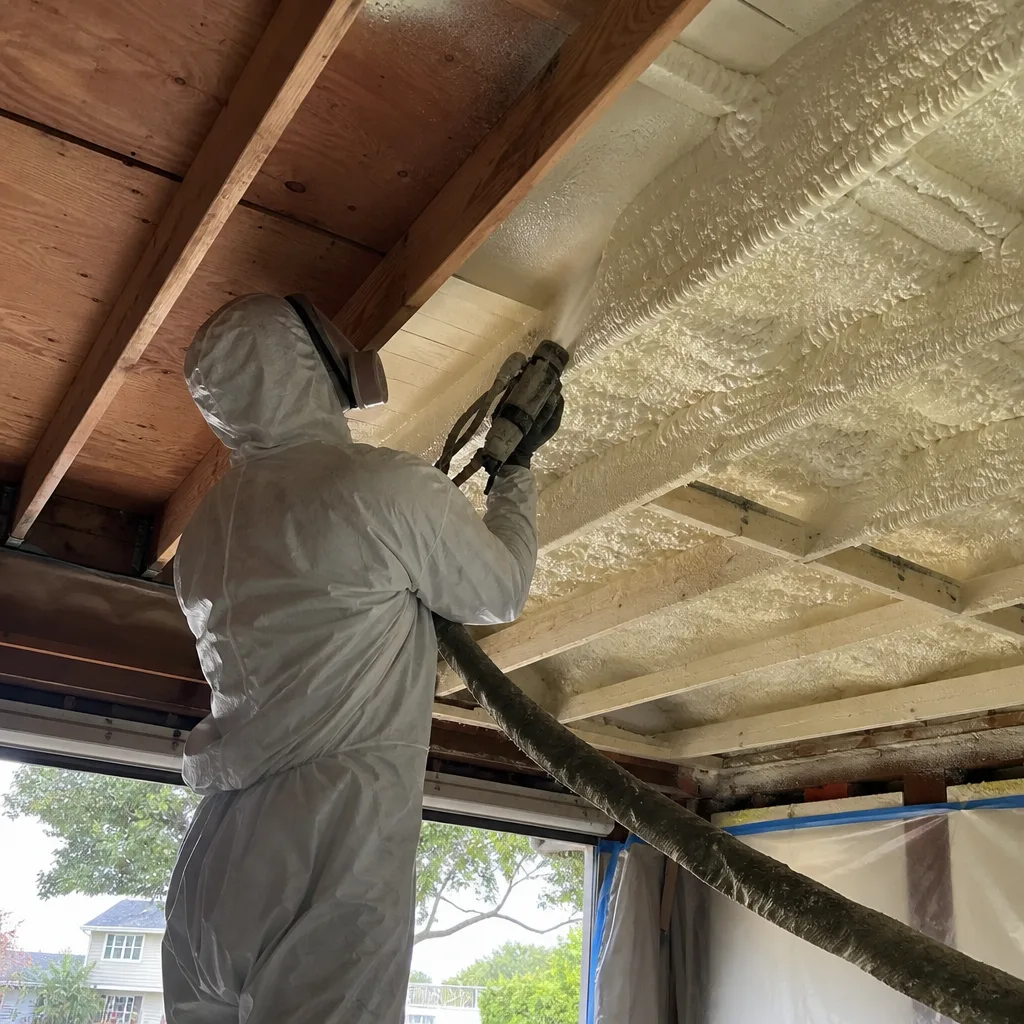
Campbell’s Mediterranean climate - mild, dry summers and cool, wet winters - is forgiving in ways that delay detection of envelope failures. In Minneapolis, a missing attic hatch seal shows up on the first subzero night. In Campbell, the same leak might add only $20-$30 to a monthly gas bill and go unnoticed for years.
Three climate-specific factors mask problems:
Low heating demand means high percentage losses go unnoticed. A home in Campbell might use 200 therms annually for heating versus 1,200 in a cold climate. A 30% envelope loss adds 60 therms here - barely perceptible on the bill - versus 360 therms there. The problem is equally real; it’s just less visible.
Mild temperatures allow HVAC to compensate. A leaky envelope in Campbell still reaches setpoint eventually because the outdoor temperature isn’t extreme. The system runs longer, wears faster, and fails prematurely, but the room feels fine. Homeowners replace the HVAC twice, like the woman in our opening example, without questioning the envelope.
Dry summers prevent moisture symptoms. Attic moisture issues that would cause visible mold in humid climates may dry completely from May through October in Campbell. The problem returns each winter, but the seasonal disappearance convinces homeowners it “went away.” It didn’t; it hibernated.
This climate-specific invisibility is why we advocate for proactive testing - blower-door and thermal imaging - rather than waiting for symptoms. A 2019 job in the Campbell Heights area revealed 2,800 CFM50 leakage in a home where the owners had “no complaints.” After sealing to 1,400 CFM50, they reported the house “just feels different” - less drafty, quieter, more stable. They hadn’t recognized the problem because the climate never forced them to.
Common Mistakes to Avoid
- Adding insulation over unsealed air leaks. This is the most common error we correct in Campbell attics. Blown fiberglass or cellulose over a leaky attic floor simply filters the escaping air. The insulation appears to work - it’s thick and fluffy - but the air moves around it. We remove the new insulation, seal the leaks, and reinstall. The cost of doing it twice exceeds the cost of doing it right once.
- Assuming R-value alone solves comfort problems. R-value measures resistance to conductive heat flow, not convective losses from air movement. A wall with R-13 batts and no air sealing performs like R-8 in real conditions. Materials like Rockwool and CertainTeed fiberglass provide excellent R-value, but only when the envelope is sealed.
- Ignoring the crawl space while fixing the attic. In Campbell’s older homes with raised foundations, the crawl space is often the largest unsealed surface. A perfectly sealed attic with an open crawl space is like wearing a winter hat with no shoes. Crawl space encapsulation completes the envelope.
- Trusting visual inspection alone. Insulation that looks fine can perform poorly. Compressed batts, wind-washed loose fill, and gaps around obstructions aren’t always visible from the attic hatch. We use thermal imaging and blower-door testing to find what eyes miss.
- Replacing HVAC before testing the envelope. The average Campbell homeowner replaces their furnace every 15-20 years. If your system is failing at year 8-10, demand an envelope test before you sign for new equipment. The test costs less than one month of payments on financed HVAC.
- Accepting “R-38 added” without specifying air sealing scope. A proposal that lists insulation type and R-value but doesn’t itemize sealing locations - top plates, can lights, penetrations, access hatch - is incomplete. Under Haven Standard, our written scope specifies every sealing point before insulation is discussed.
- DIY spray foam in occupied spaces. Two-component polyurethane foams like Icynene and Demilec require professional application with respiratory protection and ignition barrier knowledge. Improper mixing ratios create off-gassing that persists for months. This is not a weekend project.
When to Call a Professional
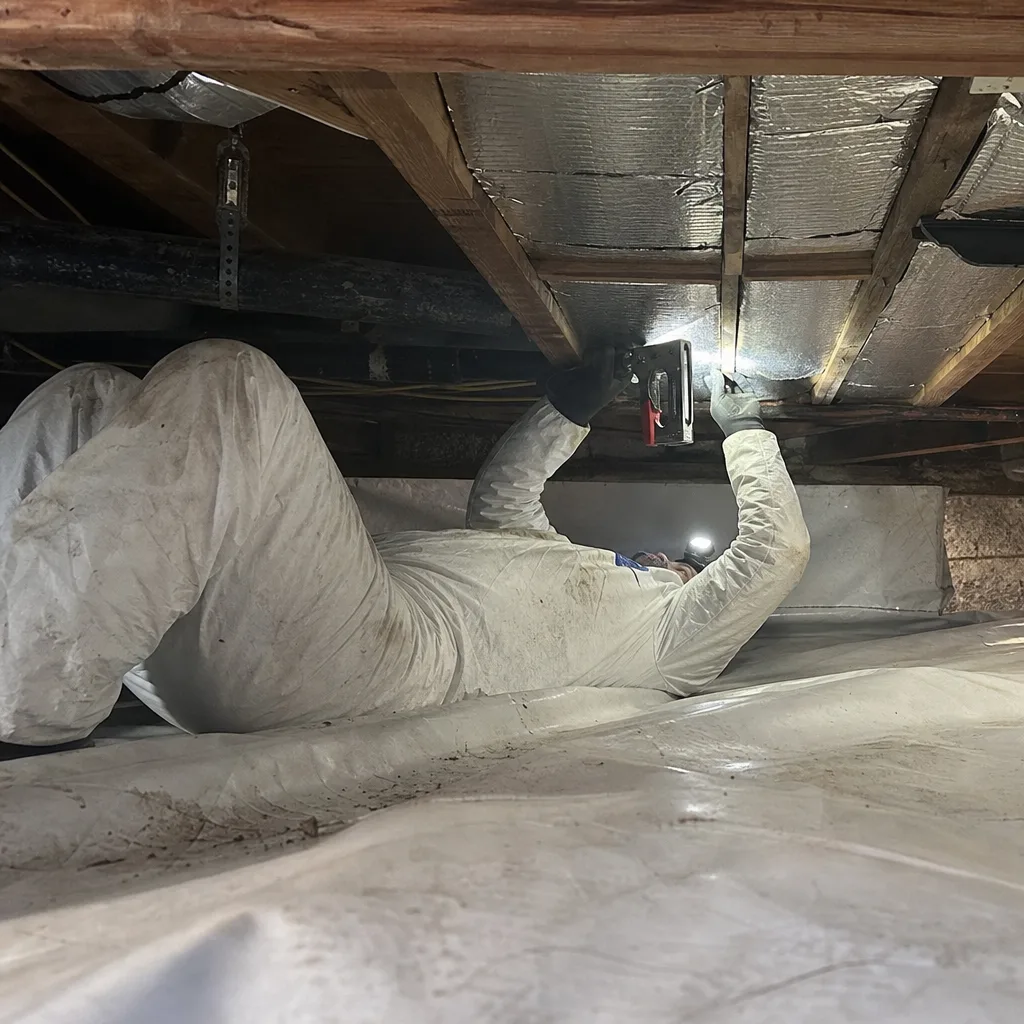
Call for a professional assessment when: you’ve completed the three-check method and two or more checks indicate envelope problems; you observe any urgent warning sign listed above; your normalized therms-per-HDD ratio trends upward over two or more years; you’re considering HVAC replacement and haven’t had a blower-door test; or you’ve received a competing insulation quote and want a Free Second Opinion - we’ll read it with you, line by line.
Topside Attic Insulation Campbell offers free estimates in Campbell - call (831) 534-3206. Every estimate includes a written scope, written price, and written warranty before any work starts. Our background-checked, uniformed technicians arrive on schedule, and you’ll get a text when they’re on the way. Calls are answered by a live person, 24/7.
Frequently Asked Questions
Most attic insulation jobs in a Campbell home of 1,500-2,500 square feet run between $2,800 and $6,500, depending on access difficulty, existing insulation condition, and the extent of air sealing required. Spray foam applications typically range higher, from $4,500 to $9,000 for the same footprint. We provide a flat written price before any work starts - no estimates that balloon, no undisclosed charges. Call (831) 534-3206 for an exact quote; estimates are free.
Most air sealing and blown-in insulation jobs are completed in one day. Spray foam requires cure time and is typically a two-day process. We schedule diagnosis and repair separately so you have time to review the written scope and written price before approving work. Under Haven Standard: Have it in writing - no work starts without your signature on both documents.
Repair is cheaper when insulation is dry, uncompressed, and only partially displaced - typically $400-$1,200 to add fill and seal access paths. Replacement is necessary when insulation has been wet, contaminated by pests, or compressed below half its original thickness. In Campbell’s climate, we find that 40% of attics we inspect can be restored with targeted repair rather than full removal and replacement. We tell you which category applies after inspection, not before.
Check your runtime ratio during mild weather: time how many minutes your AC runs per hour when outdoor temperatures are 75-80 degrees. More than 15 minutes indicates the envelope is leaking cooled air. Also compare your bill’s kilowatt-hours year-over-year for the same month - weather-normalized, a rising trend points to envelope degradation. We perform this analysis during our home energy audits and show you the specific locations driving the loss.
Fiberglass and cellulose perform well in Campbell’s dry, mild conditions when properly installed with air sealing. Rockwool provides excellent fire resistance and sound dampening, valuable in denser Campbell neighborhoods. Spray foam - including open-cell Icynene and closed-cell Demilec products - offers superior air sealing but at higher cost. We source materials from Owens Corning, Johns Manville, Knauf, Rockwool, CertainTeed, Icynene, Demilec, and GreenFiber with no proprietary lock-in, selecting based on your home’s specific conditions and your budget.
Every 5-7 years, or immediately after any roof leak, pest activity, or HVAC modification. Campbell’s mild climate doesn’t accelerate insulation degradation, but the region’s seismic activity can shift framing and create new gaps, and mature tree coverage increases rodent access. Our 365-Day Done Right Promise covers any issues that arise after our work, and we recommend a follow-up blower-door test at the 5-year mark to catch developing leaks.
The Bottom Line
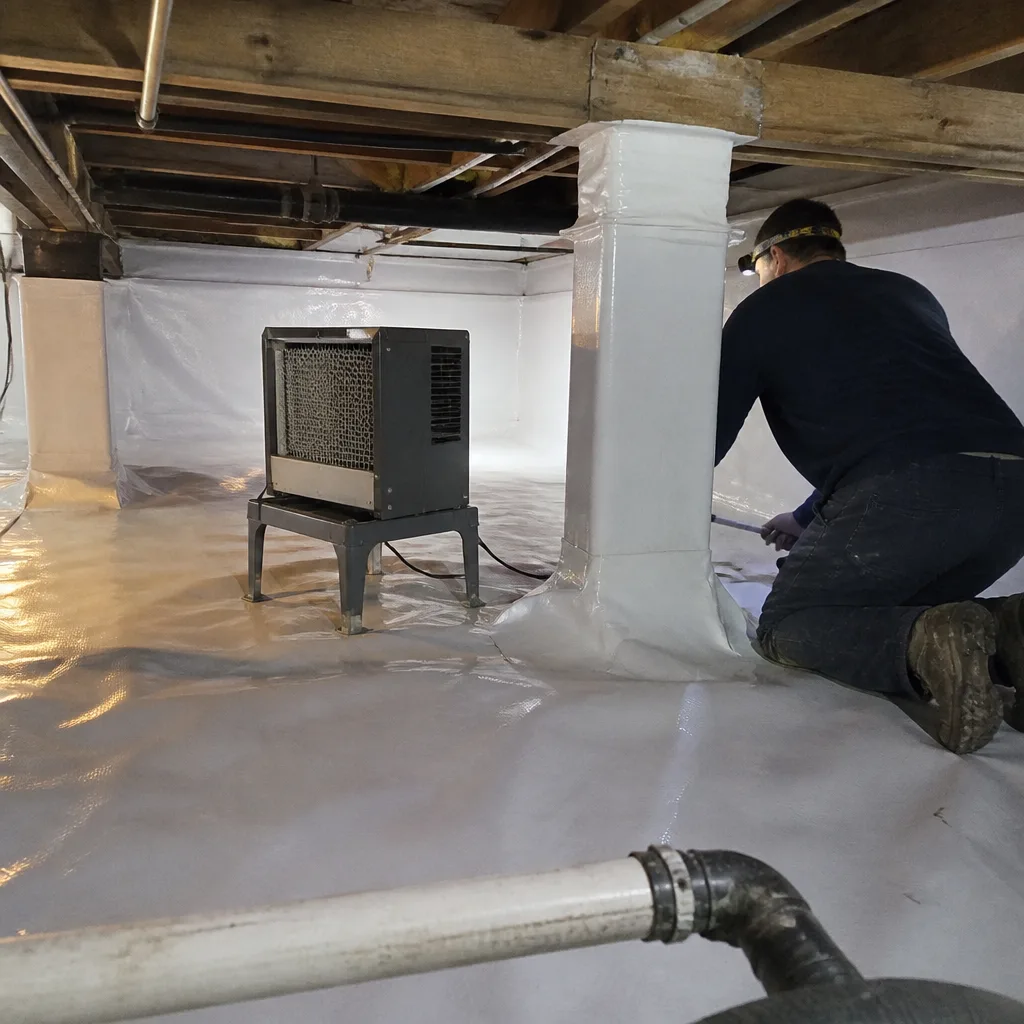
Insulation warning signs in Campbell homes are symptoms of underlying envelope failures, not problems in themselves. The seven key indicators - temperature-holding issues, high mild-weather gas bills, eave ice, musty odors, HVAC short-cycling, drywall cold spots, and pest evidence - each map to specific air leakage or moisture mechanisms that a blower-door test and thermal imaging can pinpoint. Distinguishing envelope problems from HVAC problems before you spend money requires simple checks you can do yourself, plus professional testing when patterns confirm leakage. The right sequence matters: sealed first, then insulated, with documentation at every step. That’s the Haven Standard, and it’s how we’ve approached every one of 9,000+ homes since 2016.
Written by Wes Okafor, Owner at Topside Attic Insulation Campbell, serving Campbell since 2016.