
Crawl Space Insulation in Campbell, CA
Crawl space insulation in Campbell typically costs between $1,800 and $4,500 depending on square footage, access conditions, and whether the existing insulation needs to come out first. Most jobs are completed in one day, and every job at Topside Attic Insulation Campbell starts with a written price before anyone touches a tool.
If your floors feel cold in the morning, your heating bill climbs every winter without explanation, or you can smell a damp, musty odor rising from below – your crawl space insulation is either missing, damaged, or doing almost nothing. Insulation that was never air-sealed beneath it is the most common version of this problem we find under Campbell homes. We’ve been working under homes in this area since 2016, and the pattern is consistent: insulation was installed, but the air bypasses were never closed first, so the insulation was never able to perform to its rated R-value.
Topside Attic Insulation Campbell approaches crawl space insulation as one part of a two-part job. Air sealing comes first – rim joists, penetrations, band joists, and any gaps where conditioned air escapes into the crawl space. Then insulation goes in. That sequence matters. Skipping air sealing and adding insulation on top of open bypasses is a documented failure mode, not a shortcut. If you have a written estimate from another contractor and want a second read on it, we offer a free second opinion on any written estimate – call us at (831) 534-3206 or visit our Crawl Space Encapsulation & Vapor Barrier in Campbell page for context on how crawl space insulation fits into a complete encapsulation scope.
When You Need Crawl Space Insulation
- Cold floors in winter, especially in older Campbell neighborhoods like Orchard City and the streets near Hamilton Avenue. Hardwood and tile over an uninsulated crawl space loses heat through the floor assembly constantly. If you’re running the heat and the floor is still cold by 7 a.m., the crawl space is usually where the heat is going.
- Heating or cooling costs that don’t match your usage. Campbell’s climate sits in a mild band, but overnight lows in January regularly drop into the upper 30s. An uninsulated or damaged crawl space floor assembly can account for 15 to 25 percent of a home’s total heating load, depending on the structure.
- Existing batt insulation hanging, falling, or visibly sagging. Fiberglass batts between floor joists aren’t stapled permanently – they’re friction-fit. Moisture, rodents, and time all cause them to drop. A sagging batt has an effective R-value close to zero because it’s no longer in contact with the subfloor above it.
- Pest activity in the crawl space. Rodents nest in fiberglass insulation. If there has been any pest activity under the home – and in Campbell’s older stock, particularly near Los Gatos Creek and the Budd Avenue corridor, this is more common than most homeowners expect – the existing insulation likely needs removal and replacement before new material goes in.
- A recent home inspection that flagged the crawl space. Buyers and sellers in Campbell’s real estate market regularly see crawl space insulation flagged during escrow. We work with homeowners on both sides of a transaction and can schedule an assessment and written estimate quickly.
- A vapor barrier was recently installed but insulation was not addressed. A vapor barrier controls ground moisture, but it does nothing to slow heat transfer through the floor assembly. If your encapsulation was done without addressing the insulation above it, the job is only half-finished.
Our Crawl Space Insulation Process
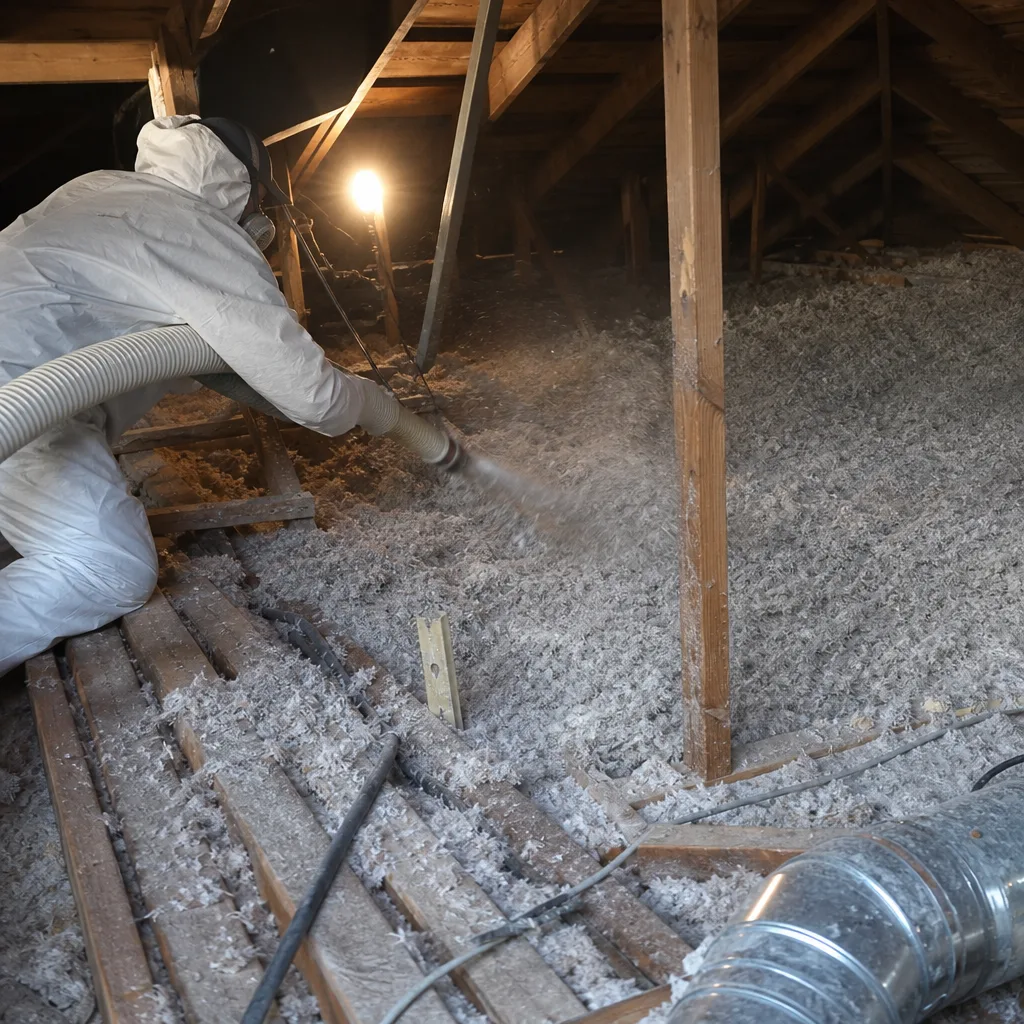
- Written price before anything starts. Under Haven Standard Clause 1, you receive a flat price, a written scope, and a written warranty before we schedule the work. There are no verbal estimates that grow on installation day. If the scope changes after we open the crawl space – which does happen when existing insulation removal reveals damaged blocking or unexpected pest evidence – we stop, document what we found with photos, and present a revised written price. Work resumes only after you approve it.
- Full crawl space inspection and documentation. Before any material is ordered, a technician enters the crawl space to document existing conditions: insulation depth and type, vapor barrier status, rim joist condition, presence of any standing water or high moisture readings, pest evidence, and access constraints. Every visit includes a documented photo record – this is standard, not an add-on.
- Insulation removal if required. Fallen, contaminated, or rodent-damaged insulation comes out before new material goes in. We don’t bury the problem. Removed material is bagged and hauled from the site.
- Air sealing of the crawl space boundary. Rim joists, band joists, pipe penetrations, and any gaps between the crawl space and conditioned areas of the home are sealed before insulation is applied. This is the step most contractors skip. Insulation without air sealing is like wrapping a house in a blanket that has holes cut in it – the R-value on the label doesn’t reflect what you’re actually getting. We use spray foam or appropriate sealant depending on the gap size and location.
- Insulation installation to California Title 24 requirements. Campbell is in Climate Zone 4 under the California Energy Code. Crawl space floors (floor assemblies over unconditioned space) require R-19 minimum under current Title 24 standards. We install to code minimums at a minimum and will walk you through the cost difference to upgrade to R-25 or R-30 if the floor joist depth allows it. Materials vary by job – we source from Knauf and Rockwool depending on the application, and we don’t lock you into any single product line.
- Final documentation and closeout. When the crew leaves, you receive a completed photo record of the finished installation, the written warranty, and – on jobs where a blower-door test was part of the scope – the before-and-after pressurization readings so you can see, in a single number, what changed. The 365-Day Done Right Promise applies: if something isn’t right within the first year, we make it right.
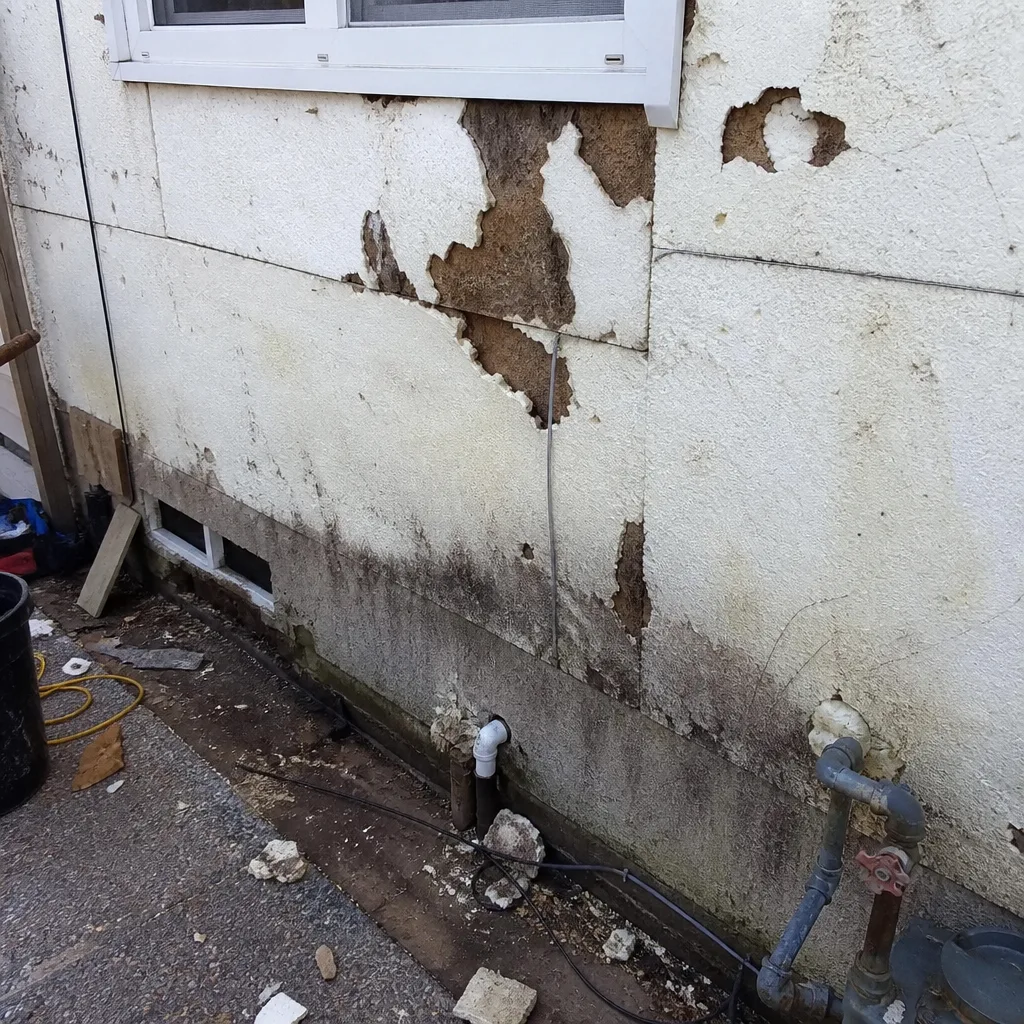 Before
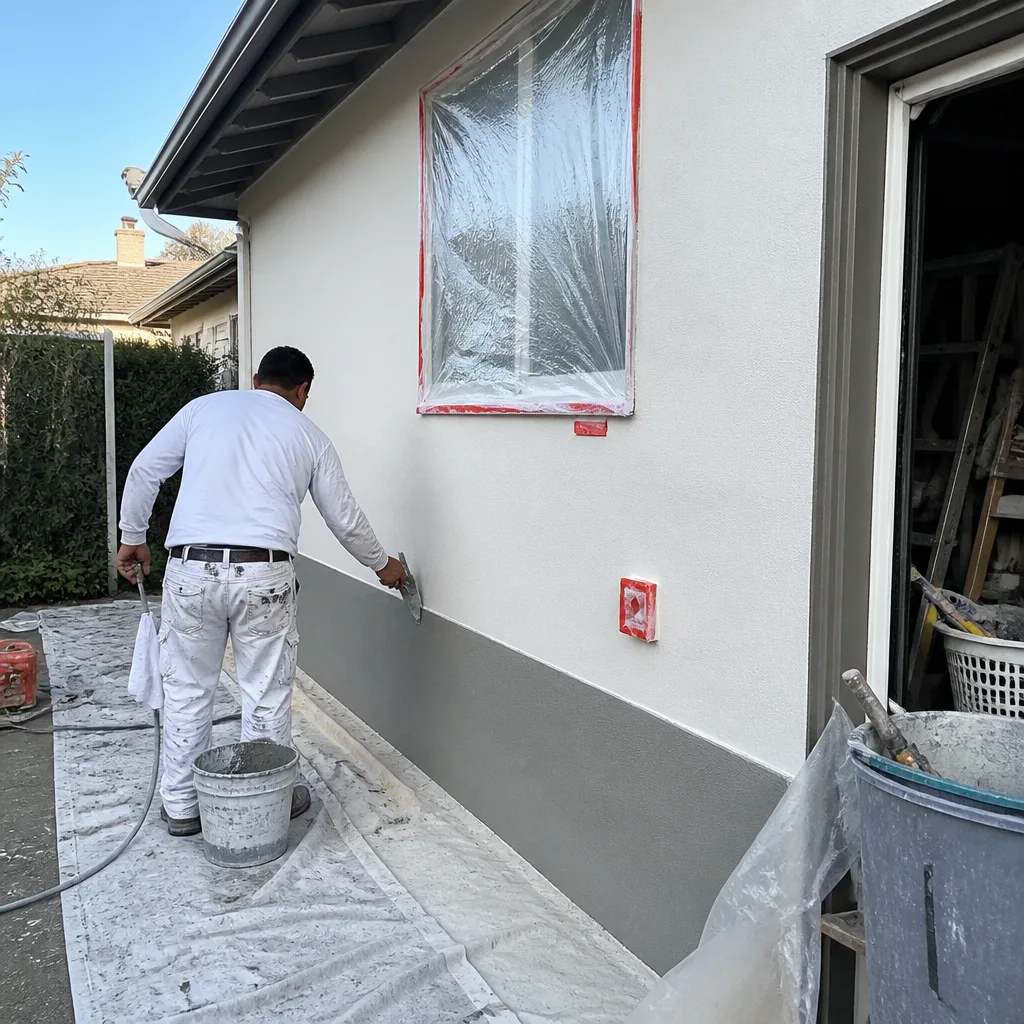 After
AfterCrawl Space Insulation Pricing in Campbell
Most crawl space insulation jobs in Campbell run between $1,800 and $4,500 for a standard single-family home. Here’s what drives cost in each direction:
| Cost Factor | Typical Range | Notes |
|---|---|---|
| Crawl space insulation only (no removal, good access) | $1,800 – $2,600 | 1,000-1,500 sq ft crawl space, R-19 batts, air sealing included |
| Old insulation removal + reinstall | $2,400 – $3,800 | Adds labor and disposal; common in pre-1990 Campbell homes |
| Spray foam at rim joists + batt insulation | $2,800 – $4,500 | Best thermal performance; typical for tighter air-sealing scopes |
| Pest-contaminated insulation removal only | $900 – $1,800 | Priced separately if remediation is required before new install |
These ranges reflect real jobs in Campbell. Prices shift based on crawl space height (anything under 18 inches adds labor time significantly), the number of access hatches, and whether standing moisture needs to be addressed before work begins. A 1,200-square-foot crawl space in a 1960s home near the Ainsley House district with dropped batts and one 14-inch access hatch is a different scope than the same square footage under a 2005 build with a clean crawl space vapor barrier already in place.
We don’t ask you to call for pricing as a way to get you on the phone. A written price before any work starts is Haven Standard Clause 1 – it’s the operating rule, not a sales tactic. To get a written estimate for your Campbell home, call (831) 534-3206. The estimate is free, and if you already have a competing written quote, we’ll read it with you and tell you what we see.
What We’ve Found Under Campbell Homes
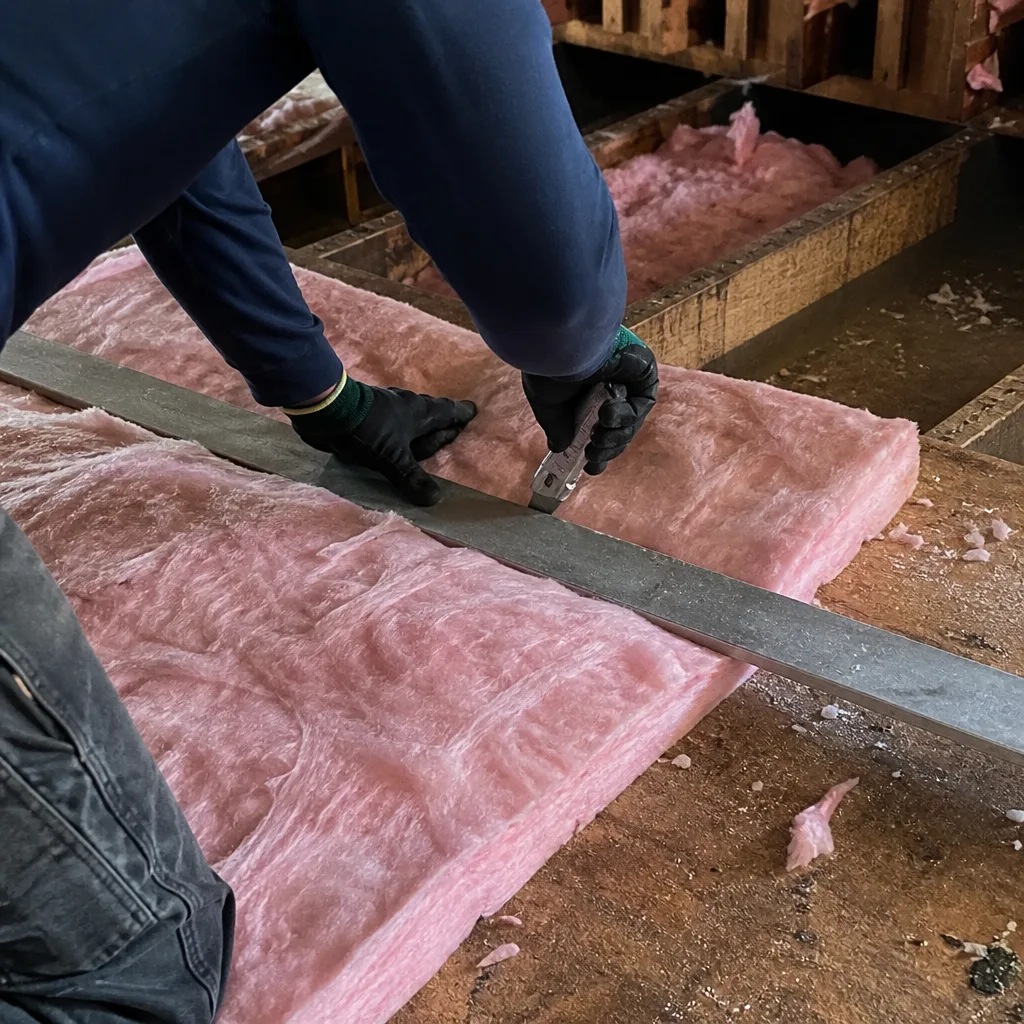
Campbell’s housing stock skews heavily toward mid-century construction. A significant portion of single-family homes in the city were built between 1945 and 1975, which means crawl spaces with 16-inch joist bays, minimal original insulation, and decades of settling, moisture cycling, and pest pressure. In the neighborhoods closest to Los Gatos Creek – Orchard City, the streets south of Hacienda Avenue, and the older sections near the Campbell Community Center – we regularly find original kraft-faced fiberglass batts that are still technically in place but have lost contact with the subfloor and are holding enough moisture to read above 20 percent on a moisture meter.
High moisture in insulation is a compounding problem. Wet fiberglass conducts heat instead of resisting it. It also becomes a substrate for mold if the vapor barrier beneath it is torn, absent, or undersized. Crawl space insulation that looks intact from the access hatch often isn’t performing at all by the time we pull it. This is why the inspection step – with photos – happens before any pricing conversation. We document what’s there, tell you what we found, and give you a written price based on actual conditions.
Campbell’s climate also matters here. The Santa Clara Valley floor where Campbell sits gets cooler, damper winters than inland California, and the marine layer from the Pacific pushes through the Diablo Range gaps often enough that crawl spaces under homes without encapsulation stay at elevated relative humidity through most of the year. That sustained moisture is the primary reason fiberglass batts degrade faster here than in drier climates. It’s also why we treat vapor barrier condition as part of every crawl space insulation assessment – the two are connected systems, and addressing insulation without checking the vapor barrier is a partial fix.
Our broader home insulation service line covers everything from the crawl space floor assembly up through the attic. If you’re finding that multiple parts of your building envelope need attention, we can scope and price the full envelope in a single visit.
Materials We Use
We don’t use proprietary products or steer every job toward the same material. The right insulation for a crawl space depends on the joist depth, the moisture conditions, the air-sealing approach, and the budget. On most Campbell crawl space jobs, we’re working with either faced fiberglass batts from Knauf – a consistent, well-documented performer for floor assemblies – or Rockwool mineral wool batts in situations where moisture resistance is a higher priority. Rockwool is dimensionally stable, doesn’t absorb water, and holds its R-value in damp conditions better than fiberglass.
For rim joist air sealing, we use two-component spray foam in most cases. The rim joist is the single leakiest part of most crawl spaces – it sits at the intersection of the foundation wall and the floor framing, and it’s almost never insulated adequately in original construction. Sealing it properly before adding floor insulation is the difference between an installation that reads well on paper and one that actually changes how the home feels in January.
How Crawl Space Insulation Connects to Full Encapsulation
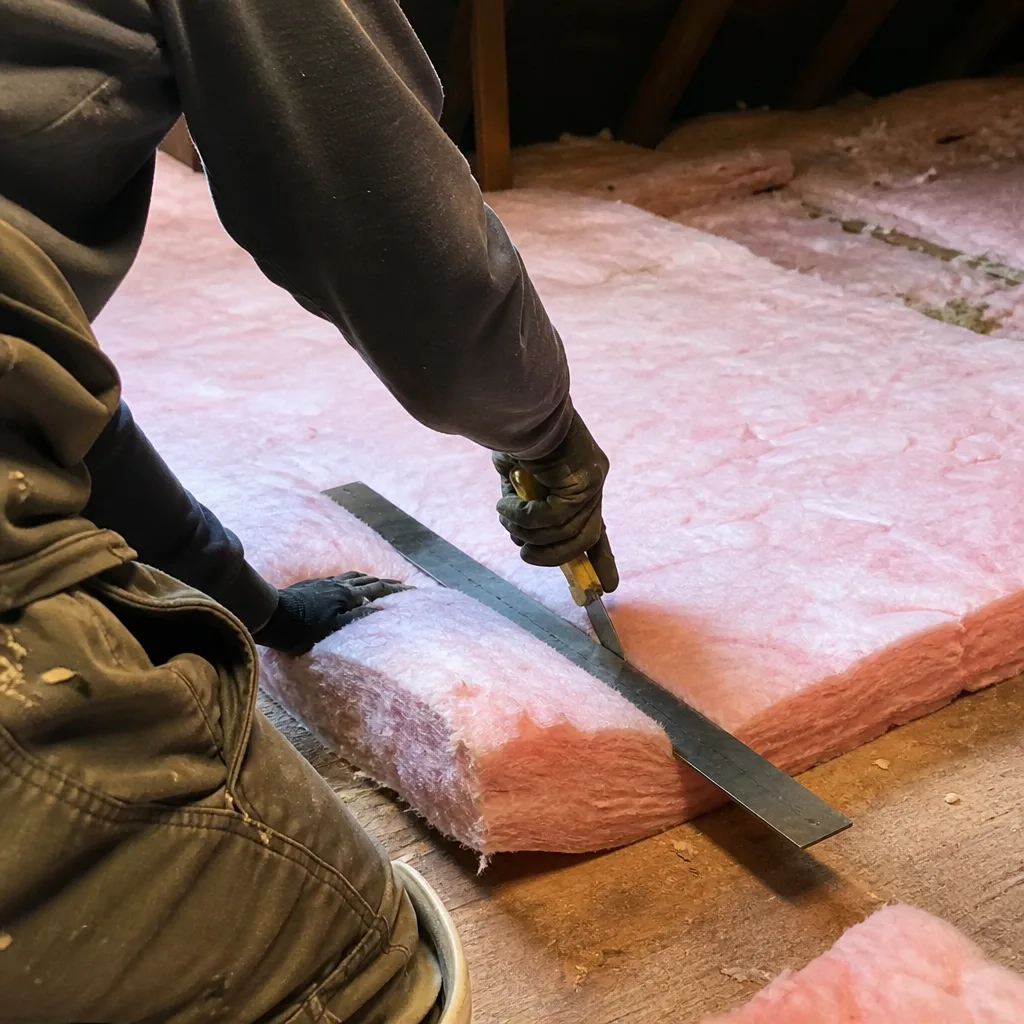
Crawl space insulation is one component of a complete crawl space system. The other components – including crawl space encapsulation and vapor barrier, drainage, ventilation or conditioning decisions – affect how well insulation performs over time. A crawl space with a compromised vapor barrier will degrade new insulation faster than one that’s properly sealed at the ground plane. We assess the full system on every visit and will tell you clearly if the insulation scope you’re asking about is the right starting point or if the vapor barrier should be addressed first.
For a full explanation of how these components work together, see our Crawl Space Encapsulation & Vapor Barrier in Campbell page, which covers the complete scope of crawl space work we do in this market.
FAQs – Crawl Space Insulation in Campbell
How much does crawl space insulation cost in Campbell, CA?
Most crawl space insulation jobs in Campbell run between $1,800 and $4,500 for a standard single-family home. The lower end of that range covers jobs with good access, no old insulation to remove, and a crawl space that’s already dry. The higher end reflects jobs that include old insulation removal, spray foam at the rim joists, and more complex access conditions – which are common in pre-1985 Campbell homes. Every job at Topside Attic Insulation Campbell gets a written price before work starts. Call (831) 534-3206 to schedule a free written estimate.
Do I need to remove my old crawl space insulation before installing new insulation?
Yes, if the existing insulation is sagging, wet, pest-contaminated, or compressed below its rated thickness – which it is in most mid-century Campbell homes we inspect. Installing new insulation over compromised old material buries the problem and doesn’t restore any meaningful R-value. If the existing insulation is dry, in contact with the subfloor, and free of pest evidence, we’ll tell you that and factor it into the written price. We document what we find with photos before any work starts so you can see the condition of what’s there.
What R-value does a Campbell crawl space need to meet California code?
Campbell falls in California Climate Zone 4 under the state’s Title 24 energy code. The minimum required R-value for a floor assembly over an unconditioned crawl space is R-19. Upgrading to R-25 or R-30 is possible in most homes with 2×10 or deeper floor joists and costs incrementally more – usually $200 to $500 additional depending on square footage. We’ll walk you through both options with specific numbers in the written estimate.
Can you insulate a crawl space without doing a full encapsulation?
Yes. Crawl space insulation and full encapsulation are related but separate scopes. Insulation addresses heat transfer through the floor assembly. Encapsulation addresses ground moisture with a vapor barrier and, in some cases, conditioning or mechanical drainage. You can do insulation without full encapsulation, and many Campbell homeowners do. That said, we will always check the vapor barrier condition as part of the inspection, because installing insulation into a wet crawl space shortens its useful life considerably. If we find that the vapor barrier needs attention first, we’ll say so in writing – along with how much crawl space encapsulation and vapor barrier costs for your specific situation – before any work is priced or scheduled.
Written by Wes Okafor, Owner at Topside Attic Insulation Campbell, serving Campbell.