

Trusted Crawl Space Encapsulation & Vapor Barrier for Campbell Homeowners
Crawl space encapsulation and vapor barrier installation in Campbell typically runs $3,200-$8,500 for a complete system, depending on square footage and existing moisture damage. Most Campbell homes built between 1950 and 1995 have vented crawl spaces that pull in damp air from the Santa Clara Valley floor, and we’ve sealed and insulated over 9,000 homes since 2016 with written prices before any work starts. Call (831) 534-3206 - a live person answers 24/7, and we can usually inspect your crawl space within 48 hours.
Campbell sits on clay-heavy soils that hold moisture through the dry season, and the temperature swing between summer days in the 80s and winter nights in the 40s creates condensation cycles under your floorboards. We’ve documented this pattern in neighborhoods from the historic downtown grid near Campbell Avenue to the post-war ranch homes east of Winchester Boulevard. Our crews find the same problems repeatedly: fiberglass batts sagging and holding water like a sponge, rusted HVAC ducts, and floor joists showing early signs of fungal growth. The fix isn’t adding more of what failed. It’s sealing the envelope first, then conditioning the space.
Under The Haven Standard, every crawl space job begins with a written price and written scope, and ends with a Documented Photo Record. On applicable jobs, we provide before-and-after blower-door numbers - a pressurization reading that shows, in one figure, how much conditioned air your home was losing before and after the work. Wes Okafor has led this operation since 2016, and our 365-Day Done Right Promise applies to every completed encapsulation.
What Our Crawl Space Encapsulation & Vapor Barrier Service Includes
Crawl Space Vapor Barrier
A vapor barrier is a polyethylene sheet - typically 6-mil minimum, though we specify 10-mil or 20-mil reinforced poly for Campbell’s clay soils - installed over bare earth to block ground moisture from evaporating into the crawl space. You need this when your crawl space floor is dirt or thin gravel, which describes most Campbell homes built before 1980, especially in the Pruneyard area and along Bascom Avenue. Our crew seams and seals all overlaps with pressure-sensitive tape, then mechanically fastens the barrier to foundation walls so it stays put when rodents or maintenance workers disturb it. We document the installation with photos showing seam spacing and wall terminations, and we never call a vapor barrier complete without addressing the perimeter gaps where most moisture actually enters.
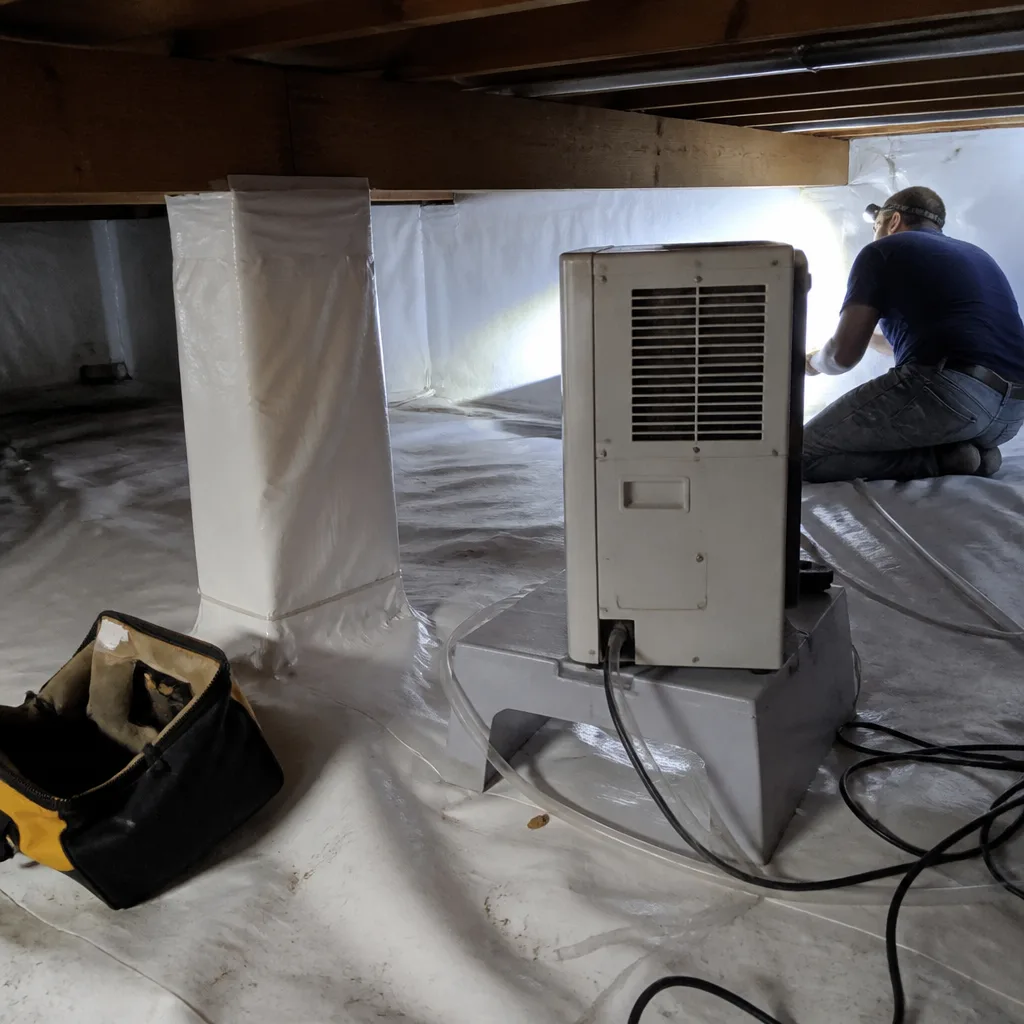
Crawl Space Encapsulation
Encapsulation is the full treatment: vapor barrier on the floor, sealed to closed-cell spray foam or rigid foam board on the walls, with all vents blocked and a dehumidifier or conditioned-air supply maintaining relative humidity below 60%. You need this when you’ve had recurring moisture issues, musty smells inside the home, or visible mold on floor joists - common in Campbell’s older neighborhoods like the ones near San Tomas Aquino Creek, where the water table sits higher than homeowners realize. Our encapsulation process starts with air sealing, not insulation: we seal rim joists, sill plates, and penetrations before adding any foam, because blowing insulation over an unsealed envelope traps moisture against structural members. Every encapsulation includes a written scope specifying foam thickness, vapor barrier mil rating, and dehumidifier capacity, plus blower-door testing when the HVAC ductwork is involved.
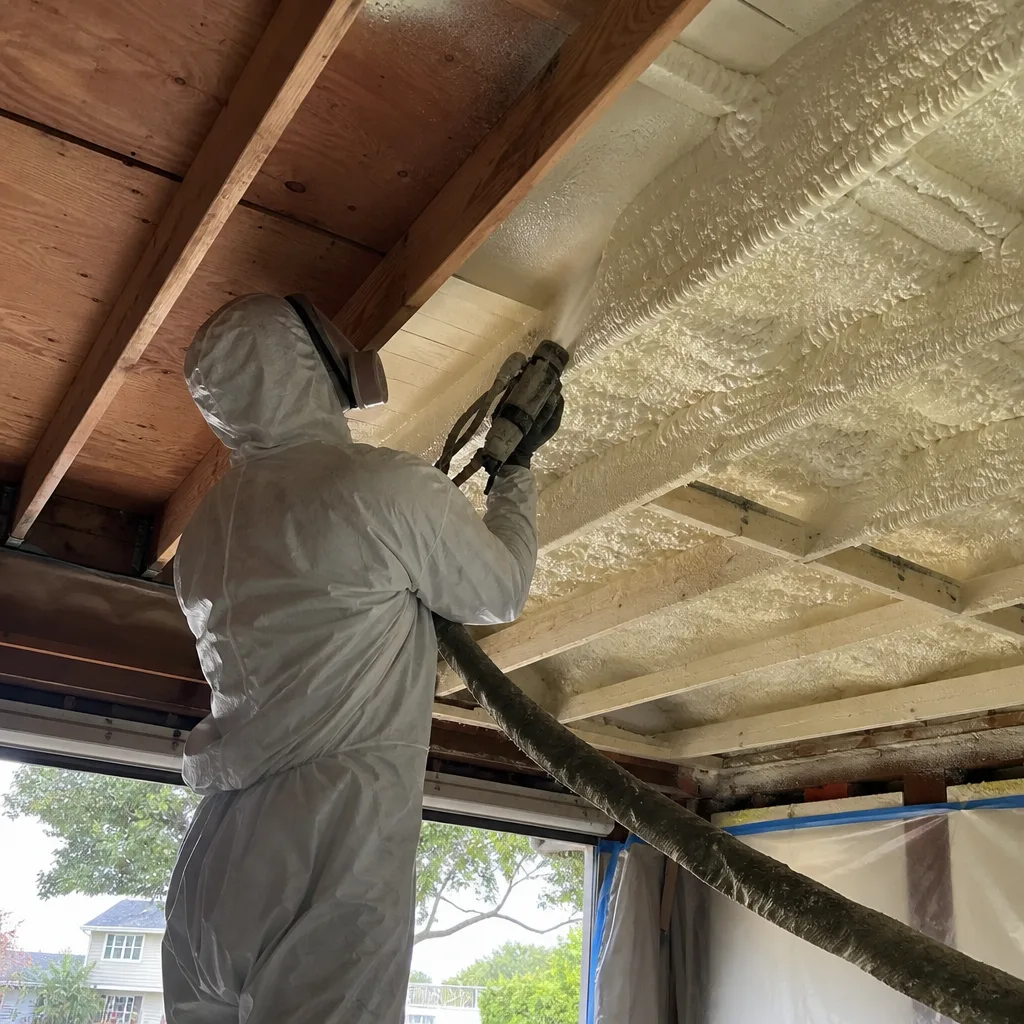
Crawl Space Insulation
Crawl space insulation in a conditioned or encapsulated space typically means rigid foam board on foundation walls or spray foam on rim joists, replacing the failed fiberglass batts that were originally stuffed between floor joists. You need this replacement when your existing insulation is compressed, wet, or falling down - which it almost certainly is if your crawl space has ever flooded or held standing water, a condition we’ve found in dozens of Campbell homes near Los Gatos Creek. We remove the old material completely, document the condition of the joist bays with photos, then install insulation only after air sealing is verified. For wall applications, we often specify Rockwool Comfortboard or Knauf Insulation rigid board for its moisture resistance and fire rating; for rim joists and complex geometry, we may recommend Icynene open-cell spray foam applied to proper thickness. The written scope specifies R-value target and material brand, with no proprietary lock-in.
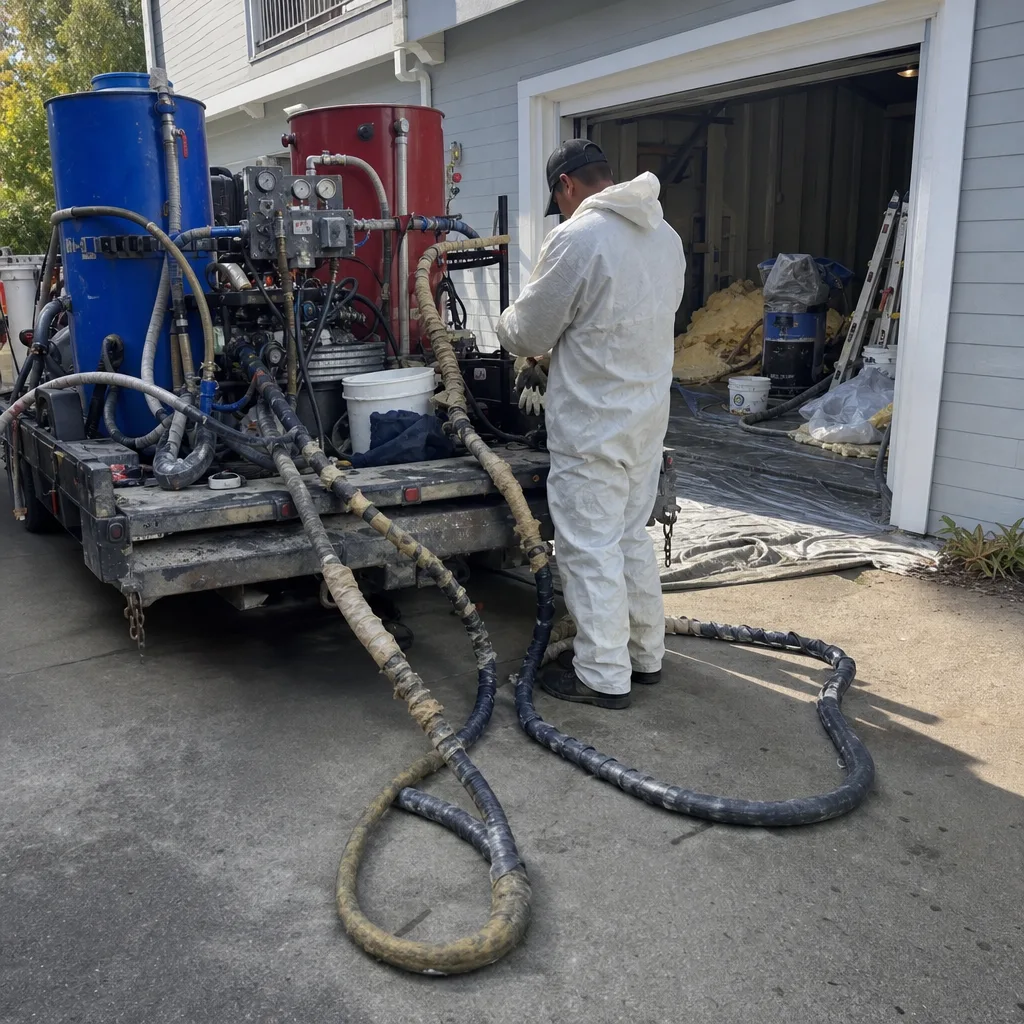
Crawl Space Moisture Control
Moisture control is the ongoing management of humidity, condensation, and bulk water entry through grading, drainage, sump pumps, and mechanical dehumidification. You need this when encapsulation alone won’t solve the problem - typically in Campbell homes with negative yard grading, failed perimeter drains, or chronically damp conditions that persist even after vapor barrier installation. Our moisture control assessments include a hygrometer reading of ambient conditions, visual inspection for efflorescence on foundation walls, and documentation of any standing water or previous fungal growth. We specify solutions in writing: perhaps a Santa Fe or Aprilaire dehumidifier sized to the cubic footage, or a perimeter French drain with gravity discharge if the site allows. The Haven Standard requires that we show you the photos, explain the readings, and give you a written price before any equipment is ordered.
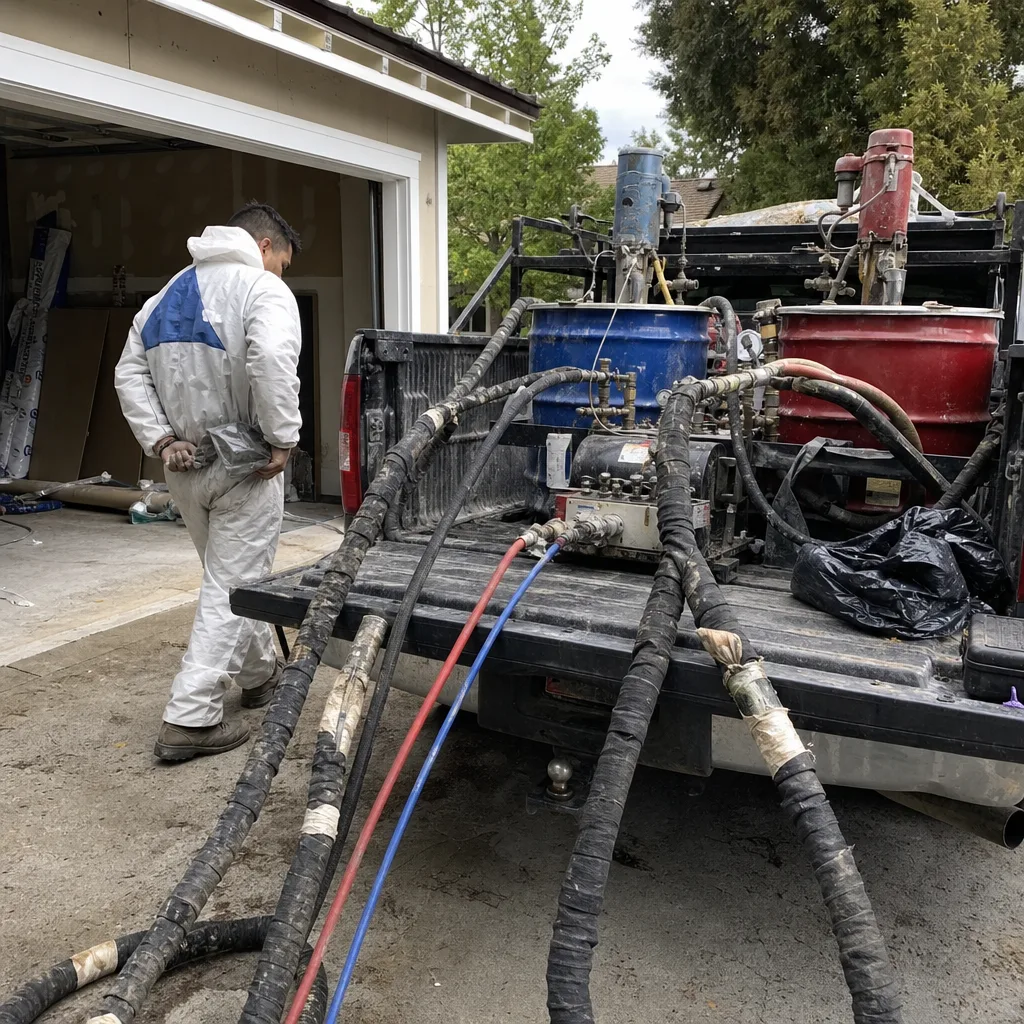
Crawl Space Cleanout
Crawl space cleanout is the removal of debris, failed insulation, pest droppings, and contaminated vapor barriers before any new work begins. You need this when your crawl space hasn’t been accessed in years, when there’s evidence of rodent activity, or when a home inspection flagged conditions that could affect a sale - increasingly common in Campbell’s competitive real estate market, where buyers from Cupertino and Sunnyvale demand documentation. Our cleanout crew wears respirators and protective suits, bags all debris for proper disposal, and photographs every bay before and after. We do not install new materials over old contamination; the written scope specifies exactly what was removed, what was found, and what condition the substrate was left in. If structural damage or active pest entry is discovered, we document it and pause for your decision before proceeding.
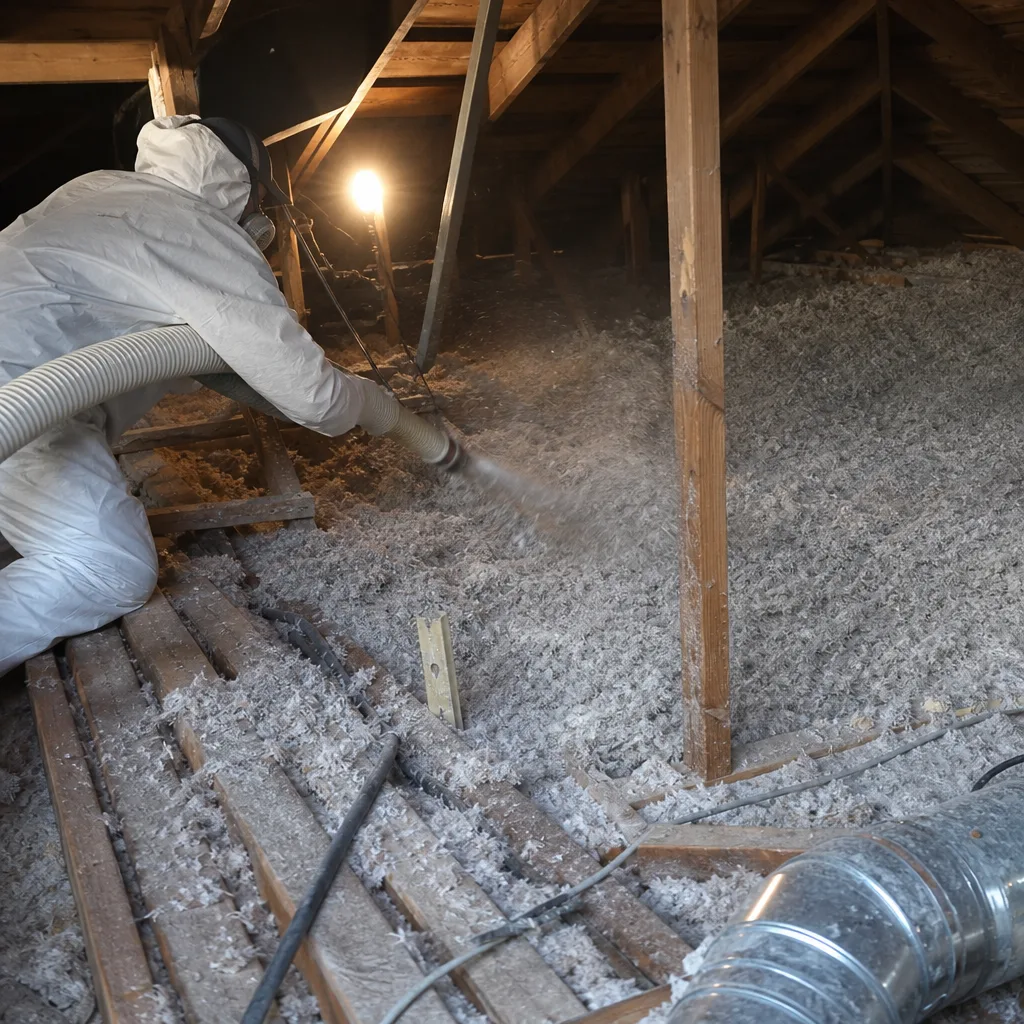
What happens when you call
- 1
A real person answersNo phone trees - you reach a local pro.
- 2
You get an upfront price rangeHonest numbers before anyone is dispatched.
- 3
A background-checked tech heads outLicensed & insured, dispatched right away.
- 4
You approve before work beginsNothing starts until you say go.
Brands We Service for Crawl Space Encapsulation & Vapor Barrier
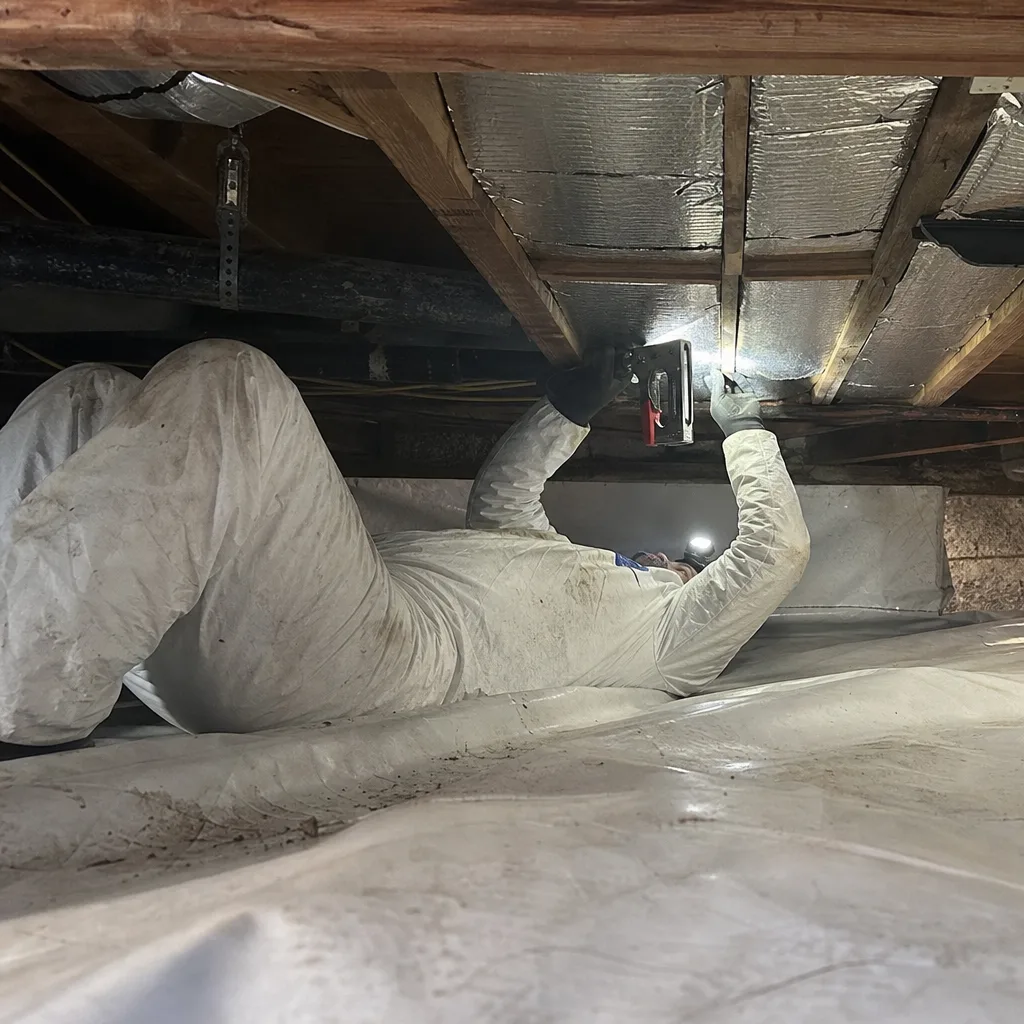
We’ve installed Knauf Insulation products in hundreds of Campbell-area crawl spaces, particularly their EcoSeal water-based elastomeric sealant for rim joist air sealing and their Jet Stream Ultra blown-in fiberglass for rare above-floor applications where the crawl space is converted to conditioned storage. Knauf’s formaldehyde-free formulation matters in tight crawl spaces where off-gassing has nowhere to dissipate, and we specify their products when homeowners request Greenguard Gold certification for indoor air quality.
Rockwool Comfortboard 80 is our default specification for rigid insulation on crawl space foundation walls in Campbell homes with partial encapsulation or non-continuous heating. We’ve used it extensively in the older neighborhoods near Campbell Park, where foundation walls are often uneven poured concrete that benefits from Rockwool’s compressive strength and moisture tolerance. The material doesn’t absorb water, won’t support mold growth, and maintains its R-value if the vapor barrier is ever compromised - a durability factor we document in our written warranty. Whether your project calls for Rockwool, Knauf, CertainTeed, Icynene, or another material from our approved list, we source from the open market with no proprietary lock-in and specify the brand and product by name in your written scope.
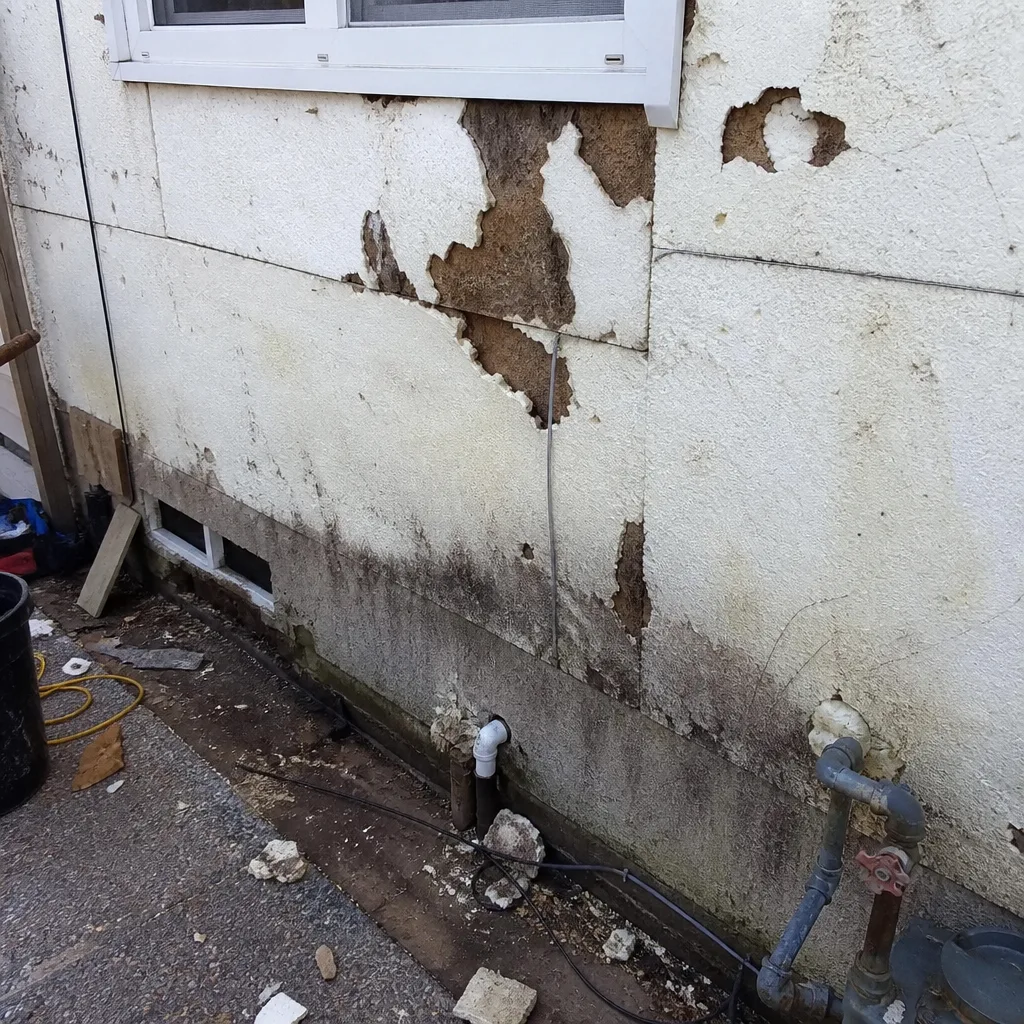 Before
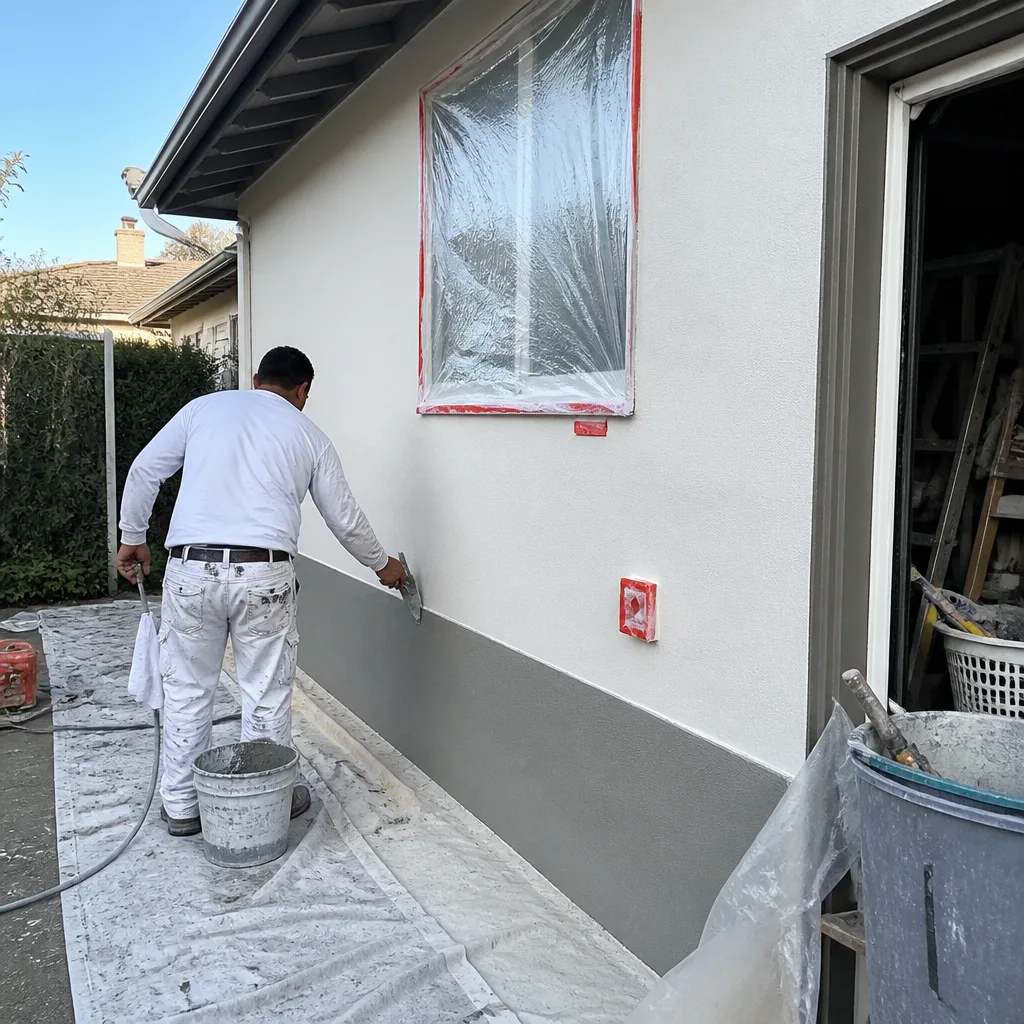 After
AfterSigns You Need Crawl Space Encapsulation & Vapor Barrier Right Now
- Musty odors inside the home that intensify in humid weather. Campbell’s winter rains and summer irrigation cycles drive moisture through vented crawl spaces, and that smell is microbial volatile organic compounds - actual metabolic byproducts of mold and bacteria colonizing damp wood. We find this most often in homes with original foundation vents on multiple walls, which were code-required for decades but function as moisture inlets in our climate.
- Floor insulation sagging or falling between joists. Fiberglass batts lose structural integrity when they absorb moisture, and once they sag, they create air gaps that defeat their purpose. Our crews in Campbell regularly pull down waterlogged batts that weigh three times their dry weight, with the paper vapor barrier degraded to pulp.
- Corroded HVAC ducts or rusted duct hangers in the crawl space. Metal ductwork in a vented crawl space sweats when cool conditioned air meets humid outside air, and that condensation accelerates corrosion. We’ve replaced entire flex-duct systems in Campbell homes where the metal trunk line had perforated from the inside out, dumping conditioned air into the crawl space and driving up energy bills.
- Wood floors cupping or buckling from below. Cupping - edges raised, center depressed - indicates moisture imbalance between the top and bottom of the floorboard. In Campbell’s older homes with original oak or fir flooring, this pattern often traces directly to a crawl space with no vapor barrier and seasonal humidity swings above 70%.
- Pest activity or rodent droppings concentrated near foundation vents. Vents are entry points, and a damp crawl space with organic debris provides habitat. We document this condition with photos during every inspection, and we note that encapsulation with sealed vents eliminates the primary access route while drying the environment that supported infestation.
Our Crawl Space Encapsulation & Vapor Barrier Process - Step by Step
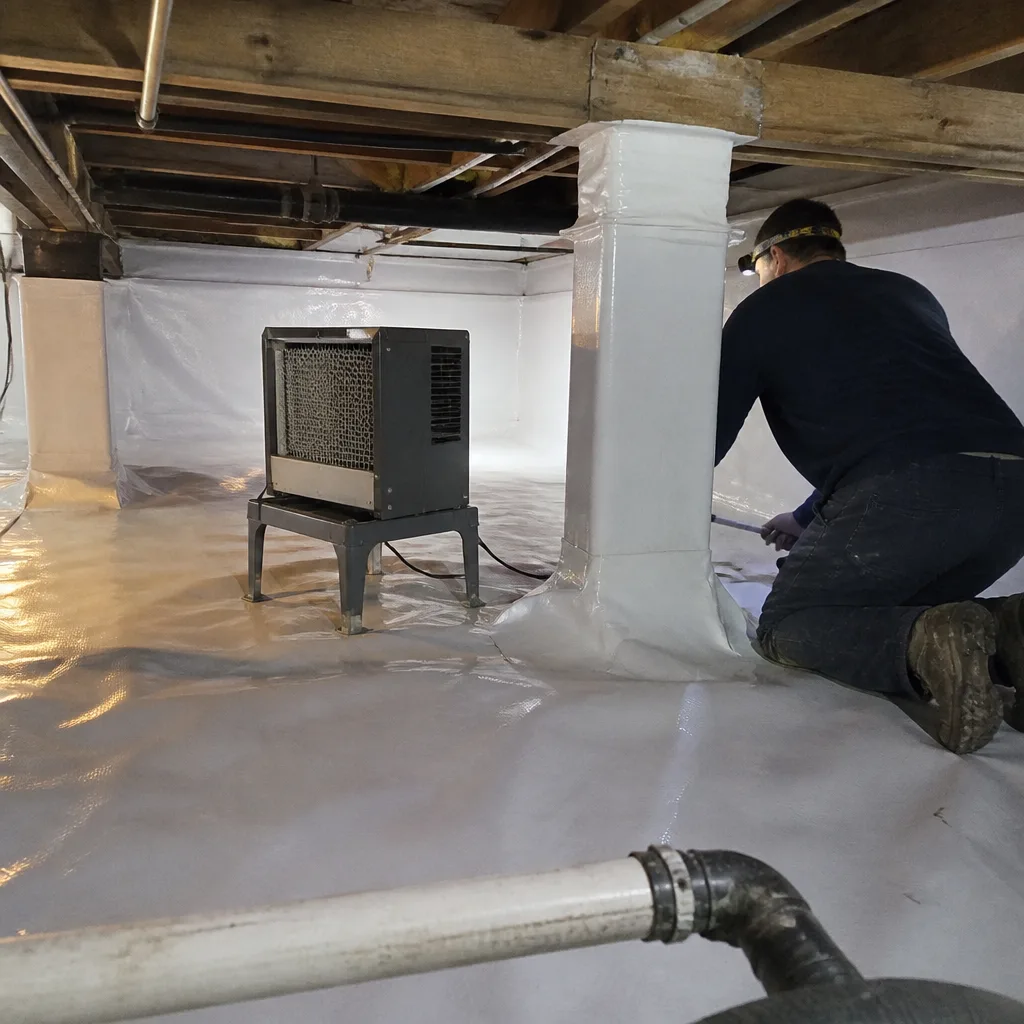
- 1
Inspection and documentation. We access your crawl space with a moisture meter, hygrometer, and camera, recording existing conditions including insulation type and condition, visible moisture damage, pest evidence, and HVAC duct integrity. For Campbell homes, we pay particular attention to foundation vent configuration and any history of Los Gatos Creek flooding, which affects properties in the eastern part of town. You receive these photos before we leave the site.
- 2
Written scope and price. Under Haven Standard Clause 1, we deliver a flat price, written scope, and written warranty before anyone lifts a tool. The scope specifies materials by brand and model - Rockwool Comfortboard, Knauf EcoSeal, Icynene spray foam, or others as appropriate - with quantities and R-values. There is no “call for a quote” step; the price is the price.
- 3
Cleanout and preparation. We remove all failed insulation, debris, and contaminated vapor barriers, disposing properly and photographing the cleaned substrate. If we find structural damage, active leaks, or pest entry points, we document them and pause for your authorization before proceeding. This step cannot be skipped; new materials installed over contamination fail prematurely, and we won’t warrant work built on a compromised base.
- 4
Air sealing first, then insulation. We seal all rim joists, sill plates, penetrations, and the perimeter of the vapor barrier to the foundation walls before adding any insulation. This sequence is non-negotiable - we will never blow insulation over an unsealed envelope. For Campbell encapsulations, we typically achieve measurable reduction in blower-door readings when the crawl space is connected to conditioned space through floor penetrations.
- 5
Installation, testing, and final documentation. We install the specified vapor barrier, insulation, and any mechanical dehumidification, then photograph all completed work. On applicable jobs, we run blower-door tests before and after to quantify air leakage reduction. You receive a Documented Photo Record, the written warranty, and the 365-Day Done Right Promise in writing before the crew departs.
How Much Does Crawl Space Encapsulation & Vapor Barrier Cost in Campbell?
A typical crawl space vapor barrier installation in Campbell - 6-mil to 10-mil reinforced polyethylene over bare earth in a 1,200-square-foot crawl space - runs $2,800-$4,200. Full encapsulation with closed-cell spray foam on walls, sealed vents, and a dedicated dehumidifier for the same footprint typically ranges from $6,500-$8,500. Partial encapsulation, where we seal vents and install a vapor barrier without wall insulation, falls between $4,000-$6,000 depending on access difficulty and existing conditions.
Several factors move these numbers. Access clearance matters: if your crawl space entrance is smaller than 18 by 24 inches or the interior height drops below 18 inches, labor time increases significantly. The condition of existing materials affects cost too - removal of waterlogged insulation and contaminated vapor barriers adds $800-$1,500 to most Campbell jobs. Foundation wall material is another variable; poured concrete walls take foam board more readily than the rubble stone or brick found in some pre-1950 Campbell homes near the historic district, where additional prep work may be needed.
Moisture control equipment adds cost but protects the investment. A quality dehumidifier sized for crawl space volume - typically 70-pint to 90-pint capacity for Campbell’s 1,000-1,500 square foot crawl spaces - runs $1,200-$2,000 installed with a condensate pump and drainage to daylight. We specify this equipment in writing with model numbers and warranty terms, never as an unspecified add-on.
To avoid overpaying, get competing quotes in writing and bring them to us for a Free Second Opinion - we’ll read them with you line by line and explain where specifications differ. The lowest price with thinner mil plastic, unsealed seams, or skipped air sealing will cost more when it fails in three years. Our written scope specifies every material and step so you can compare directly.
Every free estimate includes the inspection, photos of existing conditions, and a written price valid for 30 days. Call (831) 534-3206 to schedule - estimates are free, and there’s no obligation until you approve the written scope.
Crawl Space Encapsulation & Vapor Barrier Near Campbell - Our Service Area
We inspect and encapsulate crawl spaces throughout Campbell and neighboring communities, typically arriving within 24-48 hours of your call. Our service area includes Crawl Space Encapsulation & Vapor Barrier in Los Gatos to the southwest, Crawl Space Encapsulation & Vapor Barrier in Saratoga to the west, and extends north to Cupertino, Santa Clara, and Sunnyvale, east to San Jose and Alum Rock, and southeast to Milpitas and East Foothills. Homes in the Los Altos and Mountain View areas share Campbell’s clay soil and moisture patterns, and we apply the same inspection protocols and material specifications across all these markets. Response times are fastest in Campbell proper and the adjacent San Jose neighborhoods west of Highway 17.
Serving Campbell, CA - Our Local Coverage Area
We’re based in the Campbell area and know this community well. Use the map below to see our service coverage - if you’re nearby, we can almost certainly help.
Frequently Asked Questions - Crawl Space Encapsulation & Vapor Barrier in Campbell
Crawl space encapsulation is the complete sealing of your crawl space from outside air and ground moisture, while a vapor barrier is the ground-covering component that blocks soil moisture evaporation. You need a vapor barrier in every vented or unvented crawl space with a dirt floor; full encapsulation is necessary when you have recurring moisture problems, musty indoor air, or plans to condition the space. Our inspection determines which level of protection your Campbell home requires, and we specify our Crawl Space Encapsulation & Vapor Barrier in Campbell approach in writing with a fixed price.
A standard vapor barrier installation in a 1,200-square-foot crawl space takes one day; full encapsulation with wall insulation and dehumidification typically requires two to three days. Access difficulty, extent of cleanout needed, and material curing times - particularly for spray foam applications - can extend this timeline. We specify the schedule in your written scope and arrive on the agreed date with a named technician, per Haven Standard: Arrive on schedule.
Complete encapsulation for a typical Campbell home runs $6,500-$8,500, with vapor-barrier-only projects at $2,800-$4,200 and partial systems in between. Your specific price depends on crawl space square footage, access conditions, existing material removal needs, and whether mechanical dehumidification is specified. Call (831) 534-3206 for a free estimate with a written price valid for 30 days - no obligation until you approve the scope.
Yes, we install and specify Knauf, Rockwool, CertainTeed, and Icynene products regularly, with no proprietary lock-in or exclusive arrangement with any manufacturer. Your written scope names the specific brand and product we recommend for your conditions, and we’ll substitute an equivalent from our approved list if you have a preference. Bring us a competing quote specifying another brand; we’ll review it in our Free Second Opinion service.
We answer calls live 24 hours a day, and we prioritize crawl space flooding, sewage backup, or structural water damage with same-day or next-day response. For non-emergency encapsulation and vapor barrier work, we typically schedule inspections within 48 hours. A live person, not voicemail, will take your call at (831) 534-3206 and dispatch a crew if the situation requires immediate attention.
All completed work is covered by our 365-Day Done Right Promise - if it’s not done right, we make it right - backed by a written warranty delivered before work begins. The warranty specifies coverage for materials, workmanship, and performance metrics where blower-door testing applies. Haven Standard Clause 1 requires this documentation in writing; we do not promise coverage verbally.
Clear access to the crawl space entrance, remove stored items from the area, and ensure we can reach a power source for our equipment. We’ll handle everything else: material delivery, debris removal, and equipment installation. If you have pets or security systems, let us know when you call so we can coordinate access without alarms or escapes.
Schedule Your Crawl Space Encapsulation & Vapor Barrier Service in Campbell Today
Call (831) 534-3206 now - a live person answers 24/7, and we’ll schedule your free inspection with a written price before any work starts. Every job includes a Documented Photo Record, and our 365-Day Done Right Promise protects your investment. Whether you’re in the historic Campbell core, the Pruneyard area, or east toward San Jose, we’ll inspect your crawl space, show you what we found, and give you a flat price in writing. No voicemail loops, no callback windows, no obligation until you approve the scope.
Written by Wes Okafor, Owner at Envelope Insulation Co., serving Campbell since 2016.